satvik food, Traditional Food

Abadha – The Divine Feast of Jagannath Temple, Puri

A Sacred Meal, A Living Tradition

There are meals that fill your stomach  and then there are meals that fill your soul.
For every Odia, Abadha is not just food; it’s faith served on a banana leaf.

If you walk into Puri’s Jagannath Temple around midday, you’ll hear temple bells echoing, smell the faint sweetness of ghee, and see clouds of steam rising from hundreds of earthen pots bubbling away in sacred kitchens.
This is the Rosha Ghara  the world’s largest sacred kitchen, where over 500 cooks (Suaras) prepare the Mahaprasad of Lord Jagannath every single day.

And at the heart of it all is Abadha  a complete meal representing harmony, purity, and divine balance.

The first time I ate Abadha in Puri, I was a child sitting cross-legged with my mother on the cool temple floor. The brass ladle gleamed as the temple volunteer served one dish after another  steaming Khechudi, fragrant Dalma, golden Kanika, tangy Khatta, earthy Saga, and a small dollop of creamy Kheeri. The food was simple, but something about it felt transcendental.

That first bite of Khechudi with ghee  mild, humble, yet satisfying  tasted like peace itself.


The Philosophy Behind Abadha

Abadha represents the philosophy of Jagannath  inclusiveness and equality.
It is offered first to the Trinity  Lord Jagannath, Lord Balabhadra, and Devi Subhadra  and then shared with everyone, regardless of caste, creed, or wealth.
Once it’s offered, it becomes Mahaprasad  blessed food that carries divine energy.

It’s believed that every element in Abadha is symbolic:

Rice – purity and stability

Dalma – nourishment and humility

Khatta – balance between sweetness and tang

Kanika – prosperity and festivity

Kheer – ultimate bliss


Together, they represent the essence of life  balance, harmony, and surrender.


The Sacred Kitchen – Rosha Ghara

The temple’s kitchen is said to be 5,000 years old, spread across multiple chambers with 752 wood-fired clay hearths called chulhas.

All cooking is done in earthen pots, stacked one above the other  sometimes up to nine levels high.
Here lies the miracle:
Though the fire burns from below, the pot at the top cooks first, followed by the ones beneath it  a mystery that defies logic and is considered divine.

Each cook (Suara) follows ritual purity rules, bathing before entering the kitchen and chanting mantras as they stir the pots.
No onion, garlic, or processed ingredients are ever used. Only natural, seasonal vegetables, desi ghee, and temple-grown rice fill the sacred air.

The aroma of burning wood, roasted cumin, and steaming rice lingers like incense.
The Components of Abadha Thali

While the temple’s Chhappan Bhog (56 offerings) is vast, a home-style Abadha Thali generally includes:

1. Khechudi (Rice & Moong Dal Khichdi) – soft, buttery, temple-style khichdi made with ghee and turmeric.


2. Dalma – the soul of Odia cuisine; lentils and vegetables cooked together with ghee and cumin.


3. Kanika – sweet, fragrant ghee rice with cardamom, raisins, and cashews.


4. Khatta – tangy-sweet relish made from ou (elephant apple), raw mango, or tomato with jaggery and mustard.


5. Saga Bhaja – sautéed leafy greens (like amaranth or spinach) with mustard seeds.


6. Badi Chura – crushed lentil dumplings mixed with mustard oil, green chili, and salt.


7. Dahi Pakhala – fermented rice water with curd, salt, and chili for cooling.


8. Kheeri (Rice Kheer) – thick, creamy pudding made with milk, ghee, and jaggery.


Each dish complements the other — light and heavy, sweet and savory, mild and sharp — much like life itself.


Preparing Abadha at Home (4 Servings)

Below is a simplified, home-style Abadha recipe that captures the spirit of temple food while being practical for everyday kitchens.


1. Khechudi (Temple-Style Khichdi)

Ingredients:

1 cup rice

½ cup moong dal

2 tbsp ghee

½ tsp turmeric

1 tsp cumin seeds

Salt to taste


Method:

1. Dry roast moong dal until aromatic.


2. Add rice, turmeric, and 3 cups water. Cook till soft and mushy.


3. Temper with ghee and cumin seeds before serving.


2. Dalma (Lentil and Vegetable Curry)

Ingredients:

1 cup arhar dal

2 cups mixed vegetables (pumpkin, brinjal, papaya, raw banana, drumstick)

1 tsp cumin powder

1 tsp grated ginger

2 tbsp ghee

Salt to taste


Method:

1. Pressure cook dal and vegetables with turmeric and salt.


2. In ghee, roast cumin seeds and red chilies.


3. Add to dal mixture and simmer for 10 minutes.


4. Finish with grated coconut and ghee.


3. Kanika (Sweet Ghee Rice)

Ingredients:

1 cup basmati rice

2 tbsp ghee

¼ cup sugar or grated jaggery

2 tbsp chopped dry fruits

½ tsp cardamom powder


Method:

1. Heat ghee, fry dry fruits till golden.


2. Add soaked rice and stir for 2 minutes.


3. Add sugar and water (1.5 cups).


4. Cook covered until fragrant and fluffy.


4. Khatta (Sweet-Tangy Chutney)

Ingredients:

1 cup raw mango or tomato (chopped)

2 tbsp jaggery

1 tsp mustard seeds

1 tsp oil, salt, and pinch of turmeric


Method:

1. Heat oil, add mustard seeds and turmeric.


2. Add mango/tomato and cook till soft.


3. Add jaggery and simmer until thick and glossy.


5. Saga Bhaja

Ingredients:

2 cups amaranth or spinach leaves (chopped)

1 tsp mustard seeds

1 tsp oil, pinch of salt


Method:

1. Heat oil, add mustard seeds.


2. Add greens and stir-fry till just wilted.


6. Kheeri (Temple-Style Rice Kheer)

Ingredients:

1 liter full-fat milk

¼ cup rice

¼ cup jaggery or sugar

2 tbsp ghee

½ tsp cardamom powder


Method:

1. Boil milk and add soaked rice.


2. Simmer till thick and creamy.


3. Add jaggery, ghee, and cardamom.


4. Serve warm or chilled.


Serving the Abadha Thali

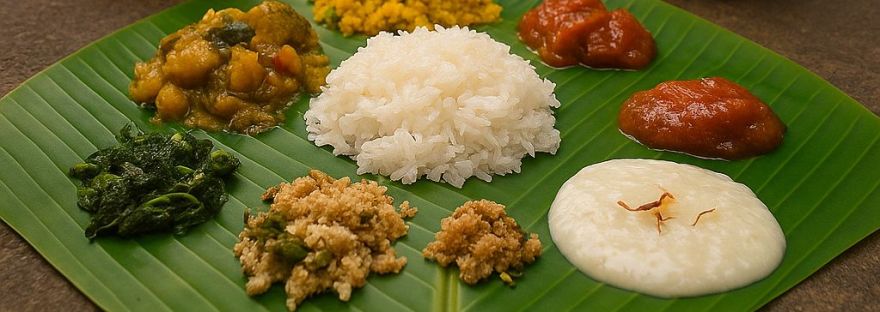
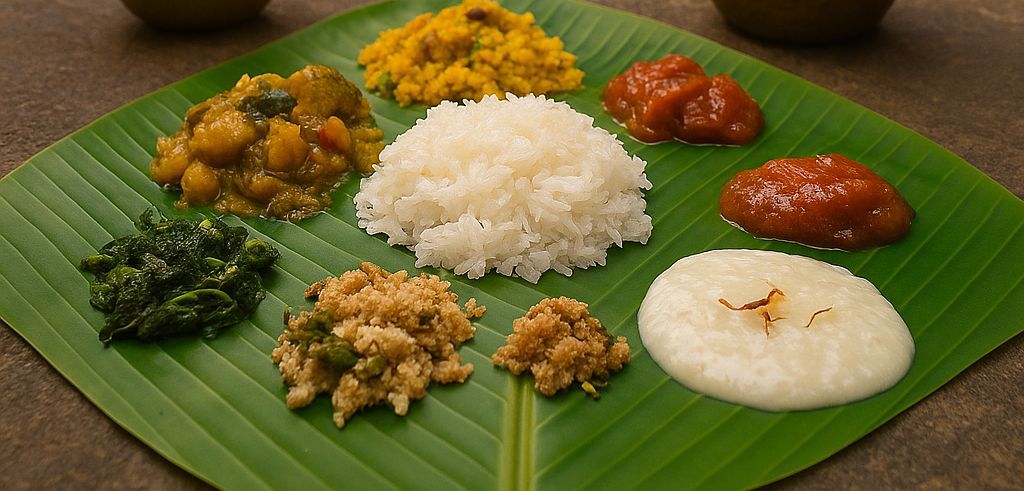
Traditionally, Abadha is served on fresh banana leaves in a specific sequence

Rice in the center,

Dalma on the right,

Khatta and Besara at the top,

Kheeri at the bottom right,

And Saga or Badi Chura to the left.


Every serving begins with a prayer —
“Anna Brahma, Jala Vishnu, Agni Rudra, Vasundhara Lakshmi” —
meaning Food is God, Water is Vishnu, Fire is Shiva, and Earth is Goddess Lakshmi.

The first morsel is offered mentally to Lord Jagannath before eating.


Expert Tips for Authentic Taste

Use earthen or brass cookware for the best aroma.

Cook on slow flame  temple food is never rushed.

No onion or garlic  satvik simplicity is key.

Add freshly grated coconut to dalma and saga bhaja for richness.

Use pure cow ghee  it’s both flavor and offering.


Abadha – A Symbol of Equality

What makes Abadha truly special is not its taste, but its philosophy.
In Puri, everyone  from priests to pilgrims, from royals to farmers  sits in one row and eats the same food. No differences, no hierarchies, no ego.

That’s the magic of Mahaprasad.
It unites everyone under one truth  that we are all children of the same divine kitchen.


Closing Note

Every time I prepare Abadha, my kitchen feels like a temple. The sound of boiling rice, the soft crackle of cumin, and the smell of ghee remind me that cooking can be a form of prayer.

Abadha teaches us patience, humility, and gratitude  the three flavors life is made of.

So, if you ever crave peace, don’t look far.
Light a diya, spread a banana leaf, cook a simple meal of rice, dalma, and kheer  and eat slowly, reverently, joyfully.

Because Abadha isn’t just food  it’s Odisha’s soul served with devotion.
satvik food

Kosambari – Traditional Moong Dal Salad from Karnataka

A Memory from Festival Mornings

Every Ugadi morning in our home began with the scent of jasmine flowers, fresh mango leaves adorning the doorway, and the rhythmic clang of steel tumblers as everyone hurried through the morning pooja rituals. Amidst all this, one quiet dish always sat on the kitchen counter, waiting to be mixed Kosambari.

I remember my grandmother preparing it with her graceful calm while the rest of us were caught up in festive chaos. The yellow moong dal would be soaked early in the morning, perfectly timed to soften by lunch. She’d peel crisp cucumbers, grate snowy coconut, and chop tiny green chilies that looked so innocent but packed quite the punch.

When she finally mixed everything together the tender lentils, crunchy cucumber, and coconut it wasn’t just a salad; it was a tradition in a bowl. And when the tempering hit the mixture, the mustard seeds crackled like firecrackers and the aroma filled the kitchen, signaling the start of the festive meal.

Even today, one bite of that cool, lightly seasoned salad takes me back to those temple lunches on banana leaves where Kosambari sat beside Payasam, Puliyogare, and Sagu balancing every spicy, rich flavor with its quiet simplicity.

Recipe Card

Servings: 3–4
Prep Time: 10 minutes
Cook Time: 0 minutes
Resting Time: 1 hour (for soaking moong dal)

Ingredients

For the Salad

½ cup split yellow moong dal (hesaru bele)

1 small cucumber, finely chopped

2 tablespoons fresh grated coconut

1–2 green chilies, finely chopped (adjust spice to taste)

1 tablespoon lemon juice (or more, depending on sourness)

2 tablespoons fresh coriander leaves, finely chopped

Salt, to taste


For Tempering (Optional but Traditional)

1 teaspoon ghee or oil

½ teaspoon mustard seeds

1 pinch asafoetida (hing)

5–6 curry leaves

Step-by-Step Instructions

1. Soak the Moong Dal

Rinse the moong dal 2–3 times until the water runs clear.
Soak it in a cup of water for about 1–2 hours, until the lentils turn slightly soft but retain their shape.
Drain completely using a sieve and keep aside.
(Tip: Don’t over-soak the lentils should have a bite, not become mushy.)


2. Prepare the Salad Base

In a large mixing bowl, combine the soaked dal, chopped cucumber, grated coconut, green chilies, lemon juice, and salt.
Mix everything gently with a spoon until well combined.
Add freshly chopped coriander for that bright, herbal touch.


3. Make the Tempering (Optional but Traditional)

In a small pan, heat ghee (or oil).
Add mustard seeds and let them splutter.
Then add hing and curry leaves, and fry for a few seconds until aromatic.
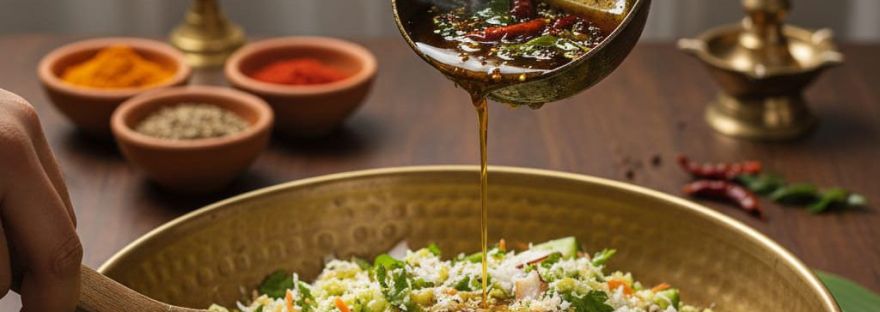
Pour this sizzling tempering over the salad mixture.

The moment it touches the bowl, you’ll hear a soft hiss that’s when you know the magic is happening. Stir lightly to coat everything evenly.


4. Chill and Serve

Kosambari tastes best slightly chilled or at room temperature.
Let it rest for 10–15 minutes before serving, so the flavors from the tempering, lemon, and coconut meld beautifully.

Serve it in a small bowl or banana leaf cup (donne) alongside your festive meals or enjoy it solo as a light, protein-rich snack.

Expert Tips for Authentic Flavor

Soaking Time: The ideal texture of the moong dal is soft yet firm. Soak for about 1–2 hours not more. Over-soaking makes it mushy and ruins the crunch.

Fresh Ingredients Matter: Always use fresh coconut and tender cucumbers. The combination gives the salad its signature lightness and fragrance.

Temple-Style Version: Skip the onions or garlic entirely. Use ghee instead of oil for the tempering to capture the satvik temple flavor.

For a Twist: You can add grated carrot, finely chopped raw mango (for tanginess), or pomegranate seeds (for sweetness and color).

Serving Tip: Kosambari is best served immediately after mixing. If making ahead, keep the soaked dal and chopped veggies separate and mix just before serving.

Pairing Suggestion: Serve it alongside South Indian festive dishes like Puliyogare, Chitranna, or Bisi Bele Bath for a complete Karnataka-style thali.

Closing Note

Every family has that one recipe that feels like sunshine in a bowl for me, Kosambari is exactly that.
It’s humble, refreshing, and quietly nourishing. In a world where food often feels complicated, this simple salad reminds us that true comfort lies in simplicity in the rhythm of soaking lentils, the crunch of cucumber, and the scent of tempering drifting through a festive home.

When I make Kosambari today, I still serve it the way my grandmother did in a small steel bowl, with a drizzle of ghee and a smile that says, “Eat slow, this is how traditions taste.” 💛

Fastival Food

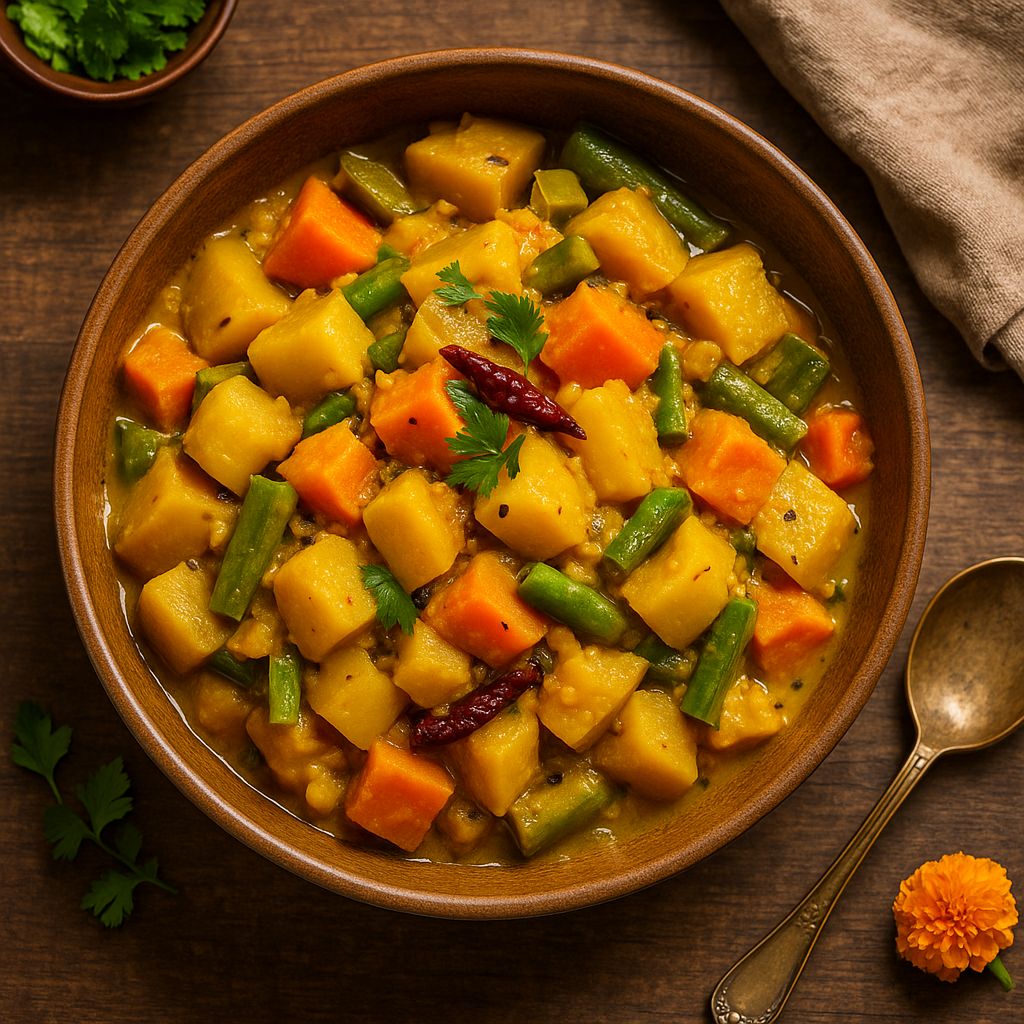
Labra | Bengali Bhog Special Mixed Veg

For Bengalis, Durga Puja is as much about feasting as it is about devotion. I can still picture myself as a child, sitting eagerly on the floor with a banana leaf spread out in front of me. Volunteers at the local pandal would come around with buckets of bhog (community feast), generously serving ladlefuls of khichuri (rice-lentil porridge), Labra, tomato chutney, and payesh (sweet rice pudding) onto our leaves. The air would be thick with the mouthwatering aroma of ghee, spices, and incense. One bite of that warm, mildly spiced Labra mixed with the ghee-soaked khichuri, and I felt the true spirit of Puja come alive in my mouth.

Labra – or bhoger labra as we often call it when it’s prepared for puja – is more than just a mixed vegetable curry; it’s an emotion. The term bhog denotes food offered to the gods, and accordingly this dish is prepared without any onion or garlic. Yet despite being a satvik (pure veg) preparation, Labra bursts with flavor. Ma always said the secret was in using the freshest seasonal vegetables and the magical tempering of panch phoron (Bengali five-spice mix) in mustard oil. She would toss in whatever veggies were on hand – pumpkin for sweetness, eggplant for creaminess, a few potatoes or sweet potatoes for heartiness, plus sometimes radish or green beans – making sure to include that trio of pumpkin, eggplant, and potato that defines a good Labra. As the vegetables slowly simmered together, they released their own juices and melded into a harmonious medley of textures and tastes.

I recall how the whole house would come alive with the sound and smell of Labra cooking. The panch phoron seeds would sputter in hot mustard oil, releasing an inviting aroma that drew everyone to the kitchen. Towards the end, Ma would drizzle a spoonful of ghee into the pot for a divine finishing touch. Sometimes she also added a pinch of homemade bhaja masala – a dry-roasted spice blend – right at the end to elevate the fragrance. The result was a hearty, homestyle curry where the vegetables were soft, slightly mushy, and soaked in spices, each bite tasting like comfort and tradition.

Recipe: Labra (Bengali Bhog Special Mixed Veg)

Servings: 4
Prep Time: 15 minutes
Cook Time: 30 minutes

Ingredients:

2 cups pumpkin (red pumpkin/kabocha), peeled and cubed

1 medium potato (or sweet potato), peeled and cubed

1 small eggplant, cut into chunks

1 cup green beans, cut into 2-inch pieces

1 small radish, peeled and cubed (optional)

2 tablespoons mustard oil (or vegetable oil)

1 teaspoon panch phoron (Bengali five-spice mix)

A pinch of asafoetida (hing)

2 dried red chilies

1 teaspoon grated ginger

1/2 teaspoon turmeric powder

1/2 teaspoon red chili powder (optional, to taste)

1/2 teaspoon sugar (optional, for balance)

Salt to taste

1 teaspoon bhaja masala (Bengali roasted spice mix), optional (for finishing)

1 tablespoon ghee, for finishing (optional but recommended)


Instructions:

1. Prep the veggies: Wash, peel, and cut all the vegetables into similar bite-sized pieces. Try to keep the pumpkin, potato (or sweet potato), eggplant, radish, etc., in slightly larger than bite-size chunks so they don’t disintegrate completely while cooking.


2. Temper the spices: In a heavy-bottomed pot or kadhai, heat the mustard oil over medium heat until it’s hot (you’ll see a slight smoke). Add the panch phoron and the dried red chilies. Let them sizzle for a few seconds until the seeds start to crackle and release their aroma. Sprinkle in the pinch of asafoetida (hing) as the spices crackle. This tempering will be very fragrant – be careful not to burn the spices, just toast them until aromatic.


3. Cook hardy vegetables first: Immediately add the diced pumpkin, potato, and radish (if using) to the pot. Stir the vegetables so they get coated in the spiced oil. Add the grated ginger, turmeric powder, red chili powder (if using), salt, and sugar. Mix well. Cover the pan and cook on low heat for about 8–10 minutes, stirring occasionally. You don’t need to add water at this stage – the veggies will begin to release their own moisture and steam in their juices. (Cooking covered on low heat helps the tougher veggies start to soften without burning. If things start sticking, you can sprinkle a tablespoon of water, but usually it’s not necessary.)


4. Add remaining vegetables: Once the pumpkin and potato are partially tender, add the eggplant and green beans to the pot. Give everything a good stir to combine. If the mixture looks very dry, add a splash of water (a few tablespoons at most). Cover again and continue to cook on low heat for another 5–7 minutes. The softer vegetables like eggplant will cook down fast. Stir occasionally. Cook until all the vegetables are soft and cooked through. The goal is for the veggies to be very tender and slightly melded together in a moist curry — they should release juices and almost mash together, creating that classic semi-stewy consistency of Labra.


5. Finish with spices and ghee: Remove the lid and check that the hardest veggies (pumpkin, potato, radish) are fork-tender. By now, you’ll notice the vegetables have released water and there’s a nice soft medley; it shouldn’t be watery, just a thick mixture. Lower the heat. Sprinkle the bhaja masala over the cooked vegetables and add the ghee. Gently fold (stir) the curry to mix in the bhaja masala and ghee, being careful not to mash the veggies too much. Let it cook for another 1 minute on low heat as the finishing spices infuse the dish. Turn off the heat. Taste and adjust salt or sugar if needed.


6. Serve: Labra is best served hot. Traditionally, it’s served as part of Durga Puja bhog with khichuri (Bengali rice-lentil khichdi). Serve a generous scoop of Labra alongside steaming khichuri for an authentic experience. It also goes well with plain steamed rice or even roti. Enjoy the medley of soft vegetables and warm spices, and get ready for a bite of nostalgia!


Tips:

Vegetable Choices: Use an assortment of seasonal vegetables for Labra. Traditionally, pumpkin, eggplant, and potato/sweet potato are must-haves for the perfect balance of sweetness, creaminess, and substance. Apart from these, you can add others like radish, green beans, carrots, or even a handful of spinach – whatever is fresh and available. The key is a mix of textures and flavors, but make sure to include that classic pumpkin-eggplant-potato trio for authenticity.

No Onion & Garlic: Remember that Labra is a satvik dish meant for holy offerings, so it contains no onion or garlic. Don’t be tempted to add them – the dish is designed to be flavorful without them. The combination of ginger, asafoetida, and whole spices provides plenty of depth, proving that you can have a delicious curry without any onion-garlic at all.

Panch Phoron Magic: Panch phoron is the heart of Bengali veggie dishes. If you don’t have this five-spice mix on hand, you can make it by combining equal parts of cumin seeds, black mustard seeds, fenugreek seeds, fennel seeds, and nigella seeds (kalonji). Keep a jar of this mix – when you temper these five spices in hot oil, their blended aroma is what gives Labra its signature Bengali character.

Bhaja Masala (Roasted Spice Mix): For an authentic touch, finish the Labra with a pinch of bhaja masala. To prepare bhaja masala at home, dry roast about 1 teaspoon cumin seeds, 1 teaspoon coriander seeds, 1/2 teaspoon fennel seeds, a bay leaf, and 1 dry red chili on low heat until aromatic. Let them cool, then grind into a fine powder. This fragrant roasted spice powder is a secret weapon in many Bengali recipes. Sprinkling a bit on your Labra at the end (or on individual servings) will add a warm, smoky depth of flavor that truly elevates the dish. You can make a small batch and store it in an airtight container for your next Bengali cooking adventure.

Slow Cooking = Best Flavor: Cook the Labra low and slow. Keep the heat low and the pot covered so the vegetables cook in their own steam. There’s usually no need to add water, as the veggies release enough moisture while cooking. This slow cooking concentrates the flavors and yields that soft, almost stew-like consistency that Labra is known for. If you do need to add a little water to prevent sticking, add just a splash. Also, stir gently from time to time – you want the veggies to soften and mingle, but not turn completely to mush. Labra has a rustic look, with soft pieces of pumpkin and potato that have partially broken down, coating the other veggies in a thick gravy.

Oil & Flavor: Mustard oil is traditionally used for its pungent, robust flavor that really defines Labra. If you have mustard oil, do use it (just remember to heat it to smoking point to remove the raw smell before cooking). If you don’t, you can substitute with any neutral vegetable oil for cooking the spices. However, finishing with a bit of ghee is highly recommended – that last drizzle of ghee adds a rich aroma and brings all the flavors together beautifully. Your kitchen will smell heavenly!


❤️ Closing Note:

This humble Labra isn’t just a curry — it’s a ladle of nostalgia from my childhood. Every time I cook it, I’m transported back to those Puja days, sitting with family and friends and savoring the bhog on banana leaves. It’s amazing how a simple mix of vegetables can carry the warmth of tradition and togetherness in each bite. I hope this recipe brings a bit of that festive magic and comfort into your home. Give it a try during your next celebration (or whenever you crave a hearty veggie dish), and maybe you’ll create some cherished memories of your own. Happy cooking and Subho Durga Puja! 🙏

satvik food

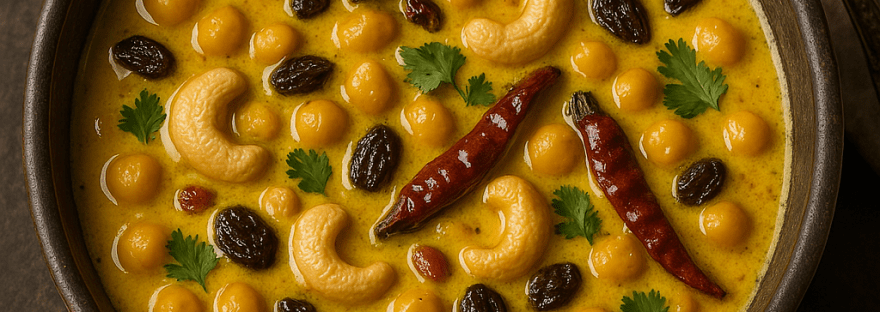
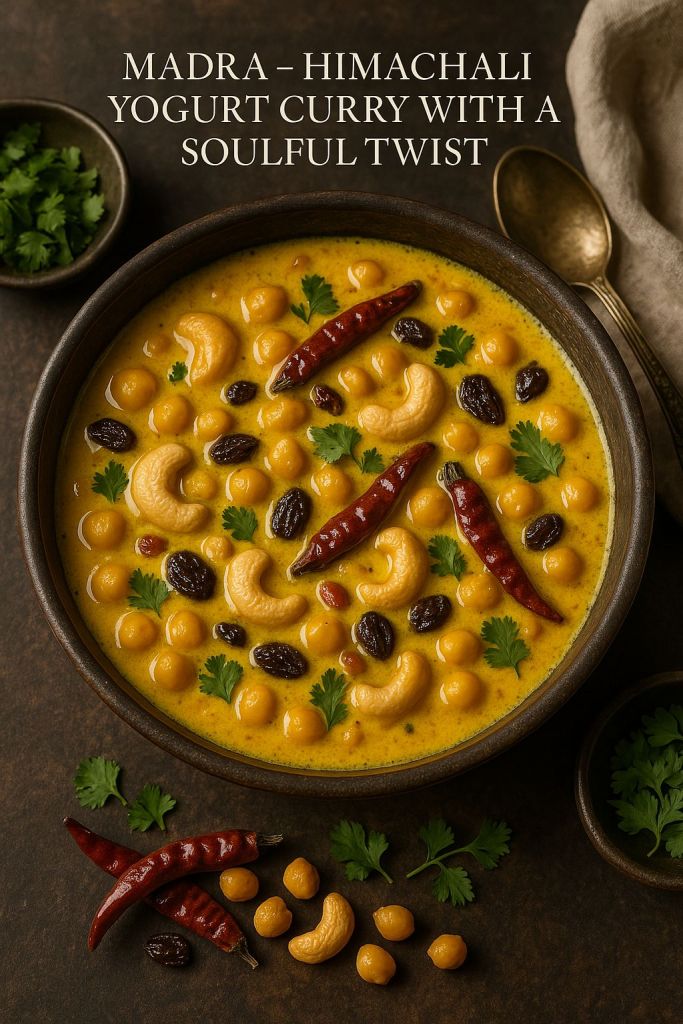
Madra – Himachali Yogurt Curry with a Soulful Twist


🏔️ When Yogurt, Ghee & Simplicity Create Pure Himachali Magic

You won’t find Madra on every restaurant menu.
But you’ll find it in every Dham feast, every temple-style thali, every home that follows food as prayer.

Madra is a slow-cooked yogurt curry — usually made with chana (chickpeas) or rajma — delicately spiced, heavy on ghee, and rooted in the Pahadi tradition.

It’s not about heat or color — it’s about warmth, creaminess, and calm in a bowl.


🛒 What You’ll Need (Serves 3–4):

1 cup chana or rajma, soaked overnight and boiled

1½ cups curd (yogurt), whisked well

2 tbsp ghee

½ tsp jeera

2–3 cloves

1 small bay leaf

2–3 black peppercorns

1 inch cinnamon stick

A pinch of hing

½ tsp turmeric powder

Salt to taste

Optional: ½ tsp besan (helps prevent yogurt from splitting)


🥣 How to Make It – Gentle, Rich & Rooted in Tradition

1. Temper the Spices

In a heavy-bottom pan, heat ghee. Add jeera, cloves, bay leaf, pepper, cinnamon, and hing. Let them bloom.

2. Add Yogurt Gently

Lower the flame. Whisk besan into curd (optional) and slowly add to the pan, stirring continuously to avoid curdling.

3. Simmer Slowly

Let the yogurt mixture cook for 5–7 mins on low flame till it thickens slightly and turns aromatic. Add turmeric and salt.

4. Add Boiled Chana/Rajma

Fold in the boiled legumes. Add a splash of hot water if needed and simmer for another 5–10 mins.

5. Serve with Calm

Garnish with coriander (optional) and serve warm with steamed rice or Himachali-style siddu.


❤️ Why Madra Is More Than a Curry

No onion, no garlic — yet deeply flavorful

Yogurt-based = naturally tangy and creamy

Part of traditional Pahadi celebrations

Because some dishes are meant to be slow

satvik food

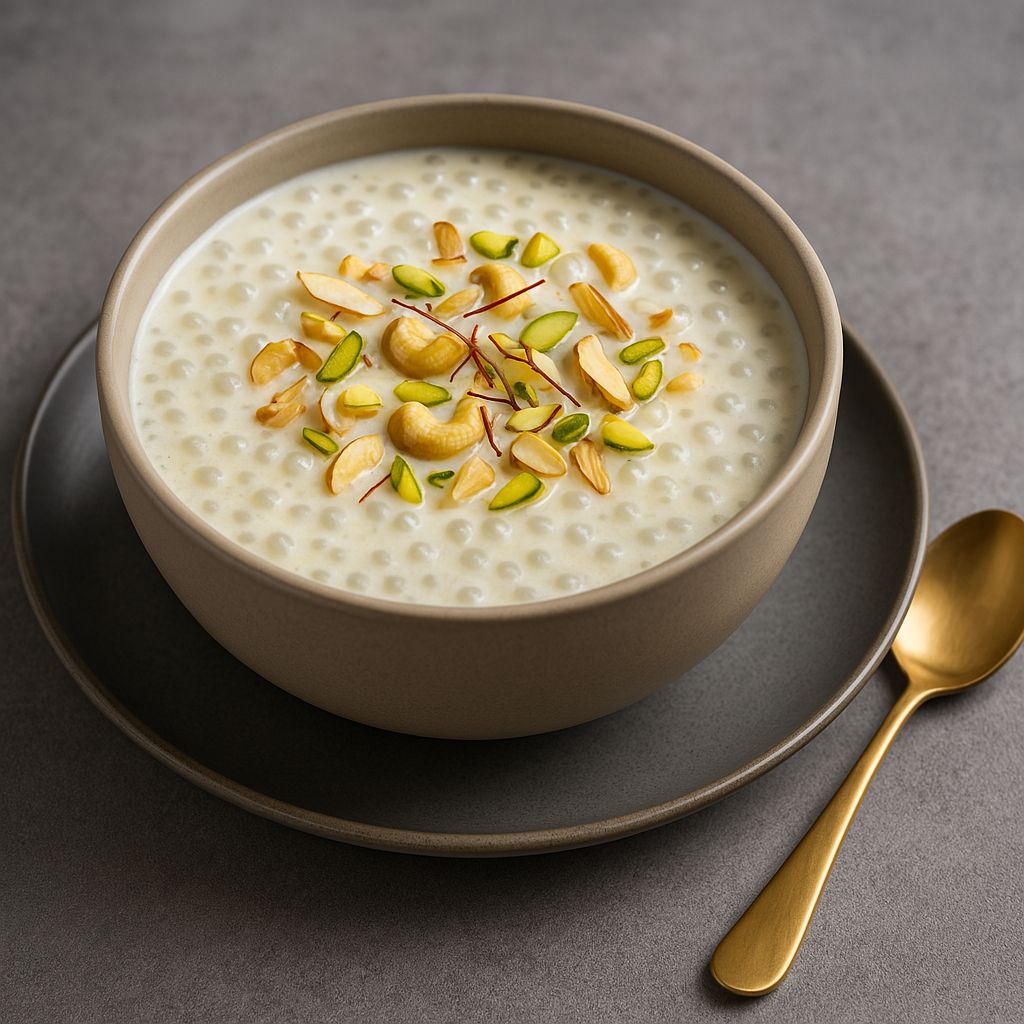
Sabudana Kheer – Sweet Pearls of Peace for Every Vrat Plate


🥣 When Fasting Ends with Something Soft and Sweet

There are desserts you devour.
And then there’s Sabudana Kheer —
The kind you eat slow, in small silver bowls, while the diya flickers and incense lingers.

It’s soft.
It’s creamy.
It’s satvik — sweetened with care, not chaos.

This kheer doesn’t shout.
It soothes.


🛒 What You’ll Need (Serves 2–3 bowls of grace):

½ cup sabudana (sago), soaked for 2–3 hours

2 cups full cream milk

¼ cup sugar (adjust to taste)

2–3 cardamom pods, crushed

6–8 cashews, chopped

1 tbsp raisins (optional)

1 tsp ghee

A few strands of saffron (optional)

1–2 drops of rose water (optional for aroma)


🍯 How to Make It – Soft, Sweet, and Satvik

1. Soak the Pearls

Rinse sabudana until water runs clear. Soak in just enough water to cover, for 2–3 hours.

2. Start the Base

In a thick-bottomed pan, bring milk to a gentle boil.
Add soaked sabudana. Stir often, simmer till pearls turn translucent and soft (~10–12 mins).

3. Sweeten the Calm

Add sugar, cardamom, saffron. Stir well till dissolved.
Let the kheer thicken slightly. Don’t overboil — it will thicken more as it cools.

4. Ghee-Tossed Garnish

In a spoon of ghee, roast cashews and raisins till golden. Add to the kheer.
Optional: Add rose water and let it rest.

5. Serve With Softness

Warm or chilled, in small bowls with a peaceful smile.


❤️ Why Sabudana Kheer Is Always Welcome at the Puja Table

Gentle on the body, sweet on the soul

Gluten-free, vrat-approved

Calms sweet cravings without overwhelming

Tastes like simplicity and shanti

satvik food

Sabudana Khichdi – Pearls of Peace in a Pan


🌙 When Your Food Doesn’t Need to Shout to Be Felt

Before the world wakes up,
before the oil crackles and the spices bloom,
some mornings just ask for quiet food.

Sabudana Khichdi is that.
Soft, slow, and satvik — it doesn’t chase heat.
It holds space.
For prayers.
For cravings.
For healing.

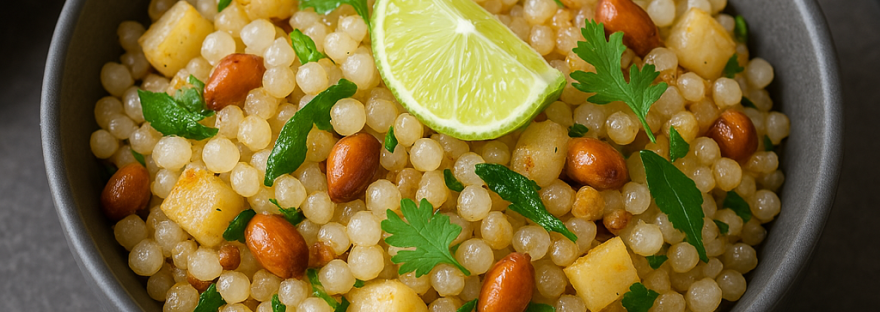
Tapioca pearls gently tossed with ghee, cumin, green chilies, and roasted peanuts.
Served warm, with lemon on the side.
No fuss. No fire. Just grace on a plate.


🛒 What You’ll Need (Serves 2):

1 cup sabudana (sago/tapioca pearls)

2 small potatoes, peeled & cubed

2 tbsp peanuts, roasted & coarsely crushed

1 tsp cumin seeds

1–2 green chilies, chopped

1–2 tsp ghee or oil

Salt to taste (or sendha namak for vrat)

Juice of ½ lemon

Chopped coriander to finish


🌼 How to Make It – With Patience & Light Hands

1. Rinse & Rest

Wash sabudana 2–3 times till water runs clear.
Soak in just enough water to cover. Let it rest for 5–6 hrs or overnight.
Grains should be soft but separate — not sticky.

2. Prep the Calm

In a pan, heat ghee. Add cumin, green chilies, then potatoes.
Sauté on medium till the potatoes are soft and golden.

3. Toss Gently

Add soaked sabudana, salt, and crushed peanuts.
Stir gently. Cook on low till sabudana turns translucent.
Do not overmix — just enough to let it all come together.

4. Finish with Freshness

Turn off heat. Add lemon juice and chopped coriander.
Cover for 2 mins before serving.


❤️ Why Sabudana Khichdi Is More Than a Fasting Food

Because it reminds you to slow down

Because it’s grounding, clean, and still full of flavor

Because sometimes softness is strength

And because even the simplest food can feel sacred