Story

From Quick Weeknight Dinners to Festive Sweets – 12 Indian Recipes You Must Try

Introduction: Indian home cooking is experiencing a vibrant renaissance, with food lovers craving both time-saving everyday meals and traditional regional flavors. In fact, recent trends show that Indians are Googling everything from quick viral recipes to beloved festive dishes. Successful food bloggers like Dassana (Veg Recipes of India) and Hebbars Kitchen have proven that easy weeknight dinners and authentic regional recipes can go hand in hand. Whether you’re a busy professional looking for a fuss-free weekday meal or a foodie eager to explore a new regional delicacy, The Pinch of Masala has you covered. This roundup brings together the best of current reader interests – from simple dinners and nostalgic sweets to refreshing summer drinks – all in one friendly, scannable guide. Grab a cup of chai and get ready to bookmark your new favorites!

Easy Weeknight Indian Meals (Quick & Delicious)
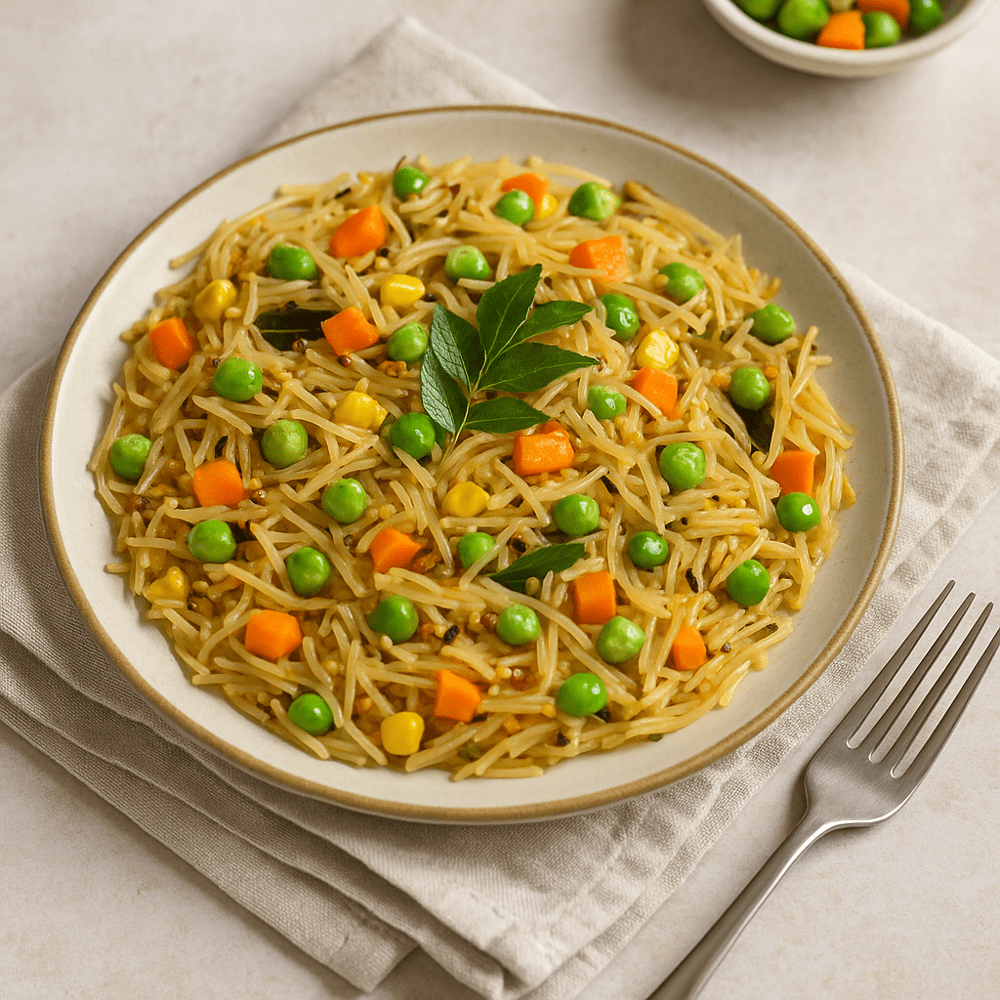
Easy, wholesome dishes like Semiya Upma (vermicelli pilaf with veggies) make busy mornings and weeknights a breeze. Indian cuisine might seem complex, but even chefs emphasize that many recipes are “a cinch once your pantry is stocked,” featuring fast weeknight curries and more. Here are a few quick Indian recipes perfect for hectic days – minimal prep, maximum flavor, and guaranteed to please the whole family.

  • Masala Poha – Spiced Flattened Rice: A 15-minute Maharashtrian breakfast staple that doubles as a light dinner. Fluffy beaten rice tempered with mustard seeds, curry leaves, peanuts, and a squeeze of lemon. It’s tangy, crunchy, and comforting – basically a warm hug in a bowl. 
  • Vegetable Cheela – 10-Minute Besan Pancake: A quick chickpea flour crepe loaded with grated veggies and herbs. This protein-packed pancake is an absolute lifesaver on busy mornings. Think of it as the Indian answer to omelettes – high-fiber, savory, and ready before your coffee is done. 
  • Dal Tadka – Simple Home-Style Lentils: No Indian dinner list is complete without a hearty dal! This version is a weekday hero – red and yellow lentils cooked soft and tempered with ghee, cumin, garlic, and chilies. It comes together in under 30 minutes and pairs with rice or roti for a soul-satisfying supper. 
  • Sprouts Salad – Clean, Crunchy & Full of Life: For something light but filling, try this refreshing salad of mixed sprouts. Tossed with cucumbers, tomatoes, chaat masala and lemon, it’s a nutrition powerhouse that doesn’t skimp on taste. Perfect as a quick lunch or an evening snack to keep you energized. 

(P.S. Want more ideas? Don’t miss Banana Walnut Smoothie – A Hug in a Glass for a healthy breakfast drink, or the White Cheese Pasta on our blog for an easy Indo-Italian dinner twist!)

Regional Indian Delights from Across the Country

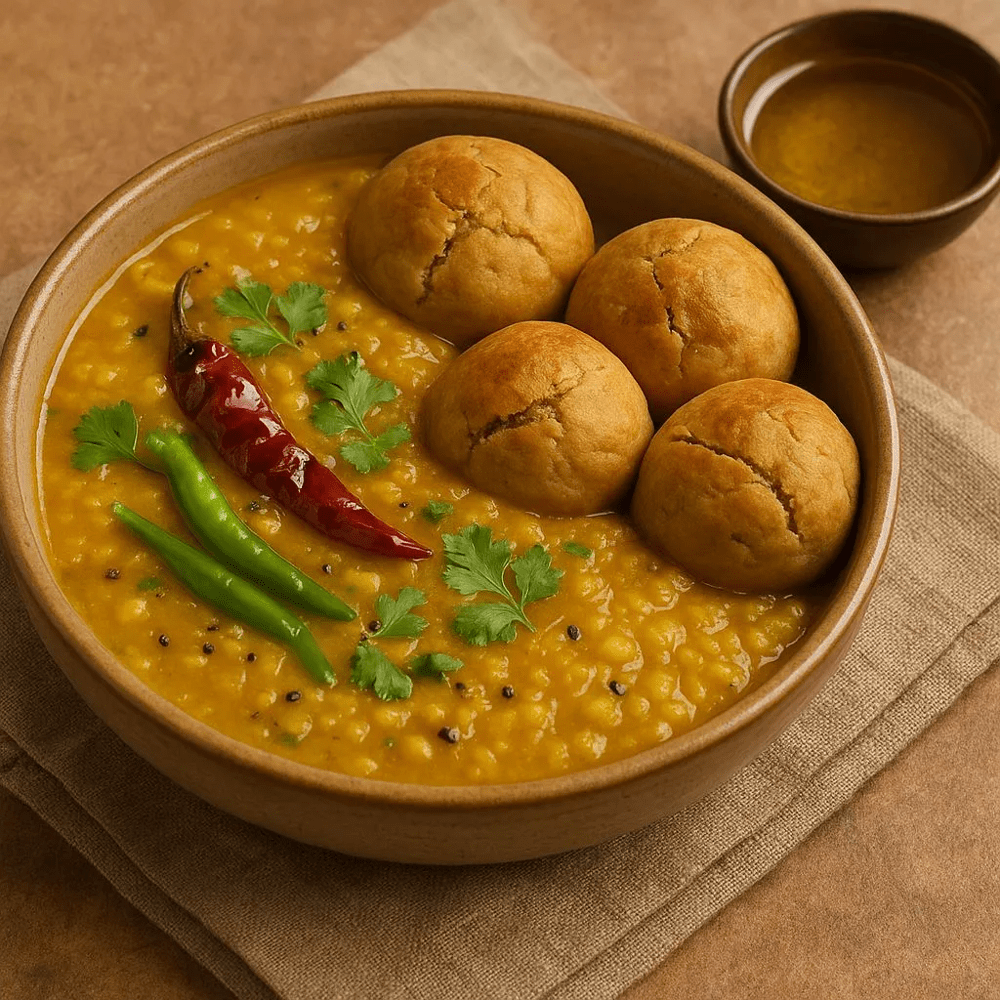
Regional classics like Rajasthani Dal Bati (pictured) are making a comeback as foodies explore India’s diverse culinary heritage. Top chefs note that Indian cuisine is embracing more regional diversity, moving beyond just the usual Punjabi dishes. From the eastern coast to the Himalayan hills, home cooks are rediscovering age-old recipes that tell a story of place and tradition. Here are a few regional gems featured on The Pinch of Masala – each offering a delicious taste of a different Indian state:
  • Potala Aloo Kasa (Odia Curry): A slow-roasted Odisha specialty featuring pointed gourd (potala) and potatoes in a thick, spiced gravy. The masalas are cooked until they cling to the veggies, creating a bold and intensely satisfying dish. One bite of this curry with hot rice, and you’ll see why “kasa” means a curry that tastes like home. 
  • Dal Bati (Rajasthani Feast): This iconic Rajasthani thali star consists of rustic baked wheat dumplings (bati) served with spiced mixed lentils (panchmel dal) and plenty of ghee. It’s traditionally made for festivals and family gatherings, but you don’t need a special occasion to enjoy its smoky, rich flavors. Recreate the royal experience in your own kitchen – don’t forget the garlic chutney and churma on the side! 
  • Madra (Himachali Yogurt Curry): Hailing from the hills of Himachal Pradesh, Madra is a creamy yogurt-based curry typically made with chickpeas or kidney beans. It’s a no-onion, no-garlic satvik recipe that’s gently spiced with whole masalas and lots of ghee. This pahadi delicacy, often served at local festivals and temple feasts, proves that simple ingredients can create deeply soulful flavors. 
  • Chingri Malai Curry (Bengali Prawn Curry): A luxurious Eastern-India favorite featuring succulent prawns simmered in a silky coconut milk gravy. Delicately spiced with turmeric, garam masala, and a hint of mustard, this dish is festive enough for guests yet easy enough for a weeknight. Serve it with steamed rice for a taste of Bengal’s famed seafood cuisine. 

(Craving more regional flavors? Check out our Badi Chura (Odia spicy crumble) or Sarson Ka Saag (Punjabi greens) on the blog – India’s diversity on a plate!)

Festive Sweets & Desserts to Satisfy Your Sweet Tooth

Golden Gulab Jamuns soaking in syrup – a timeless Indian dessert beloved at weddings and Diwali alike. Indian celebrations are synonymous with mithai (sweets), and even Google’s top search lists prove how much we adore our traditional treats. From north to south, every region has its signature dessert, often tied to festivals and family rituals. Here are a few festive sweets you can easily make at home to bring a touch of sweetness to any occasion:
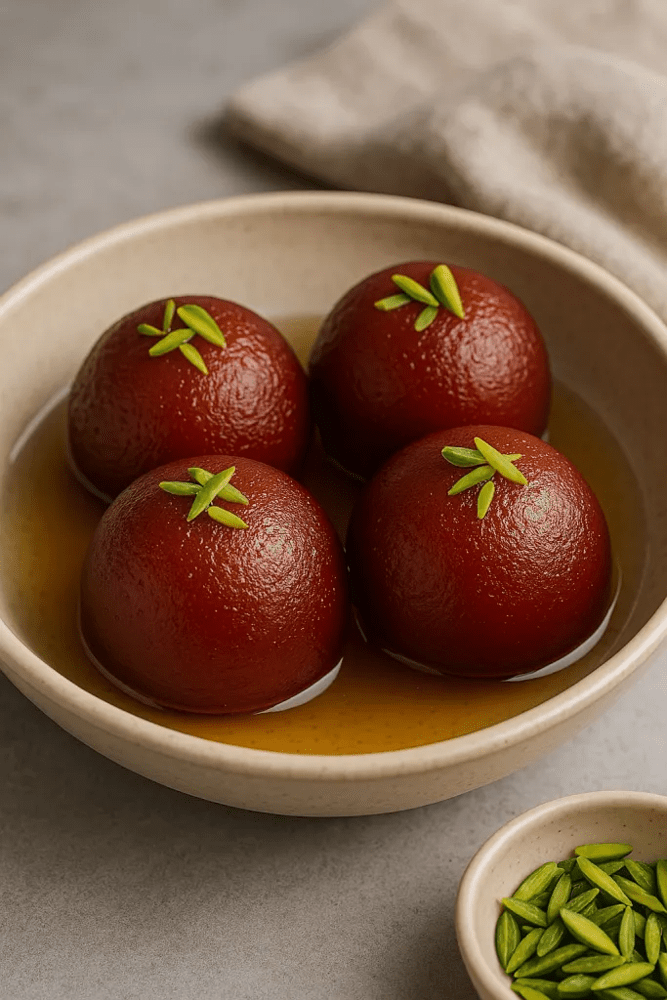
  • Gulab Jamun – Soft & Syrupy Delight: Perhaps the most iconic Indian sweet, Gulab Jamuns are fried milk-based dumplings soaked in rose-scented sugar syrup. They’re pillowy soft, rich with notes of cardamom and saffron, and absolutely melt in your mouth. Whether it’s a birthday, Diwali, or just dessert after dinner, this treat never fails to impress.
  • Rice Kheer – Creamy Traditional Pudding: A classic rice and milk pudding slow-cooked with sugar, nuts, and spices. Kheer is simple yet luxurious – often made during festivals like Eid, Durga Puja or as prasad in temples. Each spoonful, fragrant with cardamom and garnished with almonds, tastes like nostalgia. Serve it warm or chilled; it’s the sweetest comfort in a bowl.
  • Poda Pitha – Odia Festival Cake: This unique delicacy from Odisha is a smoky, caramelized rice cake traditionally made during Raja Parba (the Odia swing festival). The batter of rice flour, jaggery, coconut, and spices is wrapped in banana leaves and slow-roasted, resulting in a rustic cake with a charred crust and soft center. Poda Pitha carries the aroma of village kitchens and bonfire cooking – a must-try if you love exploring regional sweets.
  • Besan Ladoo – Ghee & Gram Flour Fudge: These melt-in-the-mouth sweet balls made of roasted chickpea flour, ghee, and sugar are an absolute Diwali classic. Just a few ingredients transform into a decadent fudge with a nutty aroma. Our recipe adds a hint of cardamom and crushed nuts for extra richness. Make a batch for the festive season (and be prepared for them to disappear fast!).

(Sweet tooth still craving? Don’t miss the Chenna Jhili (syrup-soaked cottage cheese donuts from Odisha) or Sooji Halwa (semolina pudding) recipes on the blog for more dessert inspiration.)

Refreshing Summer Coolers & Drinks

When the summer sun blazes, cool off with desi drinks like Aam Panna – a raw mango and mint cooler that’s tangy, sweet, and utterly refreshing. Staying hydrated and cool is key during Indian summers, and traditional beverages are here to help. From probiotic masala chaas (spiced buttermilk) to zesty nimbu paani (lemonade), there’s no shortage of delicious options. Here are a few summer drinks you must try this season – they’re easy to whip up and perfect for beating the heat:
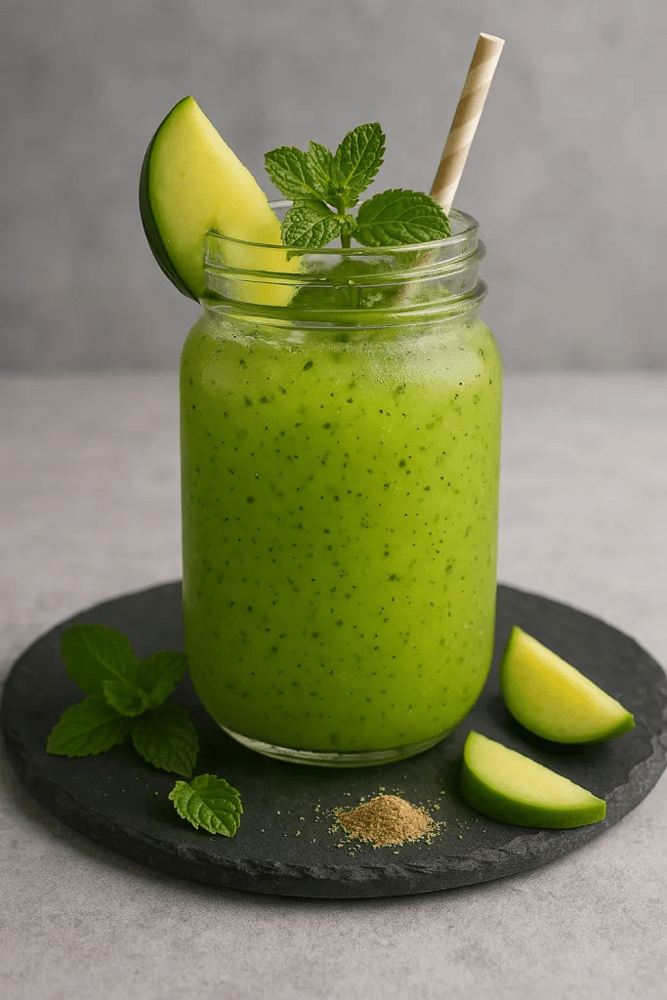
  • Aam Panna – Tangy Raw Mango Cooler: A quintessential summer drink from Maharashtra, made by blending boiled raw mango pulp with mint, roasted cumin, black salt, and jaggery. This vibrant green cooler is famed for preventing heat stroke and dehydration. Every sip is a tantalizing mix of sweet, sour, and spicy that will transport you to childhood summers.
  • Mango Lassi – Creamy Yogurt Shake: Part dessert, part drink – mango lassi is a globally loved Indian cooler. Ripe mangoes are pureed with chilled yogurt, a touch of sugar, and a pinch of cardamom to create a thick, frothy shake. It’s kid-friendly and makes a great breakfast-on-the-go or an afternoon pick-me-up. One glass of this sunshine-yellow treat and you’ll feel refreshed instantly.
  • Watermelon Mint Juice – Instant Thirst-Quencher: Nothing beats fresh watermelon on a hot day, except perhaps blending it into juice! This simple cooler combines juicy watermelon chunks with fresh mint and a squeeze of lime. It’s light, naturally sweet, and takes literally 5 minutes to prepare. Pour it over ice and enjoy a sip of summer in a glass.
  • Masala Chaas – Spiced Buttermilk: A savory cooler made with diluted yogurt, cumin, ginger, green chilies, and coriander. Masala chaas is India’s go-to summer beverage for good reason – it’s hydrating, aids digestion, and the hint of black salt with herbs truly slays the heat. Serve it chilled (in a clay matka if you have one for authenticity!), and feel your body cool down from the inside out.

(Also try our Lemon Ginger Shikanji recipe – a twist on classic lemonade with ginger and cumin. It’s the ultimate cooling drink after a spicy meal!)

Conclusion – Join the Conversation!

From busy-day dinners to celebratory sweets to grandma’s summer coolers, these 12 recipes showcase the rich tapestry of Indian cooking. They’re designed to be approachable, engaging, and absolutely delicious – the kind of dishes that will earn you happy smiles at the dinner table. We hope this roundup inspires you to don your apron and try something new this week. 🎉

Did you find a recipe that speaks to you? Give it a go and let us know how it turned out! Drop a comment below with your kitchen adventures or any questions – Puspa (the heart and hands behind The Pinch of Masala) would love to hear from you. If you enjoyed this post, don’t forget to share it with fellow foodies and subscribe to our newsletter for more yummy updates. Happy cooking, and enjoy the delicious journey across India’s culinary landscape! 🍲✨

Lunch & Dinner

Chhatu Besara – Odia-Style Mushroom Curry in Mustard Gravy

Intro: When the Earth Smelled of Rain and Curry

In Odisha, the first rains don’t just bring green fields—they bring mushrooms.

And in my village, that meant it was time for Chhatu Besara. I still remember my grandmother sending us out with old steel plates to gather mushrooms early in the morning, while the dew was still clinging to the soil.

The curry she made was simple — mustard paste, garlic, green chilies — but it tasted like the whole season in a bowl. That first bite always made me feel like the monsoon had truly arrived.

Ingredients:

200 gms mushrooms (washed and sliced)

1 medium potato (optional, cubed)

2–3 green chilies

Salt to taste

½ tsp turmeric

1½ tbsp mustard oil


For Mustard Paste:

1 tbsp yellow mustard seeds

1 tsp poppy seeds (optional)

3–4 garlic cloves

2 green chilies

Water (to grind)


Steps to Make Chhatu Besara:

1. Prepare the Mustard Paste

Soak mustard and poppy seeds for 15–20 mins.

Grind with garlic, green chilies, and a little water into a smooth paste. Set aside.


2. Cook the Vegetables

In a pan, heat mustard oil till smoking.

Add potatoes (if using) and sauté with turmeric and salt.

Add mushrooms and sauté for 2–3 mins.


3. Add the Paste

Pour in the mustard paste and mix well.

Add water as needed for gravy. Simmer for 7–10 mins on low heat until everything is tender and flavorful.


4. Final Touch

Adjust salt. Garnish with a slit green chili and drizzle of raw mustard oil for extra zing (optional).


Serving Suggestions:

Serve hot with plain rice and a side of roasted papad

Pair with Kancha Aam Khatta or Mitha Ambula Khatta for a complete monsoon meal


Why I Love It

Chhatu Besara carries the smell of rain, soil, and smoke. It’s a dish that turns the simplest ingredients into a deeply nostalgic, seasonal celebration.

chutney

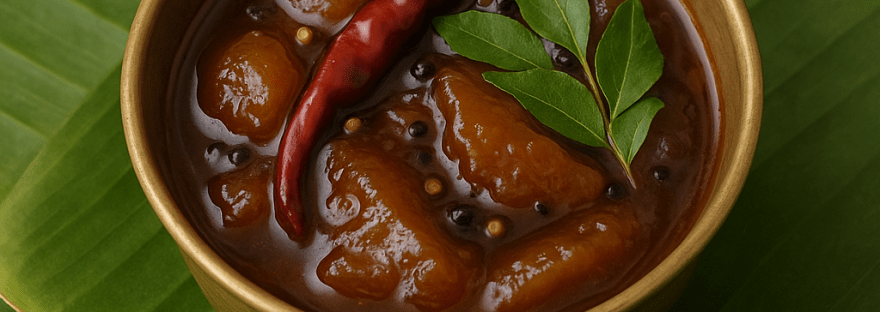
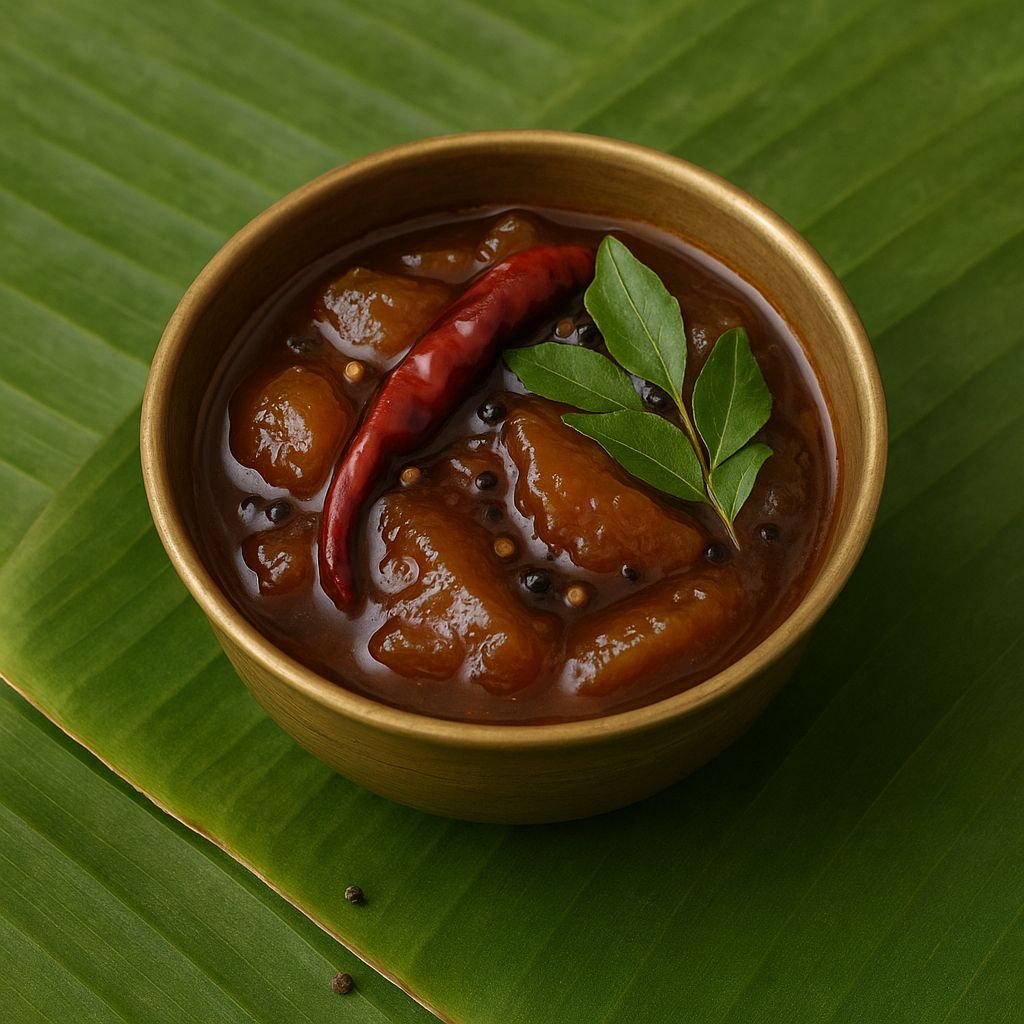
Mitha Ambula Khatta – Odia-Style Sweet & Tangy Dry Mango Curry

Intro: A Spoonful of Sun-Dried Memories

In Odisha, no festive meal or comforting lunch thali is complete without a touch of khatta. And the one that always stole my heart was Mitha Ambula Khatta.

Made from sun-dried mango slices soaked in water, slow-cooked with jaggery, tempered with mustard seeds and red chili—it’s more than a dish. It’s the taste of lazy summer afternoons, the smell of grandmother’s kitchen, and a reminder that even the smallest things on your plate can leave the deepest impression.


Ingredients:

2–3 pieces dry ambula (sun-dried mango)

3–4 tbsp jaggery (adjust to taste)

½ tsp turmeric

¼ tsp red chili powder

1 cup water

Salt to taste


For Tempering:

1 tsp mustard seeds

1 dry red chili

1 tsp oil (preferably mustard oil)

A pinch of hing (optional)

5–6 curry leaves (optional)


Steps to Make Mitha Ambula Khatta:

1. Soak the Ambula

Soak ambula in 1 cup warm water for 15–20 mins until soft.


2. Simmer with Spices & Jaggery

Add turmeric, chili powder, and salt to the ambula-soaked water.

Simmer for 5–7 mins on low heat.

Add jaggery and continue cooking until it slightly thickens into a chutney-like consistency.


3. Temper It

Heat mustard oil, add mustard seeds, red chili, and optional hing or curry leaves.

Once spluttered, pour over the ambula mix and stir well.


Serving Suggestions:

Best served with dalma and rice, boiled vegetables, or even pakhala

Tastes great warm or chilled


Why I Love It

Mitha Ambula Khatta brings balance to a meal — it’s not the star of the show, but the one flavor you remember long after the meal is over. Sweet, tangy, and nostalgic.

chutney

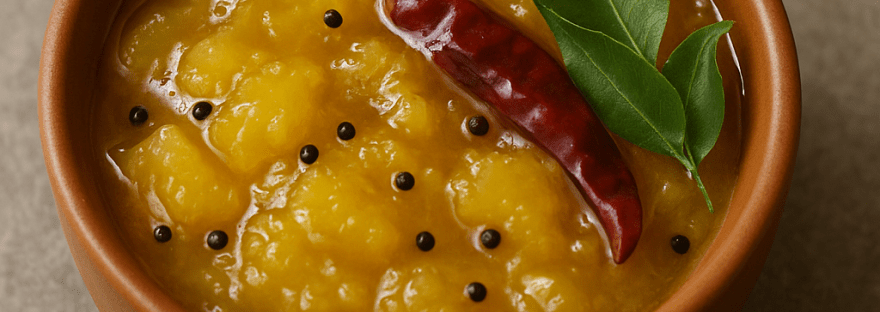
Sapuri Khatta – Odia-Style Sweet & Tangy Pineapple Curry

Intro: A Pineapple Dish That Tastes Like Home

In many Odia homes, especially during festivals, weddings, or Sunday feasts, you’d find one sweet-tangy dish on the banana leaf that always stood out—Sapuri Khatta.

For me, it’s not just a dish. It’s a memory of watching my mother dice ripe pineapples, sneaking pieces from the bowl when she wasn’t looking. She’d cook it slow, with jaggery and mustard seeds, until the air turned golden-sweet.

It was never a main dish. It was a little something on the side. But it always stole the show.

Ingredients:

1 cup ripe pineapple (finely chopped)

½ cup grated jaggery (adjust to taste)

¼ tsp turmeric

½ tsp red chili powder

Salt to taste

½ tsp roasted cumin powder

1 cup water


For Tempering:

1 tsp mustard seeds

1 dry red chili

5–6 curry leaves (optional)

1 tsp mustard oil or ghee


Steps to Make Sapuri Khatta:

1. Cook the Pineapple

In a pan, add pineapple, turmeric, salt, chili powder, and water.

Cook on medium flame until the pineapple softens (7–8 minutes).


2. Add Jaggery

Stir in jaggery and let it simmer till it thickens slightly and becomes syrupy.

Add roasted cumin powder.


3. Temper It

In a small pan, heat mustard oil or ghee.

Add mustard seeds, red chili, and curry leaves.

Once it splutters, pour over the khatta and mix well.


Serving Suggestions:

Best served warm or at room temp with dalma, bhata, and a spoon of ghee

Also pairs beautifully with pakhala or even as a side with roti


Why I Love It

Sapuri Khatta is sweet like stories, sharp like memories. It reminds me of summer afternoons, of copper-bottomed kadais, and of how simple food can stay in your heart for decades.

Fastival Food

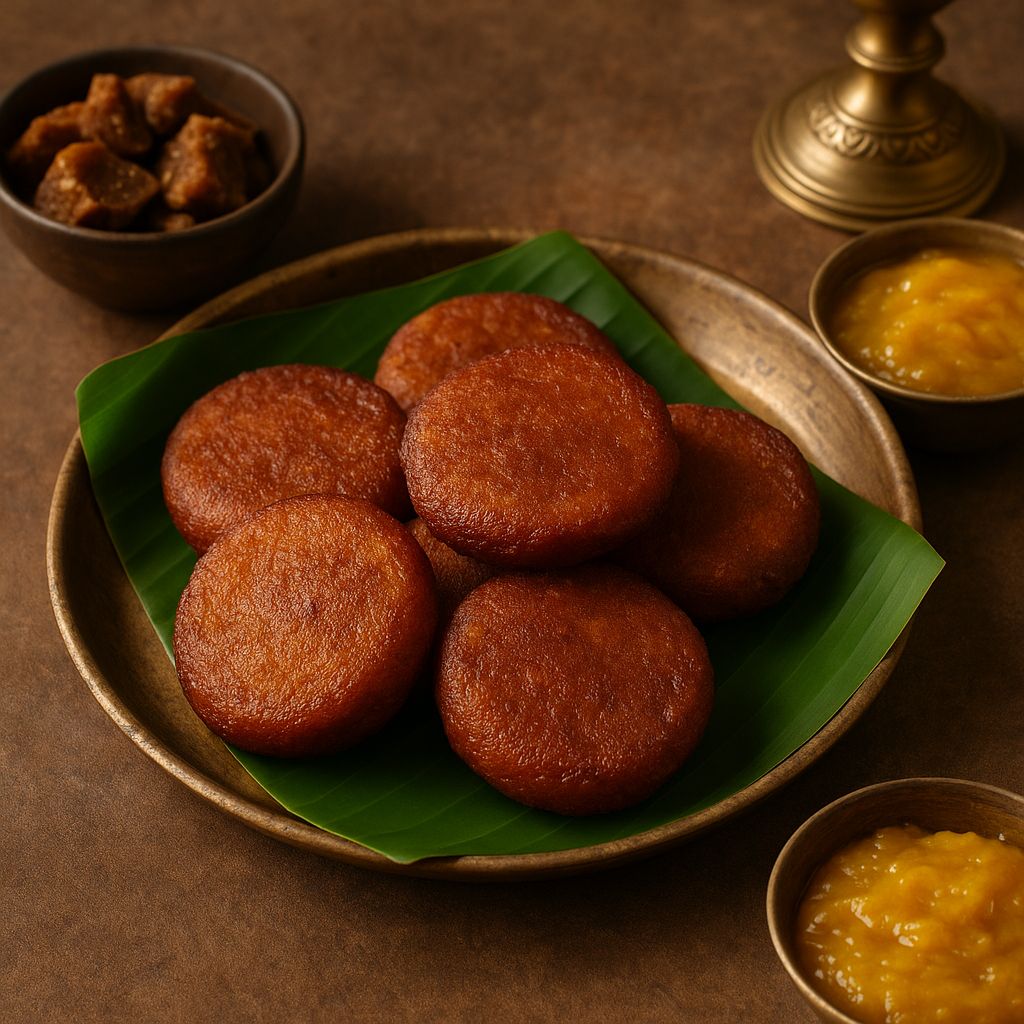
Tala Pitha – The Monsoon Magic of Palm Fruit Sweets


Intro: When the Palms Ripen, the Kitchens Celebrate

In Odisha, the arrival of tala (palm fruit) signals the true monsoon. The air is earthy, markets smell like jaggery and fresh pulp, and kitchens begin preparing Tala Pitha—deep-fried, golden discs full of flavor and nostalgia.

This isn’t just a sweet. It’s a seasonal celebration, mostly made in the months following Ratha Yatra, when palm fruit matures. The flavor is bold, slightly fermented, and unmistakably Odia.

Ingredients

1 cup tala pulp (strained, ripe palm fruit)

¾ cup rice flour

½ cup grated coconut

½ cup jaggery (adjust to taste)

1–2 crushed cardamoms (elaichi)

A pinch of black pepper (optional)

Oil or ghee for shallow or deep frying


Method

1. Prepare the Pulp

Soak tala fruit and extract pulp by removing fibers.

Strain through a fine sieve to remove threads.


2. Make the Batter

Combine tala pulp, jaggery, rice flour, coconut, and spices into a thick batter (like vada batter).

Let it rest for 10–15 mins (optional).


3. Fry the Pithas

Heat oil or ghee in a kadai.

Drop batter in small rounds using a spoon or hand.

Fry on medium flame until golden brown and crisp outside.


4. Cool & Serve

Drain excess oil and serve warm or at room temperature.


Tips

Always use ripe, strained pulp to avoid bitterness.

Adjust jaggery based on sweetness of the tala pulp.

You can also steam these for a healthier version (like palm idlis!).


Why I Love It

No other sweet captures the flavor of monsoon in Odisha like Tala Pitha. It’s strong, sweet, and rustic. The kind of dessert that demands quiet, patience, and a second helping.

Story

5 Ingredients I Can’t Live Without – The Heart of My Odia Kitchen

Intro: The Soul Behind the Spice Box

In every kitchen, there are a few ingredients that feel like home. You reach for them instinctively. You know their smell, their sound in hot oil, the way they color your food and your memories.

For me, these five ingredients are more than essentials—they’re a connection to my roots in eastern coastal Odisha, where flavors speak louder than words.

1. Mustard Oil – The Bold Foundation

There is no Odia cooking without mustard oil. Its pungent aroma is a sign that the kitchen is open. Whether it’s a sizzle in pakhala badi chura or the golden base of machha jhola, mustard oil brings both flavor and heat.

How I use it:

Drizzled raw over aloo bharta or badi chura

Tempered for fish curry or dry sabzi

Added to pickles and even spicy chutneys


2. Panch Phoron – The Five-Spice Whisper

This blend of mustard, fennel, cumin, fenugreek, and nigella seeds is the first thing that hits the pan in many Odia dishes. Its aroma changes everything—instantly lifting dal, chutneys, and vegetable stir-fries.

How I use it:

In tempering for dalma and chutneys

With mustard oil for simple sautéed greens (saga bhaja)

Sometimes as dry masala in paratha stuffing!


3. Turmeric – The Golden Thread

We use haldi not just for color, but for comfort, healing, and tradition. In Odia homes, turmeric isn’t optional—it’s essential. It goes into curries, rice, pickles, and even skincare!

How I use it:

A pinch in every curry or dal

In fish marinades (always!)

Mixed with water and salt to clean veggies


4. Green Chilies – The Gentle Fire

Odia food isn’t heavy on masalas, but the heat of green chilies balances everything. Crushed into bharta, sliced over murmura, or blended into chutneys—they add more flavor than just spice.

How I use it:

Raw over pakhala or puffed rice

In mashed sides like aloo or baigana bharta

In green chutneys or mustard pastes


5. Dry Red Chilies – For Depth and Drama

While green chilies bring sharpness, dry red chilies add smokiness and depth. Roasted in oil, they lend their fire to dals, ghanta, and tempering that lingers long after the meal.

How I use it:

In tadka for dal

Roasted with garlic for spicy tomato chutney

Crushed into oil for a quick chili oil twist


Wrapping Up – More Than Ingredients

These 5 ingredients are my constant companions. They remind me of my roots, my mother’s kitchen, and everything I love about Odia cooking—simple, honest, and full of soul.

If you’re stocking an Indian kitchen or trying Odia recipes, start with these. They’re not just staples—they’re storytellers.

Story

A Day in My Odia Kitchen – Simple Meals, Big Flavours


A Kitchen Rooted in Rhythm

Life in an Odia kitchen isn’t rushed. It follows a rhythm passed down through generations. From the scent of mustard oil hitting a hot pan to the quiet comfort of bhata-dalma at night, every meal is made with intention, not urgency.

Let me take you through a typical day in my kitchen — a space where memory and meal go hand in hand.

Morning – Murmura & Curry

Our day begins early with a humble bowl of murmura (puffed rice). Not plain — it’s soaked and mixed with leftover curry, alu chuin tarkari, or sometimes dal. Topped with mustard oil, a pinch of salt, and a little green chili — it’s not just breakfast, it’s warmth in a bowl.

Related Recipe: Oats Khichdi
Looking for a modern version of comfort? This soft, wholesome oats khichdi is my go-to for busy mornings.

Lunch – Rice, Curry & a Crisp Bhaja

Lunchtime is the heart of the day. It’s when the kitchen is most alive with sounds and smells:

Steamed rice

Rohu or hilsa fish curry (machha besara or sorisa jhola)

A crispy bhaja — maybe aloo, baigana, or karela

A spoonful of kancha amba khatta or a seasonal chutney


Related Recipes: Fish Head Ghanta | Poi Chingri Curry
Food is served warm, eaten slow, and followed by a little rest.


Evening – Pakhala or Murmura, Depending on the Mood

Summer evenings in Odisha are special — and flexible. Sometimes we go light with a fresh batch of murmura, tossed with chopped onions, chilies, roasted peanuts, and a drizzle of mustard oil.

Other days, it’s a second serving of pakhala — because in peak heat, pakhala is all-time food. Be it 10 a.m., 1 p.m. lunch, or dinner — it cools the body and comforts the soul.

Served with:

Badi Chura – crushed lentil fritters with raw onion and mustard oil

Aloo Bharta – mashed potatoes, mustard oil, green chilies

Saga Bhaja – stir-fried greens like spinach or amaranth


Related Recipes: Badi Chura | Aloo Bharta | Saga Bhaja


Dinner – Light & Comforting

Dinner is simple. Often rice again, or chapati, paired with dal and a light vegetable sabzi like pumpkin, ridge gourd, or raw banana. The food is light, warm, and familiar — something that helps the body rest and wind down.

There’s always a jar of homemade pickle that makes its way to the plate, no matter the season.


Why It Matters

This daily rhythm — starting with murmura, resting with fish curry, cooling down with pakhala — is more than a routine. It’s a quiet inheritance, carried forward from the kitchens I grew up watching.

Every recipe I share on The Pinch of Masala is an extension of that life. Simple. Seasonal. Rooted.