Dessert

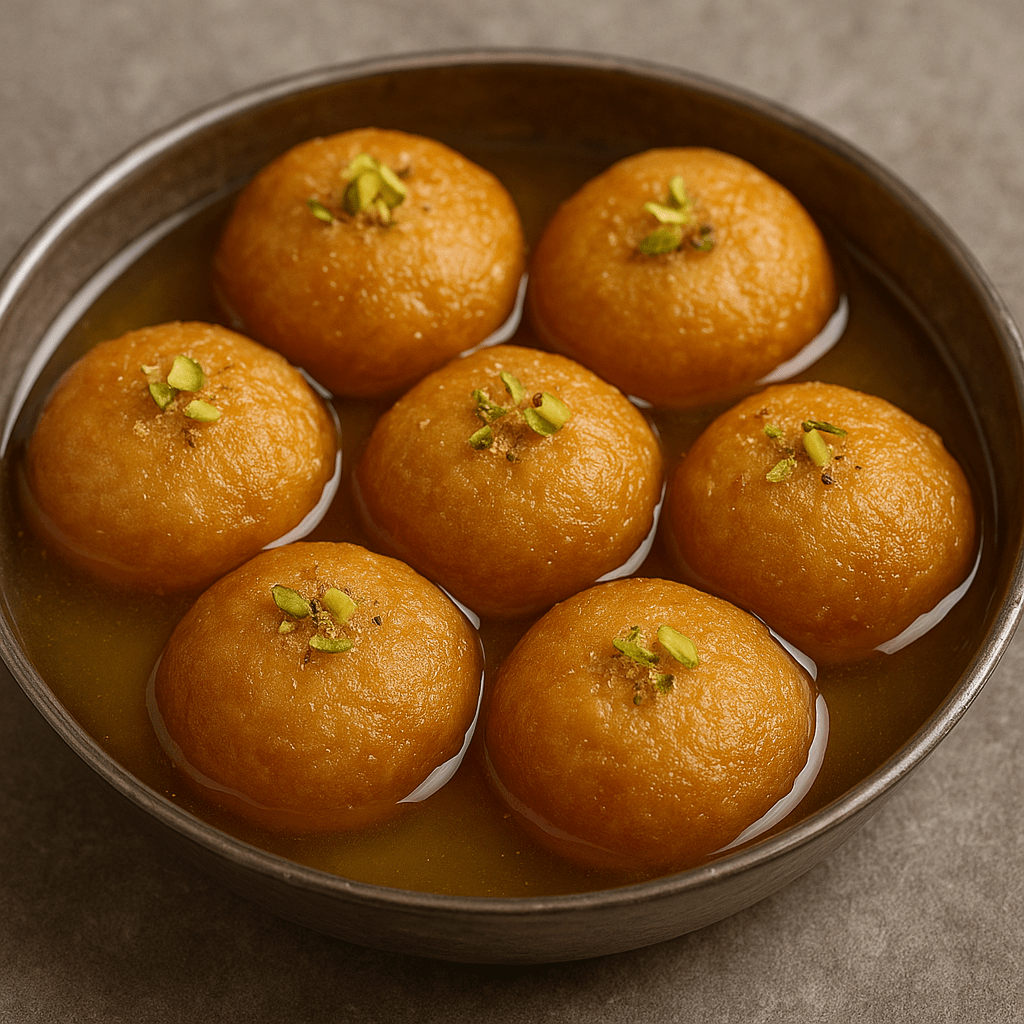
Chhena Jhili – Odia-Style Deep-Fried Paneer Sweet

Intro: The Sweet That Melts into Memory

There are sweets you eat and forget. And then there’s Chhena Jhili — where one bite melts on your tongue and stays in your memory.

Born in the temple town of Nimapada, this sweet is Odisha’s answer to gulab jamun, but lighter, softer, and infused with a distinct homemade flavor. It was always the star sweet at weddings, prasad bhogs, and temple fairs.
Ingredients:

For the Jhili:

1 cup fresh chhena (soft paneer)

1 tsp maida (optional, for binding)

A pinch of cardamom powder

A pinch of baking soda (very little)

Ghee or refined oil for frying


For the Sugar Syrup:

1 cup sugar

½ cup water

1–2 crushed cardamoms

A few drops of rose water (optional)


Steps to Make Chhena Jhili:

1. Prepare the Chhena Dough

Mash chhena until smooth. Add maida, cardamom, and soda. Mix gently into a soft dough.


2. Shape and Fry

Shape into small balls or oblong discs.

Fry on low-medium heat in ghee or oil until golden.


3. Soak in Syrup

Prepare one-string sugar syrup with cardamom.

Add fried jhilis to warm syrup and soak for at least 1 hour.


Serving Suggestions:

Serve warm or at room temp as a dessert

Garnish with saffron strands or chopped pistachios (optional)


Why I Love It

Chhena Jhili is not just sweet — it’s soulful. It reminds me of temple bells, wedding trays, and that first syrup-soaked bite that tells you: yes, this is home.

Street Foods

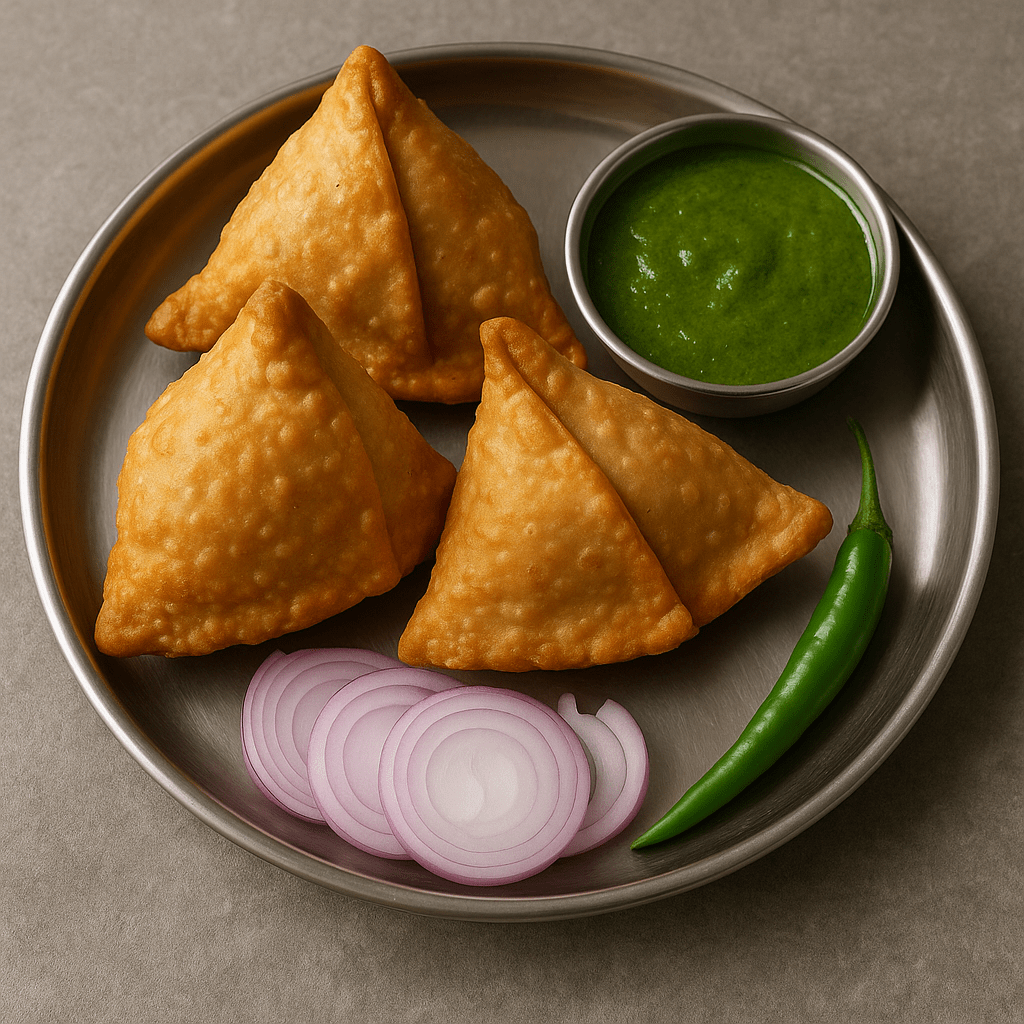
Singada – Odia-Style Samosa with Aloo Matar Filling

Intro: A Fold That Feels Like Home

In Odisha, we don’t always call it samosa — we call it Singada. And there’s something so nostalgic about watching it being folded at tea stalls, with the smell of mustard oil and hing in the air.

Singada has a thinner, crispier crust than the North Indian version and a simpler spice mix. It’s not fiery — it’s flavorful. Served with ghugni, chutney, or even pakhala in some homes, it’s both a snack and a memory.

Ingredients:

For Dough:

1 cup maida (all-purpose flour)

2 tbsp oil or ghee

Salt to taste

Water to knead

Ajwain (optional)


For Filling:

2–3 potatoes (boiled & mashed)

¼ cup boiled green peas

1 green chili (chopped)

½ tsp grated ginger

½ tsp turmeric

½ tsp red chili powder

½ tsp cumin seeds

Salt to taste

1 tsp mustard oil

Coriander leaves (chopped)


Steps to Make Singada:

1. Make the Dough

Mix flour, salt, ajwain, and oil until crumbly.

Add water and knead into a firm dough. Rest for 20 mins.


2. Make the Filling

Heat mustard oil. Add cumin, ginger, chili.

Add turmeric, chili powder, mashed potatoes, peas, and salt.

Cook until dry and aromatic. Cool and mix in coriander.


3. Shape the Singadas

Divide dough into small balls. Roll into ovals.

Cut in half, form a cone, stuff with filling, seal the edges.


4. Deep Fry Until Golden

Fry on medium heat until crisp and golden. Drain and serve hot.


Serving Suggestions:

With green chutney or tamarind chutney

Alongside ghugni, or even tea and pakhala

Sprinkle with black salt or chopped onions for street-style flair


Why I Love It

Singada is not just a snack — it’s what school tiffins, railway stations, and home kitchens smell like in the evening. Crispy outside, warm inside, full of flavor.

Street Foods

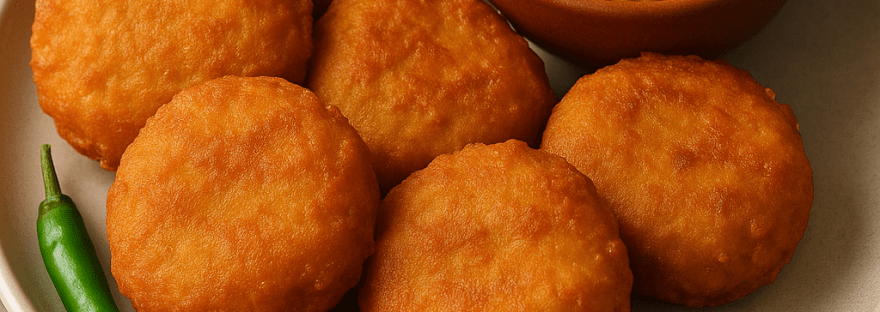
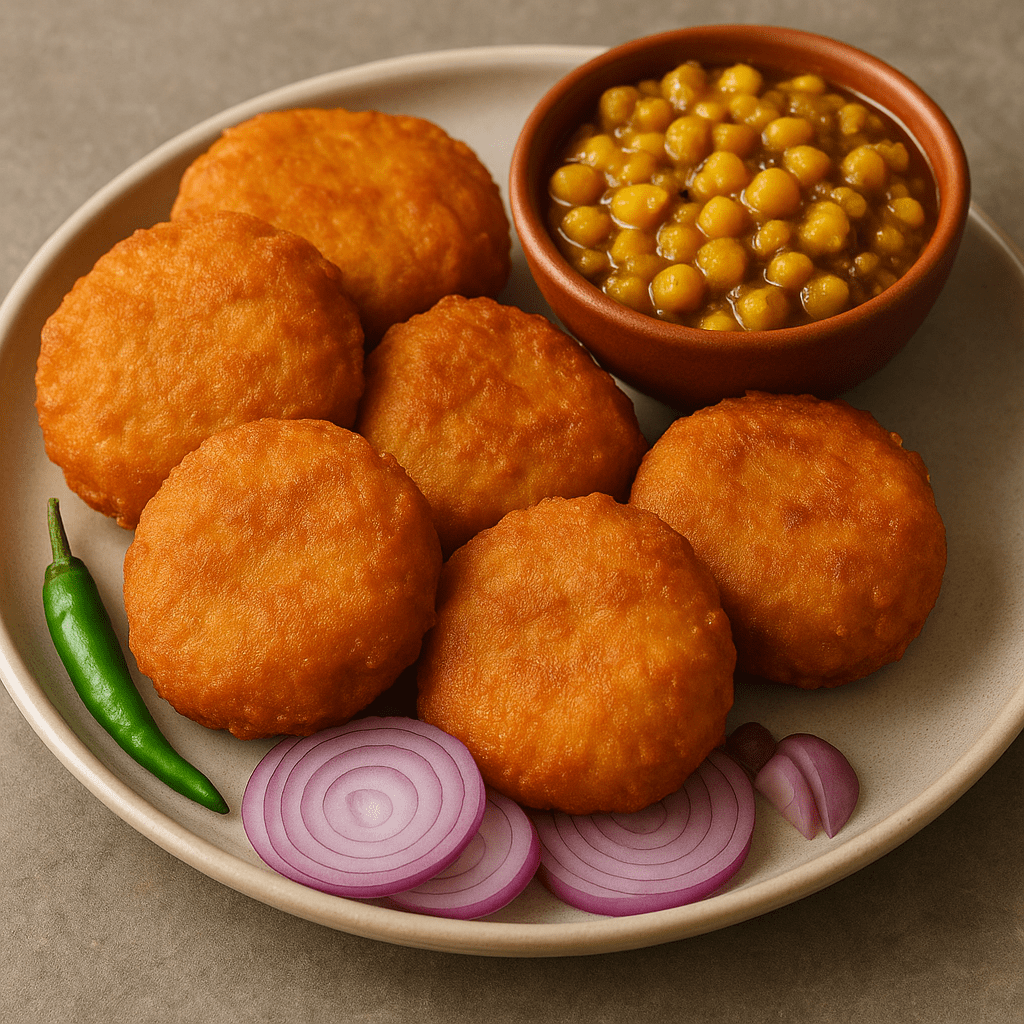
Alu Chop – Odia-Style Spiced Potato Fritters

Intro: The Crunch You Hear All Across Odisha

It’s evening. The sky’s turning orange, and there’s a crowd forming near the local tea stall. You can hear the sizzle of oil, smell the spices, and know exactly what’s frying — Alu Chop.

Crispy outside, soft and spicy inside, Alu Chop is Odisha’s answer to a bad day, a tea break, or a friend dropping by. I grew up watching vendors flip them with bare fingers, serve them on newspaper with a green chili, and somehow make every bite feel just right.

Ingredients:

For Filling:

3 boiled potatoes

1 small onion (chopped)

1 tsp ginger-garlic paste

1 green chili (chopped)

½ tsp turmeric

½ tsp chili powder

Salt to taste

Coriander leaves (chopped)

1 tsp mustard oil


For Batter:

¾ cup besan (gram flour)

A pinch of turmeric & red chili powder

Salt to taste

A pinch of baking soda (optional)

Water to make a thick batter

Oil for deep frying


Steps to Make Alu Chop:

1. Prepare the Filling

Mash potatoes.

In mustard oil, sauté onion, chili, and ginger-garlic.

Add turmeric, chili powder, salt, and mashed potato.

Add coriander. Cool and shape into small balls or flat patties.


2. Prepare the Batter

Mix besan, salt, spices, and water into a thick coating batter.


3. Fry the Chops

Dip each ball in batter and deep fry until golden and crisp.

Drain on paper and serve hot.


Serving Suggestions:

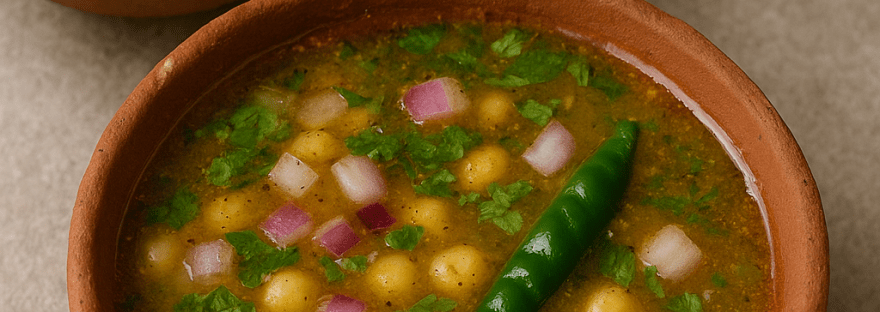
Serve with Ghugni, Green Chutney, or just a green chili

Also delicious with pakhala or as a side with evening tea


Why I Love It

Alu Chop is not fancy, but it’s faithful. It’s the taste of childhood, roadside stalls, and home kitchens all in one crispy bite.

Street Foods

Puri Style Motor Pani – Odisha’s Spicy Tangy Street Drink

Intro: The Liquid Legend of Puri Streets

If you’ve ever roamed the bylanes near Jagannath Temple or the Puri sea beach, you’ve likely spotted vendors with big clay pots or steel drums, ladling out a mysterious, spicy “motor pani” in tiny sal leaf cups.

It’s not just a broth. It’s a refreshing street-side experience — cool, spicy, tangy, and oddly addictive. Locals sip it along with ghugni, bara, or even on its own as a digestive drink.

Ingredients:

½ cup white peas (matara) – soaked overnight

1 tsp roasted cumin powder

½ tsp black salt

1–2 green chilies (crushed)

1 tsp mint leaves (finely chopped)

1 tsp coriander leaves (optional)

Juice of 1 lemon

1 pinch hing (asafoetida)

Salt to taste

2 cups water (more if needed)


Steps to Make Motor Pani:

1. Soak the Peas

Wash and soak white peas overnight.

Discard peas (or use for ghugni) and retain the soaking water.


2. Flavor the Water

In a bowl, mix the pea water with all other ingredients.

Add lemon juice, black salt, hing, mint, green chilies, and roasted cumin.

Stir and chill for 30 minutes.


3. Strain (Optional)

Strain if you prefer a clear pani. Or leave it rustic and cloudy.


Serving Suggestions:

Serve chilled with ghugni, bara, or as a digestive shot

Street-style: serve in sal leaf bowls with chopped onions and chilies


Why I Love It

Motor Pani is Puri’s little secret. It’s spicy, sour, and uniquely Odia — the kind of drink that wakes you up and cools you down at the same time.

Dessert

Chhena Poda – The Burnt Cheesecake of Odisha

Intro: When Cheese Meets Fire and Faith

In Odisha, when you talk about sweets, Chhena Poda stands apart — not for its richness, but for its rustic soul.

This wasn’t a dessert born in royal kitchens. It was born by accident — leftover chhena left in a warm oven overnight, baked into something magical. Now, it’s not only a temple offering (especially at Lord Jagannath’s temple in Puri) but also a dessert that defines Odia pride.

As a child, I’d stand near the village bakery, waiting for that smoky aroma of caramelized cheese. One slice was never enough.

Ingredients:

1½ cups chhena (fresh paneer or ricotta)

½ cup sugar or jaggery (adjust to taste)

1 tbsp rava/sooji (for binding)

¼ tsp cardamom powder

1 tsp ghee (for flavor)

1 tbsp chopped cashews or raisins (optional)

Ghee for greasing the tin

Banana leaf (optional, for authentic flavor)


Steps to Make Chhena Poda:

1. Prep the Batter

Mash chhena until smooth.

Add sugar/jaggery, rava, cardamom, ghee, and nuts. Mix well into a thick, smooth paste.


2. Prepare the Tin

Grease a baking dish with ghee. Line with banana leaf (optional).

Pour in the mixture and smooth the top.


3. Bake It Golden

Preheat oven to 180°C (350°F).

Bake for 45–60 minutes until the top is dark golden brown and a knife comes out clean.

Let cool before slicing.


Serving Suggestions:

Slice and serve warm or chilled

Sprinkle powdered sugar or a drizzle of date syrup for extra indulgence


Why I Love It

Chhena Poda is rustic, rooted, and regal — all at once. It reminds me that sometimes, the best things come from letting something sit, settle, and caramelize slowly into perfection.

Lunch & Dinner

Chhatu Besara – Odia-Style Mushroom Curry in Mustard Gravy

Intro: When the Earth Smelled of Rain and Curry

In Odisha, the first rains don’t just bring green fields—they bring mushrooms.

And in my village, that meant it was time for Chhatu Besara. I still remember my grandmother sending us out with old steel plates to gather mushrooms early in the morning, while the dew was still clinging to the soil.

The curry she made was simple — mustard paste, garlic, green chilies — but it tasted like the whole season in a bowl. That first bite always made me feel like the monsoon had truly arrived.

Ingredients:

200 gms mushrooms (washed and sliced)

1 medium potato (optional, cubed)

2–3 green chilies

Salt to taste

½ tsp turmeric

1½ tbsp mustard oil


For Mustard Paste:

1 tbsp yellow mustard seeds

1 tsp poppy seeds (optional)

3–4 garlic cloves

2 green chilies

Water (to grind)


Steps to Make Chhatu Besara:

1. Prepare the Mustard Paste

Soak mustard and poppy seeds for 15–20 mins.

Grind with garlic, green chilies, and a little water into a smooth paste. Set aside.


2. Cook the Vegetables

In a pan, heat mustard oil till smoking.

Add potatoes (if using) and sauté with turmeric and salt.

Add mushrooms and sauté for 2–3 mins.


3. Add the Paste

Pour in the mustard paste and mix well.

Add water as needed for gravy. Simmer for 7–10 mins on low heat until everything is tender and flavorful.


4. Final Touch

Adjust salt. Garnish with a slit green chili and drizzle of raw mustard oil for extra zing (optional).


Serving Suggestions:

Serve hot with plain rice and a side of roasted papad

Pair with Kancha Aam Khatta or Mitha Ambula Khatta for a complete monsoon meal


Why I Love It

Chhatu Besara carries the smell of rain, soil, and smoke. It’s a dish that turns the simplest ingredients into a deeply nostalgic, seasonal celebration.

Lunch & Dinner

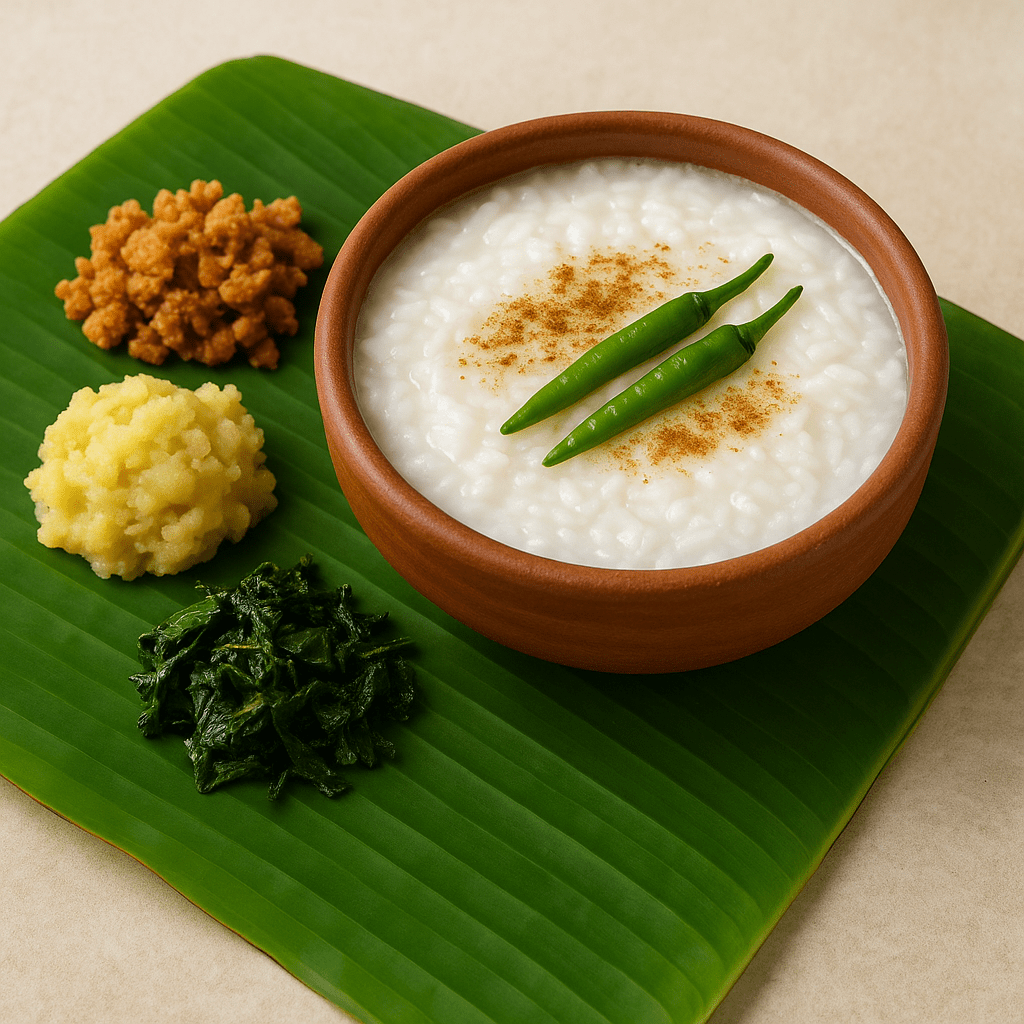
Dahi Pakhala – Fermented Rice with Curd (Odia Summer Classic)

Intro: The Bowl That Smells Like Summer

In Odisha, summer isn’t summer unless you’ve had Dahi Pakhala for lunch at least five times a week. It’s not just food—it’s a tradition, a cooling therapy, and a way of slowing life down.

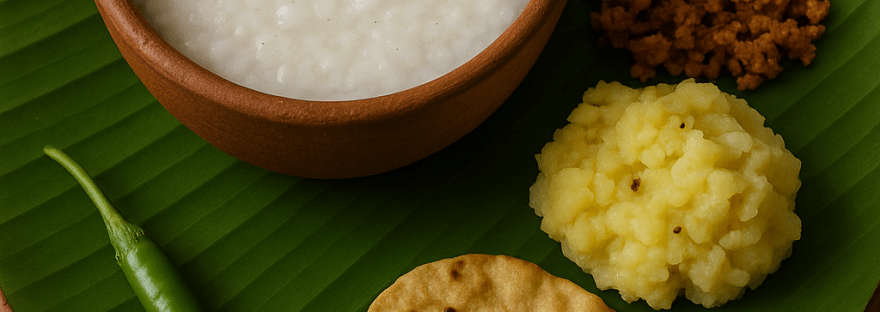
We would wake up to a clay pot of leftover rice soaked in water. By noon, curd would be whisked in, and the table would be laid with saga bhaja, badi chura, alu bharta, or sometimes just a green chili and salt.

Ingredients:

1 cup cooked rice (preferably leftover)

1½–2 cups water (for soaking)

½ cup curd (fresh or slightly sour)

Salt to taste

1 green chili (optional)

A pinch of roasted cumin powder (optional)


Steps to Make Dahi Pakhala:

1. Soak the Rice

Add water to leftover rice and let it ferment overnight in a clay or steel vessel.


2. Mix with Curd

In the morning or before serving, add whisked curd and salt to the rice. Mix well.


3. Add Flavors

Top with green chili, a sprinkle of roasted cumin, or a few curry leaves.


Serving Suggestions:

Pair with Badi Chura, Alu Bharta, Saga Bhaja, or fried papad

Serve chilled from the fridge on hot afternoons


Why I Love It

Dahi Pakhala isn’t just food—it’s home, healing, and heritage in one bowl. It’s the quiet kind of nourishment that leaves you full, yet light.

Lunch & Dinner

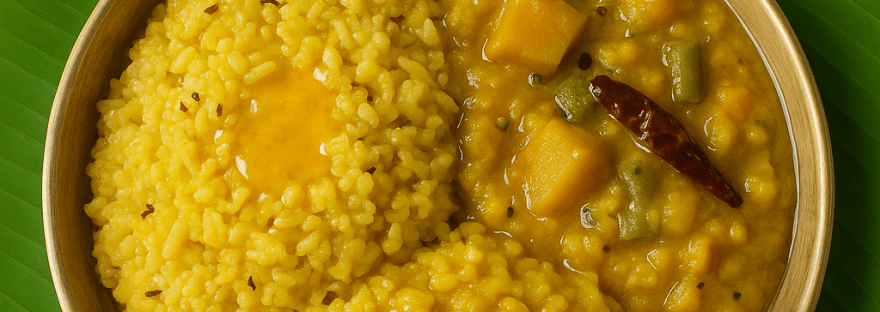
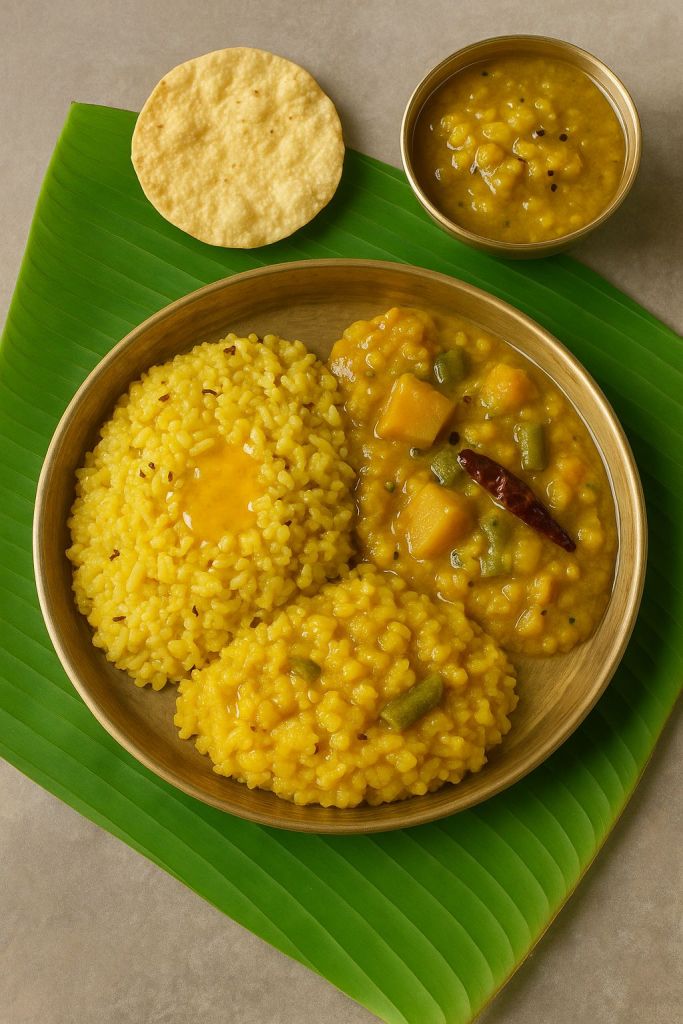
Khechudi with Dalma – A Festive Comfort Combo from Odisha

Intro: A Thali That Feels Like Prayer

If you’ve ever attended an Odia festival, temple offering, or even a Friday lunch at home during Manabasa Gurubar, chances are you’ve tasted this golden combo — Khechudi and Dalma.

Khechudi is a light, ghee-roasted moong dal khichdi while Dalma is a nutritious dal made with vegetables, tempered with cumin, and slow-simmered to perfection. This combo tastes of celebration and simplicity — all in one.

Part 1: Khechudi (Odia Moong Dal Khichdi)

Ingredients:

1 cup rice

½ cup moong dal (dry roasted)

1 tbsp ghee

1 bay leaf

½ tsp cumin seeds

2–3 crushed black pepper

Salt to taste

4 cups water


Steps:

1. Dry roast moong dal until aromatic. Wash rice and dal.


2. Heat ghee in a pot. Add bay leaf, cumin, pepper.


3. Add rice-dal mix. Stir. Add water and salt.


4. Cover and cook till soft and fluffy. Adjust ghee before serving.


Part 2: Dalma (Odia Mixed Veg Dal)

Ingredients:

½ cup arhar/toor dal

1½ cups chopped vegetables (raw banana, pumpkin, ridge gourd, beans)

1 small tomato (optional)

1 tsp grated ginger

½ tsp turmeric

Salt to taste

Water as needed


For Tempering:

1 tsp cumin seeds

1 dry red chili

1 tsp ghee

A pinch of hing

Grated coconut for garnish (optional)


Steps:

1. Boil dal and veggies together with salt, turmeric, and ginger until soft.


2. Heat ghee, add cumin, chili, hing. Pour over the dal.


3. Garnish with coconut or coriander.


Serving Suggestions:

Serve hot khechudi topped with ghee, next to a bowl of dalma

Pair with papad, kancha amba khatta, and khiri for a full festive thali


Why I Love It

This is the kind of food that feeds more than the stomach. Khechudi with Dalma is healing, grounding, and blessed with simplicity.

Breakfast

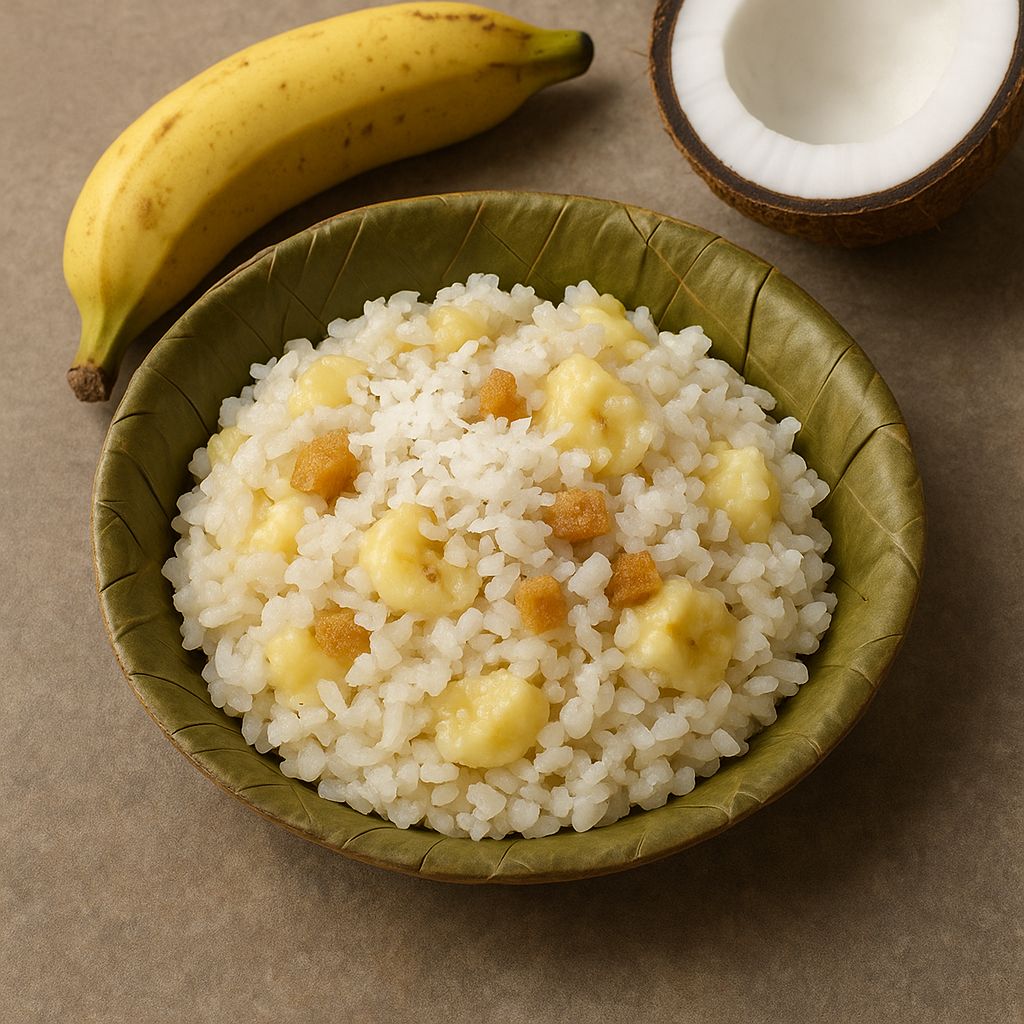
Chuda Kadali – Odia Flattened Rice with Banana & Grated Coconut

Intro: Simple Food, Sacred Memory

When the morning is lazy, or the mood is devotional, Odia kitchens turn to Chuda Kadali. It’s not flashy. There’s no fire. Just the gentle mashing of banana into soaked chuda, the sweetness of jaggery, and the light freshness of coconut.

In my childhood, this was offered during Kartik month, on Ekadashi, or even before school when time was short. And yet, it never felt like a shortcut — it felt like a blessing in a bowl.

Ingredients:

1 cup flattened rice (chuda/poha)

1–2 ripe bananas (preferably desi variety)

2–3 tbsp grated coconut (fresh or frozen)

1–2 tbsp jaggery or sugar (to taste)

½ cup milk or water (for soaking)

A pinch of cardamom (optional)


Steps to Make Chuda Kadali:

1. Soak the Chuda

Rinse and soak the poha in milk or water for 5–10 mins until soft. Drain excess.


2. Mash & Mix

In a bowl, mash bananas.

Add softened chuda, jaggery/sugar, coconut, and cardamom.

Mix gently. Serve immediately.


Serving Tips:

Serve as breakfast, prasad, or even a cooling evening snack

Optional: top with chopped nuts or ghee for extra richness


Why I Love It

Chuda Kadali is the kind of food that feels like it’s feeding more than your hunger. It’s ritual, it’s comfort, and it’s home in every bite.

Lunch & Dinner

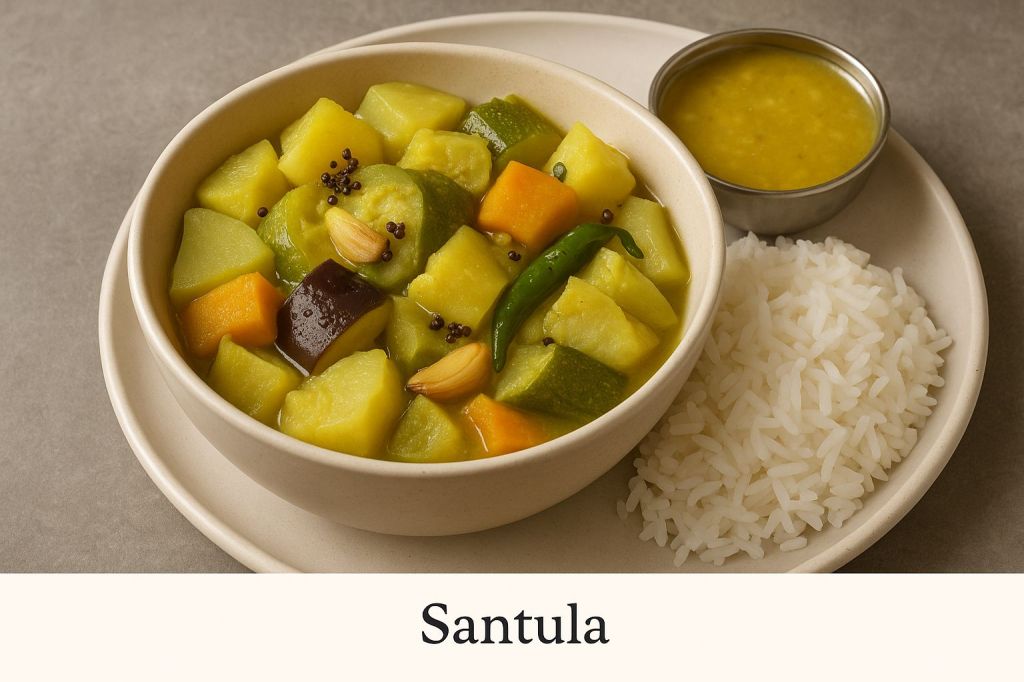
Santula – Light & Healthy Boiled Vegetable Curry (Odia Style)

Intro: A Dish That Cares for the Body & Soul

Santula isn’t flashy. It doesn’t boast spice or ghee. But it’s one of the most nourishing, comforting dishes ever to grace an Odia thali.

When someone is unwell, tired, or fasting — or just craving clean food — Santula shows up like a gentle friend. Made with seasonal vegetables, simmered simply, and tempered with garlic in mustard oil, it’s minimalist food with maximum comfort.

Types of Santula:

Sijha Santula – Boiled only, no tempering (perfect for fasts & recovery)

Bhunja Santula – Tempered with garlic, mustard, and green chili


Ingredients:

1½ cup mixed vegetables (potato, pumpkin, raw papaya, brinjal, ridge gourd, etc.)

½ tsp turmeric

Salt to taste

1 cup water


For Tempering (optional for Bhunja Santula):

1 tsp mustard seeds

2 garlic cloves (crushed)

1 green chili (slit)

1 tsp mustard oil


Steps:

1. Boil the Veggies

Cut vegetables into even pieces.

Boil in water with turmeric and salt until soft but not mushy.


2. Optional Tempering (for Bhunja Santula)

In a small pan, heat mustard oil.

Add mustard seeds, garlic, and green chili.

Sauté until fragrant. Pour over the boiled vegetables.


Serving Suggestions:

Perfect with steamed rice and dal

A light side with pakhala or even kanji

Add a spoon of ghee for richness if desired


Why I Love It

This is Odisha’s version of slow food — humble, balanced, and gut-friendly. Santula reminds me that food doesn’t have to be spicy to be deeply satisfying.