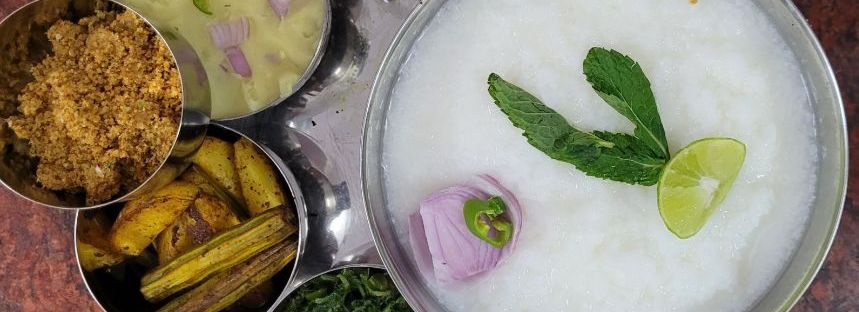
Odia Recipe

Dahi Pakhala – Odisha’s Cool Fermented Rice Summer Dish

Amidst the sweltering summers of Odisha, nothing is more comforting than a bowl of Dahi Pakhala.  This simple dish of rice soaked in spiced yogurt water instantly evokes the warmth of rural kitchens and temple courtyards.  I still recall my grandmother’s clay pot of Pakhala fermenting under a thatched roof, the tangy aroma mixing with the smoky scent of mustard oil and incense.  In countless Odia homes, mothers prepare Pakhala to nourish the body on hot days – a ritual as instinctive as it is ancient.  For Odias, pakhala is almost sacred: it’s offered daily as part of Jagannath Temple’s Mahaprasad and even as a prasad in Durga Puja.  In fact, as one Times of India feature notes, Pakhala “from being offered to Lord Jagannath at Puri temple for centuries to gracing Durga Puja rituals” has become “a symbol of Odia pride”.  Every March 20th, Odisha celebrates Pakhala Dibasa in honor of this humble dish, underscoring its cultural importance.

With its lactic tang and cooling water content, Dahi Pakhala is like liquid relief in a bowl.  Farmers and laborers have long relied on it to beat the heat – it hydrates and replenishes electrolytes when the mercury soars.  Health experts now tout its probiotic benefits (like a South Asian kimchi), noting that the fermented rice is rich in gut-friendly cultures and helps the body retain fluids.  Each spoonful is tangy and refreshing, a subtle medicine of salt, curd and rice that balances the body during India’s hottest months.

Types of Pakhala

In Odia cuisine, pakhala comes in many traditional forms:

Basi Pakhaḷa (Fermented) – Leftover or freshly cooked rice soaked in water and left overnight.  In Odia, basi means “stale,” reflecting its preparation.  This old rice sours gently while you sleep.

Saja Pakhaḷa (Fresh) – Made by instantly adding water (and a squeeze of lemon) to just-cooked rice.  This version skips fermentation and is eaten immediately.

Jira Pakhaḷa – Spiced with fried cumin seeds and curry leaves (sometimes grated ginger or raw mango is added for extra zest).

Dahi Pakhaḷa – The curd variant. Cool, fermented rice is mixed with sour yogurt, plus a pinch of salt and green chili.  (By definition it’s “fermented rice water with curd, salt and chili”.)

Chhada Pakhaḷa (Chhad-chhadi) – A local variation often made with spiced buttermilk or ginger.  In some accounts (and family recipes) this version is akin to Ada Pakhaḷa and preserves rice in a sweet-and-sour brine.


Each of these honors Odisha’s summer traditions, but today we’ll focus on Dahi Pakhaḷa – rice fermented and soured with curd.  Its tangy flavor and soothing warmth make it a nostalgic comfort food.
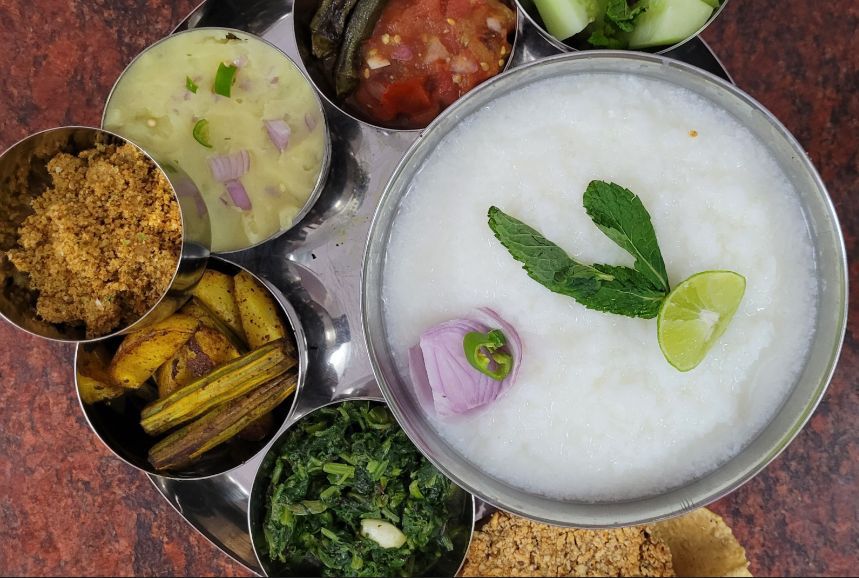
Ingredients for Dahi Pakhala

2 cups cooked rice (best if slightly sticky or overcooked)

1 cup plain yogurt (sour curd)

2–3 cups water (enough to completely submerge the rice)

Salt, to taste

For the tempering (chaunk) – optional but traditional:

1 teaspoon mustard oil (or any vegetable oil)

½ teaspoon mustard seeds (if using neutral oil)

½ teaspoon cumin seeds

2–3 dried red chilies

5–6 curry leaves


Note: You may also add a small bit of grated ginger or a few slices of raw mango to the rice before fermentation for extra flavor (this leans toward the jira or chhada style), but plain Dahi Pakhaḷa needs only rice, yogurt, water and salt.

How to Make Dahi Pakhala

1. Cook the rice. Rinse 1 cup of rice until the water runs clear. In a heavy pot, boil with about 3 cups of water until the grains are very soft and almost falling apart (overcooked). Do not add salt, turmeric, or oil at this stage – a plain, sticky rice is ideal.


2. Cool the rice. Pour the hot rice onto a plate or into a wide bowl to cool quickly. Once it is just warm (barely above room temperature), transfer it to a mixing bowl or container.  (Important: allow it to cool naturally for about an hour – do not refrigerate, or the good fermentation bacteria will be stalled.)


3. Add water and yogurt. Pour in 1–1.5 cups of water so the rice is submerged about 1 inch under the surface. Stir in the yogurt until the mixture is well combined. You should end up with rice suspended in a soupy, cloudy curd broth – exactly like the “fermented rice water with curd” described in the Jagannath Temple feast.


4. Tempering (optional). Heat the mustard oil in a small skillet until it’s hot but not smoking (traditional). If using a neutral oil, add mustard seeds so they crackle. Toss in the cumin seeds, broken red chilies and curry leaves, and fry briefly until fragrant. Immediately pour this sizzling tadka over the rice mixture and stir gently. This chaunk adds a toasty aroma and heat to the Pakhala.


5. Ferment overnight. Cover the bowl with a lid or clean cloth. Leave it at room temperature for 8–10 hours (or overnight). The rice water will become tangy as the Lactobacillus cultures work their magic. You’ll notice a light sour smell – that’s good! (If your kitchen is very cool, you may want to let it ferment a bit longer.)


6. Adjust and serve. The next day, stir the Pakhala. Taste and add salt as needed (salt was skipped earlier to help fermentation). Squeeze in a little lemon juice or add raw mango slices for brightness if you like. Serve the Dahi Pakhala chilled or at room temperature, with the thickened rice grains swimming in yogurt water. Enjoy it as a cooling, probiotic-rich meal.


Tips for Perfect Pakhala

Salt last. Never add salt to the rice before fermenting – it can slow down the bacteria. Season only after fermentation.

Rice choice. Leftover or day-old rice is traditional for Pakhala. Many Odia cooks use parboiled rice for daily meals, reserving long-grain raw rice for festivals. The key is a soft, slightly mushy rice that absorbs the liquid well.

Cool completely. Let the cooked rice cool fully at room temperature before mixing with yogurt. This creates the ideal environment for fermentation.

Use real curd. Freshly made, slightly sour yogurt (curd) with live cultures is best. Avoid ultra-pasteurized yogurt or preservatives, which can inhibit ferment.

Oil and tempering. Pungent mustard oil is the authentic choice; it gives a distinctive tang. If you use a neutral oil, be sure to add a pinch of mustard seeds so you don’t lose that flavor.

Fermentation vessel. In villages, clay pots or ceramic bowls are often used to ferment Pakhala – they keep the mixture cool and add a subtle earthy taste. Any clean, non-metallic container works well.

Keep it covered. Use a lid or cloth to keep dust out during fermentation. After fermenting, store any leftovers in the fridge (it keeps for a couple of days, though flavor strengthens over time).


What to Serve with Dahi Pakhala

Dahi Pakhala is almost always served with crunchy or spicy accompaniments. Classic pairings include:

Badi Chura – Crushed badi (sun-dried lentil dumplings) mixed with mustard oil, green chili and salt.  The salty, nutty crunch is a quintessential side.

Saga Bhaja – Stir-fried greens (like spinach or amaranth) tempered with cumin and mustard seeds.  The earthy, fibrous greens balance the soupy rice.

Aloo Chakata – Spicy mashed potato with bits of raw onion, chili and mustard oil. Its tangy heat is a favorite companion to milder Pakhala.

Fried Dry Chilies – A few whole dry red chilies fried in oil until blistered, served as a fiery nibble on the side.

(Other options: dahi baigana (eggplant in yogurt), fish fry or sun-dried fish (machha bhaja), or simple fried vegetables like pumpkin or potatoes – all complement the rice).*


Serving Dahi Pakhala with badi chura and saga bhaja is a beloved summer tradition in Odisha. The tangy rice broth pairs beautifully with these rustic sides.

Every Odia has their favorite Pakhala thali. Some spoon a bit of raw mustard or garlic pickle into the rice; others crumble peanuts or kokum into it. The joy is making it your own – but never miss the classic badi chura and greens! These accompaniments add flavor, texture and authenticity, turning simple rice into a festive meal.

In the end, Dahi Pakhala is more than a recipe – it’s a reverent taste of Odisha’s heritage. Each bowl carries the memory of temple offerings and rainy-season afternoons on the village veranda. It’s cool comfort on a plate, a prasada of summer that celebrates faith, family and the rhythm of rural life. May your summers be blessed with this soothing, probiotic dish, and may its tradition live on.
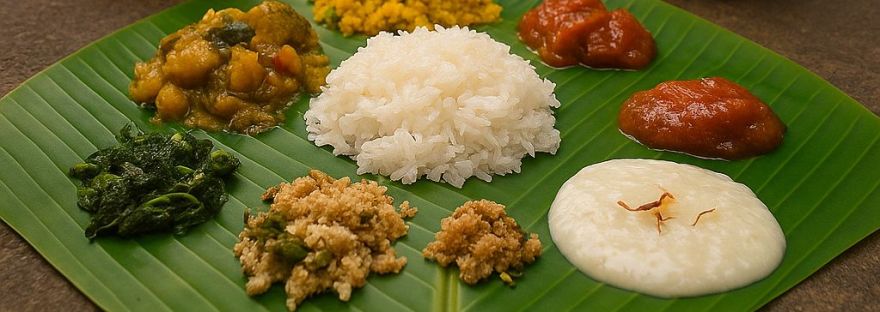
satvik food, Traditional Food

Abadha – The Divine Feast of Jagannath Temple, Puri

A Sacred Meal, A Living Tradition

There are meals that fill your stomach  and then there are meals that fill your soul.
For every Odia, Abadha is not just food; it’s faith served on a banana leaf.

If you walk into Puri’s Jagannath Temple around midday, you’ll hear temple bells echoing, smell the faint sweetness of ghee, and see clouds of steam rising from hundreds of earthen pots bubbling away in sacred kitchens.
This is the Rosha Ghara  the world’s largest sacred kitchen, where over 500 cooks (Suaras) prepare the Mahaprasad of Lord Jagannath every single day.

And at the heart of it all is Abadha  a complete meal representing harmony, purity, and divine balance.

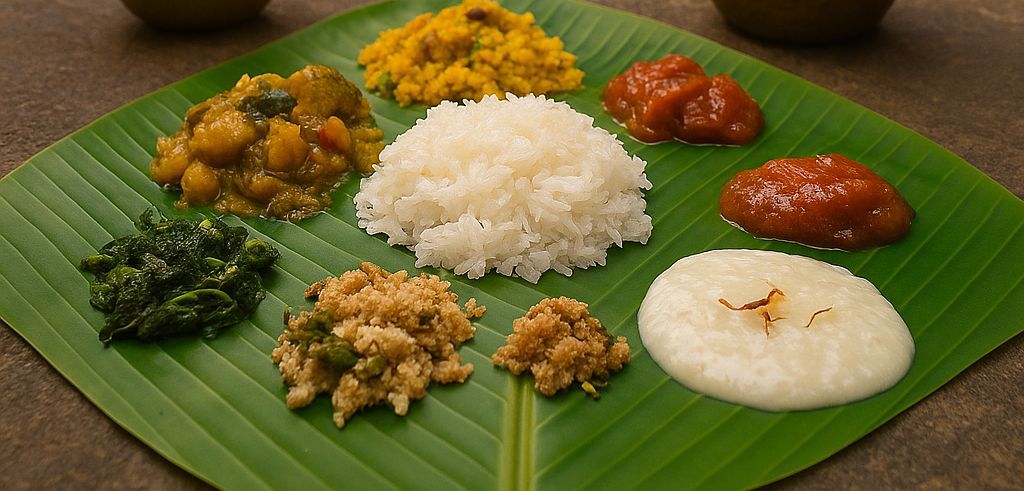
The first time I ate Abadha in Puri, I was a child sitting cross-legged with my mother on the cool temple floor. The brass ladle gleamed as the temple volunteer served one dish after another  steaming Khechudi, fragrant Dalma, golden Kanika, tangy Khatta, earthy Saga, and a small dollop of creamy Kheeri. The food was simple, but something about it felt transcendental.

That first bite of Khechudi with ghee  mild, humble, yet satisfying  tasted like peace itself.


The Philosophy Behind Abadha

Abadha represents the philosophy of Jagannath  inclusiveness and equality.
It is offered first to the Trinity  Lord Jagannath, Lord Balabhadra, and Devi Subhadra  and then shared with everyone, regardless of caste, creed, or wealth.
Once it’s offered, it becomes Mahaprasad  blessed food that carries divine energy.

It’s believed that every element in Abadha is symbolic:

Rice – purity and stability

Dalma – nourishment and humility

Khatta – balance between sweetness and tang

Kanika – prosperity and festivity

Kheer – ultimate bliss


Together, they represent the essence of life  balance, harmony, and surrender.


The Sacred Kitchen – Rosha Ghara

The temple’s kitchen is said to be 5,000 years old, spread across multiple chambers with 752 wood-fired clay hearths called chulhas.

All cooking is done in earthen pots, stacked one above the other  sometimes up to nine levels high.
Here lies the miracle:
Though the fire burns from below, the pot at the top cooks first, followed by the ones beneath it  a mystery that defies logic and is considered divine.

Each cook (Suara) follows ritual purity rules, bathing before entering the kitchen and chanting mantras as they stir the pots.
No onion, garlic, or processed ingredients are ever used. Only natural, seasonal vegetables, desi ghee, and temple-grown rice fill the sacred air.

The aroma of burning wood, roasted cumin, and steaming rice lingers like incense.

The Components of Abadha Thali

While the temple’s Chhappan Bhog (56 offerings) is vast, a home-style Abadha Thali generally includes:

1. Khechudi (Rice & Moong Dal Khichdi) – soft, buttery, temple-style khichdi made with ghee and turmeric.


2. Dalma – the soul of Odia cuisine; lentils and vegetables cooked together with ghee and cumin.


3. Kanika – sweet, fragrant ghee rice with cardamom, raisins, and cashews.


4. Khatta – tangy-sweet relish made from ou (elephant apple), raw mango, or tomato with jaggery and mustard.


5. Saga Bhaja – sautéed leafy greens (like amaranth or spinach) with mustard seeds.


6. Badi Chura – crushed lentil dumplings mixed with mustard oil, green chili, and salt.


7. Dahi Pakhala – fermented rice water with curd, salt, and chili for cooling.


8. Kheeri (Rice Kheer) – thick, creamy pudding made with milk, ghee, and jaggery.


Each dish complements the other — light and heavy, sweet and savory, mild and sharp — much like life itself.


Preparing Abadha at Home (4 Servings)

Below is a simplified, home-style Abadha recipe that captures the spirit of temple food while being practical for everyday kitchens.


1. Khechudi (Temple-Style Khichdi)

Ingredients:

1 cup rice

½ cup moong dal

2 tbsp ghee

½ tsp turmeric

1 tsp cumin seeds

Salt to taste


Method:

1. Dry roast moong dal until aromatic.


2. Add rice, turmeric, and 3 cups water. Cook till soft and mushy.


3. Temper with ghee and cumin seeds before serving.


2. Dalma (Lentil and Vegetable Curry)

Ingredients:

1 cup arhar dal

2 cups mixed vegetables (pumpkin, brinjal, papaya, raw banana, drumstick)

1 tsp cumin powder

1 tsp grated ginger

2 tbsp ghee

Salt to taste


Method:

1. Pressure cook dal and vegetables with turmeric and salt.


2. In ghee, roast cumin seeds and red chilies.


3. Add to dal mixture and simmer for 10 minutes.


4. Finish with grated coconut and ghee.


3. Kanika (Sweet Ghee Rice)

Ingredients:

1 cup basmati rice

2 tbsp ghee

¼ cup sugar or grated jaggery

2 tbsp chopped dry fruits

½ tsp cardamom powder


Method:

1. Heat ghee, fry dry fruits till golden.


2. Add soaked rice and stir for 2 minutes.


3. Add sugar and water (1.5 cups).


4. Cook covered until fragrant and fluffy.


4. Khatta (Sweet-Tangy Chutney)

Ingredients:

1 cup raw mango or tomato (chopped)

2 tbsp jaggery

1 tsp mustard seeds

1 tsp oil, salt, and pinch of turmeric


Method:

1. Heat oil, add mustard seeds and turmeric.


2. Add mango/tomato and cook till soft.


3. Add jaggery and simmer until thick and glossy.


5. Saga Bhaja

Ingredients:

2 cups amaranth or spinach leaves (chopped)

1 tsp mustard seeds

1 tsp oil, pinch of salt


Method:

1. Heat oil, add mustard seeds.


2. Add greens and stir-fry till just wilted.


6. Kheeri (Temple-Style Rice Kheer)

Ingredients:

1 liter full-fat milk

¼ cup rice

¼ cup jaggery or sugar

2 tbsp ghee

½ tsp cardamom powder


Method:

1. Boil milk and add soaked rice.


2. Simmer till thick and creamy.


3. Add jaggery, ghee, and cardamom.


4. Serve warm or chilled.


Serving the Abadha Thali

Traditionally, Abadha is served on fresh banana leaves in a specific sequence

Rice in the center,

Dalma on the right,

Khatta and Besara at the top,

Kheeri at the bottom right,

And Saga or Badi Chura to the left.


Every serving begins with a prayer —
“Anna Brahma, Jala Vishnu, Agni Rudra, Vasundhara Lakshmi” —
meaning Food is God, Water is Vishnu, Fire is Shiva, and Earth is Goddess Lakshmi.

The first morsel is offered mentally to Lord Jagannath before eating.


Expert Tips for Authentic Taste

Use earthen or brass cookware for the best aroma.

Cook on slow flame  temple food is never rushed.

No onion or garlic  satvik simplicity is key.

Add freshly grated coconut to dalma and saga bhaja for richness.

Use pure cow ghee  it’s both flavor and offering.


Abadha – A Symbol of Equality

What makes Abadha truly special is not its taste, but its philosophy.
In Puri, everyone  from priests to pilgrims, from royals to farmers  sits in one row and eats the same food. No differences, no hierarchies, no ego.

That’s the magic of Mahaprasad.
It unites everyone under one truth  that we are all children of the same divine kitchen.


Closing Note

Every time I prepare Abadha, my kitchen feels like a temple. The sound of boiling rice, the soft crackle of cumin, and the smell of ghee remind me that cooking can be a form of prayer.

Abadha teaches us patience, humility, and gratitude  the three flavors life is made of.

So, if you ever crave peace, don’t look far.
Light a diya, spread a banana leaf, cook a simple meal of rice, dalma, and kheer  and eat slowly, reverently, joyfully.

Because Abadha isn’t just food  it’s Odisha’s soul served with devotion.

Story

From Quick Weeknight Dinners to Festive Sweets – 12 Indian Recipes You Must Try

Introduction: Indian home cooking is experiencing a vibrant renaissance, with food lovers craving both time-saving everyday meals and traditional regional flavors. In fact, recent trends show that Indians are Googling everything from quick viral recipes to beloved festive dishes. Successful food bloggers like Dassana (Veg Recipes of India) and Hebbars Kitchen have proven that easy weeknight dinners and authentic regional recipes can go hand in hand. Whether you’re a busy professional looking for a fuss-free weekday meal or a foodie eager to explore a new regional delicacy, The Pinch of Masala has you covered. This roundup brings together the best of current reader interests – from simple dinners and nostalgic sweets to refreshing summer drinks – all in one friendly, scannable guide. Grab a cup of chai and get ready to bookmark your new favorites!

Easy Weeknight Indian Meals (Quick & Delicious)

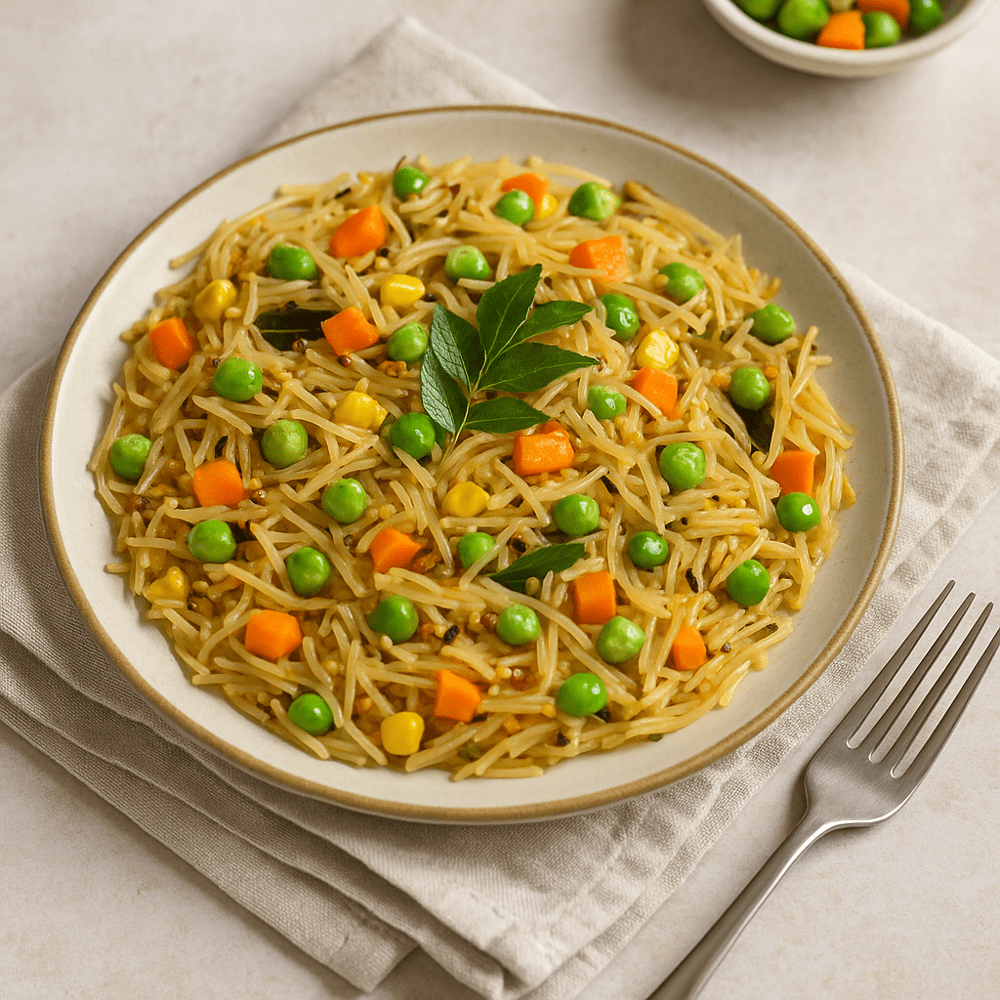
Easy, wholesome dishes like Semiya Upma (vermicelli pilaf with veggies) make busy mornings and weeknights a breeze. Indian cuisine might seem complex, but even chefs emphasize that many recipes are “a cinch once your pantry is stocked,” featuring fast weeknight curries and more. Here are a few quick Indian recipes perfect for hectic days – minimal prep, maximum flavor, and guaranteed to please the whole family.

  • Masala Poha – Spiced Flattened Rice: A 15-minute Maharashtrian breakfast staple that doubles as a light dinner. Fluffy beaten rice tempered with mustard seeds, curry leaves, peanuts, and a squeeze of lemon. It’s tangy, crunchy, and comforting – basically a warm hug in a bowl. 
  • Vegetable Cheela – 10-Minute Besan Pancake: A quick chickpea flour crepe loaded with grated veggies and herbs. This protein-packed pancake is an absolute lifesaver on busy mornings. Think of it as the Indian answer to omelettes – high-fiber, savory, and ready before your coffee is done. 
  • Dal Tadka – Simple Home-Style Lentils: No Indian dinner list is complete without a hearty dal! This version is a weekday hero – red and yellow lentils cooked soft and tempered with ghee, cumin, garlic, and chilies. It comes together in under 30 minutes and pairs with rice or roti for a soul-satisfying supper. 
  • Sprouts Salad – Clean, Crunchy & Full of Life: For something light but filling, try this refreshing salad of mixed sprouts. Tossed with cucumbers, tomatoes, chaat masala and lemon, it’s a nutrition powerhouse that doesn’t skimp on taste. Perfect as a quick lunch or an evening snack to keep you energized. 

(P.S. Want more ideas? Don’t miss Banana Walnut Smoothie – A Hug in a Glass for a healthy breakfast drink, or the White Cheese Pasta on our blog for an easy Indo-Italian dinner twist!)

Regional Indian Delights from Across the Country

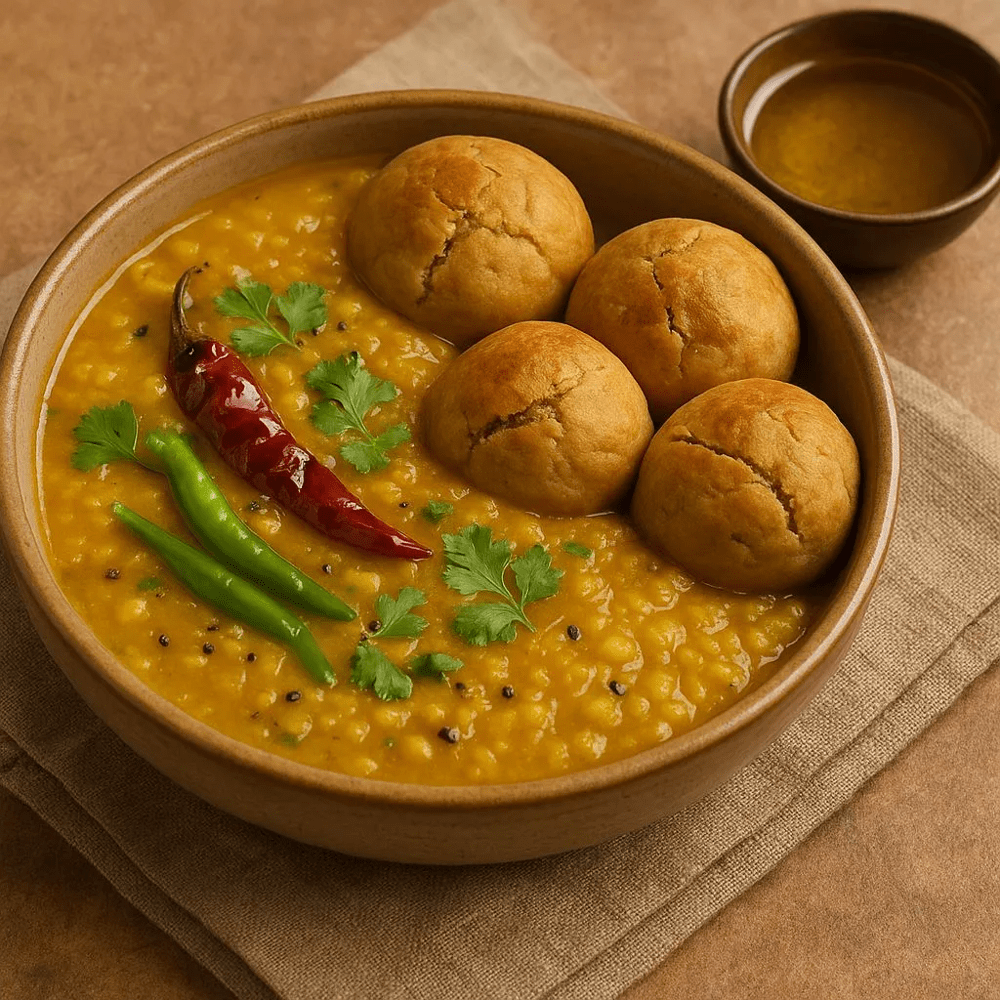
Regional classics like Rajasthani Dal Bati (pictured) are making a comeback as foodies explore India’s diverse culinary heritage. Top chefs note that Indian cuisine is embracing more regional diversity, moving beyond just the usual Punjabi dishes. From the eastern coast to the Himalayan hills, home cooks are rediscovering age-old recipes that tell a story of place and tradition. Here are a few regional gems featured on The Pinch of Masala – each offering a delicious taste of a different Indian state:

  • Potala Aloo Kasa (Odia Curry): A slow-roasted Odisha specialty featuring pointed gourd (potala) and potatoes in a thick, spiced gravy. The masalas are cooked until they cling to the veggies, creating a bold and intensely satisfying dish. One bite of this curry with hot rice, and you’ll see why “kasa” means a curry that tastes like home. 
  • Dal Bati (Rajasthani Feast): This iconic Rajasthani thali star consists of rustic baked wheat dumplings (bati) served with spiced mixed lentils (panchmel dal) and plenty of ghee. It’s traditionally made for festivals and family gatherings, but you don’t need a special occasion to enjoy its smoky, rich flavors. Recreate the royal experience in your own kitchen – don’t forget the garlic chutney and churma on the side! 
  • Madra (Himachali Yogurt Curry): Hailing from the hills of Himachal Pradesh, Madra is a creamy yogurt-based curry typically made with chickpeas or kidney beans. It’s a no-onion, no-garlic satvik recipe that’s gently spiced with whole masalas and lots of ghee. This pahadi delicacy, often served at local festivals and temple feasts, proves that simple ingredients can create deeply soulful flavors. 
  • Chingri Malai Curry (Bengali Prawn Curry): A luxurious Eastern-India favorite featuring succulent prawns simmered in a silky coconut milk gravy. Delicately spiced with turmeric, garam masala, and a hint of mustard, this dish is festive enough for guests yet easy enough for a weeknight. Serve it with steamed rice for a taste of Bengal’s famed seafood cuisine. 

(Craving more regional flavors? Check out our Badi Chura (Odia spicy crumble) or Sarson Ka Saag (Punjabi greens) on the blog – India’s diversity on a plate!)

Festive Sweets & Desserts to Satisfy Your Sweet Tooth

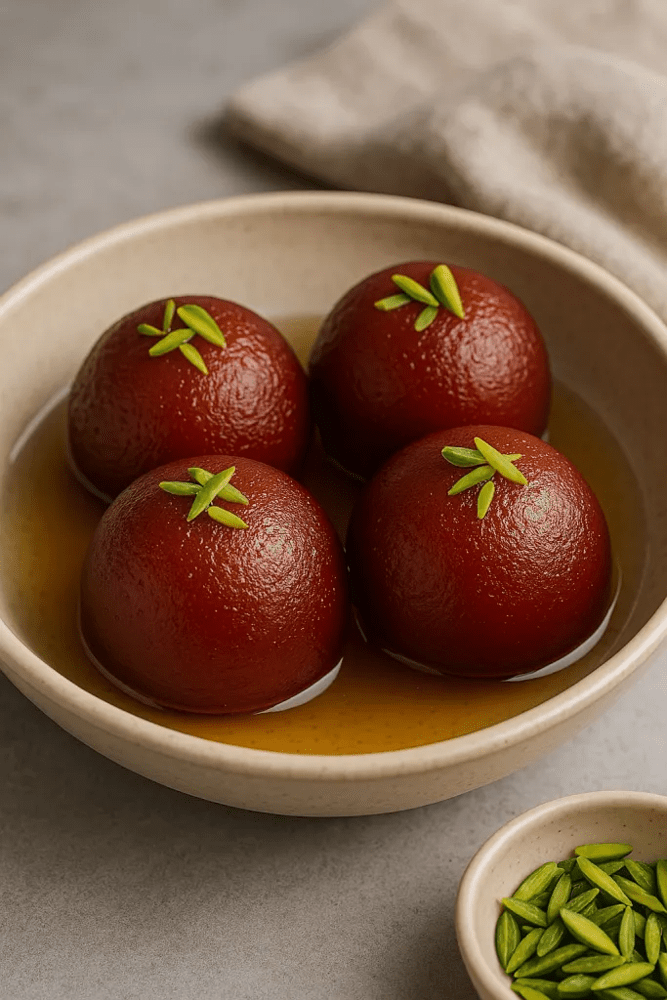
Golden Gulab Jamuns soaking in syrup – a timeless Indian dessert beloved at weddings and Diwali alike. Indian celebrations are synonymous with mithai (sweets), and even Google’s top search lists prove how much we adore our traditional treats. From north to south, every region has its signature dessert, often tied to festivals and family rituals. Here are a few festive sweets you can easily make at home to bring a touch of sweetness to any occasion:

  • Gulab Jamun – Soft & Syrupy Delight: Perhaps the most iconic Indian sweet, Gulab Jamuns are fried milk-based dumplings soaked in rose-scented sugar syrup. They’re pillowy soft, rich with notes of cardamom and saffron, and absolutely melt in your mouth. Whether it’s a birthday, Diwali, or just dessert after dinner, this treat never fails to impress.
  • Rice Kheer – Creamy Traditional Pudding: A classic rice and milk pudding slow-cooked with sugar, nuts, and spices. Kheer is simple yet luxurious – often made during festivals like Eid, Durga Puja or as prasad in temples. Each spoonful, fragrant with cardamom and garnished with almonds, tastes like nostalgia. Serve it warm or chilled; it’s the sweetest comfort in a bowl.
  • Poda Pitha – Odia Festival Cake: This unique delicacy from Odisha is a smoky, caramelized rice cake traditionally made during Raja Parba (the Odia swing festival). The batter of rice flour, jaggery, coconut, and spices is wrapped in banana leaves and slow-roasted, resulting in a rustic cake with a charred crust and soft center. Poda Pitha carries the aroma of village kitchens and bonfire cooking – a must-try if you love exploring regional sweets.
  • Besan Ladoo – Ghee & Gram Flour Fudge: These melt-in-the-mouth sweet balls made of roasted chickpea flour, ghee, and sugar are an absolute Diwali classic. Just a few ingredients transform into a decadent fudge with a nutty aroma. Our recipe adds a hint of cardamom and crushed nuts for extra richness. Make a batch for the festive season (and be prepared for them to disappear fast!).

(Sweet tooth still craving? Don’t miss the Chenna Jhili (syrup-soaked cottage cheese donuts from Odisha) or Sooji Halwa (semolina pudding) recipes on the blog for more dessert inspiration.)

Refreshing Summer Coolers & Drinks

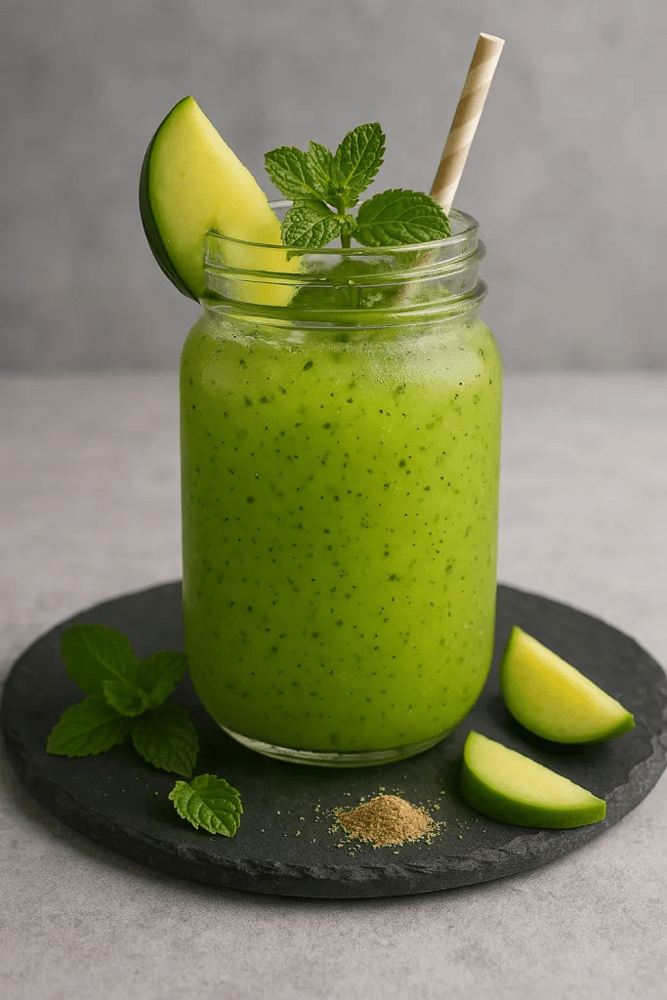
When the summer sun blazes, cool off with desi drinks like Aam Panna – a raw mango and mint cooler that’s tangy, sweet, and utterly refreshing. Staying hydrated and cool is key during Indian summers, and traditional beverages are here to help. From probiotic masala chaas (spiced buttermilk) to zesty nimbu paani (lemonade), there’s no shortage of delicious options. Here are a few summer drinks you must try this season – they’re easy to whip up and perfect for beating the heat:

  • Aam Panna – Tangy Raw Mango Cooler: A quintessential summer drink from Maharashtra, made by blending boiled raw mango pulp with mint, roasted cumin, black salt, and jaggery. This vibrant green cooler is famed for preventing heat stroke and dehydration. Every sip is a tantalizing mix of sweet, sour, and spicy that will transport you to childhood summers.
  • Mango Lassi – Creamy Yogurt Shake: Part dessert, part drink – mango lassi is a globally loved Indian cooler. Ripe mangoes are pureed with chilled yogurt, a touch of sugar, and a pinch of cardamom to create a thick, frothy shake. It’s kid-friendly and makes a great breakfast-on-the-go or an afternoon pick-me-up. One glass of this sunshine-yellow treat and you’ll feel refreshed instantly.
  • Watermelon Mint Juice – Instant Thirst-Quencher: Nothing beats fresh watermelon on a hot day, except perhaps blending it into juice! This simple cooler combines juicy watermelon chunks with fresh mint and a squeeze of lime. It’s light, naturally sweet, and takes literally 5 minutes to prepare. Pour it over ice and enjoy a sip of summer in a glass.
  • Masala Chaas – Spiced Buttermilk: A savory cooler made with diluted yogurt, cumin, ginger, green chilies, and coriander. Masala chaas is India’s go-to summer beverage for good reason – it’s hydrating, aids digestion, and the hint of black salt with herbs truly slays the heat. Serve it chilled (in a clay matka if you have one for authenticity!), and feel your body cool down from the inside out.

(Also try our Lemon Ginger Shikanji recipe – a twist on classic lemonade with ginger and cumin. It’s the ultimate cooling drink after a spicy meal!)

Conclusion – Join the Conversation!

From busy-day dinners to celebratory sweets to grandma’s summer coolers, these 12 recipes showcase the rich tapestry of Indian cooking. They’re designed to be approachable, engaging, and absolutely delicious – the kind of dishes that will earn you happy smiles at the dinner table. We hope this roundup inspires you to don your apron and try something new this week. 🎉

Did you find a recipe that speaks to you? Give it a go and let us know how it turned out! Drop a comment below with your kitchen adventures or any questions – Puspa (the heart and hands behind The Pinch of Masala) would love to hear from you. If you enjoyed this post, don’t forget to share it with fellow foodies and subscribe to our newsletter for more yummy updates. Happy cooking, and enjoy the delicious journey across India’s culinary landscape! 🍲✨

Fastival Food

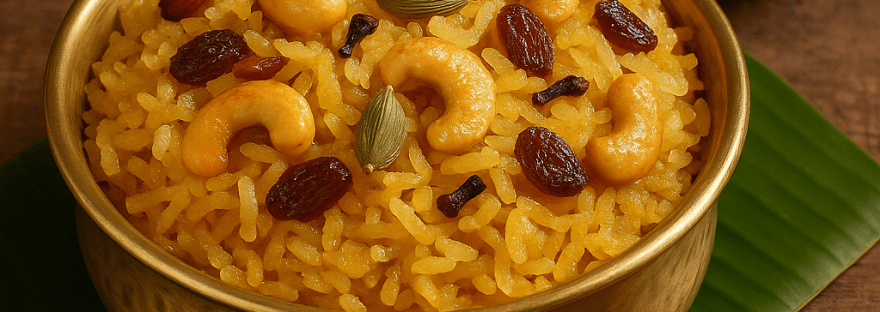
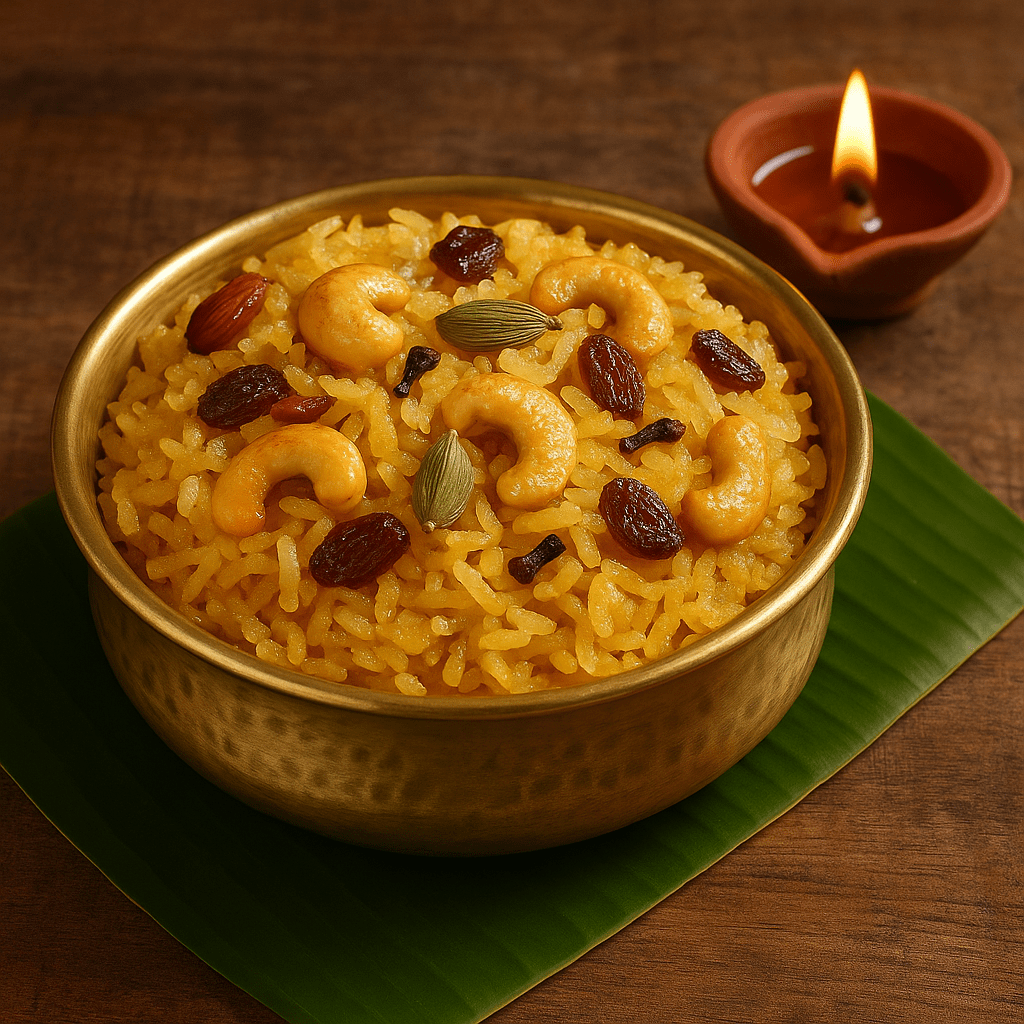
Kanika – Temple-Style Sweet Ghee Rice from Odisha

In every Odia household, Kanika is more than a dish — it’s a celebration, a sacred offering, and a sweet memory rolled into fragrant grains of rice. I remember every Rath Yatra and festive Sunday, my mother would prepare Kanika in a brass handi with generous spoonfuls of ghee, and as the aroma filled the house, we’d know the bhog plate was almost ready.

Kanika is a traditional sweet rice dish from Odisha, flavored with ghee, jaggery, and spices. It’s part of the famous Chappan Bhog offered to Lord Jagannath in Puri and is often paired with dalma, saga, or khatta. Unlike kheer, Kanika is dry, rich, and lightly spiced — often served in temple rituals or made at home during pujas and celebrations.

Ingredients (Serves 3–4)

1 cup arua chaula (raw rice or basmati rice)

¾ cup grated jaggery (adjust to sweetness)

2 tbsp desi ghee

2 tbsp grated coconut (optional)

2 tbsp cashews and raisins

1–2 small bay leaves

2–3 cloves

2–3 green cardamoms

A small piece of cinnamon

A pinch of salt

2 cups water


Step-by-Step Preparation

1. Wash & soak rice

Wash the rice and soak it in water for 20–30 minutes. Drain and set aside.

2. Prepare jaggery syrup

In a small pan, dissolve jaggery in 2 cups warm water. Strain to remove impurities and keep aside.

3. Temper the ghee

In a thick-bottomed kadhai, heat ghee. Add bay leaves, cloves, cardamoms, and cinnamon. Let them splutter and release aroma.

4. Add dry fruits

Toss in cashews and raisins. Fry till golden. Add grated coconut if using.

5. Cook the rice

Add drained rice and stir gently to coat with ghee and spices. Sauté for 2–3 minutes.

6. Add jaggery water

Pour in the strained jaggery water and add a pinch of salt (to enhance sweetness). Bring to a gentle boil.

7. Simmer and cook

Cover and cook on low heat until the rice absorbs all the liquid and turns soft and aromatic. Do not stir too much — let it steam gently.

8. Rest and fluff

Turn off heat. Let it sit covered for 5 minutes. Fluff with a fork. Serve warm.


Tips for Perfect Kanika

Use arua chaula (raw rice) or aged basmati for fragrance.

Do not overcook the rice — each grain should be soft but separate.

A little salt actually balances the sweetness and brings out flavor.

For temple-style feel, use brass utensils and no onions or garlic.


Serving Suggestions

Serve with dalma, khatta, or simple mixed veg curry

Add it to a festive bhog thali with saga, chutney, and pakhala

Enjoy as a warm sweet snack with just a spoon of ghee on top


Why I Love It

I love Kanika because it smells like tradition. It brings back memories of temple bells, copper thalis, and the rustle of tulsi leaves on a summer afternoon. It’s sweet, but not overly so — soft, spiced, and rich with ghee. On puja days or whenever my heart needs a little comforting, I make a small pot of Kanika, and suddenly, everything feels sacred again.

Lunch & Dinner

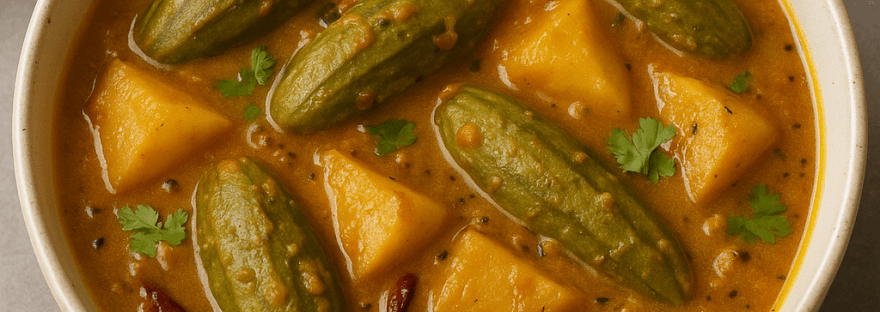
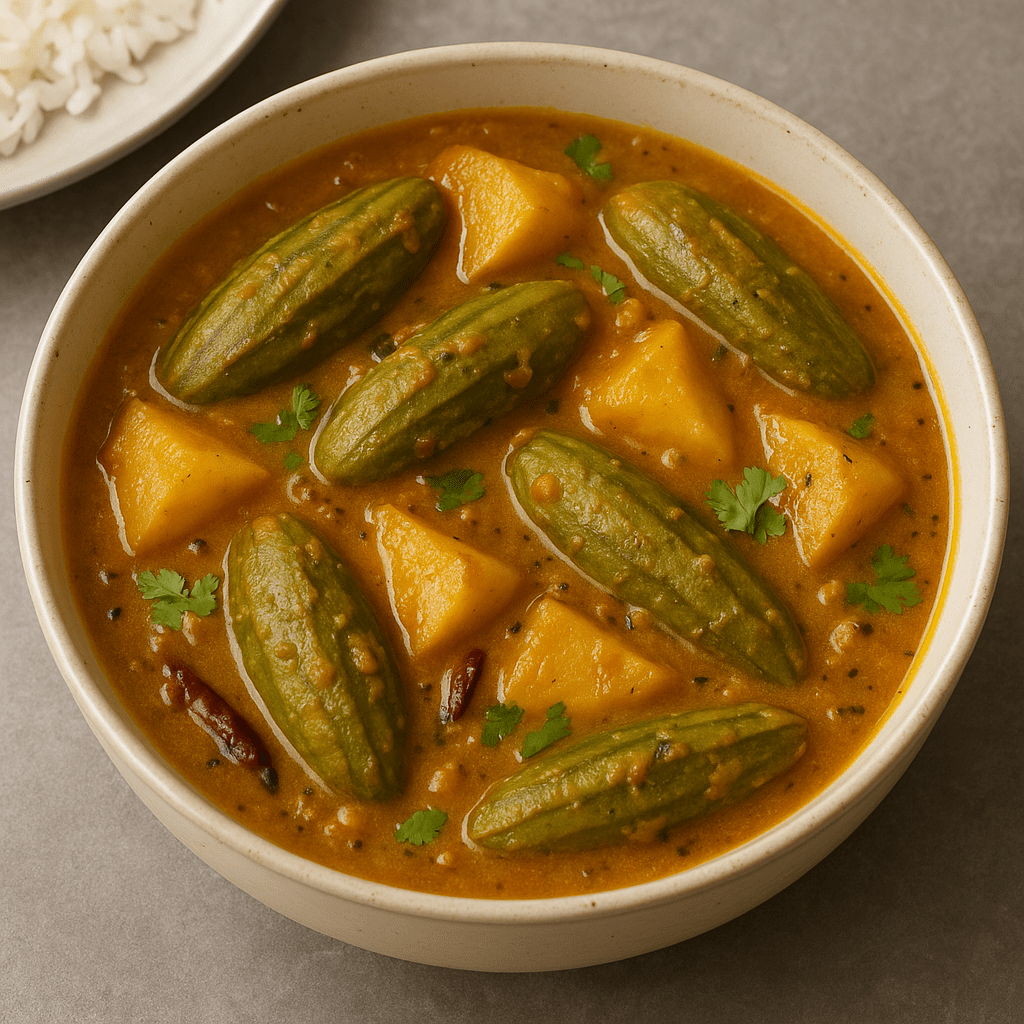
Potolo Kuruma (Odia Style) – A Comfort Curry from Coastal Kitchens

In an Odia kitchen, potolo (pointed gourd) is more than just a vegetable — it’s part of the everyday rhythm of home. Whether it’s in dalma, bhaja, or this creamy kuruma, potolo finds its way onto plates with quiet grace. I remember summer afternoons at my grandmother’s house where she’d grind fresh coconut, pop mustard seeds in oil, and slow-cook this humble curry while we waited with steel plates in hand.

Unlike the rich North Indian kurmas with cream and cashews, Odia Potolo Kuruma is gentle, coconut-based, and lightly spiced. It’s the kind of curry that lets the vegetable shine while adding warmth and depth with mustard, cumin, and ginger. Served with steamed rice or ghee-laced puris, it’s an ode to slow cooking and soft memories.

Ingredients (Serves 3–4)

8–10 medium-sized potolo (pointed gourd), peeled and cut into halves

2 medium potatoes, peeled and cubed (optional but traditional)

1 medium onion, finely sliced

1 small tomato, chopped

½ cup grated coconut (fresh or frozen)

1 tbsp poppy seeds (khus khus)

1 tsp cumin seeds

1 tsp ginger paste

½ tsp turmeric powder

½ tsp red chili powder

1–2 green chilies, slit

1 tsp mustard seeds

1 dry red chili

Salt, to taste

2 tbsp mustard oil (or regular oil if preferred)

Fresh coriander for garnish (optional)


Preparation

1. Prep the coconut paste:

Soak poppy seeds in warm water for 15 minutes. Grind with grated coconut and cumin seeds into a smooth paste. Set aside.

2. Fry the potolo:

Heat 1 tbsp mustard oil in a kadhai or pan. Lightly fry the potolo pieces until golden and semi-soft. Remove and keep aside.

3. Cook the masala:

In the same pan, add a little more oil. Splutter mustard seeds and red chili. Add sliced onions and sauté till golden. Stir in ginger paste, turmeric, red chili powder, and chopped tomatoes. Cook till the tomatoes soften.

4. Add the paste & veggies:

Add the ground coconut paste and sauté for 2–3 minutes till aromatic. Then add the fried potolo, cubed potatoes, green chilies, salt, and a splash of water.

5. Simmer & cook:

Cover and cook on low heat for 10–12 minutes, stirring occasionally. Add more water for a thinner gravy. The kuruma should be creamy and the potolo soft but intact.

6. Garnish & serve:

Turn off the heat, garnish with fresh coriander if desired, and serve warm.


Tips for Best Potolo Kuruma

Fresh potolo matters: Pick tender, smaller ones — overripe ones can be seedy.

Don’t skip mustard oil: It gives a distinct Odia flavor — just heat it till it smokes slightly to mellow it.

Soaking poppy seeds helps them grind smoothly into the paste.

Customize spice: Add more green chilies for a spicier version or a pinch of garam masala at the end for richness.


Serving Suggestions

With steamed rice and a squeeze of lemon

Alongside puris or luchis for a comforting Sunday brunch

With a side of fried badi chura or dry sabzi

Serve in traditional brass bowls for a rustic, authentic feel


Why I Love It

Potolo Kuruma reminds me of home. Of lazy afternoons where the kitchen buzzed with clinks of brass pots and the air carried the scent of roasted cumin and mustard oil. It’s not a fancy curry, but it carries the flavor of heritage — one that warms your soul and fills your plate with memories. I love how it pairs so effortlessly with rice yet feels special every time I make it. It’s simple, soulful, and forever Odia.

Lunch & Dinner

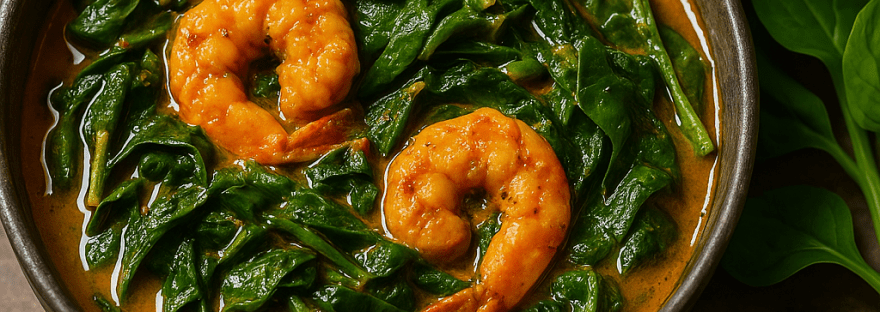
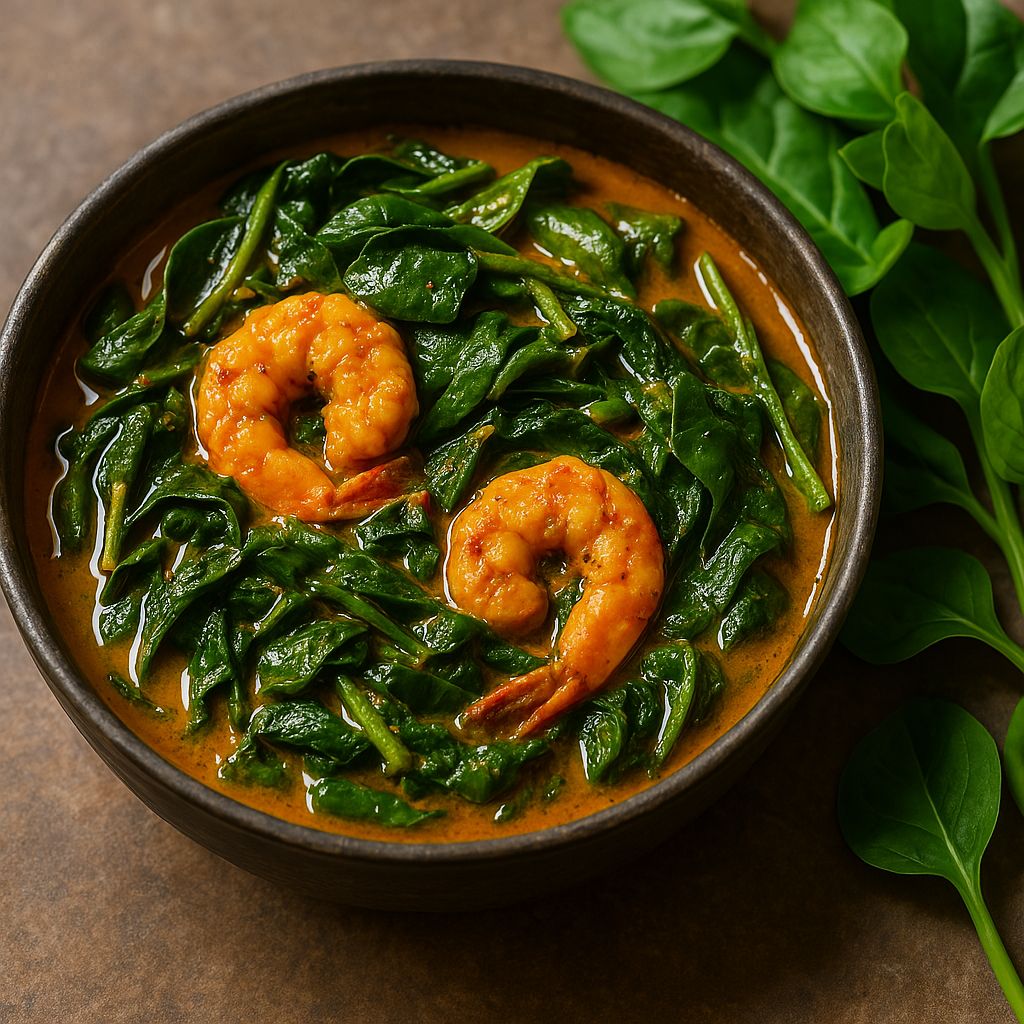
How to Make Odisha’s Soulful Poi Chingri Curry


🌿 A Taste of Odisha’s Rivers, Soil & Simplicity

This isn’t a restaurant-style curry.
It’s something made in clay pots.
Where prawns are small, but the flavors are big.
Where poi saag (Malabar spinach) grows in the backyard, and prawns come fresh from the local haat.

Poi Chingri Curry is soft, earthy, and soulful — made with just a few ingredients, yet deeply satisfying with hot rice.

Bengali-style Malabar spinach and prawns curry with mustard and garlic, served hot with rice.


🛒 What You’ll Need (Serves 2–3):

200g small prawns (chingri), cleaned

2–3 cups Malabar spinach (poi saag), chopped (tender stalks + leaves)

1 small potato, cubed (optional but traditional)

1 small onion, finely chopped

1–2 green chilies

1 tbsp mustard paste (or use mustard seeds + garlic ground fresh)

½ tsp turmeric

½ tsp red chili powder

Salt to taste

2 tbsp mustard oil


🍤 How to Make It – Simple, Spicy & Rooted in Soil

1. Prep the Prawns

Marinate prawns with salt and turmeric. Fry in mustard oil for 1–2 minutes until light golden. Set aside.

2. Build the Curry

In the same oil, add onions and green chilies. Sauté until light golden.
Add potato cubes, turmeric, chili powder. Mix well.

3. Add the Saag

Add chopped poi saag. Stir until it begins to wilt. Cover and cook for 5–7 mins until soft.

4. Add Mustard Paste & Prawns

Add the mustard paste + a little water to make curry consistency. Add the fried prawns.
Simmer for 5 mins until everything is cooked and flavors come together.

5. Serve Fresh & Hot

With steamed rice and a squeeze of lemon, maybe a slice of onion on the side.


❤️ Why Poi Chingri Curry Tastes Like Home

Traditional coastal Odia flavor

Malabar spinach + prawns = earthy + umami

Simple masalas, bold flavor

Because not all delicacies come from restaurants — some come from maa’s haata kuansa bhanda

Lunch & Dinner

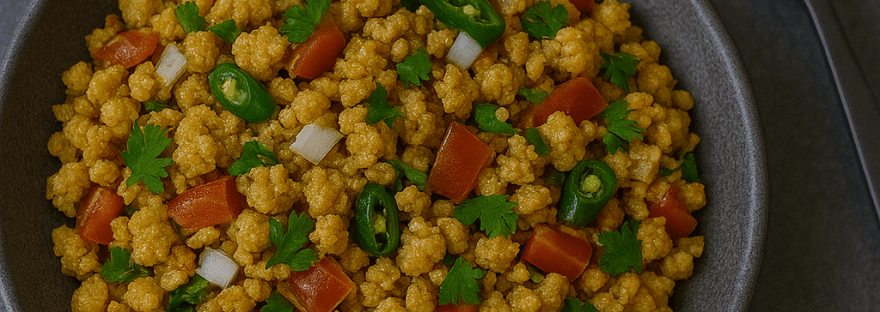
Badi Chura – Odisha’s Fiery Crumble of Flavor


🔥 Rough, Raw, and Full of Fire

You won’t find it in cookbooks.
You won’t see it plated with garnishes.
But sit at an Odia dining floor with pakhala bhata, and you’ll always see a small side of Badi Chura —
coarsely crushed, pungent with garlic and mustard oil, and hot enough to bring tears (of joy).

It’s food you make without gas.
Food you mash, mix, and remember.


🛒 What You’ll Need (Serves 2–3):

6–8 urad dal badis (store-bought or homemade)

2–3 garlic cloves

1–2 green chilies

1–2 tbsp mustard oil (raw)

Salt to taste

Optional: 1 tsp chopped onion or coriander


🥄 How to Make It – Smash, Mix, Serve

1. Roast the Badi

Dry roast badis on a tawa or pan until crisp and golden.
Traditionally, they’re sun-dried and pan-roasted.

2. Smash the Flavors

Using a silbatta, mortar-pestle, or just your hands —
crush roasted badis, garlic, and chilies into a coarse mix.

3. Add the Kick

Mix in mustard oil and salt.
Optional: Add chopped onion or coriander if you like.

4. Serve With Everything

Pairs best with pakhala, hot rice, or dal.
Add to your thali for texture and heat.


❤️ Why Badi Chura Deserves a Spot on Every Plate

No cooking needed, just roasting and crushing

Strong, smoky, and satisfying

Takes minutes, tastes like home

Because the smallest bowl sometimes carries the most power

Lunch & Dinner

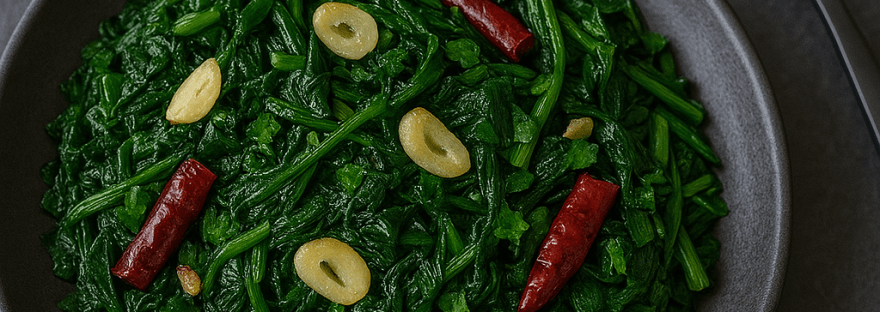
Saga Bhaja – Stir-Fried Greens, Odia Style


🌿 When Simple Greens Turn Into Soul Food

You don’t need spices to make food powerful.
You just need fresh saag, mustard oil, and a hot pan.

Saga Bhaja is one of those dishes you’ve seen in every Odia kitchen — not on menus, not in restaurants, but always on the plate.

Served beside pakhala, rice, or dal — this dish isn’t made to impress.
It’s made to nourish.
And that’s why it stays unforgettable.


🛒 What You’ll Need (Serves 2–3):

2–3 cups fresh leafy greens, finely chopped (e.g. amaranth, spinach, or poi saag)

1–2 green chilies, slit or chopped

1 tsp mustard seeds

1 tsp chopped garlic (optional, but traditional)

Salt to taste

1 tbsp mustard oil


🔥 How to Make It – Quick, Hot, and Clean

1. Heat the Oil

In a kadhai, heat mustard oil until it starts to smoke.
Add mustard seeds and let them crackle.

2. Add the Fire

Add garlic and green chilies. Sauté just for a few seconds.

3. Toss in the Greens

Add the chopped saag and salt.
Stir well and cook uncovered for 4–5 minutes on medium flame until wilted and slightly crisp.

4. Serve It the Traditional Way

Alongside pakhala, dal-chawal, or with just plain rice and a spoon of ghee.


❤️ Why Saga Bhaja Is a Quiet Classic

Fast and packed with nutrients

No masala, no drama — just greens and mustard

Comfort food that feels like home

Because sometimes, less is more