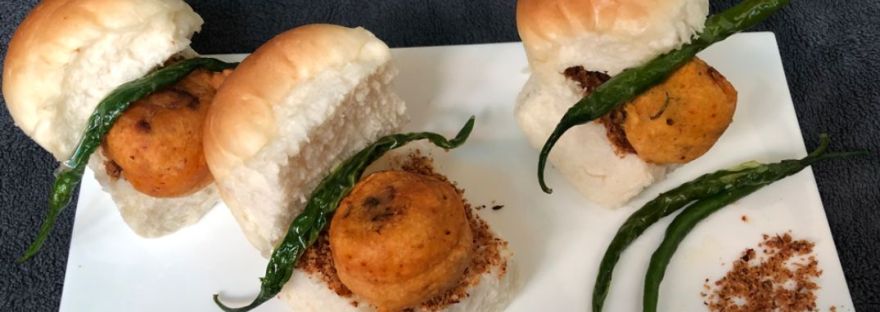
I still remember the first time I bit into a sizzling hot Bada Pao (Vada Pav) on a rainy Mumbai afternoon. The spicy potato vada – crunchy and golden – nestled inside a pillowy soft pav bun, hit all the right notes. As I walked along the busy street, steam rising from the paper wrapper, the pungent aroma of garlic and chili chutneys filled the air. It was a simple pleasure, but one I’ll never forget. Bada Pao (also spelled Vada Pav) is, as one food blogger puts it, “Mumbai’s beloved street food sensation” often nicknamed the “Indian burger”. In essence, it’s a vegetarian fast-food sandwich: a deep-fried spicy mashed-potato fritter placed inside a sweet bun and typically served with a green chili and flavorful chutneys. This humble snack has become so iconic that it’s said to be the most famous street food of Mumbai – so famous, in fact, that August 23 is even celebrated as World Vada Paav Day.
Growing up, I watched my mum prepare the potato filling with care. She would boil and mash potatoes, then sauté mustard seeds, curry leaves, ginger, garlic and green chilies in a little oil. A pinch of turmeric and salt went in for color and taste, and the mixture was stirred into the potatoes along with chopped coriander. After it cooled, she shaped the spicy mash into round patties. Meanwhile, we’d whisk gram flour (besan) into a batter with a little water – sometimes adding a pinch of baking soda or rice flour for extra fluff. Each patty was coated in that batter and deep-fried until golden and crispy on the outside.
No Vada Pav is complete without chutney. I always smear the split pav with homemade green cilantro-mint chutney and a dry garlic-chili (lasun) chutney – the classic accompaniments. The combination of tangy cilantro, pungent garlic, and heat from chilies is what really makes each bite pop. The first time I made this at home, it transported me back to the streets of Mumbai – and even reminded me that this was originally an affordable snack for mill workers in the 1960s. Today it’s a cultural symbol; one of my favorite childhood memories is sharing Bada Pao with my friends after school.
Now let’s bring those Mumbai flavors into your kitchen. The ingredients and steps below will guide you through a delicious homemade Bada Pao (Vada Pav). Enjoy!

Ingredients
Pav buns: 4 soft dinner rolls (Indian pav)
Potatoes: 4 medium russet or red potatoes, boiled and mashed
For the potato filling: 1 tsp mustard seeds, pinch of asafoetida (hing), ¼ tsp turmeric, 2 tsp ginger (grated), 3 cloves garlic (minced), 2–3 green chilies (chopped), 12–15 curry leaves, salt to taste, and handful of chopped fresh coriander (cilantro)
Gram flour batter: ¾ cup besan (gram flour), pinch of baking soda (optional for fluffiness), pinch of turmeric, pinch of red chili powder, salt to taste, and water to make a thick batter
Oil: for deep frying
Chutneys & toppings: Homemade or store-bought green cilantro-mint chutney and dry garlic-peanut chutney (lasun chutney); sliced onions and fried green chilies (optional) for serving
Instructions
1. Make the potato masala: In a pan, heat 1–2 tbsp oil and add mustard seeds. When they splutter, add hing, curry leaves, ginger, garlic and green chilies. Sauté for a minute until fragrant. Stir in the turmeric, salt and mashed potatoes, then mix well. Cook for 1–2 minutes, then turn off the heat and stir in chopped coriander. Let the mixture cool slightly. Divide it into 4–6 equal portions and shape each into a round patty about 1½–2 inches wide and ½ inch thick.
2. Prepare the batter: In a bowl, whisk together gram flour, a pinch of salt, baking soda (if using), turmeric and chili powder. Gradually add water and whisk to make a smooth, lump-free batter that coats the back of a spoon (it should be neither too thick nor too runny).
3. Fry the vadas: Heat oil in a deep skillet or kadhai over medium-high heat. When the oil is hot (test by dropping a bit of batter – it should sizzle and rise), dip each potato patty into the batter, ensuring an even coat. Use a slotted spoon to gently lower it into the oil. Fry 2–3 vadas at a time, turning occasionally, until they are golden brown and crisp all over (about 3–4 minutes). Remove and drain on paper towels.
4. Warm the pav buns: While the vadas fry, warm a griddle (tawa) over medium heat. Slice each pav bun horizontally, leaving one edge attached. Lightly toast the buns on the griddle (you can spread a bit of butter if you like) until they are just golden. Remove and keep warm.
5. Assemble the Bada Pao: Spread a generous layer of green chutney on one side of each bun and sprinkle some dry garlic-chili chutney on the other side. Place a hot vada (batata vada) inside the bun, pressing lightly. If desired, add sliced raw onion or a fried green chili inside for extra crunch and heat. Serve the assembled Bada Paos immediately – they are best enjoyed hot and fresh!
Tips
Adjust the spice: You can control the heat by adding fewer green chilies to the potato mix or reducing the chili powder in the batter. If cooking for kids, omit extra chilies and serve hot sauce on the side.
Make it extra crispy: For crunchier vadas, stir in 1–2 tablespoons of rice flour into the gram flour batter. Also, ensure the batter is not too thick – a thinner coating fries up lighter.
Even coating trick: Use a spoon to tap off any excess batter from the vada before frying. A slotted spoon is handy for lowering the batter-coated vada into hot oil smoothly.
Chutneys in advance: Both green cilantro chutney and dry garlic chutney can be made a day or two ahead and refrigerated. This saves time and lets flavors meld. Add a swirl of sweet tamarind-chutney for a tangy twist if you like.
Use fresh pav: Authentic Vada Pav has soft, slightly sweet buns. If you can find Indian pav rolls (like from a bakery or Indian grocery), that’s ideal. Otherwise, plain soft dinner rolls work; avoid very sweet hamburger buns.
Serve hot: Vada Pav is best enjoyed immediately. The vada should be hot from the fryer and the chutneys vibrant. If storing leftovers, reheat vadas in a pan to crisp them up, then assemble.
Enjoy your homemade Bada Pao with a cup of masala chai for the full Mumbai experience. Each bite of spicy potato vada and tangy chutneys will transport you to the bustling streets of Mumbai just like it did for me. I hope this recipe brings you the same joy and nostalgia it brings me – happy cooking!
 The Pinch of Masala