Lunch & Dinner

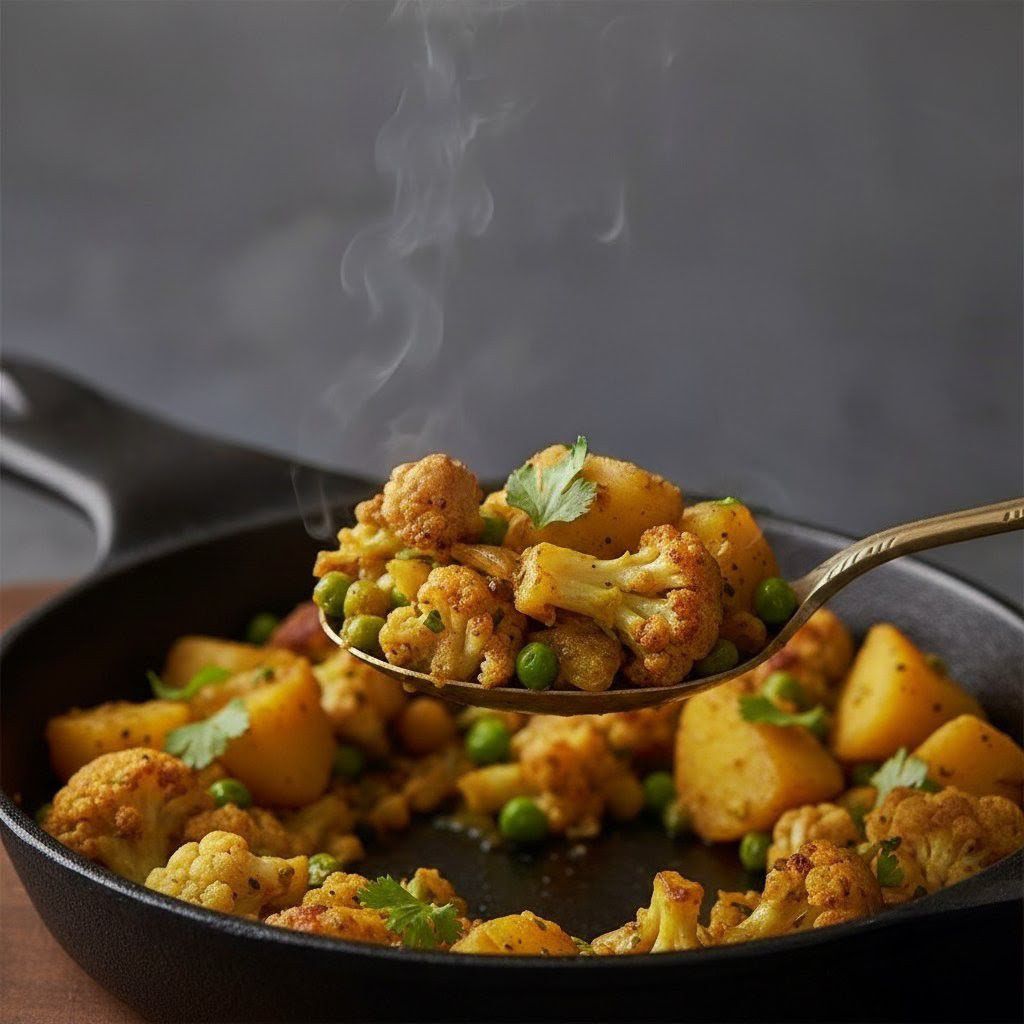
Aloo Matar: My Mother’s Winter Afternoon in a Bowl

In our house, the definitive sound of winter wasn’t the whistling wind; it was the steady pop-pop-tinkle of fresh green peas hitting a steel bowl. I remember my mother sitting on a low stool in the afternoon sun, a mountain of pea pods in her lap. She never rushed the task. To her, shelling peas was a visual meditation—a way to ensure that only the sweetest, most “intentional” grains made it into the pot.
“A potato is just earth,” she would say, “but the pea is the spirit.” She taught me that the secret to a royal Aloo Matar wasn’t in the spices, but in the hierarchy of the cook. You had to respect the potato’s need for a headstart and the pea’s delicate desire to remain vibrant. This dish is a “Parasocial Companion” on our lunch table a warm, reliable hug that has survived generations of winter Sundays .
Today, at The Pinch of Masala, we are moving away from the “frozen-bag” culture and returning to the “Quiet Luxury” of hand-shelled winter bounty and my mother’s “Golden Sear” technique.

The most common mistake in Aloo Matar is ending up with a mushy, greyish mash. To keep your sabji looking “emerald and gold,” you must follow my mother’s two technical rules:
The “Golden Sear” Rule: Never boil the potatoes in the gravy from the start. You must sauté the potato cubes in oil or ghee until they develop a thin, golden crust. This “sealing” prevents the starch from leaking into the gravy, keeping it clean and allowing the potatoes to retain their shape.
The “Steam Trap” Finish: In 2026, we prioritize “Simplicity with Purpose”. My mother would never add excess water. She would cover the pan with a tight-fitting lid and cook the vegetables in their own juices. This “Steam Trap” method concentrates the natural sugars of the winter peas, making them taste like candy rather than water.

Prep time: 20 mins | Cook time: 20 mins | Servings: 4
Diet: Vegan, Gluten-Free | Cuisine: North Indian Heritage

Ingredients:
2 cups Fresh Green Peas: Hand-shelled winter peas are best.
3 Medium Potatoes: Peeled and diced into ¾-inch cubes.
The Aromatics: 1 Large Onion (finely chopped), 1 inch Ginger (grated), 3 Garlic cloves (crushed).
The Base: 2 Ripe Tomatoes (pureed).
Fat: 2 tbsp Mustard Oil or Ghee.
Spices: 1 tsp Cumin seeds (Jeera), ½ tsp Turmeric (Haldi), 1 tsp Coriander powder, ½ tsp Red Chili powder, and ½ tsp Garam Masala.
The Finish: A handful of fresh Coriander leaves and a squeeze of Lemon juice.
Instructions:
The Sear: Heat oil in a heavy pan. Add the potatoes and a pinch of salt. Sauté on medium-high for 5–7 minutes until the edges are golden brown. Remove and set aside.
The Bloom: In the same oil, add cumin seeds. Once they sizzle, add the onions. Sauté until they are a deep translucent pink.
The Masala Base: Add the ginger and garlic. Sauté for 30 seconds, then pour in the tomato puree and dry spices. Cook until the oil begins to separate from the sides.
The Union: Add the seared potatoes and the fresh peas. Toss well to coat every piece in the masala.
The Steam Trap: Add only ¼ cup of water (or our Pod Stock, see below). Cover tightly and cook on low heat for 10–12 minutes.
The Reveal: Check if the potatoes are fork-tender. If the gravy is too thin, cook open for 2 minutes to thicken.
Final Touch: Stir in the garam masala and coriander. Squeeze lemon juice just before serving to “brighten” the earthy potatoes.

The Pod Stock: In the 2026 “Use-Up” economy, we value “Ingredient Integrity” . Do not throw away those fresh, green pea pods! Wash them thoroughly and boil them in water with a pinch of salt for 15 minutes. Strain this liquid and use it as the “Pod Stock” for your gravy. It adds a concentrated green sweetness and extra fiber, aligning with the current “Fibremaxxing” movement.

Lunch & Dinner

The Gemstone Pulao: A Mother’s Sunday Ritual of Patient Grains

In our house, Sunday wasn’t Sunday without the scent of cloves and cardamom drifting from the kitchen. While the recipe originally belonged to my grandmother, it was my mother who turned the Veg Pulao into a weekly masterclass of patience. She called it the “Garland of the Garden.” To her, a pulao wasn’t just a side dish; it was a sign of respect for the grain.
I remember her standing over the sink, rinsing the Basmati with a level of focus usually reserved for prayer. “If you don’t wash the starch away,” she’d say, “you’re just making khichdi.” My mother believed that every grain should be a separate pearl a “Parasocial Companion” on the plate that respected its neighbors. She taught me that the secret to a royal pulao wasn’t in the number of vegetables, but in how you treated the rice.
Today, at The Pinch of Masala, we are reclaiming the art of the non-mushy pulao. This is a return to “Quiet Luxury” using aged rice, hand-bloomed spices, and the slow-cook method my mother perfected.

The primary reason home pulao turns into a soggy mash is that the rice is often boiled rather than “toasted.” My mother insisted on two non-negotiable technical steps:
The Sauté Rule: After soaking and draining, you must sauté the raw grains in ghee for 1 to 2 minutes. This coats each grain in fat, creating a moisture barrier that ensures they stay separate and fluffy after cooking.
The Resting Period: 2026 food media emphasizes the “Resting Period” as a hallmark of quality. Once the heat is off, do not touch the rice for at least 10 to 15 minutes. This allows the steam to redistribute, naturally firming up the grains so they don’t break when fluffed.

Prep time: 20 mins | Cook time: 20 mins | Servings: 4
Diet: Vegan-Optional, Gluten-Free | Cuisine: North Indian Heritage
Ingredients:
1.5 Cups Aged Basmati Rice: Grains should be at least 2 years old for maximum length.
2.5 Cups Liquid: Use our Scrap Stock (see below) for a 10x deeper flavor.
The Medley: ½ cup carrots (diced), ½ cup green peas, ½ cup beans, and 1 medium potato (cubed).
The Whole Bloom: 2 Bay leaves, 1-inch Cinnamon stick, 4 Cloves, 3 Green cardamoms, and 1 tsp Cumin seeds (Jeera).
The Green Aroma: A handful of fresh Mint (Pudina) and Coriander.
Fat: 2 tbsp Ghee (Clarified Butter) or oil.
Acid: 1 tsp Lemon juice (helps keep grains bright white and fluffy).
Instructions:
The Purge: Rinse the rice 3-4 times until the water runs completely clear to remove excess starch. Soak for 20-30 minutes.
The Bloom: Heat ghee in a heavy pot. Add the whole spices and allow them to sizzle and release their oils.
The Base: Sauté sliced onions until golden brown. Add 1.5 tsp ginger-garlic paste and cook until the raw aroma disappears.
The Gemstones: Add the veggies and mint. Sauté for 3 minutes to coat them in the flavored fat.
The Rice Toast: Add the drained rice. Stir gently for 2 minutes, ensuring every grain is glistening with ghee.
The Simmer: Pour in the stock (or water), salt, and lemon juice. Bring to a boil, then turn the heat to the lowest setting. Cover with a tight-fitting lid.
The Silence: Cook for 8-10 minutes until water is absorbed. Turn off the heat. Do not open the lid.
The Reveal: Let it rest for 10-15 minutes. Fluff gently with a fork and serve.

The Scrap Stock: Never cook rice in plain water again. In the 2026 “Use-Up” economy, we value onion skins, carrot ends, and coriander stems. Boil these scraps in water for 20 minutes with a pinch of salt to create a savory vegetable stock. This adds a deep umami that plain water simply cannot match.

Odia Recipe

Machha Besara: The Pungent, Tangy Soul of an Odia Winter Lunch

Introduction
In Odisha, the kitchen is more than a place to cook; it is a time machine. One whiff of mustard oil heating to its smoking point and I am transported back to the sprawling courtyards of central Odisha. I remember my grandmother (Aai) overseeing the summer ritual of making Ambula raw mangoes combined with rock salt and chili flakes, left to mature under the sun for a week until they turned dark and intensely sour.
Machha Besara (Fish in Mustard Gravy) is the dish that honors that effort. It is bold, tangy, and unapologetic. Unlike Bengali fish curries which are often sweeter, the Odia Besara is defined by its sharp, pungent kick and the earthy depth that only stone-ground mustard can provide.
Today, we are documenting this heirloom technique. We are stepping away from the mild and returning to the “Quiet Luxury” of a perfectly balanced, sharp mustard broth.[1]
The “Digital Anthropologist” Technical Secret: The Bitterness Rule
The most common mistake when making Besara is a bitter gravy. To ensure your curry is aromatic and not acrid, you must respect the mustard:
The Blend: Always grind mustard seeds with green chilies and a bit of salt. The chili prevents the mustard from oxidizing and turning bitter.
The Pulse: Use short pulses with minimal water until you get a coarse paste. Over-grinding in a high-speed blender generates heat, which releases the bitter enzymes. 
The Mellowing: Once the paste is added to the water, it must be cooked on low heat for at least 15 minutes to allow the sharp, raw smell to mellow into a savory aroma. 
The Recipe Card
Prep time: 20 mins | Cook time: 30 mins | Servings: 4
Cuisine: Odia Heritage | Key Tool: Heavy-bottomed Kadhai

Ingredients:
500g Rohu or Catla Fish: Fresh-cut steaks, washed and patted dry. 
The Mustard Paste (Grind together):
2 tbsp Black Mustard seeds (soaked for 15 mins).
1 tbsp Yellow Mustard seeds (for a milder balance).
5-6 cloves of Garlic.
2-3 Green Chillies.
The Aromatics: 1 tsp Pancha Phutana (Odia 5-spice mix), 1 medium Tomato (chopped), 2 Green Chillies (slit).
The Soul: 2 pieces of Ambula (dried salted mango). Substitute: 1 tsp Amchur or a small ball of Tamarind.
Spices & Fat: 4 tbsp Mustard Oil (essential!), ½ tsp Turmeric, ½ tsp Red Chili Powder, Salt to taste.
Instructions:
Marinate & Fry: Rub the fish with salt and turmeric. Heat mustard oil in a pan until it reaches the smoking point, then cool it slightly. Fry the fish pieces until they are a deep golden color on both sides. Set aside.
The Tempering: In the same oil, add the Pancha Phutana. Once it splutters, add the chopped tomatoes and green chilies. Sauté until the tomatoes turn mushy.
The Gravy Base: Add the prepared mustard paste, turmeric, and chili powder. Add 1.5 cups of water immediately. Do not fry the mustard paste directly in oil, as this will make it bitter.
The Simmer: Cover and cook the gravy on low heat for 15 minutes. This is the most important step for the flavor to develop.
The Finish: Add the fried fish and the Ambula. Simmer on low for another 10 minutes so the fish absorbs the tang of the mango.
Serve: Garnish with fresh coriander. Serve hot with plain steamed rice the only proper accompaniment for Besara.


The “Pinch of Thrift” Tip (Zero Waste)
Repurposed Paste: If you find you have ground more mustard paste than needed, do not discard it. In the 2026 “Use-Up” economy, we value concentrated flavor bases.[2] Use the leftover paste to make “Besara Aloo Stir-fry” the next day. Simply toss boiled potato cubes in the paste with a splash of mustard oil for a quick, pungent side dish.

Dessert

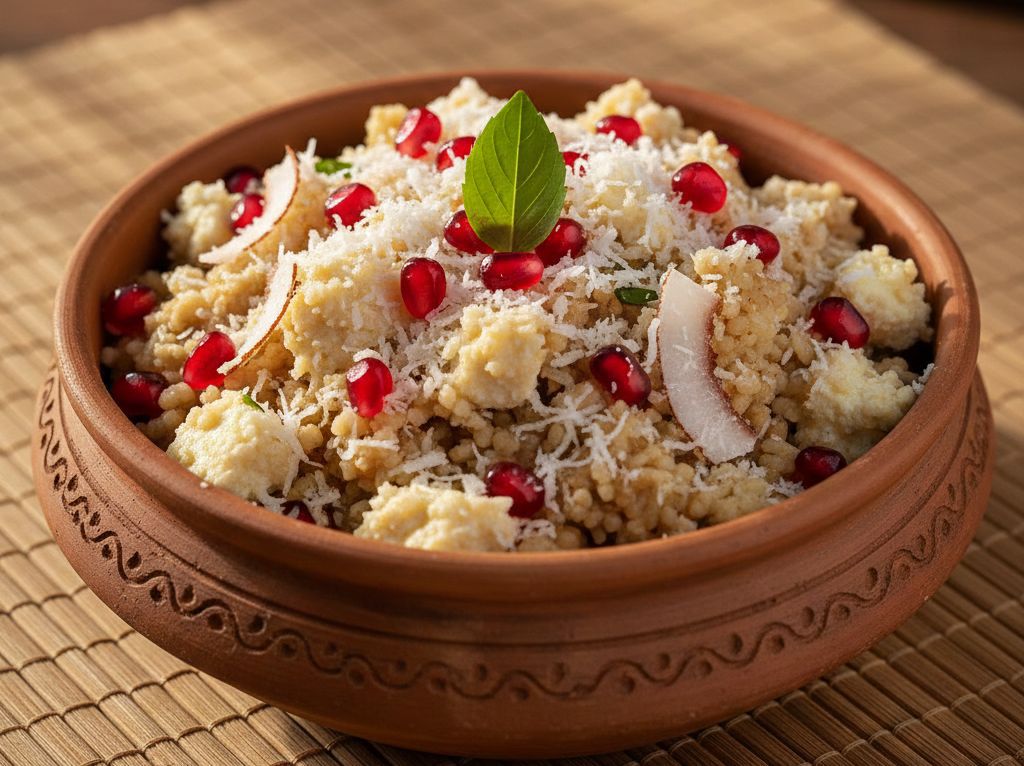
Heritage Rice Kheer: The 2,500-Year-Old “Sweetness of Prosperity”

In our home, the smell of Rice Kheer slow-bubbling on the stove was the true soundtrack of a celebration. My grandmother (Nani) didn’t just see it as a dessert; she saw it as a blessing. She often reminded us that in the ancient texts of Ayurveda, this sweetened milk preparation—then called Rasala—was considered medicine for the soul.
I remember her standing by the heavy brass uruli, her wooden ladle moving in slow, meditative circles. She never rushed the milk. “Kheer is not a dish of ingredients,” she would say, “it is a dish of patience.” Whether it was for a child’s first solid food ceremony (Annaprashana) or the peak of Diwali, the Kheer was the anchor.
Today, at The Pinch of Masala, we are documenting the authentic, slow-cooked method. We are moving away from the “instant” condensed-milk hacks of the last few years and returning to the “Quiet Luxury” of milk reduced by time, heat, and devotion.
The “Digital Anthropologist” Technical Secret: The Starch Secret
To achieve a kheer that is “creamy like a cloud” rather than a watery mess, you must choose the right rice. While many use long-grain Basmati, Nani preferred medium-grain white rice or broken Basmati (Tukda).
Why? Long grains are designed to stay separate. For Kheer, we want the rice to “bleed” its starch into the milk, naturally thickening the pudding without the need for artificial thickeners.
The Ghee Toasted Start: Before adding the rice to the milk, lightly fry it in a teaspoon of ghee until the grains turn translucent. This adds a nutty depth that defines heritage Kheer.
****
Prep Time: 15 mins | Cook Time: 45 mins | Servings: 4-6
Diet: Vegetarian, Gluten-Free | Cuisine: North Indian Heritage

Ingredients:
1 Liter Full-Fat Milk: Organic cow or buffalo milk is preferred for the richest “malai” texture.
¼ Cup Short-to-Medium Grain Rice: (e.g., Gobindobhog or Sona Masoori) washed and soaked for 20 minutes.
1 tsp Ghee: For roasting the rice.
½ Cup Sugar: Adjust to taste. Raw sugar or jaggery powder works too (add jaggery only after the kheer cools slightly to avoid curdling).
4-5 Green Cardamom Pods: Freshly crushed.
10-12 Saffron Strands: Soaked in 2 tbsp warm milk.
¼ Cup Sliced Nuts: Almonds, pistachios, and cashews.
Instructions:
The Nutty Base: Heat ghee in a heavy-bottomed pot. Add the soaked and drained rice. Sauté for 3 minutes until the rice smells toasted and looks translucent.
The Simmer: Pour the milk into the pot. Bring to a rolling boil, then immediately turn the heat to its lowest setting.
The Slow Reduction: Let the milk simmer for 30-40 minutes. Stir every 4-5 minutes to prevent the rice from sticking to the bottom.
The “Malai” Scraping: As the milk boils, a layer of cream will form on the sides of the pot. Use your spatula to scrape this back into the milk. This is the secret to a thick, “Rabri-like” consistency.
Flavoring: Once the rice is so soft it mashes easily between your fingers and the milk has reduced significantly, add the sugar, saffron milk, and crushed cardamom.
The Finish: Simmer for another 5-8 minutes until the sugar dissolves and the kheer reaches your desired thickness. Remember, Kheer thickens further as it cools.
The Crunch: In a tiny pan, fry your nuts in a drop of ghee until golden and pour them over the Kheer before serving.


The “Pinch of Thrift” Tip (Zero Waste)
Liquid Gold Garnish: If you have the creamy residue that has slightly “burnt” or caramelized at the very bottom of the pot (known as khurchan), do not discard it! Scrape it out carefully and serve it right on top of a single bowl. In 2026’s “Use-Up” economy, these caramelized bits are considered the “truffles” of the Indian kitchen pure, concentrated flavor.

Lunch & Dinner

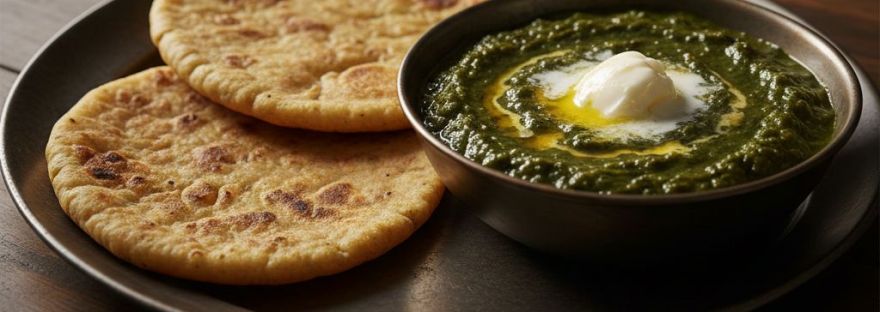
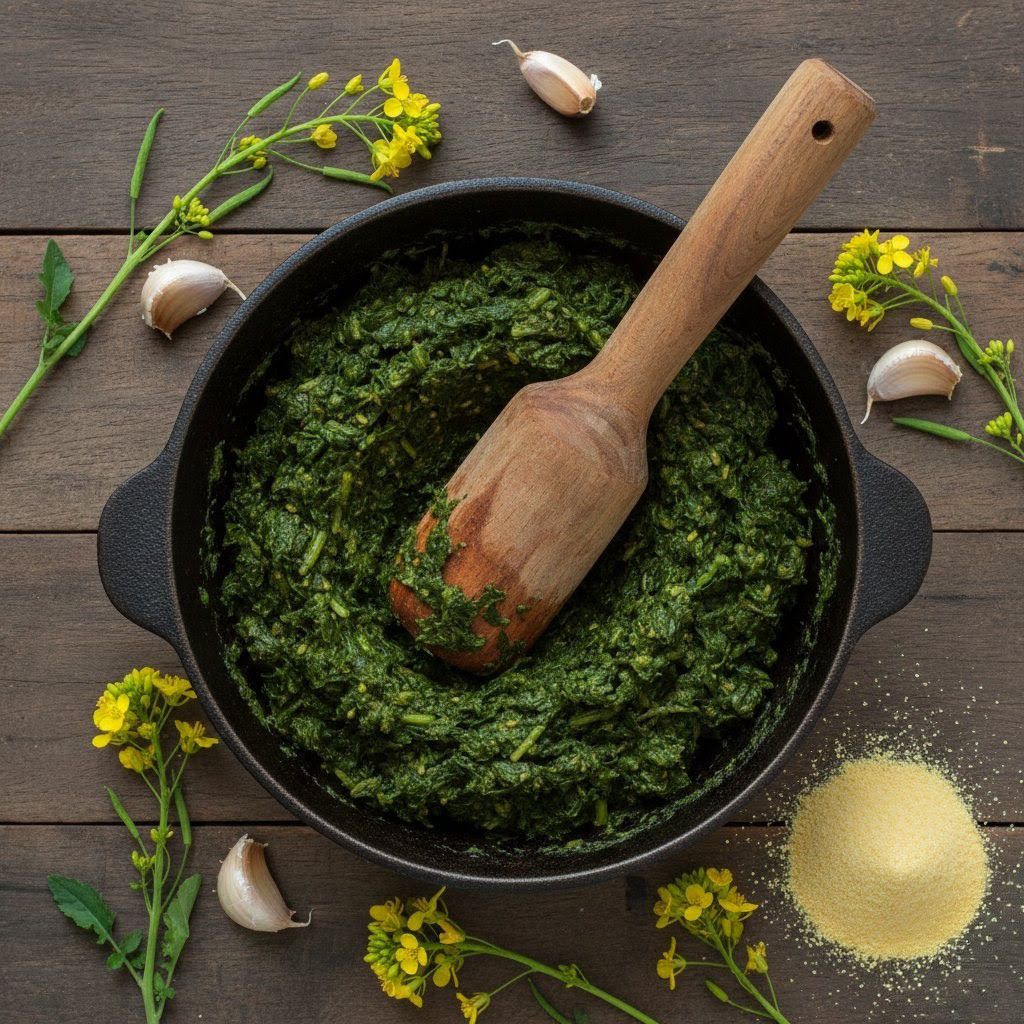
Lehsuni Palak: The Emerald Ritual of my Grandmother’s Winter Kitchen

Introduction & Story
There is a specific kind of “Quiet Luxury” in a pile of fresh winter spinach.[1] In our home, it was never just a bag of leaves from a supermarket; it was a morning ritual. I remember my grandmother sitting in the winter sun, a colander between her knees, meticulously sorting through bunches of dark, earthy palak.
“The soil gives it soul,” she would say, explaining why we never threw away the tender stems. She believed that the stems held the “sweetness,” while the leaves held the “strength.”
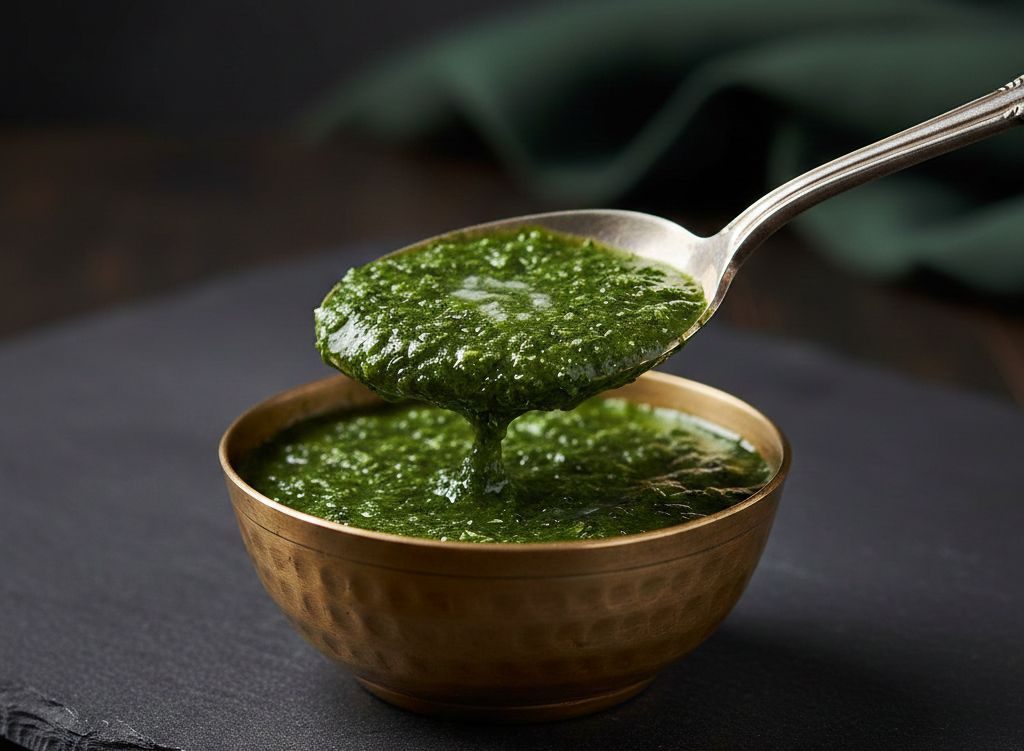
Today’s recipe, Lehsuni Palak (Garlicky Spinach), is a tribute to that simplicity. It isn’t a heavy, cream-laden Palak Paneer. It is a rustic, gravy-based curry that allows the vibrant, slightly metallic taste of fresh spinach to take center stage, punctuated only by the aggressive, smoky aroma of roasted garlic. This is food that feels like an intentional hug—nourishing, sustainable, and built to last.[2]
The “Digital Anthropologist” Technical Secret: Retaining the Emerald
In 2026, we value “Technical Excellence” in the kitchen.[3] The most common mistake in making spinach is overcooking it until it turns a dull, swampy brown. To keep your sabji a brilliant, “Insta-worthy” emerald green, you must master the Blanch and Shock technique:
Blanch: Submerge the leaves in boiling salted water for exactly 2 minutes. Adding a pinch of sugar or baking soda helps lock in the chlorophyll.
Shock: Immediately move the leaves to an ice-water bath. This “shocks” the cooking process to a halt, preserving the texture and the vibrant hue.
The Recipe Card
Prep time: 15 mins | Cook time: 15 mins | Servings: 4
Course: Side Dish | Cuisine: North Indian (Dhaba Style)

Ingredients:
1 Large Bunch Fresh Palak (Spinach): Cleaned and washed thoroughly.
The “Lehsun” (Garlic): 15-20 cloves total. (10 cloves ground into the paste, 5-10 sliced for the final tempering).
The Base Paste: 2 Tomatoes, 2 tbsp Roasted Peanuts, 1 inch Ginger, and 2 Green Chillies.
Thickener: 2 tbsp Besan (Gram Flour) — this provides a rustic “Dhaba” heartiness without the need for cream.
Fat: 2 tbsp Ghee (Clarified Butter) for the richest aroma.
Spices: ½ tsp Cumin seeds (Jeera), a pinch of Hing (Asafoetida), ½ tsp Turmeric, 1 tsp Coriander powder, and Salt to taste.
Instructions:
Prep the Green: Blanch and shock the spinach as described above. Grind half of the spinach into a smooth puree and roughly chop the other half to maintain texture.
The Base: Blend the tomatoes, peanuts, ginger, and 10 garlic cloves into a smooth “Red Puree”.
Sauté: Heat 1 tbsp oil in a kadai. Add cumin and hing. Once they splutter, add the Red Puree and cook until the oil starts to separate.
The Nutty Secret: Add the besan (gram flour) and sauté for 2 minutes until it smells aromatic and nutty.
Combine: Add the spinach puree, the chopped leaves, and the dry spices. Add ½ cup water to adjust the consistency. Cover and simmer for 3-5 minutes so the flavors meld.
The Final “Lehsuni” Tadka: This is the soul of the dish. Heat ghee in a small pan. Add the sliced garlic and fry until it turns deep golden brown (not black). Add a broken dry red chili.
Serve: Pour this sizzling garlic ghee over the spinach and serve immediately with hot Rotis or Makki ki Roti.


The “Pinch of Thrift” Tip (Zero Waste)
The Stem Stock: Don’t discard the fibrous spinach stems! In 2026’s “Use-Up” economy, we value every scrap.[3] Finely chop the tender stems and sauté them along with your onions or tomatoes. They add a wonderful crunch and a concentrated dose of fiber fitting perfectly into the “Fiber Revolution” trend.

Dessert

Shrikhand: The Ancient Dessert of Gods and Warriors

Introduction
In a world obsessed with complicated patisserie and 20-ingredient cakes, Shrikhand stands as a testament to the power of minimalism. It is, in essence, just two things: Yogurt and Sugar. But to say that is like saying the Taj Mahal is just marble.
Growing up, Shrikhand wasn’t just a dessert; it was a ritual of patience. I remember the muslin cloth hanging from a hook in the kitchen for hours, slowly dripping whey into a brass bowl below. My grandmother would say that the cloth was doing the cooking, not the stove.
Today, we are documenting the traditional method. While you can use store-bought Greek Yogurt, true Shrikhand—the kind that melts on your tongue like flavored clouds—comes from the art of making Chakka (hung curd) at home.
The Mythology: A Dessert Created in Exile
Did you know this humble dessert might have roots in the Mahabharata?
According to legend, when the Pandavas were in exile, Bhima—the strongest brother—worked as a cook in the kingdom of Virata. He is said to have invented a dish called Shikharini by straining curd and mixing it with sugar and saffron to create a rich, energy-dense food.
Over centuries, Shikharini evolved into Shrikhand (derived from the Sanskrit Ksheer for milk and Persian Qand for sweet). When you eat this, you aren’t just having a sweet treat; you are tasting a piece of Indian history that has survived empires.
The Secret Technique: “Chakka”
The heart of this recipe is Chakka—yogurt that has been drained of all its water (whey) until it becomes as thick as cream cheese.
The Texture Rule: If you rush the draining, your Shrikhand will be runny. If you drain it too long, it becomes chalky. The sweet spot is usually 4 to 6 hours of hanging.
The Sieve: My grandmother insisted on pushing the chakka through a fine mesh sieve (or a Puran Yantra) to break down any lumps. This is the secret to that glossy, restaurant-style finish.
The Recipe Card
Prep time: 15 minutes | Passive time: 6 hours (for hanging) | Servings: 4

Ingredients:
1 kg Fresh Curd (Dahi): Use full-fat milk curd. It should be fresh and not too sour.
¾ Cup Powdered Sugar: Adjust to taste. Note: Do not use granulated sugar; it will make the mixture watery.
A generous pinch of Saffron (Kesar): Soaked in 1 tbsp warm milk.
½ tsp Cardamom Powder (Elaichi): Freshly pounded is non-negotiable.
A pinch of Nutmeg (Jaiphal): The secret ingredient in traditional Maharashtrian Shrikhand.
Nuts for Garnish: Charoli (Chironji) is traditional, but pistachios work beautifully too.
Instructions:
The Hanging Ritual: Line a strainer with a clean muslin cloth (or a men’s cotton handkerchief, as is tradition in many homes!). Pour the fresh curd into it. Tie the edges tightly and hang it over a bowl in a cool place (or in the fridge if it’s a hot day) for 5-6 hours.
The Transformation: Untie the cloth. What you have inside is a solid ball of creamy yogurt solids. This is the Chakka.
The Smooth-Out: Transfer the Chakka to a bowl. Optional but recommended: Press it through a sieve to ensure it’s silky smooth.
Flavoring: Add the powdered sugar, saffron milk, cardamom, and nutmeg.
The Whisk: Whisk vigorously. You want to incorporate air into the mixture to make it light and fluffy.
Chill: Shrikhand tastes best when chilled for at least 2 hours before serving. This allows the saffron to release its golden color fully.
The “Pinch of Thrift” Tip (Zero Waste)
Liquid Gold (Whey): The greenish water collected in the bowl below your hanging curd is called Whey. Do not pour it down the sink! It is packed with protein and probiotics.
How to use it: Use it to knead the dough for your Rotis or Parathas. It makes the rotis incredibly soft and adds a subtle tang. You can also add it to curries (like Kadhi) instead of water.

Dessert

The Winter Ritual: Nani’s Slow-Cooked Gajar Ka Halwa

Introduction
In my family, winter didn’t officially begin when the calendar turned to December. It began when the vegetable market turned red.
I am talking about the arrival of Delhi Gajar—those long, ruby-red, sweet carrots that are only available for a few precious months of the year. My grandmother (Nani) used to say that making Gajar Ka Halwa with orange carrots was a crime against the season. “Orange carrots are for salads,” she would say, dismissing them with a wave of her hand. “Red carrots are for the soul.”
This recipe is not the “instant” version you see on TikTok. There is no condensed milk, no microwave, and no shortcuts. This is an act of preservation—a “Digital Anthropologist” attempt to document the way it was made before we all got too busy. It is slow, it uses just milk and patience, and it tastes exactly like a winter afternoon in a sunlit courtyard.
Why We Cook It Slowly
In 2026, we talk a lot about “slow living,” but our grandmothers invented it. The magic of this dish lies in the Maillard reaction—the caramelization of the milk solids as they slowly reduce into khoya (dried milk solids) right inside the pot.
When you cook the carrots in milk for an hour, they don’t just get soft; they absorb the richness of the dairy until they turn into jewel-like confections. It requires time, but I promise you, the first bite is worth every second.
The Recipe Card
Prep time: 20 minutes | Cook time: 60 minutes | Servings: 4

Ingredients:
1 kg Red Winter Carrots (Delhi Gajar): Washed, peeled, and grated. Tip: Hand grating gives a better texture than a food processor.
1.5 Liters Full-Fat Milk: Do not use skim milk. We need the fat content for that rich mouthfeel.
4 tbsp Ghee (Clarified Butter): Plus a little extra for frying nuts.
3/4 Cup Sugar: The red carrots are naturally sweet, so we use less sugar than standard recipes.
1 tsp Cardamom Powder (Elaichi): Freshly pounded.
A handful of Cashews & Almonds: Chopped.
1 tbsp Kishmish (Raisins): Optional, but traditional.
Instructions:
The “Bhuna” Start: Heat 1 tablespoon of ghee in a heavy-bottomed Kadhai (wok). Add the grated carrots and sauté on medium heat for 8-10 minutes. This releases the moisture and deepens the red color.
The Milk Bath: Pour in the milk. Bring it to a gentle boil, then turn the heat down to low. Now, let it simmer. Stir it every few minutes so it doesn’t stick to the bottom.
The Reduction: This is where patience comes in. Cook until the milk has almost completely evaporated. You will see tiny grains of milk solids mixing with the carrots. This takes about 45 minutes.
Sweetening: Add the sugar. The mixture will turn glossy and liquid again as the sugar melts. Keep cooking until the liquid evaporates once more.
The Ghee Finish: Add the remaining ghee, cardamom powder, and nuts. Roast (bhuna) the mixture for another 10 minutes. The halwa should leave the sides of the pan and have a deep, reddish-brown shine.
Serve: Serve piping hot.
The “Pinch of Thrift” Tip (Zero Waste)
Leftover Magic: If you have leftover Halwa that is a few days old, don’t throw it away! Use it to make “Gajar Halwa Spring Rolls.” Stuff a spoonful of cold halwa into a spring roll wrapper, fry it until crisp, and serve with vanilla ice cream. It gives the traditional dish a modern, crunchy texture and ensures nothing goes to waste.