Odia Recipe

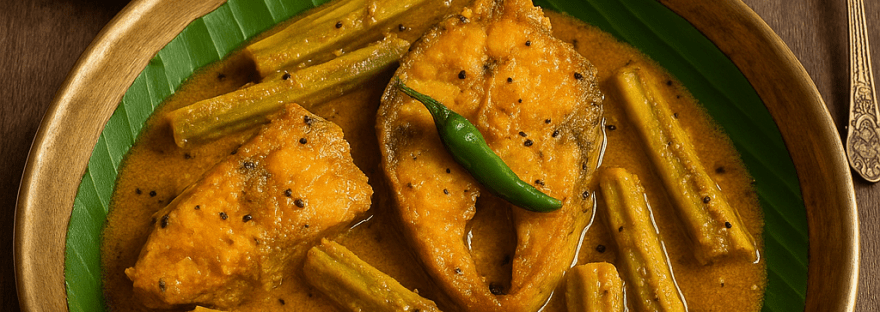
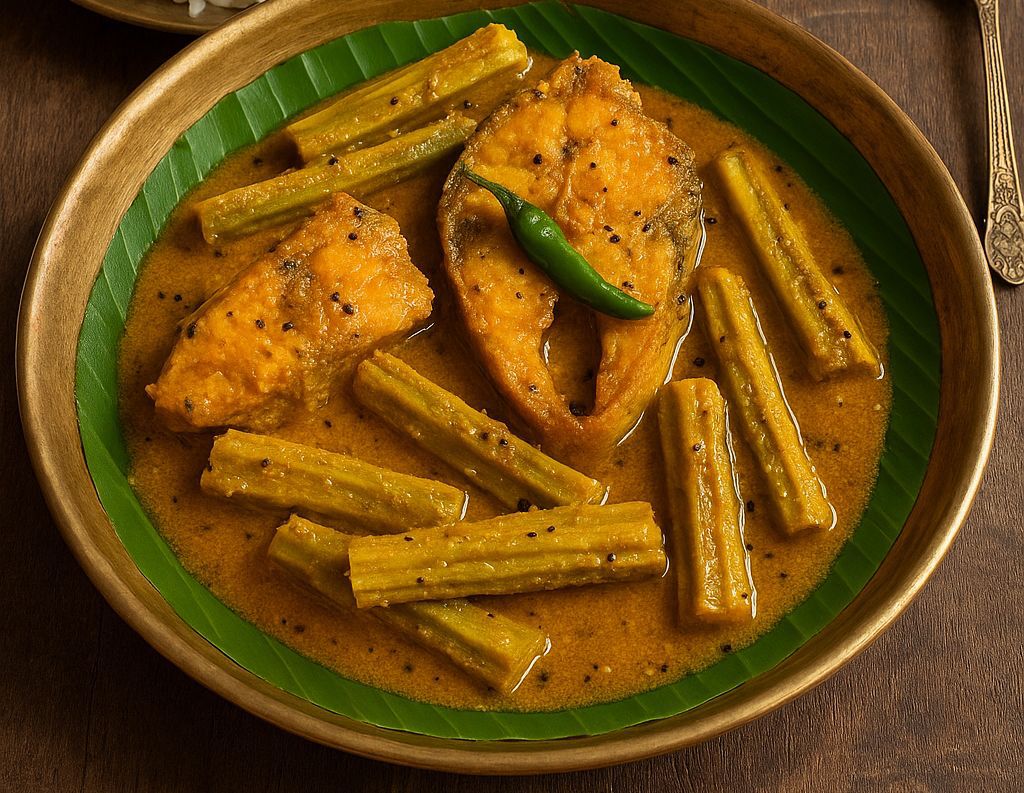
Sajana Macha (Odia Drumstick Fish Curry): A Mustard-Masala Classic

Every Odia kitchen has its treasure trove of memories, and Sajana Macha (drumstick fish curry) is one of them.  In late winter – when the air turns a little crisp and the sunlight softens – roadside sajana trees bear young pods.  I remember my grandmother returning from the market with a bundle of fresh drumsticks, their green skins still dewy.  In those days, we knew spring was coming when those slender pods piled up in the kitchen.  For Odisha’s coastal families, this dish is woven into our identity.  As one Odia writer notes of the classic Macha Besara (mustard fish curry), *“it is not just a curry, it is a memory, a ritual, a symbol of home”*.  For us, adding drumsticks makes it even more special.

Sajana Macha is simple and pure. There’s no onion-tomato base here – just clean, bold flavors of mustard oil, turmeric, chilies and the freshness of river fish (typically rohu or catla).  I still see my elders in my mind, grinding yellow mustard on a silbatta (grinding stone) while the raw scent of those seeds fills the kitchen.  That pungent aroma was the promise of something hearty to come.  In fact, *“Sorisa bata (mustard paste)…[is] the soul of Odisha”*, and it forms the heart of this curry.  We marinate the fish just with salt, turmeric and a dash of mustard oil, then fold in a fresh paste of soaked mustard, cumin, garlic and green chilies.  The drumstick pieces (cut 3–4 inches long) simmer slowly in this golden gravy, yielding their sweet, earthy taste to the fish.  A final drizzle of raw mustard oil and a slit green chili on top brings back that heady homemade fragrance, taking us right back to that grandmother’s kitchen.
Ingredients

For the Fish Marinade: 6–8 pieces rohu or catla (cleaned fish), 1 tsp turmeric, 1 tsp salt, 1 tbsp mustard oil.

For the Mustard Paste (Sorisa Bata): 3–4 tbsp mustard seeds (yellow or black; yellow is milder), 1 tsp cumin seeds, 4–6 garlic cloves, 2–3 green chilies, a pinch of salt, water (just enough to grind into a paste).

For the Curry: 8–10 drumstick pods (sliced), 1–2 green chilies (slit), ½ tsp turmeric, salt to taste, 2–3 tbsp mustard oil, warm water as needed. (Optional: 1 raw banana cut into chunks, 1–2 dried ambula (sun-dried mango) pieces or a pinch of tamarind for tang).

For Tempering: ½ tsp mustard seeds, ½ tsp cumin seeds, 1–2 dried red chilies.


These ingredients are the rustic staples of an Odia kitchen.  Notice there are no garam masalas or heavy spice powders – just turmeric, chilies, and the bold flavors of mustard and mustard oil.  This simplicity is by design, reflecting the temple-influenced, satvik spirit of coastal Odisha.

Step-by-Step Recipe

1. Marinate the Fish.  In a bowl, rub the fish pieces with turmeric, salt, and a spoon of mustard oil.  Set aside for 10–15 minutes.  This not only seasons the fish, it also tightens the flesh and removes any raw smell.


2. Prepare the Mustard Paste (Sorisa Bata).  Soak the mustard and cumin seeds in a little water for about 10 minutes (this tames their bitterness).  Drain, then grind them with garlic, green chilies, and a pinch of salt.  Add just enough water to make a thick, smooth paste. (Tip: The paste should be thick – too much water will dilute its punch. If it tastes overly sharp, blend in a teaspoon of yogurt or jaggery to mellow it.)


3. Lightly Fry the Fish.  Heat 2 tbsp mustard oil in a heavy pan until it’s shimmering.  Lower the heat and add the marinated fish.  Fry on each side just until the fish is pale-golden (do not brown it hard or it will overcook later).  Remove and set the fish aside on a plate.


4. Temper and Sauté Drumsticks.  In the same pan with the remaining oil, add the mustard and cumin seeds along with the dried red chilies. Let them sizzle.  Then add the drumstick pieces, the slit green chilies, turmeric and salt.  Stir to coat the drumsticks in oil and spices.  Pour in about 1 to 1½ cups warm water, cover, and let it cook for 5–7 minutes until the drumsticks are about 70% tender.


5. Finish with Mustard Paste.  Lower the flame completely.  Add the mustard-garlic-chili paste to the drumsticks and gently mix.  Add more warm water if needed to get a gravy of pourable consistency.  Let everything simmer gently for 2–3 minutes (avoid boiling vigorously, or the mustard can turn bitter).


6. (Optional) Add Sambal or Tamarind.  If using ambula (sun-dried mango) or tamarind water for tanginess, add 1–2 pieces of ambula (or 1 tsp tamarind paste) now.  Cover and cook for a few more minutes until the drumsticks are fully tender.


7. Add the Fish and Finish.  Gently nestle the fried fish pieces into the gravy.  Simmer for 3–4 minutes just until the fish is cooked through and the flavors meld.  Taste and adjust salt.  Turn off the heat and drizzle 1 teaspoon of raw mustard oil on top (this final step wakes up the aroma).  You may garnish with a slit green chili or a sprig of coriander (coriander is optional – many traditional cooks actually skip it to keep the curry “pure”).


Now the Sajana Macha is done – a steamy pot of yellow mustard gravy studded with tender fish and drumstick, flavored only with earthy spices and oil.  The gravy should be thick enough to coat the ingredients, spicy from the chilies but balanced by the sweet notes of drumstick and a hint of sour if you used ambula.

Cooking Tips

Use fresh drumsticks. Older drumsticks become fibrous and lose fragrance. Choose young pods (3–4″ long) and cut them into chunks at an angle so they cook more evenly.  Do not overcook them; drumsticks are done when the flesh inside yields and the pods start to split.

Soak and grind mustard properly. Soaking the seeds softens their mustard-oil yield and prevents bitterness.  Always grind the paste with very little water – it should remain thick. If it comes out too pungent, a spoon of yogurt or jaggery can smooth it out.

Heat the oil well. Mustard oil should be hot but not smoking. Lower the flame when adding fish or spices, to avoid burning. Only mustard oil should be used – it gives the curry its signature flavor.

Simmer gently. After adding the mustard paste, keep the flame very low. A gentle simmer allows the flavors to marry without turning the mustard grainy.

Finish with raw oil and chili. A final drizzle of raw mustard oil (and a fresh green chili) just before serving releases that household aroma you remember from childhood. This simple touch makes the curry taste truly Odia.


Variations

Though the basic method stays the same, Odia cooks personalize this curry in many ways. A couple of peeled raw bananas or chunks of tender pumpkin can be added along with the drumsticks to bulk up the curry, especially if serving a crowd. For tang, many include 1–2 dried ambula (sun-dried mango) pieces or a teaspoon of tamarind along with the mustard paste. Some even toss in a handful of chopped tomatoes or a potato. You can adjust green chilies to your heat preference: more chilies make it fiery, fewer make it milder. But the soul of Sajana Macha always remains the same – bold mustard flavors, just a bit of turmeric, and the unmistakable taste of drumstick and fresh fish.

Serving Suggestions

A traditional Odia meal with Sajana Macha (fish & drumstick curry) served on a banana leaf with rice and sides. Serve Sajana Macha hot, ladled generously over steamed rice.  In a classic Odisha thali, this curry would be accompanied by a simple saga bhaja (sauteed greens such as spinach or pumpkin leaves) and badi chura – crushed, fried lentil dumplings mixed with onion, garlic, chili and mustard oil.  (Badi chura is an Oriya staple: sun-dried black gram dumplings crumbled with aromatics.) A dollop of cool yogurt or a side of alu bhaja (spiced potato) also go well.  In short, make it a complete Odia spread: rice, Sajana Macha, a leafy fry (saga bhaja), and crunchy badi chura on the side.

This humble yet hearty meal is more than just comfort food – it’s a taste of Odia heritage.  Generations of village families have relished Sajana Macha with their hands, praising its blend of earthy spices and tender fish.  As one food writer beautifully put it about our beloved mustard fish curry, *“it is heritage. It is home. It is Odisha.”* In every spoonful of Sajana Macha, we celebrate that tradition.
Odia Recipe

Dahi Pakhala – Odisha’s Cool Fermented Rice Summer Dish

Amidst the sweltering summers of Odisha, nothing is more comforting than a bowl of Dahi Pakhala.  This simple dish of rice soaked in spiced yogurt water instantly evokes the warmth of rural kitchens and temple courtyards.  I still recall my grandmother’s clay pot of Pakhala fermenting under a thatched roof, the tangy aroma mixing with the smoky scent of mustard oil and incense.  In countless Odia homes, mothers prepare Pakhala to nourish the body on hot days – a ritual as instinctive as it is ancient.  For Odias, pakhala is almost sacred: it’s offered daily as part of Jagannath Temple’s Mahaprasad and even as a prasad in Durga Puja.  In fact, as one Times of India feature notes, Pakhala “from being offered to Lord Jagannath at Puri temple for centuries to gracing Durga Puja rituals” has become “a symbol of Odia pride”.  Every March 20th, Odisha celebrates Pakhala Dibasa in honor of this humble dish, underscoring its cultural importance.

With its lactic tang and cooling water content, Dahi Pakhala is like liquid relief in a bowl.  Farmers and laborers have long relied on it to beat the heat – it hydrates and replenishes electrolytes when the mercury soars.  Health experts now tout its probiotic benefits (like a South Asian kimchi), noting that the fermented rice is rich in gut-friendly cultures and helps the body retain fluids.  Each spoonful is tangy and refreshing, a subtle medicine of salt, curd and rice that balances the body during India’s hottest months.

Types of Pakhala

In Odia cuisine, pakhala comes in many traditional forms:

Basi Pakhaḷa (Fermented) – Leftover or freshly cooked rice soaked in water and left overnight.  In Odia, basi means “stale,” reflecting its preparation.  This old rice sours gently while you sleep.

Saja Pakhaḷa (Fresh) – Made by instantly adding water (and a squeeze of lemon) to just-cooked rice.  This version skips fermentation and is eaten immediately.

Jira Pakhaḷa – Spiced with fried cumin seeds and curry leaves (sometimes grated ginger or raw mango is added for extra zest).

Dahi Pakhaḷa – The curd variant. Cool, fermented rice is mixed with sour yogurt, plus a pinch of salt and green chili.  (By definition it’s “fermented rice water with curd, salt and chili”.)

Chhada Pakhaḷa (Chhad-chhadi) – A local variation often made with spiced buttermilk or ginger.  In some accounts (and family recipes) this version is akin to Ada Pakhaḷa and preserves rice in a sweet-and-sour brine.


Each of these honors Odisha’s summer traditions, but today we’ll focus on Dahi Pakhaḷa – rice fermented and soured with curd.  Its tangy flavor and soothing warmth make it a nostalgic comfort food.

Ingredients for Dahi Pakhala

2 cups cooked rice (best if slightly sticky or overcooked)

1 cup plain yogurt (sour curd)

2–3 cups water (enough to completely submerge the rice)

Salt, to taste

For the tempering (chaunk) – optional but traditional:

1 teaspoon mustard oil (or any vegetable oil)

½ teaspoon mustard seeds (if using neutral oil)

½ teaspoon cumin seeds

2–3 dried red chilies

5–6 curry leaves


Note: You may also add a small bit of grated ginger or a few slices of raw mango to the rice before fermentation for extra flavor (this leans toward the jira or chhada style), but plain Dahi Pakhaḷa needs only rice, yogurt, water and salt.

How to Make Dahi Pakhala

1. Cook the rice. Rinse 1 cup of rice until the water runs clear. In a heavy pot, boil with about 3 cups of water until the grains are very soft and almost falling apart (overcooked). Do not add salt, turmeric, or oil at this stage – a plain, sticky rice is ideal.


2. Cool the rice. Pour the hot rice onto a plate or into a wide bowl to cool quickly. Once it is just warm (barely above room temperature), transfer it to a mixing bowl or container.  (Important: allow it to cool naturally for about an hour – do not refrigerate, or the good fermentation bacteria will be stalled.)


3. Add water and yogurt. Pour in 1–1.5 cups of water so the rice is submerged about 1 inch under the surface. Stir in the yogurt until the mixture is well combined. You should end up with rice suspended in a soupy, cloudy curd broth – exactly like the “fermented rice water with curd” described in the Jagannath Temple feast.


4. Tempering (optional). Heat the mustard oil in a small skillet until it’s hot but not smoking (traditional). If using a neutral oil, add mustard seeds so they crackle. Toss in the cumin seeds, broken red chilies and curry leaves, and fry briefly until fragrant. Immediately pour this sizzling tadka over the rice mixture and stir gently. This chaunk adds a toasty aroma and heat to the Pakhala.


5. Ferment overnight. Cover the bowl with a lid or clean cloth. Leave it at room temperature for 8–10 hours (or overnight). The rice water will become tangy as the Lactobacillus cultures work their magic. You’ll notice a light sour smell – that’s good! (If your kitchen is very cool, you may want to let it ferment a bit longer.)


6. Adjust and serve. The next day, stir the Pakhala. Taste and add salt as needed (salt was skipped earlier to help fermentation). Squeeze in a little lemon juice or add raw mango slices for brightness if you like. Serve the Dahi Pakhala chilled or at room temperature, with the thickened rice grains swimming in yogurt water. Enjoy it as a cooling, probiotic-rich meal.


Tips for Perfect Pakhala

Salt last. Never add salt to the rice before fermenting – it can slow down the bacteria. Season only after fermentation.

Rice choice. Leftover or day-old rice is traditional for Pakhala. Many Odia cooks use parboiled rice for daily meals, reserving long-grain raw rice for festivals. The key is a soft, slightly mushy rice that absorbs the liquid well.

Cool completely. Let the cooked rice cool fully at room temperature before mixing with yogurt. This creates the ideal environment for fermentation.

Use real curd. Freshly made, slightly sour yogurt (curd) with live cultures is best. Avoid ultra-pasteurized yogurt or preservatives, which can inhibit ferment.

Oil and tempering. Pungent mustard oil is the authentic choice; it gives a distinctive tang. If you use a neutral oil, be sure to add a pinch of mustard seeds so you don’t lose that flavor.

Fermentation vessel. In villages, clay pots or ceramic bowls are often used to ferment Pakhala – they keep the mixture cool and add a subtle earthy taste. Any clean, non-metallic container works well.

Keep it covered. Use a lid or cloth to keep dust out during fermentation. After fermenting, store any leftovers in the fridge (it keeps for a couple of days, though flavor strengthens over time).


What to Serve with Dahi Pakhala

Dahi Pakhala is almost always served with crunchy or spicy accompaniments. Classic pairings include:

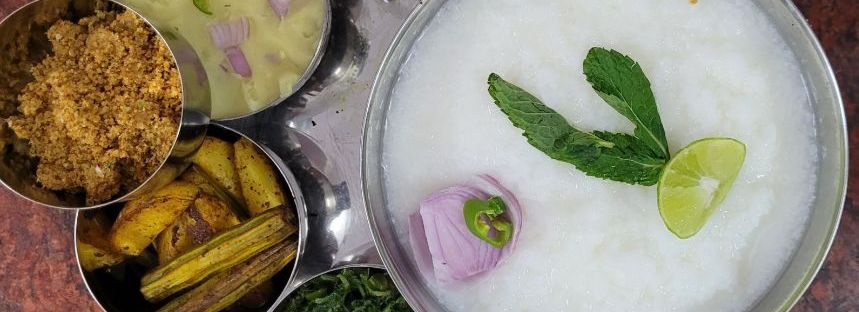
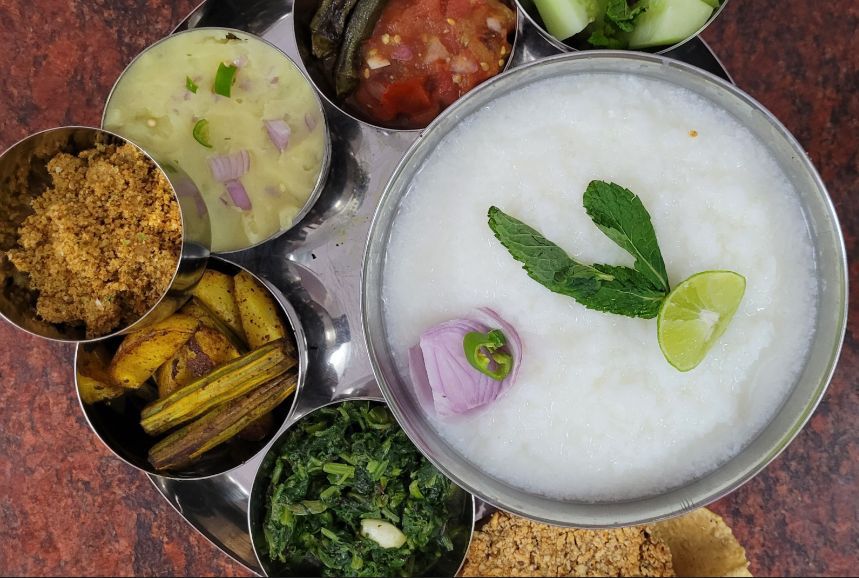
Badi Chura – Crushed badi (sun-dried lentil dumplings) mixed with mustard oil, green chili and salt.  The salty, nutty crunch is a quintessential side.

Saga Bhaja – Stir-fried greens (like spinach or amaranth) tempered with cumin and mustard seeds.  The earthy, fibrous greens balance the soupy rice.

Aloo Chakata – Spicy mashed potato with bits of raw onion, chili and mustard oil. Its tangy heat is a favorite companion to milder Pakhala.

Fried Dry Chilies – A few whole dry red chilies fried in oil until blistered, served as a fiery nibble on the side.

(Other options: dahi baigana (eggplant in yogurt), fish fry or sun-dried fish (machha bhaja), or simple fried vegetables like pumpkin or potatoes – all complement the rice).*


Serving Dahi Pakhala with badi chura and saga bhaja is a beloved summer tradition in Odisha. The tangy rice broth pairs beautifully with these rustic sides.

Every Odia has their favorite Pakhala thali. Some spoon a bit of raw mustard or garlic pickle into the rice; others crumble peanuts or kokum into it. The joy is making it your own – but never miss the classic badi chura and greens! These accompaniments add flavor, texture and authenticity, turning simple rice into a festive meal.

In the end, Dahi Pakhala is more than a recipe – it’s a reverent taste of Odisha’s heritage. Each bowl carries the memory of temple offerings and rainy-season afternoons on the village veranda. It’s cool comfort on a plate, a prasada of summer that celebrates faith, family and the rhythm of rural life. May your summers be blessed with this soothing, probiotic dish, and may its tradition live on.

Breakfast

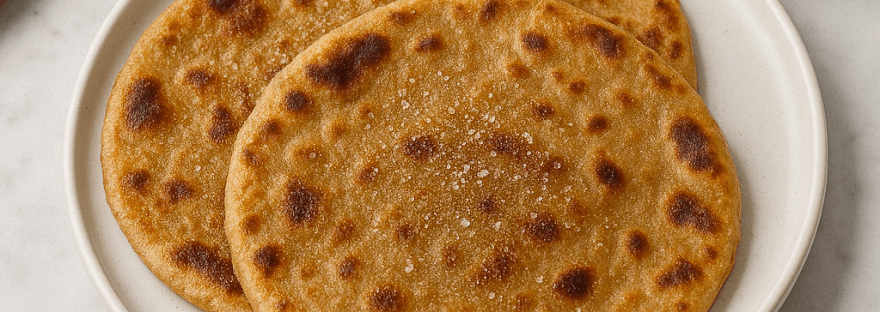
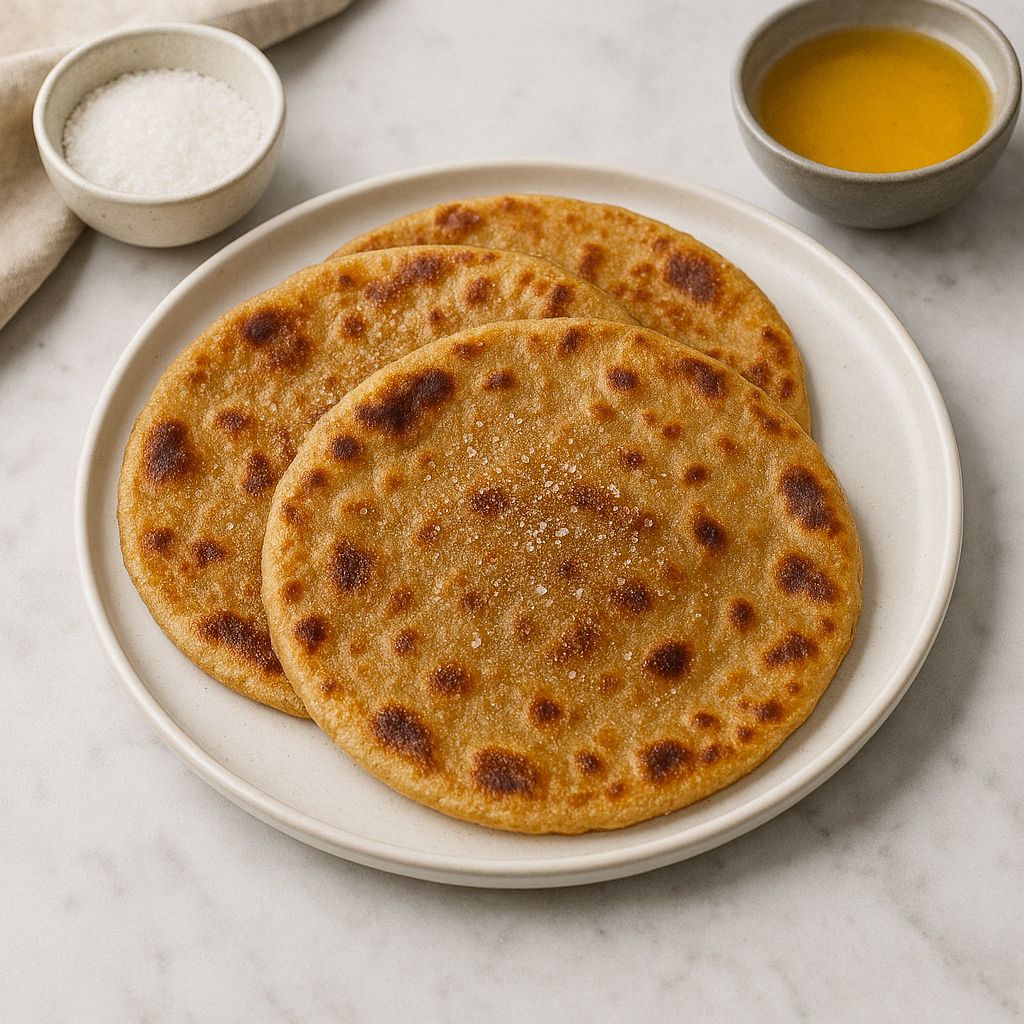
Meethi Paratha – Sweet, Ghee-Roasted Flatbread Just Like Maa Made


🍯 A Taste of Childhood, Folded in Ghee & Sweetness

Meethi Paratha is the kind of dish that doesn’t need an occasion.
It could be a quick breakfast before school, a snack wrapped in foil for train journeys, or a warm surprise on a cold evening — all with that unmistakable smell of ghee + jaggery caramelizing on the tawa.

Soft, slightly crispy, and sweet with hints of saunf or cardamom — this paratha is simple joy on a plate.


🛒 What You’ll Need (Makes 3–4 parathas):

1½ cups atta (wheat flour)

2–3 tbsp jaggery (grated) or sugar

1 tbsp ghee (for inside + roasting)

½ tsp cardamom powder or crushed saunf (fennel seeds)

Water to knead

Optional: a pinch of salt


🍳 How to Make It – Sweet, Soft & Nostalgic

1. Knead the Dough

Mix flour, cardamom/saunf, and a pinch of salt (optional). Knead into a soft dough using water. Let it rest for 15 mins.

2. Roll & Fill

Roll a small dough ball into a circle. Spread a little ghee and sprinkle 1 tbsp jaggery/sugar evenly inside. Fold and roll again.

Tip: Fold into triangle or square for layers.

3. Roast on Tawa

Cook on hot tawa with ghee until golden brown spots appear and jaggery starts to melt inside.

4. Serve Hot

Enjoy as is, or with curd or a glass of milk — it’s satisfying either way!


❤️ Why Meethi Paratha Feels Like a Warm Hug

Ready in minutes

Perfect for kids or fasting days

Naturally sweet, no fancy ingredients

Because some recipes are made of memories