Fastival Food

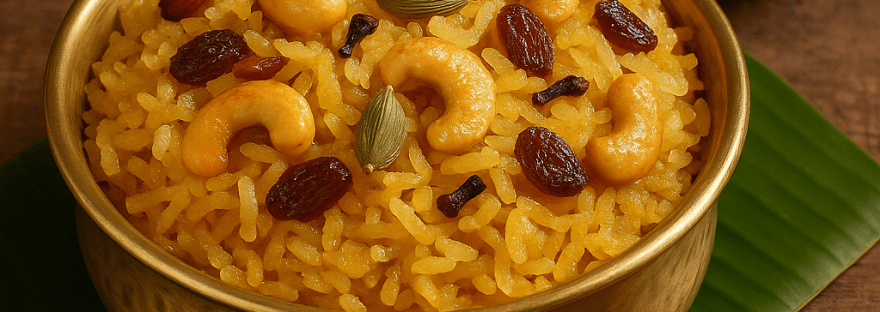
Kanika – Temple-Style Sweet Ghee Rice from Odisha

In every Odia household, Kanika is more than a dish — it’s a celebration, a sacred offering, and a sweet memory rolled into fragrant grains of rice. I remember every Rath Yatra and festive Sunday, my mother would prepare Kanika in a brass handi with generous spoonfuls of ghee, and as the aroma filled the house, we’d know the bhog plate was almost ready.

Kanika is a traditional sweet rice dish from Odisha, flavored with ghee, jaggery, and spices. It’s part of the famous Chappan Bhog offered to Lord Jagannath in Puri and is often paired with dalma, saga, or khatta. Unlike kheer, Kanika is dry, rich, and lightly spiced — often served in temple rituals or made at home during pujas and celebrations.
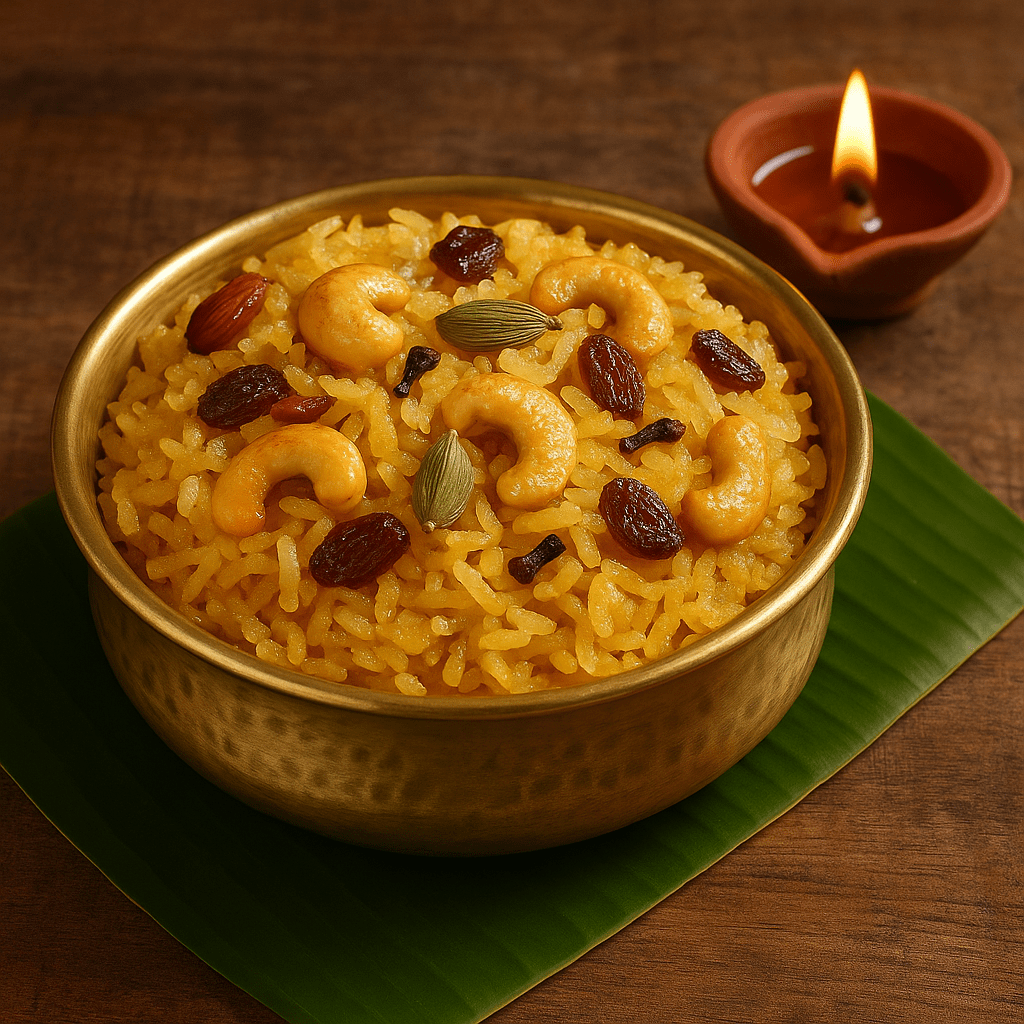
Ingredients (Serves 3–4)

1 cup arua chaula (raw rice or basmati rice)

¾ cup grated jaggery (adjust to sweetness)

2 tbsp desi ghee

2 tbsp grated coconut (optional)

2 tbsp cashews and raisins

1–2 small bay leaves

2–3 cloves

2–3 green cardamoms

A small piece of cinnamon

A pinch of salt

2 cups water


Step-by-Step Preparation

1. Wash & soak rice

Wash the rice and soak it in water for 20–30 minutes. Drain and set aside.

2. Prepare jaggery syrup

In a small pan, dissolve jaggery in 2 cups warm water. Strain to remove impurities and keep aside.

3. Temper the ghee

In a thick-bottomed kadhai, heat ghee. Add bay leaves, cloves, cardamoms, and cinnamon. Let them splutter and release aroma.

4. Add dry fruits

Toss in cashews and raisins. Fry till golden. Add grated coconut if using.

5. Cook the rice

Add drained rice and stir gently to coat with ghee and spices. Sauté for 2–3 minutes.

6. Add jaggery water

Pour in the strained jaggery water and add a pinch of salt (to enhance sweetness). Bring to a gentle boil.

7. Simmer and cook

Cover and cook on low heat until the rice absorbs all the liquid and turns soft and aromatic. Do not stir too much — let it steam gently.

8. Rest and fluff

Turn off heat. Let it sit covered for 5 minutes. Fluff with a fork. Serve warm.


Tips for Perfect Kanika

Use arua chaula (raw rice) or aged basmati for fragrance.

Do not overcook the rice — each grain should be soft but separate.

A little salt actually balances the sweetness and brings out flavor.

For temple-style feel, use brass utensils and no onions or garlic.


Serving Suggestions

Serve with dalma, khatta, or simple mixed veg curry

Add it to a festive bhog thali with saga, chutney, and pakhala

Enjoy as a warm sweet snack with just a spoon of ghee on top


Why I Love It

I love Kanika because it smells like tradition. It brings back memories of temple bells, copper thalis, and the rustle of tulsi leaves on a summer afternoon. It’s sweet, but not overly so — soft, spiced, and rich with ghee. On puja days or whenever my heart needs a little comforting, I make a small pot of Kanika, and suddenly, everything feels sacred again.

Lunch & Dinner

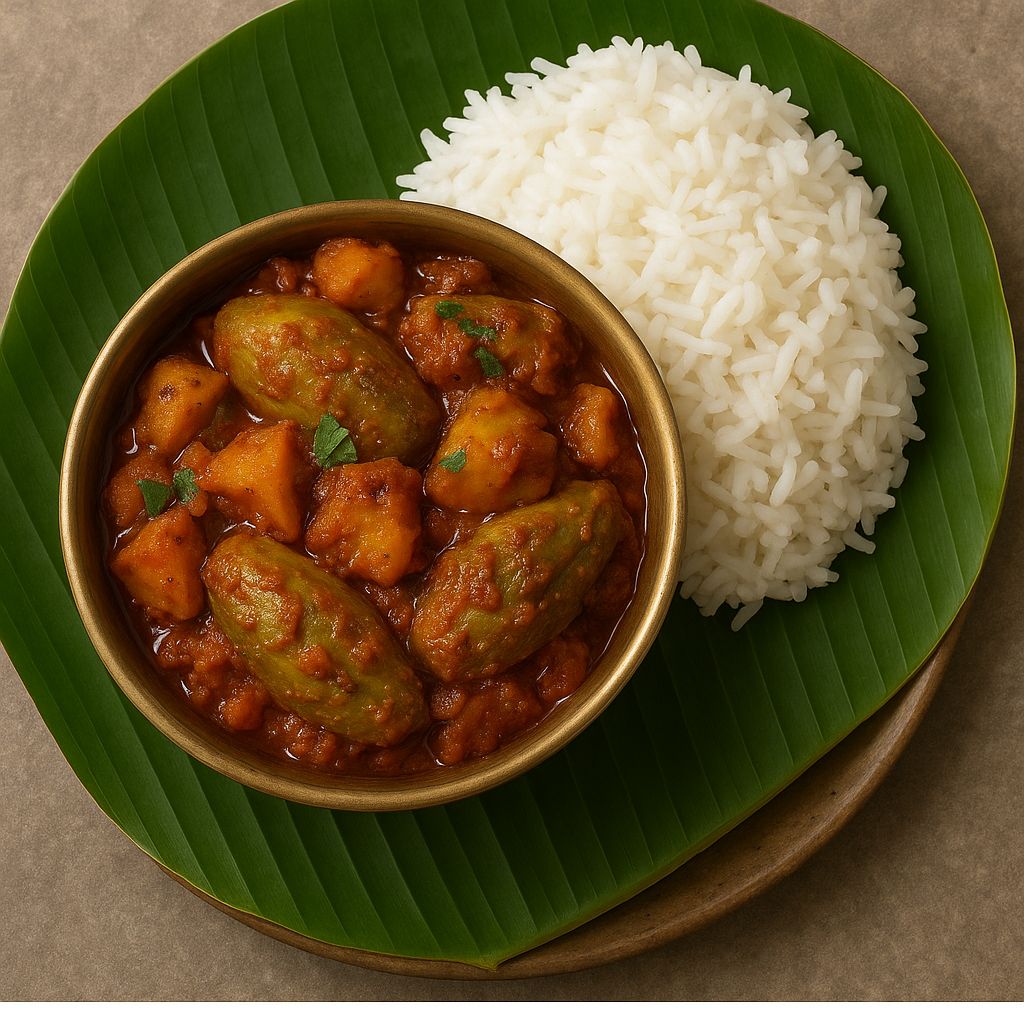
Potala Aloo Kasa – Odia-Style Spicy Pointed Gourd Potato Curry

Intro: The Kasa That Tastes Like Home

In Odia households, “kasa” means a curry that is roasted and reduced till the masala sticks to the vegetables—flavorful, bold, and intensely satisfying. And one of the most beloved versions is Putola Aloo Kasa.

Potala (pointed gourd) may look humble, but when it’s slow-cooked with potatoes, onions, and masalas until coated in a thick, reddish gravy, it turns into something magical. This was my go-to lunch with rice and a squeeze of lemon on hot afternoons at home.

Ingredients:

250 gms potala (pointed gourd), peeled and slit

2 medium potatoes, peeled and diced

1 onion (chopped)

1 tbsp ginger-garlic paste

1 tomato (grated or pureed)

½ tsp turmeric

½ tsp red chili powder

½ tsp coriander powder

Salt to taste

2 tbsp mustard oil (or refined oil)

1 tsp panch phoron or cumin seeds

Water as needed

Fresh coriander leaves for garnish (optional)


Steps:

1. Prep the Veggies

Lightly sauté potala and potato pieces in a little oil with turmeric and salt. Set aside.


2. Make the Masala Base

In the same pan, heat mustard oil.

Add panch phoron or cumin seeds.

Sauté onions until golden. Add ginger-garlic paste.

Add turmeric, chili powder, coriander powder, and tomato.

Cook until oil separates and masala looks roasted (“kasa”).


3. Add Veggies and Roast

Add sautéed potala and potato to the masala.

Cook covered for 10–15 minutes on low, stirring occasionally.

Add a splash of water only if needed. Let the masala coat everything nicely.


4. Finish & Serve

Check for salt. Garnish with coriander (optional).

Serve hot with rice or chapati.


Serving Tip:

Pairs beautifully with steamed rice, dal, or even pakhala. Add a slice of lemon or raw onion on the side for extra zing.


Why I Love It

Potala Aloo Kasa is that perfect balance of comfort and depth. It reminds me of my mother’s patient cooking, the rhythm of midweek meals, and the joy of making simple vegetables sing.

Fastival Food

Chakuli Pitha with Aloo Dum – A Raja Festival Classic

Intro: Raja Mornings and the Aroma of Tradition

Every Odia home has one dish that smells like celebration—and in mine, it’s the pairing of chakuli pitha and aloo dum. Especially during Raja Parba, when kitchens slow down, and women rest, we wake up to the comforting rhythm of the tawa sizzling and the aroma of boiling potatoes soaked in spices.

Chakuli is soft, like a dosa but thicker and spongier. Aloo dum is rich, deep, and slow-cooked to perfection. Together, they are a perfect festive pair.


Chakuli Pitha Recipe

Ingredients:

1 cup parboiled rice

½ cup white urad dal

Salt to taste

Water as needed

Oil or ghee for cooking


Steps:

1. Soak & Grind

Soak rice and urad dal separately for 4–6 hours

Grind to a smooth batter. Mix and ferment overnight


2. Prepare the Pitha

Add salt. Heat a tawa or iron skillet

Pour a ladle of batter and spread gently (like thick dosa)

Cover and cook on one side with ghee/oil. No need to flip

Remove once edges lift and center is soft but firm


Aloo Dum Recipe (Odia Style)

Ingredients:

4–5 medium potatoes, boiled & peeled

2 onions, finely chopped

1 tsp ginger-garlic paste

1 tomato, grated

½ tsp turmeric

½ tsp red chili powder

½ tsp cumin

1 tsp garam masala

1 tsp sugar

Salt to taste

Oil for cooking

Coriander leaves to garnish


Steps:

1. Prep the Masala

Heat oil. Add cumin, onions, ginger-garlic paste

Sauté till golden. Add tomato, turmeric, chili, salt, sugar

Cook till oil separates


2. Add Potatoes & Simmer

Crush potatoes lightly. Add to masala with little water

Simmer for 10–15 mins till thick and flavorful

Add garam masala and coriander before serving


Serving Suggestion

Stack warm chakulis. Pour hot aloo dum on top or serve in a katori on the side. Garnish with coriander. For an extra festive touch, serve with jaggery water or banana slices.


Why This Combo is Special

This dish isn’t just a breakfast—it’s a Raja morning memory. The first bite takes me to my village, barefoot in the courtyard, where chakulis were flipped on earthen tawa and aloo dum simmered in iron kadai.

Lunch & Dinner

Ilishi Fish Curry Recipe | Traditional Hilsa in Mustard Gravy (Odia Style)


About the Recipe

Ilishi Fish Curry, also known as Ilish Maachha Jhola, is a traditional Odia dish made with hilsa fish, mustard paste, and mustard oil. This iconic curry is simple yet intensely flavorful — showcasing the delicate, buttery texture of hilsa with the pungency of mustard and minimal spices.

Served hot with steamed rice, it’s a soulful delicacy best enjoyed on slow afternoons, festivals, or special family lunches.


Ingredients (Serves 3–4)

4–5 pieces Hilsa (ilish/iilish) fish, cleaned

1½ tbsp yellow mustard seeds

1 tbsp poppy seeds (optional)

2 green chilies

½ tsp turmeric powder

1 tsp red chili powder

Salt to taste

1½ tbsp mustard oil

Water as required

Optional: ½ tsp panch phoron or nigella seeds for tempering


How to Make Ilishi Fish Curry (Step-by-Step)

1. Prepare the Mustard Paste

Soak mustard seeds (and poppy seeds, if using) for 15–20 minutes.

Grind with green chilies and a little water to form a smooth paste. Set aside.


2. Marinate the Fish

Rub hilsa pieces with salt and turmeric. Let rest for 15 mins.


3. Fry the Fish (Optional)

Heat mustard oil until it reaches smoking point.

Lightly fry the fish pieces for 1 minute per side (optional, traditional Odia style prefers fresh poached fish).


4. Prepare the Curry

1. In the same pan, add panch phoron or a pinch of nigella seeds.


2. Add the mustard paste and cook on low heat for 2–3 minutes.


3. Add turmeric, red chili powder, salt, and water to make a thin curry base.


4. Gently slide in the fish pieces.


5. Simmer Gently

Cook uncovered for 5–7 minutes until fish is done and curry thickens slightly.

Do not stir vigorously — hilsa is delicate.


6. Rest & Serve

Turn off heat and cover for 5 minutes before serving.

Serve hot with steamed rice and green chili on the side.


Why This Curry Is Special

The mustard oil + mustard paste combo brings bold, earthy depth

Hilsa’s natural richness melts into the curry — no onion or garlic needed

Odia style keeps it minimal, focusing on freshness and balance


Tips for Perfect Ilish Curry

Never overcook hilsa — it’s very soft and flakes easily

Use cold water to grind mustard (prevents bitterness)

Mustard oil must be smoked properly before cooking

Soak ground mustard paste for 5 mins before using to reduce sharpness


Variations

Add potatoes to the curry (Bengali-style)

Use green banana or brinjal slices for a veggie addition

Skip frying the fish for a more delicate poached finish