Fastival Food

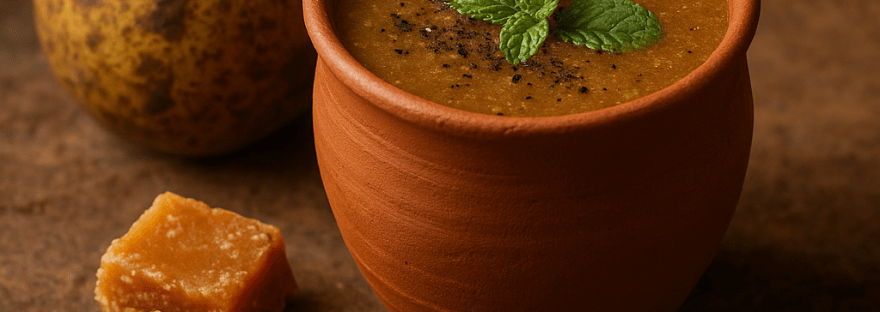
Bel Pana – Traditional Summer Cooler from Odisha

Intro: The Taste of Pana Sankranti and Grandma’s Thali

If summer had a sacred drink in Odisha, it would be Bel Pana. Made with the pulp of wood apple (bel), mixed with jaggery and milk, and served chilled—it’s not just hydrating, it’s healing.

In my village, Pana Sankranti wasn’t complete without bel pana served in leaf cups. I still remember the smell of freshly cracked bel, the sound of my mother mixing it with jaggery and spices in a big terracotta pot, and the cool comfort it brought on April afternoons.


Ingredients:

1 ripe bel (wood apple)

2 tbsp jaggery (adjust to taste)

1 cup cold milk or curd

¼ tsp cardamom powder

1 tsp black pepper (optional)

A pinch of black salt

Water as needed


Steps to Make Bel Pana:

1. Extract the Pulp

Break the bel fruit. Scoop out the pulp and soak in water for 15 mins.

Mash and strain to remove seeds and fibers.


2. Sweeten & Spice It

Add jaggery, cardamom, black salt, and black pepper. Mix well.


3. Finish with Milk or Curd

Add cold milk (or curd for a tangy version). Adjust thickness with water.


4. Serve Chilled

Garnish with mint or a few ice cubes.


Serving Suggestions:

Serve during Pana Sankranti with tala poda pitha

Also great as a fasting drink during summer rituals or just to beat the heat naturally


Why I Love It

It’s nostalgic, it’s nutritious, and it tastes like Odisha in a cup. Bel Pana is how we survived summer before refrigerators and soft drinks.

Snacks

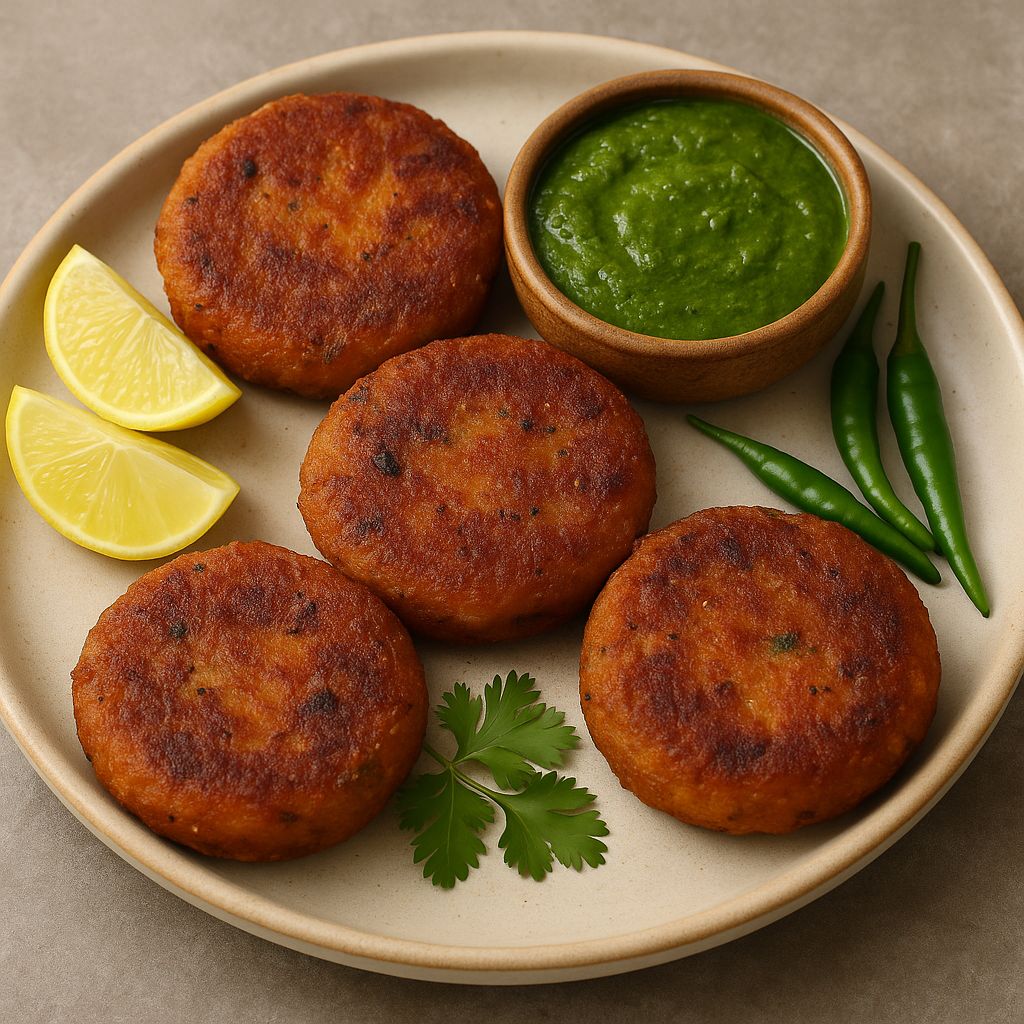
Masala Aloo Tikki – Crispy Spiced Potato Patties (Odia-Inspired)


Intro: From Street Corners to My Kitchen

Crispy outside, soft inside, and bursting with flavor — Alu Tikki is a favorite across India. In Odisha, we often give it a simpler, sharper twist: mustard oil in the mash, green chilies, and sometimes a hint of amba khatta or ghugni on the side.

This was my go-to hostel snack. Quick, filling, and easy to dress up with chutneys or even turn into a full chaat plate.


Ingredients:

3 medium potatoes (boiled & mashed)

1 tsp ginger (grated)

2 green chilies (finely chopped)

¼ tsp turmeric

½ tsp red chili powder

½ tsp roasted cumin powder

1 tsp coriander leaves (chopped)

2 tsp rice flour or bread crumbs (for crispness)

Salt to taste

Mustard oil for shallow frying


Steps to Make Masala Alu Tikki:

1. Mix the Dough

In a bowl, combine mashed potatoes, spices, herbs, and rice flour.

Mix until smooth and firm.


2. Shape the Tikkis

Divide the mixture and roll into round flat patties.


3. Fry Until Crisp

Heat mustard oil in a tawa.

Place tikkis and cook on both sides until golden brown and crisp.


Serving Suggestions:

Serve with green chutney and tamarind chutney

Or top with whisked curd, onions, and sev for quick alu tikki chaat

You can also serve with a scoop of Ghugni for a full Odia-style chaat


Why I Love It

Quick, versatile, and endlessly comforting — this alu tikki reminds me that street food can still carry home flavors, especially when spiced just right.

Lunch & Dinner

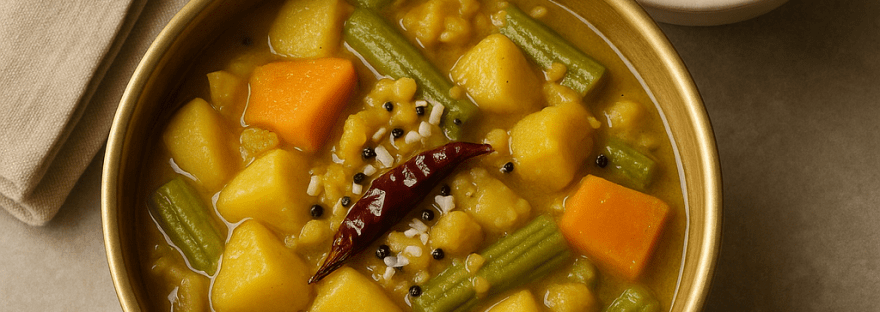
Odia-Style Ghanta Tarkari – A One-Pot Vegetable Comfort Bowl


Intro: The Original One-Pot Wonder from Odisha

Before meal prep bowls and power-packed curries became trendy, we had Ghanta.
This rustic, balanced, and deeply satisfying dish is made by simmering a medley of vegetables, sometimes with chana dal, and flavored with simple spices and a drizzle of ghee.

In my home, Ghanta Tarkari wasn’t just reserved for Kartik fasting or puja thalis—it was a way to use up leftover veggies in the healthiest, most flavorful way.

Ingredients:

½ cup chana dal (optional, soaked for 1 hour)

1 cup chopped vegetables (mix of raw banana, pumpkin, papaya, beans, drumstick, etc.)

1 potato (chopped)

¼ tsp turmeric

Salt to taste

1–2 green chilies (slit)


For Tempering:

1 tsp mustard seeds

1 dry red chili

1 tsp ghee or mustard oil

A pinch of hing

Optional: 1 tbsp grated coconut for garnish


Steps to Make Ghanta Tarkari:

1. Cook the Dal & Vegetables

Pressure cook soaked chana dal until soft but not mushy.

In a pot, add all vegetables, turmeric, salt, and green chilies.

Add just enough water to cover and simmer till veggies are soft.


2. Combine

Add cooked dal to the vegetables and simmer everything together.

Adjust salt and consistency. It should be semi-thick.


3. Temper It

In a small pan, heat ghee.

Add mustard seeds, red chili, and hing. Let it splutter.

Pour over the ghanta and mix well. Garnish with coconut if using.


Serving Suggestions:

Best served with steamed rice, pakhala, or as part of a fasting meal

Pairs beautifully with saga bhaja or kancha amba khatta


Why I Love It

It’s healthy. It’s naturally vegan. It’s comforting. Ghanta Tarkari is my answer to midweek meal confusion and post-festival balance.

Lunch & Dinner

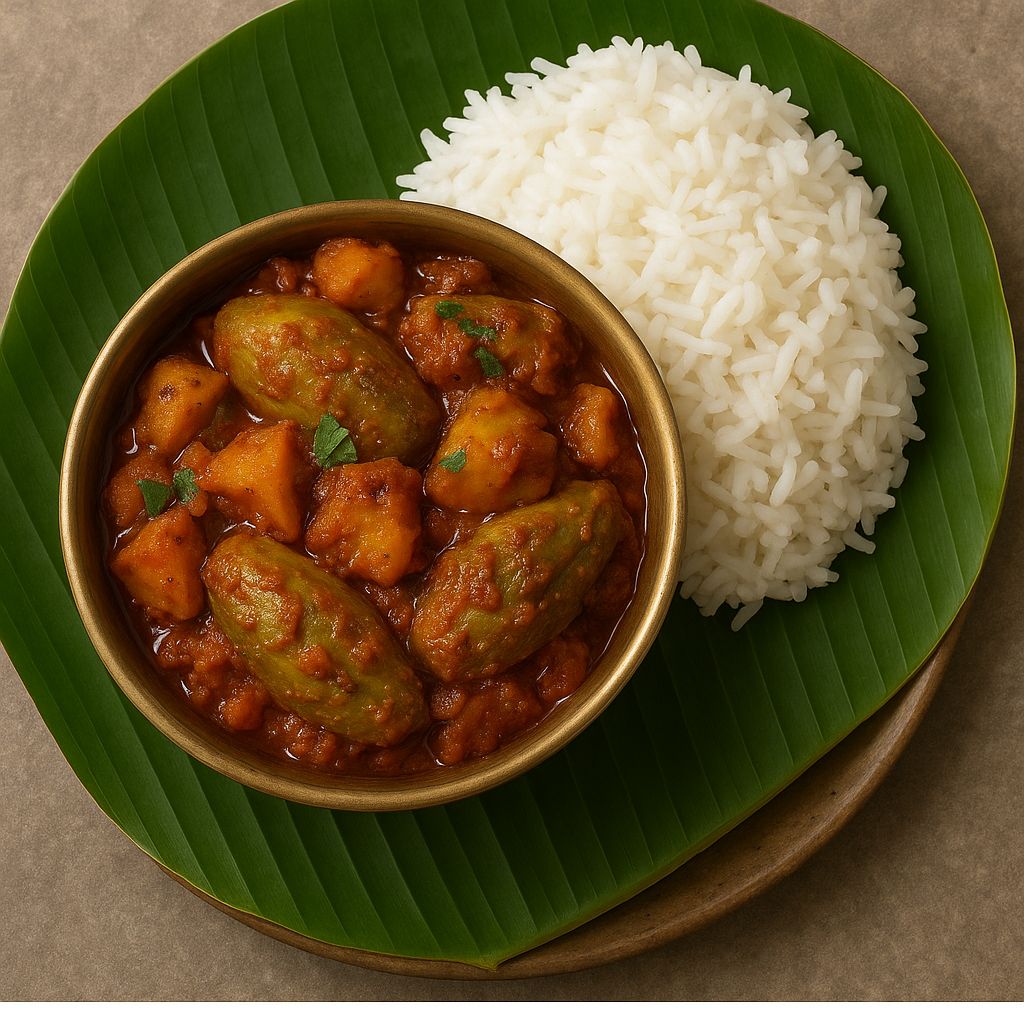
Potala Aloo Kasa – Odia-Style Spicy Pointed Gourd Potato Curry

Intro: The Kasa That Tastes Like Home

In Odia households, “kasa” means a curry that is roasted and reduced till the masala sticks to the vegetables—flavorful, bold, and intensely satisfying. And one of the most beloved versions is Putola Aloo Kasa.

Potala (pointed gourd) may look humble, but when it’s slow-cooked with potatoes, onions, and masalas until coated in a thick, reddish gravy, it turns into something magical. This was my go-to lunch with rice and a squeeze of lemon on hot afternoons at home.

Ingredients:

250 gms potala (pointed gourd), peeled and slit

2 medium potatoes, peeled and diced

1 onion (chopped)

1 tbsp ginger-garlic paste

1 tomato (grated or pureed)

½ tsp turmeric

½ tsp red chili powder

½ tsp coriander powder

Salt to taste

2 tbsp mustard oil (or refined oil)

1 tsp panch phoron or cumin seeds

Water as needed

Fresh coriander leaves for garnish (optional)


Steps:

1. Prep the Veggies

Lightly sauté potala and potato pieces in a little oil with turmeric and salt. Set aside.


2. Make the Masala Base

In the same pan, heat mustard oil.

Add panch phoron or cumin seeds.

Sauté onions until golden. Add ginger-garlic paste.

Add turmeric, chili powder, coriander powder, and tomato.

Cook until oil separates and masala looks roasted (“kasa”).


3. Add Veggies and Roast

Add sautéed potala and potato to the masala.

Cook covered for 10–15 minutes on low, stirring occasionally.

Add a splash of water only if needed. Let the masala coat everything nicely.


4. Finish & Serve

Check for salt. Garnish with coriander (optional).

Serve hot with rice or chapati.


Serving Tip:

Pairs beautifully with steamed rice, dal, or even pakhala. Add a slice of lemon or raw onion on the side for extra zing.


Why I Love It

Potala Aloo Kasa is that perfect balance of comfort and depth. It reminds me of my mother’s patient cooking, the rhythm of midweek meals, and the joy of making simple vegetables sing.

chutney

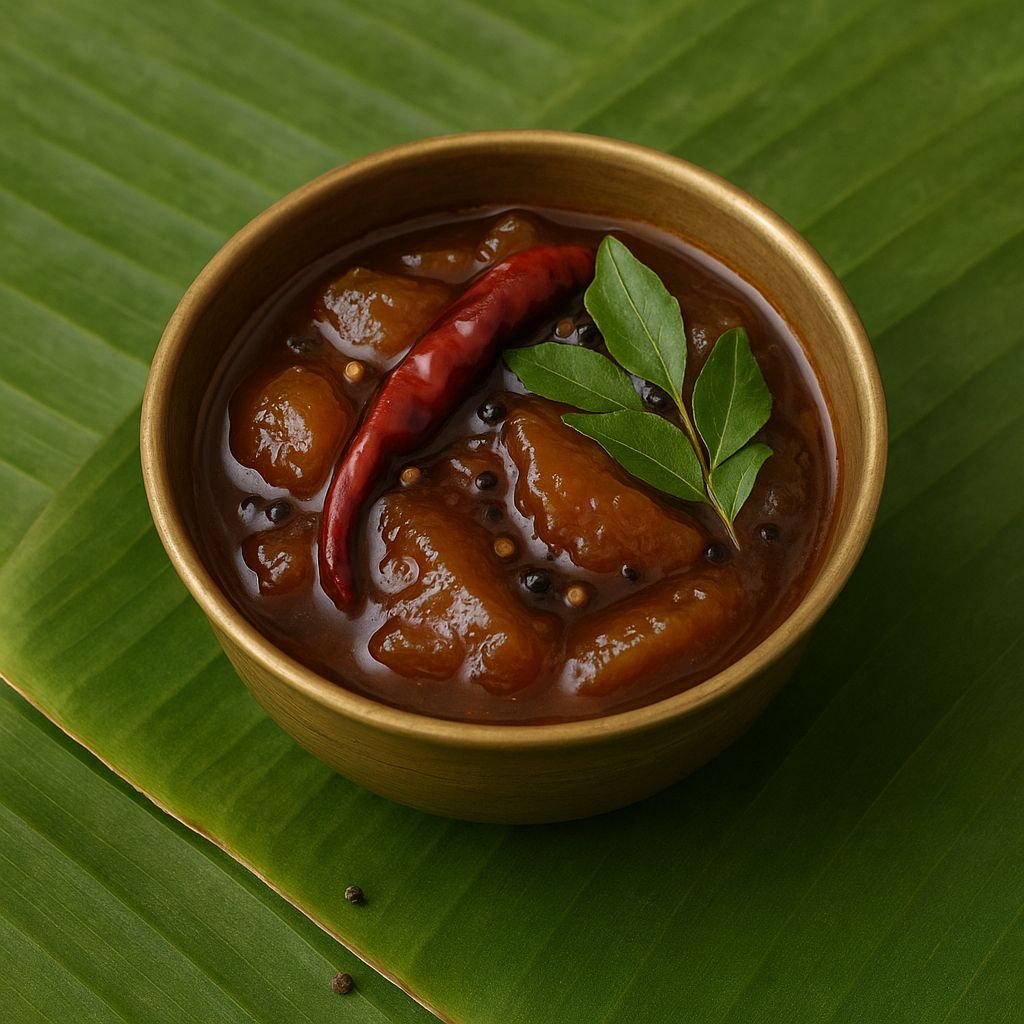
Mitha Ambula Khatta – Odia-Style Sweet & Tangy Dry Mango Curry

Intro: A Spoonful of Sun-Dried Memories

In Odisha, no festive meal or comforting lunch thali is complete without a touch of khatta. And the one that always stole my heart was Mitha Ambula Khatta.

Made from sun-dried mango slices soaked in water, slow-cooked with jaggery, tempered with mustard seeds and red chili—it’s more than a dish. It’s the taste of lazy summer afternoons, the smell of grandmother’s kitchen, and a reminder that even the smallest things on your plate can leave the deepest impression.


Ingredients:

2–3 pieces dry ambula (sun-dried mango)

3–4 tbsp jaggery (adjust to taste)

½ tsp turmeric

¼ tsp red chili powder

1 cup water

Salt to taste


For Tempering:

1 tsp mustard seeds

1 dry red chili

1 tsp oil (preferably mustard oil)

A pinch of hing (optional)

5–6 curry leaves (optional)


Steps to Make Mitha Ambula Khatta:

1. Soak the Ambula

Soak ambula in 1 cup warm water for 15–20 mins until soft.


2. Simmer with Spices & Jaggery

Add turmeric, chili powder, and salt to the ambula-soaked water.

Simmer for 5–7 mins on low heat.

Add jaggery and continue cooking until it slightly thickens into a chutney-like consistency.


3. Temper It

Heat mustard oil, add mustard seeds, red chili, and optional hing or curry leaves.

Once spluttered, pour over the ambula mix and stir well.


Serving Suggestions:

Best served with dalma and rice, boiled vegetables, or even pakhala

Tastes great warm or chilled


Why I Love It

Mitha Ambula Khatta brings balance to a meal — it’s not the star of the show, but the one flavor you remember long after the meal is over. Sweet, tangy, and nostalgic.

chutney

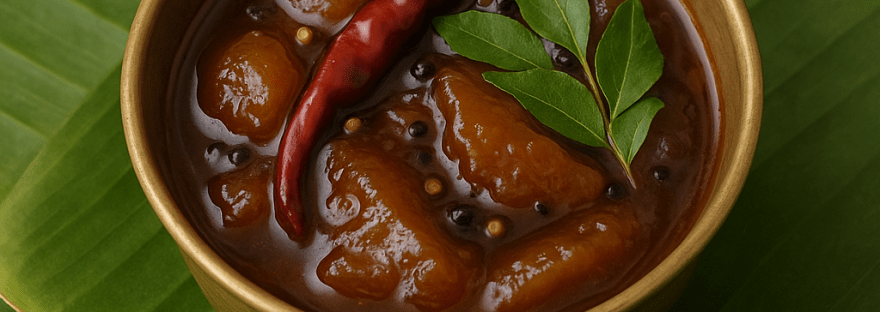
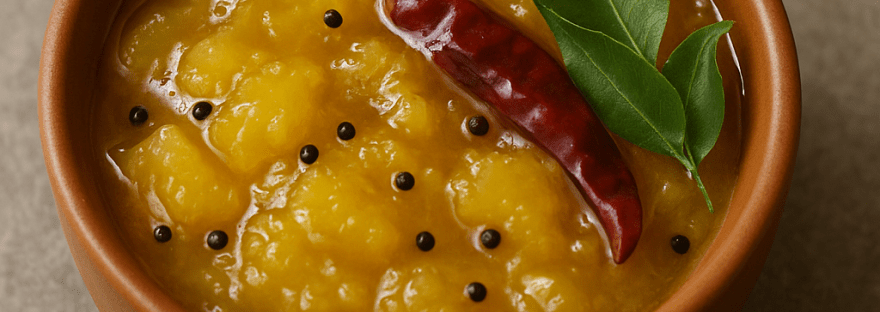
Sapuri Khatta – Odia-Style Sweet & Tangy Pineapple Curry

Intro: A Pineapple Dish That Tastes Like Home

In many Odia homes, especially during festivals, weddings, or Sunday feasts, you’d find one sweet-tangy dish on the banana leaf that always stood out—Sapuri Khatta.

For me, it’s not just a dish. It’s a memory of watching my mother dice ripe pineapples, sneaking pieces from the bowl when she wasn’t looking. She’d cook it slow, with jaggery and mustard seeds, until the air turned golden-sweet.

It was never a main dish. It was a little something on the side. But it always stole the show.

Ingredients:

1 cup ripe pineapple (finely chopped)

½ cup grated jaggery (adjust to taste)

¼ tsp turmeric

½ tsp red chili powder

Salt to taste

½ tsp roasted cumin powder

1 cup water


For Tempering:

1 tsp mustard seeds

1 dry red chili

5–6 curry leaves (optional)

1 tsp mustard oil or ghee


Steps to Make Sapuri Khatta:

1. Cook the Pineapple

In a pan, add pineapple, turmeric, salt, chili powder, and water.

Cook on medium flame until the pineapple softens (7–8 minutes).


2. Add Jaggery

Stir in jaggery and let it simmer till it thickens slightly and becomes syrupy.

Add roasted cumin powder.


3. Temper It

In a small pan, heat mustard oil or ghee.

Add mustard seeds, red chili, and curry leaves.

Once it splutters, pour over the khatta and mix well.


Serving Suggestions:

Best served warm or at room temp with dalma, bhata, and a spoon of ghee

Also pairs beautifully with pakhala or even as a side with roti


Why I Love It

Sapuri Khatta is sweet like stories, sharp like memories. It reminds me of summer afternoons, of copper-bottomed kadais, and of how simple food can stay in your heart for decades.

Street Foods

Papdi Chaat – Crispy, Tangy Indian Street Food Favorite

Intro: A Street-Style Explosion of Flavour

Every bite of papdi chaat tells a story — of chaos, color, and chaatwalas juggling chutneys faster than we blink. It’s the kind of snack that brings people together at stalls, on rooftops, or during festive evenings.

For me, it’s also a creative outlet — building layers of texture and flavor over a plate of crisp puris is nothing short of edible art.


Ingredients:

For the Papdi (or use store-bought):

1 cup maida (all-purpose flour)

1 tbsp semolina (optional, for crispiness)

1 tbsp oil

A pinch of salt

Water to knead

Oil for deep frying


Toppings:

1–2 boiled potatoes, chopped

¼ cup boiled chickpeas or white peas

½ cup whisked curd (chilled, lightly sweetened)

2 tbsp tamarind chutney

2 tbsp green chutney (mint-coriander)

1 tsp chaat masala

1 tsp roasted cumin powder

Salt to taste

Fresh coriander leaves

Nylon sev or bhujia

Pomegranate (optional)


Steps:

1. Make the Papdi (If Homemade)

Knead a firm dough with flour, semolina, salt, oil, and water.

Roll out and cut into small discs.

Prick with a fork and deep fry until golden and crisp.


2. Prep the Elements

Boil and chop potatoes, boil chickpeas.

Chill and whisk curd with a pinch of sugar and salt.

Keep both chutneys ready.


3. Assemble the Chaat

On a plate, layer:

Papdis

Boiled potatoes + chickpeas

Whisked curd

Tamarind + green chutney

Sprinkle chaat masala, cumin powder, and salt

Top with sev, coriander, and pomegranate (optional)


Serving Tip:

Serve immediately after assembling so the papdi stays crunchy! Best enjoyed fresh and cold.


Why I Love It

Papdi Chaat is a celebration on a plate. It’s not just food — it’s texture, temperature, and taste dancing together.

Fastival Food

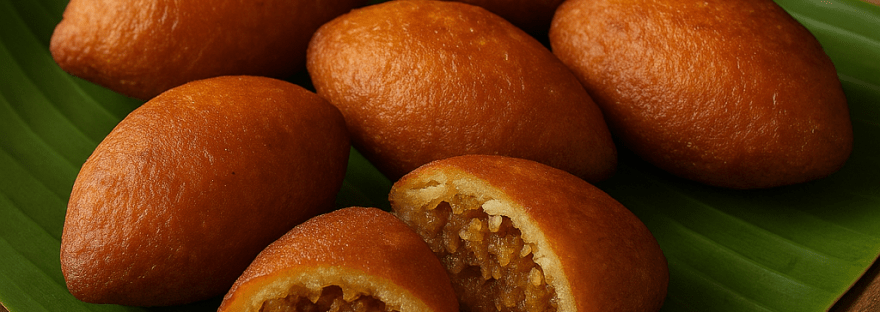
Kakara Pitha – Stuffed Sweet Semolina Dumplings (Odia Style)

Intro: A Sweet Worth Celebrating

Kakara Pitha brings back memories of Lakshmi Puja evenings and Raja celebrations, when the kitchen would be filled with the smell of jaggery, coconut, and ghee. It’s not just a sweet—it’s a celebration you can hold in your hands.

The outer cover is made with suji or atta, while the inside is filled with rich, gooey coconut-jaggery stuffing, flavoured with cardamom. Sometimes fried crisp, sometimes soft—every household has its style.


Ingredients:

For the Outer Dough:

1 cup suji (semolina)

1 cup water

1 tbsp sugar

A pinch of salt

1 tsp ghee


For the Stuffing:

1 cup grated coconut

½ cup jaggery (or more to taste)

½ tsp cardamom powder

1 tsp ghee


Other:

Oil or ghee for deep frying


Steps:

1. Prepare the Filling

Heat ghee, add coconut and jaggery.

Cook until it forms a sticky mass.

Add cardamom powder and let cool.


2. Prepare the Dough

Boil water with sugar, ghee, and a pinch of salt.

Slowly add suji while stirring. Cook till it forms a lump.

Let cool, then knead into a soft dough using ghee on hands.


3. Shape the Pithas

Take a small ball of dough, flatten into a disc.

Place coconut filling in the center and seal the edges.

Shape like a small patty or oval dumpling.


4. Fry Until Golden

Deep fry in medium-hot oil until golden brown and crisp outside.


Serving Suggestion:

Serve warm or at room temperature, as a tea-time snack or prasad. Stays good for 2–3 days when stored in an airtight container.


Why I Love It

Soft inside, crunchy outside, and packed with nostalgia—Kakara Pitha tastes like festivals, temple kitchens, and the love of generations.

Fastival Food

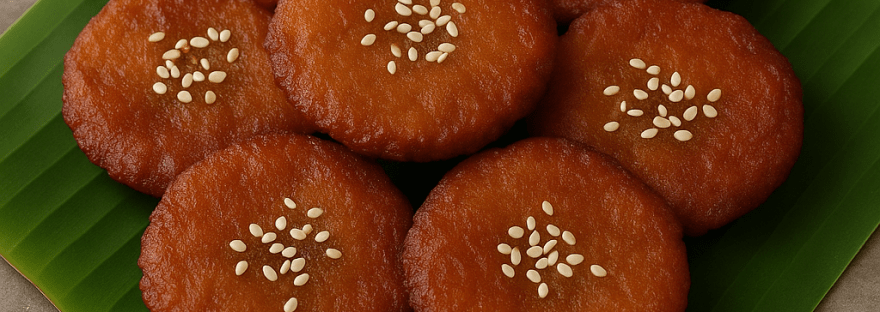
Arisa Pitha – Crispy & Sweet Odia Rice Flour Delight

Intro: A Bite of Tradition and Crunch

Arisa Pitha is not just a pitha—it’s patience, precision, and celebration in one golden bite. Made during auspicious days like Kartik Purnima and Manabasa Gurubar, this sweet is crunchy on the outside, soft inside, and carries the fragrance of cardamom and ghee.

It was a staple in my grandmother’s festive platter, and every time I recreate it, I remember her measured hands rolling perfect discs by touch.


Ingredients:

1 cup rice flour (preferably freshly ground)

½ cup grated jaggery (or more to taste)

½ tsp cardamom powder

1 tbsp white sesame seeds

1–2 tbsp ghee (for dough)

Water as needed

Oil or ghee for deep frying


Steps to Make Arisa Pitha:

1. Make the Jaggery Syrup

Heat jaggery with ¼ cup water until it melts.

Strain to remove impurities and boil again until slightly sticky (1-string consistency).

Turn off the heat.


2. Prepare the Dough

Add rice flour gradually into the jaggery syrup, stirring constantly.

Add ghee, sesame seeds, and cardamom.

Mix into a soft but firm dough. Let rest for 15–30 mins.


3. Shape the Pithas

Grease your palms. Take lemon-sized balls and flatten into thick discs (about 2.5–3 inch wide).

Press sesame seeds on top for a rustic finish.


4. Fry It Golden

Deep fry in medium-hot oil or ghee.

Flip gently and fry until both sides are golden and crisp.

Drain on paper towels.


Serving Tip:

Let cool completely before storing. Tastes even better the next day as flavors deepen!


Why I Love It

Crispy, sweet, and full of festive soul — Arisa Pitha is a link to heritage, a test of technique, and the kind of sweet that makes every occasion feel sacred.

Fastival Food

Puri Ghuguni – Odia-Style Street Breakfast Favorite

Intro: The Soul of Sunday Mornings & Street Corners

In Odisha, Puri Ghuguni isn’t just a meal—it’s a mood. Whether served during festive mornings or at roadside stalls wrapped in sal leaves, this combo brings the warmth of home and the zing of spice in every bite.

Ghuguni, a spiced yellow peas curry, is often ladled over soft, puffed puri or eaten alongside. It’s tangy, bold, and deeply comforting—served with chopped onions, green chilies, and sometimes a squeeze of lemon.

Ghuguni Recipe (Odia Style)

Ingredients:

1 cup dried yellow peas (soaked overnight)

1 medium onion, chopped

1 small tomato, chopped or grated

1 tsp ginger-garlic paste

½ tsp turmeric

½ tsp red chili powder

½ tsp cumin seeds

1 tsp garam masala or curry masala

1 tbsp mustard oil

Salt to taste

Fresh coriander and chopped onion for garnish


Steps:

1. Cook the Peas

Pressure cook soaked peas with salt and turmeric until soft but not mushy (2–3 whistles).


2. Prepare the Masala

Heat mustard oil. Add cumin seeds, then onions.

Sauté till golden. Add ginger-garlic paste, turmeric, chili, and salt.

Add tomato and cook till oil separates.


3. Mix It Up

Add boiled peas along with some water. Simmer for 10–15 mins.

Finish with garam masala. Adjust thickness as per preference.


Puri Recipe (Crispy & Fluffy)

Ingredients:

1½ cup wheat flour

½ tsp salt

Warm water to knead

Oil for deep frying


Steps:

1. Knead a stiff dough with flour, salt, and water. Rest 15 mins.


2. Roll into small circles.


3. Deep fry in hot oil until puffed and golden.


Serving Suggestions:

Serve hot puris with a bowl of ghuguni, topped with chopped onion, coriander, and green chilies.

Add a slice of lemon or sprinkle some black salt for street-style finish!


Why I Love It

This dish reminds me of temple festivals, roadside breakfasts, and slow Sunday mornings. It’s simple, nostalgic, and totally satisfying.