Snacks

Medu Vada – South Indian Crispy Lentil Donuts

Intro: A Bite of Crisp Morning Joy

If mornings in South India had a smell, it would be the scent of hot oil, crisping vadas, and fresh coconut chutney.

Medu Vada is not just food — it’s a morning ritual.
When I visited Chennai, I remember standing outside a tiny tiffin stall, watching the cook expertly shape the vadas with wet fingers, drop them into sizzling oil, and serve them hot with a side of sambhar so good, you couldn’t stop dipping!

Golden brown outside, soft inside — one bite, and you feel both energy and happiness together!

Ingredients:

1 cup urad dal (skinned black gram)

1 green chili (finely chopped)

1 tsp grated ginger

1 small onion (optional, finely chopped)

1 tsp black peppercorns or crushed pepper (optional)

2 tbsp chopped curry leaves or coriander leaves

Salt to taste

Oil for deep frying

Water as needed (minimal)


Steps to Make Medu Vada:

1. Prepare the Batter

Wash and soak urad dal for 4–5 hours.

Grind to a thick, smooth batter using minimal water. (Batter should be fluffy, not runny.)

Add salt, ginger, green chili, chopped onion (optional), and curry leaves.


2. Shape the Vadas

Wet your palm. Take a small ball of batter, flatten slightly, and make a hole in the center.

(Or use a banana leaf or greased plastic sheet for shaping.)


3. Deep Fry

Heat oil.

Gently slide shaped vadas into medium-hot oil.

Fry until golden and crisp on both sides.


Serving Suggestions:

Serve hot with coconut chutney, sambhar, and tomato chutney

Pairs beautifully with a hot filter coffee for complete South Indian breakfast


Why I Love It

Because Medu Vada is pure joy — a little crispy miracle that makes even the sleepiest mornings feel like a celebration!

Lunch & Dinner

Mati Handi Chicken – Odia Village-Style Clay Pot Chicken

Intro: A Pot Full of Aroma, Tradition & Fire

In Odisha’s villages, Mati Handi Chicken isn’t just a meal — it’s a ritual.

When a festival, a guest visit, or a harvest celebration happened, chickens were freshly prepared, and the marinated pieces were slow-cooked in mati handi (earthen pots) over a firewood stove.

The smell of burning wood, fresh spices, and clay pot mixing into the chicken created a magic that modern kitchens can barely recreate.
It’s food with soul — untouched by heavy masalas, but loaded with love, smoke, and earthy flavors.

Ingredients:

500 gm country chicken (desi chicken preferred)

2 onions (finely sliced)

1 tomato (finely chopped)

1½ tbsp ginger-garlic paste

2–3 green chilies (slit)

1 tsp turmeric powder

1 tsp red chili powder

1 tsp coriander powder

1 tsp cumin powder

1 tsp garam masala (optional)

2 tbsp mustard oil (or use any oil)

Salt to taste

Fresh coriander leaves for garnish


Steps to Make Mati Handi Chicken:

1. Marinate the Chicken

Mix chicken pieces with turmeric, salt, and a little mustard oil.

Rest for 30–40 minutes.


2. Prepare the Mati Handi

Soak the clay pot (if new) for a few hours.

Heat it gently over low flame or firewood.


3. Cook the Chicken

Add mustard oil inside the handi.

Sauté onions till soft and light brown.

Add ginger-garlic paste and green chilies.

Add chicken pieces. Stir for 5–7 minutes.

Add all powdered spices and tomato. Mix well.


4. Slow Cooking

Cover the handi with a banana leaf or lid.

Let chicken cook on low flame for 45–60 minutes, stirring occasionally.

No extra water needed — chicken cooks in its own juices!


5. Final Touch

Once chicken is tender and oil starts separating, garnish with coriander leaves.


Serving Suggestions:

Serve hot with plain rice, pakhala, or roti

Enjoy with sliced onions and green chilies for full rustic feel


Why I Love It

Mati Handi Chicken isn’t about fancy presentation — it’s honest, deep, soulful food, tasting of clay, smoke, and Odisha’s fields.

Snacks

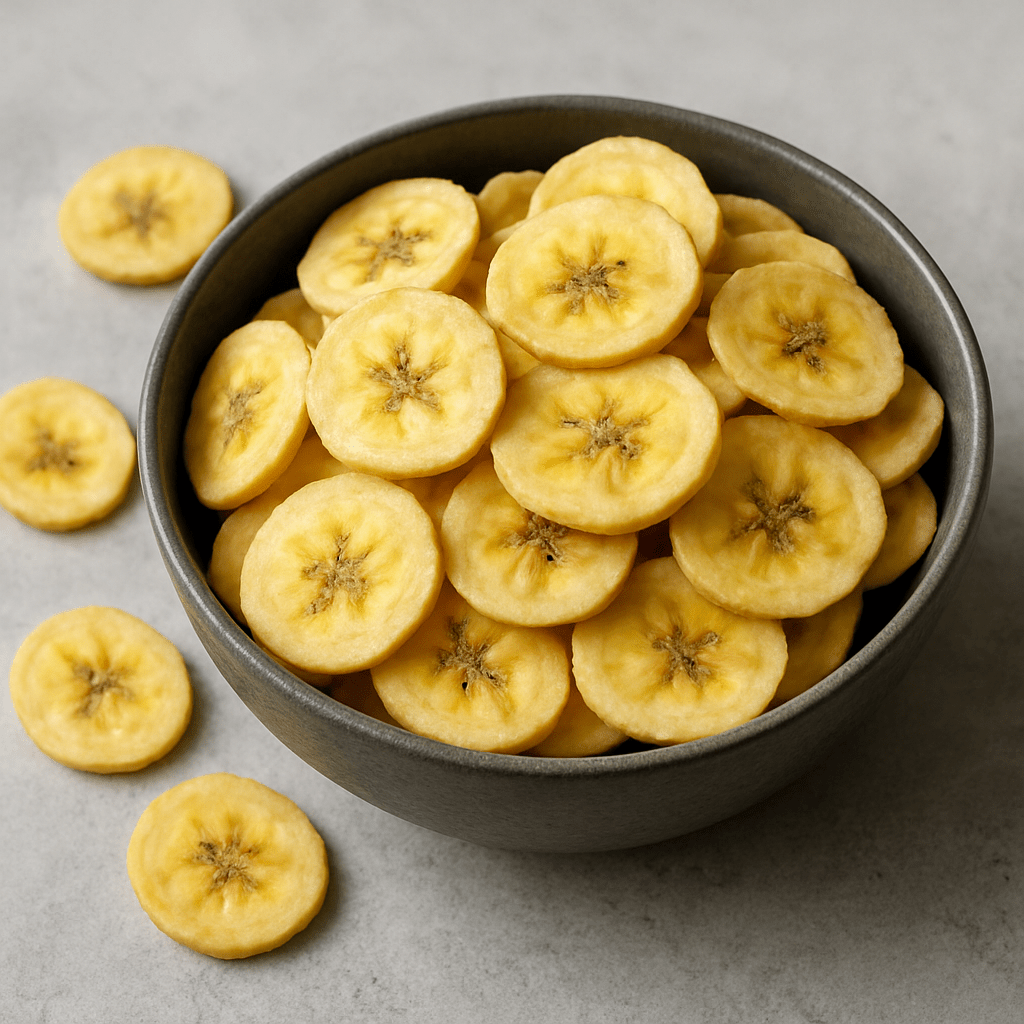
Raw Banana Chips – Crispy Homemade Snack


Intro: Crunch That Brings Instant Joy

Before potato chips became famous, we had banana chips — crispy, slightly earthy, and beautifully simple.

Whenever a batch of raw bananas arrived from the village fields, my mother would pull out the mandoline slicer, and soon the whole kitchen would be filled with the sizzle of frying chips and the salty aroma of crisp snacks cooling on steel plates.

We could never wait.
No matter how many times we were told, “Let it cool down first,” the temptation to steal a warm, salty chip straight from the plate was too much!

Ingredients:

3–4 raw bananas (firm and green)

Oil for deep frying (preferably coconut oil or vegetable oil)

Salt to taste

A pinch of turmeric (optional)

A pinch of black pepper (optional)


Steps to Make Raw Banana Chips:

1. Prepare the Bananas

Peel raw bananas.

Using a slicer or knife, slice into thin, even rounds immediately.


2. Soak (Optional)

You can soak slices in salted turmeric water for 10 minutes to add slight color.

Drain and pat dry completely before frying.


3. Fry the Chips

Heat oil until medium hot.

Drop slices gently into the oil (not overcrowding).

Fry until golden and crispy, stirring occasionally.


4. Season and Cool

Remove and drain on paper towels.

Sprinkle salt (and pepper if using) while still hot.

Let cool fully before storing.


Serving Suggestions:

Serve as a tea-time snack

Add to lunch boxes

Enjoy during festivals like Vishu or Onam along with sadhya meals


Why I Love It

Because raw banana chips are pure crunch, minimal fuss, and maximum joy — the kind of snack that reminds you good things don’t have to be complicated.

Dessert

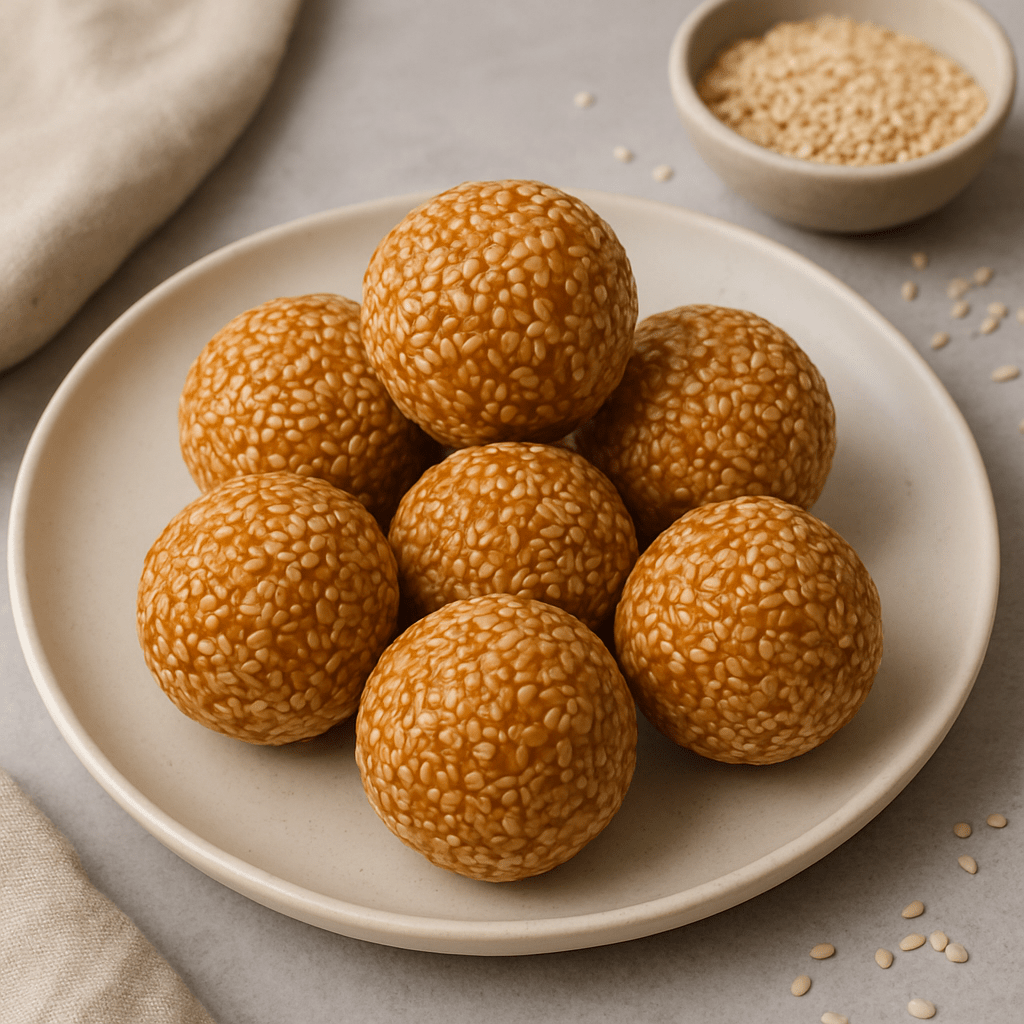
Til Ke Ladoo – Traditional Sesame & Jaggery Sweet

Intro: A Bite of Winter Warmth

In every Indian home during Makar Sankranti, the kitchen fills with the nutty aroma of sesame roasting and the sweet caramel smell of jaggery melting.

As kids, we used to gather around the big brass pot, waiting to roll hot sticky ladoos between our palms, giggling when we burned our fingers a little because we couldn’t wait.

Til ke Ladoo are not just sweets — they are tiny bundles of tradition, warmth, and love shared between generations.

Ingredients:

1 cup sesame seeds (til)

¾ cup jaggery (gur), grated

1–2 tbsp water

1 tsp cardamom powder (optional)

2 tsp ghee (for greasing palms)


Steps to Make Til Ke Ladoo:

1. Roast the Sesame Seeds

Dry roast sesame seeds on low flame until golden and aromatic.

Keep stirring to avoid burning. Set aside to cool.


2. Prepare the Jaggery Syrup

In a heavy pan, melt jaggery with 1–2 tbsp water.

Cook until you get a sticky, soft-ball stage (test by dropping a little syrup in cold water — it should form a soft ball).


3. Mix and Roll

Quickly add roasted sesame seeds and cardamom powder.

Mix well.

Grease your palms with ghee.

While the mixture is still warm, take small portions and shape into round ladoos.


Serving Suggestions:

Best enjoyed fresh, during winter evenings

Store in airtight container for up to 2 weeks


Why I Love It

Because Til ke Ladoo are warmth you can hold in your hand — simple, pure, nourishing bites of winter.

Dessert

Gujiya – Traditional Indian Sweet Dumplings for Festivals

Intro: A Pocket Full of Festive Memories

In every Indian home, when Gujiyas are being fried, you know festivals are near.

As a kid, the kitchen would transform during Holi.
Large plates of kneaded dough, sweet khoya stuffing laid out, and the entire family — aunts, cousins, grandmothers — sitting together, shaping gujiyas by hand, sealing the edges, and sneaking tastes of raw filling when no one was watching!

One bite into a warm, crispy gujiya — flaky outside, soft and rich inside — and it feels like celebrating life itself.

Ingredients:

For Dough:

2 cups maida (all-purpose flour)

4 tbsp ghee (for moyan)

Water (to knead)

A pinch of salt


For Filling:

1 cup khoya (mawa)

¼ cup powdered sugar

2 tbsp chopped nuts (almond, cashew, pistachio)

2 tbsp desiccated coconut

1 tsp cardamom powder

Raisins (optional)


For Frying:

Oil or ghee


Steps to Make Gujiya:

1. Prepare the Dough

Mix maida, ghee, and salt.

Rub to form a breadcrumb texture.

Knead into a stiff dough using water. Cover and rest for 30 mins.


2. Prepare the Filling

Roast khoya lightly until it turns slightly golden. Cool.

Mix roasted khoya, powdered sugar, nuts, coconut, cardamom powder.


3. Shape the Gujiyas

Roll small portions of dough into circles.

Place a spoonful of filling in the center.

Fold over into a half-moon shape. Seal edges properly using water.

You can press with a fork or hand-crimp for traditional design.


4. Fry

Deep fry gujiyas in medium-hot oil until golden and crisp.


(Optional: Dip fried gujiyas in light sugar syrup if you want a glazed version.)


Serving Suggestions:

Serve warm or at room temperature during Holi or Diwali feasts

Store in airtight container — stays good for 5–6 days


Why I Love It

Because Gujiya is not just a sweet. It’s family laughter, festive spirit, and heritage folded into a crispy, golden hug.

Street Foods

Chole Bhature – Delhi’s Iconic Street Food Combo

Intro: A Plate Full of Celebration

Some foods aren’t just about hunger — they’re about celebration.
Chole Bhature is that loud, bold, satisfying dish you crave when you want a full heart and a full stomach.

When I first visited Delhi, I stood outside a busy corner shop, watching huge bhaturas puff up in bubbling oil like golden balloons, while the spicy smell of chole hit my nose.
One plate, one squeeze of lemon, a side of pickled onions — and I understood why people are willing to stand in line for this!

Ingredients:

For Chole (Chickpea Curry):

1 cup chickpeas (kabuli chana) – soaked overnight

1 onion (finely chopped)

1 tomato (pureed)

1 tbsp ginger-garlic paste

1 tsp cumin seeds

1 tsp turmeric powder

1 tsp red chili powder

1½ tsp chole masala or garam masala

1–2 black cardamoms

Salt to taste

2 tbsp oil or ghee


For Bhature:

2 cups maida (all-purpose flour)

2 tbsp semolina (sooji)

1 tsp sugar

1 tsp salt

½ cup curd (yogurt)

1 tsp baking powder or ½ tsp baking soda

Water to knead

Oil for deep frying


Steps to Make Chole Bhature:

1. Cook the Chole

Pressure cook soaked chickpeas until soft.

In a pan, heat oil. Sauté cumin, onion, ginger-garlic paste.

Add turmeric, chili, tomato puree, chole masala.

Add cooked chickpeas and simmer with water until thick and flavorful.


2. Prepare the Bhature Dough

Mix maida, sooji, sugar, salt, baking powder.

Add curd and knead into a soft dough (use little water if needed).

Cover and let it rest for 2 hours.


3. Fry the Bhature

Divide dough into balls. Roll into discs (thicker than puris).

Deep fry one at a time in hot oil until golden and puffed.


Serving Suggestions:

Serve piping hot chole with fluffy bhaturas

Add pickled onions, green chilies, and lemon wedges on the side

Optional: a glass of sweet lassi to complete the feast!


Why I Love It

Because one plate of Chole Bhature isn’t just food.
It’s boldness, indulgence, joy, and festival spirit — all rolled into one giant, puffy bhatura.

Street Foods

Pani Puri – India’s Favorite Tangy Street Snack

Intro: The Taste of Laughter and Street Corners

If I close my eyes and think of happiness, I hear the sound of puris cracking, water splashing, and friends laughing.
Pani Puri (or golgappa, puchka, gupchup depending where you are) is more than food.
It’s competition, craving, and chaos — standing around a tiny cart, one hand holding the plate, the other hand ready for the next.

I still remember the first time I challenged my cousin — “Let’s see who eats 10 pani puris faster!” Of course, we both lost because we were too busy laughing at the spice hitting us!

Pani Puri is not just a snack.
It’s friendship in a crispy shell, bursting with flavor and memory.

Ingredients:

For Puris:

Readymade puris or homemade semolina puris


For Spicy Pani:

1 cup mint leaves

½ cup coriander leaves

1 green chili

1-inch ginger

1 tsp roasted cumin powder

½ tsp black salt

1 tbsp lemon juice

3 cups cold water

Salt to taste


For Filling:

2 boiled potatoes (mashed)

½ cup boiled chickpeas or white peas

Chopped onion (optional)

Tamarind chutney (optional for sweet-spicy flavor)


Steps to Make Pani Puri:

1. Prepare the Spicy Pani

Blend mint, coriander, green chili, ginger, cumin powder, lemon juice, and salt with little water.

Strain and add to cold water. Adjust spice and tanginess.


2. Prepare the Filling

Mix mashed potatoes, chickpeas, salt, and a pinch of cumin powder.


3. Assemble

Crack a puri gently at the top.

Fill with potato-chickpea mixture.

Dip in spicy pani (and sweet chutney if using).

Serve immediately and enjoy the burst!


Serving Suggestions:

Serve chilled pani puri as evening snack

Offer sweet tamarind chutney on the side for those who prefer “meetha pani”

Add boondi (tiny fried balls) into the pani for extra crunch


Why I Love It

Because no matter where you are, one bite of pani puri feels like you’re 12 again, standing at a street corner, laughing with friends over who can handle the most spice.

Dessert

Gajar Ka Halwa – Traditional Indian Carrot Pudding

Intro: A Bowl of Comfort & Celebration

Some dishes are not just recipes — they are rituals.
Gajar Ka Halwa is one such dessert. Made slowly over hours, stirring patiently, letting carrots soak up milk and ghee until they transform into a soft, glowing pudding.

My memories of Gajar Ka Halwa are tied to winter evenings — cozy sweaters, the smell of cardamom filling the kitchen, and my mother calling us all in to scoop up the first warm bowl.

Ingredients:

4–5 medium carrots (red winter carrots preferred), peeled and grated

2 cups full-fat milk

3–4 tbsp ghee

½ cup sugar (adjust to taste)

4–5 green cardamom pods (crushed)

2–3 tbsp chopped nuts (cashew, almond, pistachio)

Raisins (optional)


Steps to Make Gajar Ka Halwa:

1. Cook the Carrots

Heat 1 tbsp ghee in a thick-bottomed pan.

Add grated carrots and sauté for 5–7 minutes until soft.


2. Simmer with Milk

Add milk.

Simmer on low flame, stirring occasionally, until milk is absorbed (30–40 mins).


3. Sweeten and Flavor

Add sugar and cardamom powder.

Stir and cook until the mixture thickens and starts leaving sides of the pan.


4. Finish with Ghee and Nuts

Add remaining ghee, mix well.

Garnish with nuts and raisins. Serve warm.


Serving Suggestions:

Serve warm as a winter dessert

Tastes great cold too, after setting for a few hours

Pair with vanilla ice cream for a fusion twist


Why I Love It

Gajar Ka Halwa is not just a sweet. It’s warmth, patience, family, and celebration — all captured in a single, glowing bowl.

Lunch & Dinner

Sajana Saga Rai – Drumstick Leaves in Mustard Gravy (Odia Style)

Intro: A Taste of Strength from the Fields

In Odisha’s villages, sajana saga (drumstick leaves) are considered a treasure — packed with nutrition and flavor.

As a child, I would watch my grandmother patiently pluck the tiny leaves one by one, sitting on the verandah with a big woven basket. The dish she made — Sajana Saga Rai — was earthy, pungent, slightly bitter, but so deeply satisfying with plain rice.

In many homes, it’s not just food. It’s medicine — believed to cool the body, strengthen immunity, and nourish the blood.

Ingredients:

2 cups sajana saga (drumstick leaves) — cleaned and washed

1 small potato (cubed, optional)

1½ tbsp mustard seeds

1 tsp poppy seeds (optional)

2–3 garlic cloves

1–2 green chilies

½ tsp turmeric

Salt to taste

1 tsp mustard oil


Steps to Make Sajana Saga Rai:

1. Prepare Mustard Paste

Soak mustard seeds and poppy seeds for 15 minutes.

Grind with garlic and green chilies into a smooth paste.


2. Blanch the Leaves

In a pot, add a little water, turmeric, and salt.

Add cleaned sajana saga and potato (if using).

Simmer till leaves soften and water mostly evaporates.


3. Cook with Mustard Paste

Add the mustard paste to the cooked leaves.

Stir gently. Add a little water if too dry.

Drizzle with mustard oil at the end for extra flavor.


Serving Suggestions:

Serve hot with steamed rice and a side of Kanji or Santula.

Add a fried badi or green chili on top for a rustic touch.


Why I Love It

Sajana Saga Rai is humble but powerful. It’s the taste of slow living, deep nutrition, and food that respects both earth and body.

summer Dish

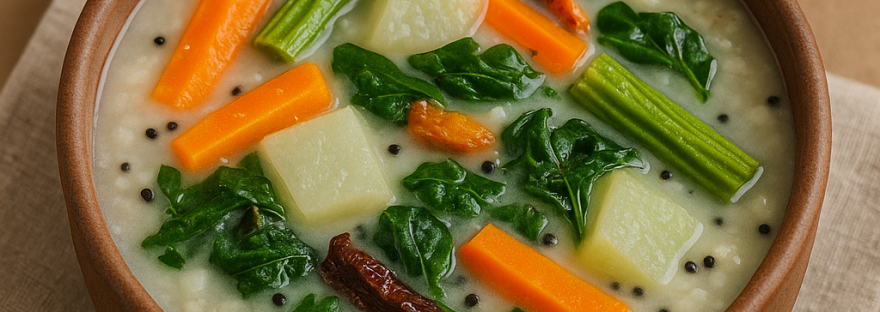
Kanji – Odia-Style Fermented Rice Soup with Vegetables

Intro: The Forgotten Health Drink of Our Grandmothers

Before probiotics became a trend, we had Kanji.
This light, fermented rice broth, simmered with vegetables like radish, pumpkin, or spinach, was Odisha’s summer survival secret.
It’s sour, refreshing, and nourishing — soothing to the stomach, and full of memories.

I remember summer afternoons when the tangy smell of kanji would drift from the kitchen. It wasn’t fancy — just clean, earthy, and strangely addictive.

Ingredients:

½ cup cooked rice (preferably a day old)

3 cups water (for fermenting)

1 cup vegetables (pumpkin, radish, or spinach)

½ tsp turmeric

1–2 green chilies (slit)

Salt to taste

1 tsp mustard seeds

1 tsp mustard oil


Steps to Make Kanji:

1. Ferment the Rice Water

Mix cooked rice with water. Leave it covered (but not airtight) for 1–2 days at room temperature to ferment.


2. Cook the Vegetables

In a pan, add fermented water and vegetables.

Add turmeric, salt, and green chilies. Simmer until veggies are soft.


3. Temper the Kanji

Heat mustard oil. Add mustard seeds. Let them splutter.

Pour the tempering into the kanji and stir.


Serving Suggestions:

Serve lukewarm or at room temperature

Best enjoyed with Saga Bhaja, Alu Bharta, and roasted papad

Also served during fasting days and summer lunches


Why I Love It

Kanji tastes like a cool breeze on a hot day. It’s deeply nostalgic, refreshingly sour, and reminds me that simple, slow food is pure magic.