Story

From Quick Weeknight Dinners to Festive Sweets – 12 Indian Recipes You Must Try

Introduction: Indian home cooking is experiencing a vibrant renaissance, with food lovers craving both time-saving everyday meals and traditional regional flavors. In fact, recent trends show that Indians are Googling everything from quick viral recipes to beloved festive dishes. Successful food bloggers like Dassana (Veg Recipes of India) and Hebbars Kitchen have proven that easy weeknight dinners and authentic regional recipes can go hand in hand. Whether you’re a busy professional looking for a fuss-free weekday meal or a foodie eager to explore a new regional delicacy, The Pinch of Masala has you covered. This roundup brings together the best of current reader interests – from simple dinners and nostalgic sweets to refreshing summer drinks – all in one friendly, scannable guide. Grab a cup of chai and get ready to bookmark your new favorites!

Easy Weeknight Indian Meals (Quick & Delicious)

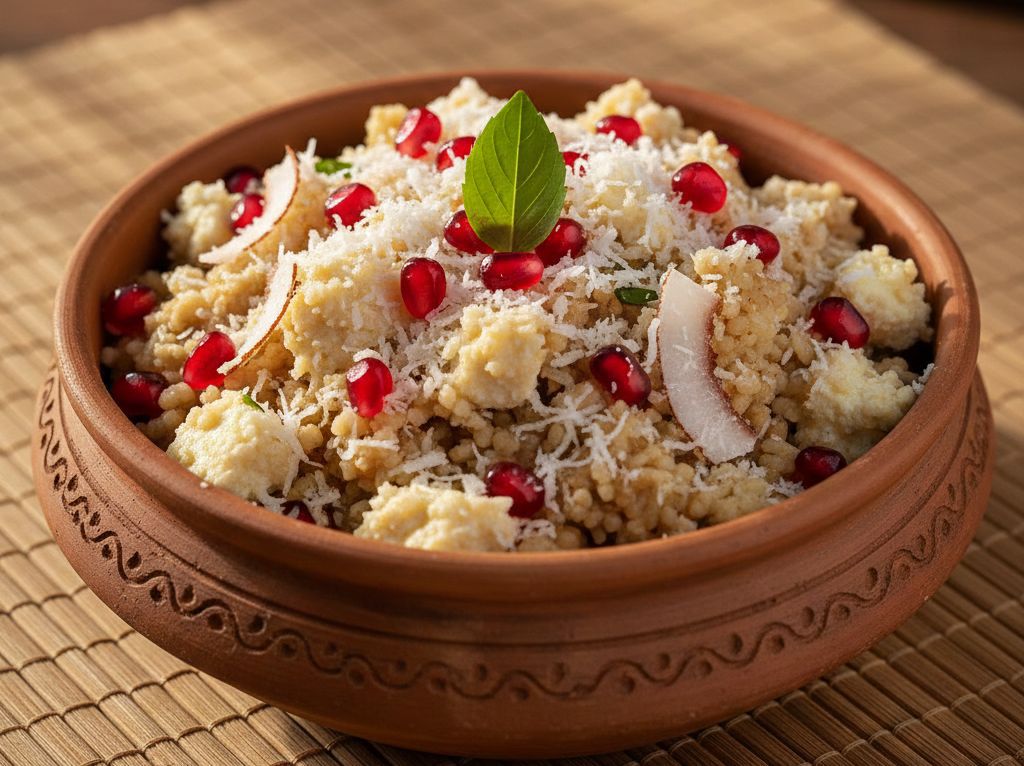
Easy, wholesome dishes like Semiya Upma (vermicelli pilaf with veggies) make busy mornings and weeknights a breeze. Indian cuisine might seem complex, but even chefs emphasize that many recipes are “a cinch once your pantry is stocked,” featuring fast weeknight curries and more. Here are a few quick Indian recipes perfect for hectic days – minimal prep, maximum flavor, and guaranteed to please the whole family.

  • Masala Poha – Spiced Flattened Rice: A 15-minute Maharashtrian breakfast staple that doubles as a light dinner. Fluffy beaten rice tempered with mustard seeds, curry leaves, peanuts, and a squeeze of lemon. It’s tangy, crunchy, and comforting – basically a warm hug in a bowl. 
  • Vegetable Cheela – 10-Minute Besan Pancake: A quick chickpea flour crepe loaded with grated veggies and herbs. This protein-packed pancake is an absolute lifesaver on busy mornings. Think of it as the Indian answer to omelettes – high-fiber, savory, and ready before your coffee is done. 
  • Dal Tadka – Simple Home-Style Lentils: No Indian dinner list is complete without a hearty dal! This version is a weekday hero – red and yellow lentils cooked soft and tempered with ghee, cumin, garlic, and chilies. It comes together in under 30 minutes and pairs with rice or roti for a soul-satisfying supper. 
  • Sprouts Salad – Clean, Crunchy & Full of Life: For something light but filling, try this refreshing salad of mixed sprouts. Tossed with cucumbers, tomatoes, chaat masala and lemon, it’s a nutrition powerhouse that doesn’t skimp on taste. Perfect as a quick lunch or an evening snack to keep you energized. 

(P.S. Want more ideas? Don’t miss Banana Walnut Smoothie – A Hug in a Glass for a healthy breakfast drink, or the White Cheese Pasta on our blog for an easy Indo-Italian dinner twist!)

Regional Indian Delights from Across the Country

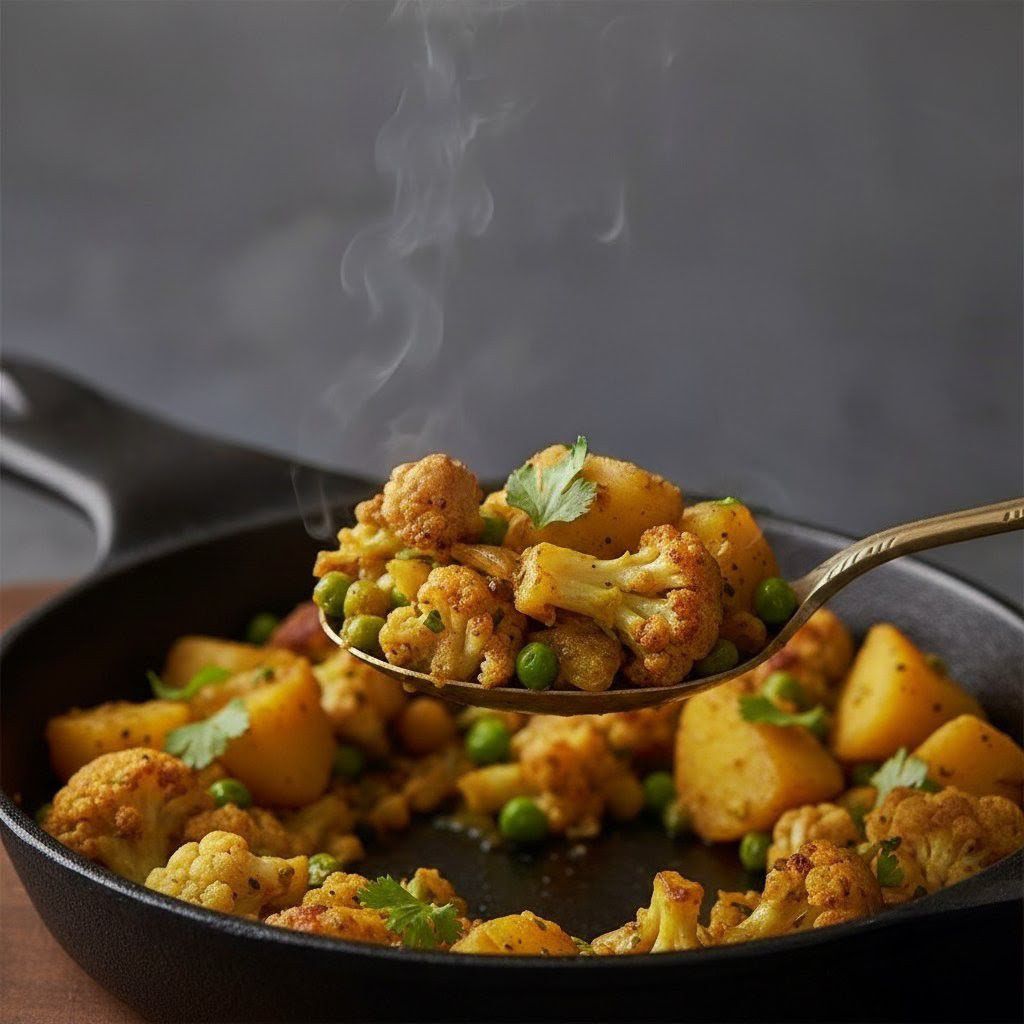
Regional classics like Rajasthani Dal Bati (pictured) are making a comeback as foodies explore India’s diverse culinary heritage. Top chefs note that Indian cuisine is embracing more regional diversity, moving beyond just the usual Punjabi dishes. From the eastern coast to the Himalayan hills, home cooks are rediscovering age-old recipes that tell a story of place and tradition. Here are a few regional gems featured on The Pinch of Masala – each offering a delicious taste of a different Indian state:

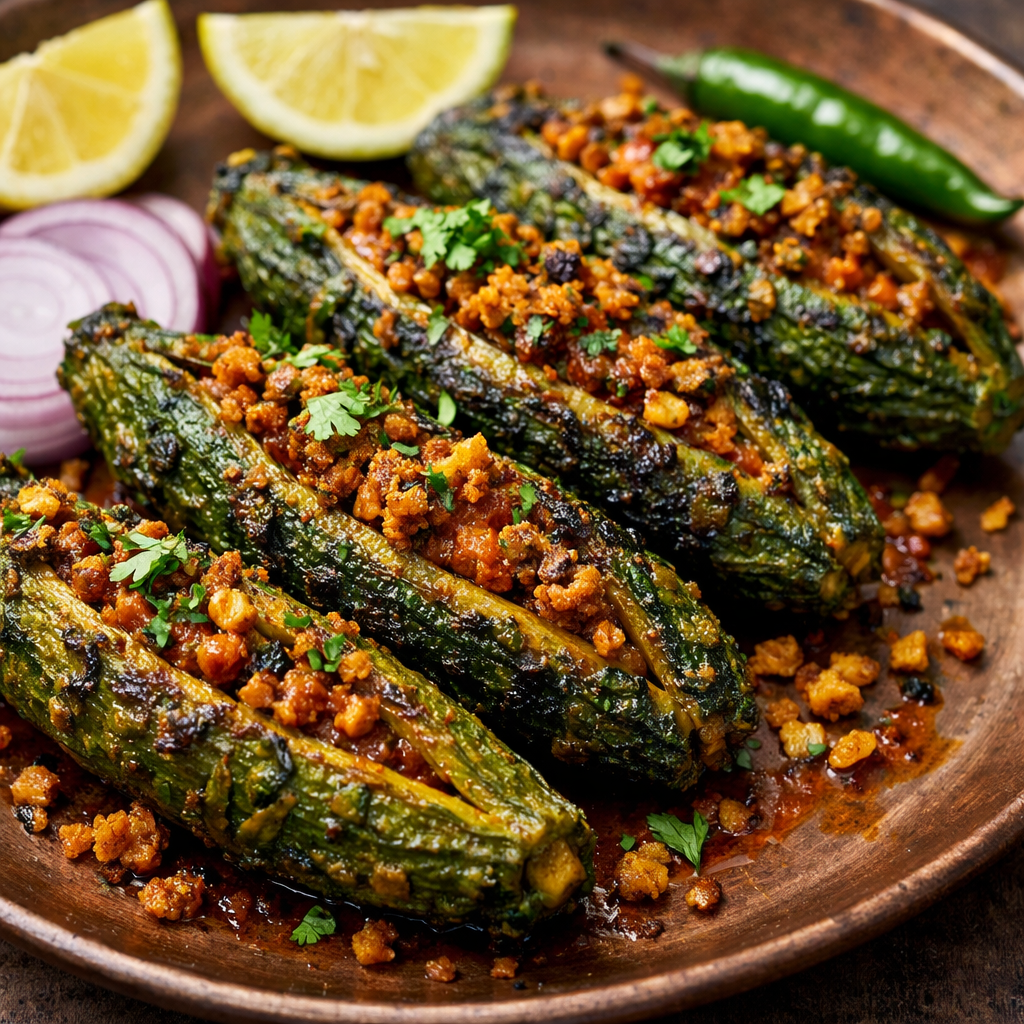
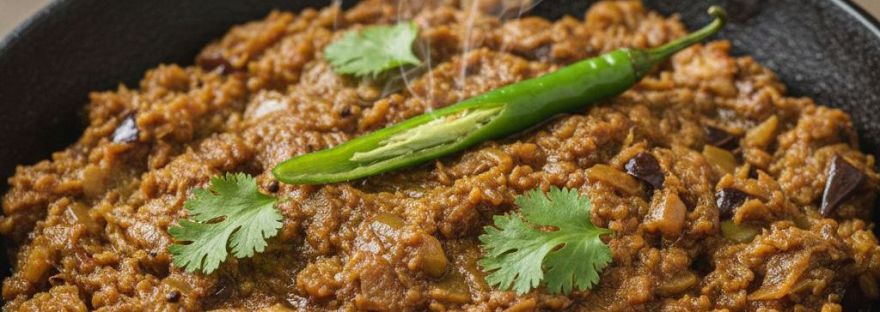
  • Potala Aloo Kasa (Odia Curry): A slow-roasted Odisha specialty featuring pointed gourd (potala) and potatoes in a thick, spiced gravy. The masalas are cooked until they cling to the veggies, creating a bold and intensely satisfying dish. One bite of this curry with hot rice, and you’ll see why “kasa” means a curry that tastes like home. 
  • Dal Bati (Rajasthani Feast): This iconic Rajasthani thali star consists of rustic baked wheat dumplings (bati) served with spiced mixed lentils (panchmel dal) and plenty of ghee. It’s traditionally made for festivals and family gatherings, but you don’t need a special occasion to enjoy its smoky, rich flavors. Recreate the royal experience in your own kitchen – don’t forget the garlic chutney and churma on the side! 
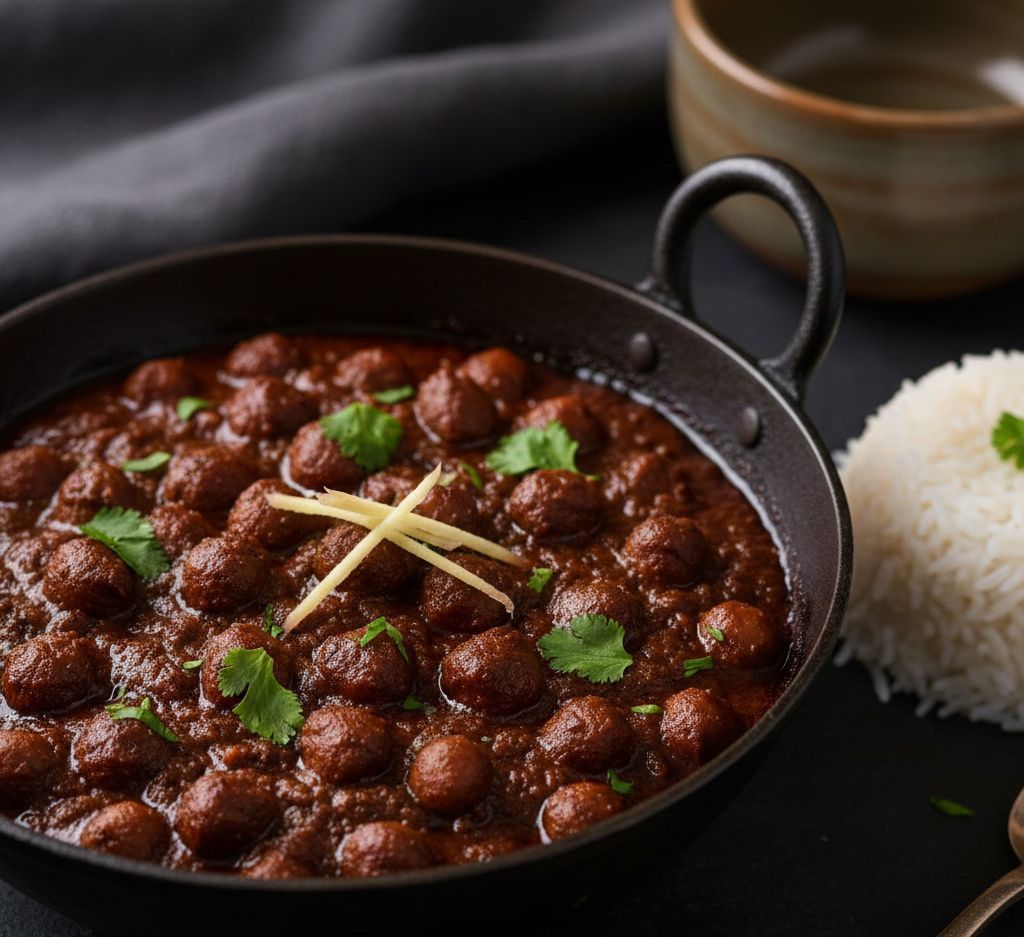
  • Madra (Himachali Yogurt Curry): Hailing from the hills of Himachal Pradesh, Madra is a creamy yogurt-based curry typically made with chickpeas or kidney beans. It’s a no-onion, no-garlic satvik recipe that’s gently spiced with whole masalas and lots of ghee. This pahadi delicacy, often served at local festivals and temple feasts, proves that simple ingredients can create deeply soulful flavors. 
  • Chingri Malai Curry (Bengali Prawn Curry): A luxurious Eastern-India favorite featuring succulent prawns simmered in a silky coconut milk gravy. Delicately spiced with turmeric, garam masala, and a hint of mustard, this dish is festive enough for guests yet easy enough for a weeknight. Serve it with steamed rice for a taste of Bengal’s famed seafood cuisine. 

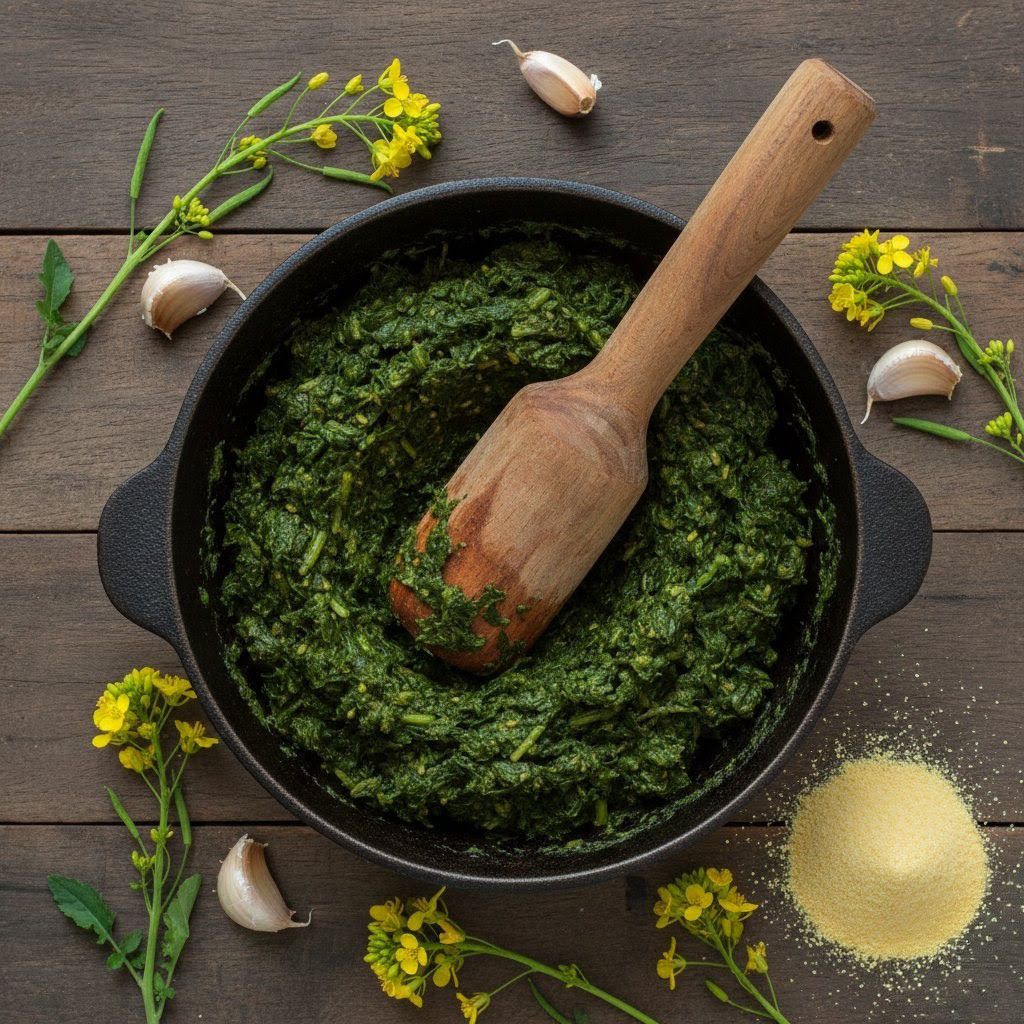
(Craving more regional flavors? Check out our Badi Chura (Odia spicy crumble) or Sarson Ka Saag (Punjabi greens) on the blog – India’s diversity on a plate!)

Festive Sweets & Desserts to Satisfy Your Sweet Tooth

Golden Gulab Jamuns soaking in syrup – a timeless Indian dessert beloved at weddings and Diwali alike. Indian celebrations are synonymous with mithai (sweets), and even Google’s top search lists prove how much we adore our traditional treats. From north to south, every region has its signature dessert, often tied to festivals and family rituals. Here are a few festive sweets you can easily make at home to bring a touch of sweetness to any occasion:

  • Gulab Jamun – Soft & Syrupy Delight: Perhaps the most iconic Indian sweet, Gulab Jamuns are fried milk-based dumplings soaked in rose-scented sugar syrup. They’re pillowy soft, rich with notes of cardamom and saffron, and absolutely melt in your mouth. Whether it’s a birthday, Diwali, or just dessert after dinner, this treat never fails to impress.
  • Rice Kheer – Creamy Traditional Pudding: A classic rice and milk pudding slow-cooked with sugar, nuts, and spices. Kheer is simple yet luxurious – often made during festivals like Eid, Durga Puja or as prasad in temples. Each spoonful, fragrant with cardamom and garnished with almonds, tastes like nostalgia. Serve it warm or chilled; it’s the sweetest comfort in a bowl.
  • Poda Pitha – Odia Festival Cake: This unique delicacy from Odisha is a smoky, caramelized rice cake traditionally made during Raja Parba (the Odia swing festival). The batter of rice flour, jaggery, coconut, and spices is wrapped in banana leaves and slow-roasted, resulting in a rustic cake with a charred crust and soft center. Poda Pitha carries the aroma of village kitchens and bonfire cooking – a must-try if you love exploring regional sweets.
  • Besan Ladoo – Ghee & Gram Flour Fudge: These melt-in-the-mouth sweet balls made of roasted chickpea flour, ghee, and sugar are an absolute Diwali classic. Just a few ingredients transform into a decadent fudge with a nutty aroma. Our recipe adds a hint of cardamom and crushed nuts for extra richness. Make a batch for the festive season (and be prepared for them to disappear fast!).

(Sweet tooth still craving? Don’t miss the Chenna Jhili (syrup-soaked cottage cheese donuts from Odisha) or Sooji Halwa (semolina pudding) recipes on the blog for more dessert inspiration.)

Refreshing Summer Coolers & Drinks

When the summer sun blazes, cool off with desi drinks like Aam Panna – a raw mango and mint cooler that’s tangy, sweet, and utterly refreshing. Staying hydrated and cool is key during Indian summers, and traditional beverages are here to help. From probiotic masala chaas (spiced buttermilk) to zesty nimbu paani (lemonade), there’s no shortage of delicious options. Here are a few summer drinks you must try this season – they’re easy to whip up and perfect for beating the heat:

  • Aam Panna – Tangy Raw Mango Cooler: A quintessential summer drink from Maharashtra, made by blending boiled raw mango pulp with mint, roasted cumin, black salt, and jaggery. This vibrant green cooler is famed for preventing heat stroke and dehydration. Every sip is a tantalizing mix of sweet, sour, and spicy that will transport you to childhood summers.
  • Mango Lassi – Creamy Yogurt Shake: Part dessert, part drink – mango lassi is a globally loved Indian cooler. Ripe mangoes are pureed with chilled yogurt, a touch of sugar, and a pinch of cardamom to create a thick, frothy shake. It’s kid-friendly and makes a great breakfast-on-the-go or an afternoon pick-me-up. One glass of this sunshine-yellow treat and you’ll feel refreshed instantly.
  • Watermelon Mint Juice – Instant Thirst-Quencher: Nothing beats fresh watermelon on a hot day, except perhaps blending it into juice! This simple cooler combines juicy watermelon chunks with fresh mint and a squeeze of lime. It’s light, naturally sweet, and takes literally 5 minutes to prepare. Pour it over ice and enjoy a sip of summer in a glass.
  • Masala Chaas – Spiced Buttermilk: A savory cooler made with diluted yogurt, cumin, ginger, green chilies, and coriander. Masala chaas is India’s go-to summer beverage for good reason – it’s hydrating, aids digestion, and the hint of black salt with herbs truly slays the heat. Serve it chilled (in a clay matka if you have one for authenticity!), and feel your body cool down from the inside out.

(Also try our Lemon Ginger Shikanji recipe – a twist on classic lemonade with ginger and cumin. It’s the ultimate cooling drink after a spicy meal!)

Conclusion – Join the Conversation!

From busy-day dinners to celebratory sweets to grandma’s summer coolers, these 12 recipes showcase the rich tapestry of Indian cooking. They’re designed to be approachable, engaging, and absolutely delicious – the kind of dishes that will earn you happy smiles at the dinner table. We hope this roundup inspires you to don your apron and try something new this week. 🎉

Did you find a recipe that speaks to you? Give it a go and let us know how it turned out! Drop a comment below with your kitchen adventures or any questions – Puspa (the heart and hands behind The Pinch of Masala) would love to hear from you. If you enjoyed this post, don’t forget to share it with fellow foodies and subscribe to our newsletter for more yummy updates. Happy cooking, and enjoy the delicious journey across India’s culinary landscape! 🍲✨

Street Foods

🍕 A Slice of Home – My Story of Homemade Pizza Nights

There’s something undeniably comforting about the smell of pizza baking—yeast, cheese, and warmth rising in the air. But for me, pizza isn’t just about cheese and crust. It’s about memories.

I remember a rainy evening during the first year of my marriage. It was one of those days when everything outside was grey, and the roads were too wet for takeout. We were craving something indulgent, and my husband said, “Why don’t we make pizza at home?” I had never tried it before—no fancy oven, no pizza stone, not even mozzarella back then. Just trust, maida, and the kind of enthusiasm only newlyweds and food lovers share.

We kneaded the dough together, laughed at the mess we made, and layered our first pizza with capsicum, onion, and processed cheese. We didn’t know how it would turn out, but when it came off the tawa—golden, cheesy, and slightly smoky—it tasted better than any pizza chain ever could. It tasted like effort, joy, and shared discovery.

Since that day, our home style pizza has been our thing—made on lazy Sundays, birthdays, and even when the world outside feels too loud. It’s not gourmet. It’s not picture-perfect. But it’s ours.

And now, it can be yours too.


Home Style Pizza (Tawa Method)

Yield: 2 medium pizzas | Prep Time: 90 mins | Cook Time: 15 mins

Ingredients

For the Dough:

2 cups all-purpose flour (maida)

1 tsp sugar

1 tsp instant dry yeast

½ tsp salt

¾ cup warm water (approx.)

2 tbsp oil


For the Toppings:

½ cup pizza sauce (store-bought or homemade)

1 ½ cups mozzarella cheese, grated

1 onion, thinly sliced

1 capsicum, thinly sliced

¼ cup boiled sweet corn

Chili flakes, oregano to taste

Pinch of salt


Instructions

🌾 Step 1: Making the Dough

In a small bowl, combine warm water, sugar, and yeast. Let it sit for 10 minutes until frothy.

In a larger mixing bowl, add flour and salt. Make a well in the center and pour in the yeast mixture and oil. Mix and knead for 8–10 minutes until soft and springy.

Cover and let the dough rise for about 1 hour or until doubled in size. Use this time to prepare your toppings and maybe sip a warm cup of chai.


🍅 Step 2: Shaping the Pizza

Punch down the dough and divide it into 2 equal balls. Roll each into a medium-sized thick round—don’t aim for perfection. Home pizzas are beautifully rustic.

Place on a hot tawa and toast each side for 2–3 minutes until slightly puffed and golden. This preps the base for the toppings.


🧀 Step 3: Assemble & Cook

Spread pizza sauce evenly on the cooked side. Add cheese, toppings, and herbs. Place the pizza back on a tawa, cover with a lid, and cook on low heat for 8–10 minutes until cheese is melted and the crust is crispy at the bottom.

Serve hot with love, laughter, and (if you’re like me) a glass of chilled cola or a warm masala chai.


❤️ Tips & Variations

No yeast? Use curd and baking soda instead. It’ll be softer, almost like a naan-pizza hybrid.

Add-ins: Paneer tikka, olives, mushrooms, or jalapeños add lovely twists.

Extra cheesy? Stuff a bit of cheese inside the crust before toasting. Instant cheese burst!


📖 Why I Keep Coming Back to This Recipe

This is more than a pizza. It’s my reminder that we don’t always need to go out or order in to treat ourselves. We can build joy in our kitchens—flour on our hands, love in the dough, and stories baked into every slice.

When you make this recipe, don’t worry about symmetry or standards. Let it bubble over, toast unevenly, brown a little more on one side. That’s the beauty of home-style food. It’s not trying to impress. It’s just trying to nourish you—with flavor and feeling.

So the next time you want a slice of comfort, skip the delivery app. Just turn up your favorite music, roll out the dough, and make this pizza your own. ❤️

Lunch & Dinner

Raw Mango Dal – Tangy Summer Comfort in a Bowl

In my childhood summers, raw mangoes were a prized ingredient in our kitchen. When the sun was blazing, my mother knew exactly how to turn that heat into comfort: with a pot of tangy Raw Mango Dal simmering on the stove. She’d toss tart green mango pieces into creamy yellow lentils, and the whole house would fill with a mouthwatering aroma. One sip of that sour-and-spiced dal and I’d be instantly refreshed – it was like summer vacation served in a bowl, bringing a smile to my sun-tired face every time.

Raw Mango Dal is a seasonal Indian lentil dish that combines the protein-packed goodness of dal with the bright tang of unripe mango. It’s especially popular during mango season in many regions of India. (In Andhra, for example, a similar mango dal is known as mamidikaya pappu, and in Bengal, aamer dal.) Essentially, we cook lentils like toor dal or moong dal with chunks of raw green mango so that the dal absorbs that lovely sourness. A simple tempering of spices (tadka) poured on top makes it truly sing with flavor. The result is a light, homestyle dal that’s comforting yet zesty – just the thing for hot days when you crave something soothing but also appetizing.

Ingredients (Serves 4)

1 cup toor dal (split pigeon peas) or moong dal (yellow lentils)

1 medium raw green mango, peeled and cut into chunks (about 1 cup of pieces)

2 green chilies, slit (adjust to taste)

2½ cups water (for cooking the dal, approximately)

½ teaspoon turmeric powder

Salt to taste (add after cooking the dal)

2 tablespoons ghee or oil (for tempering)

½ teaspoon mustard seeds

½ teaspoon cumin seeds

1–2 dried red chilies

¼ teaspoon asafoetida (hing)

8–10 fresh curry leaves

2 cloves garlic, sliced (optional)

½ teaspoon red chili powder (optional, for extra heat & color)

2 tablespoons fresh coriander leaves, chopped (to garnish)


Step-by-Step Preparation

1. Pressure Cook the Dal & Mango: Rinse the dal a couple of times under water. In a pressure cooker, combine the rinsed dal, raw mango pieces, green chilies, turmeric, and about 2½ cups of water. Cook for 3–4 whistles (or until the dal is soft and mushy). If you don’t have a pressure cooker, boil the dal in a pot until the lentils are very tender (this may take 30–40 minutes, adding more water as needed). Allow the pressure to release naturally.


2. Mash & Adjust Consistency: Once the dal is cooked and soft, open the cooker and gently mash the dal with a spoon or whisk to your desired consistency. The cooked mango will be very tender and will mostly blend into the dal, adding a tangy flavor. If the dal looks too thick, stir in a bit of hot water to thin it out. Now add salt to taste. Keep the dal on low heat, simmering gently, while you prepare the tempering.


3. Prepare the Tadka (Tempering): In a small pan, heat the ghee or oil over medium heat. Add the mustard seeds and cumin seeds and let them splutter for a few seconds. Then add the dried red chilies, garlic slices (if using), and curry leaves. Sauté for about 30 seconds until the garlic turns lightly golden and the spices release their aroma (be careful, the curry leaves will crackle!). Turn off the heat and stir in the asafoetida. If you want an extra kick of heat and color, add the red chili powder now, stirring it into the hot oil (this prevents it from burning).


4. Combine & Serve: Carefully pour this hot tempering over the simmering dal. You should hear a satisfying sizzle! Give the dal a good stir so all that spiced ghee/oil blends in. Let the dal simmer together with the tempering for another 1–2 minutes to let the flavors meld, then turn off the heat. Sprinkle the chopped fresh coriander on top. Your Raw Mango Dal is ready – serve it piping hot with your favorite accompaniments and enjoy the tangy goodness!


Tips for Perfect Raw Mango Dal

Lentils: You can use either toor dal or moong dal for this recipe, or even a mix of both. Toor dal gives a slightly thicker, earthier base, while moong dal makes the texture a bit lighter and silkier. Both absorb the mango flavor well – so choose based on your preference or what’s on hand. (If using moong dal, you might not need to pressure cook as long since it softens faster.)

Tanginess: The tanginess of the dal will depend on your mango’s sourness. Feel free to adjust the amount of raw mango to your taste – if you want it extra tangy, add a few more mango pieces, and if your mango is very sour or you prefer a milder tang, you can use a little less. Pro tip: If the cooked dal turns out too sour for your liking, stir in a pinch of sugar or jaggery. It won’t make the dal sweet, but it will balance the sourness nicely without dulling that mango flavor.

Thickness: For a thicker, more porridge-like dal, mash the lentils well and simmer a bit longer to evaporate some water. For a thinner, soupier dal, add a little more water when cooking or after and don’t mash the lentils completely. You have complete control over the consistency – so make it as hearty or as light as you prefer. Remember, the dal will also thicken a bit as it cools, so aim slightly thinner if you plan to serve it later.

Flavor: Using ghee for the tempering gives a lovely rich aroma and taste (that nutty fried garlic and cumin in ghee is heavenly). If you’re vegan or want to keep it lighter, use any neutral cooking oil – it will still be delicious. Don’t skip the curry leaves and asafoetida if you can help it; even a small pinch of hing and those few curry leaves add an authentic depth of flavor that makes the dal taste like grandma’s recipe. Adjust the chilies to your heat preference – green chilies give a fresh heat while dried red chilies add warmth and a smoky touch. And if you love garlic, that optional sliced garlic in the tadka really brings an extra homestyle warmth to the dish.


Serving Suggestions

Classic Rice Meal: Raw Mango Dal is best enjoyed with plain steamed rice. Ladle the hot, tangy dal over a mound of rice, add a little drizzle of ghee on top, and serve it with a crispy papad and a side of spicy pickle (mango or lime pickle pairs exceptionally well). This combination of soft rice, sour dal, crunchy papad, and fiery pickle is simple yet absolutely satisfying – a classic summer comfort meal in many Indian homes.

Roti or Paratha: You can also relish this dal with chapatis, rotis, or parathas. Because it’s on the thinner side compared to gravies, make sure to cook the dal a bit thicker if you plan to scoop it up with bread. The tangy lentils make a great accompaniment to whole wheat flatbreads, especially when paired with a dry vegetable sabzi or a potato fry on the side. It’s a wonderful change from the usual dal sabzi routine and perks up your everyday dinner or lunch plate.

In a Thali: Include Raw Mango Dal as part of a larger summer thali (platter). It goes wonderfully next to other dishes like a light veggie stir-fry, maybe a cucumber salad or raita, and some jeera rice or pulao. The dal’s bright flavor can really balance richer dishes. And if you’re like me, you might even enjoy slurping a little bowl of this dal like a soup – it’s light and refreshing enough for it! However you serve it, make sure to have some extra papads or fryums on hand, because everyone will want something crunchy to munch with this tasty dal.


Why I Love It

I love Raw Mango Dal because it tastes like summer in a bowl. It’s amazing how a simple everyday dal transforms into something special just by adding a few pieces of raw mango. The moment that tangy mango hits the pot, it fills the kitchen with an irresistible aroma – a signal that my favorite time of year has arrived. Each spoonful is a beautiful balance: the comforting, creamy texture of lentils on one hand, and a zingy, mood-lifting sharpness on the other. It’s the dish that cheered me up on many a sweltering afternoon as a kid, and to this day, it never fails to make me happy. When I miss home or when the heat saps my appetite, I know I can cook up this dal and instantly bring back both my appetite and a flood of sweet summer memories. 🌼

Fastival Food

Kanika – Temple-Style Sweet Ghee Rice from Odisha

In every Odia household, Kanika is more than a dish — it’s a celebration, a sacred offering, and a sweet memory rolled into fragrant grains of rice. I remember every Rath Yatra and festive Sunday, my mother would prepare Kanika in a brass handi with generous spoonfuls of ghee, and as the aroma filled the house, we’d know the bhog plate was almost ready.

Kanika is a traditional sweet rice dish from Odisha, flavored with ghee, jaggery, and spices. It’s part of the famous Chappan Bhog offered to Lord Jagannath in Puri and is often paired with dalma, saga, or khatta. Unlike kheer, Kanika is dry, rich, and lightly spiced — often served in temple rituals or made at home during pujas and celebrations.

Ingredients (Serves 3–4)

1 cup arua chaula (raw rice or basmati rice)

¾ cup grated jaggery (adjust to sweetness)

2 tbsp desi ghee

2 tbsp grated coconut (optional)

2 tbsp cashews and raisins

1–2 small bay leaves

2–3 cloves

2–3 green cardamoms

A small piece of cinnamon

A pinch of salt

2 cups water


Step-by-Step Preparation

1. Wash & soak rice

Wash the rice and soak it in water for 20–30 minutes. Drain and set aside.

2. Prepare jaggery syrup

In a small pan, dissolve jaggery in 2 cups warm water. Strain to remove impurities and keep aside.

3. Temper the ghee

In a thick-bottomed kadhai, heat ghee. Add bay leaves, cloves, cardamoms, and cinnamon. Let them splutter and release aroma.

4. Add dry fruits

Toss in cashews and raisins. Fry till golden. Add grated coconut if using.

5. Cook the rice

Add drained rice and stir gently to coat with ghee and spices. Sauté for 2–3 minutes.

6. Add jaggery water

Pour in the strained jaggery water and add a pinch of salt (to enhance sweetness). Bring to a gentle boil.

7. Simmer and cook

Cover and cook on low heat until the rice absorbs all the liquid and turns soft and aromatic. Do not stir too much — let it steam gently.

8. Rest and fluff

Turn off heat. Let it sit covered for 5 minutes. Fluff with a fork. Serve warm.


Tips for Perfect Kanika

Use arua chaula (raw rice) or aged basmati for fragrance.

Do not overcook the rice — each grain should be soft but separate.

A little salt actually balances the sweetness and brings out flavor.

For temple-style feel, use brass utensils and no onions or garlic.


Serving Suggestions

Serve with dalma, khatta, or simple mixed veg curry

Add it to a festive bhog thali with saga, chutney, and pakhala

Enjoy as a warm sweet snack with just a spoon of ghee on top


Why I Love It

I love Kanika because it smells like tradition. It brings back memories of temple bells, copper thalis, and the rustle of tulsi leaves on a summer afternoon. It’s sweet, but not overly so — soft, spiced, and rich with ghee. On puja days or whenever my heart needs a little comforting, I make a small pot of Kanika, and suddenly, everything feels sacred again.

Lunch & Dinner

Potolo Kuruma (Odia Style) – A Comfort Curry from Coastal Kitchens

In an Odia kitchen, potolo (pointed gourd) is more than just a vegetable — it’s part of the everyday rhythm of home. Whether it’s in dalma, bhaja, or this creamy kuruma, potolo finds its way onto plates with quiet grace. I remember summer afternoons at my grandmother’s house where she’d grind fresh coconut, pop mustard seeds in oil, and slow-cook this humble curry while we waited with steel plates in hand.

Unlike the rich North Indian kurmas with cream and cashews, Odia Potolo Kuruma is gentle, coconut-based, and lightly spiced. It’s the kind of curry that lets the vegetable shine while adding warmth and depth with mustard, cumin, and ginger. Served with steamed rice or ghee-laced puris, it’s an ode to slow cooking and soft memories.

Ingredients (Serves 3–4)

8–10 medium-sized potolo (pointed gourd), peeled and cut into halves

2 medium potatoes, peeled and cubed (optional but traditional)

1 medium onion, finely sliced

1 small tomato, chopped

½ cup grated coconut (fresh or frozen)

1 tbsp poppy seeds (khus khus)

1 tsp cumin seeds

1 tsp ginger paste

½ tsp turmeric powder

½ tsp red chili powder

1–2 green chilies, slit

1 tsp mustard seeds

1 dry red chili

Salt, to taste

2 tbsp mustard oil (or regular oil if preferred)

Fresh coriander for garnish (optional)


Preparation

1. Prep the coconut paste:

Soak poppy seeds in warm water for 15 minutes. Grind with grated coconut and cumin seeds into a smooth paste. Set aside.

2. Fry the potolo:

Heat 1 tbsp mustard oil in a kadhai or pan. Lightly fry the potolo pieces until golden and semi-soft. Remove and keep aside.

3. Cook the masala:

In the same pan, add a little more oil. Splutter mustard seeds and red chili. Add sliced onions and sauté till golden. Stir in ginger paste, turmeric, red chili powder, and chopped tomatoes. Cook till the tomatoes soften.

4. Add the paste & veggies:

Add the ground coconut paste and sauté for 2–3 minutes till aromatic. Then add the fried potolo, cubed potatoes, green chilies, salt, and a splash of water.

5. Simmer & cook:

Cover and cook on low heat for 10–12 minutes, stirring occasionally. Add more water for a thinner gravy. The kuruma should be creamy and the potolo soft but intact.

6. Garnish & serve:

Turn off the heat, garnish with fresh coriander if desired, and serve warm.


Tips for Best Potolo Kuruma

Fresh potolo matters: Pick tender, smaller ones — overripe ones can be seedy.

Don’t skip mustard oil: It gives a distinct Odia flavor — just heat it till it smokes slightly to mellow it.

Soaking poppy seeds helps them grind smoothly into the paste.

Customize spice: Add more green chilies for a spicier version or a pinch of garam masala at the end for richness.


Serving Suggestions

With steamed rice and a squeeze of lemon

Alongside puris or luchis for a comforting Sunday brunch

With a side of fried badi chura or dry sabzi

Serve in traditional brass bowls for a rustic, authentic feel


Why I Love It

Potolo Kuruma reminds me of home. Of lazy afternoons where the kitchen buzzed with clinks of brass pots and the air carried the scent of roasted cumin and mustard oil. It’s not a fancy curry, but it carries the flavor of heritage — one that warms your soul and fills your plate with memories. I love how it pairs so effortlessly with rice yet feels special every time I make it. It’s simple, soulful, and forever Odia.

Snacks

Masala Papad – The Street Snack That Steals the Show

You know that one dish that gets devoured before the mains even arrive? For us, it’s always been Masala Papad.

I first tasted it at a roadside dhaba on the outskirts of Cuttack. While we waited for the tandoori platter, the waiter casually placed a crispy papad topped with chopped onions, tomatoes, and spices. One bite — crunchy, spicy, tangy — and it was game over. My mom even forgot to ask about the salt in the dal that day.

Now, I recreate it often at home. It takes less than 10 minutes, uses ingredients already in your kitchen, and still gets the loudest “wah!” from family and guests.

Ingredients (for 2 servings)

2 urad dal papads (or moong dal papad)

1 small onion, finely chopped

1 medium tomato, finely chopped (seeds removed)

1 small green chili, finely chopped (optional)

1 tbsp coriander leaves, chopped

Juice of ½ lemon

¼ tsp chaat masala

¼ tsp red chili powder

Black salt or regular salt, to taste

A few drops of mustard oil or ghee (optional, for extra zing)


Quick Steps

1. Roast or fry the papads:

Roast on an open flame or microwave until crispy (30–60 seconds)

OR deep-fry for that bubbly, golden look

Place on a flat plate or chopping board immediately to cool and crisp


2. Prep the masala topping:
In a bowl, combine onion, tomato, chili, coriander, lemon juice, chaat masala, chili powder, and salt. Mix lightly.


3. Assemble quickly:
Spoon the masala mixture evenly over each papad just before serving to avoid sogginess. Drizzle mustard oil or ghee if using. Garnish with more coriander or sev (optional).


Tips for the Best Masala Papad

Serve immediately: The papad softens fast. Always top just before eating.

Drain tomatoes: Remove seeds and excess juice to avoid sogginess.

Flavor boost: A dash of mustard oil, ghee, or even pomegranate seeds adds flair.

Crunch add-ons: Sev, crushed roasted peanuts, or crushed papdi make it extra fun.


Why I Love It

Masala Papad is what I call a “zero-effort hero.” It’s a life-saver when guests drop in, when dinner’s delayed, or when cravings hit at 4 p.m. It has all the street-food feels — spice, crunch, and tang — yet it’s light and guilt-free.

Best of all, it reminds me of roadside stops, friends sharing bites over chai, and that satisfying crack as you break into a fresh papad. Simple, humble, and always the first to disappear.

summer Dish

The Pineapple Raita That Stole the Summer Show

Some recipes aren’t just about taste — they’re about moments. And for me, pineapple raita is one of them. Every summer during our school holidays, my maasi would bring her famous pineapple raita to our family picnics. We’d all gather under mango trees with baskets of biryani, paratha rolls, pickles, and sweets — but it was always her chilled bowl of pineapple raita that vanished first.

While everyone else carried cucumber or boondi raita, maasi’s raita was different — creamy, chilled curd with juicy, golden pineapple chunks, just a touch of sugar, a sprinkle of roasted cumin, and a handful of fresh mint. I’d hover near the basket, pretending to look for napkins, just waiting for her to take off the lid. That first spoonful was always magic. Sweet, salty, tangy — all in one bite.

Today, I recreate that same raita, and though the setting has changed, the memories haven’t. It’s still the side dish that steals the show — just like it did all those summers ago.

Ingredients (serves 2–3)

1 cup fresh thick curd (yogurt), whisked

½ cup chopped pineapple (fresh or canned)

½ tsp roasted cumin powder

¼ tsp black salt (kala namak)

Salt, to taste

½ tsp sugar (optional, if pineapple is sour)

1 tbsp finely chopped mint leaves

1 green chili, deseeded and finely chopped (optional)

A few pomegranate seeds or coriander leaves for garnish


Steps to Make It

1. Prepare the curd: Whisk curd in a mixing bowl until smooth and creamy. If it’s too thick, add 1–2 tbsp chilled water.


2. Add flavor: Stir in the roasted cumin powder, black salt, sugar (if using), and regular salt. Mix gently.


3. Add pineapple: Fold in the pineapple pieces and chopped mint. If you’re using green chili, add it now for a slight kick.


4. Chill: Cover and refrigerate for at least 30 minutes before serving. This lets the flavors blend beautifully.


5. Garnish: Before serving, sprinkle pomegranate seeds or a few coriander leaves for color and crunch.


Tips for Best Raita

Use fresh pineapple if possible — its slight tang lifts the raita naturally. Canned works, but drain the syrup fully.

Roast your cumin seeds at home and grind — the aroma is unbeatable.

For a richer version, add a spoon of malai or cream to the curd.

Don’t skip the chill time — it really improves flavor.


Serving Suggestions

Perfect side to vegetable biryani, jeera rice, or pulao

Add it to a summer thali meal with paratha, sabzi, and papad

Serve as a sweet-salty cooler with pakhala or grilled dishes

Great even on its own as a light afternoon snack


Why I Love It

I love pineapple raita because it’s more than a recipe — it’s a memory I get to eat. It’s the sound of laughter in summer heat, the smell of mint in cool dahi, the bite of sweet and tangy fruit that made our picnic plates feel fancy. Even today, it brings smiles when I serve it — and I always hear the same thing from guests: “Why didn’t I think of this before?”

It’s simple, quick, and incredibly satisfying — a little sunshine in every spoon.

Lunch & Dinner

Fusion Lemon Rice With Garlic and Green Peas

I grew up eating lemon rice on sunny days and packed lunches. The tangy lemon and warm spices always feel like comfort food – it’s the dish that takes me right back to childhood. I remember summer picnics and train trips where this zesty rice was a staple, somehow staying fresh all afternoon thanks to the turmeric. Now I’ve given the classic a fun twist with golden roasted garlic and sweet green peas, making it even more irresistible. Just serving it up seems to lift everyone’s mood with its bright aroma and color.

Ingredients

2 cups basmati rice (or any long-grain rice)

2 tbsp oil (coconut oil or vegetable oil)

1 tsp mustard seeds

1 tbsp chana dal (split chickpeas; optional for crunch)

1 tbsp urad dal (split black lentils; optional)

A pinch of turmeric powder (for color and preservative benefits)

4–5 cloves garlic, thinly sliced

1 cup green peas (fresh or frozen)

10–12 curry leaves

1–2 green chilies, slit (optional for heat)

½ tsp asafoetida (hing; optional)

3–4 tbsp lemon juice (freshly squeezed; adjust to taste)

Salt, to taste

2 tbsp roasted peanuts or cashews (optional garnish)

Fresh cilantro leaves, chopped (optional garnish)


Preparation

1. Cook the rice: Rinse the rice under cold water until it runs clear. In a pot, combine the rice with 4 cups water (a 2:1 water-to-rice ratio), ½ tsp salt, and ½ tsp turmeric (for the sunny color and gentle preservative effect). Bring to a boil, then cover and reduce heat. Simmer for about 15–20 minutes, or until the rice is tender. Turn off the heat and let it sit, covered, for a couple of minutes. Fluff the rice gently with a fork and spread it on a platter or tray to cool slightly – this extra step prevents the grains from clumping.


2. Make the tempering: In a pan, heat the oil over medium heat. When the oil shimmers, add the mustard seeds and let them pop. Add the soaked chana dal and urad dal and fry until they turn golden brown. Toss in the curry leaves and green chili, which should sizzle immediately. Add the sliced garlic and sauté for just a few seconds until it’s fragrant and lightly golden (be careful not to burn it). Stir in a pinch of asafoetida and another ¼ tsp turmeric for color, then immediately turn off the heat.


3. Add peas: Stir in the green peas and a bit of salt. Cook only until the peas are just tender (about 1–2 minutes). If you’re using roasted peanuts or cashews, add them now and mix them through.


4. Combine rice and lemon: Turn off the heat completely, then add the cooked (and cooled) rice to the pan (or pour the tempering into the rice bowl). Drizzle the lemon juice over the rice (about 2–3 tablespoons to start) and gently fold everything together so the lemony tempering coats the rice. The grains should turn a pale yellow. Taste and add more salt or lemon if needed, then sprinkle chopped cilantro on top.


5. Fluff and serve: Using a fork or spatula, gently fluff the rice so the grains stay separate. Serve the rice warm alongside your favorite sides (see below).


Tips for Flavor and Texture

Rinse thoroughly: Rinsing rice removes excess starch, which helps the grains stay separate.

Add acid early: Try adding a little lemon juice to the cooking water (about ¼ teaspoon). This trick brightens the rice’s color and helps prevent clumping.

Coat with fat: Stir a tablespoon of oil or butter into the rice before or during cooking. The fat coats the grains so they slide past each other instead of sticking together.

Cool before lemon: Let the rice cool for a few minutes after cooking. Avoid squeezing lemon juice into very hot rice or tempering, as heat can mute the lemon’s bright flavor and diminish some nutrients.

Fluff gently: Once mixed, fluff the lemon rice carefully with a fork. This keeps the texture light and airy.

Season to taste: Start with 2–3 tablespoons of lemon juice for 2 cups of rice and adjust from there. Always taste and tweak salt and lemon at the end to match your preference.


Serving Suggestions

Yogurt or Raita: A spoonful of plain yogurt or cooling cucumber raita complements the tanginess.

Pickles & Chutneys: Tangy pickles (mango, lime) or chutneys (tomato, mint) add extra zing.

Crispy Sides: Serve with crunchy papadams, roasted peanuts, or simple fried snacks (like masala vadas).

Warm Accompaniments: This rice pairs beautifully with a lentil dal or vegetable curry. It also stands alone as a satisfying one-pot meal.


Why I Love It

I love this dish because it’s pure comfort and nostalgia. The bright yellow rice with pops of green peas always feels like a hug in a bowl. As a kid, Mom would pack it on trips—those citrusy notes and turmeric meant it stayed fresh for hours. Now, when I cook this fusion version with extra garlic and peanuts, the whole house smells like sunshine. Every bite brings a smile: it’s flavorful, wholesome, and brimming with happy memories.

Breakfast

Poha: A Bowl of Comfort and Childhood Memories


A bowl of kande poha (onion poha) garnished with roasted peanuts, fresh coriander, and a lemon wedge.
My love affair with poha began on lazy weekend mornings. I’d wake up to the gentle sizzle of mustard seeds and curry leaves in hot oil – a sound that told me breakfast was almost ready. The kitchen would fill with the warm aroma of spices and tangy lemon, and soon I’d be spooning up a fluffy plate of poha for lunch. Poha – made from flattened rice – is a beloved Indian breakfast staple. It’s light and nutritious, yet comforting; *“often garnished with fresh herbs, peanuts, and spices, this dish is a comfort food for many”*. For me, each bite brings back those cozy family mornings and the feeling that even a busy day can start with something warm and nourishing.

Poha’s beauty lies in its simplicity and speed. With just a few basic ingredients and minutes of hands-on cooking, you can serve a wholesome meal. Whether I’m in a hurry or have time to linger over breakfast with my family, poha never disappoints. It can be as simple as turmeric and salt, or dressed up with veggies and tangy citrus – but the result is always a plate of pure comfort.

Ingredients

2 cups thick poha (flattened rice) – rinsed briefly under running water and drained in a colander

1 small onion, finely chopped (for Kanda Poha/Onion Poha)

1 small boiled potato, diced (for Aloo Poha/Batata Poha)

1–2 green chilies, finely sliced (adjust to taste)

½ tsp mustard seeds

½ tsp turmeric powder (for color and warmth)

6–8 curry leaves

2 tbsp roasted peanuts (optional, but recommended for crunch)

1 tbsp oil (vegetable, peanut, or coconut oil)

Salt, to taste

Juice of ½ lemon (or more to taste)

Fresh coriander leaves, chopped (for garnish)

Sev (crispy gram-flour noodles) for topping

Pomegranate seeds (optional, for a sweet-tart pop)


Variations

Kanda (Onion) Poha: Use chopped onion in the tempering. This Maharashtrian classic, known as kande pohe, is cooked with mustard seeds and curry leaves and often finished with coriander and a squeeze of lemon.

Aloo (Potato) Poha: Add boiled potato cubes along with the spices to make batata poha. The soft potatoes make the dish heartier and extra filling.

Lemony Poha: For a bright twist, stir in extra lemon juice and toss in some green peas or a handful of chopped coriander at the end. This gives the poha a fresh, tangy kick.


Step-by-Step Preparation

1. Prep the poha: Place the washed poha in a bowl. Cover it with room-temperature water for just 2–3 minutes, then drain thoroughly in a colander. It should soften and separate into flakes, but not become mushy.


2. Temper the spices: Heat oil in a large pan or wok. When the oil is hot, add mustard seeds. Let them pop for a few seconds until fragrant. Then add the curry leaves and peanuts, and sauté until the peanuts turn golden brown.


3. Add aromatics: Toss in the chopped onions and sliced chilies. Cook over medium heat until the onions turn translucent and tender.


4. Spice it up: Sprinkle the turmeric powder and salt. If using potatoes, add the diced boiled potatoes now. Gently mix so the spices coat the vegetables.


5. Fold in the poha: Add the drained poha to the pan. Carefully fold it into the mixture so the turmeric and spices coat the rice flakes. Cook on low heat for 2–3 minutes, stirring gently, until everything is heated through and aromatic.


6. Final touch: Turn off the heat. Squeeze the lemon juice over the poha and toss well. This final step brightens the whole dish.


7. Garnish and serve: Transfer the poha to serving bowls. Sprinkle generously with chopped coriander, sev, extra peanuts, or pomegranate seeds as desired. Enjoy it hot, preferably with an extra wedge of lemon on the side.


Tips for Perfect Poha

Avoid over-soaking: Rinse the poha quickly and drain it well. Over-soaking or adding too much water will make the poha mushy. Just a brief soak is enough to soften the flakes.

Choose the right poha: Medium or thick variety works best for savory poha. Very thin poha tends to break apart and become wet.

Cook on low heat: Once you add the poha to the spices, cook gently on low flame. Stirring gently and heating slowly helps each flake stay intact and absorb the flavors.

Let it rest: After turning off the heat, cover the pan for a minute. This helps any residual moisture distribute evenly. Then fluff the poha lightly with a fork to separate the grains.

Balance flavors: Make sure to add the lemon juice at the end – its acidity lifts the whole dish. Also taste for salt or a pinch of sugar (some people like a tiny bit of sweetness) to balance the savory notes.


A festive plate of Indori-style poha, piled high with sev, peanuts, pomegranate seeds, and a sweet jalebi on the side.

Suggested Toppings

Enhance your poha with extra texture and color. A sprinkle of the right toppings can make each bite exciting. For example, Indori poha is famous for its crunchy sev and jewel-like pomegranate seeds. Popular toppings include:

Roasted peanuts: Tossed in during cooking or sprinkled on top, peanuts add a satisfying crunch.

Crispy sev: These fried gram-flour noodles are a classic garnish, especially on Indori poha. Their savory crispiness is addictive.

Fresh coriander: Chopped cilantro leaves add a burst of green freshness and aroma.

Lemon wedges: A squeeze of lemon juice just before eating brings a zesty lift to the dish.

Pomegranate seeds: These little ruby-red jewels give a sweet-tart pop and make the poha look festive.


Mix and match toppings to your taste – the contrast of soft poha with crunchy, tangy, and sweet bits is part of the fun!

Why I Love It

Poha is more than just a quick meal to me – it’s comfort on a plate. It takes me right back to childhood breakfasts with my family. Even on the busiest mornings, I know I can whisk up poha in under 10 minutes and have everyone smiling at the table. As one food writer notes, poha is *“celebrated for providing a wholesome meal in minutes”*. I love that it’s so versatile: I can make it spicy or mild, simple or decked out with extras, according to our mood. Mostly, I cherish how it brings people together – passing around bowls of warm poha reminds me of laughter and chatter around the table. In a way, every spoonful is a little reminder of home and family love.

Uncategorized

Restaurant-Style Dry Paneer Tikka Recipe

I still remember the first time I sank my teeth into a steaming hot piece of paneer tikka at a bustling street stall. The smoky aroma of charred spices and tender paneer was unforgettable – I could almost taste the memories.  The vendor, with artful hands, threaded marinated paneer and vegetables onto skewers and roasted them over glowing coals, while around us cool evening air and curry-scented breezes mingled.  Eating that paneer tikka – tangy, spicy, and just a little sweet from the yogurt marinade – felt like a warm hug from childhood.  Every bite took me back to late-night roadside dhaba adventures in my hometown, complete with red-onion salad, bright mint chutney, and laughter with friends.  These cozy memories inspired me to recreate the restaurant-style paneer tikka at home, so I could capture that same spirit whenever I wanted.

Ingredients

Paneer (Cottage Cheese): 250–300g, cut into 1-inch cubes. (Choose fresh, good-quality paneer.)

Vegetables for Skewers: 1 green bell pepper and 1 onion, each cut into chunks. (Red or yellow peppers add color; adjust to taste.)

Thick Yogurt (Hung Curd): ½ cup, thick and creamy. (Strain regular yogurt if needed.)

Ginger-Garlic Paste: 1 tablespoon. (Or 1 tsp each grated ginger and garlic.)

Lemon Juice: 1–2 teaspoons, for tang.

Oil or Ghee: 1–2 tablespoons, to add richness and help char the paneer. (Mustard oil is traditional, or any neutral oil.)

Spices: Kashmiri red chili powder (1 tsp for color), ½ tsp turmeric, 1 tsp coriander powder, ½ tsp cumin powder, ½ tsp garam masala, ½ tsp chaat masala (for sprinkling), salt to taste.

Kasuri Methi (Dried Fenugreek Leaves): 1 teaspoon, crushed. (Adds classic tandoori aroma.)

Optional: A pinch of sugar or 1 tsp tomato paste/ginger-garlic paste with chili oil for extra tang and color.

Skewers: Bamboo or metal, soaked in water if bamboo.

Serving: Mint-coriander chutney, sliced onions, lemon wedges, and a sprinkle of chaat masala.


Preparation

1. Soften the Paneer (Optional): If using store-bought paneer, soak the cubes in hot water for 10–15 minutes, then drain. This rehydrates and softens the paneer, making it more tender and white. Pat the paneer dry before marinating.


2. Make the Marinade: In a mixing bowl, combine the yogurt, ginger-garlic paste, lemon juice, oil/ghee, and all the spices (red chili, turmeric, coriander, cumin, garam masala, kasuri methi, and salt). Mix well into a smooth paste. Adding oil or ghee to the marinade prevents the paneer from drying out under high heat.


3. Marinate the Paneer and Vegetables: Gently fold the paneer cubes, bell pepper chunks, and onion pieces into the marinade until everything is evenly coated. Cover and refrigerate for at least 2 hours; overnight marination is best for maximum flavor. If you’re short on time, even 30 minutes will add flavor, but longer is better.


4. Preheat the Grill or Oven: When ready to cook, preheat your grill or oven to high heat. For an oven, set it to 230–240°C (450–475°F) on the grill/broil setting. Arrange an oven rack about 5–6 inches from the broiler element.


5. Skewer the Paneer Tikka: Thread the marinated paneer and veggies onto skewers, alternating pieces (paneer – onion – paneer – pepper – paneer, etc.). Leave a little space between pieces so the heat can char all sides.


6. Grill or Bake: Place the skewers on a foil-lined baking sheet or grill rack. For a grill pan or barbie, cook directly. Grill under the broiler or on the barbecue for about 10–15 minutes, turning once halfway, until edges are charred and golden. (If using a tandoor or gas flame, rotate skewers occasionally for even char.) Brush with any leftover marinade or a little oil mid-way to enhance browning. For an authentic char, you can finish each skewer directly over a flame for a few seconds, or use the Dhungar method (below) to infuse smoke.


7. The Dhungar (Smoking) Trick: To get that true smoky flavor at home, heat a small piece of charcoal until red-hot. Place it in a small bowl or foil on the tray with your paneer. Drizzle a teaspoon of ghee or oil on the charcoal and immediately cover the tray with a tight lid or foil. Let it sit for 5–10 minutes so the smoky aroma infuses the tikka before removing the charcoal. (Be careful with this step! Ensure good ventilation.)


8. Rest Before Serving: Once cooked, remove the paneer tikka from the oven/grill and let it rest for a minute. This redistributes juices and keeps the paneer tender.


Tips for Smoky Flavor

Use the Dhungar Method: As described above, smoking the paneer with hot charcoal and ghee adds instant tandoori aroma.

Marinate Longer: The longer you marinate (even overnight), the deeper the flavor. Yogurt-based marinades tenderize the paneer and carry the spices in.

Add Ghee or Oil: Don’t skimp on the fat. A drizzle of oil or a spoon of ghee in the marinade helps the cubes brown and keeps them juicy.

High Heat Char: Broiling at high temperature (230°C/450°F) for 15–20 minutes will give those signature charred edges. Turn skewers mid-cook so they char all around.

Use Mustard Oil: For authentic pungency, use a little mustard oil in the marinade. Its sharp aroma mellows with heat.

Grill Pan or Open Flame: If you have an outdoor barbecue or stovetop grill pan, cook the skewers directly over flame for the best sear. Even using a kitchen torch briefly can create tiny charred spots.


Serving Suggestions

Mint-Coriander Chutney: Serve the paneer tikka with a bright green chutney made from mint, cilantro, green chilis, yogurt, and lemon juice. This cool dip balances the spicy tang of the tikka.

Onion Lemon Salad: Accompany with thinly sliced red onions, cucumber, and a few lemon wedges. Sprinkle the salad with chaat masala or a dash of lemon for zesty crunch. Onion slices and lemon wedges are traditionally served* with paneer tikka.

Naan or Paratha: For a heartier meal, tuck the tikka into warm butter naan or roti, perhaps topping with paneer tikka masala sauce. But on its own as an appetizer, the skewers shine.

Garnish: Dust the hot tikka with a little chaat masala or red chili powder for color. Garnish with fresh cilantro leaves for a final aromatic touch.


Why I Love It

This dish is more than just a recipe to me – it’s a bundle of warm memories.  I love how the smoky, spiced paneer always brings back the laughter of late-night street food runs or the cozy weekends of my childhood.  The vibrant red of the masala, the sizzle of the grill, and that first bite of tender paneer wrapped in charred pepper – it all feels like home.  Cooking paneer tikka reminds me of family gatherings and special celebrations, because whenever this fragrant dish is on the table, everyone’s eyes light up.  Every time I make it, I feel connected to those moments and to the many hands that taught me to crave this taste.  It’s comfort food, show-stopper food, and love all rolled into one.