
Introduction
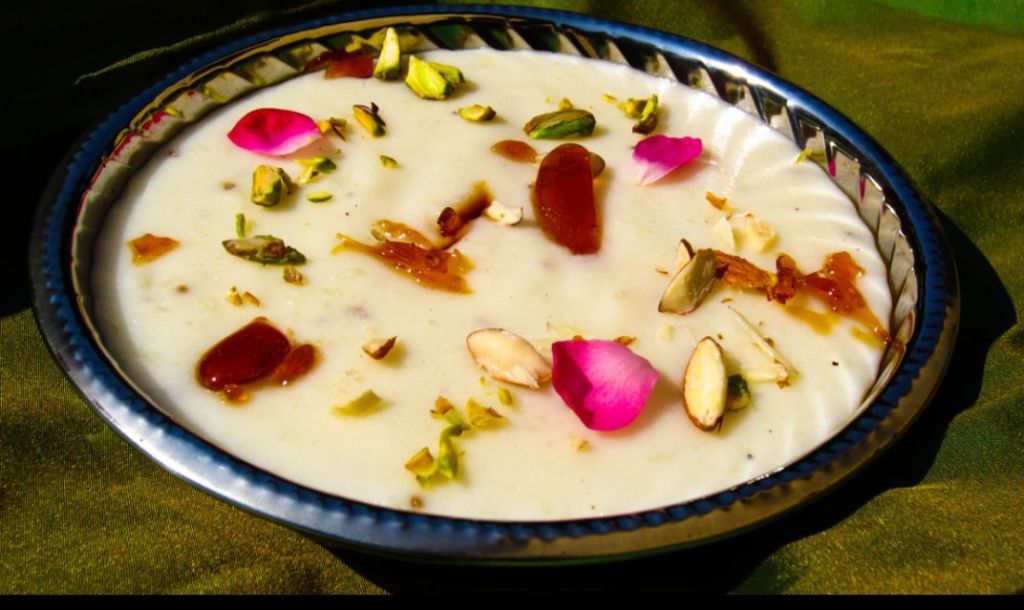
Bowl of chilled phirni garnished with pistachios, almonds, and rose petals.
Phirni (also known as firni) is a beloved North Indian dessert—a thick, creamy rice pudding cooked with milk and sugar, delicately flavored with saffron and cardamom. This classic treat is traditionally prepared during joyous celebrations like Diwali and Eid, and no family gathering feels complete without it. I remember my grandmother slow-cooking phirni on the stovetop, filling the house with the sweet aroma of simmering milk and spices, and then pouring it into small clay bowls to set. It’s believed that phirni has its roots in ancient Persia and was brought to India by the Mughal emperors. Over generations, it has become totally ingrained in Indian cuisine – a dessert that evokes nostalgia and warm family memories with every spoonful.
Ingredients
Basmati rice (raw) – ¼ cup (about 50 grams), rinsed and soaked
Whole milk – 1 liter (about 4 cups), full-fat for creaminess
Sugar – ½ cup (100 grams) or adjust to taste
Green cardamom – 4-5 pods, seeds crushed (or ½ teaspoon cardamom powder)
Saffron strands – 10-15 threads, steeped in 2 tablespoons warm milk
Almonds – 2 tablespoons, blanched and sliced (reserve some for garnish)
Pistachios – 2 tablespoons, sliced (for garnish)
Rose water (optional) – 1 teaspoon, for extra fragrance
Rose petals (optional) – a few, for garnish (washed, organic)
Earthen bowls (optional) – traditional clay bowls for setting and serving
Instructions
1. Prepare the Rice: Drain the soaked basmati rice and spread it on a clean cloth or plate to air-dry for 10-15 minutes. Once slightly dry, grind the rice into a coarse powder – aim for a texture like fine semolina (sooji). (You can also skip drying and grind the soaked rice directly to a paste, but a coarse texture is key for authentic phirni.)
2. Heat the Milk: In a heavy-bottomed pot, bring the milk to a gentle boil. Lower the heat to medium. Stir occasionally to prevent the milk from scorching at the bottom or forming a skin on top.
3. Mix in Rice: Take a few tablespoons of the hot milk and mix it with the ground rice to make a lump-free slurry. Slowly pour this rice-milk mixture into the simmering milk, stirring continuously. This step helps disperse the rice evenly and prevents any clumps from forming.
4. Cook the Pudding: Cook the rice and milk on low heat, stirring often with a spatula. As the mixture simmers, the ground rice will cook and the milk will begin to thicken. Scrape the sides and bottom of the pot regularly to avoid sticking. After about 10-15 minutes, the phirni will start to attain a velvety, thick consistency.
5. Sweeten and Flavor: When the rice is completely soft and the pudding has thickened, stir in the sugar until it dissolves. Add the crushed cardamom seeds and the saffron along with the infused milk. The saffron will impart a lovely golden hue and fragrance. Continue to cook for another 2-3 minutes, ensuring the sugar is fully dissolved and the flavors are well combined.
6. Finish with Nuts: Stir in the chopped or ground almonds (if using) and cook for another minute. Turn off the heat. The phirni should be creamy and thick, yet of pouring consistency (it will set further upon cooling).
7. Pour and Set: Pour the hot phirni into serving bowls. For an authentic touch, use small earthenware bowls (matka or shikora). The clay bowls naturally absorb excess moisture and enhance the texture and aroma of the phirni.
8. Chill: Let the bowls cool to room temperature, then cover them (with lids or foil) and refrigerate for at least 2 hours, or until the phirni is nicely chilled and firm. Phirni is always served cold for the best flavor and texture.
9. Garnish and Serve: Before serving, garnish each bowl of phirni with the reserved sliced almonds and pistachios. You can also sprinkle a few dried rose petals on top for a festive look. Serve the phirni chilled and enjoy the creamy, delicate flavors.
Tips for Texture and Flavor
Consistency of Rice: Grind the rice coarsely, not into a fine flour. A slightly grainy rice powder gives phirni its signature texture – creamy yet with a bit of body. If the rice is too finely ground, the pudding can become pasty; too coarse and it might be gritty, so aim for a happy medium.
Slow Cooking: Patience is key. Cook the phirni on a low flame and stir regularly. Slow cooking allows the milk to reduce and the flavors to concentrate, resulting in a richer taste. A heavy-bottomed pan is recommended to prevent burning.
Use Full-Fat Milk: Traditional phirni uses whole milk for a creamy richness. Skim milk won’t give the same results. For an extra indulgent version, you can even replace a portion of the milk with evaporated milk or add a couple of tablespoons of condensed milk, but the classic recipe is wonderful as is.
Flavor Enhancements: Saffron and cardamom are the classic flavorings – don’t skimp on them. Always bloom the saffron in warm milk before adding, to extract maximum color and aroma. If you don’t have saffron, a few drops of rose water or kewra (screw pine) essence can be added at the end of cooking for an aromatic twist.
Avoid Lumps: To prevent lumps, remember to stir the ground rice into milk slowly and whisk as you go. Creating a slurry with a bit of milk (as mentioned in the steps) is a handy trick to ensure a smooth result. If at any point you find lumps, you can also whisk vigorously or use an immersion blender briefly (off the heat) to smooth the pudding.
Sweetness Check: Phirni is meant to be sweet but not cloying. Taste the cooked mixture and adjust sugar if needed before setting it to chill. Keep in mind the cold temperature will slightly mellow the sweetness.
Serving and Storage Suggestions
Traditional Serving: For the most authentic experience, serve phirni in clay bowls. These bowls, called sakoras or matkas, not only look charming but also help thicken the dessert by absorbing moisture and add an earthy aroma. If you have them, soak the clay bowls in water for 30 minutes before use, which helps keep the phirni cold and prevents the bowls from drawing out too much liquid.
Garnish: Always top phirni with chopped nuts like almonds and pistachios for a lovely crunch that contrasts with the creamy pudding. Edible rose petals or a small sheet of edible silver leaf (chandi varq) can be added during festivals or weddings to make it look royal. A pinch of saffron strands on top of each bowl not only looks beautiful but hints at the flavor inside.
When to Serve: Phirni is best served chilled. Make it ahead of your event – it actually tastes better after a few hours as the flavors meld together. It’s a perfect dessert for festive occasions like Diwali, Eid, or family celebrations, and also a refreshing summer treat.
Storage: Keep phirni refrigerated until serving. If covered and kept cold, it stays fresh for about 2 to 3 days in the fridge. For longer storage, you can freeze phirni for up to a week, but the texture might turn slightly grainier upon thawing. Always store it in a well-sealed container or cover the bowls with cling film to prevent the pudding from absorbing any fridge odors.
Leftover Ideas: If you somehow have leftover phirni (which is rare in our home!), you can use it as a stuffing for pancakes or toast the next day for a fun fusion dessert. But generally, every last bit of this delicious pudding gets scraped clean from the bowl!
Enjoy your traditional homemade Phirni, and happy feasting! 😋
 The Pinch of Masala