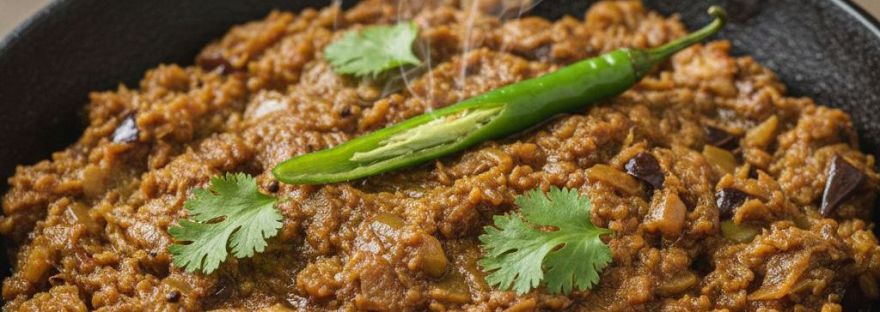
In our home, the arrival of winter wasn’t marked by a calendar, but by the scent of charred eggplant skin wafting from the kitchen. I remember my mother standing over the gas stove, her face glowing in the blue flame as she patiently rotated a large, purple globe of brinjal. She called it the “Smoky Soul” of the season. “You cannot rush the fire,” she would say, explaining that an oven or a microwave could never replicate the deep, primordial aroma of skin meeting an open flame. My mother was a self-taught scientist of flavor; she knew that the char wasn’t just burnt skin it was a signature of authenticity. She viewed this dish as a “Parasocial Companion,” a reliable bridge to her own childhood that she was now documenting for me. Today, at The Pinch of Masala, we are reclaiming the art of the “Slow Roast.” In a world of 2026 “Quiet Luxury” and “Simplicity with Purpose,” this recipe stands as a testament to the idea that the most profound flavors are often the most technical to achieve.
To ensure your Baingan Bharta has that unmistakable “Dhaba-style” depth without becoming a soggy mess, you must follow my mother’s two non-negotiable rules: The “Aromatic Infusion” Slit: Most people mash the garlic separately. My mother would make deep gashes in the raw eggplant and tuck whole garlic cloves inside before roasting. As the eggplant chars, the garlic steams in the vegetable’s own juices, softening into a sweet, buttery paste that infuses the entire pulp with flavor. The “Texture over Mash” Philosophy: In 2026, we value “Ingredient Integrity”. My mother never processed her vegetables into a paste. She insisted on roughly chopping the roasted eggplant and onions to maintain a rustic “hash” texture rather than a smooth puree. This provides a better “mouthfeel” and honors the “Fiber Revolution” by keeping the vegetable structures intact.
Prep time: 15 mins | Cook time: 30 mins | Servings: 4 Diet: Vegan, Gluten-Free | Cuisine: North Indian Heritage
Ingredients: 1 Large Eggplant (Bharta Baingan): Choose one that is light in weight; heavy ones are full of bitter seeds. 4-6 Cloves of Garlic: To be tucked into the eggplant. 2 Green Chillies: Slit.
The Masala Base: 2 Large Onions (roughly chopped), 3 Medium Tomatoes (roughly chopped), and 1 inch Ginger (grated).
Fat: 2 tbsp Mustard Oil (essential for that authentic “Heritage” zing).
Spices: 1 tsp Cumin seeds (Jeera), ½ tsp Turmeric, 1 tsp Kashmiri Red Chili powder, and ½ tsp Garam Masala.
The Finish: A handful of fresh Coriander and a squeeze of Lemon juice. Instructions:
The Roasting Ritual: Wash and dry the eggplant. Make 3–4 deep slits and insert the garlic cloves. Brush the skin lightly with mustard oil to prevent it from drying out too fast.
Fire Roast: Place the eggplant directly over an open gas flame. Rotate every 2 minutes for about 15–20 minutes until the skin is completely charred and black, and the flesh is very soft.
The Sweat: Remove from heat and place in a covered bowl for 5 minutes. The steam will help loosen the skin for easier peeling.
The Mash: Peel off the charred skin and discard the stem. Mash the eggplant and the roasted garlic with a fork leave it slightly chunky.
The Bhuna Base: Heat mustard oil in a pan until it smokes. Add cumin seeds. Once they sizzle, add the onions and green chillies. Sauté until the onions turn a deep golden brown.
The Red Union: Add the ginger, tomatoes, turmeric, and chili powder. Cook until the tomatoes break down and you see oil separating from the sides.
The Final Mix: Add the mashed eggplant. Stir well and cook uncovered for 5–8 minutes to let the flavors meld.
Serve: Season with salt, garam masala, and lemon juice. Garnish with plenty of fresh coriander.
The Liquid Gold: When you peel the roasted eggplant, you will see flavorful juices pooling on the plate. In the 2026 “Use-Up” economy, we value every drop. Pour those smoky juices back into the pan with the eggplant mash. It holds the most concentrated essence of the fire-roasting process and adds a depth of flavor that no spice can match.
The aroma of saffron and cardamom wafting through the house instantly brings back memories of family gatherings and festival celebrations. Meethe Chawal (literally “sweet rice”) is more than just a dessert – it’s a traditional Punjabi sweet saffron rice dish that symbolizes joy and togetherness. Often prepared during harvest festivals like Baisakhi and the winter bonfire festival of Lohri, this golden rice pulao is considered auspicious and is a staple on celebratory occasions. In many North Indian homes, a bowl of meethe chawal graces the table at weddings or family get-togethers, representing the wish for sweetness and prosperity in life. Each spoonful evokes nostalgia – from childhood Lohri nights where we huddled around a fire with warm sweet rice, to Baisakhi afternoons when neighbors exchanged bowls of this fragrant dessert as a gesture of goodwill and cheer.
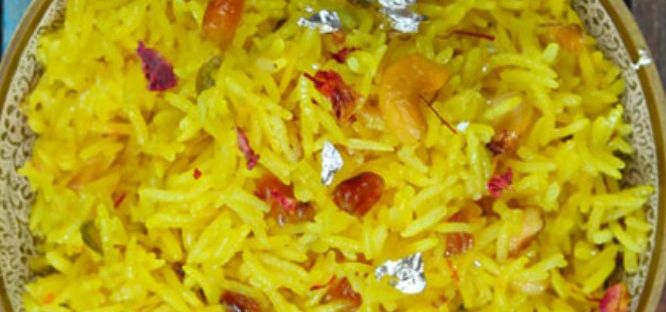
*Meethe Chawal served in an ornate metal bowl, garnished with glossy raisins, toasted almonds, and a few strands of saffron. In festive Punjabi traditions, the sweet saffron rice is often adorned with vark (edible silver foil) and presented alongside nuts and spices, symbolizing the richness of the celebration. The golden hue of the rice comes from premium saffron threads and a pinch of turmeric, making it a vibrant centerpiece on any festival thali.*
Ingredients
1 cup basmati rice, long-grain preferred (soaked 20–30 minutes)
2–3 tablespoons ghee (clarified butter)
½ cup sugar (adjust to taste)
4–5 green cardamom pods (crushed lightly for aroma)
1 pinch saffron strands (about ¼ teaspoon, soaked in 2 tablespoons warm milk or water)
2 tablespoons raisins (golden raisins or sultanas)
2 tablespoons cashews or pistachios (optional, for extra nutty richness)
½ teaspoon turmeric powder (optional, for deeper yellow color if needed)
2 cloves & 1 small cinnamon stick (optional whole spices for added warmth)
2 cups water (for cooking the rice)
These ingredients yield a small pot of Meethe Chawal, about 4 servings. You can scale up as needed, maintaining roughly a 1:2 ratio of rice to water for cooking.
Instructions
1. Rinse and Soak the Rice: Wash the basmati rice in cold water until the water runs clear. Soak the rice in plenty of water for about 20–30 minutes, then drain. (Soaking helps each grain cook longer without breaking and results in fluffier, longer rice grains.) Meanwhile, warm the saffron strands in a tablespoon or two of milk (or water) and set aside to steep. The saffron will release a deep golden color and aroma into the liquid.
2. Prepare Flavorful Ghee Base: In a heavy-bottomed pot or kadhai, heat 2 tablespoons of ghee on medium heat. Once hot, add the crushed cardamom pods (and cloves and cinnamon stick, if using). Sauté the spices for a minute until aromatic – you’ll smell the sweet cardamom fragrance. Be careful not to burn them.
3. Fry Nuts and Raisins: Add the chopped almonds, cashews (if using) and raisins to the ghee. Fry for 30–60 seconds, stirring constantly, until the nuts turn light golden and the raisins plump up. Remove the fried nuts and raisins with a slotted spoon and set aside for later garnish. (Frying in ghee gives the nuts a toasted crunch and infuses the ghee with nutty flavor.)
4. Toast the Rice: In the remaining ghee (add another 1 tablespoon if the pot is dry), gently stir in the drained basmati rice. Sauté the rice for 1–2 minutes on medium-low heat, coating each grain with ghee and spices. Toasting the rice lightly in ghee helps keep the grains separate and imparts a nutty aroma.
5. Simmer with Saffron and Sugar: Pour in 2 cups of water and the saffron along with its soaking milk/water. Add the sugar and a tiny pinch of salt (to enhance sweetness). Stir everything gently just once to distribute the saffron and sugar – the liquid will already start taking on a lovely yellow hue from the saffron. Increase heat to bring the mixture to a boil.
6. Cook the Rice: When the water comes to a boil, reduce the heat to low, cover the pot with a tight-fitting lid, and let the rice cook undisturbed for about 10–12 minutes. (If using a very heavy pot or scaling up the recipe, you may need a few extra minutes.) Do not open or stir frequently, as the steam trapped inside is cooking the rice. After about 10 minutes, check if most of the water is absorbed – you’ll see holes or dimples on the surface of the rice and might hear a subtle sizzling sound, which indicates the water has mostly steamed off.
7. Steam and Fluff: Turn off the heat (or keep it on the absolute lowest setting) and let the covered pot sit for another 5–7 minutes. This resting time allows the rice to finish cooking in its own steam. Afterwards, lift the lid and gently fluff the sweet rice with a fork. The grains should be cooked through yet separate, not mushy or clumped. Each strand of rice will be long, aromatic, and tinged yellow from the saffron (and turmeric, if added).
8. Add Ghee & Garnish: Drizzle the remaining 1 tablespoon of ghee over the fluffed rice and gently mix. (A bit of extra ghee at the end adds shine and keeps the rice moist). Now fold in most of the fried nuts and raisins, reserving a few for garnish. Do not stir vigorously – use a light hand to avoid breaking the rice. Finally, sprinkle the reserved almonds and raisins on top. You can also decorate with a few saffron strands and even edible silver foil if you have it for a festive touch.
9. Serve: Serve the Meethe Chawal warm. It can be enjoyed on its own as a dessert, or as part of a larger meal. For the authentic Punjabi presentation, dish out the sweet rice in a brass or silver bowl and garnish with the remaining nuts and a pinch of saffron strands on top. Enjoy the heavenly aroma of saffron and cardamom in every bite!
Tips for Perfect Texture & Flavor
Use Good-Quality Basmati: Always choose long-grain basmati rice for meethe chawal. The long grains and lower starch content ensure the cooked rice remains fluffy and separate, not sticky. Inferior or short-grain rice can turn mushy, so splurge on the best basmati for this special dish.
Soak and Rinse Rice: Don’t skip the soaking step. Soaking rice for about 30 minutes not only shortens the cooking time but also prevents the grains from breaking. Rinsing beforehand washes away excess starch. This all helps in achieving that perfect non-sticky texture.
Heavy Pan & Gentle Heat: Cook the rice in a wide, heavy-bottomed pan with a tight lid. A heavy pan distributes heat evenly and prevents the sugar in the recipe from burning or the rice from catching at the bottom. Keep the flame low once it’s simmering – patience is key to allow gentle steaming. Avoid stirring while simmering, as it can make the rice release starch and become sticky.
Correct Water & Sugar Ratio: For fluffy rice, use roughly 2 cups of water per 1 cup of basmati when cooking everything in one pot. This accounts for the added sugar, which will melt and release moisture as the rice cooks. If you notice the rice is still too firm when time’s up and there’s no water left, you can sprinkle a few extra tablespoons of hot water and cover for a few more minutes. Also, add the sugar after the rice is partially cooked (as in our method) to avoid hindering the rice from cooking through – sugar creates a syrup that can slow softening of the grain.
Saffron Soaking: Saffron is the star of this dish, providing both color and fragrance. Crumble the saffron strands slightly and soak them in warm milk or water for at least 15–20 minutes (you can even do this before you start prepping anything else). This allows the saffron to bloom and release its full hue and aroma, which then gets evenly distributed in the rice. You’ll get a beautiful golden color without needing any artificial food dye.
Fluff, Don’t Stir: Once the meethe chawal is cooked, use a fork to gently fluff up the rice. Never mash or stir vigorously, as the delicate grains can break or turn pasty. Fluffing helps to separate the grains. If the rice looks a bit wet when just finished, the 5-minute rest with the lid on (heat off) will fix that by absorbing excess moisture. Just before serving, gently toss again to mix the nuts and raisins so every serving has some.
Taste and Balance: Meethe Chawal should be richly sweet but not cloying. ½ cup sugar for 1 cup of rice yields a dessert-level sweetness; you can adjust to your preference. A tiny pinch of salt in the dish accentuates the sweetness (it won’t taste salty, just more balanced). The cardamom and cloves infuse warmth, so don’t skip them entirely – if you prefer a milder spice note, you can remove the whole spices before serving.
Extra Richness (Optional): For special occasions, some families make this dish extra indulgent. You can stir in a couple of tablespoons of crumbled khoya (mawa) or milk powder at the end for a richer texture, or even a spoon of condensed milk for a stickier sweet rice. Edible rose petals or a few drops of rose water/kewra essence can be added on top for a royal touch (this is common in Mughlai versions). However, these extras are optional – the classic recipe is delicious in its simplicity with saffron, nuts, and ghee.
Serving Suggestions and Accompaniments
Meethe Chawal is traditionally served as part of a festive thali (platter) or as a sweet finish to an elaborate meal. Here are a few serving ideas and pairings:
Festive Thali: Include meethe chawal in your festival spread alongside other Punjabi favorites. It sits beautifully in a small katori (bowl) on a thali that might feature dishes like chole (spiced chickpeas), puri (fried bread), and raita. The sweet rice provides a welcome contrast to spicy and tangy items on the plate. In Punjabi cuisine, it’s common to end a special meal with a spoonful of this sweet saffron rice as a sign of celebration.
Dessert Bowl: Of course, you can serve meethe chawal purely as a dessert on its own. After a robust Indian meal (say, palak paneer, dal makhani, and roti), a small bowl of warm sweet saffron rice makes for a perfect dessert that isn’t too heavy. The fragrant rice with nuts can also be paired with a scoop of vanilla ice cream for a East-meets-West fusion dessert – the cold creamy ice cream with the warm spiced rice is a surprisingly delicious combo.
Festive Drink Pairing: If you’re enjoying meethe chawal during festivals like Lohri or Diwali, consider serving it with a glass of masala chai or warm badam milk (almond-spiced milk). The milky drink complements the sweet rice and enhances the cozy festive vibe. On Basant Panchami (spring festival), serve the yellow rice with other yellow-hued foods or drinks (like mango panna or saffron sherbet) to go all-out with the theme of prosperity and sunshine.
Meethe Chawal truly shines during festivals – it’s commonly made for Basant Panchami, Diwali, Eid, and Gurpurabs, among others. But you don’t need to wait for a special day to enjoy this comfort food. Whenever you crave a sweet, aromatic treat, this recipe is at your service. Each bite of the soft, saffron-infused rice with crunchy nuts and plump raisins is a reminder of Punjab’s rich culinary heritage and the simple joys of life. Serve it with love, and you’ll understand why this dish has been a beloved part of North Indian celebrations for generations.


 The Pinch of Masala