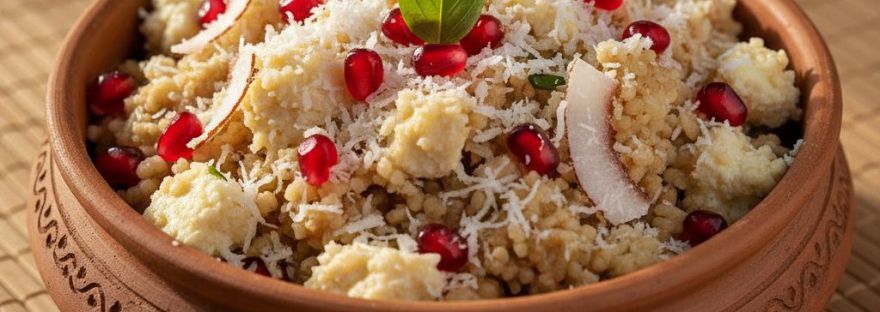
Dessert, Traditional Food

Authentic Makara Chaula: Traditional Odisha Sankranti Recipe

In our home, the year didn’t begin with a calendar flip; it began when the sun entered the zodiac of Makara (Capricorn). While the recipe for Makara Chaula is an ancient heirloom documented in temple chronicles like the Madala Panji, it was my mother who taught me the spiritual weight of this “no-cook” dish.
I remember her waking before dawn in the mid-January chill, performing her ritual bath before touching the newly harvested Arua Chaula (raw rice). She believed that because this dish was uncooked, every ingredient had to be in its state of highest purity. “Cooking with fire changes a grain,” she would say, “but Makara Chaula is a direct conversation between the farmer and the Sun God.” She viewed this dish as a “Parasocial Companion” a sweet, wholesome anchor that transformed neighbors into “Makar” friends through a sacred bond of shared food.
Today, at The Pinch of Masala, we are documenting this agrarian ritual for a 2026 audience that values “Ingredient Integrity” and the “Quiet Luxury” of heritage soul-food.

The barrier to a perfect Makara Chaula is often the texture getting it creamy and cohesive without turning the raw rice into a gritty powder. To master this sacred custard, follow my mother’s three non-negotiable rules:
The “Dardara” Pulse: This is the ultimate “Digital Anthropologist” secret. The rice should never be ground into a fine flour. It must be pulsed until it reaches a coarse, “semolina-like” texture known as dardara. This provides the signature “crunch” that contrasts with the creamy chhena and soft bananas.
The Temperature Balance: In 2026, we prioritize holistic wellness. My mother always added black pepper (golmarich) and grated ginger to the mixture. Because raw rice is considered “cold” in nature, these warming aromatics are essential to balance the dish for the winter digestive system.
The “Hand-Mashing” Bond: She never used a mixer for the final assembly. She insisted that the heat from your palms as you mash the bananas, jaggery, and chhena into the rice is what “awakens” the flavors and creates a velvety, natural bind.

Prep time: 15 mins | Soaking: 4 hours | Servings: 6
Diet: Vegetarian, Gluten-Free, No-Cook | Cuisine: Odia Heritage
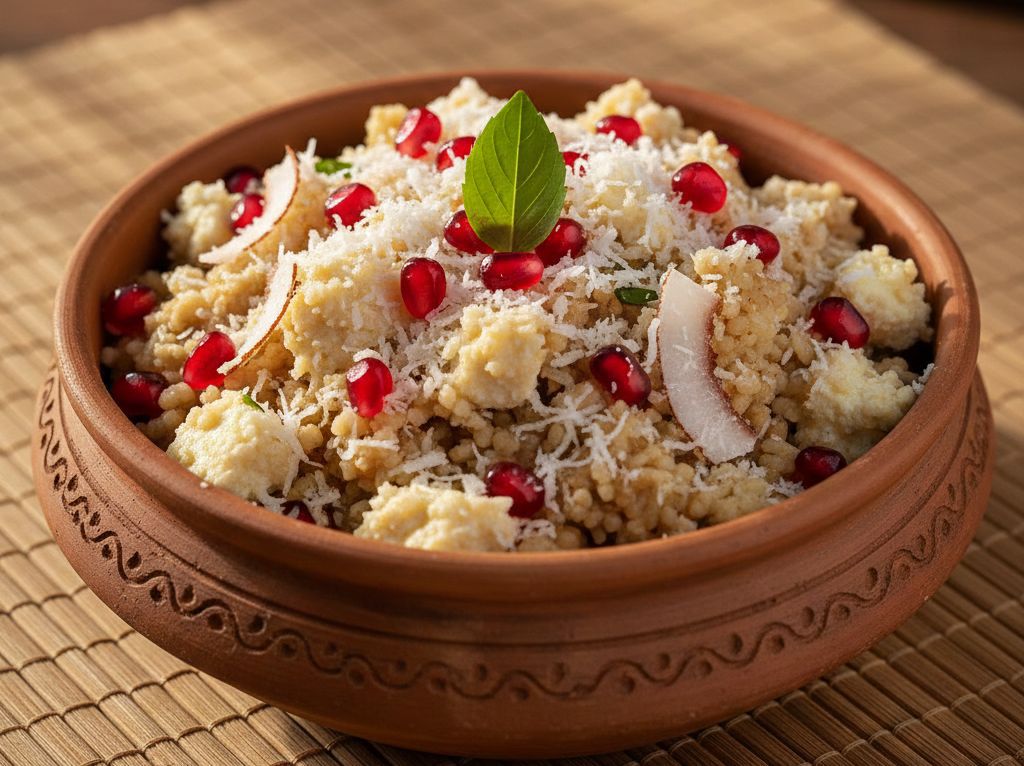
Ingredients:

1 cup Newly Harvested Arua Chaula (Raw Rice): Soaked for 3-4 hours and drained completely.

½ cup Freshly Grated Coconut: (Nadia) for richness.

½ cup Fresh Chenna (Cottage Cheese): Homemade is best for prosperity.

2 Ripe Bananas (Kadali): Smashed to act as a binder.

½ cup Jaggery (Guda): Adjust to taste (symbolizes happiness).

The Aromatics: 1 tsp grated Ginger, ½ tsp crushed Black Pepper, and a tiny pinch of Edible Camphor (Karpura).

The Seasonal Medley: Sliced sugarcane pieces, pomegranate pearls, grapes, and orange segments.

The Sacred Finish: 5-6 Tulsi leaves (for devotion) and ¼ cup whole milk (optional, for a softer texture).

Instructions:

The Grind: Pulse the soaked and dried rice in a blender (or use a traditional stone mortar) until it is coarsely ground (dardara). Mix in the grated coconut and pulse again for 5 seconds.

The Creamy Base: In a large bowl, combine the smashed bananas, chhena, and jaggery. Mash with your hands until the jaggery dissolves into a smooth, creamy paste.

The Union: Add the coarse rice-coconut mixture to the base.

The Heat & Spice: Fold in the grated ginger, crushed black pepper, and the pinch of camphor. The pepper is crucial for winter vitality.

The Bounty: Add the milk (if using) and toss in all the seasonal fruits and sugarcane pieces.

The Offering: Garnish with Tulsi leaves. Traditionally, this is offered to the Sun God (Surya Dev) before being shared among family and friends.

The Pod Stock: In the 2026 “Use-Up” economy, we value every scrap. If you are using fresh sugarcane, save the fibrous skins and tough ends. Boil them in water to create a sweet “Sugarcane Tea” or use it as a base for a Winter Kadha. It adds a natural, mineral-rich sweetness that perfectly aligns with current sustainability trends.
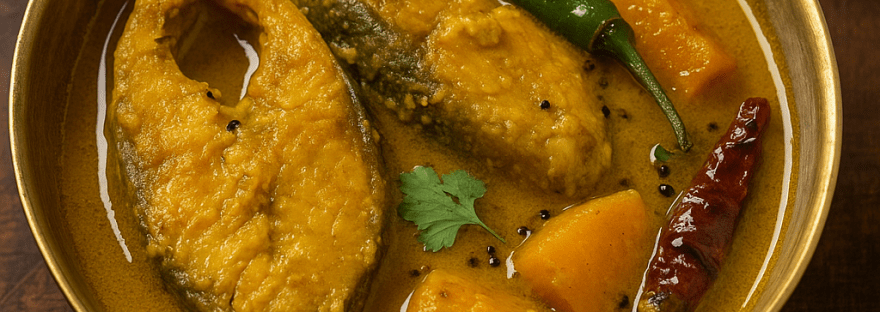
Odia Recipe

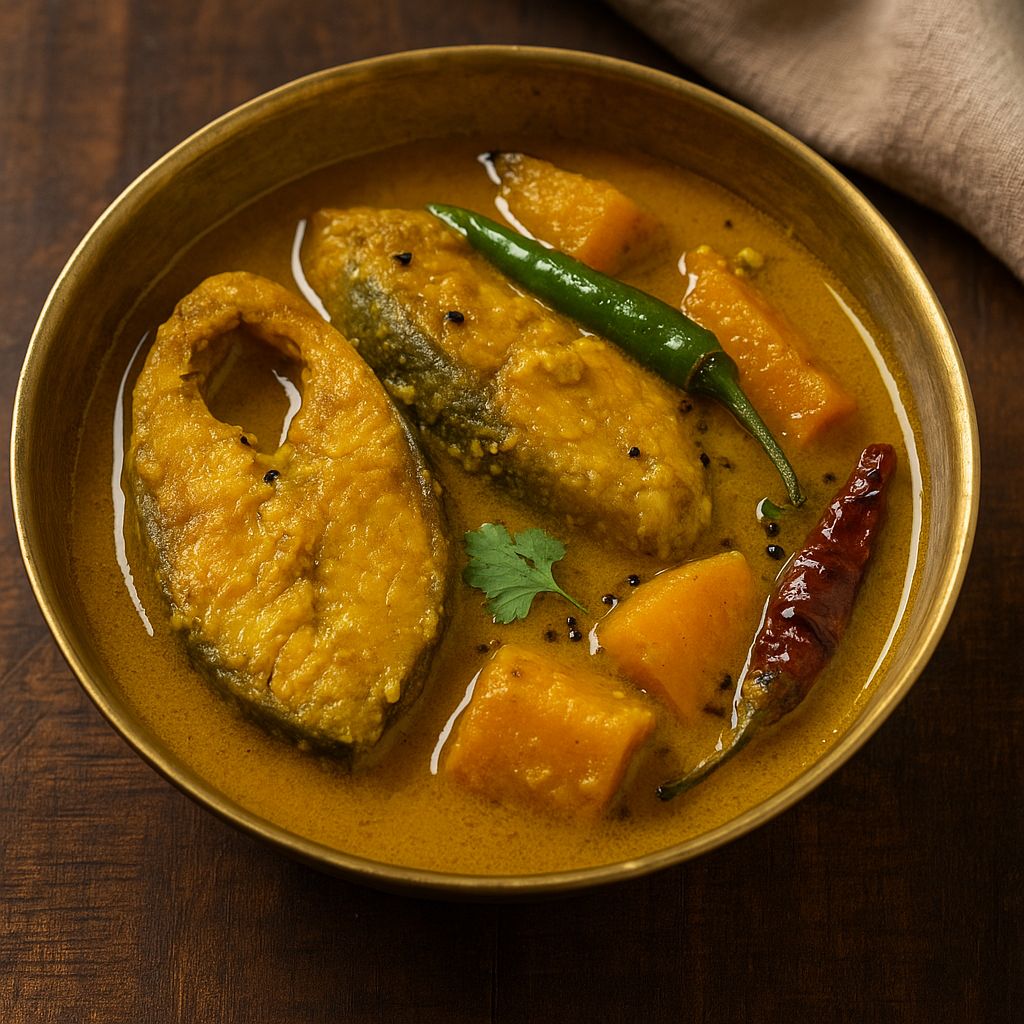
Macha Besara – Odisha’s Traditional Fish in Mustard Gravy (The Soulful Taste of Coastal Kitchens)

There are some dishes in Odisha that do not just belong to our cuisine  they belong to our identity.
For every Odia raised near the sea, the riverbanks, the shimmering ponds of the village, or even the bustling fish markets of Cuttack, Macha Besara is not just a curry it is a memory, a ritual, a symbol of home.

I grew up watching elders grind mustard seeds on the silbatta, the aroma filling the kitchen long before the first piece of fish touched the pan. In coastal Odisha, especially in districts like Kendrapara, Jagatsinghpur, Puri, Jajpur, Bhadrak, and Balasore, Besara is as essential as Dalma. It carries the sharp fragrance of mustard, the earthiness of haldi, the heat of green chilies, and the comfort of fish simmered slowly until tender.

Every Odia household prepares Besara slightly differently some make it fiery hot, some make it tangy with ambula (dried mango), some add vegetables like pumpkin, raw banana, or drumstick, and some keep it minimal and pure. But the heart of Besara is always the same:

Sorisa bata (mustard paste).
The soul of Odisha.

This is not a dish from restaurants, hotels, or dhabas.
This is a dish from homes.
From mothers’ hands.
From grandmothers’ rituals.
From mustard-oil-soaked memories.

Today, let’s bring that exact authenticity to your kitchen just the way it is cooked traditionally in Odia homes.

What Is Macha Besara?

Macha = Fish
Besara = Mustard gravy

So Macha Besara is fish cooked in a fragrant mustard sauce along with turmeric, garlic, chilies, and sometimes vegetables.

No garam masala.
No onion-tomato base.
No heavy spices.

Just clean, bold, mustard-forward Odia flavors.

This dish represents:

The agriculture of Odisha (mustard, turmeric, vegetables)

The coastline and rivers (fresh fish)

The temple influence (minimal ingredients, no onion/garlic in some regions)

The satvik spirit of Odia cuisine

The flavor of mustard oil, which no Odia kitchen can live without


Besara has been part of Odia cooking for centuries, and even Lord Jagannath’s Mahaprasad uses versions of Besara for vegetables. The fish version, however, is purely a household delicacy — a warm weekend lunch with steaming rice, a relaxed afternoon, and the fragrance of mustard lingering in the air.

Ingredients Needed for Authentic Odia Macha Besara

For the Fish Marinade

6–8 pieces Rohu / Catla / any freshwater river fish

1 tsp turmeric

Salt

1 tbsp mustard oil


For the Mustard Paste (Sorisa Bata)

2 tbsp mustard seeds (yellow or black; yellow is milder, black is more pungent)

1 tsp cumin seeds

6–7 garlic cloves

2–3 green chilies

A pinch of salt

Water (just enough to grind, very minimal)


For the Curry

1 medium potato (optional), cut into wedges

4–5 pieces raw banana (optional)

4–6 pieces pumpkin (very traditional in vegetable besara)

1–2 pieces ambula (dried mango) or ½ tsp mustard paste–soaked tamarind water

3–4 green chilies, slit

½ tsp turmeric

Salt to taste

2–3 tbsp mustard oil

Warm water as needed


For Tempering

½ tsp mustard seeds

½ tsp cumin seeds

1–2 dried red chilies

How to Make Macha Besara (Step-By-Step, Traditional Odia Method)

1️⃣ Marinate the Fish

Wash fish pieces thoroughly. Add:

Turmeric

Salt

A spoon of mustard oil


Mix and keep aside for 15 minutes. This step removes raw smell and tightens the flesh slightly, helping the fish fry better.

2️⃣ Prepare the Mustard Paste (Sorisa Bata)

This is the heart of Besara.

Soak mustard seeds and cumin for 10 minutes to avoid bitterness. Then grind with:

Garlic

Green chilies

A pinch of salt


Add very little water. The paste must be THICK.

Traditional trick:
If the mustard paste tastes bitter, add 1 tsp curd while grinding. It balances the flavor beautifully.

3️⃣ Lightly Fry the Fish

In a kadhai:

Heat mustard oil to smoking point

Lower flame

Add fish pieces and fry lightly (not deep brown; just sealed)


Remove and keep aside.

4️⃣ Cook the Vegetables

In the remaining oil:

Add mustard seeds + cumin + dried red chilies

Let them crackle

Add the vegetables (potato, raw banana, pumpkin, etc.)

Sprinkle turmeric + salt

Sauté for 3–4 minutes

Add warm water

Cover and cook until vegetables are 70% done


5️⃣ Add Mustard Paste and Cook Slowly

Lower the flame completely.

Add the mustard paste to the vegetables and mix carefully.

Add a little warm water to adjust consistency.
Add green chilies and let everything simmer (not boil vigorously — mustard can split).

6️⃣ Add Ambula

Ambula (sun-dried mango) is EXCLUSIVE to Odisha.
It gives Besara its characteristic soft tang.

Add:

1–2 pieces ambula
OR

1 tsp tamarind water


Cover and cook for 5–7 minutes.

7️⃣ Add Fried Fish and Finish

Add the lightly fried fish pieces gently.

Let them simmer for 5–8 minutes so the mustard gravy coats them fully.

Finish with:

1 tsp raw mustard oil drizzled on top

Green chili slit

Optional coriander (though many homes skip this for purity)

How To Serve Macha Besara (Odia Style)

Serve only with steaming hot rice.

Besara is not eaten with roti or anything else.

A perfect Odia Besara lunch includes:

✔ Steamed rice
✔ Macha Besara
✔ Saga Bhaja (spinach or amaranth stir fry)
✔ Badi Chura
✔ Dahi
✔ Aloo Bharta
✔ Fried Dry Chilies

A true feast of Odisha.

Variations of Macha Besara Across Odisha

1. Coastal Besara (Puri, Kendrapara, Jagatsinghpur)

Very pungent mustard

More green chilies

Thin gravy

Often includes pumpkin or raw banana


2. Cuttack Style

Uses ambula generously

Slightly thicker mustard gravy

Often cooked with rohu only


3. Mayurbhanj / Tribal Style

Uses forest mushrooms + fish together

No garlic

Often wood-smoked


4. Brahmin / Temple-Inspired Version

No onion or garlic

Minimal spices

Pure mustard-cumin flavor

Tips for the Best Besara

Use mustard oil only no substitutes.

Do not over-boil mustard paste; it turns bitter.

Always soak mustard before grinding.

Add curd if mustard becomes too pungent.

Use thick, fresh rohu/catla for best texture.

Let the gravy rest 30 minutes before serving — flavors deepen.

A Memory from Home

I remember summer afternoons when fresh river rohu arrived wrapped in banana leaves.
My grandmother would immediately prepare:

a silbatta

a handful of wet mustard seeds

garlic

green chilies


The rhythmic grinding sound meant only one thing Macha Besara was coming.

Even today, when I drizzle that final spoon of raw mustard oil on my pot of Besara, the same aroma fills my kitchen, taking me back to that verandah, that silbatta, and that peaceful slow cooking that defines Odia food.

Besara is not just mustard and fish.

It is heritage.
It is home.
It is Odisha.