
As the monsoon rain patters against the window, I’m transported back to my childhood kitchen. My mother would whip up Prawn Pakoras on those cozy rainy afternoons – the sizzle of batter hitting hot oil and the irresistible aroma of spices filled our home. These golden shrimp fritters were more than just a snack; they were a warm hug on a dreary day, served with stories and steaming cups of chai. Every bite brings back nostalgic memories of laughter, wet socks drying by the stove, and plates piled high with crispy pakoras.
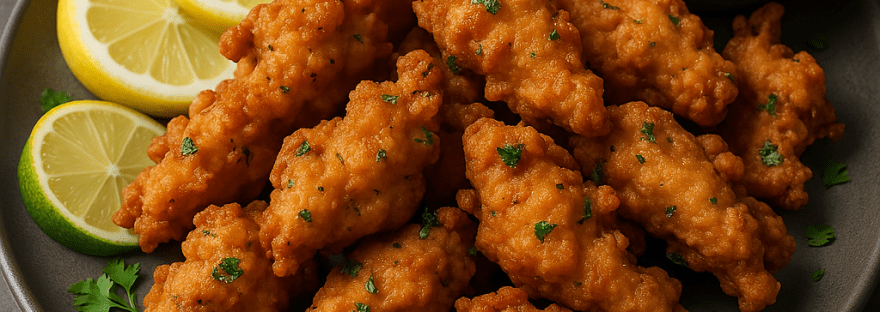
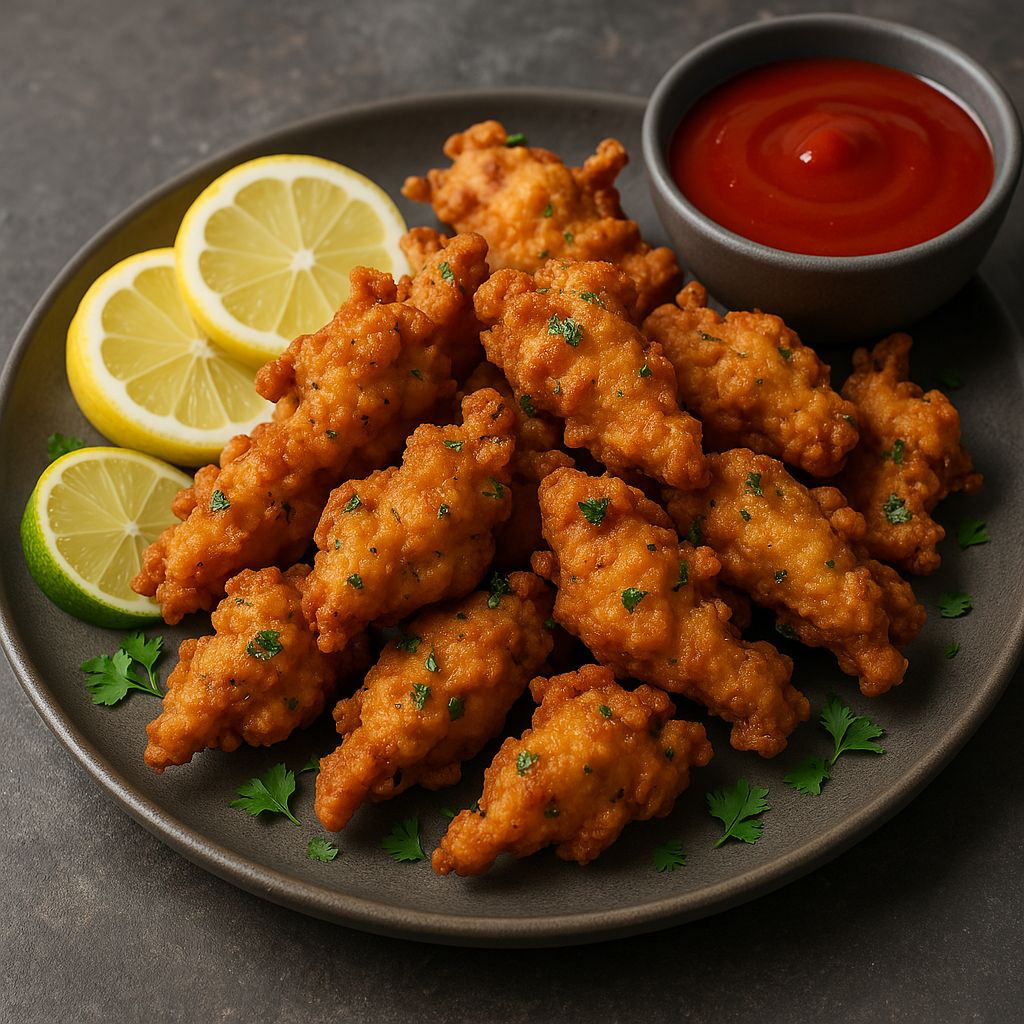
Piping hot Prawn Pakoras served with zesty green chutney – an inviting treat on a monsoon evening.
Pakoras are a classic Indian fritter made primarily with gram flour (besan). A touch of rice flour or cornstarch is often added to the batter to give extra crunch. Prawn Pakora takes this beloved snack to the next level – succulent prawns are marinated in aromatic spices and fresh herbs, then dipped in a spiced besan batter and deep-fried until golden and crisp. The result is a tantalizing combination of textures and flavors: crunchy on the outside with tender, juicy shrimp inside. It’s the kind of appetizer that disappears as soon as it’s out of the oil, especially when served with a tangy chutney or a squeeze of lemon. In this North Indian-style recipe, we’ll walk through marinating the prawns, preparing the perfect batter, and frying them to crispy perfection.

Ingredients
Here’s everything you need to make Prawn Pakora at home. Measure and prep the ingredients before you start:
Prawns (Shrimp): 300 g small or medium prawns (about ½ lb), peeled and deveined. (Smaller prawns are extra flavorful, but use any size – just ensure they’re cleaned well.)
Gram Flour (Besan): 1 cup chickpea flour. This forms the base of the batter, giving pakoras their distinctive nutty flavor.
Rice Flour: 2 tablespoons. Mixing a bit of rice flour with besan helps make the fritters extra crispy.
Ginger-Garlic Paste: 2 teaspoons (or 1 teaspoon each of freshly grated ginger and minced garlic). This infuses warm, pungent flavor into the marination.
Green Chilies: 2, finely chopped. Adjust to taste for heat. (You can substitute ½ teaspoon red chili powder or a pinch of black pepper if you prefer less heat.)
Fresh Herbs: 2 tablespoons chopped fresh coriander leaves (cilantro) for brightness. (Optional: 5–6 curry leaves, finely chopped, for a South Indian twist of aroma.)
Spices:
Red Chili Powder: 1 teaspoon, for heat and color (adjust to your spice preference).
Turmeric Powder: ½ teaspoon, for earthy flavor and a warm golden color.
Cumin Powder: 1 teaspoon, adds a nutty, smoky note (cumin seeds lightly crushed can also be used).
Coriander Powder: 1 teaspoon, for a fragrant citrusy hint.
Garam Masala: ½ teaspoon (optional), for a complex warmth. Use sparingly so it doesn’t overpower the shrimp’s delicate taste.
Ajwain (Carom Seeds): ¼ teaspoon (optional), lightly crushed. A traditional North Indian touch that adds a lovely aroma and helps in digesting the besan batter.
Lemon Juice: 2 teaspoons. The acidity tenderizes the prawns and adds tanginess. (If using, don’t marinate for too long as the acid can start “cooking” the shrimp.)
Baking Soda: a pinch (optional). Helps lighten the batter for a fluffier, soft-inside texture, but use very little to avoid oil absorption.
Salt: 1 teaspoon (adjust to taste). Divided use – some for marinating prawns, the rest for the batter.
Oil: for deep frying (about 2–3 cups of a neutral oil like vegetable or peanut oil, enough for a depth of 2–3 inches in your pan).
Step-by-Step Instructions
Follow these steps to make perfectly crispy prawn pakoras. We’ll start by marinating the shrimp, then prepare the batter, and finally fry the pakoras until golden-brown.
1. Marinate the Prawns: In a mixing bowl, add the cleaned prawns. Pat them dry with a paper towel to remove excess water. Stir in ½ teaspoon salt, ½ teaspoon red chili powder, and the ½ teaspoon turmeric. Add the ginger-garlic paste, half of the chopped green chilies, and the lemon juice. Toss everything well so the prawns are evenly coated in this spice mix. Let them marinate for about 15 minutes (this infuses flavor, but avoid marinating much longer, especially if using lemon, as the shrimp can turn mushy if left too long). While the prawns are marinating, you can prep the batter ingredients.
2. Prepare the Pakora Batter: In a separate bowl, combine the dry ingredients – gram flour, rice flour, remaining ½ teaspoon salt, ½ teaspoon red chili powder, cumin powder, coriander powder, and garam masala (if using). Mix these dry spices and flours together. Now add the chopped fresh coriander leaves, remaining green chilies, and ajwain (if using) to the bowl. Pour in water gradually (around ½ cup to start), whisking or stirring continuously to avoid lumps, until you get a smooth, thick batter. The batter should be of a coating consistency – not as thin as crepe batter and not as thick as dough. Lift the spoon: the batter should cling and coat the back of a spoon thickly. If it’s too thick, add a tablespoon of water at a time; if too thin, sprinkle a bit more besan. Finally, mix in a pinch of baking soda (optional) and give the batter a last good stir.
3. Coat Prawns in Batter: Add the marinated prawns (along with any juices from the marinade) into the batter. Stir gently to coat each prawn well with the batter. The moisture from the prawns and lemon juice usually is enough to loosen the batter slightly; if the mixture looks very thick or dry, you can add a teaspoon or two of water. Ensure the prawns, along with bits of chili and herb, are evenly dispersed in the batter. (If you used small prawns, you might find they clump together with batter – that’s okay, you can fry small clusters or individual pieces as you prefer.)
4. Heat the Oil: Heat oil in a deep kadhai (wok) or heavy-bottomed pan. You need enough oil for deep frying (about 2 inches deep). Heat the oil on medium flame until it’s hot but not smoking (around 350–360°F if you have a thermometer). To test without a thermometer, drop a tiny bit of batter into the oil – it should sizzle and rise to the top immediately but not turn brown instantly. Tip: Keep the flame at medium-high once the oil is hot; this ensures the pakoras cook through and turn crispy without soaking up oil.
5. Fry the Prawn Pakoras: Once the oil is ready, it’s time to fry in batches. Do not overcrowd the pan (adding too many at once can lower the oil temperature and make the fritters oily or cause the batter to disperse). Using your fingers or a spoon, carefully drop battered prawns into the hot oil. You can fry them one by one or in small clusters (for example, a spoonful of batter that has 2–3 small prawns plus some onions/herbs from the batter). Be cautious as you slide them in to avoid splashes. Fry on medium-high heat. After about 2–3 minutes, the pakoras will start to turn golden on the bottom; gently flip each piece using a slotted spoon. Continue frying another 2–3 minutes on the other side until the pakoras are golden brown and crispy. The prawns cook quickly, so total frying time is usually 5–6 minutes per batch (larger prawns might need an extra minute). Remember, prawns can toughen if overcooked, so aim to remove them once the crust is just golden and the bubbling of oil has slightly reduced.
6. Drain and Repeat: Using a slotted spoon, lift out the fried pakoras, letting excess oil drip back into the pan. Place the fried prawn pakoras on a plate lined with paper towels or (even better) on a wire rack set over a tray, which keeps them crisp by allowing excess oil to drain away. Let the oil reheat to the right temperature between batches if needed. Continue frying the remaining prawns in batches the same way. Optional: For an extra-crispy result, you can double-fry the pakoras. Once all batches are done, put the already fried pakoras back into the hot oil for just 30–60 seconds and remove. This second fry makes them superbly crunchy. (It’s an optional step if you want that restaurant-like crunch.)
7. Serve: Transfer the hot prawn pakoras to a serving platter. Sprinkle a pinch of chaat masala on top for a tangy kick (optional but highly recommended). Serve immediately while they’re hot and crisp – see below for serving ideas and accompaniments.
Tips for Extra Crispy Pakoras
Making pakoras is simple, but a few tips can help ensure they turn out extra crispy and delicious:
Dry the Prawns: Excess moisture is the enemy of crispiness. After washing the prawns, pat them very dry. If using frozen prawns, thaw completely and drain well. Any water released from the prawns can thin out the batter and prevent it from coating properly, resulting in a soft exterior.
Besan + Rice Flour: Always use fresh gram flour (besan) for best flavor. Mix in a bit of rice flour or cornstarch with the besan – this yields a crunchier texture in the fried pakoras. The combination of flours helps the fritters stay crisp even after cooling for a bit.
Batter Consistency: Make sure your batter is moderately thick. A runny batter won’t cling and will produce flat, oily pakoras, while an overly thick batter can make them doughy. It should be just thick enough to coat the prawns generously.
Hot Oil, Medium-High Flame: The oil temperature should be hot (around 350°F/175°C). If the oil isn’t hot enough, the pakoras will absorb more oil and turn soggy. Conversely, if oil is too hot, they’ll brown quickly outside but the prawn inside may remain undercooked. Maintain a medium-high flame for even cooking – this way the prawns cook through while the outside gets crunchy.
Fry in Batches, Don’t Crowd: Fry the pakoras in small batches. Crowding the pan will drop the oil temperature and cause uneven cooking (and greasier fritters). Give the pakoras enough space to float and fry freely. Between batches, let the oil come back up to temperature.
Double Fry Technique: For the ultimate crispiness, try double frying. This is a trick where you fry the pakoras until almost done, take them out to rest for a minute, and then fry them again briefly. This extra step dries out any excess moisture and makes the pakoras exceptionally crunchy. It’s the secret to restaurant-style crunch, especially great if you plan to serve the pakoras after a while.
Use a Wire Rack: If you have one, let fried pakoras rest on a wire rack instead of paper towels. This prevents them from sitting in oil and steaming themselves soft. If using paper towels, don’t leave them piled up for too long.
Serving Immediately: Pakoras are best enjoyed fresh. They will gradually soften as they cool (due to moisture from the prawn and ambient humidity), so plan to serve them hot and within 10-15 minutes of frying for the best texture.
Serving Suggestions
Prawn pakoras truly shine when paired with the right accompaniments. Here are some serving ideas to complete the experience:
Chutneys: The classic pairing is a vibrant Mint-Coriander Chutney, which offers a cool herby contrast to the hot, spicy pakoras. Tamarind-Date Chutney is another favorite – its sweet-tangy notes complement the savory fritters beautifully. If you have imli (tamarind) or mint chutney on hand, put out a bowl for dipping. Even a simple ketchup or chili-garlic sauce can do the trick for kids or those who prefer it.
Masala Chai: In North India, there’s nothing like crunchy pakoras with a cup of hot masala chai on a rainy day. The spiced tea and these shrimp fritters make for a cozy combination, especially during monsoon evenings.
Salad & Lemon: Serve some thinly sliced onion rings and cucumber on the side, with lemon wedges to spritz over the pakoras. A little fresh onion salad adds crunch and the lemon juice brightens up the flavors, much like street-food style servings. You can also sprinkle a bit of extra chaat masala on the onions for tang.
As an Appetizer: Prawn pakoras make a great start to any Indian meal. You can serve them before a main course (think of an Indian dinner with curries and naan) or as a party appetizer. They stay fairly crisp for a while, especially if double-fried, so you can fry a big batch and keep them warm in a low oven (around 100°C/212°F) until serving.
Rainy Day Snack: Lastly, enjoy these pakoras just on their own as a delightful snack. Whether it’s a rainy afternoon or a chilly evening, pile them up on a platter, grab your favorite dipping sauce, and enjoy the crispy, spicy goodness. Don’t be surprised if they vanish quickly – you might want to make a double batch!
Enjoy! Each bite of these Prawn Pakoras is a burst of nostalgic flavor – crunchy, spicy, and deeply satisfying. It’s a recipe that brings together the comfort of home-cooking and the excitement of Indian street food in one delicious platter. Happy cooking and happy eating!
 The Pinch of Masala