
Nostalgic Beginnings
In our home, monsoon mornings were always special for Bhindi Do Pyaza. I can still see my mother at the stove, frying sweet onions until golden and adding tender chopped okra. Soon, the kitchen would fill with the cozy aroma of garlic, ginger, and warming spices. The dish’s name literally means *“okra with double onions”*, a nod to adding onions twice in the recipe. Do-pyaza was originally a Mughal-style curry, but in North Indian kitchens it became a beloved vegetarian favorite.
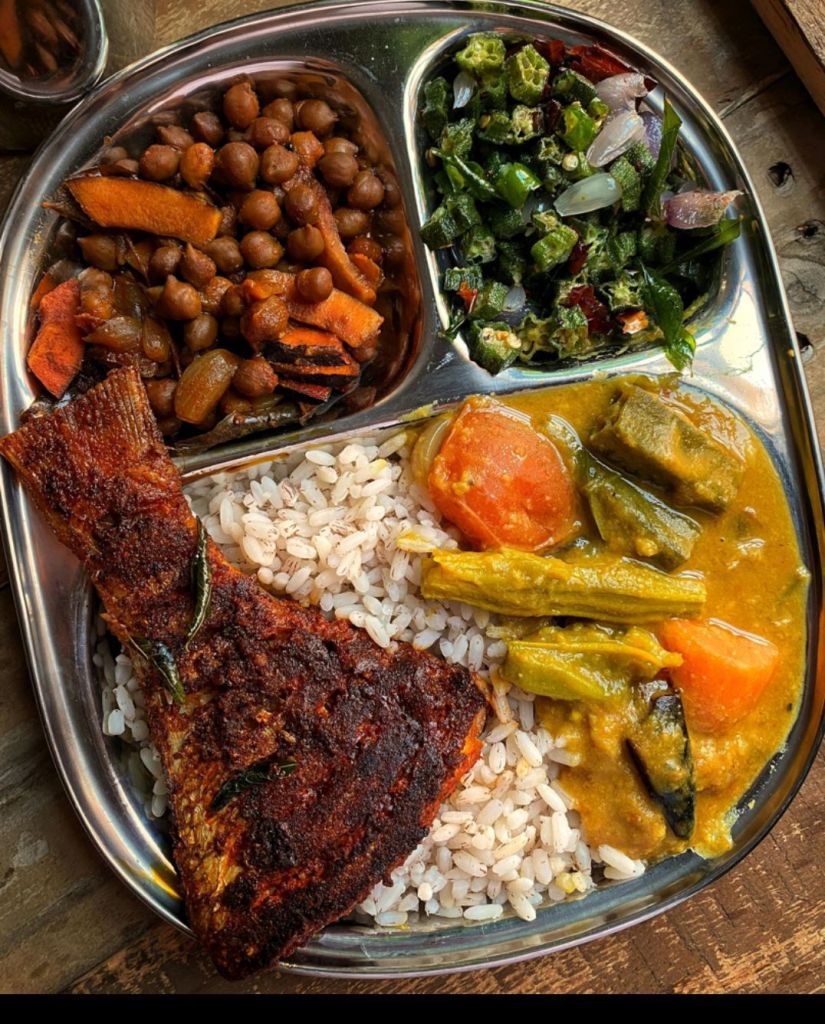
Ingredients
300 grams okra (bhindi), washed and thoroughly dried
3 large onions (about 300 grams total), thinly sliced (half reserved for garnish)
2 medium tomatoes, finely chopped or pureed
1-2 green chilies, slit (optional, for heat)
½ inch ginger, julienned or minced
3 cloves garlic, minced (or 1 teaspoon garlic paste)
1 teaspoon cumin seeds
½ teaspoon carom seeds (ajwain) (optional)
½ teaspoon turmeric powder
1 teaspoon coriander powder
½–1 teaspoon red chili powder (adjust to taste)
½ teaspoon garam masala (for finishing)
1 teaspoon dried mango powder (amchur) or a squeeze of lemon (for tang)
1 teaspoon kasuri methi (dried fenugreek leaves, optional)
2 tablespoons cooking oil (mustard oil or vegetable oil)
Salt, to taste
Preparation
1. Prep the okra: Rinse the okra pods and pat them completely dry with a towel. Trim off the stem end and slice each pod into ¾–1 inch (2–3 cm) pieces. Keeping them dry and spaced prevents sliminess.
2. Slice the onions: Thinly slice all the onions. Set aside half of the sliced onions to fry separately as a garnish in the end.
3. Other prep: Chop or puree the tomatoes. Peel and mince the ginger and garlic. If using whole spices like cumin and carom, measure them out now. Crumble the kasuri methi leaves between your palms if using.
Cooking Instructions
1. Fry the onions (Stage 1): Heat 1 tablespoon of oil in a pan over medium heat. Add half of the sliced onions and sauté, stirring often, until soft and golden brown. Remove these caramelized onions and set them aside.
2. Spice tempering: In the same pan, add the remaining oil and reduce heat to low. Add cumin and carom seeds, frying until they sizzle and crackle. Then stir in the ginger and garlic, cooking briefly until fragrant.
3. Cook the masala: Increase the heat to medium and add the chopped tomatoes. Cook until they soften and begin to release oil at the edges. Sprinkle in turmeric, coriander powder, and chili powder; stir well and cook for another minute to roast the spices.
4. Add the okra: Raise the heat to high and add the chopped okra to the pan. Mix gently to coat the okra in the onion-tomato-spice mixture. Add about 2 tablespoons of water to help it cook, then season with salt. Cook uncovered, stirring occasionally, for 5–7 minutes until the okra is tender (avoid covering the pan, as trapped steam can make okra slimy).
5. Finish the dish: Once the okra is cooked through, sprinkle garam masala, amchur (or a squeeze of lemon juice), and crushed kasuri methi on top. Stir to combine and adjust salt if needed.
6. Fry the onions (Stage 2): Quickly heat a little more oil in a small pan on high heat. Add the reserved onion slices (and green chilies, if using) and fry for about 1 minute until crispy at the edges. Immediately pour this sizzling onion tempering over the bhindi do pyaza and give it a gentle mix. Turn off the heat and cover the pan briefly to let the flavors meld.
Tips for Perfect Bhindi Do Pyaza
Always start with dry okra: Any moisture will release slime. Pat the washed okra completely dry before cutting or cooking.
High heat stir-fry: Cook the okra on a relatively high flame with constant stirring. This keeps the okra pieces crisp and prevents them from turning mushy.
Add an acidic ingredient: Once the okra is in the pan, add a splash of lemon juice or a pinch of amchur powder after a few minutes. The acid helps neutralize the okra’s mucilage, keeping it firm.
Salt at the end: Salt draws out moisture, so season the dish only towards the end of cooking. This ensures the okra doesn’t release excess water mid-cook.
Avoid covering: Do not cover the pan tightly while cooking okra. Steam makes okra slimy, so cook uncovered so excess moisture can evaporate.
Generous oil: Use enough oil when sautéing. A slick of oil around each okra piece helps it fry rather than stew, resulting in a dry, non-sticky texture.
Serving Suggestions
Bhindi Do Pyaza is a classic North Indian sabzi that shines as part of a comforting homestyle meal. Serve it hot with soft rotis or parathas, using the bread to scoop up the tangy okra and onions. A simple dal (like yellow moong dal or dal tadka) alongside completes the meal. It also pairs wonderfully with plain or jeera-flavored basmati rice. As noted by Swasthi’s recipe, it “goes well…with rice, roti, paratha, naan”, making it perfect for a nostalgic lunch thali alongside dal, raita, and pickles.

 The Pinch of Masala