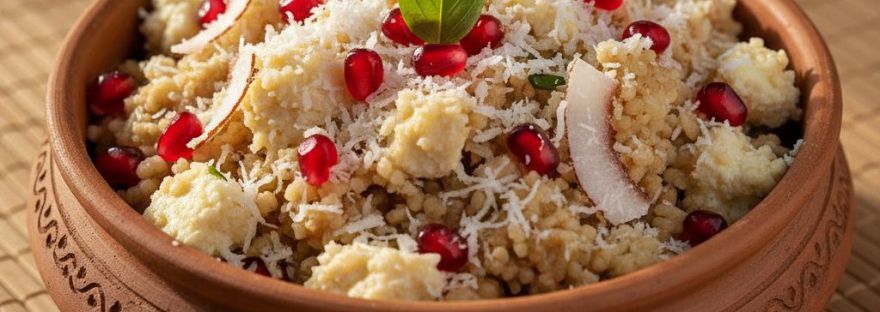
In our home, the year didn’t begin with a calendar flip; it began when the sun entered the zodiac of Makara (Capricorn). While the recipe for Makara Chaula is an ancient heirloom documented in temple chronicles like the Madala Panji, it was my mother who taught me the spiritual weight of this “no-cook” dish.
I remember her waking before dawn in the mid-January chill, performing her ritual bath before touching the newly harvested Arua Chaula (raw rice). She believed that because this dish was uncooked, every ingredient had to be in its state of highest purity. “Cooking with fire changes a grain,” she would say, “but Makara Chaula is a direct conversation between the farmer and the Sun God.” She viewed this dish as a “Parasocial Companion” a sweet, wholesome anchor that transformed neighbors into “Makar” friends through a sacred bond of shared food.
Today, at The Pinch of Masala, we are documenting this agrarian ritual for a 2026 audience that values “Ingredient Integrity” and the “Quiet Luxury” of heritage soul-food.
The barrier to a perfect Makara Chaula is often the texture getting it creamy and cohesive without turning the raw rice into a gritty powder. To master this sacred custard, follow my mother’s three non-negotiable rules:
The “Dardara” Pulse: This is the ultimate “Digital Anthropologist” secret. The rice should never be ground into a fine flour. It must be pulsed until it reaches a coarse, “semolina-like” texture known as dardara. This provides the signature “crunch” that contrasts with the creamy chhena and soft bananas.
The Temperature Balance: In 2026, we prioritize holistic wellness. My mother always added black pepper (golmarich) and grated ginger to the mixture. Because raw rice is considered “cold” in nature, these warming aromatics are essential to balance the dish for the winter digestive system.
The “Hand-Mashing” Bond: She never used a mixer for the final assembly. She insisted that the heat from your palms as you mash the bananas, jaggery, and chhena into the rice is what “awakens” the flavors and creates a velvety, natural bind.
Prep time: 15 mins | Soaking: 4 hours | Servings: 6
Diet: Vegetarian, Gluten-Free, No-Cook | Cuisine: Odia Heritage
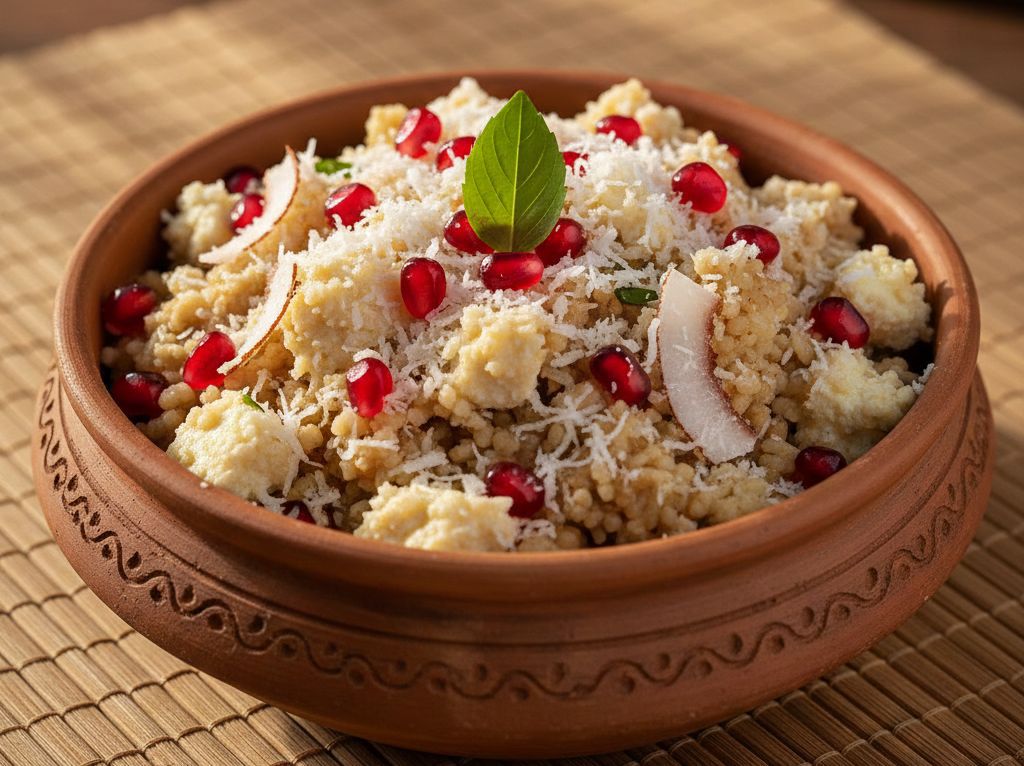
Ingredients:
1 cup Newly Harvested Arua Chaula (Raw Rice): Soaked for 3-4 hours and drained completely.
½ cup Freshly Grated Coconut: (Nadia) for richness.
½ cup Fresh Chenna (Cottage Cheese): Homemade is best for prosperity.
2 Ripe Bananas (Kadali): Smashed to act as a binder.
½ cup Jaggery (Guda): Adjust to taste (symbolizes happiness).
The Aromatics: 1 tsp grated Ginger, ½ tsp crushed Black Pepper, and a tiny pinch of Edible Camphor (Karpura).
The Seasonal Medley: Sliced sugarcane pieces, pomegranate pearls, grapes, and orange segments.
The Sacred Finish: 5-6 Tulsi leaves (for devotion) and ¼ cup whole milk (optional, for a softer texture).
Instructions:
The Grind: Pulse the soaked and dried rice in a blender (or use a traditional stone mortar) until it is coarsely ground (dardara). Mix in the grated coconut and pulse again for 5 seconds.
The Creamy Base: In a large bowl, combine the smashed bananas, chhena, and jaggery. Mash with your hands until the jaggery dissolves into a smooth, creamy paste.
The Union: Add the coarse rice-coconut mixture to the base.
The Heat & Spice: Fold in the grated ginger, crushed black pepper, and the pinch of camphor. The pepper is crucial for winter vitality.
The Bounty: Add the milk (if using) and toss in all the seasonal fruits and sugarcane pieces.
The Offering: Garnish with Tulsi leaves. Traditionally, this is offered to the Sun God (Surya Dev) before being shared among family and friends.
The Pod Stock: In the 2026 “Use-Up” economy, we value every scrap. If you are using fresh sugarcane, save the fibrous skins and tough ends. Boil them in water to create a sweet “Sugarcane Tea” or use it as a base for a Winter Kadha. It adds a natural, mineral-rich sweetness that perfectly aligns with current sustainability trends.


 The Pinch of Masala