
In Maharashtrian kitchens, a dry garlic chutney (lasun chutney) is the secret sprinkling that elevates the iconic vada pav and even complements simple meals like dal-rice. Up north, Rajasthani households swear by a spicy lehsun ki chutney as an essential part of their traditional thali, especially alongside the famed dal-baati-churma. This chutney – whether made dry or wet – carries a rustic charm and explosive garlic kick. It’s the same cherished condiment that grandma would pound on a silbatta (grinding stone) while regaling stories, its aroma filling the courtyard. Often, a spoonful of this chutney is all it takes to make a simple meal memorable, be it a jowar bhakri with thecha in Maharashtra or a dal-baati feast in Rajasthan. Below, discover how to make Lehsun Chutney two ways – the dry crumbly version and the saucy wet version – both guaranteed to add that traditional “pinch of masala” to your plate.
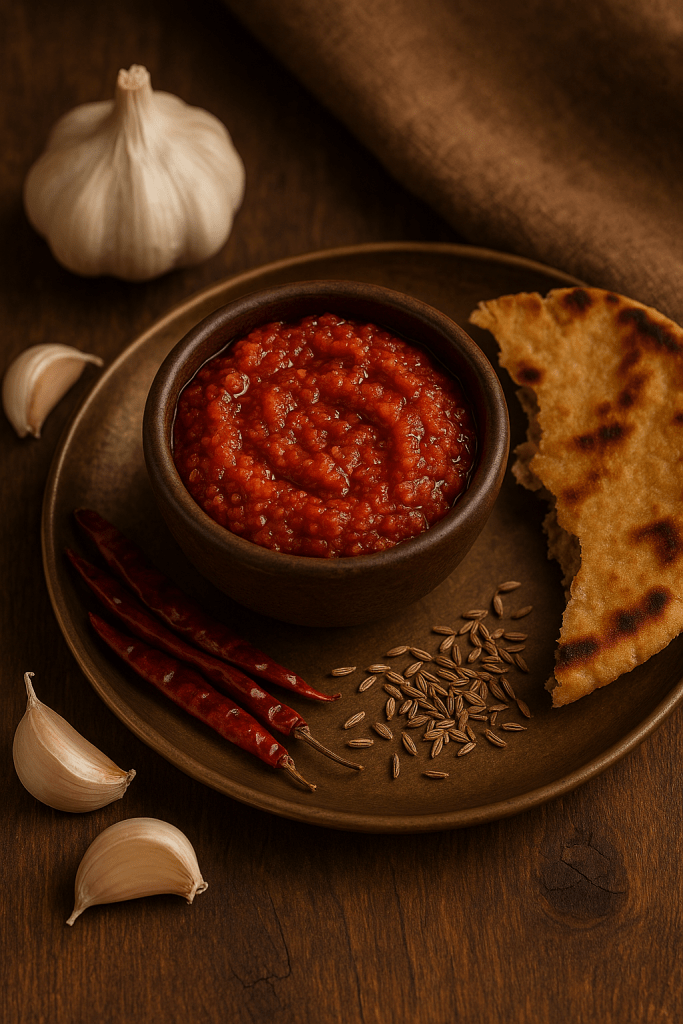
Ingredients
Garlic cloves: 15–20, peeled (about 1 large bulb)
Dried red chilies: 5–6, or 2 teaspoons red chili powder (adjust to taste)
Cumin seeds (jeera): 1 teaspoon
Salt: 1 teaspoon, or to taste
Oil: 2 tablespoons (use mustard oil for authentic flavor, or any cooking oil)
Water: 2–4 tablespoons (for grinding, in wet chutney version)
Optional: A pinch of asafoetida (hing) and ½ teaspoon mustard seeds (for tempering in wet chutney); 2 tablespoons roasted peanuts or dry coconut (for variation in dry chutney, see Tips).
> Yield: These quantities make roughly 1 small bowl of chutney (about 1 cup wet chutney or 1/2 cup dry powder). Feel free to scale up for larger batches.
Recipe: Lehsun Chutney Two Ways (Dry & Wet)
Method 1: Maharashtrian Dry Garlic Chutney (Lasun Chutney Powder)
1. Roast the Garlic: Heat 1 teaspoon of oil in a pan on low flame. Add the peeled garlic cloves and sauté for 2–3 minutes, stirring often, until they turn light golden and lose their raw sharpness. (You’ll smell the garlic aroma—be careful not to burn them.) Remove the roasted garlic and let it cool on a plate.
2. Roast Chilies & Spices: In the same pan, add the dried red chilies (break off the stems for less bitterness) and cumin seeds. Dry roast them for 1–2 minutes until the chilies puff slightly and the cumin is aromatic. Keep the heat low to avoid scorching. Once fragrant, transfer them to the plate to cool. (If using red chili powder instead of whole chilies, skip roasting it; you will add the powder during grinding.)
3. Grind to Chutney Powder: Add the cooled garlic, roasted chilies, and cumin into a mixer or spice grinder. Add salt. Pulse the mixture in short bursts to grind it into a coarse powder. Avoid grinding too fine – the texture should be slightly grainy, not a smooth dust, for the best traditional mouthfeel. (If using chili powder, add it now and pulse again to combine.) You may need to scrape the sides of the grinder jar between pulses. Tip: If the mixture is too dry to grind, you can add a tablespoon of roasted peanut or dry coconut which helps it bind and adds flavor.
4. Storage: Let the dry garlic chutney cool completely, then store it in a clean, dry airtight container. This chutney powder keeps well for 2–3 weeks refrigerated, thanks to its low moisture content. In fact, you can even freeze it for 2 months without loss of flavor. (At room temperature, it stays good for 1 week in a cool, dry place.) Each time, use a dry spoon to serve to maintain its shelf life.
Method 2: Rajasthani Wet Garlic Chutney (Lehsun ki Chutney)
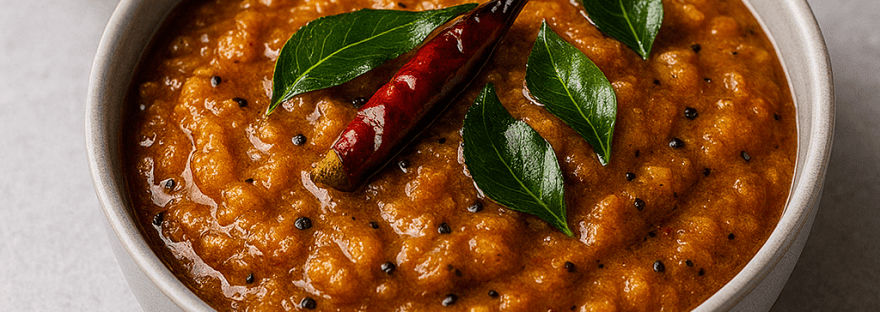
1. Blend into Paste: In a blender jar, combine the peeled garlic cloves, dried red chilies (or you can use 2 tsp red chili powder for convenience), cumin seeds, and salt. Add about 3–4 tablespoons of water and blend everything into a smooth paste. The consistency should be pourable but thick. (For a more rustic texture, grind in pulses to make a coarse paste instead of a super-smooth puree.)
2. Heat the Oil: In a small kadhai or saucepan, heat 2 tablespoons of oil over medium heat. Traditionally, robust mustard oil is used in Rajasthan for this chutney to impart a bold flavor. If using mustard oil, heat it until it just starts to smoke, then reduce the flame (this step mellows its pungency). Otherwise, any vegetable oil (like peanut or sunflower oil) works fine.
3. (Optional Tadka) If desired, add ½ teaspoon of mustard seeds to the hot oil and let them crackle. Also add a pinch of asafoetida (hing) for an extra layer of aroma. This tempering step is optional but adds authentic flavor.
4. Cook the Garlic Paste: Carefully pour the ground garlic-chili paste into the hot oil. It should sizzle. Stir well to mix with the oil. Cook the chutney on medium-low heat for about 5–6 minutes, stirring frequently. As it cooks, the raw smell of garlic will gradually disappear and the chutney will thicken. You’ll notice the color turning a deeper red and the oil starting to release from the sides. (Be cautious of splatters; you can partially cover the pan with a lid, leaving a vent for steam.)
5. Adjust Consistency & Spice: If the chutney appears too thick or is sticking to the pan while cooking, add a tablespoon of water at a time to loosen it and continue cooking. If it’s too thin, keep simmering until it reaches a spreadable paste consistency. Taste and adjust salt if needed. You can also add an extra ½ teaspoon of red chili powder at this stage if you realize you want it spicier (cook a minute more after adding).
6. Cool and Store: Turn off the heat and let the wet lehsun chutney cool to room temperature. Transfer it to a glass jar or container. A layer of oil may float on top – this is good for preservation. This chutney will keep for up to 1-2 weeks in the refrigerator. The oil acts as a natural preservative, but always use a clean dry spoon when scooping it out. You can also freeze portions if you want to store it longer, though fresh is always best.
Now your garlic chutney is ready! Enjoy it in whichever form you like – dry powder or spicy paste – with your favorite meals.
Tips and Tricks
Adjusting Spice: This chutney is meant to be spicy and garlicky. For a milder heat, reduce the number of red chilies or use Kashmiri red chilies/chili powder, which impart a bright color but are lower in heat. Removing the seeds from the chilies before grinding can also tone down the spice. If you accidentally make it too hot, you can mellow it by mixing in a bit of jaggery (for wet chutney) or extra coconut/peanut (for dry chutney). And if you love heat, feel free to throw in an extra chili! Remember, you can always adjust the chili quantity according to your spice tolerance.
Use Fresh Garlic: The quality of garlic makes a big difference. Use fresh, firm garlic pods that are juicy and white. Avoid using old, sprouting, or dried-out garlic, as they have a harsher, less vibrant flavor. Fresh garlic will give your chutney a robust, authentic taste. If the garlic has green shoots, split the cloves and remove the germ to prevent any bitter taste.
Texture Matters: The appeal of traditional lehsun chutney is often in its texture. The dry Maharashtrian version should be coarsely ground – you want little bits of garlicky goodness and chili that you can actually bite into, not a fine dust. For the wet version, a slightly grainy texture (instead of a completely silky paste) gives a lovely rustic feel and bold flavor bursts. Of course, if you prefer a smoother chutney (for example, to spread in sandwiches), you can grind it to your desired consistency – it’s all up to preference.
Shelf Life & Storage: Thanks to its ingredients, this chutney keeps quite well. The dry garlic chutney (with all ingredients roasted and no water added) has a longer shelf life – store it in an airtight jar in the fridge and it can last several weeks, up to 2-3 weeks easily, without losing flavor. For even longer keeping, you can freeze the dry chutney; it stays good for a couple of months. The wet chutney should be refrigerated and used within about 1 to 2 weeks for optimal taste. A thin layer of oil on top will help preserve it. Always use clean, dry utensils to avoid introducing moisture or bacteria, which can spoil the chutney faster. If you see any mold or off smell, it’s time to make a new batch.
Flavor Variations: Every region (and family) has its own twist on garlic chutney. In Maharashtra, many add a handful of roasted peanuts, sesame seeds, or desiccated coconut while grinding the dry chutney to add nuttiness and tone down the heat. This is often called lasun khobra (coconut) chutney and is slightly less pungent, with a richer texture. You can experiment by adding 2 tablespoons of any of these to your dry chutney. In Rajasthan, some families add a splash of lemon juice or a chopped tomato to the wet garlic chutney for tanginess – if you do this, cook the tomato with the garlic paste and note that the shelf life will reduce (tomato-based garlic chutney stays fresh about a week). A pinch of sugar can also be added to the wet chutney to balance the heat if you like. Feel free to adjust and improvise the recipe to suit your taste – that’s how traditional recipes evolve in each kitchen!
Serving Suggestions
Garlic chutney is a 万能 (all-purpose) condiment that can jazz up almost any meal. Here are some classic ways to enjoy it:
Rotis, Parathas & Bhakri: Scoop or spread the wet lehsun chutney alongside your daily breads. It makes a simple roti or paratha fiery and exciting, especially with a dollop of ghee. Maharashtrian jowar bhakri (millet flatbread) often goes from plain to phenomenal with a dry garlic chutney on the side – simply sprinkle some chutney powder on a bite of bhakri, add a few drops of oil or ghee on top, and relish the rustic flavor explosion! This chutney also pairs wonderfully with stuffed parathas (like aloo paratha) to add extra zing.
Vada Pav & Indian Burgers: Dry garlic chutney is famously the heart of vada pav, Mumbai’s beloved street food. Sprinkle a generous pinch of the dry lasun chutney inside a vada pav (between the pav bun and the potato vada) along with green chili and tamarind chutneys – it’s the secret that makes the vada pav so irresistible. You can similarly use it in other desi burgers or wraps. For instance, sprinkle it inside a samosa pav or batata bhaji pav (potato fritter sandwich) to elevate their taste.
Dal-Baati-Churma Thali: No Rajasthani dal-baati-churma platter is complete without a spicy garlic chutney on the side. Traditionally, a small katori of lehsun chutney is served to add heat to the rich dal and ghee-drenched baati. The combination of the sweet churma, the savory lentil dal, and the sharp kick of lasun chutney is a balance of flavors that defines Rajasthani cuisine. Next time you serve dal-baati, put out a bowl of this chutney and watch everyone liven up their plates!
Snacks & Starters: Use this chutney as a bold dipping sauce or side for various snacks. It’s fantastic with pakoras (fritters), samosas, kachoris, and chakli. A tiny bit on the side of your plate will allow you to dab your aloo tikki or dhokla in it for an added punch. In Maharashtra, dry garlic chutney is even sprinkled over misal pav (a spicy curry) to up the heat. You can also serve wet garlic chutney with idli and dosa as a change from the usual coconut chutney – South Indian cuisine has its own version of garlic chutney that’s quite similar!
Rice and Curries: Don’t underestimate how versatile this chutney is. A spoonful of dry garlic chutney mixed into hot rice with a drizzle of ghee makes for a quick garlic rice that pairs well with plain yogurt or dal. You can also sprinkle the dry chutney on curd rice or on a simple dal and rice bowl to add texture and spice. Some people even stir a bit of the wet chutney into soups, curries or sabzis (vegetable dishes) to enhance the garlic flavor – for example, mixing a teaspoon into your curry base or tempering can give a lovely garlicky kick. Similarly, blend a bit of wet garlic chutney with yogurt to make a spicy garlic raita that goes well with biryani or pulao.
Sandwiches & Chaats: Spread the wet garlic chutney thinly on bread to add an Indian twist to your sandwiches – it works great in a grilled toastie with cheese, or in wraps and frankies (try it with a potato or paneer filling!). In Mumbai, aside from vada pav, a touch of lasun chutney sometimes finds its way into bhel puri or sevpuri (chaat snacks) for extra heat. Even alongside pani puri, you can mix a pinch of dry garlic chutney in the filling for an unexpected punch.
No matter how you serve it, be ready for that robust garlic and red chili hit! A small amount of lehsun chutney goes a long way in brightening up your palate. Enjoy experimenting – you’ll soon find yourself sprinkling or dolloping this chutney on just about everything. 😊
 The Pinch of Masala