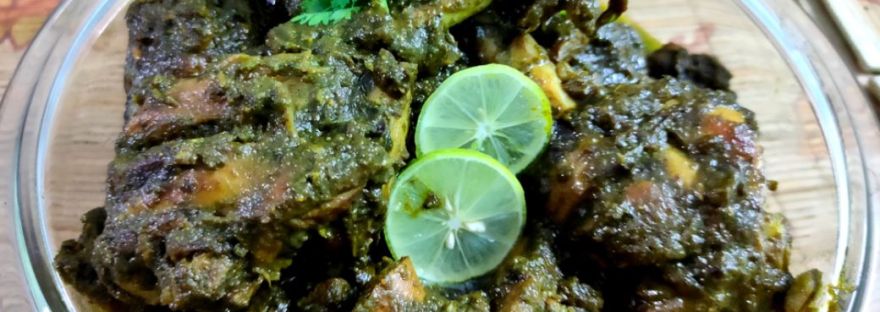
When I first visited Goa, I was captivated by more than just its beaches and sunsets. One balmy evening at a local shack, the aroma of spices and charred chicken wafting from the grill introduced me to Chicken Cafreal. This legendary Goan green masala chicken is as vibrant as Goa’s culture – tender chicken coated in a fragrant green herb paste and roasted dry until succulent and slightly charred. The dish carries a fascinating history: it was originally brought to Goa by the Portuguese from their African colonies (Mozambique, to be precise) with help from African soldiers during colonial times. In fact, the name Cafreal comes from “Cafre” – a term referring to the inhabitants of Southern Africa. Over the years, Goans embraced this recipe, infusing local flavors and making it a celebratory staple. Today, no Goan feast is complete without chicken cafreal’s deep-green goodness and a squeeze of lime on top.
This Portuguese-Indian fusion dish showcases how diverse influences shaped Goan cuisine. The magic lies in its green masala marinade – a blend of fresh cilantro (coriander leaves), fiery green chilies, ginger, garlic and warm spices. Traditionally, whole chicken legs are marinated in this paste and shallow-fried or pan-roasted until the masala coats each piece in a spicy, herbaceous crust. Walk into any Goan restaurant or beach shack and you’ll likely find chicken cafreal served with potato wedges and lime, plus crisp onion rings on the side for an extra tangy crunch. The first bite is a flavor explosion – herbal freshness from the coriander, subtle heat from the chilies, and an addictive smoky tang from charred spices. Below, I’ll share a dry-roasted version of Chicken Cafreal (no curry gravy here!) just like it’s authentically enjoyed, along with tips to nail the marination, searing, and roasting for the perfect Goan experience at home.

Ingredients
Chicken: 1 kg chicken (whole legs or drumsticks preferred, bone-in pieces for best flavor). You can use thighs or leg quarters; traditionally skin-on is used for extra juiciness (optional).
Fresh cilantro leaves (coriander): 1 large bunch (about 100 g), stems removed – this gives the signature green color and flavor.
Green chilies: 5–6 (adjust to taste), for heat and color. Goan Cafreal is meant to be spicy, but you can use fewer for a milder palate.
Garlic: 10–12 cloves, peeled.
Ginger: 2-inch piece, peeled and roughly chopped.
Whole spices: 1 tablespoon cumin seeds; 1 tablespoon coriander seeds; 1-inch stick of cinnamon; 5–6 cloves; 1 teaspoon black peppercorns; optional: 2 green cardamom pods (for aroma).
Poppy seeds: 1 tablespoon white poppy seeds (khus khus) – this adds body to the masala paste. (If unavailable, you may substitute 8–10 cashew nuts or 1 teaspoon peanut butter for thickness.)
Turmeric powder: 1/2 teaspoon, for a hint of earthy flavor and color.
Vinegar: 3 tablespoons Goan coconut vinegar (toddy vinegar) if available, for authenticity. If not, use 3 tbsp regular white vinegar or apple cider vinegar. (Some recipes use 1 tablespoon tamarind paste instead of vinegar for tang – you can use tamarind if you prefer a slightly fruity sourness.)
Sugar or Jaggery: 1 teaspoon (optional) – a touch of sweetness helps balance the spice and acidity in the marinade.
Salt: 2 teaspoons (or to taste) for seasoning the chicken and masala.
Oil or ghee: 3–4 tablespoons for pan-roasting (vegetable oil or mustard oil for authenticity).
To serve: Lemon or lime wedges, sliced onion rings, and boiled potato wedges or fries on the side.
Instructions
1. Prepare the Chicken: Rinse and pat dry the chicken pieces. Using a sharp knife, make 2–3 deep slits in each piece of chicken. This helps the flavorful masala penetrate deeply for more intense flavor. Rub the chicken with 1 teaspoon of salt and a tablespoon of lemon juice and set aside for 15 minutes. (This pre-seasoning tenderizes the meat and adds a layer of citrus flavor.)
2. Make the Cafreal Masala: In a pan over low heat, dry roast the whole spices – cumin, coriander seeds, cinnamon, cloves, peppercorns (and cardamom, if using) – for about 1 minute until fragrant. Let them cool. Add these roasted spices to a blender along with the cilantro leaves, green chilies, garlic, ginger, poppy seeds, turmeric, 2 tablespoons of vinegar (reserve the remaining 1 tbsp), and the optional sugar/jaggery. Grind everything into a smooth paste, adding a splash of water or vinegar only as needed to help it blend. The paste should be thick and coat the back of a spoon (avoid adding too much liquid). Tip: Grinding the spices with vinegar (instead of water) not only adds tang but also acts as a preservative, so extra marinade can be stored refrigerated for up to a month.
3. Marinate the Chicken: Rub the chicken pieces thoroughly with the green masala paste, pushing it into the slits and all around each piece until well coated. You may reserve a couple of tablespoons of the masala for basting or an optional pan sauce later. Place the marinated chicken in a non-reactive bowl or ziplock bag. Marination Tip: For best results, marinate for at least 2–3 hours or, even better, overnight in the refrigerator. The longer marination allows the chicken to absorb all the aromatic spices and herbs, yielding juicier, deeply flavored meat. If short on time, even 30 minutes will impart some flavor, but longer is highly recommended. (Authentic chicken cafreal recipes often use a splash of dark rum or local feni liquor in the marinade for extra aroma. You can add 1–2 tablespoons of dark rum to the marinade at this stage – this is optional, but it echoes the dish’s Portuguese influence and gives a richer flavor.)
4. Sear the Chicken: When ready to cook, let the marinated chicken come to room temperature for 15–20 minutes (this ensures even cooking). Heat 2 tablespoons of oil or ghee in a wide, heavy-bottomed skillet or pan over medium-high heat. Once the oil is hot, scrape off excess marinade from the chicken (you can keep this excess marinade aside) and carefully place the chicken pieces in the pan in a single layer. Sear them for about 2–3 minutes per side until they develop a nice brown crust. The high heat sears the masala onto the chicken, locking in juices and flavor. Do not crowd the pan – if necessary, sear in batches. Add a little more oil between batches if the pan gets too dry or the masala starts to stick and burn.
5. Cook through (Braise & Roast): After searing, reduce the heat to medium-low. If you removed excess marinade earlier, return it to the pan now. Add about 1/4 cup of water to the pan and the remaining 1 tablespoon of vinegar (this creates a bit of steam and prevents sticking). Cover the pan with a lid and braise the chicken for about 15 minutes, turning the pieces halfway through. The chicken will release juices; the covered cooking helps it cook through gently and lets the green masala infuse the meat. After 15 minutes, check the chicken – it should be almost cooked (juices run clear or internal temperature around 74 °C/165 °F in the thickest part). Now uncover the pan and turn up the heat to medium-high again. Roast the chicken in the pan until all the excess liquid evaporates and the masala paste dries out and clings to the chicken pieces, about 5 more minutes. You’ll see the oil separating from the masala and the chicken getting a lovely dark green-brown char in spots. This dry-roasting step is crucial for authentic cafreal – traditionally, the dish is served almost dry with just the masala coating, not as a curry gravy. (If you prefer a bit of gravy, you can leave a few spoonfuls of the masala sauce in the pan. Some Goan cooks even stir in a tablespoon of tomato ketchup or puree at the end for a touch of sweetness and color in the gravy – a modern twist.)
6. Alternate Cooking Methods: You can also finish cooking the chicken in an oven if desired. After searing in the pan, transfer the chicken (along with any remaining marinade from the pan) to a preheated oven at 180°C (350°F). Roast for about 15–20 minutes until cooked through, then use the oven’s broiler/grill for a couple of minutes to get a slight char on top. Baste once with pan juices halfway through. Grilling is another option – grill the marinated chicken on a barbecue or grill pan, turning until nicely charred and cooked. However, the stovetop method above, which sears then simmers, ensures the chicken stays moist and the masala is well caramelized onto the meat.
7. Rest and Finish: Once the chicken is fully cooked and dry-roasted, turn off the heat. Squeeze some fresh lemon juice over the chicken pieces while they’re hot for an extra burst of freshness. Then let the chicken rest for 5 minutes in the pan – this helps the juices redistribute. Garnish the dish with fresh coriander leaves on top for a pop of color.
Serving Suggestions
Plate it up: Arrange the Chicken Cafreal on a serving platter. Garnish with onion rings and lemon wedges on the side – this is the Goan way to serve it, adding crunch and tang just before eating. You can also spoon any residual pan masala (if you left a little gravy) over the chicken.
Side Accompaniments: The classic accompaniment is potato wedges or chips (fries) which pair perfectly with the spicy chicken. A simple fresh salad (like sliced carrots, radish, and green beans lightly pickled in salt and vinegar) is often served alongside to balance the richness.
Bread or Rice: In Goa, Chicken Cafreal is often enjoyed with local pão or poee bread – a soft yeasted bread with a crusty exterior – perfect for mopping up any masala. If you can’t find Goan bread, serve it with warm dinner rolls, naan, or even roti. It also goes well with plain steamed rice or Goan coconut rice as a hearty meal.
Beverage Pairing: Given its Portuguese origins, Chicken Cafreal can be delightfully paired with a chilled beer or a glass of port wine. For a non-alcoholic option, a tart lime soda or kokum sherbet would complement the spicy, herbal notes.
Enjoy your homemade Chicken Cafreal! With its blend of Portuguese-African history and Goan spice, this dish tells a story of cultural fusion on your plate. Each bite – coated in that green masala and spritzed with lemon – will transport you to a susegad evening in Goa, where the food is as soulful as the scenery. Happy cooking!
 The Pinch of Masala