Lunch & Dinner

Lehsuni Palak: The Emerald Ritual of my Grandmother’s Winter Kitchen

Introduction & Story
There is a specific kind of “Quiet Luxury” in a pile of fresh winter spinach.[1] In our home, it was never just a bag of leaves from a supermarket; it was a morning ritual. I remember my grandmother sitting in the winter sun, a colander between her knees, meticulously sorting through bunches of dark, earthy palak.
“The soil gives it soul,” she would say, explaining why we never threw away the tender stems. She believed that the stems held the “sweetness,” while the leaves held the “strength.”
Today’s recipe, Lehsuni Palak (Garlicky Spinach), is a tribute to that simplicity. It isn’t a heavy, cream-laden Palak Paneer. It is a rustic, gravy-based curry that allows the vibrant, slightly metallic taste of fresh spinach to take center stage, punctuated only by the aggressive, smoky aroma of roasted garlic. This is food that feels like an intentional hug—nourishing, sustainable, and built to last.[2]
The “Digital Anthropologist” Technical Secret: Retaining the Emerald
In 2026, we value “Technical Excellence” in the kitchen.[3] The most common mistake in making spinach is overcooking it until it turns a dull, swampy brown. To keep your sabji a brilliant, “Insta-worthy” emerald green, you must master the Blanch and Shock technique:
Blanch: Submerge the leaves in boiling salted water for exactly 2 minutes. Adding a pinch of sugar or baking soda helps lock in the chlorophyll.
Shock: Immediately move the leaves to an ice-water bath. This “shocks” the cooking process to a halt, preserving the texture and the vibrant hue.
The Recipe Card
Prep time: 15 mins | Cook time: 15 mins | Servings: 4
Course: Side Dish | Cuisine: North Indian (Dhaba Style)
Ingredients:
1 Large Bunch Fresh Palak (Spinach): Cleaned and washed thoroughly.
The “Lehsun” (Garlic): 15-20 cloves total. (10 cloves ground into the paste, 5-10 sliced for the final tempering).
The Base Paste: 2 Tomatoes, 2 tbsp Roasted Peanuts, 1 inch Ginger, and 2 Green Chillies.
Thickener: 2 tbsp Besan (Gram Flour) — this provides a rustic “Dhaba” heartiness without the need for cream.
Fat: 2 tbsp Ghee (Clarified Butter) for the richest aroma.
Spices: ½ tsp Cumin seeds (Jeera), a pinch of Hing (Asafoetida), ½ tsp Turmeric, 1 tsp Coriander powder, and Salt to taste.
Instructions:
Prep the Green: Blanch and shock the spinach as described above. Grind half of the spinach into a smooth puree and roughly chop the other half to maintain texture.
The Base: Blend the tomatoes, peanuts, ginger, and 10 garlic cloves into a smooth “Red Puree”.
Sauté: Heat 1 tbsp oil in a kadai. Add cumin and hing. Once they splutter, add the Red Puree and cook until the oil starts to separate.
The Nutty Secret: Add the besan (gram flour) and sauté for 2 minutes until it smells aromatic and nutty.
Combine: Add the spinach puree, the chopped leaves, and the dry spices. Add ½ cup water to adjust the consistency. Cover and simmer for 3-5 minutes so the flavors meld.
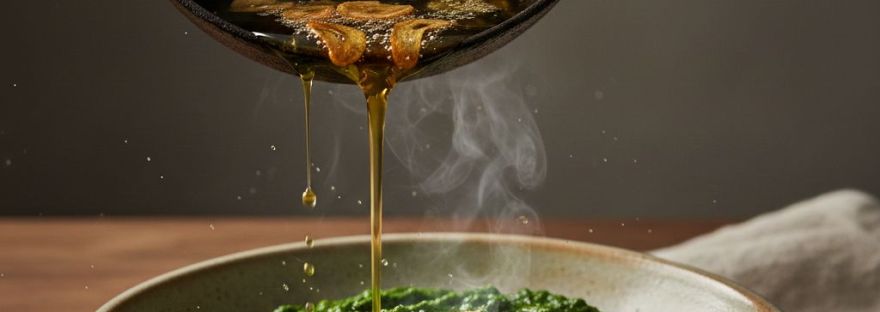
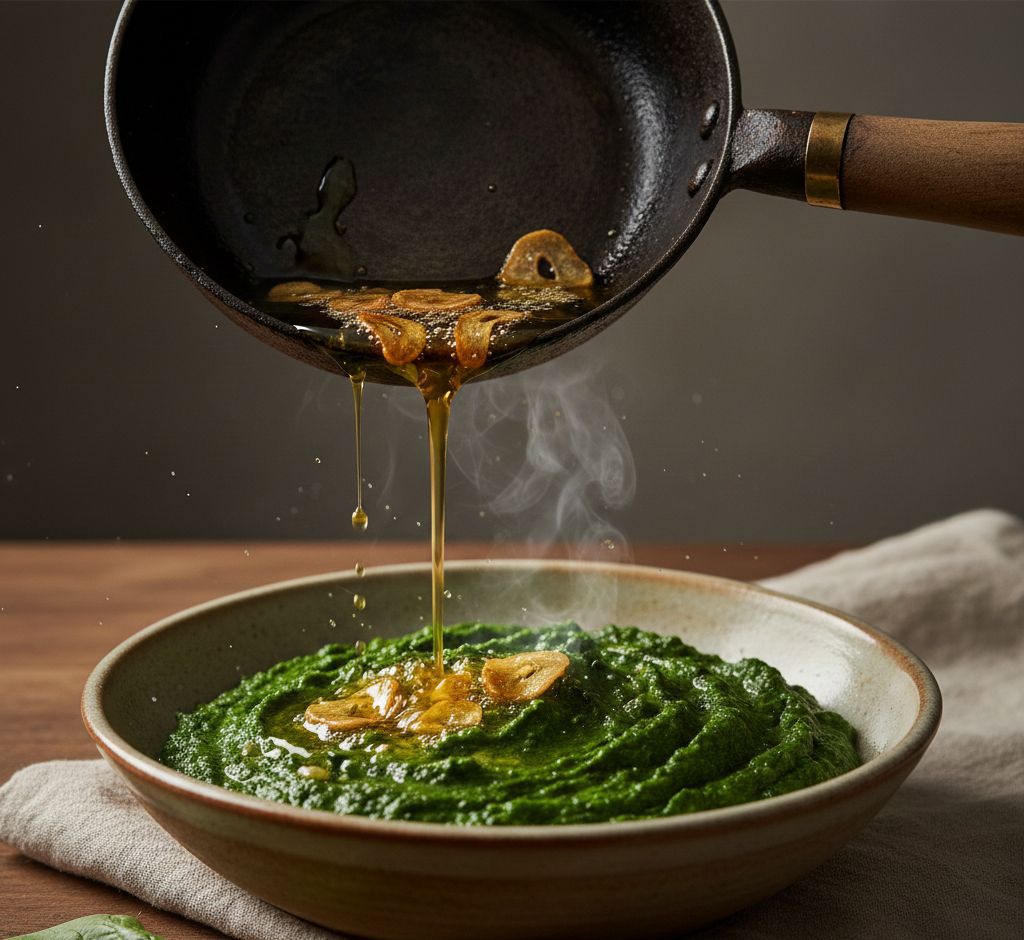
The Final “Lehsuni” Tadka: This is the soul of the dish. Heat ghee in a small pan. Add the sliced garlic and fry until it turns deep golden brown (not black). Add a broken dry red chili.
Serve: Pour this sizzling garlic ghee over the spinach and serve immediately with hot Rotis or Makki ki Roti.
The “Pinch of Thrift” Tip (Zero Waste)
The Stem Stock: Don’t discard the fibrous spinach stems! In 2026’s “Use-Up” economy, we value every scrap.[3] Finely chop the tender stems and sauté them along with your onions or tomatoes. They add a wonderful crunch and a concentrated dose of fiber—fitting perfectly into the “Fiber Revolution” trend.
Lunch & Dinner

Shahi Paneer Kofta: The “Melt-in-Mouth” Vegetarian Royal

Introduction
In the grand hierarchy of Indian vegetarian curries, Paneer Kofta sits on the throne.
The word Kofta comes from the Persian Kooftan, meaning “to beat” or “to grind.” While the world knows koftas as meatballs, we Indians did something remarkable: we turned them into clouds of cheese.
But here is the problem: most restaurant Paneer Koftas are hard, rubbery, and drowning in a curry that tastes like sugar syrup. That is not the heritage way.
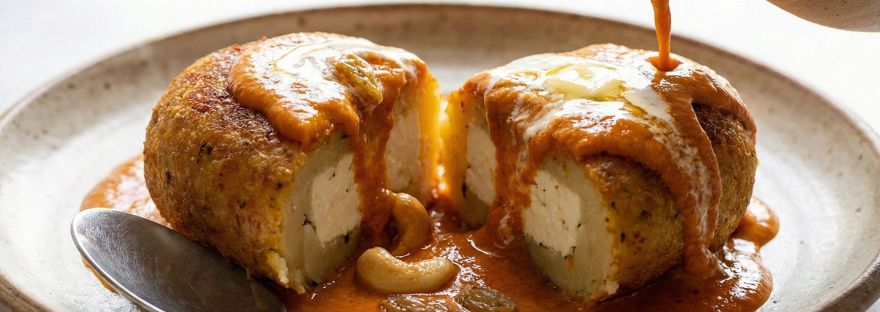
Today, we are making Authentic Shahi Paneer Kofta. These dumplings are crisp on the outside but break apart at the slightest touch of a spoon. Inside, they hide a secret jewel—a stuffing of raisins and cashews. The gravy isn’t just “tomato sauce”; it’s a velvety, cashew-enriched masterpiece that requires one non-negotiable step: Sieving.
This is not a 15-minute meal. This is Sunday Lunch art.
The “Binding” Secret
The biggest fear with koftas is that they will disintegrate in hot oil.
The Ratio: The golden ratio is 80% Paneer to 20% Potato. The potato is just the glue; the paneer is the star.
The Cornflour Test: Before you fry the whole batch, fry one tiny test ball. If it breaks, add another spoon of cornflour. If it stays firm, you are ready.
The Recipe Card
Prep time: 30 mins | Cook time: 30 mins | Servings: 4

Ingredients:
For the Royal Koftas:
250g Paneer: Fresh and grated. (If store-bought, dip in warm water first to soften).
2 Medium Potatoes: Boiled, peeled, and grated (must be cool, not hot).
3 tbsp Cornflour: For binding.
Spices: ½ tsp Cardamom Powder, ½ tsp Black Pepper, Salt to taste.
The “Shahi” Stuffing: 10 Cashews (chopped) + 1 tbsp Raisins (Kishmish).
Oil: For deep frying.
For the “Velvet” Gravy:
The Base: 3 Onions (roughly chopped), 3 Tomatoes (roughly chopped), 10-12 Cashew nuts.
Whole Spices: 1 Bay leaf, 1 inch Cinnamon, 2 Green Cardamoms.
Powder Spices: 1 tsp Kashmiri Red Chili Powder (for color, not heat), ½ tsp Turmeric, 1 tsp Coriander Powder, ½ tsp Garam Masala.
The Finish: 1 tbsp Butter, 1 tbsp Kasuri Methi (dried fenugreek leaves), 2 tbsp Fresh Cream.
Instructions:
The Gravy Base (Boil & Blend): In a pot, add the onions, tomatoes, cashews, and whole spices (bay leaf, cinnamon, cardamom) with 1 cup of water. Boil for 10-15 minutes until the tomatoes are mushy. Let it cool.
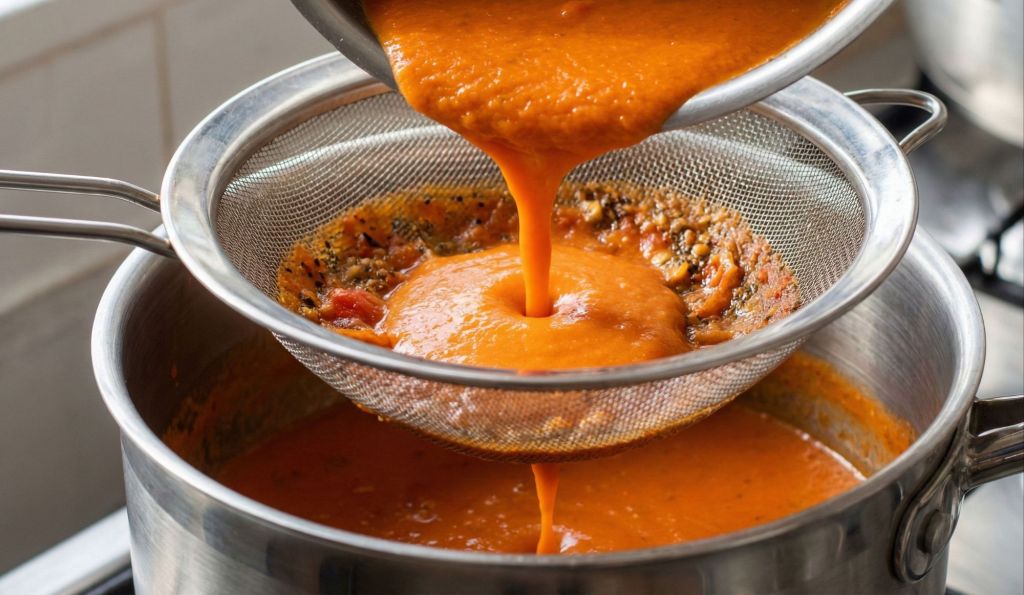
The “Silk” Step: Remove the bay leaf and cinnamon stick. Blend the mixture into a fine puree. Crucial: Pass this puree through a strainer (sieve). Press it with a spoon to get all the liquid out and discard the skins/seeds. This gives you that restaurant-style silky texture.
Making Koftas: In a large bowl, mash the grated paneer and potato. Add cornflour, cardamom powder, pepper, and salt. Knead it gently into a soft dough.
Stuff & Shape: Take a small lemon-sized ball of dough. Flatten it in your palm. Place a piece of cashew and a raisin in the center. Seal the edges and roll it into a smooth ball. Tip: Ensure there are NO cracks, or they will burst in oil.
The Fry: Heat oil on medium flame. Slide the koftas in gently. Do not crowd the pan. Fry until golden brown. Drain on tissue paper.
Simmering the Gravy: Heat butter in a pan. Add the ginger-garlic paste and sauté. Add the Kashmiri chili powder and turmeric (adding spices to oil brings out the color). Immediately pour in the strained puree.
Cook: Cover and cook for 10 minutes until the gravy thickens and oil releases from the sides. Add salt and sugar.
The Finish: Stir in the fresh cream and crush the Kasuri Methi between your palms into the gravy.
Serving Rule: Never boil the koftas in the gravy. They are too delicate. Arrange the koftas in a serving dish and pour the hot gravy over them just before serving.
The “Pinch of Thrift” Tip (Zero Waste)
Stalk Stock: Do not throw away the coriander stems or the leftover onion/tomato scraps from the boiling step (the stuff left in the sieve). Boil them with a little water and salt to make a Veg Stock. Use this liquid to thin out your gravy instead of plain water for an extra punch of umami flavor.