Fastival Food

Singhada Chaat: A Nostalgic Navratri Fasting Snack

Every Navratri, my kitchen fills with memories of festive devotion and flavorful vrat (fasting) foods.  I remember the late-afternoon light filtering through the temple curtains as I helped my mother prepare special snacks.  After a long day of fasting and prayer, the first bite of something savory and crunchy felt like a sacred reward.  One dish that always stood out was Singhada Chaat – a crispy water-chestnut flour fritter tossed in tangy spices.  In our family, singhara (or singhada) recipes were a beloved tradition, connecting us to our elders and the spirit of the festival.

Singhada (water chestnut) flour is a gluten-free, nutrient-rich staple in many Navratri dishes.  Called singhara atta in Hindi (or pani phal in some regions), this pale flour is made by drying and grinding the crunchy water chestnut.  It’s especially valued during fasts because it provides complex carbohydrates and fiber without violating vrat rules.  In fact, during the nine days of Navratri, devotees avoid ordinary grains and instead use non-cereal flours like singhara, buckwheat and millet.  Rich in potassium and micronutrients, singhada atta helps keep energy levels up when other foods are off-limits.

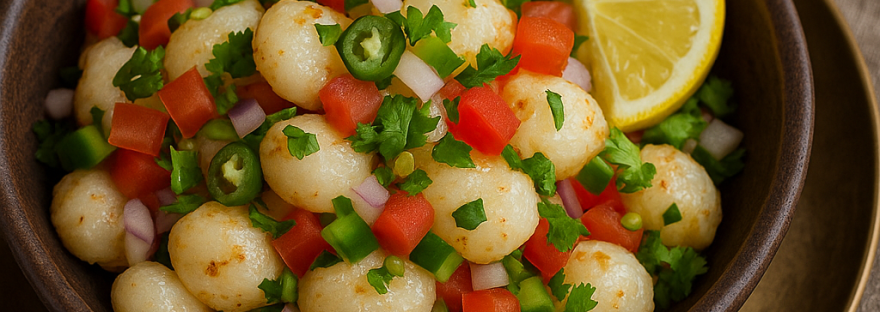
In our family kitchen, Singhada Chaat was the perfect way to enjoy water chestnuts.  We would boil and mash potatoes, mix them with singhara flour, spices and a little ghee or oil, then shape the dough into small flat patties.  These were cooked on a hot griddle until golden and crispy (you can shallow-fry in oil or deep-fry as well).  Once they were done, we tossed the hot patties with fresh lemon juice, sendha namak (edible rock salt), cumin and green chili, turning them into a tangy chaat.  Each bite was crunchy and savory, with the rustic earthiness of potatoes and a subtle nutty aroma from the singhada.  Cooking this dish always felt like a prayer – comforting my hunger while honoring tradition.

Ingredients

1 cup singhara flour (water chestnut flour) – a fasting-friendly, gluten-free flour made from dried water chestnuts

2 medium potatoes, boiled, peeled and roughly mashed (boiling with sendha namak is optional)

2 tablespoons ghee or oil (for the dough and cooking)

1 teaspoon cumin seeds (jeera) – gives a warm, earthy spice (allowed in vrat)

1-2 green chilies, finely chopped (for heat)

1 teaspoon fresh ginger, grated (adds zing)

½ teaspoon coriander powder

A pinch of black pepper (or mild red chili powder) – also allowed

Sendha namak (rock salt) to taste (edible rock salt is used instead of regular salt during fasts)

Juice of ½ a lemon (for tang)

Handful of fresh coriander leaves, chopped (for garnish)

Optional garnishes: plain yogurt or curd, pomegranate seeds, roasted peanuts or broken sev – for topping (see Variations below)


These simple ingredients follow the vrat rules (no wheat, rice, onions, garlic, etc.), yet together they create a flavorful snack.  The key is using rock salt and satsvik spices (cumin, black pepper, ginger, chili) that are traditionally allowed on fast days.

How to Make Singhada Chaat

1. Prepare the dough: In a bowl, mash the boiled potatoes while they’re still warm.  Add the singhara flour, cumin seeds, chopped green chili, grated ginger, coriander powder, and a pinch of rock salt and black pepper.  Mix well.  Sprinkle a little water (or a teaspoon of ghee) and knead gently into a soft dough.  It should hold together but not be sticky – add more flour or water as needed.


2. Shape the patties: Divide the dough into small lemon-sized balls.  Flatten each ball slightly between your palms or on a piece of parchment to make mini flatbreads or tikkis about ¼–½ inch thick.  If the dough is very soft, dust your hands with a bit of singhada flour.


3. Cook until crisp: Heat a griddle (tava) or non-stick pan over medium-low heat.  Add a few drops of oil or ghee and spread it.  Place the patties on the hot pan and cook on each side for 2–3 minutes, pressing gently with a spatula so they make good contact with the heat.  They should turn golden brown and crispy.  (For a more indulgent version, you can deep-fry these patties in oil until they puff up – either way works, but roasting uses less oil.)


4. Spice and garnish: Arrange the cooked patties on a plate or shallow bowl.  Immediately squeeze fresh lemon juice over them and sprinkle a little more sendha namak and black pepper to taste.  Gently toss so the pieces absorb the seasonings.  Finally, sprinkle the chopped coriander leaves on top.  The result is a plate of golden, hearty chaat – each piece coated with zesty, peppery flavors and a hint of fresh herbs.


5. Serve hot: Serve this Singhada Chaat warm or at room temperature.  It makes a crunchy, satisfying snack or side dish. In a pinch, you can also break the larger patties into bite-size pieces and pile them like traditional chaat.


Tips & Variations

Use sendha namak: Always use sendha (rock) salt during fasts for the authentic taste. Normal table salt is avoided during vrat.

Flavor boosters: Feel free to add ½ tsp cumin powder for extra depth, or a pinch of chaat masala if your family allows it.  Dried pomegranate seeds (anardana) are also fast-friendly; crushing a few and mixing them in gives a tangy crunch.

Yogurt topping: Slurrp.com recommends topping singhara dishes with yogurt for richness.  Try drizzling some whisked plain yogurt or chhach (soured buttermilk) over the chaat just before serving. It adds cool creaminess, similar to how singhara parathas are eaten with curd.

Pomegranate & nuts: A sprinkle of fresh pomegranate arils adds color and a sweet-tart pop.  You can also mix in a spoonful of crushed roasted peanuts or khus khus (poppy seed powder) into the dough for extra crunch and nutrition.

Greens: Chop a few curry leaves (if available) or more cilantro into the dough for aroma. Even a dash of cumin powder roasted on low heat (till aromatic) can deepen the flavor.

Alternative shapes: Instead of patties, you can roll the dough into tiny balls and shallow-fry them like pakoras.  Or flatten and cut the dough into diamond shapes to fry like vrat puris. The seasoning steps remain the same.

Cooking method: For a lighter version, you can oven-bake or air-fry the patties at 180°C until crisp (about 15–20 minutes), flipping once, brushing them lightly with oil.


Each of these variations keeps the chaat fasting-friendly while adding new textures or tastes.  The core idea is to end up with crisp bites that soak up the tangy spices.

Serving Suggestions & Cultural Notes

Singhada Chaat is traditionally enjoyed as part of a Navratri vrat meal.  We often serve it alongside other vrat dishes – for example, warm kuttu ki puri (buckwheat flatbread) or samvat rice (barnyard millet), and a simple aloo sabzi (potato curry) or vrat ki kadhi.  As Slurrp.com notes, singhara puris and parathas are “tasty dishes enjoyed during Navratri” and are commonly served with curd or a potato curry.  Similarly, our chaat can be eaten as a crunchy side or even as a complete snack on its own.

In many households, a portion of vrat foods like this chaat is first offered to the deity as prasad (blessed food) and then shared among family.  Preparing satvik vrat recipes is considered an act of devotion.  As the NDTV Navratri guide explains, devotees worship Goddess Durga with “abundant offerings and prayers,” avoiding grains and stimulants during the nine-day fast.  Special recipes made with singhara atta hold a cherished place in these rituals.  Each ingredient – from edible rock salt to fragrant cumin – is chosen with reverence.  The crisp, tangy chaat embodies our cultural ethos: it’s not just food, but a devotional tradition handed down through generations.

Whether you enjoy it after arti (prayer) or as an evening snack with family, Singhada Chaat brings warmth and festivity to the table.  It might sound unusual to those unfamiliar with vrat cuisine, but each bite carries the homely comfort of a Navratri evening – the taste of pure love and tradition.

I hope this Singhada Chaat recipe becomes as special in your home as it is in mine.  May it fill your fast-breaking meal with joy and devotion.  Enjoy every crunchy, tangy bite and happy Navratri! 🙏✨

Dessert

Makhana Kheer | Navratri Special Foxnut Pudding


I can still remember the gentle clink of the pot as my mother stirred a simmering makhana kheer on a Navratri evening. The kitchen would fill with the sweet aroma of milk thickening with roasted foxnuts, sugar, and a pinch of saffron. As a child, waiting all day during the fast, that first creamy spoonful of kheer at sunset felt nothing short of divine. Even now, the moment I begin to roast makhanas in ghee, I am transported back to those festive nights – the idols adorned in bright clothes, the air filled with prayers, and our family gathered eagerly for the sacred treat after a long day of fasting.

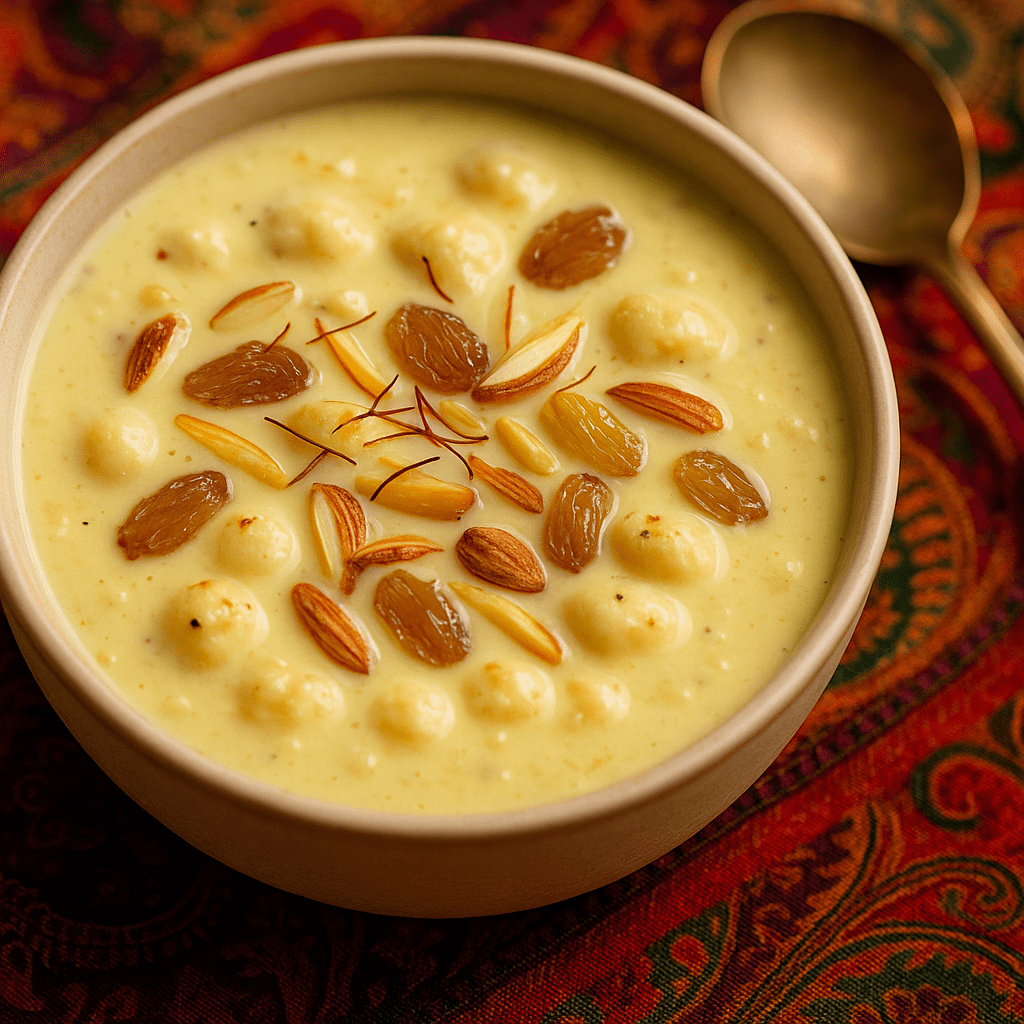
For those unfamiliar, makhana kheer is essentially a traditional Indian pudding made by slow-cooking puffed lotus seeds (also known as makhana or foxnuts) in milk, and sweetening it with sugar. My mother always adds a touch of cardamom and a few strands of saffron, which turn the kheer a beautiful golden hue and infuse it with a delicate aroma. We garnish it generously with nuts – golden almonds and cashews – and plump raisins, which not only elevate the flavor but also add a celebratory crunch and chew in each bite. This creamy dessert isn’t just delicious; it’s a bowl of memories and comfort. Traditionally prepared during Hindu fasting days and festivals, especially Navratri, makhana kheer has a special place in our home rituals. It’s both nourishing and auspicious, a dish that links generations and marks the sweet end of a day of devotion.

When I make makhana kheer now, I do it just like my mother and grandmother did. I roast the foxnuts in a spoonful of ghee until they’re crisp, let them luxuriate in simmering milk until soft, and sweeten the pudding to taste. The process is soothing in itself – the slow stirring, the fragrant steam, the anticipation of a treat. By the time it’s ready, the kheer is rich and velvety, the makhanas have absorbed the sweet milk, and the kitchen feels cozy and filled with love. If you’re looking for a dessert that’s easy to make yet deeply soulful, this Navratri-special makhana kheer might just become a beloved tradition in your family too.

Ingredients

2 tablespoons ghee (clarified butter)

2 cups makhana (foxnuts / popped lotus seeds)

4 cups whole milk (full-fat for best results)

1/4 cup sugar (adjust to taste)

1/2 teaspoon ground cardamom (or 4 green cardamom pods, crushed)

A pinch of saffron strands (about 8–10 strands)

2 tablespoons almonds, slivered (plus extra for garnish)

2 tablespoons cashews, halved (optional, or use instead of almonds)

2 tablespoons raisins (golden raisins preferred)


Instructions

1. Roast the Makhana: In a heavy-bottomed pan, heat the ghee on low flame. Add the makhanas (foxnuts) and roast them in the ghee, stirring continuously. Sauté for about 3–5 minutes until the makhanas turn light golden and crispy. (You’ll hear a slight crunch when you bite one.) Remove the roasted makhanas from the pan and set aside.


2. Toast Nuts & Raisins: In the same pan with remaining ghee, add the slivered almonds and cashews. Roast for 1–2 minutes until they turn golden brown. Add the raisins last and stir for just a few seconds – they will plump up quickly (be careful not to burn them). Remove the toasted nuts and raisins and keep them aside for later.


3. Boil the Milk: In a deep saucepan (or you can use the same pan if large enough), pour in the milk and bring it to a gentle boil over medium heat. Stir occasionally to prevent the milk from scorching at the bottom. Add the saffron strands to the milk as it heats, allowing their color and flavor to steep into the milk.


4. Combine Milk and Makhana: Once the milk comes to a boil, reduce the heat to low. Add the roasted makhanas to the milk. (For a creamier kheer, you can roughly crush or grind half of the roasted makhanas before adding, while keeping the rest whole – this helps thicken the pudding.) Stir everything together.


5. Simmer to Thicken: Let the makhanas simmer in the milk on low heat for about 10–15 minutes. Stir frequently, scraping the sides and bottom of the pan to mix in any thickened milk solids (this makes the kheer richer). The milk will reduce and thicken slightly, and the makhanas will soften as they absorb the sweet saffron-infused milk.


6. Sweeten and Spice: Once the milk has reduced to a creamy consistency (roughly about 3/4 of the original volume), add the sugar. Stir well so it dissolves completely. Next, sprinkle in the ground cardamom. The kitchen should now be filled with the lovely aroma of cardamom and saffron! Let the kheer simmer for another 2–3 minutes after adding sugar and cardamom, so all the flavors meld.


7. Finish with Nuts & Raisins: Turn off the heat. Add most of the toasted almonds, cashews, and raisins into the kheer, saving a few for garnish. Give a final stir. The makhana kheer at this point should be creamy with a pudding-like consistency. (It will thicken further as it cools, which is normal.)


8. Serve: Pour the kheer into serving bowls. Garnish each bowl with the reserved toasted nuts and raisins. Don’t forget to add a couple of saffron strands on top of each as a final festive touch. You can serve makhana kheer warm, which is especially comforting after a fast, or chilled if you prefer it cold and thick. Enjoy the kheer as a rich prasad (offering) during Navratri, or as a dessert to celebrate any special occasion.


Tips

Roast Thoroughly: Always roast the makhanas in ghee until they are crunchy before adding to the milk. This step enhances their nutty flavor and ensures they don’t turn soggy too quickly. Properly roasted foxnuts will absorb the milk nicely while still retaining a good bite.

Grind for Thickness: For an extra creamy texture, grind or powder a portion of the roasted makhanas and then add it to the milk. This ground makhana acts as a natural thickener, giving the kheer a luxurious, rabri-like consistency. (Many families take this approach to make the kheer richer, while still leaving some makhanas whole for texture.)

Stir and Scrape: While simmering the kheer, stir it often and scrape the sides of the pan. This helps reincorporate the thickened milk solids (malai) back into the pudding, making it richer. It also prevents the milk at the bottom from scorching – a little patience here goes a long way in achieving that perfect creamy texture.

Adjust Sweetness and Flavor: Sweeten the kheer to your taste. Sugar can be increased or reduced as per preference. You can even use jaggery for a deeper flavor – just remember to add it after turning off the heat to prevent curdling. Likewise, adjust spices to your liking: a pinch of nutmeg or a few drops of rose water can be added for variation, but cardamom and saffron are the classic choices that give makhana kheer its signature festive aroma.

Serving and Storage: Makhana kheer will thicken as it cools. If it becomes too thick, you can stir in a few tablespoons of warm milk to loosen it to desired consistency before serving. This dessert tastes wonderful warm (when it’s smooth and creamy) and equally delightful chilled (when it sets into a thicker pudding). If you chill it, the makhanas will continue to soften; some people love that custard-like result! Keep any leftovers refrigerated, and finish within 1-2 days for best taste.

Fasting-Friendly Variations: This recipe is naturally gluten-free and perfect for Navratri fasts. For a vegan version, swap the dairy milk with almond milk or coconut milk and use coconut oil instead of ghee – the kheer will still be deliciously creamy (though the flavor will differ slightly). You can also experiment with sweeteners like dates or honey if you avoid refined sugar during fasts.


*(Warm kitchen lights cast a soft glow on a bowl of creamy makhana kheer, garnished with saffron strands, almonds, and raisins, resting atop a colorful festive cloth – a picture of comfort and celebration.)*

As I scoop into my own bowl of makhana kheer now, I’m filled with the same warmth and contentment that I felt years ago during those Navratri nights. This Navratri-special dessert is more than just a recipe – it’s a thread connecting me to my heritage, my family, and countless celebrations where this kheer made the moment sweeter. I hope you’ll invite this traditional foxnut pudding into your home and create beautiful memories around it. May each creamy, blissful bite remind you of the joy of tradition and the love that goes into our food. Happy Navratri and happy cooking! 🌼✨

Breakfast

Vegetable Cheela – My 10-Minute Magic for Busy Mornings

🌄 Intro / Story Section:

In every Indian kitchen, there’s that one recipe — quick, reliable, and always open to interpretation. For me, it’s Vegetable Cheela. Whether it’s leftover veggies or rushed mornings, cheela comes to the rescue like a warm, crispy hug.

My mother called it “desi pancake” when feeding it to us as kids. She’d toss in whatever vegetables were lying around — a bit of grated carrot, chopped onions, maybe some spinach if we were lucky — and serve it hot with green chutney.

Now, it’s part of my own morning rhythm. Wholesome, customizable, and ready in minutes.


🥕 Vegetable Cheela Recipe

Serves: 2
Prep Time: 10 mins
Cook Time: 10 mins


🛒 Ingredients

  • 1 cup besan (gram flour)
  • ¼ tsp turmeric
  • ½ tsp ajwain (carom seeds)
  • 1–2 green chilies, finely chopped
  • ½ tsp red chili powder (optional)
  • Salt to taste
  • Water (enough to make a pourable batter)

🥕 Vegetables (add what you have):

  • ¼ cup grated carrot
  • ¼ cup finely chopped onion
  • ¼ cup chopped spinach/coriander
  • ¼ cup capsicum or cabbage (optional)

👩‍🍳 Instructions

  1. Make the Batter:
    In a bowl, mix besan, turmeric, ajwain, chili powder, salt. Gradually add water to make a smooth, lump-free batter.
  2. Add Vegetables:
    Toss in your chopped/grated veggies. Mix well.
  3. Heat the Pan:
    Heat a tawa or non-stick pan. Lightly grease with oil.
  4. Cook the Cheela:
    Pour a ladleful of batter and spread it gently like a dosa.
    Drizzle a little oil around the edges.
    Cook until golden on both sides.
  5. Serve Hot:
    With green chutney, ketchup, or curd.

💡 Tips & Variations

  • You can also add grated beetroot or zucchini.
  • For extra crispness, rest the batter for 10 mins.
  • Skip chilies for a kid-friendly version.

❤️ Closing Note

Vegetable Cheela isn’t just a recipe — it’s a reminder that something warm, filling, and colorful can still be fast and fuss-free. Try it once, and you’ll keep coming back to it — just like I do.