Lunch & Dinner

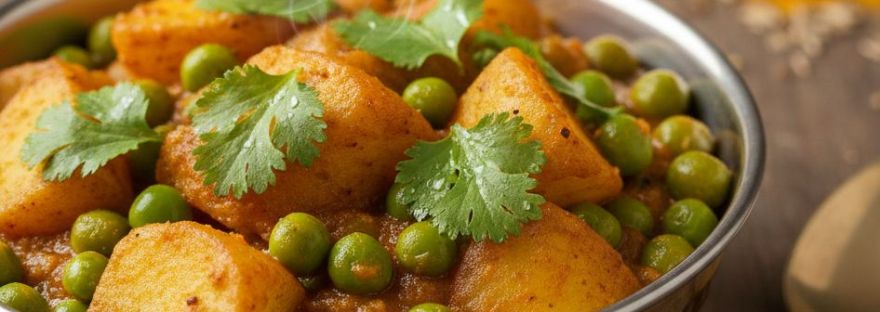
Aloo Matar: My Mother’s Winter Afternoon in a Bowl

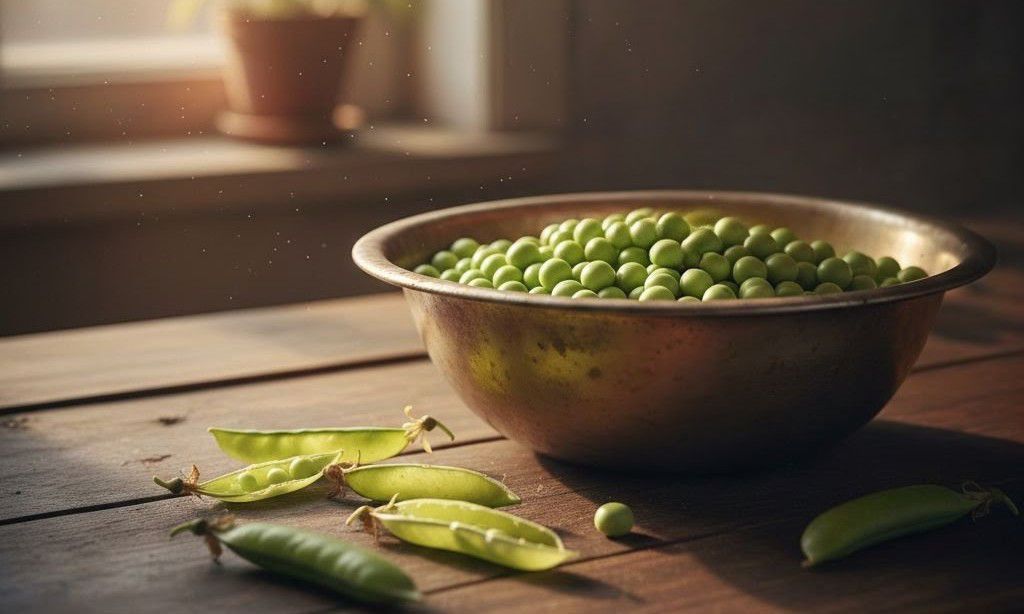
In our house, the definitive sound of winter wasn’t the whistling wind; it was the steady pop-pop-tinkle of fresh green peas hitting a steel bowl. I remember my mother sitting on a low stool in the afternoon sun, a mountain of pea pods in her lap. She never rushed the task. To her, shelling peas was a visual meditation—a way to ensure that only the sweetest, most “intentional” grains made it into the pot.
“A potato is just earth,” she would say, “but the pea is the spirit.” She taught me that the secret to a royal Aloo Matar wasn’t in the spices, but in the hierarchy of the cook. You had to respect the potato’s need for a headstart and the pea’s delicate desire to remain vibrant. This dish is a “Parasocial Companion” on our lunch table a warm, reliable hug that has survived generations of winter Sundays .
Today, at The Pinch of Masala, we are moving away from the “frozen-bag” culture and returning to the “Quiet Luxury” of hand-shelled winter bounty and my mother’s “Golden Sear” technique.

The most common mistake in Aloo Matar is ending up with a mushy, greyish mash. To keep your sabji looking “emerald and gold,” you must follow my mother’s two technical rules:
The “Golden Sear” Rule: Never boil the potatoes in the gravy from the start. You must sauté the potato cubes in oil or ghee until they develop a thin, golden crust. This “sealing” prevents the starch from leaking into the gravy, keeping it clean and allowing the potatoes to retain their shape.
The “Steam Trap” Finish: In 2026, we prioritize “Simplicity with Purpose”. My mother would never add excess water. She would cover the pan with a tight-fitting lid and cook the vegetables in their own juices. This “Steam Trap” method concentrates the natural sugars of the winter peas, making them taste like candy rather than water.

Prep time: 20 mins | Cook time: 20 mins | Servings: 4
Diet: Vegan, Gluten-Free | Cuisine: North Indian Heritage
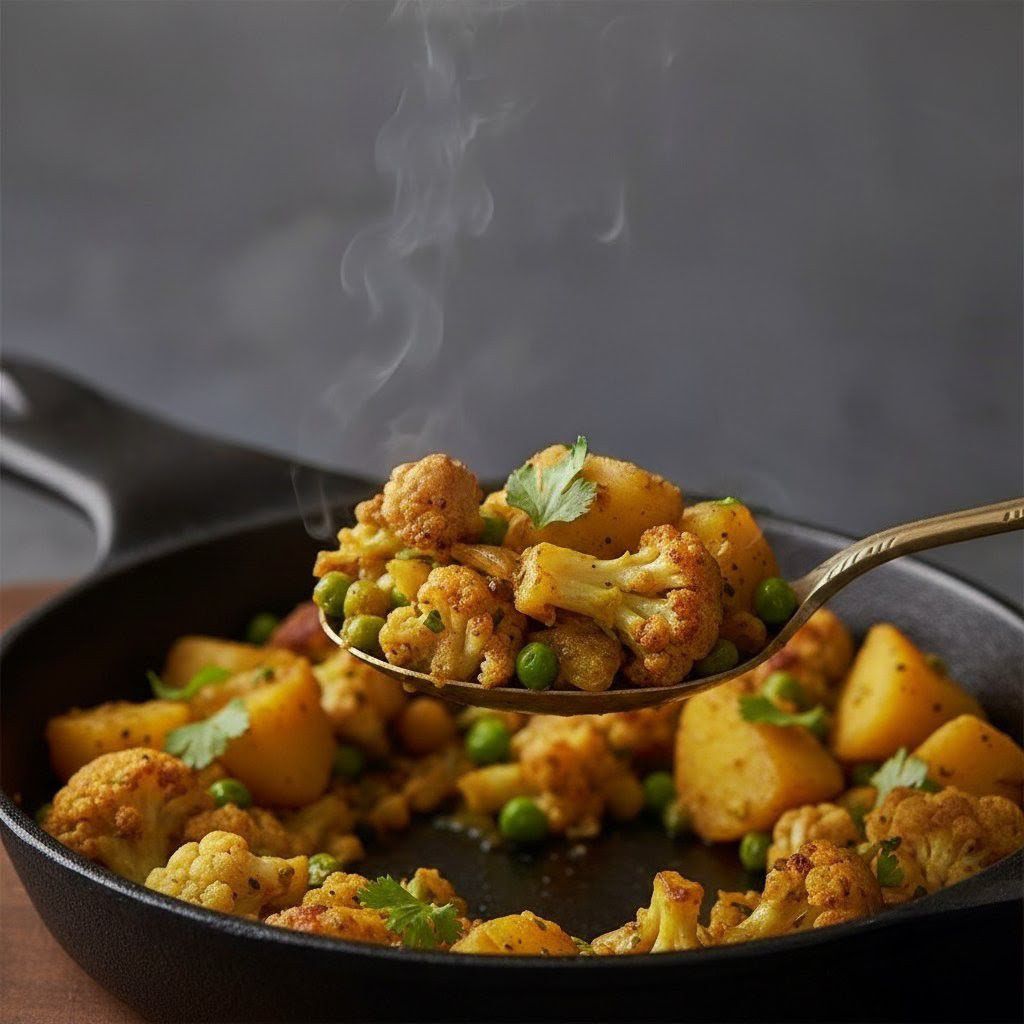
Ingredients:
2 cups Fresh Green Peas: Hand-shelled winter peas are best.
3 Medium Potatoes: Peeled and diced into ¾-inch cubes.
The Aromatics: 1 Large Onion (finely chopped), 1 inch Ginger (grated), 3 Garlic cloves (crushed).
The Base: 2 Ripe Tomatoes (pureed).
Fat: 2 tbsp Mustard Oil or Ghee.
Spices: 1 tsp Cumin seeds (Jeera), ½ tsp Turmeric (Haldi), 1 tsp Coriander powder, ½ tsp Red Chili powder, and ½ tsp Garam Masala.
The Finish: A handful of fresh Coriander leaves and a squeeze of Lemon juice.
Instructions:
The Sear: Heat oil in a heavy pan. Add the potatoes and a pinch of salt. Sauté on medium-high for 5–7 minutes until the edges are golden brown. Remove and set aside.
The Bloom: In the same oil, add cumin seeds. Once they sizzle, add the onions. Sauté until they are a deep translucent pink.
The Masala Base: Add the ginger and garlic. Sauté for 30 seconds, then pour in the tomato puree and dry spices. Cook until the oil begins to separate from the sides.
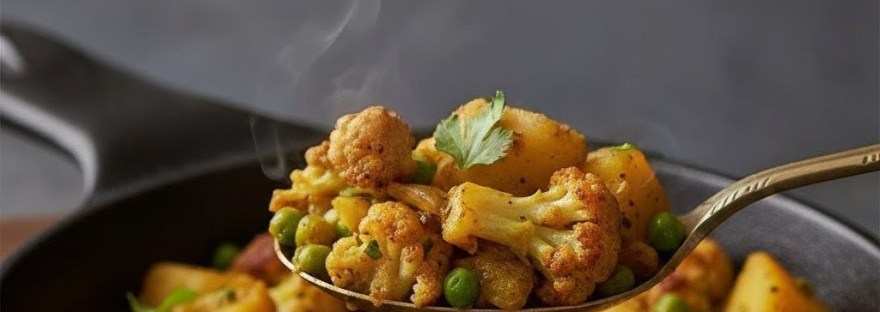
The Union: Add the seared potatoes and the fresh peas. Toss well to coat every piece in the masala.
The Steam Trap: Add only ¼ cup of water (or our Pod Stock, see below). Cover tightly and cook on low heat for 10–12 minutes.
The Reveal: Check if the potatoes are fork-tender. If the gravy is too thin, cook open for 2 minutes to thicken.
Final Touch: Stir in the garam masala and coriander. Squeeze lemon juice just before serving to “brighten” the earthy potatoes.

The Pod Stock: In the 2026 “Use-Up” economy, we value “Ingredient Integrity” . Do not throw away those fresh, green pea pods! Wash them thoroughly and boil them in water with a pinch of salt for 15 minutes. Strain this liquid and use it as the “Pod Stock” for your gravy. It adds a concentrated green sweetness and extra fiber, aligning with the current “Fibremaxxing” movement.

Lunch & Dinner

The Gemstone Pulao: A Mother’s Sunday Ritual of Patient Grains

In our house, Sunday wasn’t Sunday without the scent of cloves and cardamom drifting from the kitchen. While the recipe originally belonged to my grandmother, it was my mother who turned the Veg Pulao into a weekly masterclass of patience. She called it the “Garland of the Garden.” To her, a pulao wasn’t just a side dish; it was a sign of respect for the grain.
I remember her standing over the sink, rinsing the Basmati with a level of focus usually reserved for prayer. “If you don’t wash the starch away,” she’d say, “you’re just making khichdi.” My mother believed that every grain should be a separate pearl a “Parasocial Companion” on the plate that respected its neighbors. She taught me that the secret to a royal pulao wasn’t in the number of vegetables, but in how you treated the rice.
Today, at The Pinch of Masala, we are reclaiming the art of the non-mushy pulao. This is a return to “Quiet Luxury” using aged rice, hand-bloomed spices, and the slow-cook method my mother perfected.

The primary reason home pulao turns into a soggy mash is that the rice is often boiled rather than “toasted.” My mother insisted on two non-negotiable technical steps:
The Sauté Rule: After soaking and draining, you must sauté the raw grains in ghee for 1 to 2 minutes. This coats each grain in fat, creating a moisture barrier that ensures they stay separate and fluffy after cooking.
The Resting Period: 2026 food media emphasizes the “Resting Period” as a hallmark of quality. Once the heat is off, do not touch the rice for at least 10 to 15 minutes. This allows the steam to redistribute, naturally firming up the grains so they don’t break when fluffed.

Prep time: 20 mins | Cook time: 20 mins | Servings: 4
Diet: Vegan-Optional, Gluten-Free | Cuisine: North Indian Heritage
Ingredients:
1.5 Cups Aged Basmati Rice: Grains should be at least 2 years old for maximum length.
2.5 Cups Liquid: Use our Scrap Stock (see below) for a 10x deeper flavor.
The Medley: ½ cup carrots (diced), ½ cup green peas, ½ cup beans, and 1 medium potato (cubed).
The Whole Bloom: 2 Bay leaves, 1-inch Cinnamon stick, 4 Cloves, 3 Green cardamoms, and 1 tsp Cumin seeds (Jeera).
The Green Aroma: A handful of fresh Mint (Pudina) and Coriander.
Fat: 2 tbsp Ghee (Clarified Butter) or oil.
Acid: 1 tsp Lemon juice (helps keep grains bright white and fluffy).
Instructions:
The Purge: Rinse the rice 3-4 times until the water runs completely clear to remove excess starch. Soak for 20-30 minutes.
The Bloom: Heat ghee in a heavy pot. Add the whole spices and allow them to sizzle and release their oils.
The Base: Sauté sliced onions until golden brown. Add 1.5 tsp ginger-garlic paste and cook until the raw aroma disappears.
The Gemstones: Add the veggies and mint. Sauté for 3 minutes to coat them in the flavored fat.
The Rice Toast: Add the drained rice. Stir gently for 2 minutes, ensuring every grain is glistening with ghee.
The Simmer: Pour in the stock (or water), salt, and lemon juice. Bring to a boil, then turn the heat to the lowest setting. Cover with a tight-fitting lid.
The Silence: Cook for 8-10 minutes until water is absorbed. Turn off the heat. Do not open the lid.
The Reveal: Let it rest for 10-15 minutes. Fluff gently with a fork and serve.

The Scrap Stock: Never cook rice in plain water again. In the 2026 “Use-Up” economy, we value onion skins, carrot ends, and coriander stems. Boil these scraps in water for 20 minutes with a pinch of salt to create a savory vegetable stock. This adds a deep umami that plain water simply cannot match.

Lunch & Dinner

Lehsuni Palak: The Emerald Ritual of my Grandmother’s Winter Kitchen

Introduction & Story
There is a specific kind of “Quiet Luxury” in a pile of fresh winter spinach.[1] In our home, it was never just a bag of leaves from a supermarket; it was a morning ritual. I remember my grandmother sitting in the winter sun, a colander between her knees, meticulously sorting through bunches of dark, earthy palak.
“The soil gives it soul,” she would say, explaining why we never threw away the tender stems. She believed that the stems held the “sweetness,” while the leaves held the “strength.”
Today’s recipe, Lehsuni Palak (Garlicky Spinach), is a tribute to that simplicity. It isn’t a heavy, cream-laden Palak Paneer. It is a rustic, gravy-based curry that allows the vibrant, slightly metallic taste of fresh spinach to take center stage, punctuated only by the aggressive, smoky aroma of roasted garlic. This is food that feels like an intentional hug—nourishing, sustainable, and built to last.[2]
The “Digital Anthropologist” Technical Secret: Retaining the Emerald
In 2026, we value “Technical Excellence” in the kitchen.[3] The most common mistake in making spinach is overcooking it until it turns a dull, swampy brown. To keep your sabji a brilliant, “Insta-worthy” emerald green, you must master the Blanch and Shock technique:
Blanch: Submerge the leaves in boiling salted water for exactly 2 minutes. Adding a pinch of sugar or baking soda helps lock in the chlorophyll.
Shock: Immediately move the leaves to an ice-water bath. This “shocks” the cooking process to a halt, preserving the texture and the vibrant hue.
The Recipe Card
Prep time: 15 mins | Cook time: 15 mins | Servings: 4
Course: Side Dish | Cuisine: North Indian (Dhaba Style)

Ingredients:
1 Large Bunch Fresh Palak (Spinach): Cleaned and washed thoroughly.
The “Lehsun” (Garlic): 15-20 cloves total. (10 cloves ground into the paste, 5-10 sliced for the final tempering).
The Base Paste: 2 Tomatoes, 2 tbsp Roasted Peanuts, 1 inch Ginger, and 2 Green Chillies.
Thickener: 2 tbsp Besan (Gram Flour) — this provides a rustic “Dhaba” heartiness without the need for cream.
Fat: 2 tbsp Ghee (Clarified Butter) for the richest aroma.
Spices: ½ tsp Cumin seeds (Jeera), a pinch of Hing (Asafoetida), ½ tsp Turmeric, 1 tsp Coriander powder, and Salt to taste.
Instructions:
Prep the Green: Blanch and shock the spinach as described above. Grind half of the spinach into a smooth puree and roughly chop the other half to maintain texture.
The Base: Blend the tomatoes, peanuts, ginger, and 10 garlic cloves into a smooth “Red Puree”.
Sauté: Heat 1 tbsp oil in a kadai. Add cumin and hing. Once they splutter, add the Red Puree and cook until the oil starts to separate.
The Nutty Secret: Add the besan (gram flour) and sauté for 2 minutes until it smells aromatic and nutty.
Combine: Add the spinach puree, the chopped leaves, and the dry spices. Add ½ cup water to adjust the consistency. Cover and simmer for 3-5 minutes so the flavors meld.
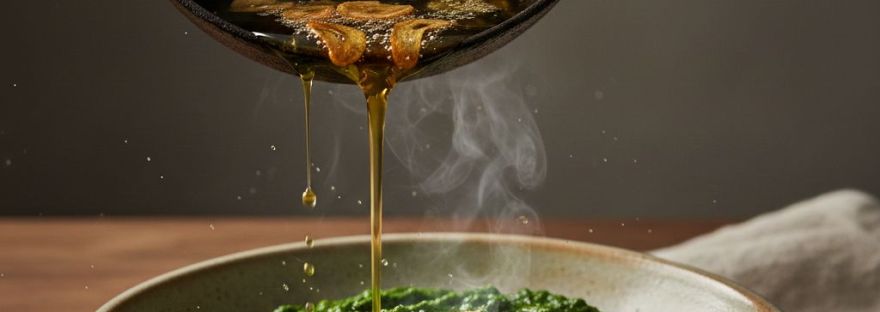
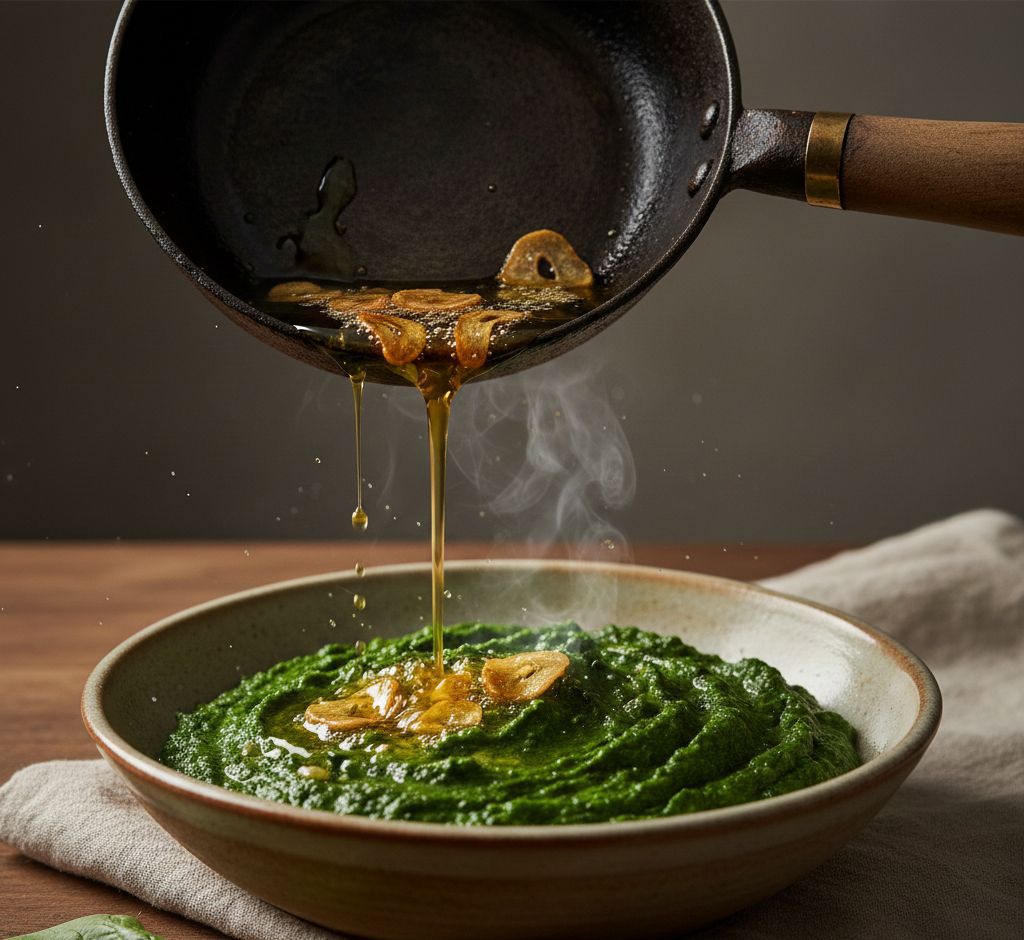
The Final “Lehsuni” Tadka: This is the soul of the dish. Heat ghee in a small pan. Add the sliced garlic and fry until it turns deep golden brown (not black). Add a broken dry red chili.
Serve: Pour this sizzling garlic ghee over the spinach and serve immediately with hot Rotis or Makki ki Roti.


The “Pinch of Thrift” Tip (Zero Waste)
The Stem Stock: Don’t discard the fibrous spinach stems! In 2026’s “Use-Up” economy, we value every scrap.[3] Finely chop the tender stems and sauté them along with your onions or tomatoes. They add a wonderful crunch and a concentrated dose of fiber fitting perfectly into the “Fiber Revolution” trend.