Dessert

Kharwas – A Rare Delicacy Steeped in Tradition

Memories of Kharwas
I remember the first time I tasted kharwas. I was seven, spending summer at my grandmother’s farm in Maharashtra. One misty dawn, Aaji (grandma) gently woke me with excitement — the neighbor’s cow had calved, and that meant one thing: kharwas for everyone. In our village, whenever a calf was born, the excess colostrum (first milk) was shared among neighbors so that every household could make this cherished pudding. That first milk, so thick and golden, would be mixed with regular milk, grated jaggery, and fragrant spices like cardamom (and sometimes a pinch of pepper) before being steamed until it set into a tender custard. I watched in awe as Aaji stirred the viscous kharvas doodh (colostrum) with jaggery and cardamom, poured it into a steel tiffin, and placed it in our big idli steamer. The kitchen soon filled with the sweet, earthy aroma of caramelized jaggery and spice.

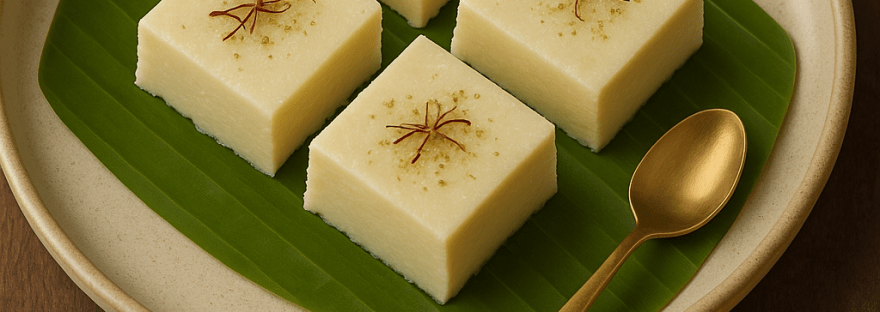
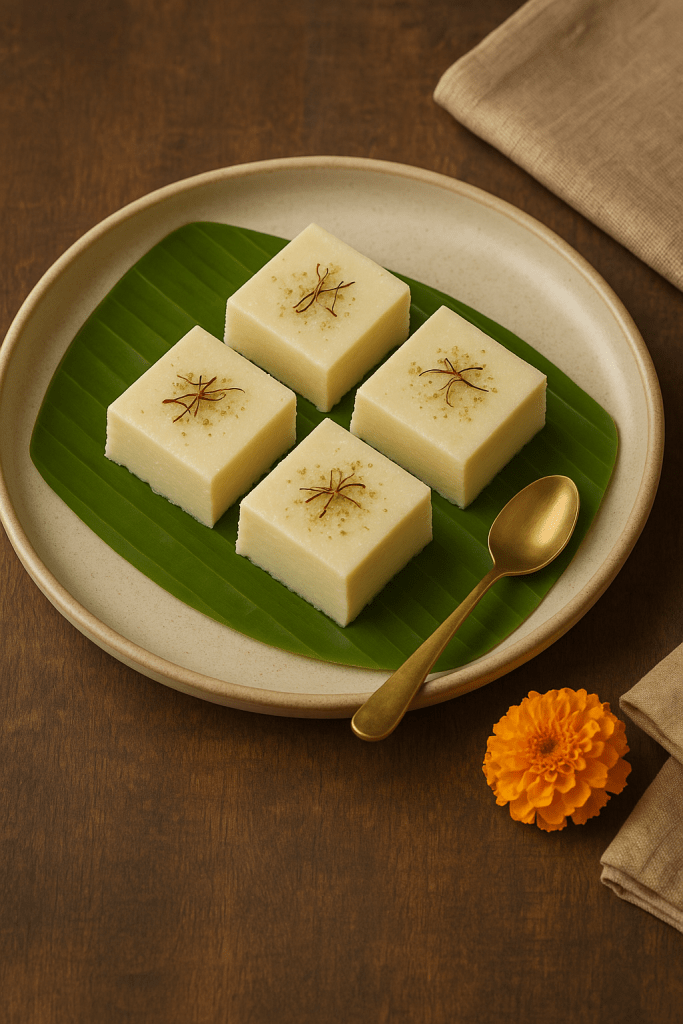
When she finally opened the lid, there it was – a gently jiggling pudding with a light saffron hue. She cut it into squares and slipped a piece onto my plate. The first spoonful was pure magic: creamy and delicately sweet, with the warmth of cardamom. It melted in my mouth, yet had a subtle, cheese-like firmness that was utterly new to me. Kharwas isn’t an everyday sweet – it’s made only on special days like this, when nature provides that rare first milk. It’s not just a dessert; it’s a celebration. In Maharashtrian culture, this simple steamed pudding symbolizes gratitude for new life and the sharing of abundance. To me, that taste of kharwas will forever be intertwined with the laughter of family before sunrise and my grandmother’s loving hands. It’s more than a sweet – it’s a memory, a ritual, a bowl of tradition passed down with love.
Recipe: Kharwas (Colostrum Milk Pudding)

Servings: 4
Prep Time: 10 minutes
Cook Time: 30 minutes

Ingredients (Serves 4)

2 cups colostrum milk (first-day milk after calving)

1 cup whole milk (use if colostrum is very thick; omit for later-day colostrum)

3/4 cup jaggery, grated or crumbled (traditional sweetener, or use sugar)

1/2 teaspoon cardamom powder (for aroma)

1 pinch nutmeg powder or black pepper powder (optional, traditional touch)

A few saffron strands (optional, for a richer color and aroma)


Instructions

1. Mix the Milk Base: In a large bowl, pour the colostrum milk. If using first-day colostrum (which is very thick and rich), stir in the regular whole milk to dilute it slightly. Add the grated jaggery to the milk and mix well. Keep stirring until the jaggery dissolves completely (you can also warm the milk gently to help the jaggery melt). Once dissolved, add the cardamom powder and mix. (If any impurities from the jaggery remain, you can strain the mixture through a sieve.)


2. Prepare Steaming Dish: Grease a deep stainless steel plate or bowl (or lidded container) with a few drops of ghee or oil. This will help the pudding release easily after cooking. Pour the sweetened milk mixture into the prepared dish. If using saffron, sprinkle the strands on top. Also sprinkle the tiny pinch of nutmeg or black pepper powder on the mixture for subtle flavor (optional).


3. Cover: Cover the dish with a lid or aluminum foil. This is important to prevent any water droplets from the steam from falling into the pudding and ruining its smooth texture.


4. Steam Cook: Prepare your steamer setup – you can use an idli steamer, pressure cooker (without whistle), or any large pot. Add about 2 inches of water to the steamer and bring it to a simmer. Place the covered dish on a trivet or stand inside the steamer. Close the lid. Steam on medium heat for about 25–30 minutes. Avoid high heat, as vigorous boiling can cause water to splash into the pudding. After about 25 minutes, carefully open and insert a toothpick or knife into the center of the pudding; if it comes out clean, the kharwas is set. If not, steam for another 5–10 minutes and check again.


5. Cool and Set: Once the pudding is cooked and has a slight jiggle but is firm to touch, turn off the heat. Remove the dish from the steamer using tongs (be careful, it’s hot). Let it cool to room temperature. As it cools, the pudding will firm up further. For the best texture, once cooled, refrigerate the kharwas for at least 2 hours (cover it while refrigerating). Chilling helps it set into a nice sliceable custard.


6. Serve: When fully set and chilled, run a knife around the edges of the pudding to loosen it. Invert it onto a plate (or you can even serve directly from the bowl). Cut the kharwas into squares or wedges. Serve chilled for the classic feel – the cool, silky texture is unbelievably comforting. You can also enjoy it slightly warm if you prefer, but traditionally it’s served cold, often as a treat after meals.


Tips

Colostrum Milk: Colostrum is the nutrient-rich first milk produced by a cow or buffalo after giving birth. If you are lucky enough to have first-day colostrum (which is very thick), dilute it with some normal milk (even up to a 1:6 ratio of colostrum to milk) so that the pudding sets with a tender texture. Colostrum from the second or third day is thinner; you can often use it without dilution.

Sweetener Choices: Authentic kharwas is made with jaggery, which lends a gentle caramel flavor and a light beige hue to the pudding. If you don’t have jaggery, you can use sugar or sweetened condensed milk, but jaggery truly gives that rustic, traditional taste. (Using jaggery also makes the pudding a tad healthier and more earthy in flavor.) Remember to dissolve and strain jaggery if it’s impure.

Steaming Tips: Always cover the container of the milk mixture before steaming to avoid water droplets entering. Steam on medium heat; a high rolling boil can cause water to seep in or the milk to overflow. If using a pressure cooker, do not put the weight/whistle on – just steam it like you would idlis. Typically, 25–30 minutes of steaming is sufficient for a medium bowl; a larger quantity might take a bit longer.

No Colostrum? Instant Kharwas: Can’t find colostrum milk? You can still enjoy a similar pudding. Mix 1 cup full-fat milk, 1 cup thick yogurt (curd), 1/2–1 cup sweetened condensed milk, and 2 teaspoons of custard powder (or corn flour). Whisk until smooth (no lumps) and steam this mixture just like above. This yields a soft, blancmange-like milk pudding that’s remarkably close to true kharwas. It’s an ingenious substitute for those of us who crave kharwas without access to colostrum.

Flavor Variations: Traditional kharwas is often simply flavored with cardamom (and occasionally a touch of nutmeg). For a Goan twist, some people place a piece of turmeric leaf while steaming or add a pinch of turmeric for a lovely aroma and yellow tint – this is called “posu” in Konkani. You can also infuse a few strands of saffron in warm milk and add to the mix for a richer fragrance. Garnishing the finished pudding with chopped pistachios or almonds can add a pleasant crunch to the silky pudding, though purists usually enjoy it plain.


Every time I make kharwas, I’m transported back to that early morning in my Aaji’s kitchen – the softness of her cotton sari against my cheek as we peered into the steamer, the dew on the air, and the irresistible scent of sweet milk filling the courtyard. In a world where desserts often come from bakeries or boxes, this humble, home-steamed pudding feels like a hug from the past. It’s amazing how one simple dessert can hold a lifetime of memories and tradition. I hope this recipe brings a bit of that farmhouse warmth into your home. Serve it to your loved ones and share the story – because kharwas isn’t just about indulging a sweet tooth, it’s about savoring a piece of our heritage with each creamy, cardamom-kissed bite. Happy cooking! ❤️

Snacks

🥟 Matar Kachori – Crispy, Spiced, and Pure Comfort


✨ A Winter Morning Memory

In Odisha, winter mornings often begin with the aroma of fresh kachoris frying at the street corner or in our own kitchen. I still remember my grandmother waking up early, preparing the spicy green pea filling with a secret mix of garam masala and hing, and gently rolling out each perfect disc.

By the time we finished our morning chores, a brass plate full of crispy, puffed-up matar kachoris would be waiting — served with a mild aloo curry or sweet tamarind chutney.

Even now, every bite takes me back to that warmth — both of the dish and of those winter mornings wrapped in woolen shawls.


🧾 Ingredients (Serves 4)

For the Dough:

2 cups all-purpose flour (maida)

2 tbsp oil or ghee

Salt to taste

Cold water, to knead


For the Filling:

1½ cups green peas (fresh or frozen, coarsely mashed)

1 tbsp oil

1 tsp cumin seeds

½ tsp grated ginger

1 chopped green chili

¼ tsp hing (asafoetida)

½ tsp turmeric powder

1 tsp roasted cumin powder

½ tsp garam masala

Salt to taste

1 tsp sugar (optional)

1 tbsp chopped coriander (optional)


For Frying:

Oil for deep frying


👩‍🍳 Method

1. Prepare the Dough:

Mix flour, salt, and oil/ghee. Rub until crumbly.

Slowly add cold water and knead into a semi-soft dough. Rest for 20–30 minutes.


2. Make the Filling:

Heat oil in a pan. Add cumin, hing, ginger, and green chili.

Add the mashed peas, turmeric, salt, sugar, cumin powder, and garam masala.

Sauté on medium flame until the mixture becomes dry and aromatic.

Let it cool. Optional: Add chopped coriander.


3. Assemble the Kachori:

Divide dough into lemon-sized balls.

Flatten, add a spoonful of filling, seal edges, and gently roll out into a disc (not too thin).


4. Fry:

Heat oil on medium. Fry kachoris until golden and puffed.

Remove onto paper towels.


🍽️ Serve With:

Aloo sabzi (curried potatoes) for a breakfast platter

Sweet tamarind chutney for a snack-time treat

Masala chai for the ultimate cozy combination


💛 Why You’ll Love It

Festive, nostalgic flavor

Flaky and crisp with a soft, spiced center

Great for breakfast or evening snack

Easily prepped ahead

Fastival Food

Kanika – Temple-Style Sweet Ghee Rice from Odisha

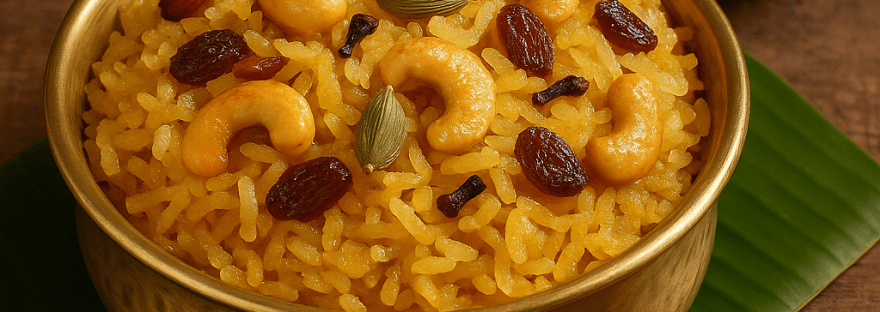
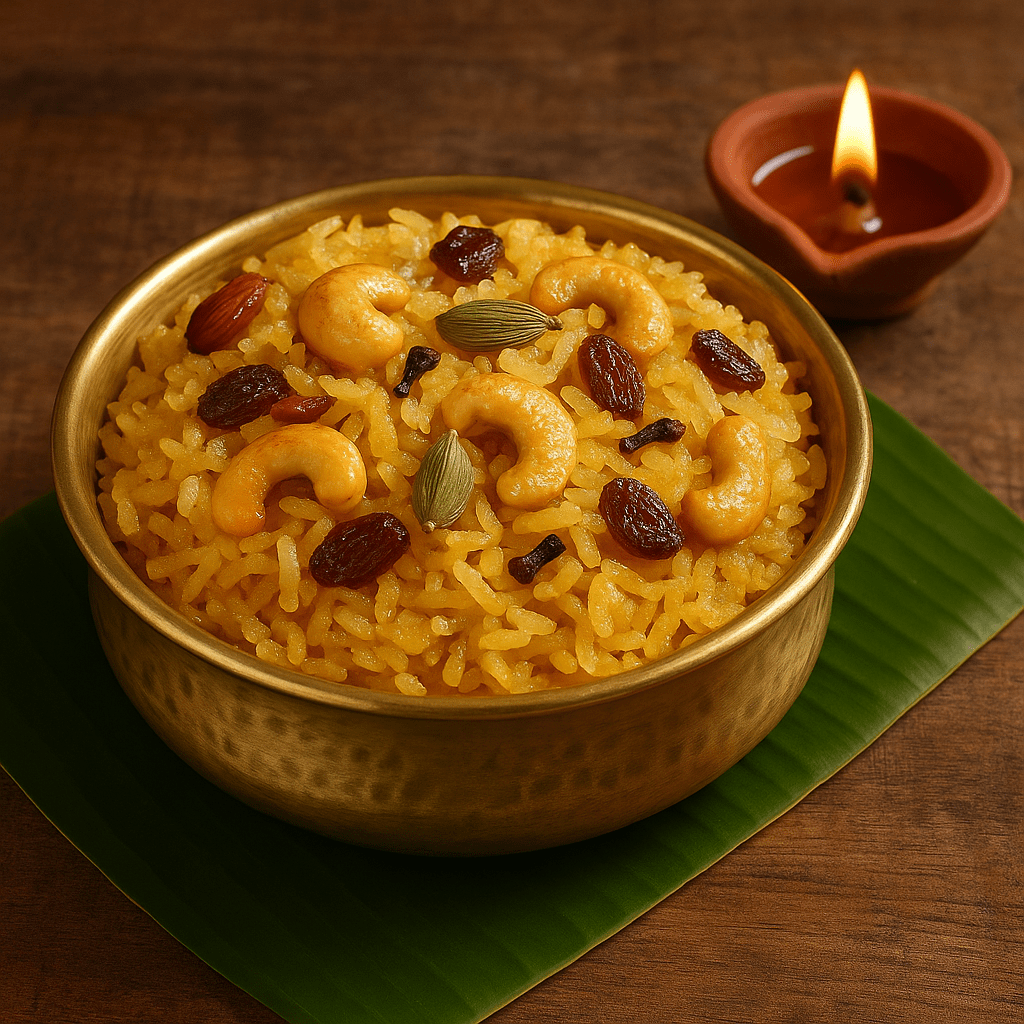
In every Odia household, Kanika is more than a dish — it’s a celebration, a sacred offering, and a sweet memory rolled into fragrant grains of rice. I remember every Rath Yatra and festive Sunday, my mother would prepare Kanika in a brass handi with generous spoonfuls of ghee, and as the aroma filled the house, we’d know the bhog plate was almost ready.

Kanika is a traditional sweet rice dish from Odisha, flavored with ghee, jaggery, and spices. It’s part of the famous Chappan Bhog offered to Lord Jagannath in Puri and is often paired with dalma, saga, or khatta. Unlike kheer, Kanika is dry, rich, and lightly spiced — often served in temple rituals or made at home during pujas and celebrations.

Ingredients (Serves 3–4)

1 cup arua chaula (raw rice or basmati rice)

¾ cup grated jaggery (adjust to sweetness)

2 tbsp desi ghee

2 tbsp grated coconut (optional)

2 tbsp cashews and raisins

1–2 small bay leaves

2–3 cloves

2–3 green cardamoms

A small piece of cinnamon

A pinch of salt

2 cups water


Step-by-Step Preparation

1. Wash & soak rice

Wash the rice and soak it in water for 20–30 minutes. Drain and set aside.

2. Prepare jaggery syrup

In a small pan, dissolve jaggery in 2 cups warm water. Strain to remove impurities and keep aside.

3. Temper the ghee

In a thick-bottomed kadhai, heat ghee. Add bay leaves, cloves, cardamoms, and cinnamon. Let them splutter and release aroma.

4. Add dry fruits

Toss in cashews and raisins. Fry till golden. Add grated coconut if using.

5. Cook the rice

Add drained rice and stir gently to coat with ghee and spices. Sauté for 2–3 minutes.

6. Add jaggery water

Pour in the strained jaggery water and add a pinch of salt (to enhance sweetness). Bring to a gentle boil.

7. Simmer and cook

Cover and cook on low heat until the rice absorbs all the liquid and turns soft and aromatic. Do not stir too much — let it steam gently.

8. Rest and fluff

Turn off heat. Let it sit covered for 5 minutes. Fluff with a fork. Serve warm.


Tips for Perfect Kanika

Use arua chaula (raw rice) or aged basmati for fragrance.

Do not overcook the rice — each grain should be soft but separate.

A little salt actually balances the sweetness and brings out flavor.

For temple-style feel, use brass utensils and no onions or garlic.


Serving Suggestions

Serve with dalma, khatta, or simple mixed veg curry

Add it to a festive bhog thali with saga, chutney, and pakhala

Enjoy as a warm sweet snack with just a spoon of ghee on top


Why I Love It

I love Kanika because it smells like tradition. It brings back memories of temple bells, copper thalis, and the rustle of tulsi leaves on a summer afternoon. It’s sweet, but not overly so — soft, spiced, and rich with ghee. On puja days or whenever my heart needs a little comforting, I make a small pot of Kanika, and suddenly, everything feels sacred again.

Dessert

Puran Poli – Maharashtra’s Sweet-Stuffed Festival Flatbread


🌼 When Jaggery, Dal & Dough Come Together in Pure Celebration

Soft, golden, slightly crispy outside and sweet, melt-in-mouth inside — Puran Poli is not just food.
It’s tradition.
A labor of love.
And the taste of every Marathi festival that brings families together.

🛒 What You’ll Need (Makes 6–8 polis):

For the puran (filling):

1 cup chana dal

¾ cup jaggery, grated

½ tsp cardamom powder

Pinch of nutmeg powder

1 tbsp ghee


For the poli (outer dough):

1½ cups atta (wheat flour) or mix of wheat + maida

Pinch of salt

Warm water to knead

Ghee or oil for cooking


🪔 How to Make It – Sweet, Soft & Soulful

1. Make the Dough

Knead soft, pliable dough using flour, salt, and water. Add a bit of oil and rest it for 30 minutes.

2. Prepare the Puran

Boil chana dal until soft but not mushy. Drain and mash/blend.
In a pan, add dal + jaggery. Cook on low till mixture thickens. Add cardamom and nutmeg.
Cool and divide into equal balls.

3. Assemble the Poli

Take a dough ball, flatten slightly. Place puran in the center, seal edges, and roll gently into thin circles.

4. Cook with Love

Roast on hot tawa with ghee until golden spots appear on both sides. Press gently for even cooking.

5. Serve Warm

With a drizzle of ghee, a side of milk, or katachi amti (spiced dal water from boiled chana dal).


❤️ Why Puran Poli Is a Timeless Festive Favorite

Balanced sweetness — not overly sugary

Rich in protein and tradition

Freezes well for later cravings

Because some recipes are meant to be shared, not just made

Dessert

Gulab Jamun – Soft, Syrupy, and Straight From the Sweetest Dreams


🍯 Because Some Sweets Deserve a Soak in Syrup

Golden on the outside, soft and milky inside — Gulab Jamuns aren’t just a sweet dish, they’re an emotion.
They melt in the mouth, soak into your soul, and feel like a hug with every bite.

Made from khoya or milk powder, deep-fried till perfectly browned and dropped into rose-scented sugar syrup — they’re always a celebration.


🛒 What You’ll Need (Makes 10–12 jamuns):

For the dough:

1 cup milk powder

¼ cup maida (all-purpose flour)

1 tbsp ghee

A pinch of baking soda

2–3 tbsp milk (for kneading)


For the sugar syrup:

1½ cups sugar

1½ cups water

2–3 cardamom pods

A few drops of rose water (optional)

A few strands of saffron (optional)

Ghee or oil for deep frying


🍩 How to Make It – With Patience and a Sweet Hand

1. Make the Syrup

In a pan, mix sugar, water, cardamom. Bring to a boil.
Simmer for 8–10 minutes till slightly sticky (not one-string). Add rose water/saffron. Keep warm.

2. Prepare the Dough

In a bowl, mix milk powder, maida, soda, and ghee. Add milk little by little to make a soft, smooth dough. Don’t over-knead.

3. Shape the Jamuns

Make small, crack-free balls. Keep them covered so they don’t dry out.

4. Fry Low and Slow

Heat oil/ghee on low flame. Fry the balls gently, stirring often, till golden brown all over. This takes time — let them cook through.

5. Soak & Serve

Drop hot jamuns into warm syrup. Let them soak for at least 1–2 hours.
Serve warm, at room temp, or slightly chilled.


❤️ Why Gulab Jamun Will Always Be the Showstopper

Classic for weddings, birthdays, festivals

Melts in the mouth, not just in your hand

Made from pantry staples, but feels luxurious

Because nothing feels as sweet as one more gulab jamun