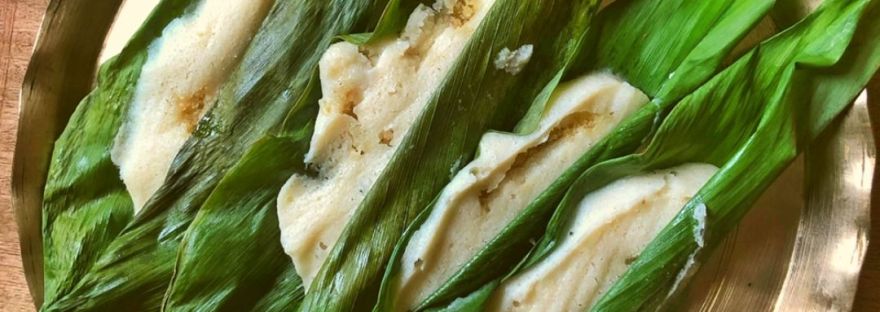
Wrapped in fresh green turmeric leaves, Enduri Pitha is a beloved Odia delicacy steeped in culture and nostalgia. Every Odia family recalls chilly winter mornings when elders rose before dawn to prepare this pitha for festivals like Prathamastami (the celebration of the firstborn child) and other winter pujas. On Prathamastami, the eldest child is blessed with new clothes and prayers, and *“the main delicacy of the day is Enduri Pitha”*. The soft fermented rice-and-urad-dal cakes are filled with a sweet coconut–jaggery mixture, then steam-cooked inside turmeric leaves. When the spicy leaves are unwrapped, the heavenly aroma (often described as *“transporting you to an ethereal world”*) fills the kitchen. For many, each Enduri Pitha carries memories of grandparents chanting morning prayers, the kitchen lush with earthy turmeric fragrance, and a sense of devotion and togetherness that marks the festival.
Turmeric (haldi) is considered holy in Odisha’s customs: its leaves are believed to purify and bless food. The use of fresh turmeric leaves not only imparts aroma and a healthful touch (even giving Enduri Pitha a mild laxative effect), but also symbolizes purity and a spiritual link to nature. Traditionally, these rice cakes were offered as Mahaprasad (sacred food) to Lord Jagannath in Puri, making them a blessed feast. This post walks you through a step-by-step recipe for Enduri Pitha – from the fermented batter and coconut–jaggery stuffing to the sacred steaming process – along with tips, variations, and the cultural magic behind this dish.
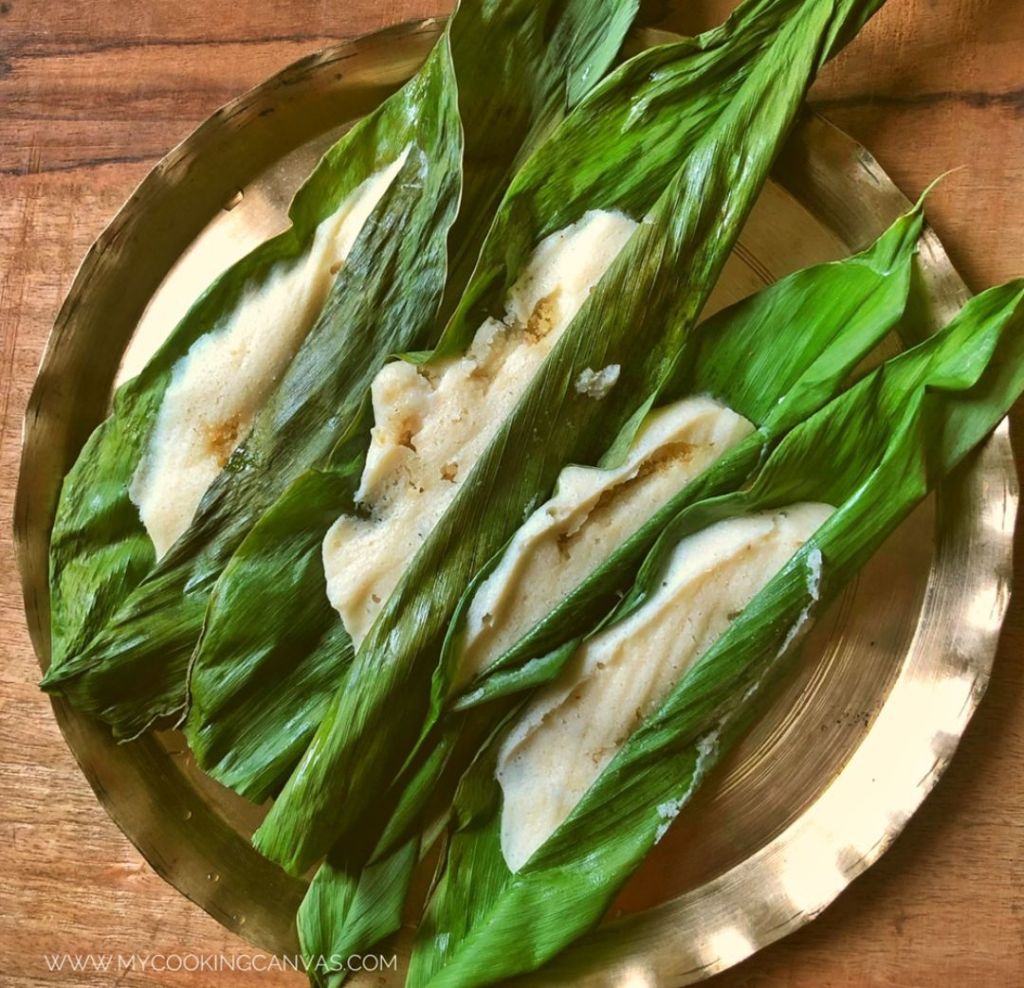
Enduri Pitha: Soft steamed cakes of rice-urad batter with sweet coconut–jaggery filling, wrapped in glossy green turmeric leaves.
Ingredients
To make about 10–12 Enduri Pithas, you’ll need:
Rice and Urad Dal: ~1 cup raw rice and ½ cup split urad dal (black gram). (You can soak them together or separately.)
Turmeric Leaves: 10–12 fresh green turmeric leaves (haldi patra). These are the envelopes that infuse fragrance. (If unavailable, large banana leaves may be substituted, though the unique aroma is then missing.)
Coconut-Jaggery Filling: 1 cup grated fresh coconut, 100–150 g jaggery (or dark jaggery/sugar to taste), and 4–6 green cardamom pods, crushed. (Some cooks also add 100 g crumbled chhena [fresh cottage cheese] and a few peppercorns to the filling for extra richness and spice.)
Seasoning: A pinch of salt for the batter; a small knob of ghee or oil to grease the leaves (optional).
Optional: A few whole black peppercorns for the stuffing (traditional).
To Steam: Water and a steamer (or large pot with a steaming setup).
These simple ingredients come together to showcase Odisha’s agrarian heritage – rice, lentils, coconut, and jaggery, wrapped in a symbol of the earth (the turmeric leaf).
Method: Step-by-Step Recipe
1. Soak and Grind Batter: Wash the rice and urad dal well. Soak them together (or separately) in enough water for at least 4–6 hours, or overnight. Drain the water and grind the dal into a fine smooth paste (adding a little water as needed). Next, add the soaked rice and grind again, leaving the rice batter slightly coarse (this is traditional). The final consistency should be similar to dosa batter – neither too thin nor too stiff.
2. Ferment the Batter: Transfer the batter to a bowl, stir in a pinch of salt, and cover. Let it ferment in a warm place for 5–8 hours (or overnight). In warm weather, fermentation happens faster (5–6 hours); in cooler climates, you might ferment longer or use a warm oven to help. Fermentation gives the pitha a light tang and fluffiness reminiscent of idli. When done, the batter will have risen slightly and feel a bit airy.
3. Make the Filling: While the batter ferments, prepare the sweet stuffing. In a pan over medium heat, melt the jaggery with a splash of water and bring it to a boil. Add the grated coconut and (if using) crumbled chhena, stirring constantly. Cook until the mixture starts to thicken and the coconut pieces look lightly toasted. Stir in cardamom powder and coarsely crushed peppercorns for warmth. Once the filling is moist but no longer runny, remove from heat and let it cool. The cooled stuffing should hold together slightly but still be soft.
4. Prepare the Turmeric Leaves: Wash each turmeric leaf and pat it dry. If the leaves are large, you can cut them into roughly equal strips. Lightly grease each leaf with a bit of ghee or oil – this prevents sticking and adds shine. Place a greased leaf on a flat surface (shiny side down, veins up). Using a ladle or spoon, pour a small oval of the fermented batter onto the lower half of the leaf, spreading it gently to about 1/4″ thickness (leaving room to fold).
Preparing Enduri Pitha: A spoonful of fermented rice–dal batter is spread on a greased turmeric leaf (on a brass plate) and topped with the sweet coconut–jaggery filling.
5. Stuff and Fold: Quickly place about 1–2 tablespoons of the coconut–jaggery mixture along the center of the batter oval. Fold the leaf lengthwise to encase the stuffing (like closing a book). You can simply fold the leaf over itself, or for extra security tie each bundle with a short kitchen thread. Tradition varies: in many Odia homes the folded pithas are tied or tucked so they stay closed while steaming. Repeat this with remaining batter, filling, and leaves.
6. Steam the Pithas: Arrange the folded pithas in a steamer basket or in an idli steamer tray. (If you don’t have an idli stand, you can improvise: line a wide pot with a clean cotton cloth stretched over the rim, place the pithas on the cloth, and fold the cloth to cover them.) Steam over boiling water for 10–15 minutes on high heat, or until the pithas look set and a toothpick inserted into the rice layer comes out clean. The turmeric leaf will darken and stick slightly to the rice, but it can be easily peeled off after cooking.
7. Cool and Serve: Remove the pithas from the steamer and let them sit a few minutes. To serve, gently peel back the turmeric leaf from each pitha – the hot pitha should slide out in one piece. Serve these warm or at room temperature. The steamed cake will be soft and fluffy; the filling melts in your mouth. They are traditionally eaten directly (no accompaniments needed), often on banana leaves or brass plates for an authentic touch.
Tips & Variations
Leaf Alternatives: If fresh turmeric leaves are scarce (they can be seasonal), use large banana (plantain) leaves as a substitute. The pitha will still steam beautifully, but it will lack the special turmeric aroma. You might also reuse each turmeric leaf 2–3 times before it withers, taking care to wash and pat it dry between uses.
Grease the Leaves: Rubbing a little ghee on the leaves before adding batter prevents sticking and adds a rich flavor. This tip keeps your pithas intact when unwrapping.
Stuffing Variations: The classic filling is coconut and jaggery, flavored with cardamom (and sometimes a hint of black pepper). For a twist, some cooks add chhena (cottage cheese) to make the filling even richer. You could also mix in toasted nuts or raisins for texture. Conversely, you can omit chhena for a purely coconut version as shown here. Just keep the proportions roughly 1:1 coconut to jaggery so the mixture isn’t too sweet or greasy.
Batter Consistency: Aim for a pourable but thick batter, similar to a traditional idli/dosa batter. It should be spreadable on the leaf. If it ferments too much and becomes very airy, gently fold it to deflate some bubbles. If it’s too thick, add a tablespoon of water.
Steaming Setup: If you have an Idli steamer, you can place the wrapped pithas in the idli molds (they may need to be folded slightly to fit). Otherwise, a pot method works: stretch a clean muslin cloth over a deep pot, secure it, and lay the pithas on top, covering with a lid. Either way, ensure there’s sufficient water below to boil for 10–15 minutes. The goal is gentle steam, not boiling the bottom of the leaves.
Make Ahead: You can prepare the batter and stuffing a day ahead (refrigerating the cooked stuffing). On the festival morning, assemble and steam. Steamed pithas keep well at room temperature for a day (in cold weather) or 1–2 days refrigerated. Warm slightly before serving if needed.
Cultural & Spiritual Significance
Enduri Pitha is more than food – it’s a ritual of devotion and family bonding. In Odisha, special dishes on festivals are offerings to God, and steamed dishes like this are considered pure (sattvic). The bright turmeric leaves symbolize the earth and purity, while the slow steaming method (with no oil or harsh ingredients) reflects sattvik cooking that nourishes both body and soul. As one writer observes, a mother’s careful preparation of these pithas is almost “like artwork in progress” – a gesture of love and reverence passed down through generations.
During Prathamastami, every step carries meaning: the maternal aunt sends turmeric leaves and jaggery as blessings, elders perform prayers and aarti for the firstborn, and Enduri Pitha is offered not only to God but also to the child. In many homes, a dollop of pitha is first placed on an idol or plate of Goddess Durga before being shared by the family. Eating Enduri Pitha, then, is both a treat and a prayer – wishing health and longevity for the child. The humble, natural ingredients (rice, dal, coconut, jaggery) used in this Maharabadi feast connect the family to the land and the rhythms of Odia tradition.
As the elders say in Odisha, these 13 festivals a year (one more than the months) are threads that weave families together. When the kitchen fills with the sweet-spicy steam of Enduri Pitha, it reminds us of those ties. Each unwrapped pitha carries the warmth of home, the blessings of ancestors, and the taste of devotion.
Whether you’re celebrating Prathamastami or simply craving a fragrant winter snack, this Enduri Pitha recipe brings a piece of Odia heritage to your table. Enjoy each bite with gratitude and share it with loved ones – after all, in Odia culture, food is love, faith, and family all wrapped up in one leaf.
 The Pinch of Masala