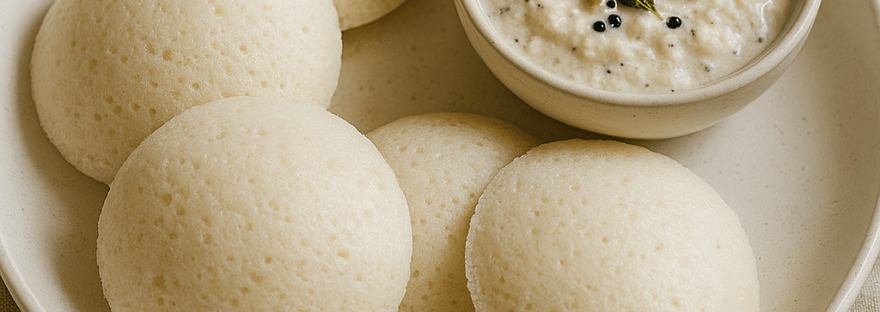
There’s nothing quite like the comfort of steaming hot idlis on a hectic morning. In my family, we started making suji idlis for breakfast on busy days because “it’s completely hassle-free and the idlis are soft”. Using semolina (suji) and yogurt means we skip the hours-long fermenting; the batter is ready in minutes. A pinch of ENO (fruit salt) sprinkled before steaming instantly reacts with the yogurt to leaven the batter, yielding pillowy soft idlis. These light, spongy cakes are just the kind of comforting food that turns a rushed morning into something special – we even pack extra idlis into kids’ lunchboxes alongside chutney for a quick, nourishing tiffin.
Suji idli is also known as rava idli: it’s essentially steamed semolina cakes instead of the usual rice-and-lentil idli. “Suji” (cream of wheat) is the coarse wheat flour used here, so there’s no soaking or grinding required. We simply mix the suji with yogurt, water and seasonings, let it rest briefly, then add ENO and steam. In practice you can have a batch of these ready in about 15–20 minutes. The result is a soft, fluffy idli that rivals the traditional kind in taste and texture, and since the batter is so quick to make, these idlis become a go-to on busy mornings or anytime a craving strikes.
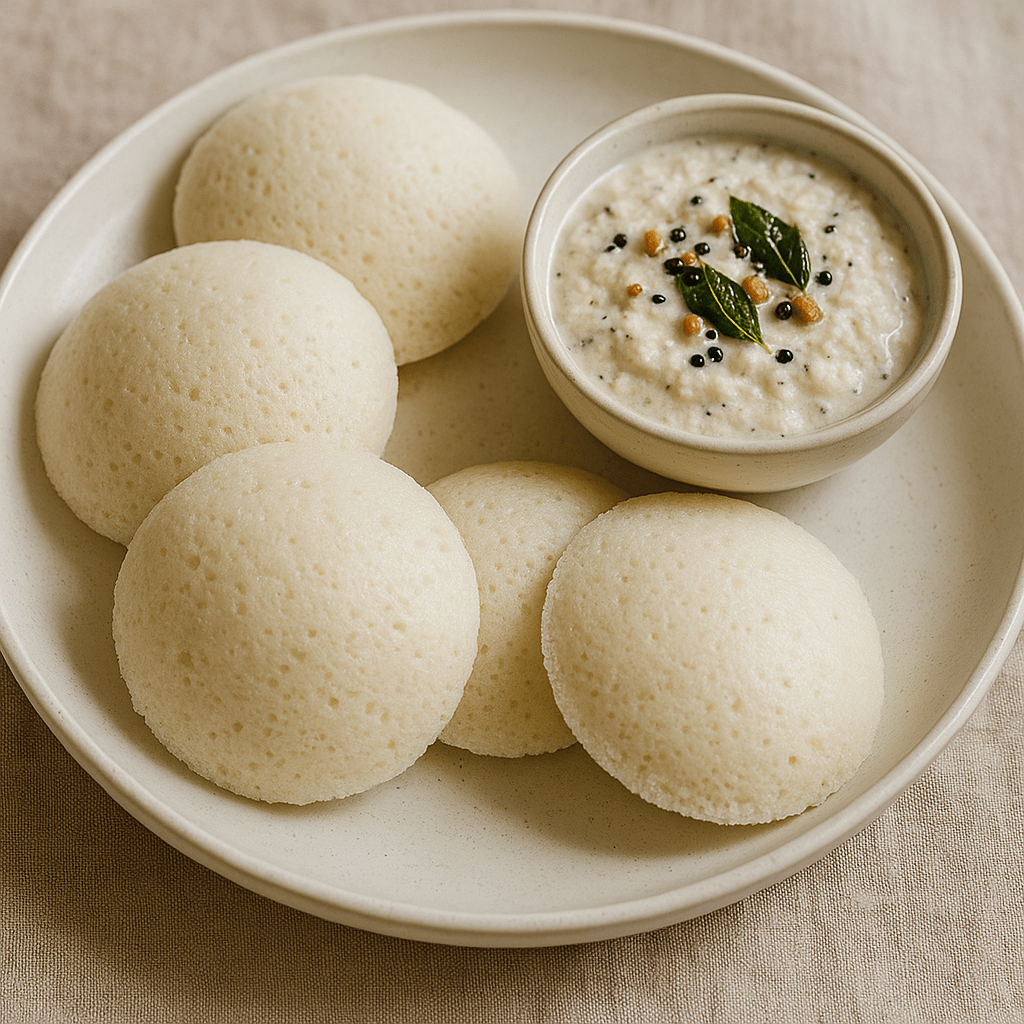
Instant Suji Idli (No-Ferment) Recipe
These soft, white idlis are made from semolina (suji/rava) and yogurt without any fermentation. Serve them hot with coconut chutney and sambar or coffee for a comforting South Indian breakfast.
Ingredients
Suji Batter:
1 cup rava (suji/semolina)
½ cup plain yogurt (dahi)
½ to ¾ cup water (adjust for medium-thick batter)
½ teaspoon salt (or to taste)
1 teaspoon ENO fruit salt (or ¼ teaspoon baking soda)
2 tablespoons grated carrot (optional, for color)
2 tablespoons chopped cilantro (optional)
1 green chili, finely chopped (optional)
1 teaspoon grated ginger (optional)
Tempering (Tadka):
1 tablespoon ghee (clarified butter) or oil
½ teaspoon mustard seeds
½ teaspoon cumin seeds (optional)
1 teaspoon chana dal (split chickpeas) or urad dal, split
A pinch of asafoetida (hing)
8–10 curry leaves
Instructions
1. Spice Tempering: Heat 1 tablespoon ghee or oil in a pan over medium-low heat. Add the mustard seeds and let them splutter. Then add the cumin seeds (if using) and chana dal; fry until the chana dal is golden and fragrant. Add the curry leaves, hing, chopped green chili and ginger (if using) and fry for a few seconds until aromatic. This seasoned ghee infuses the idlis with flavor.
2. Roast the Suji: Add the 1 cup suji (semolina) directly to the spiced oil mixture. Stir well to coat the grains. Roast the suji on low heat for about 5–7 minutes, stirring frequently, until it becomes fragrant and just begins to change color. Be careful not to let it brown. (Roasting the semolina in ghee helps give the idlis a lighter texture.)
3. Mix Batter: Remove the pan from heat. While the suji is still warm, stir in the grated carrot, chopped cilantro, and salt. Then add the ½ cup yogurt and about ½ cup water. Mix thoroughly to form a medium-thick batter. The consistency should be like pancake batter – not too thin or thick. If your yogurt is very thick, you may need up to ¾ cup water; if it’s thin, use less. Cover the batter and let it rest for 15–20 minutes. During this time, the suji will absorb moisture and soften.
4. Prepare the Steamer: While the batter rests, grease an idli mold or cake-pan with a little ghee or oil. Bring 2–2.5 cups of water to a boil in an idli steamer or large pot with a trivet. (You can also use a pressure cooker or instant pot without the weight.)
5. Leaven the Batter: After 15–20 minutes, check the batter; if it has thickened too much, stir in a tablespoon or two of water to loosen it. Sprinkle 1 teaspoon of ENO (fruit salt) evenly over the batter and gently fold it in using a spoon. Quickly but carefully mix the batter just until the ENO is incorporated. You will see bubbles forming – this is the reaction with the yogurt that makes the idlis rise. Work fast because once the ENO is mixed in, you should steam immediately.
6. Steam the Idlis: Pour the batter into the greased idli molds, filling each cavity about 3/4 full. Place the idli stand into the steamer and cover with a lid. Steam the idlis for 10–12 minutes over medium heat. (If using a pressure cooker, do not put the whistle/weight on; steam for 10 minutes.) You can test doneness by inserting a toothpick or fork into an idli – it should come out clean.
7. Finish: When done, remove the idli stand and let the idlis cool for a minute. Gently unmold the hot idlis onto a plate. The result should be soft, spongy cakes that hold together. The tempering and ENO give these idlis their characteristic light, fluffy texture.
Enjoy these instant suji idlis warm, right off the steamer. They make a hearty, wholesome breakfast.
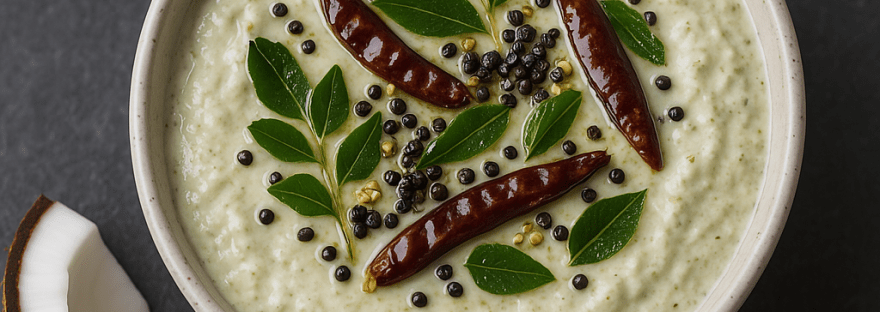
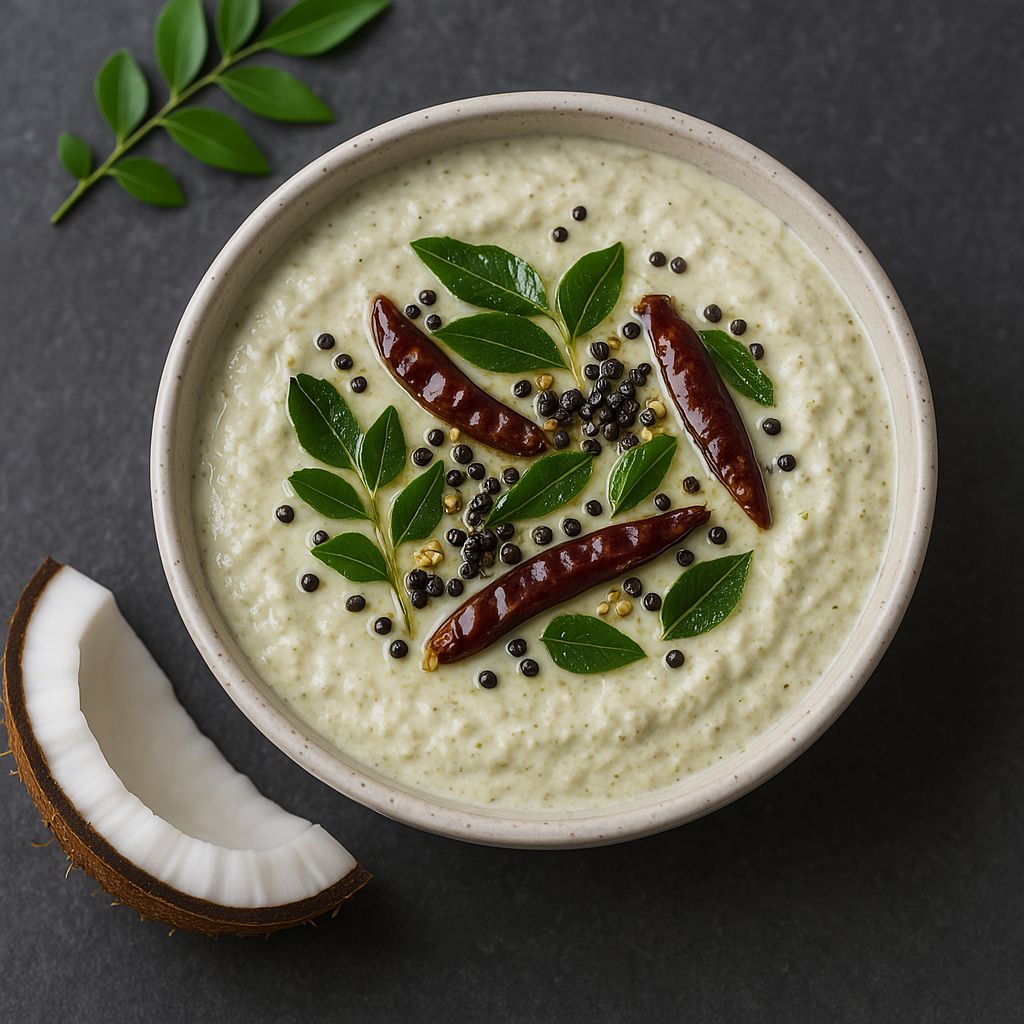
Classic Coconut Chutney
A traditional South Indian coconut chutney is the perfect pairing. It’s made from freshly grated coconut and tempered spices, giving a cool, creamy contrast to the warm idlis.
Ingredients
1 cup fresh grated coconut (about 1 coconut’s white flesh)
2–3 green chilies (adjust to taste)
1-inch piece of ginger (optional)
2 tablespoons roasted chana dal (split chickpeas)
Salt, to taste
Water, as needed for grinding
Tempering:
1 teaspoon oil
½ teaspoon mustard seeds
½ teaspoon urad dal (black gram split and skinned) or chana dal
8–10 curry leaves
A pinch of asafoetida (hing)
Method
1. Grind the Chutney: In a blender or food processor, combine the grated coconut, green chilies, ginger (if using), roasted chana dal and a pinch of salt. Add just enough water to help the ingredients blend. Grind into a smooth (or slightly coarse) paste. Transfer the chutney to a serving bowl. If the chutney is too thick, you can stir in a little more water to reach a spreadable consistency. (As one recipe notes, the basic chutney is made by grinding fresh coconut with chilies and roasted dal.)
2. Prepare the Tadka: Heat 1 teaspoon of oil in a small pan. Add the mustard seeds and let them pop. Then add the urad dal and fry until it turns golden. Finally add the curry leaves and a pinch of hing. Stir briefly until the leaves are crisp.
3. Finish: Pour this hot tempering (tadka) over the prepared coconut chutney. The sizzling mustard seeds, curry leaves and hing will infuse the chutney with aroma and depth. Mix well. Your coconut chutney is ready to serve.
This simple chutney can be made in about 10 minutes and keeps well in the refrigerator for a couple of days. It traditionally accompanies idli, dosa and other South Indian snacks.
Serving Suggestion: Serve the warm idlis immediately with the coconut chutney on the side. A cup of strong filter coffee or masala chai rounds out the meal beautifully. These idlis are also wonderful with sambar if you have it. Leftover idlis taste great toasted as “fried idli” or tossed with spices for a snack. Enjoy this wholesome, comforting Indian breakfast any time – it’s ideal for busy mornings or when you need a quick, kid-friendly meal.
 The Pinch of Masala