Uncategorized

Varan Bhaat: Maharashtra’s Soulful Lentil & Rice Dish

There’s something sacredly simple about a steaming plate of Varan Bhaat. For Maharashtrian families, this humble dal‑rice combo is more than just food – it’s comfort, home, and even devotion. As one food writer notes, the rice+dal pairing “holds a special place” in Indian hearts: “It is much more than food. It is an emotion. Literally sacred and revered”. In my childhood too, the aroma of turmeric‑tinged dal cooking in ghee always signaled warmth and togetherness. Varan Bhaat is a daily staple and a festive favorite – famously offered as naivedhya (prasād) to Lord Ganesha during Ganesh Chaturthi. Even on ordinary days it anchors the meal, and on auspicious days it sits beside modaks and puran poli as a symbol of simple, pure nourishment.

What Is Varan Bhaat?

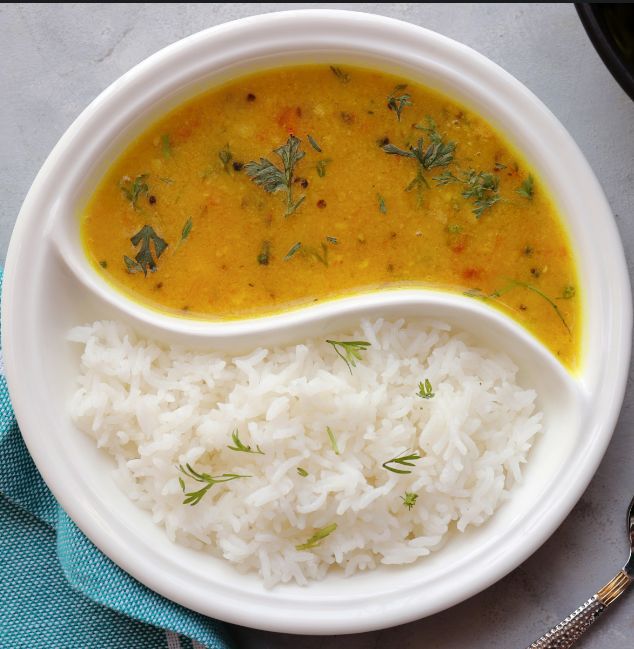
“Varan” (वरण) is Marathi for lentil curry, and “bhaat” (भात) means rice.  In practice, varan bhaat is simply a bowl of steaming toor dal (split pigeon pea lentils) tempered and poured over hot steamed rice. What makes it special is the minimal, heartfelt seasoning – a little turmeric and salt in the dal itself, plus a comforting tadka (tempering) of cumin and ghee on top. Maharashtrian home cooks typically prepare toor dal with water, turmeric and salt, pressure‑cooking it until very soft. The cooked dal is then mashed smooth and simmered to just the right consistency (neither too thick nor too thin). A simple tempering – or tadka – of ghee, cumin seeds and a pinch of asafoetida (hing) is poured into the hot dal for flavor. This daal is ladled over rice and often finished with a drizzle of warm toop (clarified butter); in Marathi, toop means ghee, and it truly makes the dish melt-in-your-mouth.
Ingredients

The beauty of varan bhaat is its simplicity. You’ll need:

1 cup toor dal (split yellow pigeon pea lentils), rinsed

3 cups water

½ tsp turmeric powder

Salt, to taste

1 tbsp ghee (clarified butter)

½ tsp cumin seeds

Pinch of asafoetida (hing)

(Optional for non-satvik version) 1 minced garlic clove and/or 1 slit green chili

Steamed rice (to serve the dal over)

Accompaniments: Lemon pickle (limbu loncha), papad, or a simple potato sabzi (batata bhaji)


These humble ingredients – dal, turmeric, ghee, cumin – are all you need for an authentic varan bhaat. Shweta Arora notes that this “nutritious and comforting meal is a staple in Marathi homes” and is often served with tup (ghee), lemon pickle, papad, and potato curry. (In fact, as one blogger remarks, a meal of varan bhaat with ghee, lonache and batata bhaji was her “favorite growing up”.)

How to Make Varan Bhaat

The cooking method is straightforward.

1. Cook the Dal: Rinse the toor dal and put it in a pressure cooker with 3 cups water, ½ tsp turmeric and salt. Pressure-cook for about 4–5 whistles (until the dal is very soft). If you don’t have a cooker, simmer the dal in a pot for 20–25 minutes until mushy.


2. Mash and Adjust: When done, open the cooker and mash the dal thoroughly with a whisk or spoon until smooth. If the dal is too thick, add a little hot water and simmer gently until it reaches a medium consistency – creamy and pourable, “neither thick nor thin”.


3. Temper (Tadka): Heat 1 tbsp ghee in a small pan. Add ½ tsp cumin seeds; when they crackle, sprinkle in a pinch of asafoetida. (Non-satvik version: this is the time to add minced garlic and green chili if you like.) Fry briefly until fragrant (just seconds), then immediately pour this hot seasoning into the dal and stir. Cover and simmer the dal for a minute or two so the flavors blend.


4. Cook the Rice: Meanwhile, rinse 1 cup rice and drain. In a pot, boil about 2 cups water with a little salt, add the rice, reduce heat, and cook covered until all water is absorbed and the grains are fluffy.


5. Plate and Serve: Scoop a mound of hot rice onto each plate. Ladle the steaming dal over the rice. If you like, drizzle a little extra ghee on top (toop). Garnish with chopped fresh coriander or a squeeze of lemon juice for brightness. Traditionally, varan bhaat is enjoyed with tangy sides: a pickle (especially limbu loncha), crispy papad or wadis, and sometimes a simple potato curry.


Satvik (Temple-Style) Variation

For a satvik (pure) version suitable as temple prasād, simply skip any onion or garlic. The Maharashtrian varan bhaat recipe is already very mild, so omitting garlic yields a perfectly plain dish. In fact, many sources emphasize making varan bhaat without onion/garlic during Ganesh Chaturthi. Dassana Amit notes: “When making it for the Ganesha festival, skip onion and garlic. If preparing on regular days, you can add garlic and onion”. Shweta Arora also points out that this lentil stew is offered on auspicious occasions “since it contains no onion nor garlic”. The cooking method is the same otherwise – pressure-cook and mash the dal, then temper with hing, cumin and ghee. The resulting satvik dal is then offered to the deity and later eaten by the family, symbolizing simplicity and purity.

Tips for the Perfect Varan Bhaat

Consistency: The dal should be smooth and slightly soupy. Mash it well, then simmer with added water until it coats the back of a spoon. Aim for “neither thick nor thin” – too thick and it clumps, too thin and it won’t cling to rice.

Use Ghee (Toop): A generous splash of ghee is the secret to authentic flavor. Whether in the tempering or drizzled on the finished plate, warm toop adds richness. As one recipe notes, a drizzle of hot toop over rice and dal is “truly satisfying”.

Accompaniments: The mellow dal goes beautifully with a tangy bite. Serve varan bhaat with lime or lemon pickle (limbu loncha), crisp papad or kothimbir vadi, and perhaps a simple potato bhaji. These salty/spicy sides cut through the creaminess and complete the meal.

Bright Flavors: A final squeeze of fresh lemon juice or chopped coriander can brighten the dish just before eating. Even a grind of black pepper adds warmth.

Serve Hot: Varan bhaat is best enjoyed piping hot. If it cools or if you’re reheating leftovers, stir in a splash of water before gently heating so the dal loosens up again.


Varan Bhaat in Festivals and Fasting

The simple purity of varan bhaat gives it a special place in Maharashtrian rituals. During Ganesh Chaturthi, it is traditional to offer varan bhaat to Lord Ganesha as part of the bhog. GKToday explains that “Varan Bhaat is a traditional Marathi … dish offered as naivedhya to Lord Ganapati during Ganesh Chaturthi, symbolizing simplicity and purity”. In practice, a temple spread might include varan bhaat alongside modaks, puran poli, shrikhand and other favorites. (Remarkably, varan bhaat itself is listed among Ganesha’s prasād dishes in some recipes.)

Varan bhaat also plays a role in breaking fasts. After evening aarti on a fasting day, Maharashtrians traditionally eat simple sattvic foods – steamed rice and dal among them. In other words, when the fast is over, the first meal often resembles varan bhaat. As one guide notes, “the fast is broken by eating regular but sattvik food like rice, dal, chapatis and subzis”. A warm bowl of dal-rice is therefore an ideal post-vrat comfort.

Whether it’s a humble family dinner or a festive offering, varan bhaat embodies home and devotion. Every spoonful of this ghee-topped lentil curry speaks of Maharashtra’s culinary soul – simple, nurturing, and deeply satisfying. In the end, varan bhaat is more than a recipe; it’s a culinary hug from tradition, reminding us of the warmth and purity at the heart of Marathi food.


Uncategorized

Mangalore Buns (Banana Puri) Recipe


I still remember the first time I tasted Mangalore buns at a seaside café in Udupi during a sunny summer morning.  We had been exploring the old temples and my stomach growled as soon as the sweet smell of banana mixed with frying oil wafted through the air.  Sitting on a wooden bench by the coast, I bit into a warm, puffed bun – crispy on the outside and fluffy inside, with a gentle sweetness and a faint hint of spice.  It felt like biting into a soft banana cake hidden inside a puri.  Those golden-brown buns quickly became a favorite memory of my coastal travels, and I’ve been craving to recreate that homely snack ever since.

Servings

Makes about 12 buns (serves 4–6)

Prep Time

15 minutes (plus 4–6 hours resting time)

Cook Time

15 minutes

Ingredients

2 ripe bananas (preferably with brown spots), mashed

2½ cups all-purpose flour (maida) – or use whole wheat atta for a healthier twist (texture will change)

¼ cup plain yogurt (curd), at room temperature

3 tablespoons sugar (adjust to taste, depending on banana sweetness)

1 teaspoon cumin seeds (jeera)

½ teaspoon baking soda (soda bicarbonate)

½ teaspoon salt (or to taste)

Oil, for deep frying


Instructions

1. Mash the bananas: In a large mixing bowl, mash the ripe bananas thoroughly with a fork. (Avoid using a blender; hand-mashing preserves texture.)


2. Mix wet ingredients: Stir in the yogurt, sugar, and a pinch of salt into the mashed banana until smooth. The mixture will be runny – that’s okay.


3. Combine dry ingredients: In a separate bowl, whisk together the flour, cumin seeds, and baking soda.


4. Form the dough: Add the dry flour mixture to the banana mixture. Gently combine and knead into a smooth, non-sticky dough. If it’s too dry, add a little more yogurt or water. If too sticky, sprinkle a bit more flour. (The dough should be softer than chapati dough.)


5. Rest the dough: Lightly grease the dough with a teaspoon of oil or ghee and cover with a damp cloth. Let it rest in a warm place for at least 4–6 hours (or overnight). This resting time (fermentation) is crucial – it makes the buns puff up and gives them a chewy, bread-like texture.


6. Shape the buns: After resting, knead the dough a couple of times. Divide it into 10–12 equal parts and roll each into a smooth ball. Dust each ball lightly with flour and roll it out on a floured surface into a circle about 4–5 inches in diameter (slightly thicker than a regular puri, about 1/4 inch thick). Thicker rolls ensure the buns puff up nicely without tearing.


7. Heat the oil: Pour enough oil into a deep pan to submerge a bun. Heat it over medium heat. To test, drop a small piece of dough: if it sizzles and rises steadily, the oil is ready.


8. Fry the buns: Carefully slide one rolled dough circle into the hot oil. Gently press it down with a slotted spoon; it should puff up. Fry each side for about 30–60 seconds or until golden brown. Keep the flame at medium-low so the insides cook through without burning the exterior. Remove and drain on paper towels. Repeat with remaining dough.


9. Serve hot: Serve the Mangalore buns immediately while warm. They go wonderfully with coconut chutney, a lentil curry (sagu), or simply with a cup of hot masala chai. These banana buns are equally comforting plain, as their natural sweetness shines through.


Tips

Use very ripe bananas: Overripe bananas (with black spots) give the best flavor and sweetness. The natural sugars help in fermentation too.

Allow proper resting: Don’t skip the long rest. Fermenting the dough for ~6–8 hours (or overnight) makes the buns soft and fluffy. In cold weather, place the covered dough in a slightly warm oven or microwave (turned off) to help rising.

Roll thickly: Roll the discs thicker than a regular puri. Very thin circles may stay dense; a thicker shape puffs up into a nice ball.

Check oil temperature: Keep the frying oil at medium heat. If too hot, the exterior browns quickly but the inside remains doughy. If too cool, the buns absorb oil. The right heat means a gradual, even golden color.

Enjoy warm or cooled: These buns are at their fluffiest when hot, but they remain soft and tasty even after cooling. If you have leftovers, reheat briefly on a skillet or serve at room temperature.


Closing Note

As you can see above, the homemade Mangalore buns turn out perfectly puffed and golden.  Enjoy them fresh from the pan with spicy coconut chutney or a steaming cup of chai. Even when cooled, these banana puris stay soft and delicious.  I hope this recipe brings a bit of coastal Karnataka to your kitchen – these sweet little buns are comfort food at its finest. Happy cooking and happy eating!

Breakfast, Uncategorized

Quinoa Upma: A Protein-Rich Twist on Traditional South Indian Breakfast

Quinoa Upma blends ancient South Indian culinary traditions with modern superfood nutrition. Upma – a savory porridge typically made from roasted semolina (sooji) – has been a staple breakfast (and anytime meal) across India for centuries. Over time, cooks across regions adapted this simple dish, adding local grains, spices, and vegetables. Today’s health-conscious twist replaces semolina with protein-packed quinoa, a gluten-free “pseudocereal” seed rich in fiber, vitamins and minerals. Quinoa provides about 8 g protein and 5 g fiber per cup of cooked grains, and it contains all nine essential amino acids. By using quinoa, this upma becomes a one-pot vegan, gluten-free breakfast that still carries the familiar fragrance of mustard seeds, curry leaves and spices. In effect, Quinoa Upma honors the comforting spice-tempered flavors of traditional upma while boosting nutrition.

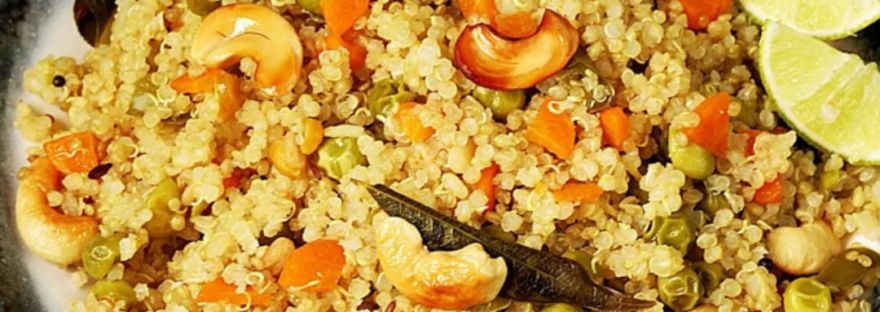
A vibrant bowl of Quinoa Upma with vegetables and cashews, garnished with lime and curry leaves.

Ingredients

1 cup quinoa – rinsed in cold water (removes bitterness).

2 cups water – for cooking (adjust if needed for fluffiness).

2 tablespoons oil (or ghee/coconut oil) – for tempering. Neutral oils like canola or sunflower also work well.

1 teaspoon mustard seeds – for traditional South Indian tempering.

1 teaspoon cumin seeds – adds aroma and flavor.

Pinch of asafoetida (hing) – optional (ensures gluten-free; gives umami).

4–5 curry leaves – fresh or frozen, for authentic flavor.

1 small onion, finely chopped – adds sweetness and texture.

1–2 green chilies, slit or chopped – or to taste (adds heat).

½ teaspoon grated ginger – optional (for warmth and digestion).

1 cup mixed vegetables, finely chopped – carrots, peas, bell peppers, green beans, corn, etc. (mix and match seasonal veggies).

Salt to taste.

Turmeric (optional) – a pinch for color and health benefits.

Handful of cashews or peanuts – optional (adds protein and crunch).

Fresh coriander (cilantro) – chopped, for garnish.

1–2 teaspoons lemon juice – optional, to brighten the flavor when serving.


Instructions

1. Rinse the quinoa: Place the quinoa in a fine-mesh strainer and rinse under cold running water until the water runs clear. This removes the natural saponin coating and any bitterness. Drain well.


2. Heat the tempering: In a deep skillet or saucepan, heat the oil over medium heat. When hot, add the mustard seeds and cumin seeds. Wait for the mustard to crackle and pop (about 30 seconds). Stir in the hing (if using), curry leaves, green chilies and grated ginger, and sauté for a few seconds until fragrant.


3. Sauté onions and vegetables: Add the chopped onion and a pinch of salt, and sauté 2–3 minutes until the onion turns translucent. Toss in the mixed vegetables and cashews (if using) and cook for another 3–4 minutes until the vegetables begin to soften.


4. Add quinoa and seasoning: Add the rinsed quinoa to the pan, stirring to coat it with the spices and oil. Season with salt and turmeric (if using). Stir everything together so the quinoa begins to toast lightly (1–2 minutes).


5. Cook the quinoa: Pour in the 2 cups of water and stir well. Increase heat to bring the mixture to a gentle boil. Then reduce to low heat, cover tightly, and let it simmer for 15–20 minutes (or until quinoa is tender and the water is absorbed). (If needed, check once or twice and add a splash more water to ensure the grains fully cook and stay fluffy.)


6. Steam and fluff: Once the quinoa grains look translucent and have little “tails,” remove the pan from heat. Keep it covered and let it rest for 5 minutes. Finally, uncover and fluff the quinoa upma gently with a fork. Stir in fresh lemon juice (if using) and garnish with chopped coriander. Serve hot.


Notes and Substitutions

Vegetables: Feel free to mix in any seasonal veggies you like. Common additions include shredded carrots, green peas, green beans, diced bell peppers, corn, broccoli or cabbage. For a simpler upma, use just onions, carrots and peas.

Spices: You can adjust the spice profile by adding chopped ginger, a pinch of turmeric, or even a few dried red chilies along with the mustard seeds. A dash of garam masala at the end adds warmth. For extra crunch, toss in roasted peanuts or fried cashews.

Tempering oils: A neutral vegetable oil works well. To deepen the South Indian flavor, you can use coconut oil or add a teaspoon of ghee at the end for aroma.

Grains alternative: While this recipe uses quinoa, you can also make a similar upma with oats, broken wheat (dalia), millets (like sorghum/jowar or foxtail millet), or even rava (semolina) if gluten is not a concern. Each substitute will change cooking time slightly.

Protein boost: Quinoa is already high in protein, but you can stir in tofu cubes or boiled chickpeas for an even heartier meal.

Make it vegan: This recipe is naturally vegan (no dairy). Just ensure your asafoetida is gluten-free if needed.


Tips for Fluffy Quinoa

Rinse well: Always rinse quinoa thoroughly in a fine-mesh strainer to remove the bitter-tasting saponin coating. This ensures a clean taste.

Water ratio: Use about 2 cups of water for every cup of uncooked quinoa. This 1:2 ratio (grain to liquid) reliably cooks quinoa through.

Cooking method: Keep the heat low once boiling and cook covered. Resist the urge to stir too often – just let the quinoa steam quietly. When the grains swell and “tails” appear, it’s done.

Rest before fluffing: After turning off the heat, leave the lid on and let the pan stand for 5 minutes. This steaming step lets any excess water absorb and yields plump, separate grains.

Fluff with fork: Use a fork to gently fluff the quinoa upma before serving, which helps separate any stuck grains. Avoid mashing – you want a light, fluffy texture.

Use hot water (optional): Some cooks use hot water or stock for the cooking liquid to speed up cooking. Just ensure it’s simmering before covering.

Batch cooking: You can prepare quinoa in advance (using the same 1:2 water ratio) and refrigerate it. For day-old quinoa, simply heat it in the pan with the spice tempering and skip the boiling step; cover for a few minutes to warm through.


Serving Suggestions

Quinoa Upma is best enjoyed hot, paired with classic South Indian accompaniments. Try serving it with coconut chutney or a tangy lemon pickle on the side. These condiments complement the upma’s savory, nutty flavors. Other great pairings include tomato-onion chutney, peanut (groundnut) chutney, or plain yogurt. For a complete breakfast spread, you might add a boiled egg or a side of sambar. In South India, a glass of fresh juice or filter coffee/masala chai also goes wonderfully with upma.

No matter how you serve it, this Quinoa Upma makes a warm, comforting, and nourishing start to the day – a modern, healthy twist on an Indian breakfast classic.

Uncategorized

Masala Lemonade Two Ways

There’s nothing quite like a glass of homemade masala lemonade on a hot day. These Indian-style lemonades are bursting with fresh flavor – far tangier and more aromatic than anything you’ll find in a store-bought bottle. In fact, testers found that homemade lemonade has a strong lemony zing while commercial brands taste “milder and sweeter”. Add in spices like roasted cumin and black salt, and you get an amazingly refreshing drink that’s rarely found in markets. Truly, homemade is unbeatable – once you sip a spiced Shikanji at home, you’ll never want to go back to bland bottled lemonade!

Classic Indian Masala Lemonade (Shikanji)

This classic masala lemonade (also called Shikanji or nimbu pani) is a traditional North Indian drink made with freshly squeezed lemon juice spiked with warm spices. The secret is simple: a squeeze of lemon, a pinch of black salt and roasted cumin, a dash of sugar, and some torn mint leaves. The earthy aroma of roasted cumin powder and the tang of black salt give regular lemonade a punch of flavor. In fact, the recipe’s blogger describes Shikanji as a “perfect thirst-quenching drink” whose spices make it even more appealing on a hot day.

Ingredients (Classic Masala Lemonade):

1 cup freshly squeezed lemon juice (about 4–5 medium lemons)

4–5 cups cold water (plain or sparkling)

2–4 tablespoons sugar or sweetener (adjust to taste)

½ teaspoon black salt (kala namak)

½–1 teaspoon roasted cumin powder (bhuna jeera)

8–10 fresh mint leaves, plus extra for garnish

Ice cubes


Steps:

1. Roast the cumin (if not using pre-ground). In a dry skillet, toast cumin seeds until dark brown and fragrant (about 2–3 minutes). Grind to powder.


2. Mix the lemonade. In a pitcher, combine lemon juice, cold water, sugar, black salt, roasted cumin, and a few torn mint leaves. Stir well until the sugar dissolves.


3. Adjust flavors. Taste and adjust sugar, salt, or spices. Classic Shikanji is meant to be tangy, slightly salty, and lightly sweet – balance it to your liking.


4. Serve chilled. Pour over ice, garnish with whole mint leaves and a lemon slice. The warm spice notes and minty freshness make this drink incredibly cooling and satisfying.

Sweet-Spicy Masala Lemonade

For an adventurous twist, try the Sweet-Spicy Masala Lemonade. This version keeps the citrusy base but adds a hint of green chili for a gentle kick. It’s the same idea – lemon juice, sugar, spices – but with finely chopped or slit green chili infused for a few minutes. The chili’s heat mingles with the sweetness to create a unique flavor rarely sold in stores. You’ll get all the familiar refreshing notes plus a “wake-you-up” spicy tingle.

Ingredients (Sweet-Spicy Masala Lemonade):

1 cup freshly squeezed lemon juice

4–5 cups cold water (plain or sparkling)

3–4 tablespoons sugar (or adjust to make it sweet)

½ teaspoon black salt (kala namak)

½ teaspoon roasted cumin powder

1 fresh green chili (such as serrano or jalapeño), finely chopped or sliced (seeds optional, to control heat)

Handful of mint leaves (optional, to balance spice)

Ice cubes


Steps:

1. Prep the chili. Place the chopped green chili (and seeds, if you like more heat) into the pitcher with lemon juice and water. Let it infuse for 5–10 minutes, then remove the pieces or strain out the seeds. This gives a gentle chili flavor without overwhelming the drink.


2. Combine ingredients. Stir in sugar, black salt, roasted cumin, and mint (if using) until the sugar dissolves completely. The result should be a sweet lemonade with a spicy undertone.


3. Taste and adjust. You can add more sugar for sweetness or a dash more cumin for earthiness. The goal is a balanced drink where the chili’s heat is felt at the finish.


4. Serve and enjoy. Pour over ice, garnish with a mint sprig and a thin chili slice on top. The contrast of cool lemon-mint and warm chili makes this version surprisingly refreshing and addictive!

Tips for Best Lemonade

Always use fresh lemon juice. Skip bottled juice – it often contains preservatives and “natural flavors” (i.e. lab-made additives). Just lemons, water, and sugar give the purest taste. For a sweeter lemonade, add the sugar slowly and taste as you go.

Roast your spices. Lightly toasting whole cumin seeds (and even a pinch of peppercorns) before grinding brings out a deeper, nuttier aroma. Warm spices stand up beautifully against the tart lemon.

Mind the salt and spices. Black salt (kala namak) isn’t just flavor – it stimulates digestion and even helps reduce bloating. A little goes a long way, so start with a small pinch and add more if needed.

Serve ice-cold. These lemonades are summer coolers! Chill all ingredients, shake or stir well, and serve in glasses full of ice. Add fresh mint, lemon slices, or even a cucumber wheel for a pretty garnish. You can also lighten it up with sparkling water for fizz.

Make it a natural coolant. Spiced lemon water (like Shikanji) is traditionally a “natural coolant” that helps replenish body salts and hydration on hot days. Enjoy it at barbecues, picnics, or anytime you need a refreshing pick-me-up.

Why I Love It

I grew up in a home where summers meant one thing: tall glasses of spiced lemonade in hand. Every sip brings back memories of heat-wavy afternoons in the yard, mom stirring together lemon, cumin, salt, and mint while I did cartwheels nearby. It sounds simple, but that cooling, slightly spicy drink felt like magic to us kids. Now, years later, I still make it the same way – and watching my friends’ eyes light up after tasting it for the first time never gets old. I love Masala Lemonade because it’s unexpected and comforting all at once. It embodies the warmth of home cooking: bold flavors, shared around the table, guaranteed to make you smile. Truly, I can’t think of a better way to cool off and feel happy than with a glass of this homemade masala lemonade.

Uncategorized

Restaurant-Style Dry Paneer Tikka Recipe

I still remember the first time I sank my teeth into a steaming hot piece of paneer tikka at a bustling street stall. The smoky aroma of charred spices and tender paneer was unforgettable – I could almost taste the memories.  The vendor, with artful hands, threaded marinated paneer and vegetables onto skewers and roasted them over glowing coals, while around us cool evening air and curry-scented breezes mingled.  Eating that paneer tikka – tangy, spicy, and just a little sweet from the yogurt marinade – felt like a warm hug from childhood.  Every bite took me back to late-night roadside dhaba adventures in my hometown, complete with red-onion salad, bright mint chutney, and laughter with friends.  These cozy memories inspired me to recreate the restaurant-style paneer tikka at home, so I could capture that same spirit whenever I wanted.

Ingredients

Paneer (Cottage Cheese): 250–300g, cut into 1-inch cubes. (Choose fresh, good-quality paneer.)

Vegetables for Skewers: 1 green bell pepper and 1 onion, each cut into chunks. (Red or yellow peppers add color; adjust to taste.)

Thick Yogurt (Hung Curd): ½ cup, thick and creamy. (Strain regular yogurt if needed.)

Ginger-Garlic Paste: 1 tablespoon. (Or 1 tsp each grated ginger and garlic.)

Lemon Juice: 1–2 teaspoons, for tang.

Oil or Ghee: 1–2 tablespoons, to add richness and help char the paneer. (Mustard oil is traditional, or any neutral oil.)

Spices: Kashmiri red chili powder (1 tsp for color), ½ tsp turmeric, 1 tsp coriander powder, ½ tsp cumin powder, ½ tsp garam masala, ½ tsp chaat masala (for sprinkling), salt to taste.

Kasuri Methi (Dried Fenugreek Leaves): 1 teaspoon, crushed. (Adds classic tandoori aroma.)

Optional: A pinch of sugar or 1 tsp tomato paste/ginger-garlic paste with chili oil for extra tang and color.

Skewers: Bamboo or metal, soaked in water if bamboo.

Serving: Mint-coriander chutney, sliced onions, lemon wedges, and a sprinkle of chaat masala.


Preparation

1. Soften the Paneer (Optional): If using store-bought paneer, soak the cubes in hot water for 10–15 minutes, then drain. This rehydrates and softens the paneer, making it more tender and white. Pat the paneer dry before marinating.


2. Make the Marinade: In a mixing bowl, combine the yogurt, ginger-garlic paste, lemon juice, oil/ghee, and all the spices (red chili, turmeric, coriander, cumin, garam masala, kasuri methi, and salt). Mix well into a smooth paste. Adding oil or ghee to the marinade prevents the paneer from drying out under high heat.


3. Marinate the Paneer and Vegetables: Gently fold the paneer cubes, bell pepper chunks, and onion pieces into the marinade until everything is evenly coated. Cover and refrigerate for at least 2 hours; overnight marination is best for maximum flavor. If you’re short on time, even 30 minutes will add flavor, but longer is better.


4. Preheat the Grill or Oven: When ready to cook, preheat your grill or oven to high heat. For an oven, set it to 230–240°C (450–475°F) on the grill/broil setting. Arrange an oven rack about 5–6 inches from the broiler element.


5. Skewer the Paneer Tikka: Thread the marinated paneer and veggies onto skewers, alternating pieces (paneer – onion – paneer – pepper – paneer, etc.). Leave a little space between pieces so the heat can char all sides.


6. Grill or Bake: Place the skewers on a foil-lined baking sheet or grill rack. For a grill pan or barbie, cook directly. Grill under the broiler or on the barbecue for about 10–15 minutes, turning once halfway, until edges are charred and golden. (If using a tandoor or gas flame, rotate skewers occasionally for even char.) Brush with any leftover marinade or a little oil mid-way to enhance browning. For an authentic char, you can finish each skewer directly over a flame for a few seconds, or use the Dhungar method (below) to infuse smoke.


7. The Dhungar (Smoking) Trick: To get that true smoky flavor at home, heat a small piece of charcoal until red-hot. Place it in a small bowl or foil on the tray with your paneer. Drizzle a teaspoon of ghee or oil on the charcoal and immediately cover the tray with a tight lid or foil. Let it sit for 5–10 minutes so the smoky aroma infuses the tikka before removing the charcoal. (Be careful with this step! Ensure good ventilation.)


8. Rest Before Serving: Once cooked, remove the paneer tikka from the oven/grill and let it rest for a minute. This redistributes juices and keeps the paneer tender.


Tips for Smoky Flavor

Use the Dhungar Method: As described above, smoking the paneer with hot charcoal and ghee adds instant tandoori aroma.

Marinate Longer: The longer you marinate (even overnight), the deeper the flavor. Yogurt-based marinades tenderize the paneer and carry the spices in.

Add Ghee or Oil: Don’t skimp on the fat. A drizzle of oil or a spoon of ghee in the marinade helps the cubes brown and keeps them juicy.

High Heat Char: Broiling at high temperature (230°C/450°F) for 15–20 minutes will give those signature charred edges. Turn skewers mid-cook so they char all around.

Use Mustard Oil: For authentic pungency, use a little mustard oil in the marinade. Its sharp aroma mellows with heat.

Grill Pan or Open Flame: If you have an outdoor barbecue or stovetop grill pan, cook the skewers directly over flame for the best sear. Even using a kitchen torch briefly can create tiny charred spots.


Serving Suggestions

Mint-Coriander Chutney: Serve the paneer tikka with a bright green chutney made from mint, cilantro, green chilis, yogurt, and lemon juice. This cool dip balances the spicy tang of the tikka.

Onion Lemon Salad: Accompany with thinly sliced red onions, cucumber, and a few lemon wedges. Sprinkle the salad with chaat masala or a dash of lemon for zesty crunch. Onion slices and lemon wedges are traditionally served* with paneer tikka.

Naan or Paratha: For a heartier meal, tuck the tikka into warm butter naan or roti, perhaps topping with paneer tikka masala sauce. But on its own as an appetizer, the skewers shine.

Garnish: Dust the hot tikka with a little chaat masala or red chili powder for color. Garnish with fresh cilantro leaves for a final aromatic touch.


Why I Love It

This dish is more than just a recipe to me – it’s a bundle of warm memories.  I love how the smoky, spiced paneer always brings back the laughter of late-night street food runs or the cozy weekends of my childhood.  The vibrant red of the masala, the sizzle of the grill, and that first bite of tender paneer wrapped in charred pepper – it all feels like home.  Cooking paneer tikka reminds me of family gatherings and special celebrations, because whenever this fragrant dish is on the table, everyone’s eyes light up.  Every time I make it, I feel connected to those moments and to the many hands that taught me to crave this taste.  It’s comfort food, show-stopper food, and love all rolled into one.

Uncategorized

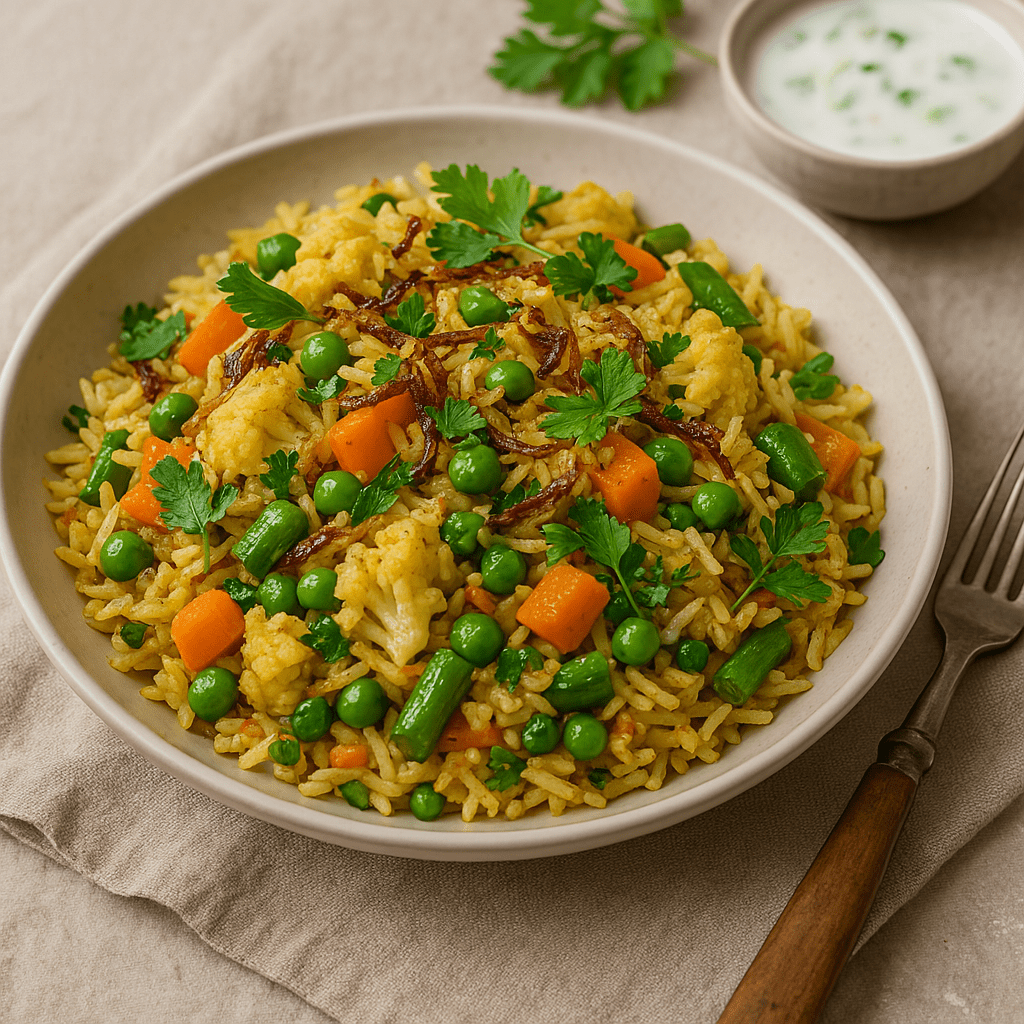
Vegetable Biryani – Aromatic Comfort in Every Bite

🌿 Intro / Story Section:

Growing up, Vegetable Biryani meant special days—guests at home, festival afternoons, or birthdays. My mother would begin early, soaking fragrant basmati rice, chopping fresh vegetables, and grinding spices by hand. The kitchen filled with aromas of cardamom, cinnamon, and bay leaves, signaling that something special was simmering on the stove.

Even today, when life gets busy and I need comfort, I make Biryani. It’s more than a dish—it’s a reminder that the best things in life take patience, care, and a generous pinch of spice.


🍲 Recipe: Vegetable Biryani

Serves: 2-3
Prep Time: 15 mins
Cook Time: 30 mins


🛒 Ingredients:

For Rice:

  • 1½ cups basmati rice, soaked (20 mins)
  • 2 bay leaves
  • 2-3 cloves
  • 1 cinnamon stick
  • Salt

For Vegetables & Spices:

  • 1 onion, sliced thinly
  • 1 cup mixed vegetables (carrots, beans, peas, cauliflower, potatoes)
  • 1 tomato, chopped
  • 1 tbsp ginger-garlic paste
  • 1-2 green chilies, slit
  • ½ cup yogurt
  • 1 tsp turmeric powder
  • 1 tsp chili powder
  • 1 tsp garam masala powder
  • Salt to taste
  • 2 tbsp oil or ghee
  • Fresh coriander & mint leaves for garnish
  • Fried onions for garnish (optional)

🔪 Instructions:

  1. Cook Rice:
    Boil water with bay leaves, cloves, cinnamon, and salt. Add soaked rice and cook until 80% done. Drain and set aside.
  2. Prepare Vegetable Masala:
    Heat oil/ghee in a pan. Sauté onions until golden. Add ginger-garlic paste, green chilies, vegetables, turmeric, chili powder, garam masala, salt, and tomatoes. Cook till vegetables are tender. Add yogurt and simmer till the mixture thickens.
  3. Layer the Biryani:
    In a heavy-bottom pot, layer half the vegetable mixture. Spread half the rice over it, garnish with coriander, mint, and fried onions. Repeat layers.
  4. Cook on Dum:
    Cover with a lid tightly. Cook on low heat for about 15 mins (dum cooking). Turn off heat and let rest for 10 mins.
  5. Serve Warm:
    Fluff gently and serve with raita or salad.

💡 Biryani Tips:

  • Always soak the rice—this gives fluffy, separated grains.
  • Slow cooking (dum) helps flavors develop deeply.
  • Add saffron-infused milk or rose water for a richer aroma.

❤️ Closing Note:

Biryani is more than just rice and vegetables—it’s layers of love, tradition, and warmth. Try this recipe for your next special day or when you crave comfort in a bowl.