starters

Mixed Vegetable Soup: My Mother’s Winter Medicine

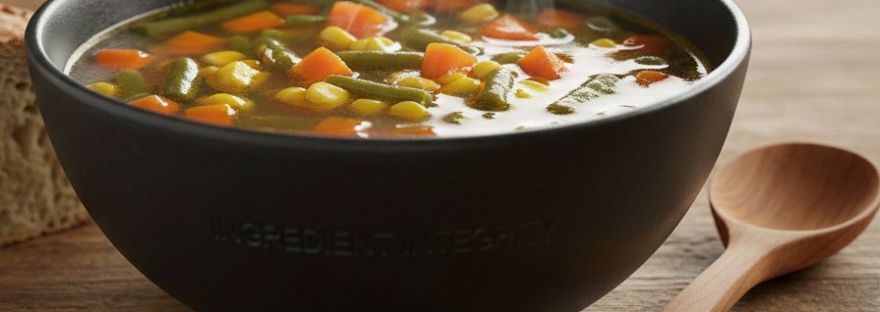
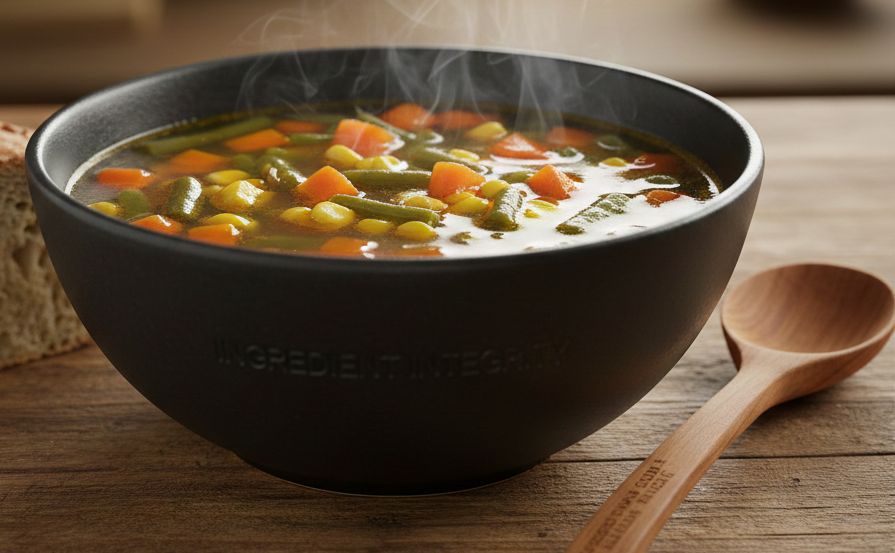
In the winter months, our kitchen didn’t just smell like food; it smelled like protection. While the tradition of a warm bowl began with my grandmother, it was my mother who turned the Mixed Vegetable Soup into a ritual of healing. To her, a soup wasn’t just a liquid meal; it was a way to “document the season” in a single pot.
I remember her standing at the wooden counter, her knife-work precise and rhythmic. She believed that the way you chopped a vegetable determined its soul in the broth. “If the carrots are bigger than the beans,” she would say, “the soup has no harmony.” My mother viewed her soup as a “Parasocial Companion” a warm, reliable presence that comforted us during winter colds and rainy nights .
Today, at The Pinch of Masala, we are stepping away from the “novel-length menus” of the modern era and returning to the “Quiet Luxury” of simple, technical, and honest cooking . This is my mother’s medicine, refined for a world that needs intention and longevity .

The most common mistake in home-style soups is a flat, watery flavor. To achieve a “Restaurant Style” depth at home, you must follow my mother’s two non-negotiable rules:
The High-Heat Bloom: Most people boil their vegetables in water immediately. My mother insisted on sautéing the aromatics ginger, garlic, and spring onion whites and then the chopped veggies on a high flame for 2–3 minutes. This “sear” brings out the natural sugars and creates a smoky aroma that serves as the flavor base.
The Starch Integrity: In 2026, we are seeing a move toward “real food sources” rather than “powders and potions” . Instead of using cornstarch or artificial thickeners, my mother would often blend a single boiled potato into a smooth paste and stir it back into the pot. This creates a silky, hearty consistency while remaining 100% natural.

Prep time: 15 mins | Cook time: 25 mins | Servings: 4
Diet: Vegan, Gluten-Free | Cuisine: Indian Homestyle
Ingredients:
The Medley (1.5 to 2 cups): Finely chopped carrots, french beans, cabbage, and sweet corn.
The Aromatics: 1 tbsp garlic (minced), ½ tbsp ginger (minced), and 2 sprigs of spring onion whites.
The Liquid: 3 cups of Scrap Stock (see below) or water.
The Seasoning: ½ tsp black pepper powder, salt to taste, and a pinch of sugar (to balance the acidity).
The Finish: 1 tsp vinegar or lemon juice and a handful of fresh coriander.
Instructions:
The Chop: Rinse all vegetables under running water and chop them into uniform, small pieces. Uniformity ensures even cooking and prevents some veggies from turning mushy while others remain raw.
The Wok Sear: Heat 1 tbsp oil or butter in a heavy pot. Sauté the ginger, garlic, and spring onion whites for 1 minute until fragrant but not browned.
The Flavor Bloom: Add the rest of the chopped vegetables. Crank the heat to high and fry for 2–3 minutes. This brings out the deep, earthy aroma.
The Simmer: Pour in the stock or water. Bring to a rolling boil, then lower the flame. Cover and cook for 10–12 minutes until the veggies are tender but still have a slight “bite”.
The Natural Bind: If you prefer a thicker soup, stir in your blended potato paste (or a cornstarch slurry) and cook until it turns glossy and thick.
The Polish: Add salt, sugar, and crushed black pepper. Turn off the heat and stir in the vinegar or lemon juice.
Serve: Ladle into warm bowls and garnish with coriander. Serve bubbling hot, perhaps with a side of toasted croutons.

The Scrap Stock: In the 2026 “Use-Up” economy, we never cook with plain water. Collect your onion skins, carrot ends, and celery stalks throughout the week. Boil them in water for 20 minutes with a bay leaf to create a homemade vegetable stock. This “zero-cost” liquid adds an enzymatic complexity that transforms a simple soup into a gourmet experience.

Snacks, starters

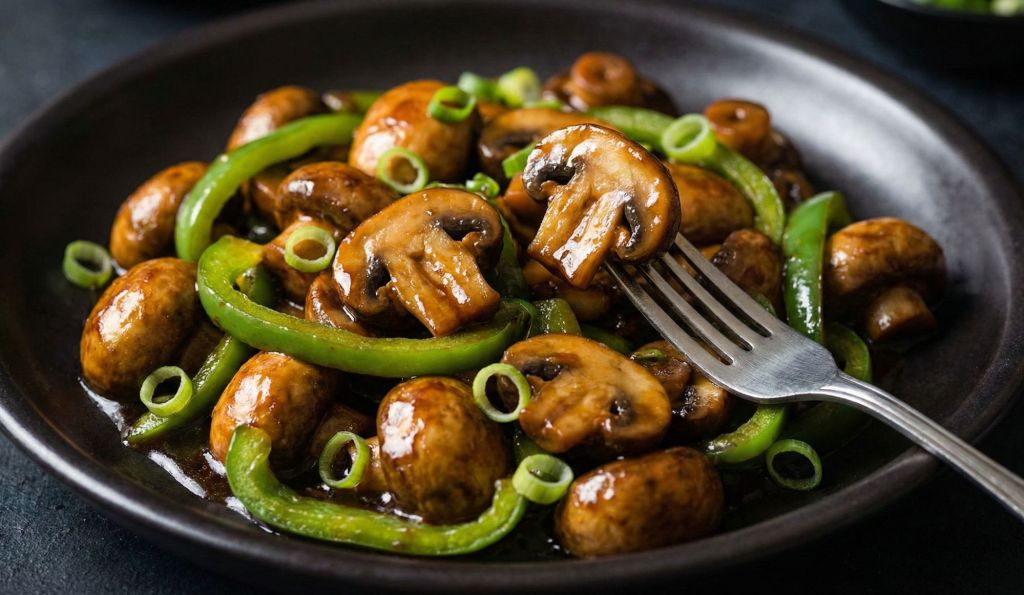
Restaurant-Style Chilli Mushroom: The Vegetarian Answer to “Chilli Chicken”

Introduction
If you walk into any classic Indo-Chinese restaurant in India, from the legendary spots in Kolkata’s Tangra to the busy streets of Mumbai, the aroma is unmistakable. It’s a mix of smoky soy sauce, sizzling garlic, and high-heat wok frying.
While Chilli Chicken gets all the glory, the Chilli Mushroom is the unsung hero of the “Desi Chinese” menu. When made correctly, button mushrooms mimic the texture of meat juicy on the inside, enclosed in a crispy, spicy batter that soaks up that glossy, umami-laden sauce.
But here is the problem: Homemade Chilli Mushroom often turns into a soggy mess. The mushrooms release water, the batter falls off, and the crunch disappears.
Today, I am sharing the Restaurant Secret to keeping them crispy. This recipe delivers that sticky, spicy, dry version that is perfect as a party starter.
The “Crispy” Secret (The Double Coat)
Mushrooms are 90% water. To get that restaurant crunch, you need to follow two rules:
Do Not Wash (Wipe Instead): If you wash mushrooms under a tap, they act like sponges. Wipe them clean with a damp cloth instead.
The Flour Ratio: We use a mix of Cornflour (Corn Starch) for crunch and Maida (All-Purpose Flour) for binding. If you use only cornflour, it gets too hard; only maida, and it gets soft. The balance is key.
The Recipe Card
Prep time: 15 mins | Cook time: 15 mins | Servings: 2-3

Ingredients:
The Crispy Mushrooms:
200g Button Mushrooms: Cleaned and cut into quarters (keep small ones whole).
3 tbsp Cornflour: The crisping agent.
2 tbsp Maida (All-Purpose Flour): The binding agent.
½ tsp Black Pepper Powder: Freshly crushed.
½ tsp Ginger-Garlic Paste: For flavor inside the batter.
Salt: To taste.
Oil: For deep frying.
The “Tangra” Sauce:
1 tbsp Garlic: Finely chopped (use lots of garlic!).
1 inch Ginger: Finely chopped.
2-3 Green Chilies: Slit lengthwise.
1 Medium Onion: Cut into square petals (bulbs).
1 Medium Capsicum (Green Bell Pepper): Cut into squares.
The Sauce Mix: 1 tbsp Dark Soy Sauce, 1 tbsp Red Chilli Sauce, 1 tsp Vinegar, 1 tsp Tomato Ketchup (to balance the heat).
Spring Onion Greens: Finely chopped for garnish.
Instructions:
The Batter: In a bowl, mix the mushrooms, ginger-garlic paste, salt, and pepper. Let it sit for 2 minutes. The mushrooms will release a tiny bit of moisture. Now, sprinkle the cornflour and maida dry over the mushrooms. Toss them well. Sprinkle a few drops of water only if needed to coat the flour. Tip: We want a thin, sticky coating, not a thick pakoda-like batter.
The Fry: Heat oil in a deep pan. When the oil is hot, drop the mushrooms in one by one (don’t clump them). Fry on medium-high heat until they are golden and sound hollow when tapped. Drain and keep aside.
The Wok Sear: In a separate wok or wide pan, heat 1 tbsp oil on High Heat. Add the chopped ginger, garlic, and green chilies. Sauté for 30 seconds until the garlic turns golden.
The Crunch Veggies: Add the onion petals and capsicum. Toss on high flame for just 1 minute. They must remain crunchy.
The Sauces: Lower the heat slightly. Add the soy sauce, chili sauce, vinegar, and ketchup. Add a pinch of salt (be careful, soy is salty) and black pepper. Mix well.
The Toss: Add the fried mushrooms to the pan. Increase the heat to high. Toss quickly for 30 seconds so the sauce coats the mushrooms evenly. Do not cook for too long, or they will soften.
Finish: Turn off the heat. Stir in the spring onion greens. Serve immediately.


The “Pinch of Thrift” Tip (Zero Waste)
Flavored Oil: After deep-frying the mushrooms, do not discard the oil! Filter it through a sieve. This oil now has the aroma of mushrooms and ginger-garlic.
How to use: Use this oil to make Fried Rice or Stir-fry Noodles the next day. It adds that authentic “restaurant flavor” base that fresh oil lacks.

starters, Street Foods

Murgh Malai Tikka: The “Reshmi” Secret of Royal Kitchens

Introduction
In the colorful spectrum of Indian Tandoori dishes, the Red Tikka (fiery and loud) often gets all the attention. But true connoisseurs know that the White Tikka—the Murgh Malai Tikka—is where the real artistry lies.
Historically known as Reshmi Kabab (Silky Kebab), this dish hails from the Mughal kitchens where food was designed to be rich, subtle, and melt-in-the-mouth. Unlike its red cousin, this recipe doesn’t rely on chili powder. It relies on the “Holy Trinity” of creaminess: Malai (Cream), Cheese, and Cashews.
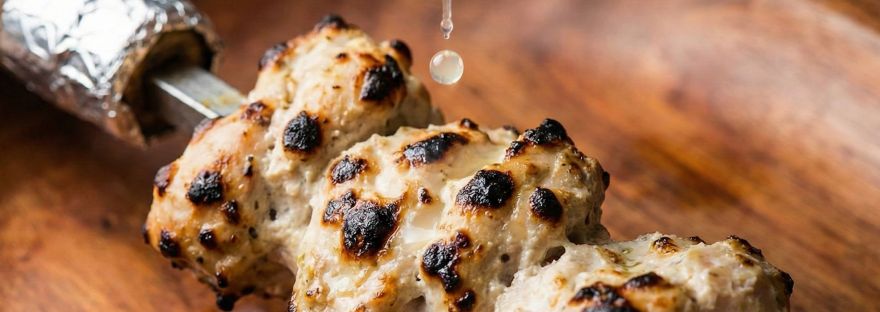
When I eat this at a good restaurant, I look for that specific char on the edges that contrasts with the creamy, white marination. Today, we are cracking the code on how to get that exact texture at home without a Tandoor oven.
The “Double Marination” Secret
Why does restaurant chicken taste softer than homemade chicken? The secret is Double Marination.
The First Marination: Uses acid (lemon) and ginger-garlic to break down the fibers and tenderize the meat from within.
The Second Marination: Uses fat (cream/cheese) to coat the outside, creating that velvety layer that protects the meat from drying out in the heat.
The Recipe Card
Prep time: 15 mins | Marination time: 4 hours (minimum) | Cook time: 20 mins

Ingredients:
500g Boneless Chicken: Thigh pieces work best for juiciness, but breast works if marinated well. Cut into 1.5-inch cubes.
First Marinade: 1 tbsp Ginger-Garlic paste, 1 tsp Lemon Juice, ½ tsp Salt.
The Creamy Base: ½ cup Hung Curd (Greek Yogurt), 3 tbsp Fresh Cream (Malai), 2 tbsp Processed Cheese (Grated this is the secret binder!).
The Aromatics: 2 tbsp Cashew Paste (soaked and ground cashews), 1 tbsp Green Chili Paste (for the only heat), 1 tsp Cardamom Powder (Elaichi – essential for that royal aroma), 1 tbsp Kasuri Methi (crushed).
Binding: 1 tsp Cornflour (prevents the marinade from falling off).
Instructions:
The Tenderize Step: Mix the chicken with the First Marinade ingredients (ginger-garlic, lemon, salt). Cover and set aside for 20 minutes. This allows the meat to relax.
The Royal Coat: In a separate bowl, whisk the hung curd, cream, grated cheese, cashew paste, green chili paste, cardamom powder, cornflour, and Kasuri Methi. Whisk until smooth and lump-free.
Combine: Add the chicken to this creamy mixture. Coat every piece thick and well. Crucial: Let this sit in the fridge for at least 4 hours (overnight is best). The longer it sits, the silkier it gets.
The Cook (Pan or Oven):
Oven: Thread onto skewers. Grill at 200°C (400°F) for 15-20 minutes, flipping once, until golden spots appear.
Stove-Top: Heat a little oil/butter in a non-stick pan. Place chicken pieces (without overcrowding). Sear on high heat for 2 minutes to seal juices, then lower heat and cook for 8-10 minutes until tender.
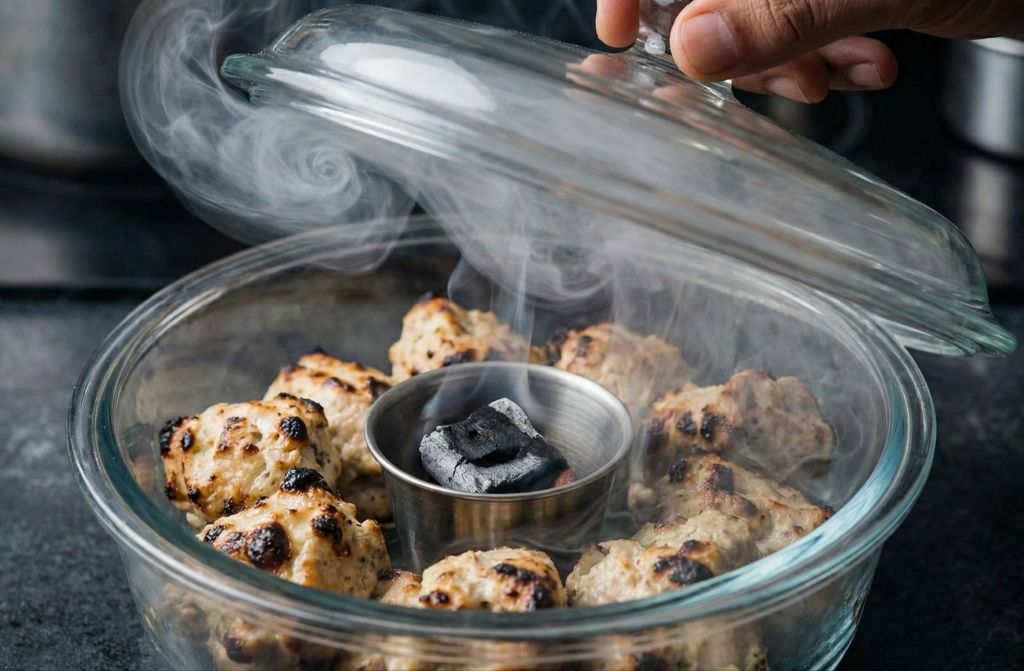
The “Dhungar” (Smoke Technique): This gives it the Tandoori taste.
Heat a small piece of charcoal until red hot.
Place the cooked chicken in a bowl. Place a small steel katori (cup) in the center. Put the hot coal in the cup.
Pour 1 tsp of ghee over the coal. It will smoke heavily.
Immediately cover the bowl with a lid. Trap the smoke for 5 minutes.
Serve: Brush with melted butter and serve with onion rings and green chutney.
The “Pinch of Thrift” Tip (Zero Waste)
The “Malai” Gravy: You will almost certainly have leftover marinade in the bowl after taking the chicken out. Do not wash it away! This mixture is pure liquid gold (cashews, cream, cheese).
How to use: Heat a little butter in a pan, pour in the leftover marinade, add a splash of milk or water, and simmer it for 5 minutes. You now have a rich White Korma Gravy. Dip your naan in it, or toss some boiled potatoes/peas in it for a side dish!

Snacks, starters

Tandoori Broccoli Recipe: Spiced Yogurt-Marinated Vegetarian Starter

Tandoori-style marinated broccoli florets are a modern Indian appetizer staple – perfect as a party snack or a fusion starter.  Inspired by classic tandoori kebabs, this recipe uses hung curd (strained yogurt) spiced with chili, cumin, garam masala and ginger-garlic to coat broccoli pieces. After a short rest, the florets are oven-roasted, grilled or air-fried until tender with charred edges, giving them that coveted smoky flavor.  This crunchy, flavorful snack is especially welcome in cooler months when broccoli is in season, and it’s easy to prepare at home as a crowd-pleasing vegetarian bite.

Ingredients

Broccoli: 1 large head (about 300–350 g), cut into bite-sized florets

Hung curd (strained yogurt): ½ cup (makes marinade creamy; can use plain Greek yogurt)

Gram flour (besan): 1 tablespoon (helps the marinade coat the florets and prevents sticking)

Ginger–garlic paste: 1 tablespoon (freshly ground or store-bought)

Turmeric powder: ¼ teaspoon

Kashmiri red chili powder: 1 teaspoon (or paprika for color; adjust spice to taste)

Cumin powder: ½ teaspoon

Garam masala: ½ teaspoon (or tandoori masala powder)

Chaat masala: 1 teaspoon (optional, adds tangy seasoning)

Kasuri methi (dried fenugreek leaves): 1 teaspoon (crushed)

Lemon juice: 1 teaspoon (freshly squeezed)

Oil: 1 tablespoon (neutral oil like vegetable or mustard oil; plus extra for grilling or air-frying)

Salt: to taste (about ½–1 teaspoon)


Optional add-ins: For a richer “malai” version, whisk in 2–3 tablespoons cream or grated cheese into the marinade.

Marinade Preparation and Marinating

1. Prepare the broccoli: Bring a pot of salted water to a boil. Add broccoli florets and blanch for 1–2 minutes, until just bright green. Immediately plunge them into ice water to stop cooking, then drain and pat dry. (This quick blanch keeps broccoli crisp-tender and helps the marinade adhere.)


2. Make the marinade: In a large bowl, whisk together hung curd, besan, ginger–garlic paste, turmeric, chili powder, cumin, garam masala, chaat masala, kasuri methi, lemon juice, 1 tbsp oil, and salt until smooth. Adjust salt and spice to taste. Tip: Roasting the gram flour briefly before mixing (about 1–2 minutes on low heat) gives a nuttier flavor and prevents a raw taste.


3. Coat the broccoli: Add the blanched broccoli to the marinade bowl. Gently toss until each floret is fully coated. Scrape any leftover marinade on the sides.


4. Marinate: Cover and refrigerate for at least 15–20 minutes, ideally 30–45 minutes. (Longer marinating – up to a few hours – deepens the flavor.) The broccoli will absorb the tangy spice mix; the besan helps the marinade cling and crisp up later. If time allows, an hour or more gives a richer taste.


Cooking Methods

After marinating, cook the broccoli by air fryer, oven, or grill. Each method yields charred edges and a smoky hint; choose your equipment:

Air Fryer: Preheat to 180°C (360°F). Arrange marinated florets in a single layer in the basket (work in batches to avoid crowding). Lightly brush with oil. Air-fry for 8–10 minutes, shaking the basket halfway, until edges brown and crisp. The florets should be tender with some charred spots.

Oven: Preheat oven to 218°C (425°F). Line a baking sheet with parchment. Spread marinated broccoli evenly on the sheet. Bake for about 15–20 minutes, then switch to broil (grill) for the last 2–3 minutes to char the tips. Turn once halfway through. (Alternatively, bake at 170°C for 12–15 minutes, then broil 1–2 minutes.) The result is soft inside, crispy outside.

Grill or Grill Pan: Thread broccoli onto soaked skewers or arrange on a hot grill pan. Brush or spray with oil. Grill over medium-high heat, turning occasionally, until each side is golden and charred (about 3–5 minutes per side). You can also use a stovetop “naan grill” or cast-iron griddle: heat it well, drizzle with oil, and cook skewers on direct flame – this adds a lovely tandoori smoke. Tip: If you have a barbecue grill, this is ideal for extra smokiness (preheat to ~200°C).

Stove-Top Tawa (if no oven/grill): Heat a skillet or tawa on medium-high. Add a dash of oil, then place broccoli florets in a single layer. Cook for a few minutes on each side until charred, flipping gently. Covering briefly can steam them through. A splash of water can prevent burning if using the stove.


Always watch closely near the end so they don’t burn. The florets should be fork-tender yet crisp, with charred tips – this is what gives the “tandoori” appeal.

Tips for Smoky Tandoori Flavor

To mimic authentic tandoor smokiness at home, try one of these hacks:

Dhungar (Charcoal Smoke): Wrap a small piece of hot charcoal in foil, place in the bowl with cooked broccoli, and cover for a few minutes. The smoke infuses the florets.

Liquid Smoke or Smoked Spices: A drop of liquid smoke or a pinch of smoked paprika in the marinade can add a subtle char flavor.

Smoked Salt or Paprika: Finishing with smoked sea salt or smoked chili powder boosts the barbecue taste.

Earthen Pot Method: Preheat a small clay pot over flame, pour a teaspoon of ghee in it, and invert over the broccoli (covered) for a minute – an old-school trick for a smoky aroma.

Black Cardamom: Swap green cardamom in the marinade for ½ teaspoon ground black cardamom; it imparts natural smokiness.


Finally, after cooking, squeeze lemon over the broccoli and sprinkle a little chat masala for an extra kick.

Serving Suggestions and Dips

Tandoori broccoli shines with cool, creamy condiments. A mint-cilantro yogurt chutney (mint raita) or a simple yogurt sauce is classic and balances the heat. The tangy mint yogurt chutney, made of mint leaves, coriander, yogurt, and spices, is traditionally served alongside tandoori dishes. Other good pairings:

Yogurt Sauce or Raita: Whisk plain yogurt with chopped cucumber, mint/cilantro, a pinch of salt and chaat masala.

Green Chutney: Mint-coriander chutney (with jalapeño, lime, and yogurt) adds freshness.

Tamarind Chutney: Its sweet-tanginess complements spicy bites.

Onion Salad: Thinly sliced onions and lemon wedges, sprinkled with salt and pepper, add crunch.

Beverages: Serve with a cooling drink – try a sweet mango lassi or a spiced chai to complete the spread.


For a full starter platter, include additional appetizers like paneer or cauliflower tikka. These bites also work well on wraps or sandwiches, paired with coleslaw or pickled veg.

Expert Tips: Cut florets to uniform size for even cooking. Shake the air-fryer basket or turn the skewers for even browning. Don’t skip the marinade resting time – even 15–30 minutes makes a big flavor difference. The besan in the marinade helps everything crisp up beautifully without sticking.

Enjoy this healthy, flavorful appetizer that turns humble broccoli into a show-stopping tandoori broccoli tikka. Your guests will love the charred, spice-coated florets as much as classic paneer or chicken tikka – with the bonus of extra fiber and vitamins!