Snacks, Street Foods

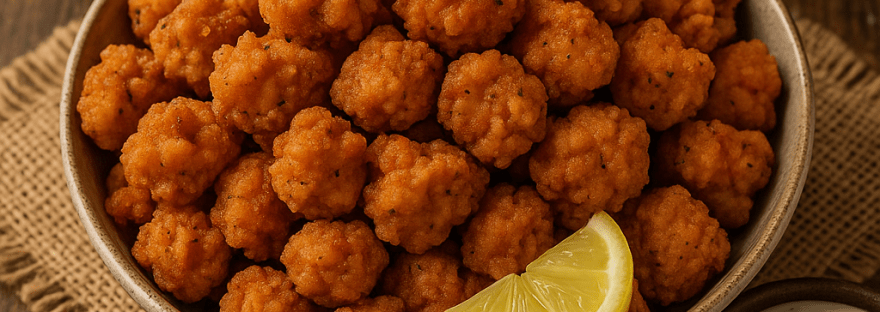
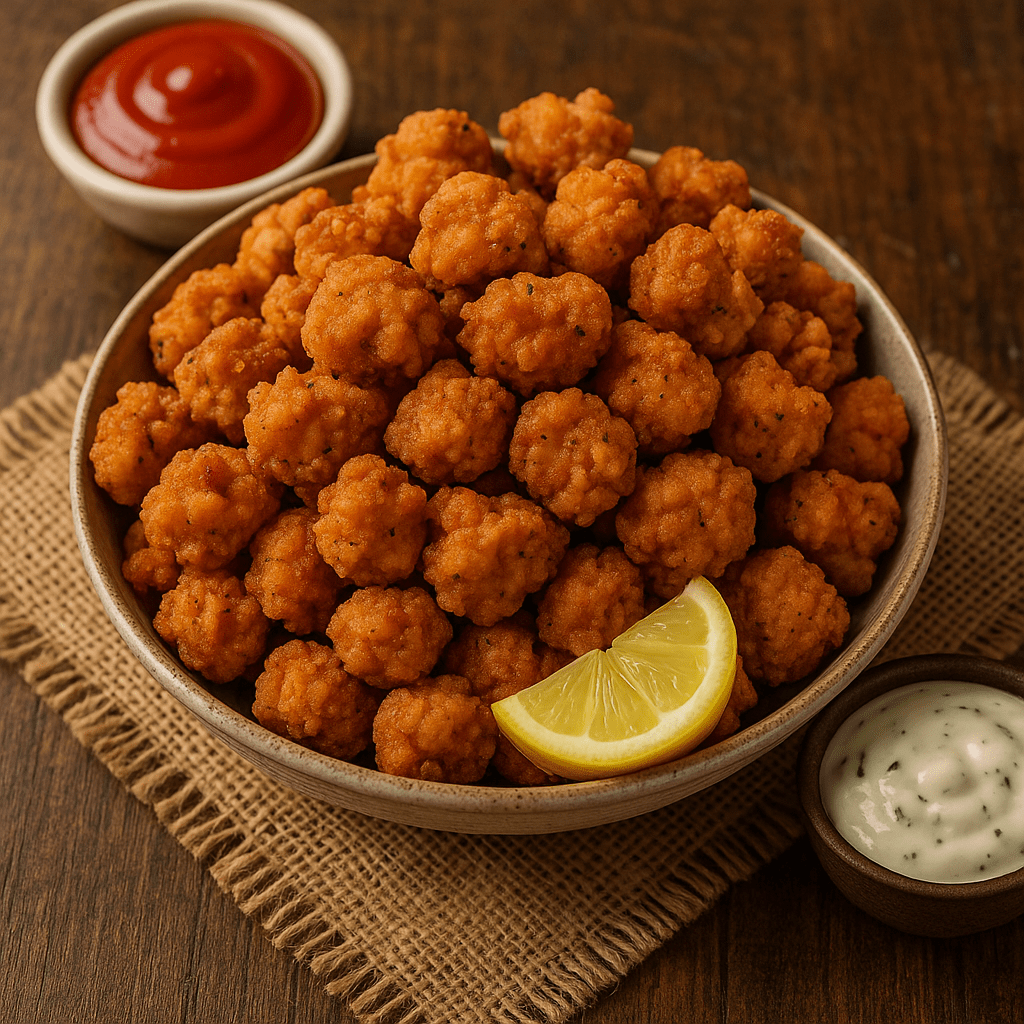
Crispy KFC-Style Chicken Popcorn (Homemade Recipe)

Introduction: A Nostalgic Crunch in Every Bite

There’s nothing quite like the joy of KFC-style chicken popcorn to transport me back to childhood movie nights and weekend mall trips. I still remember the excitement of opening that red-and-white box, the aroma of fried spices wafting out, and popping those crispy little chicken pieces into my mouth one after another. Recreating this at home brings back those warm memories – only now I get to add my own pinch of masala to the mix. In this recipe, tender bite-sized chicken pieces are marinated in tangy buttermilk and spices (a little secret for extra juiciness) and then double-coated in a seasoned flour mix before frying to golden perfection. The result? Juicy inside, crunchy outside chicken popcorn that’s just as addictive as the takeaway classic, with a homemade touch of love. Whether you’re making these for a family game night, a fun weekend snack, or to impress guests with a crowd-pleasing appetizer, this recipe is bound to become a favorite in your household.

Ingredients

For the Chicken & Marinade:

500g boneless chicken breast or thighs, cut into small bite-sized chunks (about 1-inch pieces)

1 cup buttermilk (for marinade)

1 teaspoon salt (for marinade)

1/2 teaspoon black pepper (for marinade)

1/2 teaspoon red chili powder or paprika (for marinade, optional for heat)

For the Seasoned Flour Coating:

1 cup all-purpose flour

1/4 cup cornflour (cornstarch) – helps add extra crispiness to the coating

1 teaspoon garlic powder

1 teaspoon onion powder

1 teaspoon paprika (or red chili powder)

1/2 teaspoon dried thyme or oregano (crush between your palms for flavor)

1/2 teaspoon dried basil (optional, for that KFC herb mix feel)

1/2 teaspoon mustard powder (optional, adds depth to the “secret spice mix”)

1/2 teaspoon celery salt (optional, for authentic KFC-style seasoning)

1 teaspoon salt (adjust to taste, considering marinade salt)

1/2 teaspoon ground black pepper

For Frying:

Oil for deep frying (vegetable or peanut oil works best for high heat)

(Optional) A few extra tablespoons of buttermilk in a bowl (if doing a double coating step)

To Serve (Optional):

Your favorite dipping sauce (ketchup, mayo, honey mustard, spicy chili sauce, etc.)

Lemon wedges or chaat masala for an extra zing when serving (optional)

Recipe Method

1. Marinate the Chicken: In a large bowl, whisk together the buttermilk, salt, black pepper, and chili powder (if using). Add the chicken pieces and stir to ensure each piece is submerged in the spiced buttermilk. Cover and marinate in the refrigerator for at least 30 minutes, or for 2-3 hours for deeper flavor. (Overnight marination is ideal for maximum tenderness and flavor.) The buttermilk’s slight acidity and enzymes will tenderize the chicken and keep it moist, so don’t skip this step for juicy popcorn chicken!

2. Prepare the Seasoned Coating: In a shallow dish or large plate, combine all the coating ingredients: flour, cornflour, and all the spices/herbs (paprika, garlic powder, onion powder, thyme/oregano, basil, mustard powder, celery salt, salt, pepper). Mix thoroughly with a fork or whisk to evenly distribute the seasoning. This seasoned flour mix is the key to packing flavor into every crispy bite – it’s inspired by the Colonel’s 11 secret herbs and spices (think paprika, garlic, oregano, etc., blended to perfection).

3. Dredge the Chicken – First Coating: Working in batches, lift a few chicken pieces from the buttermilk marinade, allowing excess marinade to drip off, and roll them in the seasoned flour mix. Press the flour onto the chicken firmly so it adheres well, fully coating each piece. Arrange the coated pieces on a plate or tray. This initial dredge gives the chicken its base layer of flavor and crunch.

4. (Optional) Double Coating for Extra Crunch: If you want ultra-crispy, KFC-level crunch, give each floured chicken piece a second round of coating. Dip the flour-coated chicken piece quickly back into either the reserved buttermilk (or simply use the marinade bowl) and then coat it again in the flour mix. You can even repeat this process one more time for a triple coating if you’re feeling indulgent. Each additional layer builds up a thicker, craggier crust that stays crunchy. (Pro tip: Double coating is how restaurants get that extra crispy shell – the flour->buttermilk->flour routine traps more breading on the chicken for an amazing crunch.)

5. Rest the Coated Chicken: Place the breaded chicken popcorn pieces on a wire rack or a parchment-lined tray and let them rest for about 5-10 minutes while you heat the oil. Letting the coated chicken sit briefly helps the coating adhere better and dry out a bit, which means less fall-off when frying and a crunchier result.

6. Heat the Oil: In a deep heavy-bottomed pan, kadhai or cast iron skillet, pour in enough oil to come about 1 to 2 inches up the sides. Heat the oil on medium-high until it reaches about **350°F (175°C)**. If you don’t have a thermometer, test the oil by dropping a tiny pinch of the flour batter mix or a small piece of bread – it should sizzle gently and rise to the top. Tip: Maintaining the oil around 350°F is ideal for frying; too low and the chicken will absorb oil and turn soggy, too high and the coating might burn before the inside cooks.

7. Fry the Popcorn Chicken: Carefully add a batch of the coated chicken pieces into the hot oil. Do not overcrowd the pan – each piece should have a bit of space around it (crowding will drop the oil temperature and make the pieces soggy or cause the coating to fall off due to steam). Fry in batches if necessary. Fry the chicken for about 4-5 minutes, turning occasionally with a slotted spoon, until they turn golden brown and crispy on the outside. The chicken will cook quickly since the pieces are small. If unsure, check that the internal temperature of a larger piece reaches 165°F (74°C). The sizzling sound should be steady; if it slows dramatically, your oil may have cooled – adjust heat between batches as needed.

8. Drain and Season: Using a slotted spoon or spider, remove the fried chicken popcorn from the oil, letting excess oil drip back into the pan. Transfer them to a wire rack set over a baking sheet to drain – this keeps them from sitting in oil and ensures they stay crisp (placing directly on paper towels can make the bottom soggy, though you can blot the tops with a paper towel if needed). While the pieces are still hot, sprinkle a pinch of fine salt or chaat masala over them for an extra pop of flavor (seasoning right after frying helps the salt stick better). If frying multiple batches, you can keep the earlier batches warm in a low oven (200°F/95°C) on a wire rack until all are done.

9. Repeat: Continue frying the remaining batches of chicken, making sure the oil comes back to temperature between batches. Remember not to overcrowd the pan with each new batch. Patience is key – frying in small batches will give you perfectly crispy, non-greasy popcorn chicken every time.

10. Serve: Pile up your homemade crispy chicken popcorn in a bowl or basket. Serve hot for best texture (they’re crispiest right after frying). Enjoy the crunch as-is or pair with your favorite dips and sides (see below for ideas). Watch them disappear fast!

Tips for Perfect Crispiness

Marinate for Moisture: The buttermilk marinade isn’t just for flavor – its mild acidity breaks down proteins, tenderizing the chicken and locking in moisture. Even a 30-minute soak makes a difference, but a longer marination (several hours or overnight) yields ultra-juicy chicken that stays tender even after frying.

Double (or Triple) Dredge for Extra Crunch: For that signature KFC crunch, double-coat your chicken pieces. After the first flour coating, dip them back in buttermilk and coat with flour again. This double dredging builds a thick, craggy crust that delivers more flavor and crunch in every bite. It’s a little extra work, but trust me, the satisfying crispy exterior is worth it. If you prefer a lighter coating, a single dredge is fine – but for crunch enthusiasts, the more layers the better!

Season Your Coating Well: Ever wonder why KFC popcorn chicken is so flavorful? It’s the seasoned flour. Don’t be shy with the spices in your flour mix – add enough salt and spices so that the mixture tastes boldly seasoned. Remember, only a fraction of that seasoning ends up on each piece of chicken. A good mix of paprika, garlic & onion powders, pepper, and herbs gives an authentic taste. You can even toss in a pinch of your favorite spice blend (garam masala or chat masala) for a fun twist.

Right Oil Temperature: Keep the oil at a steady 350-365°F (175-185°C) for frying. If the oil is too cool, the chicken will soak up oil and turn out greasy instead of crispy. Too hot, and the outside will brown (or burn) before the inside cooks. Use a thermometer if possible, or do small test fritters to gauge the heat. A consistent medium-high heat will give you that perfect golden brown crust.

Fry in Batches & Don’t Crowd: It’s better to fry in multiple small batches than one big batch. Overcrowding the pan causes the oil temperature to plummet and the pieces to stick together or steam instead of fry. Give your chicken enough space to bob around happily in the oil. This ensures even cooking and maximum crispiness. Between batches, let the oil come back up to temperature before adding the next round.

Use a Wire Rack to Drain: Instead of piling your fried chicken on paper towels (which can make the bottoms soggy from sitting in oil), place them on a cooling rack set over a tray. This allows excess oil to drip away and air to circulate around the pieces, keeping that wonderful crunch intact. You can line the tray underneath with paper towels to catch the drips. If you need to hold the chicken before serving, keep it on a wire rack in a warm oven so it stays crisp.

Salt Immediately: A light sprinkle of salt or your favorite seasoning right after frying will stick to the hot, just-fried chicken popcorn and enhance the flavor. This little restaurant trick makes sure every bite is well-seasoned from the first to the last.

Dipping Sauce Ideas & Serving Suggestions

Classic Combos: Serve your crispy chicken popcorn with classic dips like ketchup or barbecue sauce. A side of honey mustard or ranch dressing also pairs wonderfully, offering a sweet or creamy contrast to the spiciness.

Spicy Kick: Mix mayonnaise with a dash of hot sauce or sriracha to create a quick spicy mayo dip. This creamy, fiery dip is perfect for those who love a bit of heat with their chicken. Alternatively, a tangy buffalo sauce or sweet chili sauce can coat the popcorn chicken for a zesty twist – toss the fried pieces in the sauce to make your own boneless “wings” style appetizer.

Desi Twist: Given our Pinch of Masala vibe, you can’t go wrong with some mint-coriander chutney or tamarind chutney on the side for an Indian twist. The fresh herby notes or sweet-sour tang of chutneys can complement the savory fried chicken. A sprinkle of chaat masala on the hot fried popcorn chicken along with a squeeze of lemon juice can instantly give an extra burst of flavor reminiscent of Indian street food.

Serving Ideas: This chicken popcorn is a versatile snack. Pile it into paper cones or baskets for a fun party treat, or serve it as a meal with French fries, coleslaw, or a fresh salad on the side (think of it as a homemade KFC combo!). You can also use these popcorn chicken pieces to stuff wraps or tacos, or as a topping over a bowl of mac and cheese for a decadent treat.

Finally, gather everyone around and dig in while these Crispy KFC-Style Chicken Popcorn bites are hot and crunchy. Each bite delivers a satisfying crunch followed by tender, flavorful chicken – and perhaps a flood of nostalgia for those KFC outings. Enjoy your homemade popcorn chicken with your favorite people and sauces, and don’t be surprised when it becomes a frequently requested snack. Happy frying and happy munching! 🥳🍗

Snacks, Street Foods

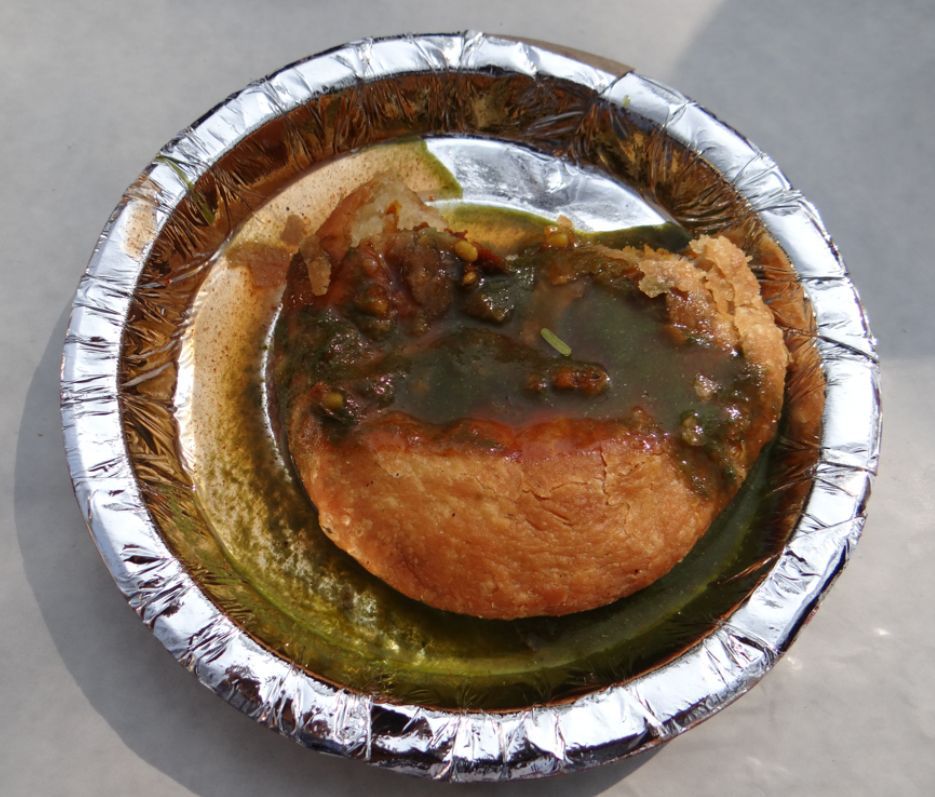
Rajasthani Pyaz Kachori (Onion Kachori) – Monsoon Memories in a Crispy Bite

There’s a magic in the Indian monsoon that isn’t just about the rain – it’s about the cravings it brings. I remember as a child in Jaipur, the moment the earthy scent of first rain (petrichor) rose from the hot ground, my father would rush out to grab a batch of Pyaz Kachoris from the local halwai. We’d huddle under our verandah, warm cups of masala chai in hand, and bite into these golden, onion-stuffed kachoris as the raindrops danced around us. The flaky crust would crumble, giving way to a spiced onion filling that was equal parts fiery and comforting, a perfect contrast to the cool, damp weather. To this day, the monsoon and Pyaz Kachori are inseparable in my memories – one bite and I’m transported to those rain-soaked street corners and the joyful chaos of Jaipur’s monsoon evenings.

In Rajasthan, Pyaz ki Kachori isn’t just a snack; it’s an institution. Steaming hot kachoris are sold at nearly every sweet shop and namkeen stall, typically enjoyed with a dollop of sweet-sour tamarind chutney that balances the spice. These indulgent treats likely originated in the cities of Jaipur and Jodhpur, and they’re so legendary that people go to great lengths to get their hands on them – there’s even a tale of an Air India pilot detouring a flight to pick up her favorite Jodhpur kachoris!. Biting into an authentic Rajasthani Pyaz Kachori is pure bliss: the pastry is brittle, ghee-rich and flaky, giving way to a belly full of spiced onions (and a touch of potato) laced with fiery green chillies, fennel, and a hint of garlic. It’s the kind of street food that defines a place – mention Jaipur to any foodie, and they’ll likely reminisce about Rawat Misthan Bhandar’s famous Pyaz Kachori or the comfort of devouring one straight out of a roadside stall, rain or shine. This recipe is my attempt to bring those warm, nostalgic flavors into your home kitchen. So, let’s dive into making these crispy, stuffed pastries and create some monsoon memories of your own!

Ingredients

For the Kachori Dough:

2 cups all-purpose flour (maida)

1/4 cup ghee (clarified butter), melted

1/2 teaspoon salt (or to taste)

~1/2 to 3/4 cup water (as needed for kneading)


For the Onion Masala Filling:

2 cups onions, finely chopped (about 2 medium onions)

2 tablespoons oil

1 teaspoon nigella seeds (kalonji)

2 teaspoons fennel seeds (saunf)

2 bay leaves (tejpatta)

1–2 green chillies, finely chopped (adjust to spice preference)

2 tablespoons besan (Bengal gram flour) (helps bind the filling)

2 teaspoons ground coriander (dhania powder)

2 teaspoons red chilli powder (adjust to taste)

1 teaspoon garam masala powder

Salt, to taste

2–3 tablespoons fresh coriander leaves, chopped

Oil for deep frying (enough for a deep pan, about 2–3 cups)


Instructions

1. Prepare the Dough: In a large mixing bowl, combine the flour and salt. Pour in the melted ghee and rub it into the flour with your fingertips until the mixture resembles coarse breadcrumbs (this moyan of ghee is what makes the kachori flaky). Gradually add water, a few tablespoons at a time, and knead to form a semi-soft but firm dough. The dough should be pliable and smoother than puri dough, but not sticky. Knead well for about 4–5 minutes to develop gluten. Cover the dough with a damp cloth and let it rest for 15–20 minutes while you prepare the filling.


2. Make the Onion Filling: Heat 2 tablespoons of oil in a broad pan or kadhai over medium flame. Add the nigella seeds and fennel seeds; let them sizzle for a few seconds. Toss in the bay leaves and the chopped green chillies, stirring for a moment. Now add the finely chopped onions. Sauté the onions on medium heat for about 5 minutes until they soften and turn translucent (avoid browning them). Next, sprinkle in the besan and all the spice powders – coriander, red chilli, garam masala – along with salt. Stir everything together and cook for another 2–3 minutes, stirring continuously, until the besan gets lightly roasted and the spices cook off their raw aroma. The mixture will be fairly dry and aromatic, with the besan absorbing excess moisture from the onions. Turn off the heat, then mix in the fresh coriander leaves. Pick out and discard the bay leaves. Spread the filling on a plate to cool down slightly (warm is okay, just not piping hot) for easier handling.


3. Shape the Kachoris: Give the dough a quick knead after resting, then divide it into 10–12 equal portions (each portion will be about the size of a golf ball). Keep the dough balls covered to prevent drying. Working with one portion at a time, roll or press it out into a small disc roughly 3 inches in diameter. Place 1–2 tablespoons of the cooled onion filling in the center of the disc. Bring the edges of the dough up around the filling, pleating as needed, and pinch them together to seal the filling inside (like a money bag). Pinch off any excess dough at the top to avoid a thick lump. Now gently flatten the filled pouch with your palm. Using a rolling pin, very lightly and carefully roll the filled dough ball into a slightly flatter disc of about 2½ inches, taking care not to puncture it or let the filling spill out. (Tip: You can roll from the sealed side very gently, and if a bit of filling does peek through, patch it with a tiny pinch of flour-dough.) Prepare all kachoris this way, keeping the prepared ones covered with a cloth to avoid drying.


4. Deep-Fry the Kachoris: Heat the oil for deep frying in a heavy-bottomed pan or kadhai on medium-low heat. To test the oil, drop a tiny pinch of dough into it – it should sizzle and rise slowly without turning brown instantly. Slide in 2–3 kachoris at a time (do not overcrowd) into the hot oil. For the best crispy results, fry on a low to medium flame: in the first minute, do not disturb the kachoris. They will sink then gradually float up as they puff. Once they float, gently flip and move them around. Fry patiently, turning occasionally, until each kachori is golden brown, crisp and evenly cooked. This frying process can take about 8–10 minutes per batch on a moderate flame – remember, slow-frying is what yields the signature khasta (flakiness) in kachoris. Do not crank up the heat, as high heat will brown the outside too fast while leaving the inside doughy. When done, the kachoris will be a beautiful golden color and feel light and crisp with no soggy spots. Remove them with a slotted spoon and drain excess oil on paper towels. Repeat for all batches. (If you notice the oil temperature dropping too much between batches, let it heat up again, but never to smoking point.)


5. Enjoy: Serve the Pyaz Kachoris immediately while they’re hot and flaky. If you need to fry them a bit in advance, you can crisp them up in a preheated oven at 180°C (350°F) for 5 minutes before serving. See serving suggestions below for classic accompaniments!


Tips for Frying and Storing

Flaky Kachori Secrets: The key to flaky, khasta kachori is the dough. Be generous with the ghee (or oil) when rubbing it into the flour – this shortening makes the crust wonderfully crisp. Knead the dough until it’s smooth, but don’t make it too soft. A firmer, tight dough (with just enough water) ensures the kachori won’t absorb excess oil during frying. Always let the dough rest under a damp cloth; this relaxes the gluten and makes it easier to shape, preventing the kachori from springing back when rolled.

Frying Temperature & Technique: Frying kachoris is a slow dance. Always fry on medium-low heat for even cooking. Patience will reward you – low heat frying cooks the kachori through and produces an evenly golden, crisp shell with tiny flaky layers. If the oil is too hot, the kachori will puff up and turn dark quickly but remain uncooked (doughy) inside. One trick: once the kachori has floated and started to puff, you can gently press it with the frying spoon or a spatula to help it puff completely. Fry until the bubbling subsides significantly – that’s a sign the moisture has cooked out and the crust is crisp.

Onion Filling Tips: Don’t chop the onions too fine. Slightly larger diced onions are ideal because they retain a bit of texture and won’t release water as quickly as very fine onions. This helps avoid a soggy filling. The spoonful of besan in the filling is a traditional touch – it soaks up moisture from the onions and spices, ensuring the filling is dry enough to stay inside the kachori without bursting out. (Some halwais even use a bit of mashed boiled potato or crushed roasted moong dal for the same purpose of binding the filling.)

Variations: While all-purpose flour yields the most authentic crispy texture, you can replace part of the flour with whole wheat flour (atta) for a slightly healthier spin. Many households might not deep fry snacks often, but this treat is worth the indulgence! If you’re experimenting, you can also try other fillings (like spiced lentils or peas) with this same dough – but then it wouldn’t be the classic Pyaz Kachori we know and love.

Storing & Reheating: Pyaz Kachori is best enjoyed fresh, but you can prepare them in advance. These kachoris keep well for a couple of days at room temperature. Let the fried kachoris cool completely, then store them in an airtight container – this prevents them from turning soggy. To reheat, avoid microwaving (which can make them chewy); instead, warm them up in a preheated oven at 180°C (350°F) for about 5–8 minutes. They’ll crisp up almost as good as freshly fried. (If you need to store the uncooked, filled kachoris, you can refrigerate them separated by parchment, but fry within a day for best results.)
Leftover Idea: If by some miracle you have leftover kachoris, you can turn them into a quick kachori chaat! Lightly crush a warmed kachori in a bowl, top with whisked yogurt, drizzle with tamarind and green chutneys, and sprinkle some sev and chopped onions. This street-food style makeover is absolutely delicious.


Serving Suggestions

Classic Chutney Pairing: The traditional way to relish Pyaz Kachori is with chutneys. Tamarind-Date Chutney (imli ki chutney), which is sweet and tangy, is a must – it complements the spicy, pungent onion filling perfectly. Alongside it, serve a bright Green Chutney made from fresh coriander, mint, green chillies and lime. The duo of sweet tamarind and herbaceous green chutney offers a burst of contrasting flavors that elevate each bite of the kachori. Serve the kachoris on a platter with bowls of these chutneys, or drizzle the chutneys inside the opened kachori for a street-style presentation. You can also add a few fried green chillies on the side for those who love extra heat (bite carefully – they’re hot!).

Rajasthani Kadhi (Kadhi Kachori): In some parts of Rajasthan, especially in cities like Ajmer, Pyaz Kachori is famously served with a simple Rajasthani kadhi. This kadhi is a thin, spicy yogurt-based curry (different from the Punjabi kadhi, as it usually has no pakoras and is lighter). To serve, place hot kachoris in small bowls and pour steaming kadhi over them, then top with a drizzle of tamarind and green chutney. Eating kachori soaked in kadhi is a soul-warming experience – the kachori soaks up the savory curry, turning each bite into a soft, flavor-packed dumpling. It’s a lesser-known but delightful way to enjoy this snack as a more filling meal.

Chai Time Delight: No Indian street food story is complete without chai! Serve your Pyaz Kachoris with a pot of hot masala chai on the side. The strong, milky tea cuts through the richness of the kachori and makes for a comforting combination. In fact, many locals swear by kachori with chai as the ultimate rainy day duo. The warmth of the tea and the spice of the kachori filling will surely chase away any chill from the monsoon rain. So, dig in, sip, and enjoy the bliss – as we say in Rajasthan, “Ram ram sa, khaana ho jaye!” (Greetings, let’s eat!).


Enjoy making these Rajasthani Pyaz Kachoris at home! With each crispy bite, you’ll taste the love and legacy of Rajasthan’s street food culture – and if you close your eyes, you might just hear the patter of rain and the chatter of a busy Jaipur market. Happy cooking and happy monsoon! 🌧️✨

Snacks

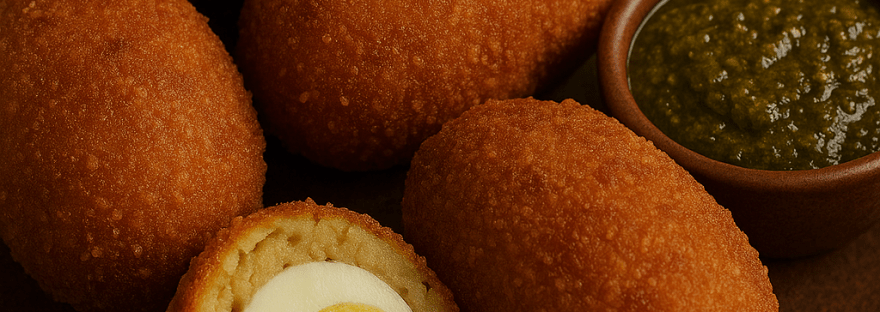
Bengali Egg Chop (Dimer Chop) – Crispy Potato & Egg Cutlets

A plate of crispy Bengali egg chops (potato and egg cutlets) ready for tea-time. Growing up in Bengal, I vividly recall rainy afternoons and Durga Puja rehearsals where the air was filled with the scent of frying spices and the excited chatter of children.  Food blogger Joy even reminisces that during Durga Puja, she would “patiently wait… so that the egg roll and egg chop… would appear along with some Cha (tea)”.  No wonder these golden, crispy dim chops became a symbol of festive celebration and cozy monsoon snacks.  In fact, one recipe notes that this Anda Chop (egg chop) is a beloved *“roadside food enjoyed during the rainy season”*, and that whether it’s a monsoon evening or a Puja pandal stall, a piping-hot chop is “always a hit” with Bengalis.  Each bite – of spiced mashed potato enveloping a boiled egg – instantly transports many of us back to those rain-kissed, tea-time memories.

Ingredients

Eggs: 4 large, hard-boiled, peeled and halved (use 2 if you prefer smaller portions)

Potatoes: 6 medium, boiled and skin removed

Onion: ½ cup, finely chopped

Green chilies: 2–3, finely chopped (adjust to taste)

Cilantro (dhaniya): 2 tbsp, chopped

Spices: 1 tsp red chili powder, ½ tsp ground black pepper, ¼ tsp turmeric powder (optional), ½ tsp chaat masala (optional)

Oil: 2–3 tbsp (for sautéing) + oil for deep frying

Binding/Coating: 2–3 tbsp cornflour or all-purpose flour (to make batter), ½ cup fine bread crumbs


Preparation

1. Cook the eggs and potatoes: Boil the eggs until hard-cooked (about 10 minutes), then peel and set them aside. In the same pot, boil the potatoes until tender; drain and peel them while still hot.


2. Mash the potatoes and mix the filling: Place the hot potatoes in a bowl and lightly mash them.  (Don’t over-mash – a little texture helps keep the chops fluffy.)  Season the mashed potatoes with salt, red chili, black pepper (and chaat masala if using).  Add the chopped onion, green chilies and cilantro, and mix thoroughly so the spices and aromatics are evenly distributed.


3. Shape the chops around eggs: Divide the potato mixture into 4 (or 6) portions.  Take one portion in your palm and flatten it into a disc.  Place a halved boiled egg (cut side down) in the center, then gently wrap the potato mixture around it, sealing it completely.  Make sure there are no gaps – the egg should be fully encased in potato.  Repeat with the remaining portions and eggs.


4. Chill to set: Arrange the egg-covered potato rounds on a plate and refrigerate for about 15–20 minutes.  This helps firm them up so they hold their shape when coated and fried.


5. Prepare the batter and coating: In a shallow bowl, mix the cornflour (or all-purpose flour) with a little water, salt and pepper to make a thin batter.  In another dish, spread the breadcrumbs.  Dip each chilled chop first in the batter, then roll it in breadcrumbs to coat fully.


6. Coat the chops (double coating): For an extra-crispy crust, you can repeat the coating step: dip the already breaded chops in beaten egg (or the cornflour batter) and breadcrumbs once more.  Place the breaded chops back on the plate and chill again for 10 minutes – this second rest helps the crust adhere in the hot oil.


7. Fry until golden: Heat enough oil in a wok or deep pan to cover the chops halfway.  When the oil is hot (around 170–180°C), carefully add the chops in batches.  Fry on medium heat until they are evenly golden brown on both sides (about 3–4 minutes per side).  Avoid crowding the pan, and adjust the heat so the chops cook through without burning the coating.


8. Drain and serve: Using a slotted spoon, transfer the fried chops to a paper-towel lined plate to drain excess oil. Serve them hot.


Tips for Perfect Egg Chops

Sauté for flavor: Before mashing, you can sauté the onions, chilies and spices in a teaspoon of oil until soft and aromatic.  This deepens the flavor.  For example, one recipe advises: “Heat little oil… add chopped onions, salt and sauté.  Then add chopped green chilies, turmeric, mint, coriander… cook till onions are slightly cooked”.

Chill in stages: Chilling the formed chops twice (once before coating, again after coating) helps them hold together in the fryer. Cold, well-set patties absorb less oil and yield a tighter crust.

Double-coat for crunch: Don’t skimp on the breadcrumbs.  As Bong Eats explains, a double breading (egg wash + breadcrumbs, twice) gives “a substantial, crisp crust”. This means dip in batter, roll in crumbs, then dip and roll again.

Fry at the right temperature: Aim for medium-hot oil (about 170–180°C). Frying too cool will make the chops greasy, while too hot will burn the crust before the center warms through.  As one chef notes, fry on “medium heat (oil temperature ~180°C) until evenly brown”.

Drain excess oil: Once browned, immediately transfer the chops to paper towels to blot off oil. This keeps the crust crisp.

Spice it up: Be generous with seasonings in the potato mix – turmeric, chili, a pinch of garam masala or chaat masala, plus plenty of salt. Fresh herbs like cilantro (and even a little mint) brighten the filling.  However, remember not to overwork the mash, as a slightly textured potato holds more flavor.

Bake instead of fry (optional): For a lighter version, Joy suggests spraying the chops with oil and baking at 200°C for about 30 minutes (turning once). They won’t be quite as crunchy as deep-fried, but still tasty.


Serving Suggestions

Bengali egg chops are typically enjoyed piping hot.  They pair beautifully with Bengali mustard sauce (kasundi) – a pungent, smooth mustard dip – and a simple onion-cucumber salad.  (Bong Eats even recommends to “serve hot with kasundi, and a salad of sliced onions, cucumber and beetroot”.)  You can also offer a tangy mint-coriander chutney or ketchup on the side.  In Bengal, nothing is more satisfying than biting into a crispy dim chop while sipping a warm cup of masala chai.  As one cookbook notes, chai is “a perfect accompaniment to an evening snack” – and we couldn’t agree more when it comes to fried goodies like egg chops.

Snacks, Street Foods

Delhi-Style Ram Ladoo Chaat (Moong Dal Pakodi Chaat)

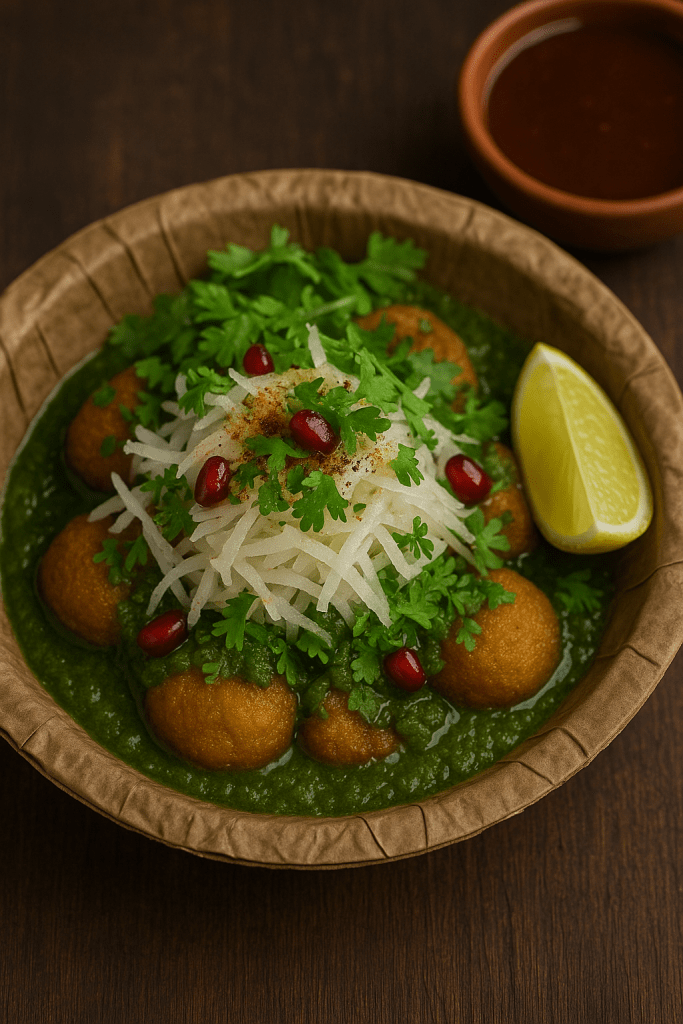
Imagine strolling through the bustling lanes of Old Delhi on a chilly winter evening, your hands wrapped around a small dona (leaf bowl) brimming with piping hot Ram Ladoo. The aroma of fried lentil fritters wafts through the foggy air as you watch the street vendor deftly drizzle vibrant green chutney over the golden bites and top them with a snowy heap of grated radish. During Delhi’s severe winters (and even its monsoons), snacks like Ram Ladoo are in high demand – kiosks selling jalebi, shakarkandi chaat, Ram Ladoo, aloo tikki and more are a common sight in every neighborhood. The experience is pure nostalgia: standing by the roadside with friends, huddling under umbrellas during a surprise drizzle, and relishing the chatpata (tangy-spicy) flavors that burst from these little fritters.

Ram Ladoo isn’t actually a ladoo (sweet) at all – it’s a savory fried pakoda (fritter) made from moong dal batter that’s turned into a chaat. The name might confuse first-timers, but one bite makes it clear why this is one of Delhi’s most beloved street foods. Traditionally, the crispy lentil balls are served as a chaat with all the fixings: fresh white radish (mooli) is the signature topping that defines Ram Ladoo, piled on along with zesty green chutney and a squeeze of lemon. This combination of hot fritter, cool crunchy radish, and spicy-tangy chutneys is absolutely addictive. No wonder Ram Ladoo is especially cherished during North Indian winters and monsoons, when that extra crunch of seasonal radish and the warmth of fried snacks feel most comforting.

Ingredients

For the Ram Ladoo Fritters: (Serves 4)

1 cup moong dal, split yellow lentils (dhuli moong) – rinsed

1 teaspoon grated ginger (or 1-inch piece, chopped)

1–2 green chilies, chopped (adjust to taste)

½ teaspoon cumin seeds

1 pinch asafoetida (hing) (optional, enhances flavor)

½ teaspoon salt, or to taste

Oil, for deep frying (enough to submerge fritters)


For Serving & Toppings:

1 cup white radish, peeled and grated (mooli)

2 tablespoons fresh coriander leaves, finely chopped

Green chutney – (Blend fresh coriander, mint, green chili, garlic, salt, and a dash of lemon into a smooth chutney. You can include a few radish leaves for authenticity.)

Tamarind chutney – sweet-sour imli chutney (optional, for drizzling)

1 teaspoon chaat masala

Lemon wedges, for squeezing on top


(Note: Some vendors also garnish with a few pomegranate seeds (anardana) for a pop of sweetness and color, though this is optional.)

Instructions

1. Soak the Dal: Rinse the moong dal a few times, then soak it in water for about 3–4 hours (or overnight). Proper soaking softens the lentils, ensuring a lighter, fluffier batter. If you plan to mix in a small portion of chana dal (optional for extra crispness), soak it together with the moong dal or separately as needed.


2. Grind into Batter: Drain the soaked dal and transfer it to a grinder or blender. Add the aromatics and spices – ginger, green chilies, cumin seeds, asafoetida, and salt – into the grinder. Grind everything to a coarse paste without adding water (or using only a few teaspoons if absolutely necessary). The batter should be thick; a slightly coarse texture (not completely smooth) is ideal so that the fritters have some bite. Tip: Scrape down the sides of the blender as you go, and avoid over-grinding into a fine paste.


3. Aerate the Batter: Pour the ground dal batter into a mixing bowl. Now, take a whisk (or even just use your hand or a spoon) and beat the batter vigorously for 2–5 minutes in one direction. This whipping incorporates air, making the batter light and fluffy. You will notice the batter increase a bit in volume and turn pale. This step is key to yielding soft, pillowy interiors and helps the fritters puff up nicely when fried.


4. Deep Fry the Fritters: Heat oil in a deep kadai (wok) or heavy pan over medium heat. Once the oil is hot (test by dropping a tiny bit of batter – it should sizzle and rise to the top), carefully drop spoonfuls of the batter into the oil. You can use a wet spoon or your fingers to pinch out small rounds (about 1 to 1½ inches in diameter). Do not overcrowd the pan; fry in small batches so the temperature of the oil stays consistent and the fritters cook evenly. Fry the Ram Ladoo on a medium flame, flipping occasionally, until they turn golden and crisp on the outside. This usually takes about 4–6 minutes per batch. Resist the urge to fry on very high heat – medium heat ensures the insides cook through without the outside browning too fast. When one side is golden, flip the fritters with a slotted spoon and continue frying till all sides are golden and the fritters are crunchy.


5. Drain and Keep Warm: Use a slotted spoon to remove the fried fritters from the oil. Drain them on a plate lined with paper towels to blot excess oil. The Ram Ladoos should be beautifully crisp and golden (avoid frying till dark brown, as that can make them too hard). If not serving immediately, you can keep them warm in an oven at low heat (around 100°C/212°F) so they remain crunchy.

Serving and Presentation

Serving the Chaat: In Delhi, Ram Ladoo is often handed to you in a small steel plate or a disposable leaf bowl (dona), truly embracing its street-food charm. To assemble your Ram Ladoo chaat, arrange 4–5 of the hot moong dal fritters in a small bowl or plate. Then liberally spoon the green chutney over them, completely dousing the fritters in that spicy herby goodness. If you have tamarind chutney, drizzle a couple of teaspoons of the sweet-tangy sauce as well for a nice flavor contrast. Next, pile on a generous amount of grated radish on top of the fritters – don’t be shy, the crunchy mild radish is what makes this chaat unique. Sprinkle a pinch of chaat masala all over, and garnish with the chopped fresh coriander. You can also add a few of the radish leaves themselves as garnish if they’re fresh and tender. Finally, tuck a lemon wedge on the side of the plate for squeezing. The final creation should look irresistible: golden fried balls almost hidden under a mountain of green chutney and white radish, with specks of coriander (and maybe ruby pomegranate arils) on top, just like the street vendors serve it.

When you take a bite, you get everything at once – the crisp exterior of the fritter giving way to a soft, savory center, the zing of green chutney and chaat masala, and the refreshing crunch of radish with a burst of lemon. This medley of textures and flavors is what makes Ram Ladoo such a beloved street snack. Traditionally, the fritters must be enjoyed fresh and hot, smothered in chutneys and topped with radish – that’s the classic way to relish this dish. Some vendors also sprinkle a little black salt or sendha namak on top for extra punch. Serve your Ram Ladoo immediately once assembled, because that’s when they taste best – before they lose heat and crunch.

Tips for the Perfect Ram Ladoo

Soak Well: Plan ahead and soak the moong dal for at least a few hours. Well-soaked lentils grind more easily and yield a smoother, lighter batter. If using a bit of chana dal (e.g. a 3:1 ratio of moong to chana), soak it too – chana dal helps make the fritters even more crisp and fluffy (though you can skip it if you want to keep things simple).

Minimal Water for Grinding: Drain the lentils thoroughly before grinding. Avoid adding water when blending – excess water can make the batter runny, and the fritters won’t hold their shape. Grind in pulses until you get a coarse, thick paste. If absolutely needed, add a teaspoon or two of water, but keep the batter stiff. A thick batter results in round, fluffy fritters, whereas a thin batter would yield flat or greasy ones.

Whip the Batter: Don’t forget to whisk or beat the batter well. This step incorporates air, making the fritters light. A well-aerated batter gives soft interiors and helps the Ram Ladoos puff up nicely. If you skip this, your fritters might turn out dense. So roll up your sleeves and beat the batter for a few minutes until it feels lighter and pale.

Frying Technique: Always fry on medium heat. If the oil is too hot, the fritters will brown too quickly on the outside but remain uncooked inside; too low and they’ll absorb oil and turn soggy. Medium flame ensures they cook through evenly. Also, fry in batches – adding too many spoonfuls of batter at once can crowd the pan and drop the oil temperature, resulting in oily fritters. Fry until the ladoos are just golden (not deep brown) for the best texture. Golden color means they’re perfectly crisp but still tender inside.

Toppings are Key (Don’t Skip the Radish!): The magic of Ram Ladoo lies in its toppings. Fresh grated radish is not just a garnish but a core component – it adds a refreshing crunch and peppery bite that elevates the dish. In fact, the radish is so essential that skipping it is not advisable. Similarly, the green chutney provides spice and moisture, and a dash of tamarind chutney brings a welcome sweetness that balances the flavors. Sprinkle a pinch of chaat masala on top for that final tangy kick. These extras turn simple fritters into an authentic chaat.

Serve Hot: Ram Ladoo is a snack best enjoyed straight out of the oil. Serve them immediately after frying and assembling, while they’re still hot and crunchy. The fritters tend to soften as they cool, especially under the moisture of chutneys. If you need to fry them a little in advance, you can keep the fried balls in a preheated oven (around 90–100°C) or in an airtight container to maintain crispiness. Then quickly assemble with toppings right before eating. But avoid long delays – even the street vendors will assemble a plate and hand it to you to eat right there and then.

Secret Street Vendor Trick: For an extra layer of authentic flavor, try incorporating radish leaves into your preparation. Many Delhi vendors blend a handful of the mooli ke patte (radish greens) into the green chutney, or even finely chop and whisk a spoonful into the batter itself. The radish greens have a sharp, mustardy flavor that can give your Ram Ladoo a distinctive edge. Even if you don’t have the leaves, using radish generously as a topping will do the job – it’s the defining element of this chaat.


With these tips in mind, you’re ready to recreate the Delhi-style Ram Ladoo at home. Each bite will transport you to the lively streets of Delhi, especially on a cold evening or a rainy day, enjoying this warm, crispy, spicy delight. Serve it up in true street-style fashion – in a little leaf bowl or steel saucer – and watch how quickly these moong dal pakodi chaats disappear. Happy cooking and happy snacking!

Snacks, Street Foods

Traditional Indian Fruit Chaat Recipe – A Colorful Festive Treat

The Pinch of Masala brings you a tangy, sweet, and spicy Fruit Chaat that’s perfect for festive occasions and hot summer days. This Indian-style fruit salad is more than just a snack – it’s a bowl of nostalgia and vibrant flavors.

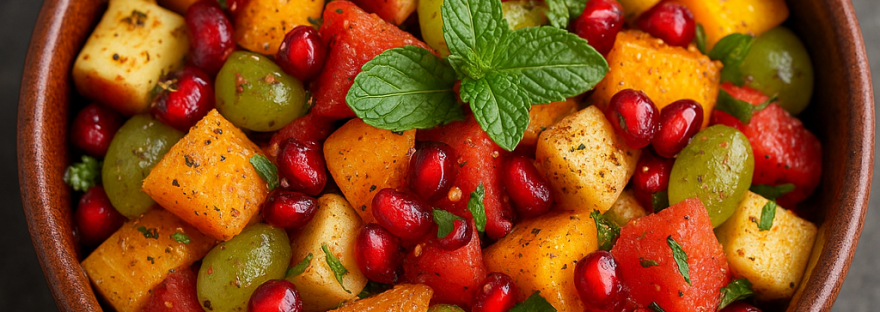
Imagine the scene: it’s Holi afternoon, faces smeared with rainbow colors, and the air smells of gulal and wet earth. We cousins would gather around Dadi’s courtyard, giggling and exhausted from play, as she brought out a big steel thali brimming with fruit chaat. The colors of the chopped mangoes, watermelons, and pomegranates mirrored the Holi palette itself. One bite and our mouths would tingle – chatpata (tangy-spicy) magic from that special mix of spices, the chaat masala, hitting our taste buds. The sweetness of ripe fruits, the zing of lime, and a subtle kick of chili would instantly revive us. Fruit chaat, in those moments, wasn’t just food; it was celebration in a bowl, a taste of childhood summers and festival fun.

But fruit chaat isn’t reserved only for Holi. In many North Indian cities (like Delhi), this dish is a popular street food especially during the scorching summers. The word chaat itself comes from the Hindi word chaatna, meaning “to lick,” hinting at how finger-licking good these tangy treats are! Street vendors set up carts with piles of fresh fruits, tossing them with spices for hungry customers. During Navratri, fruit chaat stalls pop up everywhere, since it’s one of the most preferred foods for those observing fasts. High in vitamins and naturally hydrating, a mixed fruit chaat is an immunity booster and a smart way to stay cool in the Indian summer heat. Whether it’s a family picnic under the sun or breaking the Navratri fast in the evening, this delightful salad fits right in.

What makes Indian fruit chaat so special is that pinch of masala (truly living up to our blog’s name!). A generous sprinkle of chaat masala – a zesty spice blend of dried mango powder, cumin, black salt, and other spices – transforms simple cut fruits into an explosion of flavor. Kala namak (Indian black salt) in it has a unique sulfurous tang that gives an earthy depth to the chaat. And a dash of bhuna jeera (roasted cumin) and chilli adds warmth. In the recipe below, we’ll show you how to create this medley at home with seasonal fruits and classic spices. It’s quick, friendly to make in any home kitchen, and will transport your taste buds to the bustling streets of India. Let’s dive in!

Ingredients

Here’s everything you need to make a traditional fruit chaat for about 4 servings. Feel free to mix and match fruits based on season and preference:

Assorted Seasonal Fruits (3–4 cups total), chopped into bite-size pieces: e.g. 1 cup watermelon cubes, 1 ripe mango diced, 1 apple diced, 2 bananas sliced, 1 cup grapes (halved), 1 orange segmented, 1 pear or 1 cup papaya chunks. (Use any juicy fruits available – the more colorful, the better!)

1/2 teaspoon chaat masala – the key spice mix (store-bought or homemade).

1/2 teaspoon roasted cumin powder – (bhuna jeera powder) for an earthy note.

1/4 teaspoon black salt (kala namak) – gives the authentic tang (use sendha namak (rock salt) if making for a fasting/vrat version).

1 small green chili, finely chopped (optional) – for a spicy kick. You can deseed it for less heat, or skip for a milder chaat. (Alternately, use a pinch of red chili powder.)

1 large lemon – juiced. (Approximately 2 tablespoons fresh lemon or lime juice for that tangy freshness.)

1 teaspoon sugar or honey (optional) – if your fruits are more on the tart side or you prefer a slight sweetness balance.

1/4 teaspoon black pepper powder (optional) – for extra warmth (especially if not using green chili).

Fresh mint leaves or coriander leaves – a small handful, chopped, for garnish and extra freshness (optional).

Optional add-ins: 1 medium boiled potato, peeled and diced (you can even lightly fry it) for a Delhi-style twist; a handful of roasted peanuts or cashews for crunch; or a tablespoon each of dates/raisins for a sweet surprise.


Instructions

1. Prep the Fruits: Wash and chop all the fruits into roughly equal bite-sized pieces. Place them in a large mixing bowl. (Tip: If using apples or bananas, chop those last as they brown quickly once cut. You can toss apple slices in a little lemon water to keep them fresh.) Keep the vibrant mix of fruits chilled if possible – a cold fruit chaat is extra refreshing on a hot day!


2. Add Optional Veggies: If you’re adding a boiled potato (or even boiled sweet potato) for extra heft, ensure it’s cooled and diced. Add those cubes to the fruit bowl. They will soak up the spices nicely and make the chaat more filling (this is a common street-style variation in Delhi).


3. Spice It Up: Sprinkle the chaat masala, roasted cumin powder, and black salt evenly over the fruits. If using, also add the chopped green chili (or a pinch of red chili powder) at this stage for heat. For a bit of sweetness, add the sugar or honey now. Using two spoons (or clean hands), gently toss everything so the spices coat the fruit pieces. You’ll notice the fruits starting to glisten as the salt and sugar draw out a little of their juices. (If preparing for a fasting occasion, remember to substitute regular black salt with rock salt as noted above.)


4. Add Lemon Juice: Drizzle the fresh lemon juice all over the spiced fruit mixture. The lemon (or lime) not only prevents fruits like bananas and apples from browning, it also elevates the tanginess – making the flavors pop. Give the chaat a good toss again so the lemon juice is well mixed. Taste and adjust: you can always tweak the balance – add a pinch more chaat masala or salt if needed, or a bit more lemon or honey to your taste. The beauty of chaat is in achieving that perfect sweet-tangy-spicy balance to your liking.


5. Rest (Briefly) & Garnish: Let the fruit chaat rest for 5 minutes in the bowl. This short wait helps the fruits macerate slightly and soak in the masala, making the chaat even more flavorful. (Don’t leave it too long, though – fruits will start releasing more juices if it sits, and you want it fresh and crisp.) Just before serving, toss in the chopped mint or coriander leaves and give a final gentle mix. Garnish by sprinkling a pinch of chaat masala or cumin on top for looks, and adorn with a few whole mint leaves or even some pomegranate arils for a burst of color.


6. Serve: Your The Pinch of Masala special fruit chaat is ready! Serve immediately in small bowls or plates. Each bite will be a medley of flavors – the juiciness of mango and melon, the crunch of apple and grapes, the zing of citrus and spice. Enjoy the symphony of sweet, tangy, and spicy notes dancing on your tongue. This chaat is best enjoyed fresh; if it sits too long, it can become soggy as the fruits release their juice.

Tips and Variations

Mix of Fruits: There are no strict rules for fruit chaat – use any fruit you love or have on hand. Tropical fruits like mango, pineapple, papaya, or local seasonal specialties like chikoo (sapota) or guava all work brilliantly. The best fruit chaat often just uses the freshest seasonal fruits available in your region. Avoid fruits that are overly soft or ones that brown too fast (unless consumed immediately). A mix of textures (some crunchy apple/pear, some soft banana/mango, some juicy melon/orange) gives the best experience.

Falahari (Fasting) Version: If making this during Navratri or any fast, remember to swap out regular black salt with sendha namak (rock salt) as it’s the only salt allowed in many Indian fasts. Also skip any ingredient that isn’t fasting-friendly (for example, if one adds a dash of chili powder, ensure it’s a pure chili powder without added salt or ingredients, or use chopped green chilies instead). This chaat is naturally grain-free and perfect for fasting days.

Spice & Flavor Adjustments: The beauty of chaat is in balancing sweet, spicy, salty, tangy. Taste and tweak the seasoning as you go. If it’s too tangy, a drizzle of honey or an extra pinch of sugar can balance it. If you want more heat, add more chili (powder or finely sliced green chilies). For extra zing, you can grate a bit of fresh ginger into the chaat – it adds a lovely warm kick and aids digestion. A sprinkle of freshly ground black pepper can also add subtle heat and depth.

Add-Ons (Make it Street-Style): To make your fruit chaat more indulgent or closer to what you might get from a street vendor, try adding a few fried elements. Toss in a handful of thinly sliced, fried potato chips or boiled chickpeas to make it a heartier chaat. In Delhi, it’s common to include fried potato chunks in fruit chaat – it sounds unusual but that crispy-salty potato against sweet fruit is surprisingly delicious. You can also sprinkle some sev (crunchy chickpea noodles) on top just before serving for crunch. Another street-style twist is to mix in a spoonful of phalahari green chutney (a cilantro-mint chutney made without garlic or onion) and a drizzle of sweet tamarind chutney over the fruits. This gives an extra layer of sweet-and-sour flavor, essentially turning your fruit salad into a tangy chaat-chaat! If adding chutneys, you might reduce the lemon juice a bit to balance liquids.

Serving & Storage: Fruit chaat is best served immediately. As mentioned, the salt and sugar will cause fruits to shed water. If you must prep ahead, keep the fruits chopped in the fridge and add the spices and lemon right when serving. If you have leftovers (rarely happens because it gets gobbled up!), store in an airtight container in the refrigerator for only a short while. It will become a little syrupy – you can actually blend leftover fruit chaat with ice to make a quick smoothie so nothing goes waste.


This Indian Fruit Chaat is a celebration of India’s love for bold flavors in even the simplest dishes. It’s healthy, vegan, and gluten-free by nature, and loved by kids and adults alike. Make it for your next get-together or when you just want to perk up your day with a burst of flavor. One bowl and you’ll know why we Indians call this snack finger-licking good! Enjoy, and happy cooking!

Snacks

Mushroom Tikki: A Crispy, Cozy Indian Snack with a Twist of Spice


A Warm, Spicy Tale from The Pinch of Masala Kitchen

It was a rainy Sunday evening, and the pitter-patter on my window made me crave something warm and nostalgic. I remembered the street vendors crafting aloo tikkis on large griddles, the air thick with the scent of sizzling oil and spices. Inspired to recreate that cozy snack moment with a twist, I raided my pantry. There I found a bowl of boiled potatoes and a pack of button mushrooms begging for attention. A spark of creativity (and hunger!) struck – why not combine them? Soon, my kitchen was filled with the aroma of earthy mushrooms sautéed with cumin and ginger, mingling with the comforting warmth of potatoes. The result was mushroom tikki – crispy on the outside, soft and savory on the inside – a delightful fusion of familiarity and surprise. Each bite took me back to childhood chai-time treats, yet felt new and exciting with the rich, meaty flavor of mushrooms. Whether it’s served at a family get-together or enjoyed bundled in a blanket on a monsoon evening, these Mushroom Tikkis bring an instant smile with their hearty, street-food charm and homey goodness.

Ingredients

This Mushroom Tikki is a simple vegetarian recipe using everyday ingredients. It yields about 10–12 medium tikkis.

Potatoes: 4 medium, boiled and mashed (acts as the base)

Mushrooms: 200 grams (about 2 cups) button mushrooms, finely chopped (adds an earthy flavor)

Onion: 1 medium, finely chopped (for sweetness and crunch)

Ginger & Garlic: 1 inch ginger and 4–5 cloves garlic, finely minced (for that aromatic punch)

Green Chilies: 2, finely chopped (adjust to taste for heat)

Spices: 1 tsp cumin powder (jeera), 1 tsp garam masala, 1/2 tsp red chili powder, 1/2 tsp chaat masala (optional, for tangy flavor), 1/4 tsp turmeric powder

Fresh Herbs: 2–3 tbsp coriander leaves (dhaniya), chopped

Binders: 2 tbsp gram flour (besan) or corn flour (helps absorb moisture and bind the mixture)

Salt: to taste

Oil or Ghee: for shallow frying (about 4–5 tbsp as needed)

For Coating (Optional): 1/2 cup breadcrumbs or 1/4 cup semolina (rava/suji) for extra crunch (optional but highly recommended for a crisp exterior)


Step-by-Step Instructions

Follow these steps to create your own plate of hot, crispy mushroom tikkis. The process involves cooking the mushroom masala, mixing it with potatoes, shaping the tikkis, and then frying them to golden perfection.

1. Prep the Base: Ensure your potatoes are boiled until soft. Peel them and mash thoroughly in a large mixing bowl. The mashed potato should be smooth, as it will help hold the tikkis together.


2. Sauté the Mushrooms: Heat 2 tablespoons of oil or ghee in a pan on medium flame. Add the chopped onions and sauté for about 2 minutes until they turn translucent. Stir in the minced ginger and garlic, frying until fragrant (about 30 seconds, be careful not to burn). Now add the finely chopped mushrooms and a pinch of salt. Cook this mixture, stirring often, until the mushrooms release their water and it evaporates. This may take about 5-7 minutes; you want the mushroom-onion mixture (masala) fairly dry. As it cooks, enjoy the mouthwatering aroma of mushrooms and garlic filling your kitchen!


3. Spice it Up: Once the mushroom mixture is dry, add the spices – cumin powder, garam masala, red chili powder, turmeric, and chaat masala (if using). Toss in the chopped green chilies as well. Stir everything together and cook for another 1-2 minutes so the mushrooms soak up the warm spices. You’ll notice the masala turning a rich color and smelling irresistibly good. Turn off the heat. (If the mixture seems too wet at this point, you can mix in a tablespoon of besan or corn flour and cook for a minute to absorb excess moisture.)


4. Combine with Potatoes: Add the cooked spiced mushroom-onion masala into the bowl of mashed potatoes. Sprinkle in the chopped fresh coriander leaves. Also add 2 tablespoons of besan (gram flour) or corn flour at this stage – this will help bind the tikkis. Add salt to taste (remember the mushroom masala has some salt already). Now, using a spoon or your hand, mix everything very well. The goal is a dough-like mixture where mushrooms and potatoes are evenly distributed with spices and herbs. The mixture should be soft but hold its shape when you press it together. (Tip: If it feels too sticky or loose, add a bit more besan or a few breadcrumbs and mix again.)


5. Shape the Tikkis: Time to get your hands dirty (applying a little oil on your palms can prevent sticking). Pinch off a portion of the mixture (roughly the size of a lemon or a ping-pong ball). Roll it between your palms to form a smooth ball, then flatten it gently into a patty about 1/2 to 3/4 inch thick. Repeat this process, lining up the formed tikkis on a plate. You should get roughly 10-12 tikkis from this batch.


6. Coat for Crunch (Optional): For that coveted crispy crust, take each patty and lightly coat it in breadcrumbs or semolina. You can spread the breadcrumbs/semolina on a plate and press each tikki on it to get an even coating. This step adds a delightful crunch when fried. (It’s optional, but highly recommended for extra crunch lovers!)


7. Shallow Fry: Heat a broad skillet or tava on medium heat and add 2-3 tablespoons of oil or ghee. Once the oil is hot (but not smoking), carefully place a few tikkis in the pan. Do not overcrowd – fry in batches if necessary. Let the tikkis cook on the first side for about 4-5 minutes, or until you see the edges becoming golden brown. Resist the urge to flip too early; giving them time ensures they turn crisp and don’t break. Gently flip each tikki using a spatula. Drizzle a little more oil if needed and fry the other side for another 4-5 minutes. Fry until both sides are golden-brown and crispy. The kitchen should now be enveloped in a truly enticing, spicy aroma!


8. Drain and Hold: Once fried, remove the tikkis and place them on a plate lined with paper towels to absorb excess oil. If you have more tikkis to fry, add a bit more oil to the pan as needed and continue with the next batch. Keep the cooked ones warm in a low oven or covered.


(Alternatively: You can air-fry or bake the tikkis for a healthier approach – brush them with oil and cook at 200°C until golden, flipping halfway. They won’t get quite as crisp as pan-frying, but still tasty. For the ultimate crispiness though, shallow frying is best.)

Now your Mushroom Tikkis are ready to serve! They should have a lovely crispy exterior and a soft, flavorful center packed with the goodness of mushrooms and spices. Go ahead and take a bite – you’ll get a hit of that crunchy coating followed by the melt-in-mouth potato and mushroom filling, with pops of chili and ginger. It’s pure comfort and joy in one package.

Serving and Presentation

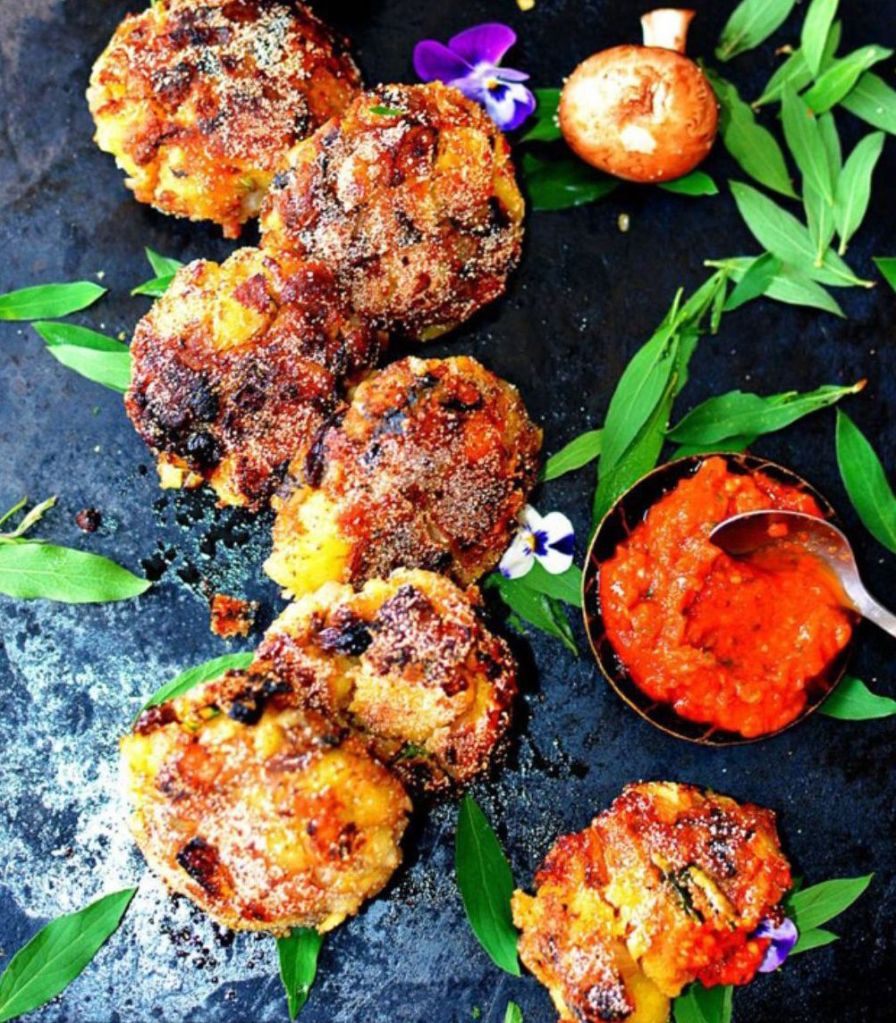
Golden, crispy Mushroom Tikkis served with a spicy red chutney. Garnish with fresh herbs to make them as delightful to look at as they are to eat!


Presentation is half the pleasure, especially for a blog-worthy dish. Here are some ideas to make your Mushroom Tikkis look as amazing as they taste:

Plating: Arrange the tikkis on a beautiful platter or a rustic wooden board. You can line the plate with parchment or banana leaf for a traditional touch, or use a contrasting dark plate to make the golden tikkis pop (as pictured above). Avoid stacking them too high; a single layer or slight overlap looks most appetizing.

Chutney Pairing: Chutneys bring out the best in any tikki. Serve these with a duo of chutneys for color and flavor contrast – a vibrant green coriander-mint chutney and a tangy tamarind (imli) chutney. The green chutney offers a fresh, spicy kick that complements the savory tikki, while the sweet-sour tamarind adds a delightful zing. For those who prefer simplicity, a side of good old tomato ketchup works too (kids especially love it). Place your chutneys in small bowls or dollop them artistically on the plate next to the tikkis.

Garnish: Add final touches that are visually appealing and flavor-enhancing. Sprinkle a pinch of chaat masala over the tikkis right before serving for an extra burst of tangy spice. Garnish with fresh coriander leaves on top. You can also add thinly sliced rings of red onion and lemon wedges on the side – not only do they add color, but people can squeeze a bit of lemon juice on their tikki if they like that fresh citrus hint. A few pomegranate arils scattered around the plate can add a festive pop of red (great if you’re serving these at a party!).

The Full Experience: To give that authentic Indian street food vibe, serve the tikkis piping hot. If it’s a cozy evening at home, enjoy them with a steaming cup of masala chai. The combination of the spicy, crispy tikki with a sip of strong, milky tea is simply soul-satisfying – the ultimate Indian comfort experience. And if you’re entertaining guests, you can dress up the serving area with some rustic props: think of a small clay diya lamp or a colorful cloth as a backdrop to accentuate the Indian theme.


These Mushroom Tikkis are truly versatile. They shine as a party starter (your guests will be asking for the recipe!), yet they’re humble enough for a casual snack-time indulgence. The addition of mushrooms gives a street food favorite a gourmet twist, packing in extra flavor and nutrition. Even those who usually wrinkle their nose at mushrooms might become instant fans – the mushrooms here are chopped fine and spiced so lovingly that they blend right in, adding juiciness without announcing themselves too boldly. In fact, this is a clever way to get picky eaters to enjoy mushrooms!

So the next time you’re looking for a hearty vegetarian snack with a bit of story and spice, give this Mushroom Tikki a try. It’s a recipe straight from my heart to your kitchen, with a pinch of masala and a whole lot of love. Happy cooking and happy eating!

Breakfast, Snacks

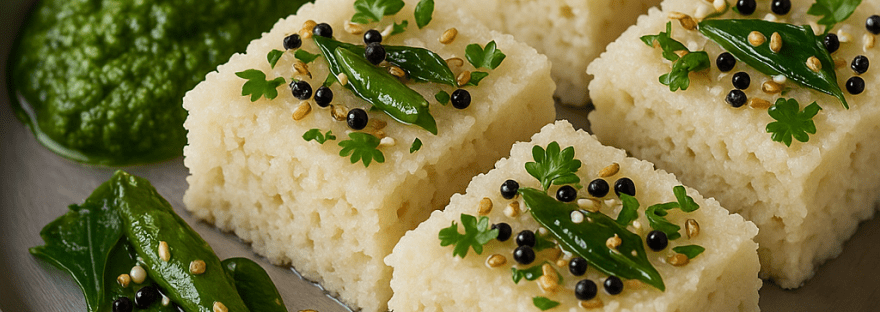
🌾 Rice Chana Dal Dhokla – A Steamed Slice of Tradition


👵 From Grandmother’s Kitchen, With Love

In my childhood, dhokla wasn’t something you could whip up instantly. It was a slow ritual.

The night before, my grandmother would soak rice and chana dal in separate brass bowls. I remember asking her why she didn’t just use rava or besan like others. She smiled and said, “Patience makes things lighter — in taste and on the stomach.”

In the morning, she ground the soaked grains into a thick batter, covered it with a muslin cloth, and let the summer warmth do its magic. The result? A beautifully fermented, slightly tangy batter that, once steamed, turned into fluffy white dhoklas that needed nothing more than a drizzle of spiced oil and a dab of chutney.

To this day, this recipe carries that slow, comforting love only dadi-style food brings.


📝 Ingredients

For Batter:

1 cup rice (any raw variety like sona masuri)

½ cup chana dal

1 tbsp curd (optional, for better fermentation)

Salt to taste

Water (as needed for grinding)


For Tempering:

1 tbsp oil

½ tsp mustard seeds

1 tsp sesame seeds

1–2 green chilies, slit

A pinch of hing (asafoetida)

Curry leaves (few)


Optional Garnish:

Fresh coriander, chopped

Grated coconut (for a South-Gujarati twist)

Lemon juice


🧑‍🍳 Instructions

1. Soak & Ferment:

Wash and soak rice and chana dal separately for 6–8 hours or overnight.

Grind together into a coarse, thick batter using minimum water.

Add salt and curd (if using). Let ferment for 8–10 hours in a warm place.


2. Steam:

Grease a dhokla plate or thali.

Just before steaming, add a pinch of baking soda or ENO and gently mix.

Pour into the plate and steam for 15–20 mins (like idli).

Insert toothpick to check doneness — it should come out clean.


3. Temper:

Heat oil. Add mustard seeds, sesame, hing, green chilies, and curry leaves.

Pour over the steamed dhokla.

Cut into squares and garnish as you like.


🫶 Serving Suggestions

Serve warm with green chutney, garlic chutney, or sweet tamarind chutney.

Pair with masala chai for a complete snack plate.

A drizzle of lemon juice just before serving brings out the best tang.


🌟 Why You’ll Love It

Naturally fermented = gut friendly

Protein-rich & gluten-free

Minimal oil and steamed

Tastes better the next day too!

Snacks

🥟 Matar Kachori – Crispy, Spiced, and Pure Comfort


✨ A Winter Morning Memory

In Odisha, winter mornings often begin with the aroma of fresh kachoris frying at the street corner or in our own kitchen. I still remember my grandmother waking up early, preparing the spicy green pea filling with a secret mix of garam masala and hing, and gently rolling out each perfect disc.

By the time we finished our morning chores, a brass plate full of crispy, puffed-up matar kachoris would be waiting — served with a mild aloo curry or sweet tamarind chutney.

Even now, every bite takes me back to that warmth — both of the dish and of those winter mornings wrapped in woolen shawls.


🧾 Ingredients (Serves 4)

For the Dough:

2 cups all-purpose flour (maida)

2 tbsp oil or ghee

Salt to taste

Cold water, to knead


For the Filling:

1½ cups green peas (fresh or frozen, coarsely mashed)

1 tbsp oil

1 tsp cumin seeds

½ tsp grated ginger

1 chopped green chili

¼ tsp hing (asafoetida)

½ tsp turmeric powder

1 tsp roasted cumin powder

½ tsp garam masala

Salt to taste

1 tsp sugar (optional)

1 tbsp chopped coriander (optional)


For Frying:

Oil for deep frying


👩‍🍳 Method

1. Prepare the Dough:

Mix flour, salt, and oil/ghee. Rub until crumbly.

Slowly add cold water and knead into a semi-soft dough. Rest for 20–30 minutes.


2. Make the Filling:

Heat oil in a pan. Add cumin, hing, ginger, and green chili.

Add the mashed peas, turmeric, salt, sugar, cumin powder, and garam masala.

Sauté on medium flame until the mixture becomes dry and aromatic.

Let it cool. Optional: Add chopped coriander.


3. Assemble the Kachori:

Divide dough into lemon-sized balls.

Flatten, add a spoonful of filling, seal edges, and gently roll out into a disc (not too thin).


4. Fry:

Heat oil on medium. Fry kachoris until golden and puffed.

Remove onto paper towels.


🍽️ Serve With:

Aloo sabzi (curried potatoes) for a breakfast platter

Sweet tamarind chutney for a snack-time treat

Masala chai for the ultimate cozy combination


💛 Why You’ll Love It

Festive, nostalgic flavor

Flaky and crisp with a soft, spiced center

Great for breakfast or evening snack

Easily prepped ahead

Snacks

🧀 White Cheese Pasta – A Creamy Hug from the Kitchen


🍝 A Bowlful of Memories

Every home has that one recipe — the one that comes out on rainy days, when you’re tired, or when nothing but comfort will do. For me, it’s this bowl of White Cheese Pasta.

It started as a quick fix during my college hostel days when I had only butter, milk, and a little cheese. What emerged was a silky, rich white sauce coating tender pasta — creamy enough to soothe a bad day, cheesy enough to feel like a reward. Over the years, I refined it. Added garlic, upgraded the cheese, tossed in some veggies on good days — but that first version? It still lives rent-free in my food memories.

This is the pasta I cook when I need joy in a bowl.


🧾 Ingredients (Serves 2)

1½ cups pasta (penne, fusilli, or macaroni)

1 tablespoon butter

2 garlic cloves, finely chopped

1 tablespoon all-purpose flour (maida)

1½ cups milk (warm)

½ cup grated cheese (mozzarella, cheddar, or mix)

Salt and pepper to taste

Oregano, chili flakes (optional, for seasoning)

Boiled sweet corn, bell peppers, or broccoli (optional add-ins)


👩‍🍳 Method

1. Cook the Pasta
Boil pasta in salted water until al dente. Drain and set aside. Reserve ¼ cup pasta water (optional for loosening the sauce).

2. Make the White Sauce
In a pan, melt butter. Add chopped garlic and sauté until fragrant. Stir in flour and cook for 1–2 minutes on low heat, until slightly golden.

3. Add the Milk
Gradually pour in warm milk, whisking continuously to avoid lumps. Simmer until it thickens into a creamy sauce.

4. Add Cheese
Stir in the grated cheese. Mix until fully melted and the sauce is smooth. Season with salt, pepper, oregano, and chili flakes.

5. Toss Pasta
Add boiled pasta to the sauce. Mix well so every piece is coated. Adjust consistency with pasta water if needed.

6. Serve Hot
Garnish with extra cheese or herbs and serve immediately.


🌟 Why You’ll Love It

Super creamy with minimal ingredients

Ready in under 20 minutes

Kid-friendly & customizable

Comforting for both body and soul

Snacks

Masala Papad – The Street Snack That Steals the Show

You know that one dish that gets devoured before the mains even arrive? For us, it’s always been Masala Papad.

I first tasted it at a roadside dhaba on the outskirts of Cuttack. While we waited for the tandoori platter, the waiter casually placed a crispy papad topped with chopped onions, tomatoes, and spices. One bite — crunchy, spicy, tangy — and it was game over. My mom even forgot to ask about the salt in the dal that day.

Now, I recreate it often at home. It takes less than 10 minutes, uses ingredients already in your kitchen, and still gets the loudest “wah!” from family and guests.

Ingredients (for 2 servings)

2 urad dal papads (or moong dal papad)

1 small onion, finely chopped

1 medium tomato, finely chopped (seeds removed)

1 small green chili, finely chopped (optional)

1 tbsp coriander leaves, chopped

Juice of ½ lemon

¼ tsp chaat masala

¼ tsp red chili powder

Black salt or regular salt, to taste

A few drops of mustard oil or ghee (optional, for extra zing)


Quick Steps

1. Roast or fry the papads:

Roast on an open flame or microwave until crispy (30–60 seconds)

OR deep-fry for that bubbly, golden look

Place on a flat plate or chopping board immediately to cool and crisp


2. Prep the masala topping:
In a bowl, combine onion, tomato, chili, coriander, lemon juice, chaat masala, chili powder, and salt. Mix lightly.


3. Assemble quickly:
Spoon the masala mixture evenly over each papad just before serving to avoid sogginess. Drizzle mustard oil or ghee if using. Garnish with more coriander or sev (optional).


Tips for the Best Masala Papad

Serve immediately: The papad softens fast. Always top just before eating.

Drain tomatoes: Remove seeds and excess juice to avoid sogginess.

Flavor boost: A dash of mustard oil, ghee, or even pomegranate seeds adds flair.

Crunch add-ons: Sev, crushed roasted peanuts, or crushed papdi make it extra fun.


Why I Love It

Masala Papad is what I call a “zero-effort hero.” It’s a life-saver when guests drop in, when dinner’s delayed, or when cravings hit at 4 p.m. It has all the street-food feels — spice, crunch, and tang — yet it’s light and guilt-free.

Best of all, it reminds me of roadside stops, friends sharing bites over chai, and that satisfying crack as you break into a fresh papad. Simple, humble, and always the first to disappear.