Fastival Food

Puri Ghuguni – Odia-Style Street Breakfast Favorite

Intro: The Soul of Sunday Mornings & Street Corners

In Odisha, Puri Ghuguni isn’t just a meal—it’s a mood. Whether served during festive mornings or at roadside stalls wrapped in sal leaves, this combo brings the warmth of home and the zing of spice in every bite.

Ghuguni, a spiced yellow peas curry, is often ladled over soft, puffed puri or eaten alongside. It’s tangy, bold, and deeply comforting—served with chopped onions, green chilies, and sometimes a squeeze of lemon.

Ghuguni Recipe (Odia Style)

Ingredients:

1 cup dried yellow peas (soaked overnight)

1 medium onion, chopped

1 small tomato, chopped or grated

1 tsp ginger-garlic paste

½ tsp turmeric

½ tsp red chili powder

½ tsp cumin seeds

1 tsp garam masala or curry masala

1 tbsp mustard oil

Salt to taste

Fresh coriander and chopped onion for garnish


Steps:

1. Cook the Peas

Pressure cook soaked peas with salt and turmeric until soft but not mushy (2–3 whistles).


2. Prepare the Masala

Heat mustard oil. Add cumin seeds, then onions.

Sauté till golden. Add ginger-garlic paste, turmeric, chili, and salt.

Add tomato and cook till oil separates.


3. Mix It Up

Add boiled peas along with some water. Simmer for 10–15 mins.

Finish with garam masala. Adjust thickness as per preference.


Puri Recipe (Crispy & Fluffy)

Ingredients:

1½ cup wheat flour

½ tsp salt

Warm water to knead

Oil for deep frying


Steps:

1. Knead a stiff dough with flour, salt, and water. Rest 15 mins.


2. Roll into small circles.


3. Deep fry in hot oil until puffed and golden.


Serving Suggestions:

Serve hot puris with a bowl of ghuguni, topped with chopped onion, coriander, and green chilies.

Add a slice of lemon or sprinkle some black salt for street-style finish!


Why I Love It

This dish reminds me of temple festivals, roadside breakfasts, and slow Sunday mornings. It’s simple, nostalgic, and totally satisfying.

Fastival Food

Chakuli Pitha with Aloo Dum – A Raja Festival Classic

Intro: Raja Mornings and the Aroma of Tradition

Every Odia home has one dish that smells like celebration—and in mine, it’s the pairing of chakuli pitha and aloo dum. Especially during Raja Parba, when kitchens slow down, and women rest, we wake up to the comforting rhythm of the tawa sizzling and the aroma of boiling potatoes soaked in spices.

Chakuli is soft, like a dosa but thicker and spongier. Aloo dum is rich, deep, and slow-cooked to perfection. Together, they are a perfect festive pair.


Chakuli Pitha Recipe

Ingredients:

1 cup parboiled rice

½ cup white urad dal

Salt to taste

Water as needed

Oil or ghee for cooking


Steps:

1. Soak & Grind

Soak rice and urad dal separately for 4–6 hours

Grind to a smooth batter. Mix and ferment overnight


2. Prepare the Pitha

Add salt. Heat a tawa or iron skillet

Pour a ladle of batter and spread gently (like thick dosa)

Cover and cook on one side with ghee/oil. No need to flip

Remove once edges lift and center is soft but firm


Aloo Dum Recipe (Odia Style)

Ingredients:

4–5 medium potatoes, boiled & peeled

2 onions, finely chopped

1 tsp ginger-garlic paste

1 tomato, grated

½ tsp turmeric

½ tsp red chili powder

½ tsp cumin

1 tsp garam masala

1 tsp sugar

Salt to taste

Oil for cooking

Coriander leaves to garnish


Steps:

1. Prep the Masala

Heat oil. Add cumin, onions, ginger-garlic paste

Sauté till golden. Add tomato, turmeric, chili, salt, sugar

Cook till oil separates


2. Add Potatoes & Simmer

Crush potatoes lightly. Add to masala with little water

Simmer for 10–15 mins till thick and flavorful

Add garam masala and coriander before serving


Serving Suggestion

Stack warm chakulis. Pour hot aloo dum on top or serve in a katori on the side. Garnish with coriander. For an extra festive touch, serve with jaggery water or banana slices.


Why This Combo is Special

This dish isn’t just a breakfast—it’s a Raja morning memory. The first bite takes me to my village, barefoot in the courtyard, where chakulis were flipped on earthen tawa and aloo dum simmered in iron kadai.

Fastival Food

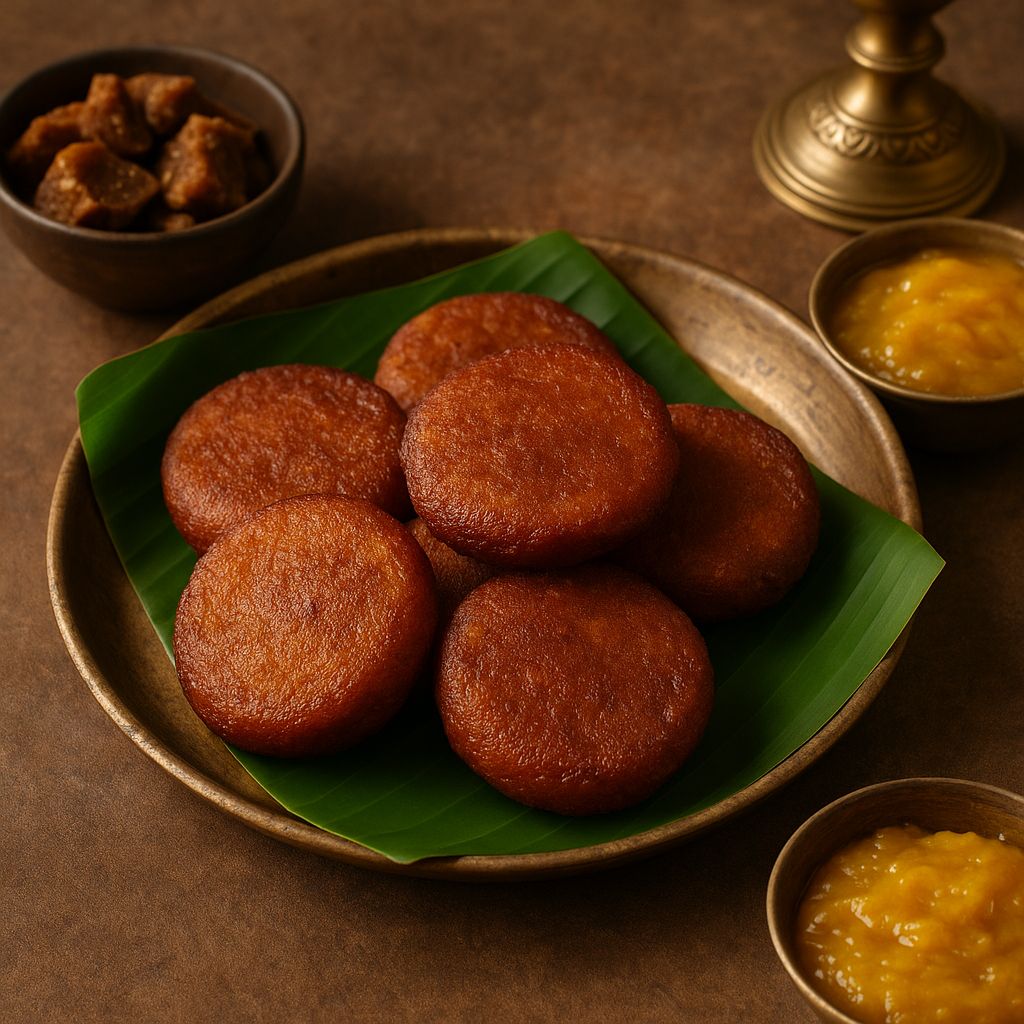
Tala Pitha – The Monsoon Magic of Palm Fruit Sweets


Intro: When the Palms Ripen, the Kitchens Celebrate

In Odisha, the arrival of tala (palm fruit) signals the true monsoon. The air is earthy, markets smell like jaggery and fresh pulp, and kitchens begin preparing Tala Pitha—deep-fried, golden discs full of flavor and nostalgia.

This isn’t just a sweet. It’s a seasonal celebration, mostly made in the months following Ratha Yatra, when palm fruit matures. The flavor is bold, slightly fermented, and unmistakably Odia.

Ingredients

1 cup tala pulp (strained, ripe palm fruit)

¾ cup rice flour

½ cup grated coconut

½ cup jaggery (adjust to taste)

1–2 crushed cardamoms (elaichi)

A pinch of black pepper (optional)

Oil or ghee for shallow or deep frying


Method

1. Prepare the Pulp

Soak tala fruit and extract pulp by removing fibers.

Strain through a fine sieve to remove threads.


2. Make the Batter

Combine tala pulp, jaggery, rice flour, coconut, and spices into a thick batter (like vada batter).

Let it rest for 10–15 mins (optional).


3. Fry the Pithas

Heat oil or ghee in a kadai.

Drop batter in small rounds using a spoon or hand.

Fry on medium flame until golden brown and crisp outside.


4. Cool & Serve

Drain excess oil and serve warm or at room temperature.


Tips

Always use ripe, strained pulp to avoid bitterness.

Adjust jaggery based on sweetness of the tala pulp.

You can also steam these for a healthier version (like palm idlis!).


Why I Love It

No other sweet captures the flavor of monsoon in Odisha like Tala Pitha. It’s strong, sweet, and rustic. The kind of dessert that demands quiet, patience, and a second helping.

Fastival Food

Poda Pitha – The Smoky, Sweet Soul of Odia Festivals


Intro: A Cake Made in Fire and Memory

In Odisha, festivals aren’t complete without the scent of poda pitha filling the kitchen. The name itself means “burnt cake,” but don’t let that fool you—it’s a deliciously caramelized rice flour cake, slow-roasted to perfection.

Whether made for Raja Parba, served as bhog during Ratha Yatra, or prepared with tala pulp during monsoon, poda pitha is deeply woven into our festive lives.


Ingredients You’ll Need

Dry Mix:

2 cups rice flour (preferably fresh ground)

1 cup grated coconut

¾ cup jaggery (or as per taste)

1 tsp fennel seeds (saunf)

A pinch of black pepper (optional)

A pinch of salt


Optional (for special version):

½ cup tala pulp (only after Ratha Yatra when tala matures)


Other:

1–2 tbsp ghee for greasing

Banana leaves or baking paper

An oven or thick-bottomed tawa/iron kadai with lid


Method – The Traditional Way

1. Prep the Pitha Mix

Mix rice flour, grated coconut, jaggery, fennel seeds, pepper, and salt.

Add little water to form a thick batter — not runny.

Mix in tala pulp if using (optional, for richer flavor).


2. Line the Vessel

Grease a baking tray or kadai with ghee.

Line with banana leaf for that smoky aroma.


3. Roast It Low and Slow

Pour the batter in, spread evenly.

Roast on low flame (covered) for 45–60 minutes OR

Bake at 180°C (350°F) for 50–60 mins until golden edges form and center is set.

Optional: Flip midway for even charring.


4. Cool & Slice

Let it cool fully before slicing. Poda pitha tastes better the next day!


Serving Suggestions

Serve with a drizzle of ghee

Pair with chilled milk or tea

Often eaten as breakfast during Raja or with bhog during Rath Yatra


Why I Love It

Poda Pitha carries stories in its smoke. From my mother slow-roasting it over wood fire to me baking it in a modern oven, the essence remains the same. When I bite into its crusty corners and soft center, I taste tradition.