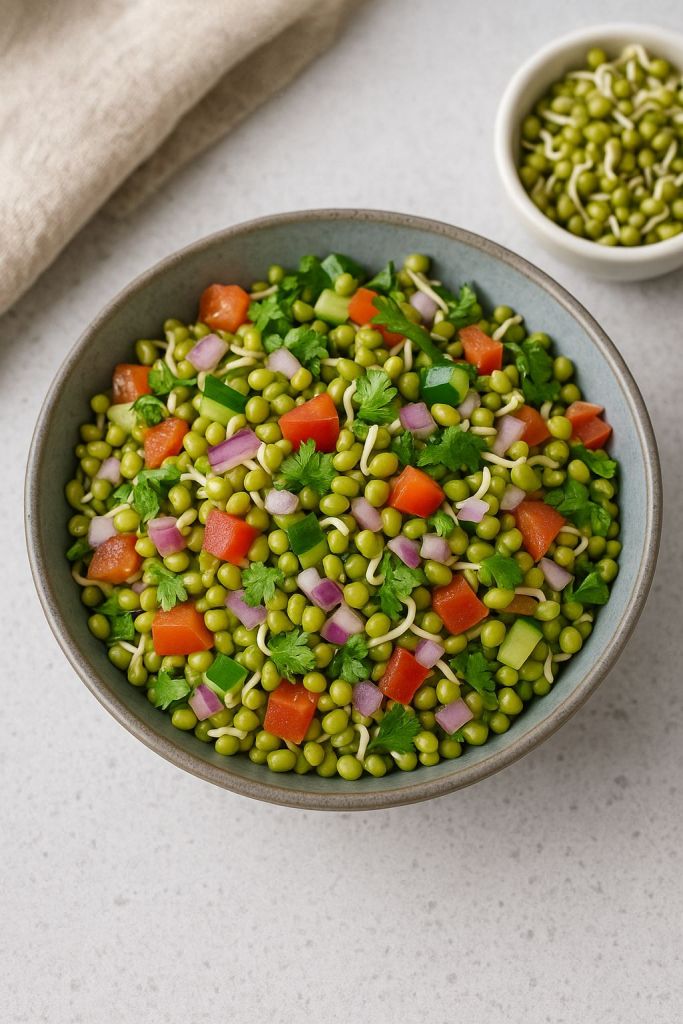
There’s something empowering about starting your day with a bowl full of colors, textures, and nutrients — and Sprouts Salad delivers just that.
I discovered this gem when I started a clean eating journey after Diwali one year. My body craved something light yet fulfilling, fresh but not boring. That’s when my mother suggested moong sprouts – “high in protein, easy on the stomach, and full of energy,” she said.
At first, it sounded a bit plain, but once I added a few crunchy veggies, fresh lemon juice, and a touch of chaat masala — it transformed into a bowl of flavor and vitality. It became my post-workout go-to, my detox dinner, and even a crunchy snack on busy workdays.
This salad isn’t just food — it’s fuel. Light, vibrant, and endlessly customizable.
🧾 Ingredients (Serves 2)
1 cup green moong sprouts (steamed or raw as per preference)
¼ cup finely chopped cucumber
¼ cup finely chopped tomato (firm, deseeded)
¼ cup finely chopped onion (optional)
2 tablespoons grated carrot
1 green chili, chopped (optional)
1 tablespoon lemon juice
Salt to taste
A pinch of chaat masala or roasted cumin powder
Fresh coriander leaves, chopped
👩🍳 Method
1. Prep the sprouts: Use homemade or store-bought green moong sprouts. Lightly steam them for 2–3 minutes if you prefer them softer, or use raw for crunch.
2. Combine the veggies: In a large bowl, mix sprouts, cucumber, tomato, onion (if using), carrot, and green chili.
3. Add flavor: Sprinkle salt, chaat masala or cumin, and lemon juice. Mix well.
4. Garnish and serve: Top with fresh coriander and serve immediately for best texture and flavor.
🥗 Add-On Options
For extra crunch: Add roasted peanuts or puffed rice (murmura).
For a boost: Toss in pomegranate seeds or grated beetroot.
For a creamy twist: Add a spoonful of curd and turn it into a sprout raita.
Getting vegetables into lunchboxes isn’t always easy, especially for picky eaters. When my child began insisting that veggies were “boring,” I knew it was time to get creative. Enter the humble beetroot—bright, colorful, and full of nutrients like iron, fiber, and antioxidants.
One morning, inspired by its vibrant hue, I grated beetroot directly into my regular paratha dough. As I rolled out the dough into a vivid, magenta-colored flatbread, I couldn’t help but smile—this was sure to be a hit! The result? Empty lunchboxes returned home, requests for “the pink paratha,” and a sneaky win for vegetables everywhere!
🌱 Ingredients
1 cup whole wheat flour (atta)
½ cup fresh beetroot, finely grated
½ teaspoon cumin seeds (optional)
¼ teaspoon turmeric powder (optional, for extra nutrition)
Salt, to taste
1 tablespoon oil or ghee (for kneading)
Water, as needed for kneading
Ghee or oil, for roasting parathas
👩🍳 How to Make Beetroot Paratha
Step 1: Prepare the dough
In a bowl, add whole wheat flour, grated beetroot, cumin seeds, turmeric powder, and salt.
Mix well. Beetroot releases moisture, so carefully add water in small amounts to form a soft but non-sticky dough.
Knead in oil or ghee, cover, and let it rest for about 10 minutes.
Step 2: Roll out the parathas
Divide dough into equal-sized balls.
Roll each ball into a circle about 6–7 inches in diameter, dusting with flour as needed.
Step 3: Cook parathas
Heat a tawa or skillet over medium flame.
Place rolled paratha onto the tawa. Cook until bubbles appear, then flip.
Drizzle ghee or oil, cook both sides until lightly browned and crisp at edges.
🥣 Serving Suggestions
Serve warm with fresh yogurt, pickle, or mint-coriander chutney.
Pack with a side of cucumber slices, carrot sticks, or fresh fruits for a balanced, colorful meal.
These parathas stay soft in lunchboxes, making them a fantastic school or office lunch option.
🌟 Why You’ll Love This Recipe
Healthy & Nutritious: Beetroot adds antioxidants, vitamins, and fiber.
Lunchbox-friendly: Remains soft and delicious for hours.
Kid-Approved: Attractive pink color makes it fun and inviting.
Easy & Quick: Simple to prepare during busy weekday mornings.
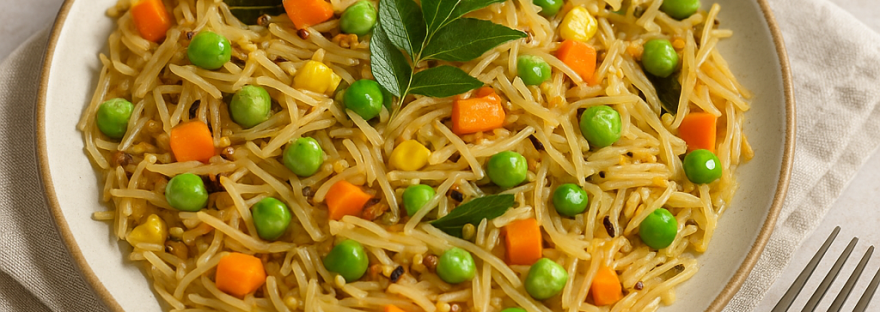
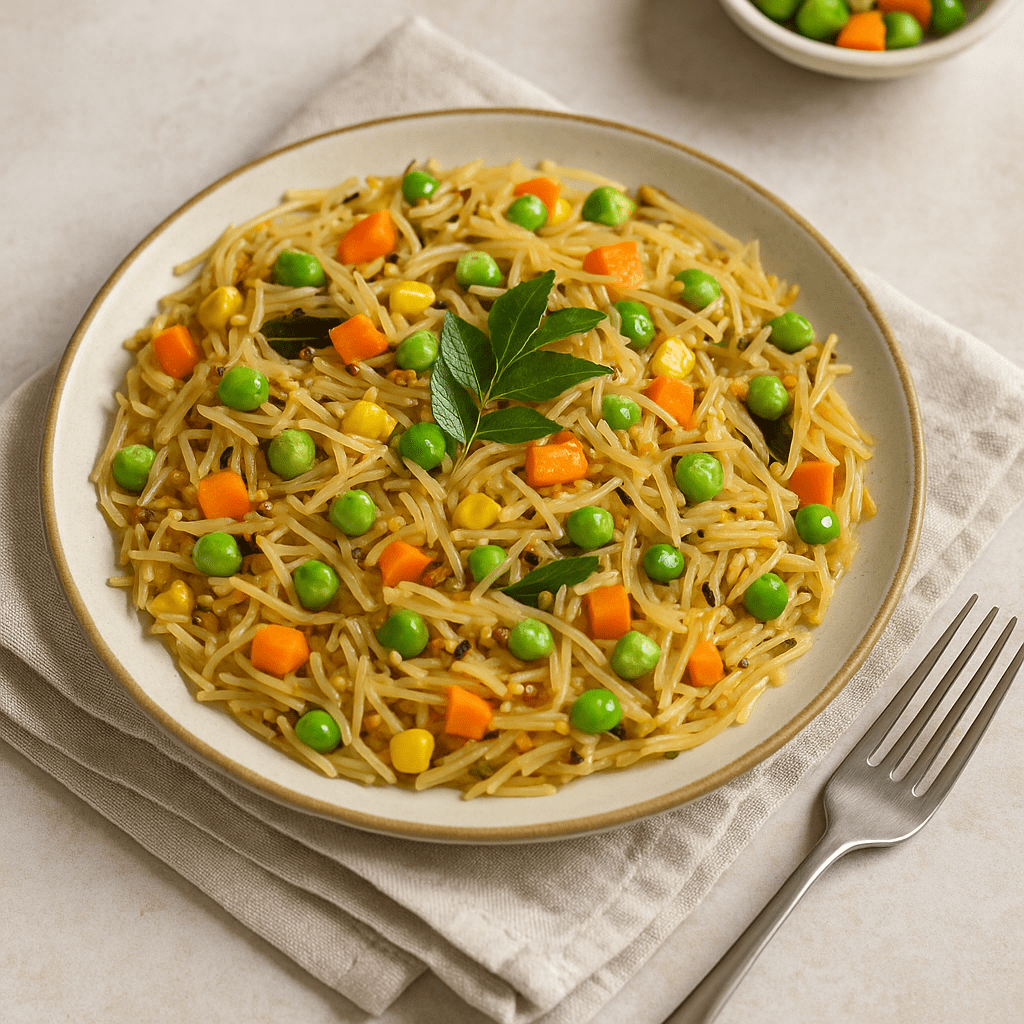
Some mornings call for something warm, light, and fuss-free — and that’s when semiya upma comes to the rescue. I grew up watching my mother toss handfuls of roasted vermicelli into a kadhai while onions sizzled gently in ghee. She’d add whatever vegetables were at hand — carrots, peas, beans — and somehow, in under 15 minutes, breakfast was ready.
Unlike poha or idli, semiya upma felt luxurious because of its silky texture, soft yet not mushy. The toasted aroma of vermicelli and the light heat from green chilies made it our cozy family favorite. It was what we packed in lunchboxes, what we made for guests when dosa batter ran out, and what we often had with a cup of chai on a slow Sunday.
🧾 Ingredients (Serves 2–3)
1 cup roasted semiya (vermicelli)
2 tsp oil or ghee
½ tsp mustard seeds
½ tsp urad dal (optional)
1 green chili, chopped
1 tsp grated ginger
1 small onion, thinly sliced
1 small carrot, finely chopped
¼ cup green peas
5–6 beans, finely chopped
A few curry leaves
Salt, to taste
2 cups water
Fresh coriander leaves, for garnish
A squeeze of lemon (optional)
👩🍳 Method
1. Prep the vermicelli: If using unroasted vermicelli, dry roast it in a pan over medium heat until golden brown. Keep aside.
2. Temper: Heat oil or ghee in a kadai. Add mustard seeds and let them splutter. Add urad dal (if using), chopped green chili, ginger, and curry leaves.
3. Sauté aromatics: Add sliced onions and sauté until translucent. Then add all the chopped vegetables and a pinch of salt. Cook for 2–3 minutes until slightly tender but still vibrant.
4. Add water & cook: Pour in 2 cups of water and bring it to a gentle boil. Add salt to taste.
5. Add semiya: Slowly add the roasted vermicelli, stirring continuously to avoid lumps. Reduce the flame to low, cover, and cook for 4–5 minutes until all water is absorbed and the semiya is soft and fluffy.
6. Finish & garnish: Fluff the upma gently with a fork. Garnish with fresh coriander and a squeeze of lemon juice if you like it tangy.
🍽 Serving Tips
Best served hot with coconut chutney or plain curd.
Add cashews or peanuts in the tempering for extra crunch.
For a satvik version, skip onion and garlic — it still tastes amazing with just chilies, ginger, and veggies!
🪔 Why You’ll Love It
Quick to cook – Done in under 15 minutes
Customizable – Add your favorite veggies or even paneer cubes
Light yet filling – Perfect for breakfast, brunch, or a travel tiffin
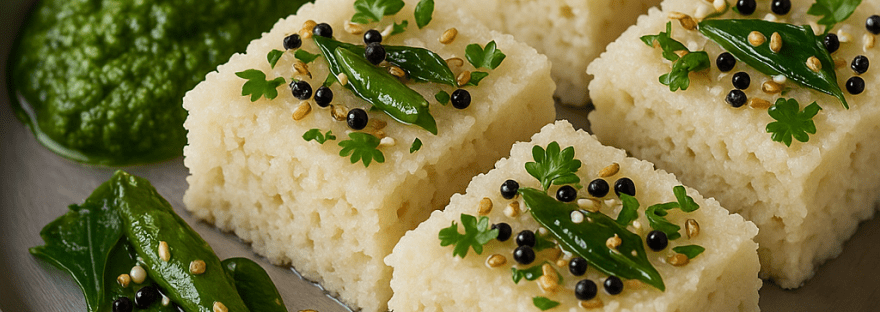
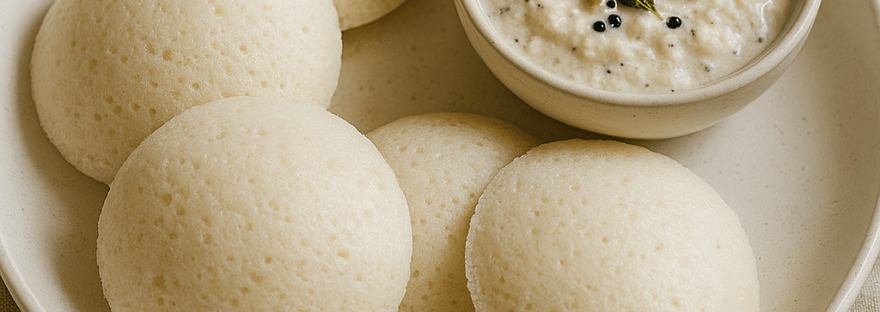
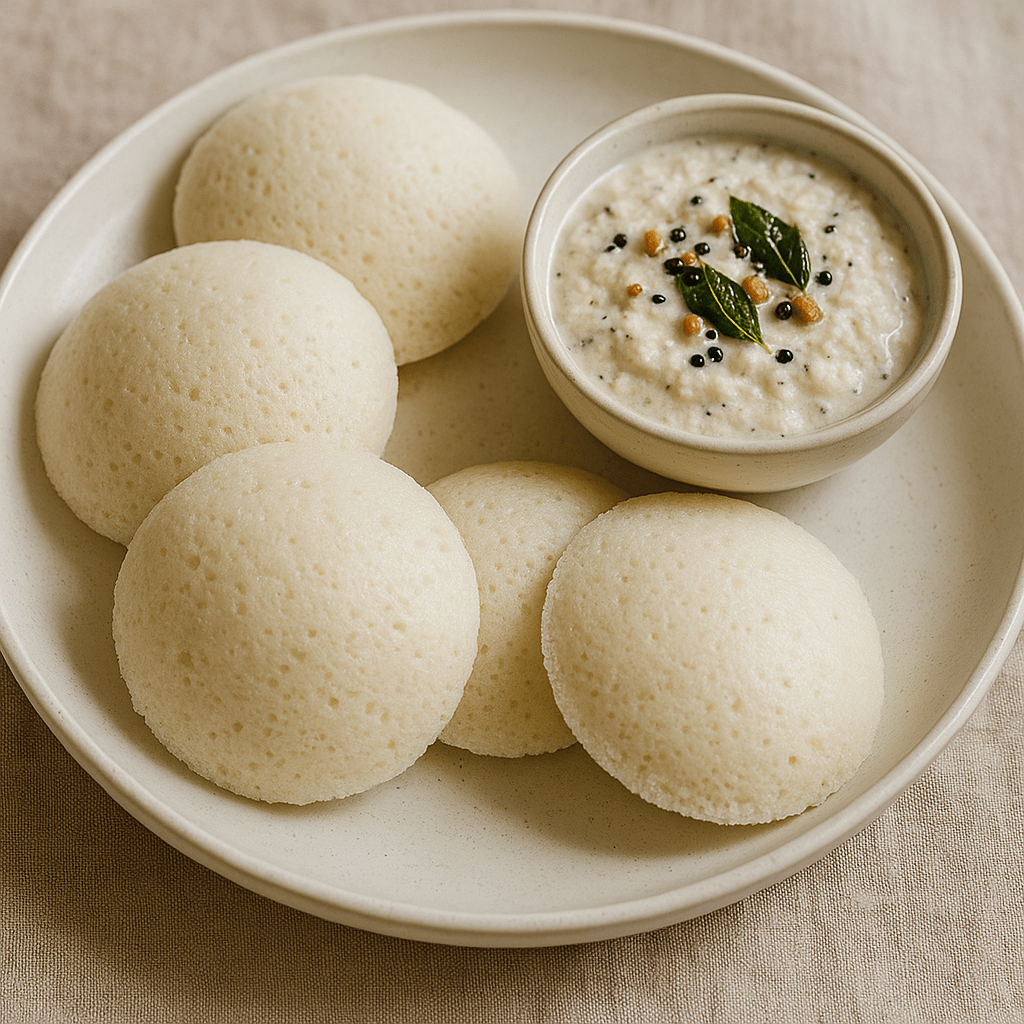
There’s nothing quite like the comfort of steaming hot idlis on a hectic morning. In my family, we started making suji idlis for breakfast on busy days because “it’s completely hassle-free and the idlis are soft”. Using semolina (suji) and yogurt means we skip the hours-long fermenting; the batter is ready in minutes. A pinch of ENO (fruit salt) sprinkled before steaming instantly reacts with the yogurt to leaven the batter, yielding pillowy soft idlis. These light, spongy cakes are just the kind of comforting food that turns a rushed morning into something special – we even pack extra idlis into kids’ lunchboxes alongside chutney for a quick, nourishing tiffin.
Suji idli is also known as rava idli: it’s essentially steamed semolina cakes instead of the usual rice-and-lentil idli. “Suji” (cream of wheat) is the coarse wheat flour used here, so there’s no soaking or grinding required. We simply mix the suji with yogurt, water and seasonings, let it rest briefly, then add ENO and steam. In practice you can have a batch of these ready in about 15–20 minutes. The result is a soft, fluffy idli that rivals the traditional kind in taste and texture, and since the batter is so quick to make, these idlis become a go-to on busy mornings or anytime a craving strikes.
Instant Suji Idli (No-Ferment) Recipe
These soft, white idlis are made from semolina (suji/rava) and yogurt without any fermentation. Serve them hot with coconut chutney and sambar or coffee for a comforting South Indian breakfast.
Ingredients
Suji Batter:
1 cup rava (suji/semolina)
½ cup plain yogurt (dahi)
½ to ¾ cup water (adjust for medium-thick batter)
½ teaspoon salt (or to taste)
1 teaspoon ENO fruit salt (or ¼ teaspoon baking soda)
2 tablespoons grated carrot (optional, for color)
2 tablespoons chopped cilantro (optional)
1 green chili, finely chopped (optional)
1 teaspoon grated ginger (optional)
Tempering (Tadka):
1 tablespoon ghee (clarified butter) or oil
½ teaspoon mustard seeds
½ teaspoon cumin seeds (optional)
1 teaspoon chana dal (split chickpeas) or urad dal, split
A pinch of asafoetida (hing)
8–10 curry leaves
Instructions
1. Spice Tempering: Heat 1 tablespoon ghee or oil in a pan over medium-low heat. Add the mustard seeds and let them splutter. Then add the cumin seeds (if using) and chana dal; fry until the chana dal is golden and fragrant. Add the curry leaves, hing, chopped green chili and ginger (if using) and fry for a few seconds until aromatic. This seasoned ghee infuses the idlis with flavor.
2. Roast the Suji: Add the 1 cup suji (semolina) directly to the spiced oil mixture. Stir well to coat the grains. Roast the suji on low heat for about 5–7 minutes, stirring frequently, until it becomes fragrant and just begins to change color. Be careful not to let it brown. (Roasting the semolina in ghee helps give the idlis a lighter texture.)
3. Mix Batter: Remove the pan from heat. While the suji is still warm, stir in the grated carrot, chopped cilantro, and salt. Then add the ½ cup yogurt and about ½ cup water. Mix thoroughly to form a medium-thick batter. The consistency should be like pancake batter – not too thin or thick. If your yogurt is very thick, you may need up to ¾ cup water; if it’s thin, use less. Cover the batter and let it rest for 15–20 minutes. During this time, the suji will absorb moisture and soften.
4. Prepare the Steamer: While the batter rests, grease an idli mold or cake-pan with a little ghee or oil. Bring 2–2.5 cups of water to a boil in an idli steamer or large pot with a trivet. (You can also use a pressure cooker or instant pot without the weight.)
5. Leaven the Batter: After 15–20 minutes, check the batter; if it has thickened too much, stir in a tablespoon or two of water to loosen it. Sprinkle 1 teaspoon of ENO (fruit salt) evenly over the batter and gently fold it in using a spoon. Quickly but carefully mix the batter just until the ENO is incorporated. You will see bubbles forming – this is the reaction with the yogurt that makes the idlis rise. Work fast because once the ENO is mixed in, you should steam immediately.
6. Steam the Idlis: Pour the batter into the greased idli molds, filling each cavity about 3/4 full. Place the idli stand into the steamer and cover with a lid. Steam the idlis for 10–12 minutes over medium heat. (If using a pressure cooker, do not put the whistle/weight on; steam for 10 minutes.) You can test doneness by inserting a toothpick or fork into an idli – it should come out clean.
7. Finish: When done, remove the idli stand and let the idlis cool for a minute. Gently unmold the hot idlis onto a plate. The result should be soft, spongy cakes that hold together. The tempering and ENO give these idlis their characteristic light, fluffy texture.
Enjoy these instant suji idlis warm, right off the steamer. They make a hearty, wholesome breakfast.
Classic Coconut Chutney
A traditional South Indian coconut chutney is the perfect pairing. It’s made from freshly grated coconut and tempered spices, giving a cool, creamy contrast to the warm idlis.
Ingredients
1 cup fresh grated coconut (about 1 coconut’s white flesh)
2–3 green chilies (adjust to taste)
1-inch piece of ginger (optional)
2 tablespoons roasted chana dal (split chickpeas)
Salt, to taste
Water, as needed for grinding
Tempering:
1 teaspoon oil
½ teaspoon mustard seeds
½ teaspoon urad dal (black gram split and skinned) or chana dal
8–10 curry leaves
A pinch of asafoetida (hing)
Method
1. Grind the Chutney: In a blender or food processor, combine the grated coconut, green chilies, ginger (if using), roasted chana dal and a pinch of salt. Add just enough water to help the ingredients blend. Grind into a smooth (or slightly coarse) paste. Transfer the chutney to a serving bowl. If the chutney is too thick, you can stir in a little more water to reach a spreadable consistency. (As one recipe notes, the basic chutney is made by grinding fresh coconut with chilies and roasted dal.)
2. Prepare the Tadka: Heat 1 teaspoon of oil in a small pan. Add the mustard seeds and let them pop. Then add the urad dal and fry until it turns golden. Finally add the curry leaves and a pinch of hing. Stir briefly until the leaves are crisp.
3. Finish: Pour this hot tempering (tadka) over the prepared coconut chutney. The sizzling mustard seeds, curry leaves and hing will infuse the chutney with aroma and depth. Mix well. Your coconut chutney is ready to serve.
This simple chutney can be made in about 10 minutes and keeps well in the refrigerator for a couple of days. It traditionally accompanies idli, dosa and other South Indian snacks.
Serving Suggestion: Serve the warm idlis immediately with the coconut chutney on the side. A cup of strong filter coffee or masala chai rounds out the meal beautifully. These idlis are also wonderful with sambar if you have it. Leftover idlis taste great toasted as “fried idli” or tossed with spices for a snack. Enjoy this wholesome, comforting Indian breakfast any time – it’s ideal for busy mornings or when you need a quick, kid-friendly meal.
Breakfast is often called the most important meal of the day, yet busy schedules mean many of us skip it or grab unhealthy snacks. In those hectic mornings, I find comfort in a warm, homemade oats chilla – a quick, savory pancake loaded with vegetables and fiber. Oats chillas can be made in just a few minutes, providing a nutritious start to the day. They taste fluffy and slightly crispy, much like an Indian-style pancake, and they’re packed with nutrients: oats are a gluten-free whole grain rich in soluble fiber and high-quality protein. This makes the chilla filling and blood-sugar friendly, perfect to keep you energized through a busy morning.
In my kitchen, I often double the recipe because leftovers can be stored or sent in lunchboxes. Kids especially love these chillas when the spice is toned down – one recipe suggests skipping chilies for small children, and even packing the chillas in their tiffin box. In fact, leftover chillas can be enjoyed later or paired with toast.
For the perfect accompaniment, a fresh mint-coriander chutney adds a tangy kick. This vibrant green chutney is made by blending fresh mint leaves, cilantro (coriander), green chilies and lemon juice into a smooth paste. It takes literally 2 minutes to make, and its spicy, citrusy flavor complements the oats chilla beautifully.
Wholesome Oats Chilla Recipe
Ingredients:
1 cup rolled oats (ground into a coarse flour) and ¼ cup gram flour (besan)
½ cup grated carrot and 2 tablespoons finely chopped onion
1–2 green chilies (finely chopped), ½ tsp grated ginger, and a handful of finely chopped spinach or fresh coriander leaves (optional)
½ teaspoon cumin seeds, a pinch of turmeric, and salt to taste
~1¼ cups water (adjust to achieve a pourable batter)
Oil or ghee for cooking
Directions:
1. Prepare the batter: Grind the oats into a coarse flour in a blender or coffee grinder (or use ready-made oat flour). In a mixing bowl, combine the oat flour and besan with cumin, turmeric, and salt. Stir in the grated carrot, onion, green chilies, ginger, and coriander (or spinach).
2. Mix to a batter: Add about 1 cup water to the bowl and whisk until smooth, then add more water as needed to form a thick but pourable batter. Let the batter rest briefly (it will thicken as it sits).
3. Cook the chillas: Heat a non-stick or cast-iron pan over medium heat. Lightly grease it with oil. Pour about ¼ cup of batter onto the hot pan and gently spread it into a ~6-inch circle. Drizzle a little oil around the edges. Cook until the bottom is set and brown spots appear on the surface, then flip and cook the other side until golden brown.
4. Repeat: Stir the batter before each chilla (it may thicken; add a splash of water if needed) and cook the remaining chillas similarly. Each pancake should turn golden-brown on both sides.
5. Serve hot: Serve the warm oats chillas immediately with mint chutney on the side. (They taste best fresh and crisp; if saving for later, keep them warm in an insulated container.)
Refreshing Mint-Coriander Chutney Recipe
Ingredients:
1 cup fresh mint leaves (stems removed)
1 cup fresh coriander (cilantro) leaves
1–2 green chilies, or to taste
1 small onion or a clove of garlic (optional)
Juice of 1 lemon (or 1 tablespoon tamarind paste)
Salt and ½ tsp roasted cumin powder, to taste
A little water for blending
Directions:
1. Combine ingredients: In a blender or food processor, add the mint leaves, cilantro, green chilies, and onion (if using). Squeeze in the lemon juice and add salt and cumin.
2. Blend to a paste: Pour in a splash of water and blitz until smooth, stopping to scrape down the sides as needed. The chutney should be a vibrant green, with a thick but pourable consistency. It literally takes a couple of minutes to make!
3. Adjust seasoning: Taste and adjust with more salt or lemon juice if desired. The chutney should be tangy and slightly spicy.
4. Serve: Transfer to a bowl and chill briefly to let flavors meld. Serve alongside the hot oats chillas.
Serving Suggestion:
Serve each golden oats chilla with a spoonful of mint-coriander chutney on the side. The spicy, tangy chutney perfectly balances the savory pancake.
Tip: Oats chillas are best eaten fresh off the pan. You can make the batter ahead and refrigerate it, then cook chillas on demand. Any leftover chillas can be kept warm in a roti box or insulated container until serving.
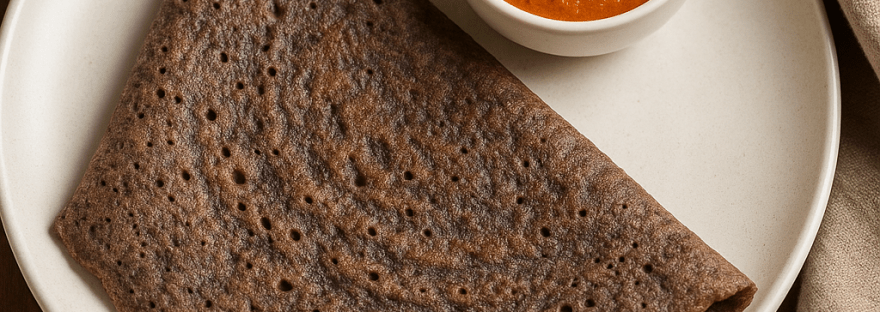
Starting your day with a nutritious meal has never been easier. Ragi (finger millet) is an ancient grain packed with dietary fiber, protein, calcium and iron. It even contains essential amino acids not commonly found in cereals. All these nutrients mean a small serving keeps you full longer and fuels your body for a busy morning. Unlike heavier options, ragi is naturally gluten-free and light on the stomach, making it an ideal choice when time is short.
Even better, we can prepare ragi dosas in a flash. This instant dosa mixes ragi flour with rice flour and a bit of yogurt (curd) into a thin batter – no overnight fermentation needed. The yogurt gives the batter a hint of sourness and helps keep the dosas tender. Simply ladle the batter onto a hot griddle, drizzle with ghee or oil, and cook until golden and crisp. In under 30 minutes you’ll have a stack of healthy, protein-rich dosas ready to go – perfect for any rushed weekday morning.
Instant Ragi Dosa Recipe
Ingredients
1 cup ragi flour (finger millet flour)
½ cup rice flour (for extra crispiness)
¼ cup plain yogurt (curd)
½–1 cup water (to make a thin, pourable batter)
Salt to taste
½ teaspoon cumin seeds (or a pinch of black pepper)
Optional: finely chopped green chili, ginger, onion or cilantro for extra flavor
Oil or ghee (for cooking)
Method
1. In a bowl, whisk together the ragi flour, rice flour, salt and cumin seeds. Stir in the yogurt.
2. Gradually add water, whisking to make a smooth, lump-free batter (consistency like heavy cream). Let it rest for 5–10 minutes to allow the flours to hydrate.
3. Heat a nonstick or cast-iron skillet over medium-high heat. Once hot, stir the batter again and pour a ladleful onto the pan, spreading it thin in a circular motion.
4. Drizzle a little oil or ghee around the edges and on top of the dosa. Cook for 2–3 minutes until the edges lift easily and the underside is golden and crisp.
5. Flip the dosa and cook the other side for another 1–2 minutes, until lightly browned. Transfer to a plate.
6. Repeat with the remaining batter. Serve the hot crispy ragi dosas immediately with the tomato chutney below (and optionally coconut chutney or a side of buttermilk).
Spicy Tomato Chutney Recipe
This tangy, vibrant chutney pairs perfectly with mild dosas.
Ingredients
3–4 ripe tomatoes, chopped (about 250g)
3–4 garlic cloves, roughly chopped
2–3 dried red chilies (adjust to your spice level)
1 tablespoon oil
½ teaspoon mustard seeds
A few curry leaves
Salt to taste
Optional: a pinch of turmeric or a small piece of ginger
Method
1. Heat the oil in a pan. Add a pinch of cumin seeds (optional) and the dried red chilies; fry briefly until the chilies darken and crisp.
2. Add the chopped garlic (and ginger if using) and sauté until fragrant.
3. Stir in the tomatoes and salt. Cook on medium heat, stirring occasionally, until the tomatoes soften and most of the liquid evaporates.
4. Turn off the heat and let the mixture cool slightly. Transfer to a blender and grind into a smooth (or slightly coarse) chutney without adding any water.
5. For the tempering (tadka), heat a teaspoon of oil in the same pan. Add the mustard seeds and let them sputter. Quickly add the curry leaves and an extra dried chili; fry for a few seconds.
6. Pour this hot tempering over the tomato chutney and stir well. The chutney is now ready to serve alongside your dosas. (Tempering the chutney with mustard and curry leaves “takes it to a new level and adds aroma”.)
Serving Tips
Pair these nutty, wholesome dosas with the spicy tomato chutney and a cooling side. A steel tumbler of buttermilk or a cup of masala chai completes the comforting breakfast tableau. This dish is not only quick and easy but also nourishing – a smart way to enjoy a wholesome Indian breakfast on a busy morning.
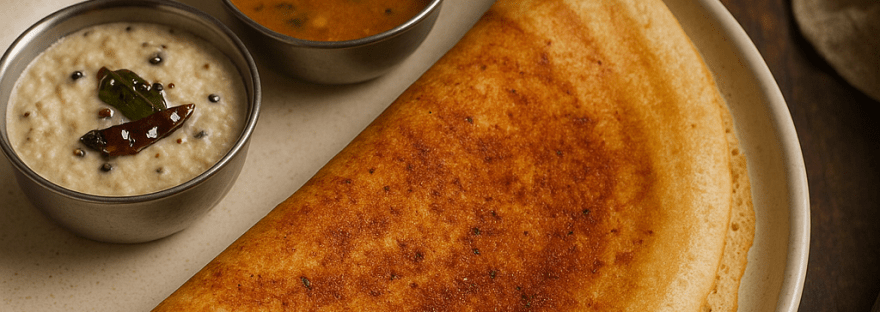
I still remember those mornings when the house filled with the gentle sizzle of a dosa on the griddle and the rich scent of ghee in the air. In my family’s kitchen, breakfast was a warm ritual. My grandmother would ladle fermented dosa batter onto a hot cast-iron tawa, spreading it thin and circular. As it cooked, she’d sprinkle spicy milagai podi (literally “chili powder”) over the pancake. The moment was magic – a golden triangle of crispy dosa, flecked with nutty-red podi and glistening with melted ghee, was placed before me. I’d bite into its crisp edge, letting the fiery gunpowder blend with the savory dough, chased by sips of strong filter coffee. These simple flavors – the coconut-chutney dip, the tangy sambar – evoke the comfort of home and childhood.
In Tamil homes idli podi or milagai podi is a beloved staple. It’s a coarse, earthy mix of roasted lentils (like chana dal and urad dal), dried red chilies, sesame seeds and spices. South Indians call this mixture “gun powder” for the fiery kick it gives, and they sprinkle it not only on idlis but on dosas too. As one recipe notes, *“Idli Podi is also known as Milagai Podi… ‘Milagai’ means chilies and ‘Podi’ is powder.”* In fact, podi is often described as a coarse breakfast condiment used alongside idli and dosa, made from roasted dals and spices. A pinch of this powder on a hot dosa, drizzled with fragrant ghee, turns each bite into a burst of homestyle flavor.
Crucial to the perfect podi dosa is the batter. Dosas start with a naturally fermented batter of rice and urad dal. After soaking and grinding, the mixture is left to ferment overnight until it doubles and becomes bubbly. Swasthi’s Recipes explains: “After a good fermentation, the batter increases in volume, becomes light with plenty of small air pockets and develops a slight tangy flavor”. When you ladle this fermented batter onto a hot griddle and cook it with a little ghee or oil, it crisps up into a thin, golden crepe. (For extra crispiness, Serious Eats even suggests substituting some of the rice with parboiled rice.) The result is a lacy-edged dosa that’s perfect for holding a layer of spicy podi and glossy ghee.
Ingredients
For the Dosa batter: 2 cups raw rice (short-grain rice or sona masuri), ½ cup whole urad dal (skinned black gram), water for soaking/grinding, and salt to taste. (You may also add a tablespoon of poha or fenugreek seeds to the soak for a fluffier texture.)
For the Podi (gunpowder) mix: 2 tbsp white sesame (til) seeds, 1 tsp cooking oil, ¼ cup urad dal, ¼ cup chana dal, 6–8 dried red chilies (adjust for heat), a few fresh curry leaves, 2 tbsp dry coconut (copra), a small piece tamarind, ¼ tsp turmeric powder, a pinch of asafoetida (hing), and 1 tsp salt.
For cooking: Additional ghee (clarified butter) or oil for the griddle.
To serve: Coconut chutney, sambar, and strong South Indian filter coffee (optional) as accompaniments.
Method
1. Prepare and ferment the batter: Rinse the rice and urad dal separately and soak both in plenty of water for at least 4–6 hours (or overnight). Drain and grind them separately with just enough water to make a smooth paste. Combine the rice and dal batter, add salt, and stir well. Cover and ferment in a warm spot for 8–12 hours (or until doubled and bubbly). As noted by Swasthi, after fermenting *“the batter increases in volume, becomes light with plenty of small air pockets”*. This fermented batter will yield thin, crisp dosas when cooked.
2. Make the podi (spice mix): Dry-roast the ingredients slowly to bring out their aroma. In a large skillet on low heat, toast 2 tbsp sesame seeds until fragrant; transfer them to a plate. Add 1 tsp oil to the pan, then throw in ¼ cup urad dal, ¼ cup chana dal, 6 dried red chilies and a few curry leaves. Roast this mixture on low heat, stirring constantly, until the dals turn golden and the chilies darken (watch carefully so nothing burns). Now add the 2 tbsp dry coconut and continue to roast until the coconut is lightly browned. Let everything cool. Then transfer the roasted mix to a blender or spice grinder. Add the toasted sesame seeds, a small tamarind ball, ¼ tsp turmeric, a pinch of asafoetida, and 1 tsp salt. Grind to a coarse powder without adding water. You now have the spicy podi. (Tip: This coarse chili-lentil powder can be stored in an airtight jar for weeks.)
3. Cook the dosa: Heat a well-seasoned griddle or nonstick pan over medium-high heat. When the pan is hot, reduce heat to medium and pour a ladleful of the fermented batter onto the center. Quickly tilt and rotate the pan in a spiral motion to spread the batter thinly (you can also spread with the back of the ladle). Cover and cook for about 1 minute. The underside should be light golden and you will see small holes form on top as it cooks.
4. Add podi and ghee: Remove the lid. Evenly sprinkle 1–2 teaspoons of the prepared podi all over the semi-cooked dosa (as shown by Hebbar’s Kitchen). Immediately drizzle or spread about 1 tsp ghee (or oil) on top. Spread it lightly with the back of the ladle so it coats the surface. Continue cooking uncovered for another 30 seconds or so until the dosa edges curl up and the entire crepe turns golden brown and crisp. Swasthi’s guide reminds us that dosas are cooked *“with a little oil, ghee or butter until crisp”*. Indeed, adding ghee not only crisps the dosa but adds a rich aroma – as one recipe notes, *“podi dosa tastes great when dosa is prepared with ghee.”*
5. Serve hot: Fold or roll the dosa onto a plate. Serve it immediately while sizzling. Traditionally, podi dosa is enjoyed with steaming coconut chutney and hot sambar. Pour a tumbler of South Indian filter coffee to sip alongside. Each bite of the crisp, golden dosa with its fiery podi and buttery ghee, paired with cool chutney and hot sambar, delivers a warm, comforting taste of home.
As a child in a South Indian household, I often woke up to the sizzling sound of batter being poured onto a hot iron tawa (griddle). The kitchen air would fill with the warm, tangy aroma of fermented dosa batter cooking on the stove – a sure sign that a delicious breakfast was underway. On special mornings, my mother wouldn’t make the usual thin dosas; instead, she prepared uthappam – small, thick pancakes generously topped with a rainbow of chopped vegetables. She would ladle out regular dosa batter (often the leftover batter from the previous day, slightly more fermented and sour) onto the pan, and immediately sprinkle a medley of onions, tomatoes, carrots, and capsicum over it. Each uthappam sizzled as its edges turned golden-brown and crispy, while the center stayed soft and fluffy, studded with the sweet bite of onions and the tang of tomatoes.
In our home, vegetable uthappam wasn’t just food; it was a morning ritual. We often made uthappams when there was extra batter from the prior day’s dosas – nothing went to waste. In fact, the very tradition of uthappam is rooted in using slightly sour leftover dosa or idli batter. The extra fermentation gives the uthappam a delightful light tang, which pairs perfectly with the savory toppings. My mother would mix the chopped veggies with a pinch of salt and sometimes a few curry leaves, then press them gently into the batter. The result? A vibrant mosaic of veggies on each pancake, cooking into the batter and filling the house with an irresistible smell.
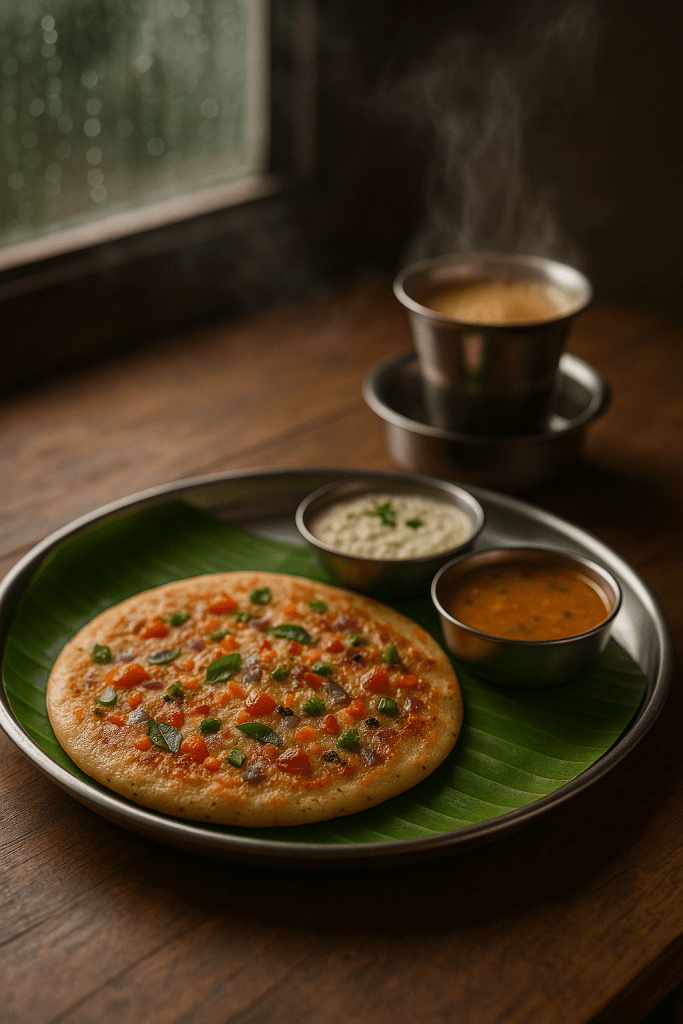
Mornings in South India often revolve around simple pleasures like this. Picture a cozy kitchen at dawn: the soft sunlight slanting in, a radio playing a Tamil song or the news in the background, and the hiss of the skillet as breakfast is made. In many Tamil families, the day begins with steaming idlis or dosas, or the thicker uttapams, usually served with piping-hot sambar and freshly ground coconut chutney on the side. My family would sit around the table as my mother served the uthappams on fresh banana leaves placed over stainless steel plates. There’s something special about food on a banana leaf – it imparts a subtle aroma and makes the meal feel festive. We’d scoop up pieces of the hot uthappam, dip them in creamy coconut chutney and spicy sambar, and savor each bite. Those mornings are a cherished memory – the comfort of home, the flavors of a traditional South Indian breakfast, and the knowledge that a simple dish can bring everyone together.
A hot, fluffy vegetable uthappam served on a banana leaf-lined steel plate, accompanied by coconut chutney and sambar. This traditional presentation adds to the authenticity of the South Indian breakfast experience.
In this post, I’ll show you how to make this Traditional Vegetable Uthappam step-by-step. Even if you’re using store-bought dosa batter or batter from your fridge, you can easily turn it into a hearty, wholesome breakfast. Let’s dive into the recipe, so you can recreate those homestyle South Indian morning vibes in your own kitchen!
Ingredients
For this Vegetable Uthappam recipe, you’ll need the following:
Dosa Batter – about 2 cups (fermented rice-and-lentil batter, the same used for idli/dosa; homemade or store-bought). If the batter is refrigerated, allow it to come to room temperature. A slightly sour, well-fermented batter works best for uthappam.
Onion – 1 medium, finely chopped
Tomato – 1 small, deseeded and finely chopped (removing seeds prevents the uthappam from getting too soggy)
Carrot – 1 small, peeled and grated (or very finely chopped)
Capsicum (Green Bell Pepper) – 1/2 medium, finely chopped
Green Chilies – 1–2, finely chopped (optional, for a spicy kick)
Salt – to taste (a pinch to season the vegetable topping; remember the batter usually already has salt)
Oil or Ghee – as needed for cooking (about 1 teaspoon per uthappam)
Yield: This amount of batter and toppings makes about 4–5 medium uthappams (5-6 inches in diameter), enough to serve 2–3 people.
Instructions – How to Make Vegetable Uthappam
Follow these step-by-step instructions to prepare your South Indian Vegetable Uthappams:
1. Prep the Vegetables: In a mixing bowl, combine the chopped onion, tomato, carrot, capsicum, green chilies (if using), ginger, curry leaves, and fresh coriander. Add a pinch of salt and toss everything together. Mixing the veggies with salt helps bring out their flavor and ensures even distribution of seasoning on the uthappam.
2. Prepare the Batter: If your dosa batter is very thick (often the case with refrigerated or homemade batter), you can stir in a few tablespoons of water to loosen it slightly. The batter should be of pourable consistency but thicker than regular dosa batter – more like pancake batter. If the batter is too thin, the uthappam will spread out too much and won’t be fluffy. Stir the batter gently without knocking out all the air from fermentation.
3. Heat the Griddle: Place a flat dosa tawa or non-stick griddle on medium heat. Once hot, drizzle a few drops of oil or ghee and spread it using a paper towel or sliced onion (this greases the pan lightly and also seasons it).
4. Pour the Batter: Pour a ladleful of dosa batter onto the center of the tawa. Do not spread it as thin as a dosa. Instead, use the bottom of the ladle to gently swirl the batter in a small circle – aim for a thick pancake about 5–6 inches wide and roughly 1/4 inch thick. Uthappam is meant to be thicker and fluffier than a normal dosa.
5. Add the Toppings: Working quickly (so the batter doesn’t cook before the toppings stick), take a handful of the mixed vegetables and sprinkle it evenly over the top of the batter. You want a generous layer of onions, tomatoes, carrots, and capsicum covering the surface. Lightly press the veggies into the batter with a spatula or the back of the ladle. This helps the toppings adhere and cook into the uthappam.
6. Drizzle Oil and Cook: Drizzle about 1 teaspoon of oil or ghee around the edges of the uthappam and a few drops on top. The oil will seep under the uthappam and crisp up the edges. Let the uthappam cook on medium heat. You’ll notice the bottom turning golden-brown and the top of the batter starting to set. At this stage, you can also cover the pan with a lid for a minute to help the top cook faster (especially if your uthappam is on the thicker side).
7. Check for Doneness & Flip: After about 2–3 minutes, check the underside of the uthappam by gently lifting the edge with a spatula. It should be golden-brown and crisp. The top will still have some uncooked batter but will have started to firm up, and the exposed veggies will be partially cooked. Now, carefully slide the spatula under the uthappam and flip it over in one swift motion. (Tip: Use a broad spatula for easier flipping since uthappams are heavier than dosas due to the toppings.)
8. Cook the Other Side: Cook the uthappam for another 1–2 minutes on the second side. This allows the vegetables to slightly char and caramelize, enhancing their flavor, and ensures that the batter is fully cooked through. The onions and carrots may get golden edges, which is great for taste. Press down gently with the spatula to ensure even contact with the pan.
9. Remove and Serve: Once both sides are cooked (you can peek to see that the second side has some golden spots and the veggies look cooked), transfer the vegetable uthappam to a serving plate. If using a banana leaf on the plate, you can place it on that for an authentic touch. Repeat the process for the remaining batter and toppings, making uthappams one by one. Remember to stir the batter gently each time and add a few drops of oil to the tawa as needed.
10. Serve Hot: Uthappam is best enjoyed hot off the griddle. Serve immediately for the best texture – the edges are crisp when hot, and the center is perfectly moist and fluffy.
Enjoy the process! The sight of the vegetables cooking into the batter and the aroma that fills your kitchen is all part of the uthappam experience.
Serving Suggestions
Vegetable uthappam is typically served with a variety of flavorful South Indian condiments. Here are some classic serving suggestions:
Coconut Chutney: The quintessential side for uthappam. This cool, creamy chutney made from fresh coconut, roasted gram dal, green chilies, and tempered spices is a perfect dip. The mild sweetness of coconut chutney complements the spiced uthappam beautifully. Every bite of uthappam with a dollop of coconut chutney is pure bliss!
Sambar: A hot bowl of sambar (South Indian lentil and vegetable stew) is an excellent accompaniment. Dunk pieces of uthappam in the tangy, mildly spicy sambar. The lentils and veggies in the sambar add extra protein and nutrition to your breakfast.
Tomato or Onion Chutney: Apart from coconut chutney, you can serve tomato chutney (a tangy red chutney made from tomatoes and spices) or onion chutney for variety. These add a spicy kick and depth of flavor for those who like it hotter.
Idli Podi (Gunpowder) with Ghee: For a dry accompaniment, idli milagai podi (a spiced lentil powder often nicknamed “gunpowder”) is fantastic. Sprinkle some of this podi on the uthappam and drizzle with a little melted ghee or sesame oil. It gives a punch of flavor and crunch from the lentils.
Beverage: To complete the authentic experience, serve the meal with a cup of South Indian filter coffee or masala chai. The rich coffee, typically served in a steel tumbler and dabarah (cup), is the perfect finish to a satisfying breakfast.
Uthappam is quite filling on its own, so even just chutney and sambar make a wholesome meal. It’s traditionally eaten for breakfast, but you can enjoy it for lunch or dinner as well.
Tips and Variations
Batter Tips: For best results, use a well-fermented idli/dosa batter. If the batter is too fresh (not sour at all), the uthappam might taste bland. A slight sourness in the batter really enhances the flavor. Using batter that’s a day old (stored in the refrigerator) often works great as it tends to be a bit more tangy and thick. Always stir the batter gently. If it has become too thick after refrigeration, add a little water to achieve a thick but pourable consistency.
Even Cooking: Uthappam is thicker than a dosa, so cook it on medium or medium-low heat to ensure it cooks through without burning. If you keep the heat too high, the bottom might brown too fast while the inside remains uncooked. Using a lid to cover the pan for a minute can help cook the uthappam evenly by trapping steam.
No Flip vs. Flip: Some traditional cooks don’t flip the uthappam – they let it cook covered on one side until the top is steamed through. This yields an extra soft top. However, flipping helps to slightly caramelize the veggies on top and gives a bit of charred flavor. Try both methods to see which you prefer.
Topping Variations: The toppings used here (onion, tomato, carrot, capsicum, green chili, etc.) are classic and widely loved. You can get creative with others: thin slices of fresh coconut, grated beetroot for a burst of color, chopped spinach, or even little pieces of paneer (Indian cottage cheese) can be used. There’s also a popular cheese uthappam – sprinkle some grated cheese on top for kids or cheese lovers, once the uthappam is almost cooked (so the cheese melts over the veggies).
Mini Uthappams: You can make mini uthappams by pouring small pancake-sized batter portions (like 3–4 inch rounds). These are fun for kids or for serving as appetizers. They’re easier to flip and cook, too.
Leftover Uthappam: If you somehow have leftover uthappams (a rare occurrence because they usually get gobbled up!), you can reheat them on a pan or in a microwave. But note that they taste best when fresh, as reheating might make them a bit chewy.
Conclusion
There’s something heartwarming about starting your day with a traditional dish like Vegetable Uthappam. It brings together the comfort of home cooking and the rich culinary heritage of South India on your plate. With its fluffy interior, crispy edges, and flavorful veggie topping, each bite is a delightful mix of textures and tastes. Plus, it’s a great way to use up dosa batter and sneak in a variety of veggies in one go.
I hope this story-driven recipe inspires you to try making uthappam in your kitchen. Whether you have South Indian roots or you’re exploring this cuisine for the first time, the process of cooking and sharing an uthappam breakfast is truly special. So gather your ingredients, heat up that griddle, and fill your home with the enticing aroma of uthappam. Happy cooking and happy eating! May your mornings be as warm and colorful as this beautiful dish. 😊
There’s nothing like the pitter-patter of rain on a monsoon morning to transport me back to my grandma’s kitchen. The air would be thick with the earthy aroma of bajra and the fresh, herbal scent of methi (fenugreek leaves). I remember waking up to find my grandmother already at the stove, roasting Methi Bajra Theplas on a hot griddle. The kitchen windows fogged up from the steam, the sizzle of each thepla hitting the tawa, and the warm, spiced fragrance wafting through the house – it was pure comfort. These wholesome flatbreads made with pearl millet (bajra) and fresh fenugreek greens are a traditional Gujarati delight, but for me, they’re so much more. They embody cozy family mornings, nostalgic flavors, and the simple joy of watching rain while nibbling on soft, hot theplas with a cup of chai.
Fast forward to today, and Methi Bajra Thepla is still my go-to comfort breakfast, especially when the weather turns gloomy. It’s amazing how a recipe can be nutritious yet deeply satisfying: bajra flour is rich in fiber and has a warming quality, fresh methi adds vitamins and a slight bittersweet bite, and a touch of yogurt in the dough keeps it tender. In this post, I’ll walk you through making these soft, flavorful theplas, just the way Grandma did – complete with tips to keep them pliable, ways to store and reheat for later, and serving suggestions that make them an irresistible treat on a rainy day.
Ingredients
Here’s what you’ll need to make approximately 8–10 Methi Bajra Theplas:
Bajra (Pearl Millet) Flour – 1 cup Provides a hearty, earthy base and makes the theplas wholesome.
Whole Wheat Flour – 1 cup For binding and a softer texture (a mix of wheat and bajra makes rolling easier).
Fresh Methi Leaves (Fenugreek) – ~1 cup, finely chopped Pick the leaves off the stems, wash thoroughly, and chop. These give a signature aromatic, slightly bitter flavor.
Plain Curd (Yogurt) – 1/2 cup Adds moisture and tang to the dough, making the theplas soft. (Use thick yogurt; if very watery, reduce amount or strain a bit).
Spices & Seasonings:
Turmeric powder – 1/2 tsp (for a warm color and subtle flavor)
Red chili powder – 1/2 tsp (adjust to taste for heat; or use 1–2 finely chopped green chilies for a fresh spice kick)
Ajwain (carom seeds) – 1/2 tsp (optional, aids digestion and adds a wonderful aroma)
Ginger paste – 1 tsp (or freshly grated ginger, optional but enhances flavor; you can add a clove of garlic paste too for extra zing)
Sesame seeds – 1–2 tsp (optional, I love the nutty crunch they add in each bite)
Salt – ~1 tsp or to taste (balance to enhance all the flavors)
Oil or Ghee – 2 tbsp (for the dough) + extra for cooking A bit of oil/ghee kneaded into the dough ensures tenderness, and you’ll shallow-fry or roast the theplas on the griddle with a little oil/ghee for golden spots and richness.
Water – as needed To adjust the dough consistency. Bajra is gluten-free, so warm water helps bind the dough with the wheat and yogurt. Have about 1/4 to 1/2 cup on hand (you may not use it all).
Note: All ingredients should ideally be at room temperature, especially the yogurt, so it mixes evenly. Fresh methi leaves are best for flavor, but you can use drained frozen methi or even kasuri methi (dried fenugreek) in off-season – just adjust quantity since dried herbs are stronger.
Making methi bajra thepla is straightforward. The key is to form a pliable dough and cook on medium heat for soft results. Let’s get started:
1. Prepare the Methi Leaves: Pluck the fresh methi (fenugreek) leaves from their stems. Rinse them thoroughly in water at least 2-3 times to remove any dirt (methi can be sandy). Drain well and pat dry slightly. Chop the leaves finely with a knife. Set aside. (Chopping helps the leaves distribute evenly in the dough and makes rolling easier.)
2. Mix Dry Ingredients: In a large mixing bowl or paraath (wide flat bowl), combine the flours and dry spices. Add the bajra flour and whole wheat flour first. Then stir in the spices and seasonings: turmeric, red chili powder, cumin seeds, ajwain (if using), sesame seeds, and salt. Mix them together with your hand or a spoon so the spices are evenly distributed in the flour mixture.
3. Add Wet Ingredients: To the flour mixture, add the chopped methi leaves. Also add the ginger paste (and garlic, if using) at this stage. Now make a well in the center of the mixture and spoon in the plain curd (yogurt). Drizzle about 1–2 tablespoons of oil or ghee over the flour as well.
4. Knead the Dough: Using your hand, start mixing the yogurt, oil, and flour mixture. The goal is to incorporate the wet ingredients into the dry mix. You will find the dough is coming together but still crumbly – at this point, add water a little at a time (a few tablespoons) and continue kneading. If possible, use lukewarm water for kneading; warm water helps the flours (especially bajra) bind better and yields softer theplas. Knead patiently for about 5–7 minutes, adding water as required, until you get a soft, semi-stiff dough. The dough should not be sticky (add a sprinkle of flour if it becomes too sticky) but should hold together well and feel pliable. (Tip: The methi and yogurt will release some moisture as you knead, so add water gradually to avoid a too-soft dough.)
5. Rest the Dough: Once the dough is smooth and soft (you should be able to press a finger and it leaves an indent easily), gather it into a ball. Rub a very light coat of oil/ghee on the surface to prevent drying. Cover the dough with a damp kitchen towel or a lid and let it rest for about 10–15 minutes at room temperature. This resting period allows the flours to hydrate fully and the gluten in the wheat flour to relax, which makes rolling easier and the theplas softer. (Note: Don’t let it rest much longer than 15–20 minutes, especially if you used fresh methi and yogurt, because the leaves will keep releasing water and the dough might turn too soft or sticky.)
6. Divide and Shape: After resting, give the dough a quick knead again. Then divide it into equal portions. For roughly 8–10 theplas, divide into 8–10 balls (about the size of a lemon or golf ball). Roll each portion between your palms to make a smooth ball, then flatten slightly into a patty. Keep the dough balls covered with a cloth while you work on one, so they don’t dry out.
7. Roll Out Theplas: Take one dough ball and dust it lightly with dry whole wheat flour (dusting flour prevents sticking while rolling). On a clean countertop or rolling board, gently roll out the dough into a circle of about 5–6 inches in diameter. Aim for an even thickness of about 2–3 mm (slightly thicker than a regular roti, but not as thick as a paratha). Don’t worry if the edges are not perfectly smooth – that’s the rustic charm of homemade thepla! If the dough is cracking or too tight, you might need to knead in a little more water or oil into the remaining dough balls. If it’s sticking to the board or rolling pin, dust a bit more flour. (If you find rolling difficult due to the bajra flour (since it’s gluten-free), you can roll between two sheets of parchment or plastic, or even pat it out with your fingers on a greased surface.)
8. Heat the Tawa (Griddle): While you’re rolling, place a tava/tawa (flat griddle or skillet) on the stove over medium heat. Let it heat up well. A moderately hot griddle is key – too low and the thepla will turn out hard (as it dries out slowly), too high and it might burn spots without cooking through. You can test by sprinkling a tiny bit of dry flour or water – it should sizzle gently and evaporate, indicating the pan is hot.
9. Cook the Thepla – First Side: Carefully lift the rolled thepla and place it on the hot tawa. Let it cook for about 30–40 seconds or until the bottom side starts to look opaque and you see a few tiny blisters or it changes color slightly. You might also see faint steam escaping.
10. Flip and Cook Other Side: Using a spatula, flip the thepla to the other side. Now cook this side for another 30 seconds. At this stage, you typically won’t have brown spots yet – that’s okay. We do a quick partial cook on both sides before adding oil/ghee, which ensures it cooks evenly through.
11. Apply Oil/Ghee and Roast: Drizzle or brush a small amount of oil or ghee (about 1/2 tsp) around the edges of the thepla and on the surface. Gently press and rotate the thepla with the spatula so it fries in the oil/ghee. You’ll see golden-brown spots appearing. Flip the thepla again, and apply a little oil/ghee on the other side as well, cooking that side. Press down slightly on the edges or any parts that seem uncooked. Each side should cook for another minute or so with the oil until nicely cooked through with brown speckles. The thepla should be well-cooked but still soft and pliable. Adjust the heat between medium to medium-high as needed; if you see it browning too fast, lower the flame a bit.
12. Repeat for All Theplas: Remove the cooked thepla and place it on a plate (or a roti basket lined with a cloth or paper towel to keep it soft). Proceed to roll and cook each of the remaining dough balls in the same way. It helps to roll the next one while one is cooking, to save time. If you’re not fast at rolling, you can also roll all the theplas first and keep them separated (so they don’t stick) under a cloth, then cook in batches. Keep the stack of cooked theplas covered so they stay warm and moist.
13. Serve Hot: Once all are done, your methi bajra theplas are ready to be devoured! They should be soft to tear, speckled with beautiful green methi bits and browned spots of flavor. Serve them fresh off the tava for the best experience. (Serving suggestions below!)
Tips for Softness, Storage, and Reheating
Keeping Theplas Soft: For the softest theplas, be generous with the moisture and fat in the dough. The combination of yogurt and a bit of oil/ghee in the dough works wonders for softness. Also, using warm water to knead (instead of cold) helps the dough become more pliable. Don’t skip the resting step; resting the dough allows the millet and wheat to fully absorb moisture. Finally, cook on medium heat – this ensures the thepla cooks through without becoming too crispy or hard. The moment you see golden spots and it’s cooked, take it off the pan; over-cooking on a low flame can dry them out.
Softness Trick from Grandma: My grandma’s tip for ultra-soft theplas – after cooking each thepla, stack them and wrap them in a clean kitchen towel for a few minutes. The steam softens them further, and they stay pliable. You can also apply a dab of ghee on each hot thepla as you take it off the tawa – this keeps them moist and adds rich flavor.
Storage (Short Term): Methi Bajra Theplas are an excellent make-ahead dish. Once they cool to room temperature, store them in an airtight container or a zip-lock bag. At room temperature, they stay good for 2 days easily. If it’s summer or very humid, or if you need to store longer, keep them in the refrigerator (good for about 5-6 days). Separate each thepla with a piece of parchment or paper towel if you’re stacking many, to avoid them sticking together due to any condensation.
Can I Freeze Theplas? Absolutely! These theplas freeze well, making them great for meal prep. To freeze, cool them completely, then stack with parchment paper between each thepla (this prevents them from freezing into a block). Place the stack in a freezer-safe bag, squeeze out excess air, and freeze. They can last about 1-2 months frozen. When you crave thepla, just take out as many as needed.
Reheating: To reheat refrigerated or frozen theplas, the best method is on a hot tawa/skillet. Warm the tawa on medium, then heat each thepla for ~30 seconds on each side until it’s soft and heated through. You can brush a tiny bit of ghee or oil if you want to refresh the gloss and softness. If you’re in a hurry, you can microwave the thepla: place it on a microwave-safe plate, cover with a damp paper towel (this prevents drying out), and microwave for 10-15 seconds (longer if frozen, about 30 seconds, checking in between). The damp towel steams it lightly, making it soft again. After microwaving, if it feels a bit moist, you can quickly toss it on a hot pan for a few seconds to get that slight toasty finish back.
Avoiding Spoilage: Because these theplas contain fresh methi and yogurt, avoid keeping them in very hot conditions for too long (to prevent spoilage). For travel or longer shelf life, some people omit yogurt and use only water and more oil, but the combination of bajra and methi really tastes best with yogurt. Using hung curd (thicker yogurt with less water content) can also help them stay good longer if carrying for travel.
Serving Suggestions
Methi Bajra Thepla is a versatile bread – it can be enjoyed in many ways. Here are my favorite serving ideas to make a simple thepla meal exciting:
Classic Pickle and Chai: The quintessential way to enjoy thepla is with a side of spicy pickle. Mango pickle (methia keri or chundo for a sweet twist) or lemon pickle pair beautifully with the gentle bitterness of methi in the thepla. Wash it down with a hot cup of masala chai (tea) – the combination of warm, spicy tea and savory thepla is the ultimate comfort on a rainy morning.
With Yogurt or Raita: Serve theplas with a bowl of plain yogurt (curd) or a simple raita. The cool, creamy yogurt balances the spices. You can mix a pinch of roasted cumin and salt into the yogurt to make an instant raita. Tear off a piece of thepla, dunk it in the curd – it’s heavenly! This combo is especially great for breakfast or a light lunch.
Chutney Spread: Smear the theplas with green chutney (coriander-mint chutney) or garlic chutney for an extra burst of flavor. You can even roll them up with a layer of chutney inside for a quick snack on-the-go. The fresh herbaceous chutney highlights the fenugreek’s flavor.
Subzi or Curry: Though typically eaten on their own or with light sides, you can also pair thepla with a sabzi (vegetable dish) or potato curry. Dry potato sabzi (like jeera aloo) or even a yogurt-based curry goes well – it turns it into a more filling meal.
On-the-Go Wrap: Get creative and use methi bajra theplas as a base for a wrap! They are pliable enough. For example, wrap one around some sautéed veggies or a scrambled paneer bhurji, and you have a nutritious roll for lunch. This is how I pack them for road trips – rolled with a simple potato filling, they stay mess-free and yummy.
No matter how you serve them, always try to reheat or toast the theplas lightly if they’ve cooled, because they’re at their best when warm and soft. And if you’re serving to guests, add a dollop of butter on top of a stack of hot theplas – watch their eyes light up at the sight of melting butter on those golden flatbreads!
Why I Love It
Methi Bajra Thepla isn’t just food, it’s emotion for me. Here’s why this recipe has a special place in my heart:
Nostalgic Comfort: I love it for the memories it carries – each bite takes me back to cozy monsoon mornings at my grandmother’s home. The sense of warmth and love I felt then is rekindled every time I make these. There’s something deeply comforting about cooking a traditional family recipe while rain drizzles outside.
Wholesome & Healthy: I adore how wholesome this thepla is. With nutrient-rich bajra (full of fiber, iron, and antioxidants) and vitamin-packed methi leaves, it’s a powerhouse of nutrition disguised as a treat. It proves that healthy food can be deliciously satisfying. The use of millet flour makes it filling and energizing, perfect for starting the day or keeping one satiated during a busy day.
Flavorful and Versatile: Thepla might look simple, but it’s bursting with flavor – from the slight bitterness of fenugreek balanced by the spices and the slight tang from yogurt. I love that you can enjoy it in so many ways (with pickles, chutneys, or just on its own). It’s equally good for breakfast, a quick snack, or a travel meal. I’ve taken theplas on long train journeys, road trips, and even flights – they travel well and always taste like home.
Seasonal Joy: While methi is best in winter, I particularly cherish making this during the rainy season. Something about the earthy bajra and fenugreek aroma mixes with the petrichor (the smell of rain-soaked earth) – it’s like the weather and food are in perfect harmony. It’s my personal ritual to cook these on the first rain of the monsoon. That first soft bite, with rain tapping on the window and a hot chai in hand… it’s pure bliss and makes me fall in love with cooking all over again.
In short, Methi Bajra Thepla is more than a recipe – it’s a hug on a plate. It brings together the goodness of traditional ingredients and the love of generations. I hope when you try it, you’ll fall in love with it just as I have!
A bowl of kande poha (onion poha) garnished with roasted peanuts, fresh coriander, and a lemon wedge. My love affair with poha began on lazy weekend mornings. I’d wake up to the gentle sizzle of mustard seeds and curry leaves in hot oil – a sound that told me breakfast was almost ready. The kitchen would fill with the warm aroma of spices and tangy lemon, and soon I’d be spooning up a fluffy plate of poha for lunch. Poha – made from flattened rice – is a beloved Indian breakfast staple. It’s light and nutritious, yet comforting; *“often garnished with fresh herbs, peanuts, and spices, this dish is a comfort food for many”*. For me, each bite brings back those cozy family mornings and the feeling that even a busy day can start with something warm and nourishing.
Poha’s beauty lies in its simplicity and speed. With just a few basic ingredients and minutes of hands-on cooking, you can serve a wholesome meal. Whether I’m in a hurry or have time to linger over breakfast with my family, poha never disappoints. It can be as simple as turmeric and salt, or dressed up with veggies and tangy citrus – but the result is always a plate of pure comfort.
Ingredients
2 cups thick poha (flattened rice) – rinsed briefly under running water and drained in a colander
1 small onion, finely chopped (for Kanda Poha/Onion Poha)
1 small boiled potato, diced (for Aloo Poha/Batata Poha)
1–2 green chilies, finely sliced (adjust to taste)
½ tsp mustard seeds
½ tsp turmeric powder (for color and warmth)
6–8 curry leaves
2 tbsp roasted peanuts (optional, but recommended for crunch)
1 tbsp oil (vegetable, peanut, or coconut oil)
Salt, to taste
Juice of ½ lemon (or more to taste)
Fresh coriander leaves, chopped (for garnish)
Sev (crispy gram-flour noodles) for topping
Pomegranate seeds (optional, for a sweet-tart pop)
Variations
Kanda (Onion) Poha: Use chopped onion in the tempering. This Maharashtrian classic, known as kande pohe, is cooked with mustard seeds and curry leaves and often finished with coriander and a squeeze of lemon.
Aloo (Potato) Poha: Add boiled potato cubes along with the spices to make batata poha. The soft potatoes make the dish heartier and extra filling.
Lemony Poha: For a bright twist, stir in extra lemon juice and toss in some green peas or a handful of chopped coriander at the end. This gives the poha a fresh, tangy kick.
Step-by-Step Preparation
1. Prep the poha: Place the washed poha in a bowl. Cover it with room-temperature water for just 2–3 minutes, then drain thoroughly in a colander. It should soften and separate into flakes, but not become mushy.
2. Temper the spices: Heat oil in a large pan or wok. When the oil is hot, add mustard seeds. Let them pop for a few seconds until fragrant. Then add the curry leaves and peanuts, and sauté until the peanuts turn golden brown.
3. Add aromatics: Toss in the chopped onions and sliced chilies. Cook over medium heat until the onions turn translucent and tender.
4. Spice it up: Sprinkle the turmeric powder and salt. If using potatoes, add the diced boiled potatoes now. Gently mix so the spices coat the vegetables.
5. Fold in the poha: Add the drained poha to the pan. Carefully fold it into the mixture so the turmeric and spices coat the rice flakes. Cook on low heat for 2–3 minutes, stirring gently, until everything is heated through and aromatic.
6. Final touch: Turn off the heat. Squeeze the lemon juice over the poha and toss well. This final step brightens the whole dish.
7. Garnish and serve: Transfer the poha to serving bowls. Sprinkle generously with chopped coriander, sev, extra peanuts, or pomegranate seeds as desired. Enjoy it hot, preferably with an extra wedge of lemon on the side.
Tips for Perfect Poha
Avoid over-soaking: Rinse the poha quickly and drain it well. Over-soaking or adding too much water will make the poha mushy. Just a brief soak is enough to soften the flakes.
Choose the right poha: Medium or thick variety works best for savory poha. Very thin poha tends to break apart and become wet.
Cook on low heat: Once you add the poha to the spices, cook gently on low flame. Stirring gently and heating slowly helps each flake stay intact and absorb the flavors.
Let it rest: After turning off the heat, cover the pan for a minute. This helps any residual moisture distribute evenly. Then fluff the poha lightly with a fork to separate the grains.
Balance flavors: Make sure to add the lemon juice at the end – its acidity lifts the whole dish. Also taste for salt or a pinch of sugar (some people like a tiny bit of sweetness) to balance the savory notes.
A festive plate of Indori-style poha, piled high with sev, peanuts, pomegranate seeds, and a sweet jalebi on the side.
Suggested Toppings
Enhance your poha with extra texture and color. A sprinkle of the right toppings can make each bite exciting. For example, Indori poha is famous for its crunchy sev and jewel-like pomegranate seeds. Popular toppings include:
Roasted peanuts: Tossed in during cooking or sprinkled on top, peanuts add a satisfying crunch.
Crispy sev: These fried gram-flour noodles are a classic garnish, especially on Indori poha. Their savory crispiness is addictive.
Fresh coriander: Chopped cilantro leaves add a burst of green freshness and aroma.
Lemon wedges: A squeeze of lemon juice just before eating brings a zesty lift to the dish.
Pomegranate seeds: These little ruby-red jewels give a sweet-tart pop and make the poha look festive.
Mix and match toppings to your taste – the contrast of soft poha with crunchy, tangy, and sweet bits is part of the fun!
Why I Love It
Poha is more than just a quick meal to me – it’s comfort on a plate. It takes me right back to childhood breakfasts with my family. Even on the busiest mornings, I know I can whisk up poha in under 10 minutes and have everyone smiling at the table. As one food writer notes, poha is *“celebrated for providing a wholesome meal in minutes”*. I love that it’s so versatile: I can make it spicy or mild, simple or decked out with extras, according to our mood. Mostly, I cherish how it brings people together – passing around bowls of warm poha reminds me of laughter and chatter around the table. In a way, every spoonful is a little reminder of home and family love.