Lunch & Dinner

Garlic Chicken Curry (North Indian Style)

There’s something magical about the aroma of garlic sizzling in my kitchen. Whenever my family craves comfort with a kick of spice, Garlic Chicken Curry is on the menu. This North Indian favorite – also known as Lehsuni Murgh in Hindi (with lehsun meaning garlic and murgh meaning chicken) – has been a staple in our home. My dad always said there’s no such thing as “too much garlic,” and this dish proves it true. Rich, aromatic, and slightly spicy, each bite of tender chicken is infused with bold garlic flavor to satisfy any garlic lover’s craving.

Despite its complex taste, this curry is surprisingly simple and practical to make. It uses everyday pantry staples – think fresh garlic, yogurt, onions, and a few warm spices – so I can whip it up even when I haven’t planned ahead. The secret lies in a quick marinade that tenderizes the chicken and layers in flavor. I often marinate the chicken in yogurt, garlic, and spices a few hours before (or even the night before) so that by dinnertime, the meat is ultra-flavorful and succulent. As it simmers, the kitchen fills with an irresistible garlicky aroma that draws everyone to the stove, eagerly awaiting dinner. This curry has that hearty, one-pot charm – comforting enough for a cozy evening yet easy enough for a weeknight meal. So, let’s get cooking!

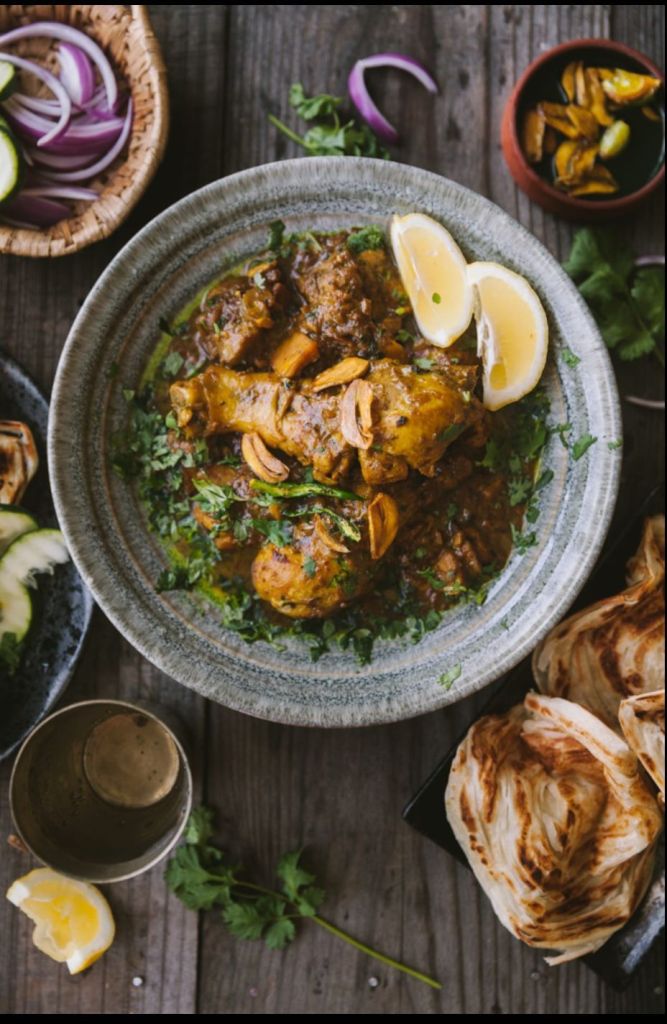
Garlic Chicken Curry (Lehsuni Murgh) garnished with golden fried garlic chips and fresh cilantro. This North Indian dish is perfect for garlic lovers, and it’s often served with lemon wedges for a pop of freshness. Notice the rich, thick gravy coating the chicken pieces, indicating the robust flavors infused by the slow simmer.
Ingredients

Chicken: 500 g (about 1 lb), cut into curry-sized pieces. Bone-in pieces yield the best flavor (but boneless works for convenience).

Yogurt (Dahi/Curd): ½ cup, plain (for marinating the chicken).

Garlic: 12 cloves, divided – use about 6 cloves minced or grated for the marinade, and slice the remaining cloves for cooking. (Yes, it’s a garlic-packed recipe!)

Ginger: 1-inch piece, grated (about 1 tablespoon, for the marinade).

Onions: 2 medium, finely chopped.

Green Chilies: 2, slit lengthwise (optional, adjust for spice preference).

Turmeric Powder: ½ teaspoon.

Red Chili Powder: 1 teaspoon (use Kashmiri chili powder for a milder heat and bright color, or adjust to your taste).

Cumin Powder: 1 teaspoon.

Coriander Powder: 2 teaspoons.

Garam Masala: 1 teaspoon (aromatic Indian spice blend, added at the end).

Salt: to taste (about 1 teaspoon for the marinade, plus more to adjust later).

Oil or Ghee: 2 tablespoons (vegetable or sunflower oil works well; for extra authenticity, use mustard oil or ghee).

Fresh Cilantro: a handful of cilantro leaves, chopped (for garnish).

Lemon: 1 lemon, cut into wedges (to squeeze on top when serving, optional).


Instructions

1. Marinate the Chicken: In a large bowl, combine the chicken pieces with yogurt, the minced garlic (reserve the sliced garlic for later), grated ginger, turmeric, ½ teaspoon of chili powder (if you like some heat in the marinade), and about 1 teaspoon of salt. Mix everything well so the chicken is thoroughly coated. Cover and let it marinate for at least 30 minutes (if you have time, marinate for 2-4 hours or overnight for deeper flavor and extra tenderness). This step helps infuse the chicken with garlic and spice, making it super juicy and flavorful.


2. Prepare to Cook: When you’re ready to cook, heat the oil in a heavy-bottomed pot or deep pan over medium heat. Tip: Add the sliced garlic to the cold oil before the oil gets hot, then heat them together – this way the garlic slowly releases its flavor without burning. Sauté the garlic slices, stirring frequently, until they turn golden brown and crispy. (Keep a close eye; garlic can go from golden to burnt quickly!) Use a slotted spoon to remove a few of these fried garlic slices and set them aside on paper towel – we’ll use them later as a crunchy garnish for our curry. Leave the rest of the garlic in the pan for the next step.


3. Sauté Onions & Spices: In the same pan with the remaining garlic-infused oil, add the chopped onions and the slit green chilies. Sauté this mixture on medium heat for about 8-10 minutes, stirring occasionally, until the onions turn soft and golden-brown. The golden onions will give a natural sweetness and depth to the curry. If the spices from the marinade or garlic bits start sticking to the bottom, you can sprinkle a tablespoon of water to deglaze and prevent burning. Once the onions are browned, add the cumin powder and coriander powder (and the remaining ½ teaspoon of red chili powder, if you like a spicier curry). Toast these spices with the onions for just a minute, stirring constantly – this awakens their aroma. (Enjoy that whiff of spice in the air!)


4. Cook the Chicken: Increase to medium-high heat and add the marinated chicken (along with all the yogurt marinade) into the pan. The pan will sizzle as the chicken hits the hot oil and onions. Stir well to combine, coating the chicken in the onion, garlic, and spice mixture. Cook for about 5-7 minutes, stirring occasionally, until the chicken is no longer pink on the outside and starts to brown slightly. This quick sear locks in the juices and gives a nice color.


5. Simmer with Gravy: Add about 1 cup of hot water to the pan to create a gravy (use more or less water depending on how thick or thin you want the curry). Scrape the bottom of the pan with your spoon to deglaze any flavorful browned bits into the sauce. Once it comes to a gentle boil, reduce the heat to low, cover the pan with a lid, and let the chicken simmer. Cook for about 15-20 minutes on low heat until the chicken is fully cooked and tender. (If using bone-in chicken, aim for the higher end of that range – around 20 minutes – whereas boneless pieces may cook through in about 15 minutes.) Stir occasionally to prevent sticking. You’ll see the oil start to separate on the edges of the gravy when it’s done, and the chicken should be fork-tender.


6. Adjust Consistency: After 15-20 minutes, check the curry’s consistency and seasoning. If it looks too thin for your liking, cook it uncovered for a few more minutes on medium heat to let some liquid evaporate and thicken the gravy. If it’s too thick or you prefer more sauce, you can add a splash of hot water and simmer for another minute. Taste and add more salt if needed. (Optional: for a touch of extra richness, you could stir in 2 tablespoons of heavy cream at this stage, but this curry is traditionally made without cream.)


7. Finish with Aromatics: Turn off the heat and sprinkle garam masala over the curry. (You can also crush in a pinch of dried fenugreek leaves (kasuri methi) at this point for an added layer of North Indian aroma, if you have it.) Gently stir the curry so the garam masala is mixed in. Finally, add the chopped fresh cilantro and the reserved fried garlic slices from earlier, scattering them on top as a garnish. The fresh cilantro and crispy garlic on top make the curry look and taste irresistible!


8. Serve: Let the Garlic Chicken Curry rest for 5 minutes with the lid on (off the heat) – this brief rest helps all the flavors settle and marry together. Serve it hot in a bowl, and enjoy the wafting fragrance as you lift the lid. Enjoy! (Be prepared for everyone to ask for seconds!)


Serving Suggestions & Customizations

Garlic Chicken Curry served with flaky, buttery parathas (layered flatbread). A simple salad of sliced onions, cucumbers, and lemon on the side adds a refreshing crunch.

In North India, it’s common to enjoy this curry with warm flatbreads, but it’s equally delightful spooned over rice. Here are some serving ideas and customization tips to make this garlic chicken curry just right for you:

Serving – Breads or Rice: For a drier, thicker curry (reduce the gravy as noted), pair the garlic chicken with Indian breads like naan, parathas, or roti. The bread can be used to scoop up the flavorful pieces and sauce. If you prefer a more soupy curry with extra gravy, keep it a bit fluid and ladle it over steamed basmati rice. The rice will soak up all that garlicky goodness!

Garlic Intensity: This dish is already loaded with garlic, but true garlic enthusiasts can absolutely add more. Toss in a few extra cloves (either crushed into the gravy or sliced and fried) if you can’t get enough of that garlic flavor. On the other hand, if you want to tone it down, you can use slightly fewer cloves than called for – the curry will still be tasty, just a touch milder on the garlic.

Spice Level: Adjust the heat to your liking. The recipe as given is moderately spicy (thanks to the chili powder and green chilies). For a milder version, skip the green chilies and use half the amount of chili powder (or choose a mild paprika/Kashmiri chili for color). If you love heat, you can add an extra green chili or a pinch of cayenne. Remember, you can also remove the seeds from the green chilies to reduce their heat while still getting that flavor.

Richer or Creamier Curry: For a special occasion or if you prefer a creamier curry, you can enrich the gravy by stirring in a spoonful of cream or thick coconut milk at the end of cooking. This will give a slightly creamier, restaurant-style finish (though it’s not traditional for Lehsuni Murgh). Another way to add richness is blending a few cashews into the yogurt marinade (creating a creamy cashew-garlic paste) – this will thicken the sauce and add a mild sweetness. These tweaks are entirely optional but can be fun to experiment with.

Authentic Touch: For an extra authentic North Indian flavor, try cooking with mustard oil instead of regular vegetable oil. Mustard oil has a pungent aroma that mellows as you cook and adds depth to the curry. (If using mustard oil, be sure to heat it until it just starts to smoke before adding other ingredients – this step removes its raw sharpness.) Many traditional recipes swear by mustard oil for its unique flavor. If you don’t have it, using ghee (clarified butter) or any neutral oil is perfectly fine – your curry will still turn out delicious.


Enjoy your Garlic Chicken Curry! Serve it hot, garnish with more fresh cilantro and a squeeze of lemon juice on top for brightness. Don’t forget to include those crispy fried garlic chips as a topping – they’re little bursts of flavor in each bite. This hearty North Indian garlic chicken is sure to fill your kitchen with wonderful aromas and bring a satisfied smile to everyone at the table. Happy cooking and happy eating!


Breakfast

🔥 Masala Idli Fry – The Perfect Leftover Makeover

🌧️ A Story from My Kitchen

Rainy mornings in my hometown meant two things: wet slippers and warm breakfasts. And if there were leftover idlis from the previous night, Amma would grin mischievously and say, “Don’t open the tiffin today — I’ve packed something special.”

Instead of tossing those cold, plain idlis, she would slice them up, toss them with onions, curry leaves, and a fiery tomato masala, and turn them into something magical: Masala Idli Fry.

It wasn’t just a recipe; it was a reminder that no food should ever go to waste — not when a little tadka and love can turn it into a brand-new dish.

📝 Ingredients

Main:

6–8 Leftover idlis (chilled works best)

1 tbsp oil

1 tsp mustard seeds

½ tsp urad dal (optional, for crunch)

1 sprig curry leaves

1 medium onion, chopped

1–2 green chilies, slit

1 small tomato, finely chopped

¼ tsp turmeric powder

½ tsp red chili powder

½ tsp sambar powder (or pav bhaji masala)

Salt to taste

Fresh coriander leaves, chopped

Lemon juice (optional)


🔪 Method

1. Prep the Idlis

Cut idlis into bite-sized cubes.

If they’re soft or fresh, refrigerate for 20–30 minutes before frying. Chilled idlis hold their shape better.


2. Fry the Idli (Optional but yummy!)

In a pan, add 1 tsp oil and shallow fry the idli cubes until they’re golden on the edges. Set aside. This adds texture and prevents them from turning mushy later.


3. Make the Masala

In the same pan, heat the remaining oil. Add mustard seeds. Let them crackle.

Add urad dal and curry leaves. Sauté for 10 seconds.

Add chopped onions and green chilies. Sauté till golden brown.

Add tomatoes and cook until soft and pulpy.

Add turmeric, red chili powder, sambar or pav bhaji masala, and salt.

Mix well and let the masala cook for 1–2 minutes on medium flame.


4. Toss the Idlis

Add the fried (or plain) idli cubes into the masala.

Gently toss until each piece is coated in the spicy mix.

Cook for 2 more minutes on low flame so the idlis soak in the flavors.


5. Finish

Turn off the flame. Garnish with coriander leaves.

Squeeze a bit of lemon juice for that extra zing (optional).


🍽️ Serving Suggestions

Best served hot with a cup of ginger tea or filter coffee.

Makes a great after-school snack, evening tiffin, or even a quick lunchbox filler.

For variation, you can add capsicum, boiled corn, or paneer cubes.


💡 Tips & Tricks

Always use cold or day-old idlis — they hold shape better when tossed.

Want it crispier? Air-fry or deep-fry the idlis before mixing with masala.

No leftover idlis? Just steam a fresh batch and let them cool before using.


❤️ Why I Love This Recipe

This is not just a way to use leftovers — it’s a reminder that creativity in the kitchen often starts when we look at something ordinary and decide to treat it like gold.

Masala Idli Fry is humble, homey, and full of heart — just like the best kind of food always is.

Lunch & Dinner

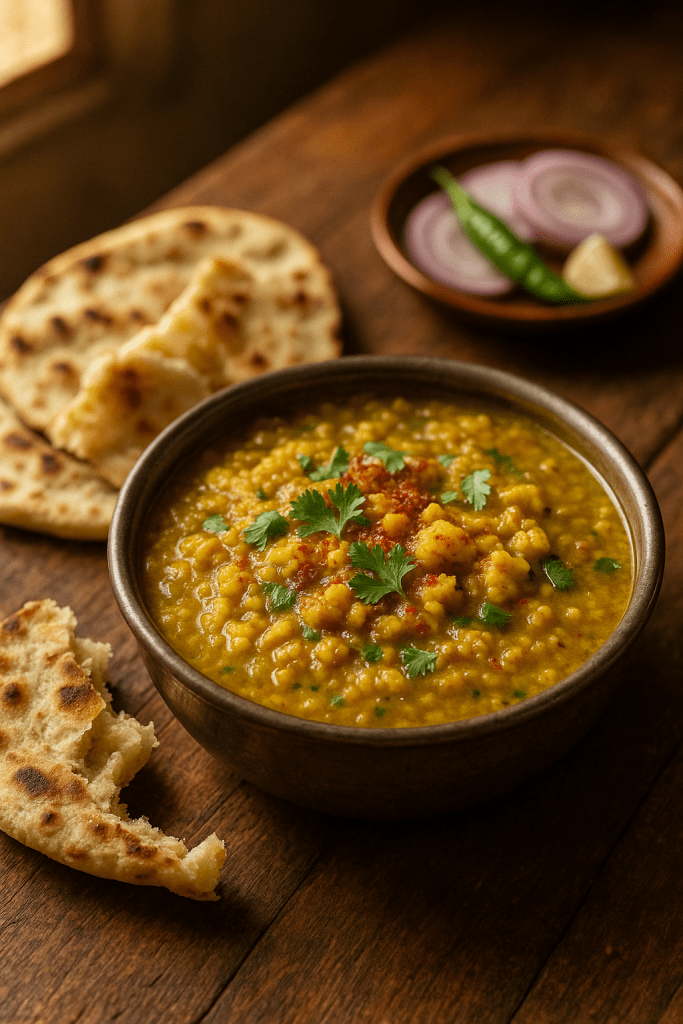
🥚 Egg Tadka Dal – Dhaba Style Comfort in a Bowl

🧡 A Personal Note

Some dishes don’t just satisfy hunger — they settle your soul. Egg Tadka Dal is one of those. A blend of creamy lentils and spicy scrambled eggs, this dish is popular in Bengal and Odisha, where dhaba cooks stir it up in iron kadhais over open flames.

During my student days in Bhubaneswar, a late-night walk often ended with a hot plate of egg tadka dal and tandoori roti from a roadside stall. The aroma of cumin, ghee, and garlic wafting into the night air still lingers in memory.

Let’s recreate that magic at home.

🥄 Ingredients (Detailed)

For the Dal:

½ cup Green Moong Dal (split green gram) – gives body and protein

¼ cup Masoor Dal (red lentil) – optional but adds silkiness

1½ cups Water

½ tsp Turmeric powder

Salt to taste


For the Egg Bhurji (Scrambled Eggs):

3 Eggs

1 medium Onion, finely chopped

1 small Tomato, finely chopped

1–2 Green Chilies, chopped

1 tsp Ginger-Garlic Paste

¼ tsp Red Chili Powder

¼ tsp Garam Masala

1 tbsp Fresh Coriander Leaves, chopped

Salt to taste

1 tbsp Oil or Ghee


For the Tadka (Tempering):

2 tbsp Mustard Oil or Desi Ghee

½ tsp Cumin Seeds

2–3 Garlic Cloves, thinly sliced

1 small Onion, thinly sliced

1 whole Dried Red Chili

A pinch of Asafoetida (hing) – optional but highly aromatic


🔪 Step-by-Step Method

Step 1: Pressure Cook the Dal

1. Wash moong and masoor dal thoroughly until water runs clear.


2. In a pressure cooker, add dal, turmeric, water, and salt.


3. Cook for 3–4 whistles until soft and mushy. Open the lid after pressure releases naturally.


4. Mash the dal lightly using a ladle or a whisk and set aside.


Step 2: Make Egg Bhurji

1. Heat 1 tbsp oil in a kadai or pan.


2. Add chopped onions and green chilies. Sauté till onions turn translucent.


3. Add ginger-garlic paste and cook for 1 minute until raw smell disappears.


4. Add tomatoes, red chili powder, salt, and garam masala. Cook until oil separates.


5. Beat eggs and pour into the mixture. Stir and scramble them into soft bhurji.


6. Add coriander leaves and mix well. Remove from flame and keep aside.


Step 3: Prepare the Tadka (Tempering)

1. In the same or a separate pan, heat 2 tbsp mustard oil or ghee.


2. Add cumin seeds. Let them crackle.


3. Add sliced garlic, red chili, and hing. Sauté till fragrant.


4. Add sliced onions and sauté till golden brown.


Step 4: Combine Everything

1. Add the mashed dal to the pan with tadka. Mix well.


2. Simmer for 3–4 minutes to absorb the flavors.


3. Now, gently fold in the egg bhurji into the dal. Mix and let it sit for 2 more minutes.


Optional:

Add 1 tsp of ghee or a squeeze of lemon before serving for an extra kick.


🍽️ Serving Suggestions

Best served with tandoori roti, lachha paratha, or jeera rice

Serve with pickled onions, green chutney, or just a wedge of lemon

For dhaba-style plating, serve in a steel bowl with a dollop of ghee on top


🌿 Tips for Perfection

Don’t overcook the scrambled eggs – you want them soft, not rubbery.

Add a smoky twist using dhungar method (burning charcoal + ghee in a bowl placed inside the dal).

Use only moong dal if you want a lighter version, or add chana dal for a nuttier bite.

Street Foods

Ragda Pattice – Mumbai’s Beloved Street Food


A Flavorful Tale from the Streets

There’s nothing quite like the aroma of freshly fried pattice mixed with the tang of spicy ragda that transports you straight to the buzzing streets of Mumbai. I still remember summer afternoons spent wandering the vibrant streets of Bandra and Colaba, where small vendors would serve up hot, crispy ragda pattice on paper plates. The dish—an incredible fusion of deep-fried, spiced potato patties and a creamy, mildly tangy white peas gravy—became a comforting indulgence on long, sweltering days. For many, it’s not just a snack; it’s a celebration of the city’s energy and diversity. Every bite carries memories of playful banter with friends, the clamor of street vendors, and the undeniable joy of sharing a truly authentic Mumbai treat.

Ingredients

For the Ragda (White Pea Gravy):

1 cup dried white peas (toor dal or moong dal, soaked overnight)

1 medium onion, finely chopped

1-2 green chilies, slit (adjust to taste)

1 teaspoon ginger-garlic paste

1 teaspoon cumin seeds

½ teaspoon turmeric powder

1 teaspoon red chili powder (adjust for heat)

Salt to taste

1-2 tablespoons oil

½ teaspoon garam masala (optional)

Water (for pressure cooking)


For the Pattice:

4-5 medium potatoes, boiled and mashed

1 cup boiled mixed vegetables (carrot, peas – optional)

1-2 green chilies, finely chopped

1 small onion, finely chopped

2 tablespoons gram flour (besan)

½ teaspoon cumin powder

Salt and pepper to taste

Fresh coriander, finely chopped

Oil for shallow frying


Garnish:

Finely chopped onions

Fresh coriander leaves

Tamarind chutney and green chutney on the side

Lemon wedges


Instructions

Preparing the Ragda:

1. Soak and Cook: Drain the soaked white peas. In a pressure cooker, add the peas, a pinch of turmeric, salt, and about 3 cups of water. Pressure cook until the peas are soft and start to break apart (about 3-4 whistles).


2. Prepare the Base: In a heavy pan, heat oil over medium heat. Add cumin seeds and let them splutter. Add the chopped onion and sauté until golden. Stir in the ginger-garlic paste and green chilies and sauté for another minute.


3. Spice It Up: Add the cooked peas along with the water from the pressure cooker. Stir in the red chili powder, a pinch of salt, and additional turmeric if needed. Allow the mixture to simmer for 10–15 minutes, stirring occasionally, until the gravy thickens slightly. (If you prefer a smoother texture, you can mash some of the peas while cooking.)


4. Finish the Gravy: Stir in the garam masala (if using) and adjust the salt to taste. Keep warm.


Preparing the Pattice:

1. Mix the Filling: In a large bowl, combine the boiled, mashed potatoes with the boiled mixed vegetables (if using), chopped onions, green chilies, coriander, cumin powder, salt, pepper, and besan. Mix thoroughly until all ingredients are well incorporated. The besan helps to bind the mixture.


2. Shape the Patties: Divide the mixture into even portions. Roll each portion into smooth balls and flatten them gently into round patties (about ½ inch thick).


3. Shallow Fry: Heat a generous amount of oil in a skillet over medium heat. Fry the patties until golden and crispy on both sides (about 3–4 minutes per side). Remove and drain on paper towels.


Assembling Ragda Pattice:

1. Plate the Pattice: Place 2-3 hot, crispy pattice on a plate.


2. Pour Over Ragda: Generously ladle the hot, flavorful ragda over the pattice.


3. Garnish: Top with finely chopped onions and fresh coriander. Serve with tamarind and green chutney on the side, and a wedge of lemon for a zesty finish.


Serving Suggestions

Traditional Style: Serve Ragda Pattice hot on a paper plate in a casual street-food style, reminiscent of the lively Mumbai streets.

Modern Twist: Plate on a rustic ceramic dish, with small bowls of chutney and a scattering of sliced onions and coriander for that Instagram-worthy touch.

Accompaniments: Pair this dish with a refreshing glass of masala chai for a complete meal experience or as a snack during a leisurely afternoon.


Tips for the Perfect Ragda Pattice

Ragda Consistency: For a thicker, heartier gravy, mash some of the cooked peas during simmering. For a lighter version, leave the peas mostly whole.

Pattice Texture: The besan in the potato mixture is key – too much can make the patties dense, while too little might cause them to crumble. Adjust gradually until you reach the right binding consistency.

Frying: Ensure that your oil is hot enough before frying. A moderate temperature will give you a crispy exterior without over-absorbing oil.

Adjusting Spices: Feel free to modify the heat – if you prefer a milder dish, reduce the number of chilies, or add extra cilantro and lemon juice for a tangy finish.


Final Thoughts

Ragda Pattice is more than just a dish—it’s an experience. From the bustling street vendors of Mumbai to home kitchens reinventing the timeless recipe, each bite serves as a reminder of India’s vibrant culinary culture. Whether you crave a burst of spicy, tangy flavors on a rainy day or a hearty snack for a festive gathering, Ragda Pattice is sure to delight.

Dessert

Khoya Gujiya – A Festive Delight Stuffed with Memories

Introduction:

Gujiya is more than just a sweet—it’s nostalgia folded into a golden crescent, crisp on the outside and meltingly rich on the inside. In North Indian households, especially during Holi and Diwali, the making of gujiya isn’t a solitary kitchen task—it’s a celebration in itself. Women gather, gossip brews alongside the simmering sugar syrup, and children wait for the first batch to cool just enough to sneak a bite.
The Khoya Gujiya, in particular, is a royal version stuffed with sweetened mawa (evaporated milk solids), dried fruits, and grated coconut. Its aroma alone—rich, buttery, and nutty—is enough to transport you back to a family courtyard decked in colors, laughter, and tradition.

📜 Ingredients (makes approx. 15-18 gujiyas)

For the Dough:

2 cups all-purpose flour (maida)

4 tbsp ghee (clarified butter)

Water (as needed)

A pinch of salt


For the Filling:

1 cup khoya/mawa (crumbled or grated)

1/3 cup powdered sugar

2 tbsp desiccated coconut (optional but traditional)

2 tbsp chopped nuts (almonds, cashews, pistachios)

1 tbsp golden raisins

1/2 tsp cardamom powder

A few saffron strands (optional)


For Frying:

Ghee or neutral oil


For Garnish (optional):

Powdered sugar for dusting

Slivered pistachios

Rose petals


👩‍🍳 Step-by-Step Preparation

1. Preparing the Dough

In a large mixing bowl, add maida, a pinch of salt, and ghee. Rub it together until the flour resembles breadcrumbs—this step ensures flaky gujiyas. Slowly add water and knead into a stiff yet pliable dough. Cover with a damp cloth and let it rest for 30 minutes.

2. Making the Filling

In a non-stick pan, roast khoya on low flame for 3–4 minutes until it becomes aromatic and light golden. Turn off the heat. Add sugar, coconut, chopped nuts, raisins, cardamom, and saffron. Mix well and let the filling cool completely.

3. Shaping the Gujiya

Roll the dough into small lemon-sized balls. Flatten and roll into small 4-inch discs. Place 1 tablespoon of filling in the center, fold into a half-moon, and seal the edges. Use a fork or gujiya mold to create decorative crimps. Make sure the edges are well-sealed to avoid bursting while frying.

4. Frying the Gujiyas

Heat ghee/oil in a kadhai over medium heat. Fry gujiyas in batches until they turn crisp and golden on both sides. Drain on kitchen paper.

Optional: Dust with powdered sugar or drizzle sugar syrup and garnish with nuts and dried rose petals.


💡 Serving Tip & Story Twist

Serve warm or at room temperature with a glass of warm saffron milk or thandai during festivals. For a modern twist, some even dip gujiyas halfway in white chocolate and sprinkle with pistachio dust—fusion meets tradition!

💬 “In our home, gujiya wasn’t just a dessert; it was my dadi’s love letter to Holi. She would hum old Bollywood songs while crimping the edges with perfection, and every gujiya bore the same seal of affection. Making them now with my daughter feels like passing down a joyful, flaky heirloom.”

Dessert

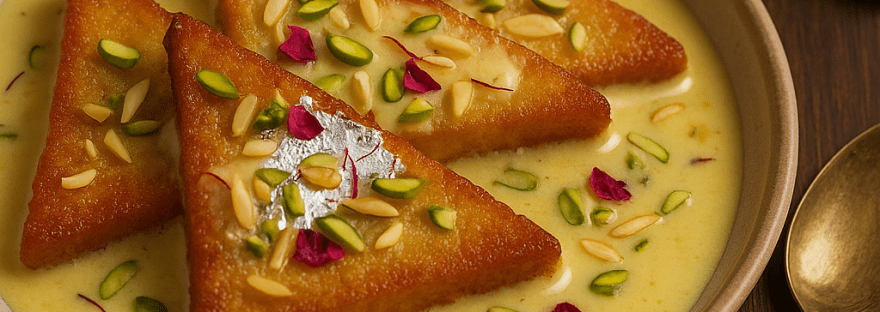
Shahi Tukda: A Dessert Fit for Kings

In the grand courts of the Nizams of Hyderabad, where every dish was a statement of luxury, Shahi Tukda was the crown jewel of dessert platters. With its rich blend of saffron-infused milk, golden-fried bread, and fragrant cardamom, this royal indulgence was once served only to nobility. Today, it graces our homes during Eid, Diwali, and weddings – a sweet echo of India’s regal culinary heritage.

Growing up, I remember my grandmother making this during Eid. She would slowly simmer full-fat milk into thick, luscious rabri, fry slices of bread to a crisp golden brown, and drizzle it all with sugar syrup infused with rose water. The entire house would smell of ghee and cardamom – and we knew a celebration was about to begin.

📝 Ingredients

For the bread base:

6 slices of white bread (preferably a day old)

Ghee or oil for deep frying


For the sugar syrup:

½ cup sugar

½ cup water

2–3 cardamom pods, crushed

A few drops of rose water (optional)


For the rabri:

1 liter full-fat milk

¼ cup sugar

½ tsp cardamom powder

A few saffron strands (soaked in warm milk)

2 tbsp chopped pistachios and almonds


Garnish:

Slivered almonds, pistachios, edible silver leaf (optional), rose petals


👩‍🍳 Instructions

Step 1: Prepare the Rabri

1. Boil the milk in a heavy-bottomed pan. Lower the flame and simmer, stirring often, until it reduces to one-third of its volume.


2. Add sugar, saffron milk, and cardamom powder. Simmer for 5 more minutes.


3. Add chopped dry fruits and let it cool. Chill before use.


> Tip: Stir frequently and scrape the sides of the pan to mix the cream (malai) back into the milk – this gives the rabri its rich texture.


Step 2: Make the Sugar Syrup

1. In a small pan, combine sugar, water, and cardamom.


2. Bring to a boil and simmer until slightly sticky (no string consistency needed).


3. Add rose water and turn off the heat.


Step 3: Fry the Bread

1. Cut the bread slices into triangles or squares.


2. Deep fry in ghee or oil on medium heat until golden and crisp. Drain on paper towels.


> Alternative: You can also bake or air-fry the bread slices with ghee for a healthier version.


Step 4: Assemble the Shahi Tukda

1. Dip each fried bread slice in warm sugar syrup for 5–10 seconds.


2. Place on a serving tray. Pour chilled rabri generously over the slices.


3. Garnish with nuts, rose petals, and edible silver leaf if desired.


4. Serve chilled or slightly warm – either way, it’s divine.


🍴 Serving Suggestions

Shahi Tukda is best served slightly chilled, with extra rabri on the side.

Make it a day ahead for richer flavor – the bread soaks up the syrup beautifully overnight.

Pairs perfectly with a cup of strong masala chai or after a biryani feast.


💡 Quick Tips

Use day-old bread for crispier texture.

Don’t over-soak the bread in syrup; it should stay crisp on the outside and soft inside.

Use full-fat milk for the rabri – this is not the time to cut corners!

Dessert

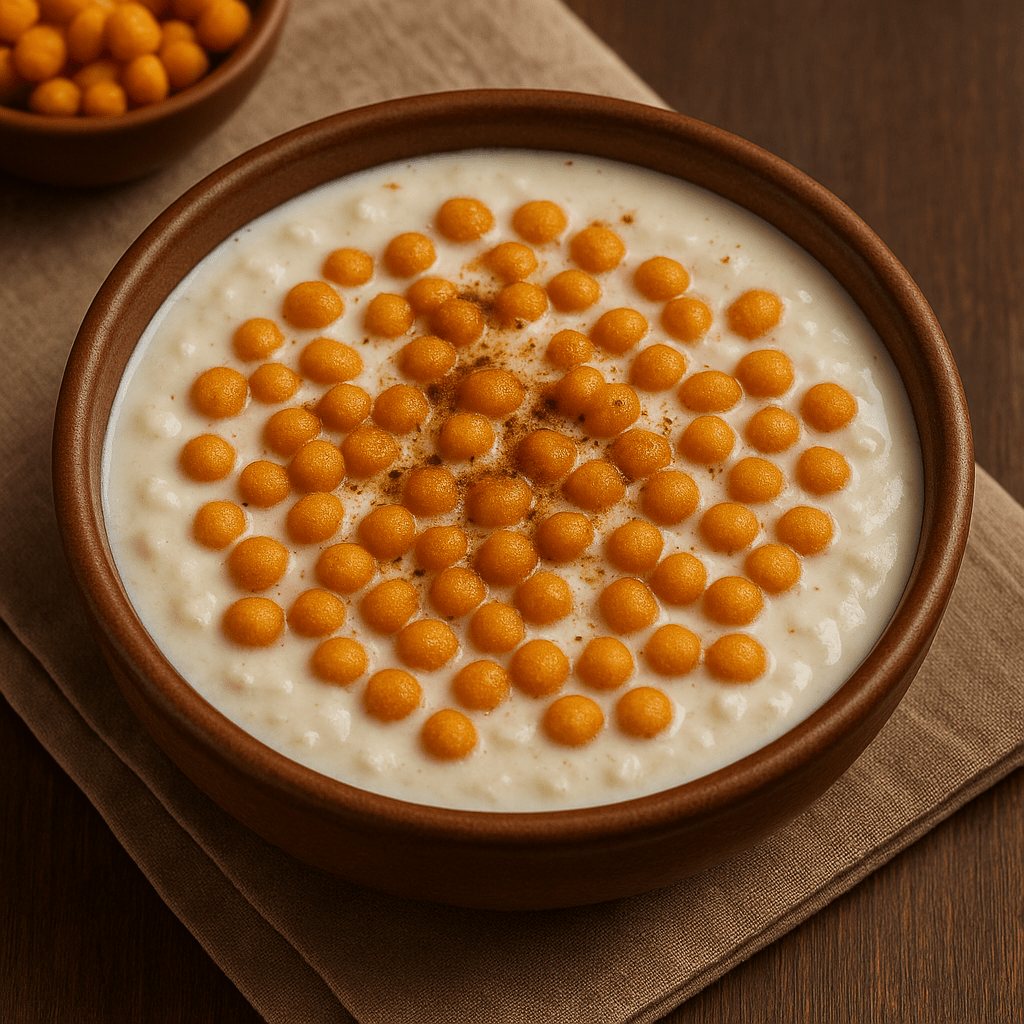
Doi Boondi: Bengali Sweet Curd with Crispy Boondi

For many Bengalis, Doi Boondi is more than just a dessert – it’s a spoonful of nostalgia. In festive times like Durga Puja or wedding feasts, families gather to end the meal on a sweet note. Even Bollywood star Prosenjit Chatterjee fondly recalls “boondi aar doi” (boondi with curd) as “the best sweet dish” of his childhood. Boondi sweets are so woven into Bengali tradition that golden fried boondi is offered as prasad in many Durga Puja celebrations. Each bite of Doi Boondi – creamy yogurt swirled with syrupy boondi balls – evokes memories of home kitchens, summer gatherings, and the soft click of Bengali click-clacks at the dinner table.

This festive bowl of sweetened curd with crispy boondi is often served chilled, garnished with nuts and rose petals for color. The curd (doi) is lightly sweetened and infused with warm spices, then layered with soft, golden boondi. A hint of cardamom or saffron in the curd gives it a rich aroma. Tradition says to set the sweet curd in an earthen pot (matka) – the porous clay lets extra whey evaporate, yielding a thicker, silkier mishti doi. The result is a cool, refreshing dessert that perfectly balances sweet and tangy flavors.

Ingredients

For boondi: 1 cup besan (gram flour), pinch of baking soda, water (to make a batter), oil or ghee for deep frying.

For sugar syrup: 2 cups sugar, 1½ cups water, 4–6 green cardamom pods (crushed).

For sweet curd (doi): 3 cups plain whole-milk yogurt (use full-fat yogurt for a rich curd), ½ cup sugar (or to taste), a pinch of saffron strands (optional), 3–4 cardamom pods (crushed).

Garnish (optional): Chopped almonds, pistachios or cashews; a few rose petals for color.


Tip: Always use full-fat milk or whole-milk yogurt. As one recipe notes, diluted or low-fat milk yields a runny curd, while full-fat milk gives the thick, creamy texture that Doi Boondi deserves. Setting the sweet curd in an earthen pot will also help absorb moisture and thicken it.

Preparation Steps

1. Make the boondi: Sift the besan and baking soda together. Gradually whisk in water to form a smooth batter (consistency like heavy cream). Heat oil or ghee in a deep kadai or pan. Hold a perforated ladle (boondi jhara) about 3–5 inches above the oil, pour the batter through it, and gently agitate so tiny droplets fall into the oil. Fry the boondi in batches: golden (about 30–40 seconds) is ideal – do not overcook, or they will become too hard. Drain on paper towels. Repeat until all batter is used.


2. Prepare the sugar syrup and soak: In a clean pan, combine sugar and water and bring to a boil. Let it boil 3–4 minutes until just syrupy (keep it thin rather than one-string consistency). Add the crushed cardamom pods. Turn off the heat and immediately stir in the fried boondi; mix well. Cover the pan and let the boondi soak for at least 1 hour at room temperature (or leave overnight). Stir gently every 15–20 minutes if possible. The boondi will plump up as they absorb the sweet syrup.


3. Sweeten the yogurt: While the boondi soaks, make the flavored curd. In a bowl, whisk the yogurt until smooth. Dissolve the sugar in a few tablespoons of warm milk and stir this syrup into the yogurt. (If using saffron, soak it in a tablespoon of warm milk first, then mix in – this gives a lovely color and aroma.) Add a pinch of cardamom. For an extra-thick mishti doi, pour this sweetened yogurt into an earthenware bowl, cover, and let it set in a warm place until firm (often 6–8 hours). Then chill until cold.


4. Assemble the dessert: In serving bowls, spoon some of the sweet curd and top with 2–3 tablespoons of the soaked boondi. You can layer or simply mix them. Cover the bowls and refrigerate for at least 1–2 hours before serving to let the flavors meld and the boondi soften.


Tips and Tricks

Balance the sweetness: Since both the syrup and the curd add sugar, taste the yogurt mixture before setting it. You may use slightly less sugar in the curd if the boondi are very sweet.

Syrup consistency: Keep the sugar syrup on the thinner side. A slightly runny syrup ensures the boondi absorb it well and don’t become overly cloying.

Spices: A pinch of ground cardamom and a few threads of saffron go a long way. One recipe instructs to add cardamom and saffron to the milk-yogurt mix for richness. The gentle perfume of these spices is classic in Bengali desserts.

Frying boondi: Fry quickly on medium heat. As noted, removing the boondi when they’re just golden (and still slightly soft) ensures they won’t turn rock-hard after soaking.

Thick curd: Use full-fat yogurt or whole milk to start. Setting the sweet curd in clay (or an earthenware pot) yields a smoother, drier mishti doi as excess whey seeps into the porous pot.

Chill it: Always serve Doi Boondi chilled. Refrigerate it well (at least 1 hour, preferably 2–3 hours) before serving for the best creamy texture and flavor.


Clay cups and bowls are traditional for serving mishti doi (sweet curd) in Bengal. Serving Doi Boondi in these earthen pots keeps it cool and allows excess moisture to evaporate. Garnish each portion with chopped nuts and rose petals for a festive look.

Serve in small clay cups (matkas) for authenticity. The earthenware not only looks charming but also helps the curd set firm by wicking away extra water.

Before serving, top each bowl with chopped pistachios or sliced almonds and a few rose petals. These touches add color and a hint of crunch or floral aroma to the creamy dessert.

Doi Boondi makes a perfect finale to a spicy Bengali meal. It’s also lovely after lunch on a hot day – the cool yogurt and soft boondi is very refreshing.


By blending homemade sweet yogurt with melt-in-your-mouth boondi, you get a dessert that is simple yet heartwarming. Whether it’s Durga Puja, a family wedding feast or a lazy summer afternoon, a chilled bowl of Doi Boondi – garnished with nuts and flowers – brings everyone to the table with a smile.

Snacks

Bengali Egg Chop (Dimer Chop) – Crispy Potato & Egg Cutlets

A plate of crispy Bengali egg chops (potato and egg cutlets) ready for tea-time. Growing up in Bengal, I vividly recall rainy afternoons and Durga Puja rehearsals where the air was filled with the scent of frying spices and the excited chatter of children.  Food blogger Joy even reminisces that during Durga Puja, she would “patiently wait… so that the egg roll and egg chop… would appear along with some Cha (tea)”.  No wonder these golden, crispy dim chops became a symbol of festive celebration and cozy monsoon snacks.  In fact, one recipe notes that this Anda Chop (egg chop) is a beloved *“roadside food enjoyed during the rainy season”*, and that whether it’s a monsoon evening or a Puja pandal stall, a piping-hot chop is “always a hit” with Bengalis.  Each bite – of spiced mashed potato enveloping a boiled egg – instantly transports many of us back to those rain-kissed, tea-time memories.

Ingredients

Eggs: 4 large, hard-boiled, peeled and halved (use 2 if you prefer smaller portions)

Potatoes: 6 medium, boiled and skin removed

Onion: ½ cup, finely chopped

Green chilies: 2–3, finely chopped (adjust to taste)

Cilantro (dhaniya): 2 tbsp, chopped

Spices: 1 tsp red chili powder, ½ tsp ground black pepper, ¼ tsp turmeric powder (optional), ½ tsp chaat masala (optional)

Oil: 2–3 tbsp (for sautéing) + oil for deep frying

Binding/Coating: 2–3 tbsp cornflour or all-purpose flour (to make batter), ½ cup fine bread crumbs


Preparation

1. Cook the eggs and potatoes: Boil the eggs until hard-cooked (about 10 minutes), then peel and set them aside. In the same pot, boil the potatoes until tender; drain and peel them while still hot.


2. Mash the potatoes and mix the filling: Place the hot potatoes in a bowl and lightly mash them.  (Don’t over-mash – a little texture helps keep the chops fluffy.)  Season the mashed potatoes with salt, red chili, black pepper (and chaat masala if using).  Add the chopped onion, green chilies and cilantro, and mix thoroughly so the spices and aromatics are evenly distributed.


3. Shape the chops around eggs: Divide the potato mixture into 4 (or 6) portions.  Take one portion in your palm and flatten it into a disc.  Place a halved boiled egg (cut side down) in the center, then gently wrap the potato mixture around it, sealing it completely.  Make sure there are no gaps – the egg should be fully encased in potato.  Repeat with the remaining portions and eggs.


4. Chill to set: Arrange the egg-covered potato rounds on a plate and refrigerate for about 15–20 minutes.  This helps firm them up so they hold their shape when coated and fried.


5. Prepare the batter and coating: In a shallow bowl, mix the cornflour (or all-purpose flour) with a little water, salt and pepper to make a thin batter.  In another dish, spread the breadcrumbs.  Dip each chilled chop first in the batter, then roll it in breadcrumbs to coat fully.


6. Coat the chops (double coating): For an extra-crispy crust, you can repeat the coating step: dip the already breaded chops in beaten egg (or the cornflour batter) and breadcrumbs once more.  Place the breaded chops back on the plate and chill again for 10 minutes – this second rest helps the crust adhere in the hot oil.


7. Fry until golden: Heat enough oil in a wok or deep pan to cover the chops halfway.  When the oil is hot (around 170–180°C), carefully add the chops in batches.  Fry on medium heat until they are evenly golden brown on both sides (about 3–4 minutes per side).  Avoid crowding the pan, and adjust the heat so the chops cook through without burning the coating.


8. Drain and serve: Using a slotted spoon, transfer the fried chops to a paper-towel lined plate to drain excess oil. Serve them hot.


Tips for Perfect Egg Chops

Sauté for flavor: Before mashing, you can sauté the onions, chilies and spices in a teaspoon of oil until soft and aromatic.  This deepens the flavor.  For example, one recipe advises: “Heat little oil… add chopped onions, salt and sauté.  Then add chopped green chilies, turmeric, mint, coriander… cook till onions are slightly cooked”.

Chill in stages: Chilling the formed chops twice (once before coating, again after coating) helps them hold together in the fryer. Cold, well-set patties absorb less oil and yield a tighter crust.

Double-coat for crunch: Don’t skimp on the breadcrumbs.  As Bong Eats explains, a double breading (egg wash + breadcrumbs, twice) gives “a substantial, crisp crust”. This means dip in batter, roll in crumbs, then dip and roll again.

Fry at the right temperature: Aim for medium-hot oil (about 170–180°C). Frying too cool will make the chops greasy, while too hot will burn the crust before the center warms through.  As one chef notes, fry on “medium heat (oil temperature ~180°C) until evenly brown”.

Drain excess oil: Once browned, immediately transfer the chops to paper towels to blot off oil. This keeps the crust crisp.

Spice it up: Be generous with seasonings in the potato mix – turmeric, chili, a pinch of garam masala or chaat masala, plus plenty of salt. Fresh herbs like cilantro (and even a little mint) brighten the filling.  However, remember not to overwork the mash, as a slightly textured potato holds more flavor.

Bake instead of fry (optional): For a lighter version, Joy suggests spraying the chops with oil and baking at 200°C for about 30 minutes (turning once). They won’t be quite as crunchy as deep-fried, but still tasty.


Serving Suggestions

Bengali egg chops are typically enjoyed piping hot.  They pair beautifully with Bengali mustard sauce (kasundi) – a pungent, smooth mustard dip – and a simple onion-cucumber salad.  (Bong Eats even recommends to “serve hot with kasundi, and a salad of sliced onions, cucumber and beetroot”.)  You can also offer a tangy mint-coriander chutney or ketchup on the side.  In Bengal, nothing is more satisfying than biting into a crispy dim chop while sipping a warm cup of masala chai.  As one cookbook notes, chai is “a perfect accompaniment to an evening snack” – and we couldn’t agree more when it comes to fried goodies like egg chops.

Dessert

Bengali Jilapi (Jalebi) Recipe

Introduction

I still remember celebrating Eid as a child in Dhaka, waking to the smell of frying Jilapi (Bengali jalebi) in my grandmother’s kitchen. My eyes would light up at the sight of hot, coiled sweets – each spiral glistening with sweet syrup. Jilapi (Bengali for jalebi) is a beloved treat in Bengali culture, enjoyed at festivals and street stalls alike. It turns up at weddings, Eid, Durga Puja and other celebratory occasions. In fact, one reference notes that people in Bengal share sweets during Durga Puja, Lakkhi Puja, marriages and more as a way to spread happiness.  Jalebi (In Bengali: jilapi) is traditionally made by deep-frying a wheat-flour batter in pretzel-like spirals and then soaking them in sugar syrup. This spiral dessert is crisp on the outside and sticky-sweet inside – exactly the kind of treat that makes Bengali festivals feel complete.

Ingredients

All-purpose flour (maida): 1 cup (about 125 g)

Gram flour (besan): 2 tablespoons (optional; adds crunch)

Semolina (suji/rava): 1–2 tablespoons (optional, for extra crispness)

Turmeric powder: a pinch (for color)

Plain yogurt: ½ cup (for fermentation; or ½ cup water for instant batter)

Baking powder or baking soda: ½ teaspoon (for the quick method)

Oil or ghee: for deep frying

For the sugar syrup: 2 cups sugar, 2 cups water, a pinch of saffron strands, 4–5 green cardamom pods (or ¼ teaspoon cardamom powder), and 1 teaspoon lemon juice.

Optional garnishes: nuts (pistachios, almonds) or fresh milk/rabri.


Preparation

1. Prepare the batter: In a bowl, whisk together the all-purpose flour, gram flour (or semolina), turmeric and a pinch of baking powder if you are making instant Jilapi. Stir in the yogurt and enough water to form a thick but pourable batter. Beat or whisk thoroughly until smooth. The batter should flow easily but not be very runny.


2. Ferment (traditional) or rest (quick): For a traditional jilapi, cover the batter and let it rest at room temperature for 12–24 hours. The batter should develop a slight sour aroma from the yogurt. For a quicker version, add ½ teaspoon baking soda or baking powder now and skip the resting period. (The leavening will make the coils fluffy.)


3. Make the sugar syrup: Combine the sugar and water in a saucepan. Bring to a boil and simmer until the syrup reaches a single-string consistency (test by dipping a fingertip – a drop of syrup should form a thin thread between your fingers). Remove the pan from heat and stir in the saffron strands, crushed cardamom, and lemon juice. Keep the syrup warm while you fry the jilapi.


4. Heat the oil: In a deep pan or kadhai, heat oil or ghee over medium heat (around 160–170°C). If using neutral oil, add a tablespoon of ghee for extra richness and flavor. The oil should be hot enough that a drop of batter sizzles and rises immediately, but not so hot that the jilapi browns too fast.


5. Fry the coils: Pour the batter into a squeezable bottle or piping bag (or a sturdy ziplock bag with a small corner snipped off). Pipe out spirals or concentric circles directly into the hot oil. You can start from the center and spiral outward, or make loose coil rings. Fry the spirals on medium heat until they turn a deep golden-orange (they will puff up slightly). Fry one test jalebi first: if it puffs up into a thick soft spiral, your batter was too runny – add a little more flour. If it forms a thin, crispy disk, it was too thick – loosen it with a bit of water. Adjust as needed and fry the rest of the batch, turning so they brown evenly.


6. Soak in syrup: As soon as the coils are fried, transfer them to the warm sugar syrup. Make sure the syrup is warm, not boiling hot – very hot syrup will make the jilapi too soft. Let the jilapi soak for about 2–3 minutes, then remove with a slotted spoon, allowing excess syrup to drip off.


7. Serve: Serve the Jilapi hot or warm on plates. They will still be crisp on the outside and gooey inside. (See serving suggestions below for pairing ideas.)


Tips for Perfect Jilapi

Batter consistency: Aim for a batter that is fairly thick but free-flowing. As one recipe notes, “the consistency of the batter must be free-flowing yet thick” for crisp, springy coils. Adjust with small amounts of water or flour while mixing.

Piping and shape: Using a sauce bottle or cloth bag makes it easier to pipe uniform spirals. Hold the bottle close to the oil surface to minimize splatter.

Oil temperature: Fry on medium heat. If the oil is too cool, the jilapi will absorb oil and turn heavy; if too hot, they brown too quickly. You should be able to control a steady sizzle.

Syrup and soaking: Always use warm (not boiling) syrup. Test for “single-string” consistency, and stir in a little lemon juice or saffron as shown. Soak the fried jalebis for only 2–3 minutes; prolonged soaking or overly hot syrup will make them lose their crispness.

Prevent crystallization: A squeeze of lemon juice in the syrup helps keep it from crystallizing. If the syrup cools or crystallizes before soaking, gently reheat it.

Spiral perfection: If a spiral breaks or spreads, adjust batter thickness (add flour or water as mentioned) and try again. With practice, you’ll get the circular shape more uniform.


Serving Suggestions and Variations

Enjoy hot: Bengali Jilapi is traditionally eaten hot or warm. As one source notes, it can be served plain – but in some regions it’s also enjoyed with accompaniments like sweetened condensed milk (rabri), milk or yogurt.

With breakfast: In Bengal, crisp hot jilapi are even eaten alongside semolina pudding or sweet curd (mishti doi) for breakfast.

Garnishes: For a festive touch, serve sprinkled with slivered pistachios or almonds, or garnish the serving plate with fresh rose petals (a Bengali tradition for sweets).

Chanar Jilapi (paneer jalebi): A popular Bengali variant uses fresh chhena (cottage cheese) in the batter. This chhena-based jilapi (often shaped like knotted spirals) is a classic at Bengali sweet shops, with a richer, denser texture.

Sweeteners: You can swap refined sugar for date-palm jaggery (nolen gur) in the syrup for a seasonal twist – it turns the jalebi brownish and gives a caramel-like flavor.

Storage: Leftovers can be gently reheated in a low oven or skillet to regain crispness. However, jilapi are best eaten within a few hours while still crisp and warm.


Enjoy making and sharing this golden spiral sweet – a Bengali festival classic that never fails to spread joy!

Lunch & Dinner

Aloo Posto – Creamy Bengali Potatoes with Poppy Seeds

My earliest memories revolve around Aloo Posto – soft cubes of potato in a creamy poppy-seed sauce. The name itself is humble (“aloo” means potato, “posto” means poppy seed), but this dish has a beloved place in Bengali cuisine. Warm and nutty, with the bright hit of green chili and the distinct bite of mustard oil, Aloo Posto epitomizes Bengali comfort food. In our home and many others, it’s a staple – often served with dal and rice on ordinary days, and honored in Bengali thalis during Durga Puja and other celebrations. A single spoonful takes me right back to childhood lunches under the mango tree, where my grandmother ladled generous helpings onto my plate.

Ingredients

4 medium potatoes (about 500g), peeled and cut into 1-inch cubes

3 tablespoons white poppy seeds (posto)

2 tablespoons mustard oil

2–3 green chilies, slit lengthwise (optional, for heat)

1 teaspoon nigella seeds (kalonji)

½ teaspoon turmeric powder (optional)

Pinch of sugar (optional, to balance flavors)

Salt, to taste

~½ cup water (or as needed to make a sauce)

Fresh cilantro (coriander) for garnish (optional)


Preparation

1. Soak poppy seeds: In a small bowl, soak the poppy seeds in warm water for at least 20 minutes. Drain and transfer the soaked seeds to a blender or mortar. Add one chopped green chili (if using) and a splash of water, then grind to a smooth, creamy paste.


2. Heat the oil: In a heavy-bottomed pan or kadai, heat the mustard oil over medium heat until it just begins to smoke. This step is important to mellow the raw pungency of mustard oil. Carefully add the nigella seeds (kalonji) and the slit green chilies. Fry them for 5–10 seconds until fragrant.


3. Add potatoes: Add the cubed potatoes and a generous pinch of salt. Stir to coat all the pieces in the oil and spices, then cook for about 5 minutes, stirring occasionally. The potato edges should sizzle and turn lightly golden.


4. Spice and cover: Sprinkle in the turmeric and stir again. Cover the pan and let the potatoes cook for another 5 minutes. This helps the potatoes become tender without browning too much.


5. Add poppy paste: Uncover and pour in the ground poppy seed paste. Stir well so every potato piece is coated in the creamy paste. Add about ½ cup of water and mix in more salt to taste. The mixture should be just saucy enough to simmer into a thick gravy.


6. Simmer: Cover again and lower the heat. Let the Aloo Posto simmer for 10–15 minutes, or until the potatoes are fork-tender. Stir once or twice during this time, and if the sauce becomes too dry, add a little more water. You’re aiming for a rich gravy that clings to the potatoes.


7. Finish: Uncover and let any excess water evaporate so the sauce thickens. To balance the mustard-oil bite, sprinkle in a pinch of sugar and add more chopped chilies if you like extra heat, then simmer uncovered for another minute or two. Turn off the heat.


8. Garnish and serve: Garnish with chopped cilantro and a final drizzle of mustard oil or a squeeze of lemon if you like. Serve the Aloo Posto hot.


Tips for Balancing Flavors

Use fresh poppy seeds: Ensure your posto is fresh and well-soaked. Stale or under-soaked seeds can make the curry taste bitter.

Be generous with mustard oil: Mustard oil is non-negotiable for authentic flavor. Heat it just to smoking to release its aroma, and consider a small drizzle at the end for extra pungency.

Mellow the heat: A pinch of sugar (or a squeeze of lime) at the end can round out the sharp mustard flavor.

Adjust spice: Green chilies add brightness and mild heat that complements the nutty sauce. Add them gradually – you can always add more if you want extra kick.


Serving Suggestions

Steamed rice & dal-bhaat: Traditionally, Aloo Posto is enjoyed with plain steamed rice and a simple dal. In Bengali homes it often appears alongside a bowl of split-pea or moong dal. The mellow lentils and fluffy rice soak up the creamy poppy sauce perfectly.

Bengali thali: Serve it on a colorful plate (thali) with other sabzis, dal, and maybe a fried fish or papad on the side. The nutty, pungent curry pairs beautifully with sweet or tangy condiments – think a spoonful of mango chutney or a cucumber raita to balance the richness.

Breads: For a festive variation, enjoy Aloo Posto with warm puris or luchis (deep-fried flatbreads). Their slight crunch and mild sweetness make a lovely contrast to the saucy potatoes.