Snacks

Banana Flower Cutlet (Mochar Chop) – A Traditional Bengali Snack

Banana Flower Cutlets (Mochar Chop) served with puffed rice and tea – a beloved Bengali snack. Banana Flower Cutlet, or Mochar Chop, is a beloved Bengali snack featuring banana blossom (mocha) combined with mashed potatoes and aromatic spices, coated in breadcrumbs and fried to golden perfection. It’s a popular street food in Bengal and a staple at Bengali eateries. Preparing the banana flower is a labor of love – cleaning and separating each floret is tedious, but the end result is well worth the effort. Each bite of Mochar Chop is filled with rich traditional flavors and a touch of nostalgia.

Growing up in a Bengali household, this delicacy often made appearances during family gatherings and festivals. I fondly recall Durga Puja evenings with food stalls serving hot mochar chops to eager visitors, wrapped in paper and topped with a dab of mustard sauce. On rainy afternoons, nothing beat enjoying these cutlets with a steaming cup of chai (tea), often accompanied by muri (puffed rice) for an authentic touch.

Traditionally, Mochar Chop is prepared niramish (without onion or garlic), making it suitable for vegetarian diets and auspicious days. Instead, ginger and a special roasted spice blend known as bhaja masala provide a depth of flavor. The banana blossom itself lends a unique earthy taste, balanced by the sweetness of raisins and the crunch of peanuts inside the cutlet. All of these are encased in a crisp breadcrumb coating that shatters deliciously with each bite. It’s a harmony of soft and crunchy, spicy and sweet – truly a classic Bengali treat.

Preparing the Banana Flower (Mocha)

Cleaning the banana flower is the first and most important step. Here are some tips to prep the banana blossom before cooking:

Grease Your Hands: Banana flower sap can stain hands and surfaces. Rub a little oil on your palms and cutting board to prevent staining while cleaning the flower.

Remove Outer Bracts: Peel off the tough purple outer petals (bracts) to reveal the yellowish-white florets underneath. As you remove each bract, pluck out the cluster of florets attached inside and collect them in a bowl. (You can reserve the large bracts – they are sometimes used as natural serving plates for the chops!)

Discard Inedible Parts: For each floret, remove two parts – the papery outer cover (tepal) and the long thin strand with a bulbous tip (the stigma/style). These parts are not digestible and can make the dish bitter, so discard them. Cleaning each little floret takes time, but it’s necessary for a tasty result.

Soak in Acidic Water: Keep a bowl of water mixed with a few tablespoons of yogurt or lemon juice (or buttermilk) nearby. As you clean and chop the banana florets, immerse them in this acidic water to prevent discoloration (the blossoms oxidize and turn dark quickly in air). A pinch of turmeric can also be added to the water.

Chop and Prepare: Once all florets (and the tender inner heart) are cleaned, chop them finely. Continue to keep the chopped banana flower submerged in the acidic water until you’re ready to cook. If not cooking immediately, you can refrigerate the soaked banana flower – it will stay good for a day or two without turning black.
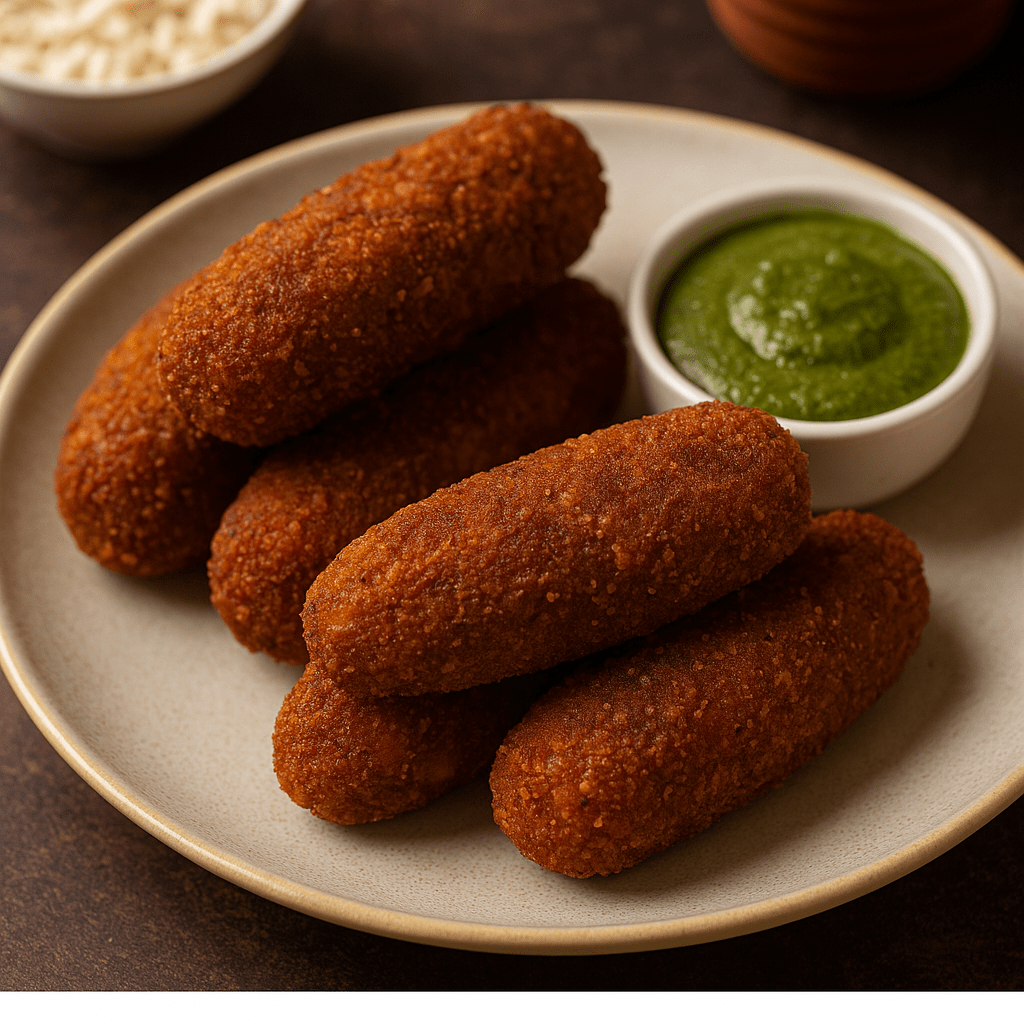
“Crispy Banana Flower Cutlets (Mochar Chop) – a Bengali delicacy made with banana blossom, potato, and spices, served hot with green chutney for the perfect tea-time snack.”

Ingredients

(Makes about 8–10 cutlets)

Banana flower (mocha) – 1 medium, inner florets cleaned and finely chopped (about 2 cups worth)

Potatoes – 2 large, boiled and mashed

Turmeric powder – ½ teaspoon (divided)

Ginger – 1 inch piece, grated (about 1 tablespoon)

Green chillies – 2 to 3, finely chopped (adjust to taste)

Peanuts – ¼ cup, roughly chopped or left whole (use roasted or fried)

Raisins (kishmish) – 2 tablespoons, optional (adds a touch of sweetness)

Coconut – 2 tablespoons, finely chopped or grated (optional; traditionally used fried)

Bhaja masala – 2 teaspoons (Bengali roasted spice mix of cumin, coriander, chili, fennel, clove, cinnamon, etc.)

Sugar – 1 teaspoon (or to taste, balances bitterness)

Salt – to taste

Mustard oil – 2 tablespoons (for sautéing; substitute any cooking oil if needed)

Oil for deep/shallow frying – as needed (mustard oil or vegetable oil)


For Coating:

All-purpose flour (maida) – ¼ cup, for dusting

Gram flour (besan) – ½ cup

Rice flour – 2 tablespoons

Baking soda – a pinch

Turmeric powder – ¼ teaspoon (for batter)

Red chili powder – ¼ teaspoon (for batter, optional)

Salt – a pinch (for batter)

Breadcrumbs – ~1 to 2 cups, or as needed for coating (preferably dried bread crumbs or panko)


> Note: If you don’t have bhaja masala ready, you can use a mix of ½ tsp cumin powder, ½ tsp coriander powder, and a pinch of garam masala as a substitute. Also, using mustard oil for cooking the filling gives an authentic flavor, but you can use any neutral oil if you prefer.


Instructions

1. Boil the Banana Flower: Drain the chopped banana flower from its soaking water. In a pressure cooker, add the banana flower along with 1½ cups of fresh water, a pinch of salt, and ¼ tsp turmeric. Cook for about 3–4 whistles until the florets are tender. (Alternatively, boil the banana flower in a pot of water until soft – this may take 15–20 minutes. Add a pinch of turmeric to the boiling water to reduce the flower’s bitterness.) Once cooked, drain the water completely. Allow the banana flower to cool and then squeeze or press out any excess moisture. Set aside.


2. Boil and Mash Potatoes: While the banana flower cooks, boil the potatoes separately until they are fork-tender. Peel them and mash thoroughly in a large mixing bowl. There should be no lumps. Keep aside.


3. Prepare the Cutlet Mixture: In a pan, heat 2 tablespoons of mustard oil on medium flame. Add the peanuts and fry for a minute until they turn lightly golden. Then add the raisins and stir for a few seconds until they puff up. Add the grated ginger and sauté for 5–10 seconds until its raw aroma disappears. Now add the boiled banana flower and the mashed potatoes to the pan. Sprinkle in the bhaja masala, ½ tsp salt (or to taste), and sugar, along with an extra ¼ tsp turmeric (from the remaining divided turmeric) and the chopped green chillies. Mix everything together. Cook this mixture, stirring continuously, until it becomes fairly dry and starts to clump together (about 5–8 minutes). The goal is to evaporate excess moisture so the cutlets hold shape. Once the mixture is well-combined and dry, turn off the heat. Check seasoning and adjust salt or sugar if needed. Spread the mixture on a plate and let it cool to room temperature.


4. Shape the Cutlets: When the banana flower-potato mixture has cooled, grease your palms with a bit of oil. Take a portion of the mixture (about the size of a small lemon or 2–3 tablespoons) and shape it into a cutlet. You can make them oval or cylindrical patties about ½-inch thick, as per your preference. (In many traditional homes, Mochar Chop is shaped like a cylinder or elongated oval). Place the shaped patty on a plate and repeat with the remaining mixture to form all the chops.


5. Prepare the Coating: In a small bowl, prepare the batter for coating. Combine the gram flour (besan), rice flour, baking soda, ¼ tsp turmeric, ¼ tsp red chili powder, and a pinch of salt. Add water a little at a time, whisking with a fork or whisk, to make a smooth, thick batter with no lumps. The batter should be of pouring consistency but not too thin – it should coat the back of a spoon. Spread the ¼ cup of all-purpose flour on a flat plate for dusting. Also spread the breadcrumbs on a separate plate.


6. Bread the Cutlets: Take each shaped chop and first roll it lightly in the dry all-purpose flour, dusting off any excess. Next, dip it into the besan batter, coating all sides. Lift it out and allow any excess batter to drip off, then place it onto the breadcrumbs. Roll and press the chop in the breadcrumbs so that it gets fully coated with a layer of crumbs. The cutlet should be entirely covered in breadcrumbs for a crunchy crust. Place the breaded cutlet on a tray. Repeat this process for all the cutlets. Tip: If a cutlet feels soft or starts to break while coating, you can dip it again in batter and add a second coating of breadcrumbs to reinforce it.


7. Rest (Chill) the Cutlets: For the best results, let the breaded cutlets rest before frying. You can cover the tray and refrigerate the chops for at least 30 minutes (or even 1–2 hours) so that the coating sets. This resting time helps the breading adhere firmly and prevents the cutlets from falling apart during frying. If you’re in a hurry, even a 15-minute rest in the fridge or a cool corner will help. (You can also prepare the cutlets in advance up to this stage – refrigerate overnight and fry them fresh when needed.)


8. Fry the Cutlets: Heat oil in a deep pan or kadai for frying. If deep-frying, you need enough oil to fully submerge the cutlets (2–3 inches of oil). If shallow frying, add oil to about half the height of the cutlets and remember to flip them midway. Heat the oil on medium-high until it’s hot but not smoking (you can test by dropping a small breadcrumb – it should sizzle and rise immediately). Gently slide in a few cutlets at a time; do not overcrowd the pan, as that will reduce the oil temperature. Fry in batches if necessary. Let the chops fry on one side for about 2–3 minutes (until golden brown), then flip (if shallow frying) or gently stir if deep-frying, and cook the other side until equally golden-brown and crisp. Maintain a medium heat – too high and the outside may burn while inside remains cold, too low and the cutlets can turn soggy by absorbing oil. When the chops are evenly fried to a rich golden color, remove them with a slotted spoon. Drain excess oil by placing the fried cutlets on paper towels.


9. Serve: Your delicious Mochar Chop is ready to serve! (See Serving Suggestions below for ideas on how to enjoy these banana flower cutlets at their best.)


Frying Tips for a Perfectly Crispy Texture

To ensure your banana flower cutlets turn out crispy and not oily, keep these frying tips in mind:

Chill Before Frying: Always let the breaded chops rest (in the refrigerator or a cool place) for at least 30 minutes before frying. This helps the coating adhere better and form a firm crust, so it’s less likely to fall apart or absorb too much oil during frying.

Proper Oil Temperature: Fry at the right oil temperature (around 350°F or 175°C if you use a thermometer). If the oil is not hot enough, the cutlets will soak up oil and turn soggy; if too hot, the crumbs will burn quickly. A simple test is to drop a small piece of bread or batter into the oil – it should sizzle and rise to the top immediately. Maintain a steady medium heat while frying.

Do Not Overcrowd: Fry the chops in small batches. Adding too many at once will drop the oil temperature and lead to greasy, less crispy results. Give each cutlet enough space to fry evenly. Between batches, allow the oil to heat back up to the optimal temperature.

Golden Brown Perfection: Fry until the cutlets are a deep golden brown on all sides. They should feel crisp when tapped with a spoon. For shallow frying, gently flip each cutlet once to cook both sides evenly. For deep frying, occasional gentle stirring or flipping is enough to ensure uniform color.

Extra Crunch Option: If you want an even thicker, crunchier crust, you can double-coat your cutlets. After the first breadcrumb coating, dip them once more in the batter and coat again with breadcrumbs. This double coating will make the crust extra crunchy (just be sure the initial coating is firm so the chop doesn’t break). This is optional – a single coat is traditional and usually sufficient.

Draining: As soon as the chops are fried, remove them to a paper towel-lined plate or a wire rack to drain excess oil. Don’t stack them while hot, or they might steam and soften.


By following these tips – chilling the breaded chops, frying at proper heat, and not crowding the pan – you’ll get perfectly crisp mochar chops that stay crunchy even as they start to cool.

Serving Suggestions

Classic Bengali Style: Serve Banana Flower Cutlets hot with a side of kasundi, which is a pungent Bengali mustard sauce, for an authentic flavor. If kasundi isn’t available, serve with good old tomato ketchup. Traditionally, mochar chop is accompanied by a few slices of red onion or cucumber on the side as a refreshing bite. A sprinkle of chaat masala on top of the hot cutlets just before serving adds a lovely tangy kick.

With Chutney: You can also pair these cutlets with a green chutney, such as a coriander-mint chutney, or even a tangy tamarind-date chutney. The fresh herby taste of green chutney or the sweetness of tamarind chutney complements the savory chops nicely.

Evening Tea Snack: Mochar Chop is a favorite tea-time snack in Bengali homes. Enjoy them with a cup of hot chai (tea) in the late afternoon or evening. Bengalis often serve chops or cutlets with muri (lightly salted puffed rice) on the side – take a bite of chop, then pop some muri into your mouth for a delightful textural contrast. This combination, along with tea, brings on a wave of nostalgia and is especially comforting on a rainy day.

Party Appetizer: These cutlets make for an excellent vegetarian appetizer. You can make them slightly smaller in size and serve with toothpicks as party snacks. Garnish with sliced onions, a wedge of lemon, and fresh coriander leaves for presentation.


Serve the Banana Flower Cutlets immediately while they’re hot and crispy. Savor the medley of flavors – the subtle bitterness of the mocha balanced by aromatic spices, the crunch of the outer layer, and the surprise of peanuts and raisins in each bite. Whether you’re enjoying them on a festive evening or as a special family snack, Mochar Chop is sure to bring warmth and a taste of Bengal to your plate. Bon Appétit!

Snacks, Street Foods

Prawn Pakora – Crispy Indian Shrimp Fritters with Gram Flour & Spices

As the monsoon rain patters against the window, I’m transported back to my childhood kitchen. My mother would whip up Prawn Pakoras on those cozy rainy afternoons – the sizzle of batter hitting hot oil and the irresistible aroma of spices filled our home. These golden shrimp fritters were more than just a snack; they were a warm hug on a dreary day, served with stories and steaming cups of chai. Every bite brings back nostalgic memories of laughter, wet socks drying by the stove, and plates piled high with crispy pakoras.

Piping hot Prawn Pakoras served with zesty green chutney – an inviting treat on a monsoon evening.
Pakoras are a classic Indian fritter made primarily with gram flour (besan). A touch of rice flour or cornstarch is often added to the batter to give extra crunch. Prawn Pakora takes this beloved snack to the next level – succulent prawns are marinated in aromatic spices and fresh herbs, then dipped in a spiced besan batter and deep-fried until golden and crisp. The result is a tantalizing combination of textures and flavors: crunchy on the outside with tender, juicy shrimp inside. It’s the kind of appetizer that disappears as soon as it’s out of the oil, especially when served with a tangy chutney or a squeeze of lemon. In this North Indian-style recipe, we’ll walk through marinating the prawns, preparing the perfect batter, and frying them to crispy perfection.

Ingredients

Here’s everything you need to make Prawn Pakora at home. Measure and prep the ingredients before you start:

Prawns (Shrimp): 300 g small or medium prawns (about ½ lb), peeled and deveined. (Smaller prawns are extra flavorful, but use any size – just ensure they’re cleaned well.)

Gram Flour (Besan): 1 cup chickpea flour. This forms the base of the batter, giving pakoras their distinctive nutty flavor.

Rice Flour: 2 tablespoons. Mixing a bit of rice flour with besan helps make the fritters extra crispy.

Ginger-Garlic Paste: 2 teaspoons (or 1 teaspoon each of freshly grated ginger and minced garlic). This infuses warm, pungent flavor into the marination.

Green Chilies: 2, finely chopped. Adjust to taste for heat. (You can substitute ½ teaspoon red chili powder or a pinch of black pepper if you prefer less heat.)

Fresh Herbs: 2 tablespoons chopped fresh coriander leaves (cilantro) for brightness. (Optional: 5–6 curry leaves, finely chopped, for a South Indian twist of aroma.)

Spices:

Red Chili Powder: 1 teaspoon, for heat and color (adjust to your spice preference).

Turmeric Powder: ½ teaspoon, for earthy flavor and a warm golden color.

Cumin Powder: 1 teaspoon, adds a nutty, smoky note (cumin seeds lightly crushed can also be used).

Coriander Powder: 1 teaspoon, for a fragrant citrusy hint.

Garam Masala: ½ teaspoon (optional), for a complex warmth. Use sparingly so it doesn’t overpower the shrimp’s delicate taste.

Ajwain (Carom Seeds): ¼ teaspoon (optional), lightly crushed. A traditional North Indian touch that adds a lovely aroma and helps in digesting the besan batter.


Lemon Juice: 2 teaspoons. The acidity tenderizes the prawns and adds tanginess. (If using, don’t marinate for too long as the acid can start “cooking” the shrimp.)

Baking Soda: a pinch (optional). Helps lighten the batter for a fluffier, soft-inside texture, but use very little to avoid oil absorption.

Salt: 1 teaspoon (adjust to taste). Divided use – some for marinating prawns, the rest for the batter.

Oil: for deep frying (about 2–3 cups of a neutral oil like vegetable or peanut oil, enough for a depth of 2–3 inches in your pan).


Step-by-Step Instructions

Follow these steps to make perfectly crispy prawn pakoras. We’ll start by marinating the shrimp, then prepare the batter, and finally fry the pakoras until golden-brown.

1. Marinate the Prawns: In a mixing bowl, add the cleaned prawns. Pat them dry with a paper towel to remove excess water. Stir in ½ teaspoon salt, ½ teaspoon red chili powder, and the ½ teaspoon turmeric. Add the ginger-garlic paste, half of the chopped green chilies, and the lemon juice. Toss everything well so the prawns are evenly coated in this spice mix. Let them marinate for about 15 minutes (this infuses flavor, but avoid marinating much longer, especially if using lemon, as the shrimp can turn mushy if left too long). While the prawns are marinating, you can prep the batter ingredients.


2. Prepare the Pakora Batter: In a separate bowl, combine the dry ingredients – gram flour, rice flour, remaining ½ teaspoon salt, ½ teaspoon red chili powder, cumin powder, coriander powder, and garam masala (if using). Mix these dry spices and flours together. Now add the chopped fresh coriander leaves, remaining green chilies, and ajwain (if using) to the bowl. Pour in water gradually (around ½ cup to start), whisking or stirring continuously to avoid lumps, until you get a smooth, thick batter. The batter should be of a coating consistency – not as thin as crepe batter and not as thick as dough. Lift the spoon: the batter should cling and coat the back of a spoon thickly. If it’s too thick, add a tablespoon of water at a time; if too thin, sprinkle a bit more besan. Finally, mix in a pinch of baking soda (optional) and give the batter a last good stir.


3. Coat Prawns in Batter: Add the marinated prawns (along with any juices from the marinade) into the batter. Stir gently to coat each prawn well with the batter. The moisture from the prawns and lemon juice usually is enough to loosen the batter slightly; if the mixture looks very thick or dry, you can add a teaspoon or two of water. Ensure the prawns, along with bits of chili and herb, are evenly dispersed in the batter. (If you used small prawns, you might find they clump together with batter – that’s okay, you can fry small clusters or individual pieces as you prefer.)


4. Heat the Oil: Heat oil in a deep kadhai (wok) or heavy-bottomed pan. You need enough oil for deep frying (about 2 inches deep). Heat the oil on medium flame until it’s hot but not smoking (around 350–360°F if you have a thermometer). To test without a thermometer, drop a tiny bit of batter into the oil – it should sizzle and rise to the top immediately but not turn brown instantly. Tip: Keep the flame at medium-high once the oil is hot; this ensures the pakoras cook through and turn crispy without soaking up oil.


5. Fry the Prawn Pakoras: Once the oil is ready, it’s time to fry in batches. Do not overcrowd the pan (adding too many at once can lower the oil temperature and make the fritters oily or cause the batter to disperse). Using your fingers or a spoon, carefully drop battered prawns into the hot oil. You can fry them one by one or in small clusters (for example, a spoonful of batter that has 2–3 small prawns plus some onions/herbs from the batter). Be cautious as you slide them in to avoid splashes. Fry on medium-high heat. After about 2–3 minutes, the pakoras will start to turn golden on the bottom; gently flip each piece using a slotted spoon. Continue frying another 2–3 minutes on the other side until the pakoras are golden brown and crispy. The prawns cook quickly, so total frying time is usually 5–6 minutes per batch (larger prawns might need an extra minute). Remember, prawns can toughen if overcooked, so aim to remove them once the crust is just golden and the bubbling of oil has slightly reduced.


6. Drain and Repeat: Using a slotted spoon, lift out the fried pakoras, letting excess oil drip back into the pan. Place the fried prawn pakoras on a plate lined with paper towels or (even better) on a wire rack set over a tray, which keeps them crisp by allowing excess oil to drain away. Let the oil reheat to the right temperature between batches if needed. Continue frying the remaining prawns in batches the same way. Optional: For an extra-crispy result, you can double-fry the pakoras. Once all batches are done, put the already fried pakoras back into the hot oil for just 30–60 seconds and remove. This second fry makes them superbly crunchy. (It’s an optional step if you want that restaurant-like crunch.)


7. Serve: Transfer the hot prawn pakoras to a serving platter. Sprinkle a pinch of chaat masala on top for a tangy kick (optional but highly recommended). Serve immediately while they’re hot and crisp – see below for serving ideas and accompaniments.


Tips for Extra Crispy Pakoras

Making pakoras is simple, but a few tips can help ensure they turn out extra crispy and delicious:

Dry the Prawns: Excess moisture is the enemy of crispiness. After washing the prawns, pat them very dry. If using frozen prawns, thaw completely and drain well. Any water released from the prawns can thin out the batter and prevent it from coating properly, resulting in a soft exterior.

Besan + Rice Flour: Always use fresh gram flour (besan) for best flavor. Mix in a bit of rice flour or cornstarch with the besan – this yields a crunchier texture in the fried pakoras. The combination of flours helps the fritters stay crisp even after cooling for a bit.

Batter Consistency: Make sure your batter is moderately thick. A runny batter won’t cling and will produce flat, oily pakoras, while an overly thick batter can make them doughy. It should be just thick enough to coat the prawns generously.

Hot Oil, Medium-High Flame: The oil temperature should be hot (around 350°F/175°C). If the oil isn’t hot enough, the pakoras will absorb more oil and turn soggy. Conversely, if oil is too hot, they’ll brown quickly outside but the prawn inside may remain undercooked. Maintain a medium-high flame for even cooking – this way the prawns cook through while the outside gets crunchy.

Fry in Batches, Don’t Crowd: Fry the pakoras in small batches. Crowding the pan will drop the oil temperature and cause uneven cooking (and greasier fritters). Give the pakoras enough space to float and fry freely. Between batches, let the oil come back up to temperature.

Double Fry Technique: For the ultimate crispiness, try double frying. This is a trick where you fry the pakoras until almost done, take them out to rest for a minute, and then fry them again briefly. This extra step dries out any excess moisture and makes the pakoras exceptionally crunchy. It’s the secret to restaurant-style crunch, especially great if you plan to serve the pakoras after a while.

Use a Wire Rack: If you have one, let fried pakoras rest on a wire rack instead of paper towels. This prevents them from sitting in oil and steaming themselves soft. If using paper towels, don’t leave them piled up for too long.

Serving Immediately: Pakoras are best enjoyed fresh. They will gradually soften as they cool (due to moisture from the prawn and ambient humidity), so plan to serve them hot and within 10-15 minutes of frying for the best texture.


Serving Suggestions

Prawn pakoras truly shine when paired with the right accompaniments. Here are some serving ideas to complete the experience:

Chutneys: The classic pairing is a vibrant Mint-Coriander Chutney, which offers a cool herby contrast to the hot, spicy pakoras. Tamarind-Date Chutney is another favorite – its sweet-tangy notes complement the savory fritters beautifully. If you have imli (tamarind) or mint chutney on hand, put out a bowl for dipping. Even a simple ketchup or chili-garlic sauce can do the trick for kids or those who prefer it.

Masala Chai: In North India, there’s nothing like crunchy pakoras with a cup of hot masala chai on a rainy day. The spiced tea and these shrimp fritters make for a cozy combination, especially during monsoon evenings.

Salad & Lemon: Serve some thinly sliced onion rings and cucumber on the side, with lemon wedges to spritz over the pakoras. A little fresh onion salad adds crunch and the lemon juice brightens up the flavors, much like street-food style servings. You can also sprinkle a bit of extra chaat masala on the onions for tang.

As an Appetizer: Prawn pakoras make a great start to any Indian meal. You can serve them before a main course (think of an Indian dinner with curries and naan) or as a party appetizer. They stay fairly crisp for a while, especially if double-fried, so you can fry a big batch and keep them warm in a low oven (around 100°C/212°F) until serving.

Rainy Day Snack: Lastly, enjoy these pakoras just on their own as a delightful snack. Whether it’s a rainy afternoon or a chilly evening, pile them up on a platter, grab your favorite dipping sauce, and enjoy the crispy, spicy goodness. Don’t be surprised if they vanish quickly – you might want to make a double batch!


Enjoy! Each bite of these Prawn Pakoras is a burst of nostalgic flavor – crunchy, spicy, and deeply satisfying. It’s a recipe that brings together the comfort of home-cooking and the excitement of Indian street food in one delicious platter. Happy cooking and happy eating!

Lunch & Dinner

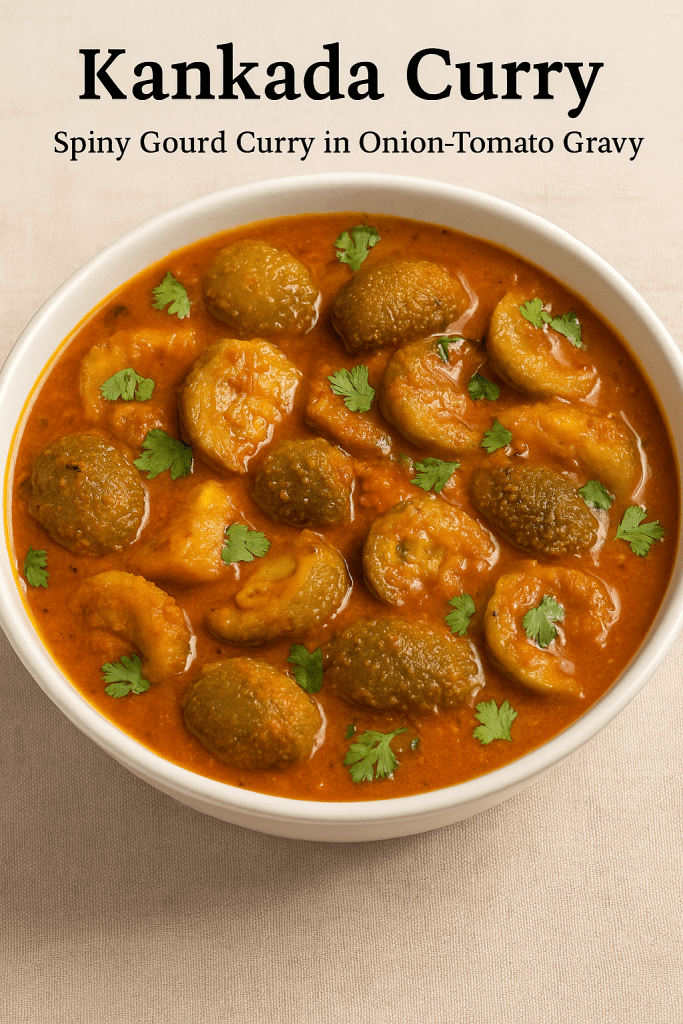
Kankada Curry (Spiny Gourd Curry in Onion-Tomato Gravy)

Introduction

As the first rains of monsoon arrive, local markets in parts of India (especially Odisha and North India) overflow with fresh kankada – the spiny green gourds that herald the season. This seasonal vegetable (Momordica dioica) is eagerly awaited because it’s not only tasty but also packed with nutrients. In fact, there’s wisdom in eating seasonal produce: spiny gourd is said to have unique nutritional value that helps ward off seasonal illnesses during the rainy season. My family always believed that these little gourds help keep us healthy when monsoon colds and coughs are common.

Kankada – also known as kantola or kakrol in other parts of India – has a unique flavor profile. It’s mildly bitter (nowhere near as bitter as karela, the bitter melon) and takes on a soft, almost meaty texture when cooked. I remember how my mother would turn these spiky little veggies into a delicious curry, simmering them gently in an onion-tomato gravy. The slight bitterness would mellow into a rich, savory taste, making this curry a beloved comfort food at home. Spiny gourd is used in regional cuisines across India, and this curry version is inspired by the Odia/North Indian style of preparation – simple, homely, and letting the vegetable shine.

A warm bowl of Kankada Curry (spiny gourd curry) in onion-tomato gravy, garnished with fresh coriander. This curry showcases tender spiny gourd pieces coated in a lightly spiced masala. The vibrant color comes from ripe tomatoes and turmeric in the gravy, making it as appealing to the eyes as it is to the palate. It’s a true monsoon delight that brings both comfort and nutrition to the table.

Ingredients

(Serves 4)

Spiny gourd (Kankada/Kantola) – 250 grams (about 10 small spiny gourds)

Onion – 1 medium, finely chopped

Tomatoes – 2 medium, finely chopped (or pureed)

Ginger – 1-inch piece, grated or minced

Garlic – 4 cloves, minced

Green chili – 1, slit lengthwise (optional, for extra heat)

Turmeric powder – 1/2 teaspoon

Red chili powder – 1/2 teaspoon (adjust to taste)

Coriander powder – 1 teaspoon

Cumin seeds – 1 teaspoon

Garam masala – 1/2 teaspoon (add at the end for aroma)

Salt – 3/4 teaspoon, or to taste (plus a pinch for pre-frying)

Oil – 3 tablespoons (traditional Odia/North Indian recipes often use mustard oil for extra flavor, but any vegetable oil works)

Water – approx. 1 cup (as needed for the gravy)

Fresh coriander leaves – 2 tablespoons, chopped (for garnish)


Optional: 1 medium potato, peeled and cubed (if you want to add some potato to the curry for extra body; fry it along with the spiny gourds in step 1).

Step-by-Step Instructions

1. Prep the Spiny Gourds: Wash the kankada (spiny gourds) thoroughly and pat them dry. Trim off the stem ends. Cut each spiny gourd into pieces – you can halve or quarter them if they are small, or slice into thick rounds/wedges. (If the seeds inside are very hard, scrape those out and discard; tender seeds can remain.)


2. Shallow-Fry the Gourd (and Potato): Heat 2 tablespoons of oil in a kadai or deep pan on medium heat. Once the oil is hot, add the cut spiny gourd pieces (and potato cubes, if using). Sprinkle a pinch of salt and 1/4 teaspoon of turmeric over them. Sauté or shallow-fry for about 5–6 minutes, stirring occasionally, until the gourds get lightly browned and are half-cooked. This initial fry with salt and turmeric enhances the flavor and reduces the gourd’s slight bitterness. Remove the partially cooked spiny gourd (and potatoes) from the pan and set aside.


3. Prepare the Masala Base: In the same pan, there should be a little oil left; if not, add another 1 tablespoon of oil. Heat it on medium. Add the cumin seeds and let them splutter for a few seconds. (If using mustard oil instead of regular oil, heat it until it just starts to smoke before adding the seeds, to reduce its pungency.) Once the cumin is fragrant, add the chopped onions. Sauté the onions for about 4-5 minutes, stirring, until they turn golden-brown and softened.


4. Add Ginger, Garlic, and Chili: Add the minced ginger and garlic (and the slit green chili, if using) to the sautéed onions. Cook for 1-2 minutes, stirring continuously, until the raw smell of garlic disappears. Be careful not to burn the garlic.


5. Cook the Tomatoes: Stir in the chopped tomatoes. Add a pinch of salt (this helps the tomatoes cook down faster). Cook the onion-tomato mixture for about 5-7 minutes, mashing the tomatoes with the spoon, until the tomatoes turn soft and pulpy and the oil starts to release from the masala. You want this base to be a fairly smooth gravy. (If you prefer an extra-smooth gravy, you can cool this onion-tomato mixture and blend it to a paste, then return it to the pan – but this step is optional.)


6. Add the Spice Powders: Once the tomatoes are cooked down, lower the heat and add the dry spices – turmeric powder (if any remains from frying step), red chili powder, and coriander powder. Stir well and sauté the spices with the onion-tomato masala for another 1 minute. This toasts the spices and brings out their flavors. If the masala is very dry and sticking, sprinkle a few drops of water to prevent burning.


7. Combine Gourd with Masala: Add the partially fried spiny gourd pieces (and potato) into the pan. Stir to coat the pieces in the masala. Sauté together for 2-3 minutes so that the gourds absorb the flavors of the spices.


8. Add Water and Simmer: Pour in about 1 cup of water (enough to submerge the gourd pieces about 3/4 of the way). Stir and bring the curry to a gentle boil. Then reduce the heat to low, cover the pan with a lid, and let it simmer. Cook for about 8-10 minutes, or until the spiny gourds become tender but not mushy. Stir occasionally to prevent sticking. (If you cover the pan, check and stir every few minutes so nothing burns on the bottom.) The gourds should be soft enough to pierce with a fork, and the gravy will have slightly thickened.


9. Finish with Garam Masala: Once the vegetables are cooked through and the curry has reached your desired consistency (you can add a bit more water if you want more gravy, or simmer uncovered for a few extra minutes to thicken it), turn off the heat. Sprinkle the garam masala powder and half of the fresh coriander leaves into the curry and stir. Cover and let it rest for 2 minutes so the garam masala aroma infuses the dish.


10. Garnish and Serve: Transfer the Kankada Curry to a serving bowl. Garnish with the remaining chopped coriander leaves. Serve it hot. (See Serving Suggestions below for ideas on what to pair this curry with.)


Tips for Selecting and Prepping Spiny Gourd (Kankada)

Choosing the Right Gourds: Pick fresh, firm, bright green spiny gourds when they’re in season (rainy months). Smaller, locally grown gourds are often more flavorful and less mature – in fact, the small local variety of spiny gourd has a far better taste than the bigger, commercial variety. Avoid any that have yellow or orange patches or feel soft, as those may be overripe or starting to spoil.

No Need to Peel: Despite their prickly appearance, the “spines” on these gourds are actually quite soft. You do not need to peel or scrape off the skin. Simply scrub the spiny gourds gently and rinse well under water to remove any dirt. The skin is edible and becomes tender upon cooking.

Cutting and Seeding: Use a sharp knife to trim the tip and stem ends. Cut the gourd into uniform pieces so they cook evenly – you can slice them into rounds or wedge them into halves/quarters depending on size. Check the seeds: if you find large, hard seeds, it’s best to scoop those out and discard them, as they can be tough to eat. If the seeds are small and tender, you can leave them in – they are absolutely fine to eat once cooked.

Reducing Bitterness: Spiny gourd has only a mild bitterness, but if you are sensitive to it, there are a couple of traditional tricks. One method is to sprinkle the raw cut pieces with a little salt and let them sit for 10-15 minutes; the salt will draw out some bitterness and moisture. Rinse and pat dry before cooking. Another method is exactly what we do in this recipe – shallow-fry the pieces with a bit of salt and turmeric initially. This not only reduces any bitterness but also gives the gourds a nice flavor boost. Either way, you’ll be rewarded with a pleasantly flavored curry.

Using Mustard Oil (Optional): In Eastern India (including Odia cuisine), mustard oil is often the cooking medium for vegetables like kankada. If you choose to use mustard oil for an authentic touch, remember to heat it until it just begins to smoke before adding your spices or veggies. This step removes the raw pungency of mustard oil and brings out its nutty aroma. Always reduce the heat before adding ingredients after smoking the oil, to avoid burning them.

Enriching the Gravy: This curry is delicious as is, but if you want to make the gravy richer, you can take inspiration from some regional cooks who add nuts or seeds. For example, grinding a tablespoon of pumpkin seeds or cashews into the onion-tomato masala can thicken the gravy and add nutrients. One recipe even notes that adding pumpkin seeds makes the curry more nutritious and adds healthy omega-3 fats. This is optional, but a nice twist if you want a creamier consistency.


Serving Suggestions

With Rice: Kankada Curry is often enjoyed with plain steamed rice. In Odisha, a serving of hot rice topped with this spiny gourd curry is a comforting meal. You can also serve it alongside dal (lentil soup) and rice as part of a traditional lunch. The mild bitterness of the gourd curry pairs well with the neutral taste of rice and dal, creating a balanced, homely platter.

With Indian Breads: This curry also goes wonderfully with Indian flatbreads. Serve it with soft rotis or chapatis, or even with parathas. The onion-tomato gravy is perfect for scooping up with bread. For a North Indian style meal, you can pair the spiny gourd curry with roti and perhaps a side of yogurt.

Complete the Meal: To elevate the meal, add a side of raita (a yogurt-based side dish) – for example, a cucumber or mint raita will cool the palate and complement the spices of the curry. A small salad or a few slices of onion and a wedge of lemon can be served for freshness. You might also include a crispy papad and a tangy pickle on the side for extra crunch and zing. These little additions turn the meal into a satisfying Indian thali experience.

Enjoy Seasonal Goodness: This curry is a star of monsoon season, so enjoy it when you can find fresh spiny gourds. It makes for a wholesome vegetarian main course. During cooler rainy evenings, you could even serve it with a comforting bowl of khichdi (rice-lentil porridge) – the smooth khichdi and spiced gourd curry make a nourishing combination. And if you’re in the mood, a glass of chilled buttermilk (chaas) on the side would be the perfect traditional beverage to wash it down.


With its warm, lightly spiced gravy and the unique flavor of seasonal spiny gourd, Kankada Curry is a dish that brings together health and taste. Enjoy this regional Indian delicacy with your family, and savor the taste of the monsoon on your plate! Happy cooking! 😋

Breakfast

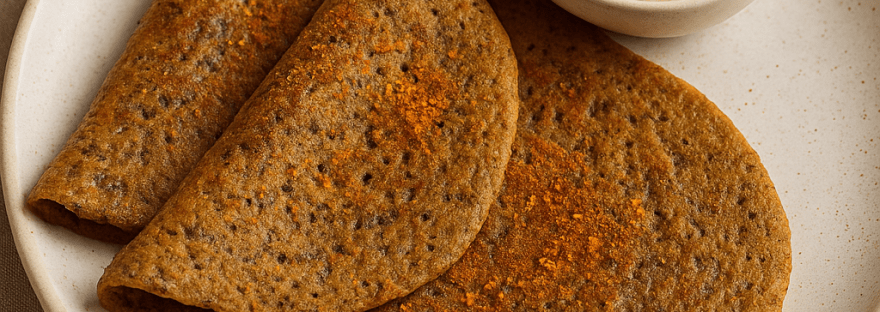
Whole Chana Dosa (Black Chickpea Dosa) – Protein-Rich & No Fermentation Needed

Introduction: There’s nothing like starting the day with a warm, crispy dosa. Lately, I’ve been experimenting with healthier twists on traditional recipes, and that’s how I fell in love with Whole Chana Dosa. This unique South Indian crepe swaps the usual urad dal for whole black chickpeas (kala chana), creating a high-protein, high-fiber batter that yields delicious dosas without any fermentation wait time. The first time I tried it, I was amazed by how crispy and flavorful the dosas turned out, with a nutty aroma from the chickpeas. It reminded me of pesarattu (the Andhra moong dosa) but with an entirely different taste – and it stays tasty even after cooling down, making it great for lunch boxes too!

Using kala chana in a dosa is a game-changer for health-conscious foodies. These black chickpeas are often called a powerhouse of nutrition, packed with plant-based protein and dietary fiber. In fact, 100 grams of kala chana provides roughly 20 g of protein and 12 g of fiber, which help keep you full longer and energized throughout the day. The combination of fiber and low-glycemic carbs in chana means this dosa offers steady, slow-release energy without spiking blood sugar levels. As someone who’s always on the lookout for diabetic-friendly or weight-management recipes, this has quickly become a favorite. Plus, it’s completely vegan and gluten-free, fitting perfectly into a variety of healthy diets.

Another thing I adore about Whole Chana Dosa is the ease of preparation. Unlike traditional dosa batter that needs overnight fermentation, this recipe only requires a bit of planning to soak the ingredients, and then you can blend and cook – no fermentation required. On busy mornings, I simply soak the rice and chana the night before. By breakfast time, the ingredients are ready to be ground into a batter and turned into golden-brown dosas in minutes. It’s instant gratification for dosa lovers! The batter doesn’t need to sit and sour (though you can ferment if you prefer a slight tang), so it’s perfect for those days when you want homemade dosas without the long wait. Despite the shortcut, the dosas come out soft on the inside and crispy on the edges, and my family can’t really tell the difference from regular dosas. In fact, this recipe uses a higher proportion of protein-rich chana to rice, making it a nourishing breakfast choice for both kids and adults.

Now, let’s get into the details of how you can make this Whole Chana Dosa at home. I’ll walk you through the ingredients, step-by-step instructions (with some handy tips), a few fun variations, and how best to serve and enjoy these dosas. Whether you’re a seasoned cook or a beginner, you’ll find this recipe straightforward and rewarding. Let’s get cooking this wholesome, protein-packed dosa!

Ingredients

To make approximately 8–10 Whole Chana Dosas (Black Chickpea Dosas), you will need:

Whole black chickpeas (kala chana) – 1 cup (dried measure).

Raw rice – 1 cup. You can use regular short-grain rice or idli/dosa rice.

Fenugreek seeds (methi) – ½ teaspoon (optional, for flavor and aiding digestion).

Water – for soaking and grinding (around 2 to 3 cups, as needed).

Salt – ~1 teaspoon (or to taste).

Oil – as needed for greasing and roasting the dosas (use any neutral oil or traditional sesame/gingelly oil for authentic flavor).


Optional add-ins (for extra flavor, can be blended into the batter):

Fresh ginger – 1 inch piece.

Green chilies – 1–2, or to taste (for a spicy kick).

Cumin seeds – ½ teaspoon.

A few curry leaves or coriander leaves – for herbal aroma.

A pinch of turmeric – for color and subtle earthiness.


These optional ingredients will give your chana dosa a lovely savory flavor, almost like a spiced adai. You can omit them for a plain version (which will have a mild nutty taste from the chickpeas).

Step-by-Step Instructions

1. Soaking:
In a large bowl, combine the whole kala chana and rice (add the fenugreek seeds here if using). Rinse them thoroughly a couple of times. Pour in enough fresh water to cover the grains and legumes by a few inches. Soak for at least 6–8 hours or overnight. Soaking is crucial – it softens the chickpeas (which are quite hard when dry) and ensures they grind up easily. (Tip: If you’re short on time, use hot water to soak and give at least 4 hours, but overnight is best for smooth grinding.)

2. Grinding the Batter:
After soaking, drain the water and rinse the chana and rice once more. Transfer them to a blender or wet grinder. If you soaked everything together, you can grind together; if you soaked separately for any reason, you can combine them now. Add the optional ginger, chilies, and cumin seeds at this stage for a spiced version. Pour in ¼ to ½ cup of water to help with grinding, and grind the mixture. Stop to scrape down the sides and add more water as needed. Grind to a batter that is mostly smooth – it can be slightly coarse (a bit of graininess can make the dosa crispier), but there should be no whole chana bits. Aim for a consistency similar to regular dosa batter: pourable but not super thin. (If using a smaller mixer, grind in batches to avoid overheating.)

3. No Fermentation Needed:
Once the batter is ready, transfer it to a bowl. At this point, unlike a traditional dosa, you do not need to ferment it. This batter can be used immediately to make dosas – a huge time-saver! Just add salt (about 1 teaspoon or adjust to taste) and mix the batter well. You’ll notice the batter is a light brownish-beige from the black chickpeas. If you prefer, you can let the batter rest for 10–15 minutes while you preheat the pan, but lengthy fermentation isn’t required. (If you do like a hint of sourness, you could let it sit for 4–6 hours in a warm place, or even overnight in the fridge; but this is purely optional.)

4. Preparing the Pan:
Heat a dosa tawa or flat griddle on medium heat. Cast-iron tawas work great for crisp dosas (ensure it’s well seasoned), or you can use a non-stick pan for ease. Once the pan is hot, grease it lightly with a few drops of oil. You can use a half onion or paper towel to spread the oil evenly. The pan should be hot but not smoking – you can test by sprinkling a few drops of water; they should sizzle and evaporate quickly.

5. Spreading the Dosa:
Stir your batter (it tends to thicken a bit on standing; add a tablespoon of water if it has become too thick). Pour a ladleful of batter onto the center of the hot pan. Using the back of the ladle, spread the batter in a spiral motion. Because of the chickpeas, you might find it a tad thicker to spread than a regular dosa batter – that’s okay. You can make it slightly thick like an uttapam or thin like a crepe, as you prefer (thin ones will be crisper, thick ones will be soft). Note: You might not get paper-thin dosas; chana dosas usually can’t be as ultra-thin as plain dosas, but they will still turn out crisp. Aim for a medium-thin circle about 6–8 inches in diameter.

6. Cooking:
Drizzle a little oil (½ tsp to 1 tsp) around the edges of the dosa and a few drops on top. This helps it crisp up and release from the pan. Let the dosa cook on medium heat until the bottom side is golden-brown. You’ll see the edges turning crisp and lifting slightly from the pan. Because this batter has dal (chickpeas) but no urad, it may take a bit longer to cook and achieve that golden color – be patient and avoid high heat (which can burn it). Once the bottom is nicely browned (about 2–3 minutes), gently slide a spatula under the dosa. If you spread it thin, you might not need to flip it. For slightly thicker dosas, or just to ensure even cooking, flip the dosa and cook the other side for another 1 minute until lightly cooked. Roast both sides on a medium flame for the best texture (especially if the dosa is thick or you added onions/herbs on one side). When done, it should be crispy at the edges and cooked through in the middle.

7. Repeat:
Transfer the cooked dosa to a plate. Before making the next one, check if the pan is too hot (reduce heat slightly or splash a bit of water and wipe, if needed, to cool it down so the batter spreads evenly). Stir the batter each time before pouring, as ground chana can settle a bit. Continue spreading and cooking dosas with the remaining batter. You do not need to ferment or wait – just make dosas one after the other. If the batter becomes too thick as it sits, mix in a spoon or two of water. If it’s too thin and not forming shape on the pan, you can mix in a tablespoon of rice flour to thicken it slightly.

8. Serving:
Serve the hot Whole Chana Dosas immediately for the best taste and texture (they’re crisp outside and soft inside when hot). They pair beautifully with chutneys and other sides – see Serving Suggestions below for ideas. Enjoy your healthy, homemade protein-rich dosas!

Optional Variations and Tips

Spice & Herb Variations: As mentioned, you can customize the batter by blending in aromatics. For a spicy kick, grind 1–2 dry red chilies or extra green chilies with the batter (this can turn it into a “adai” style dosa with heat). You can also stir in finely chopped onions, curry leaves, or coriander leaves into the finished batter for extra flavor and texture. A pinch of asafoetida (hing), as used in some traditional recipes, can add a nice depth (especially if you skip onions/garlic). These additions make the dosa even more flavorful and aromatic.

Ratio of Rice to Chana: The recipe above uses 1:1 ratio for simplicity and balance. You can experiment with ratios – some recipes use more chana and less rice for an even higher protein dose. For example, using 1 cup chana with ½ cup rice will still work and yield slightly softer dosas that are super high in chickpea content. If you prefer extra crisp dosas, you can increase the rice portion (e.g., 2 parts rice to 1 part chana, as some do), but keep in mind this reduces the protein percentage. Feel free to find your perfect balance between crispiness and protein richness.

Using Sprouted Chana: If you have time, try sprouting the kala chana before making dosa. Sprouted legumes can be even more nutritious and easier to digest. You would soak the chana, then drain and let them sprout for a day or two. Sprouted chana can be used in the same way to grind the batter – it’s a great way to boost nutrient absorption.

Texture Tips: If your dosas are coming out too thick or chewy, try grinding the batter a bit smoother and thinning it with a little more water. A smooth batter will allow you to spread thinner, resulting in crisper dosas. Conversely, if you want soft, spongy dosas, you can keep the batter slightly thick and even cover the dosa while cooking to trap steam. Remember, chana dosa batter ferments quickly on its own if left out (thanks to naturally occurring bacteria on legumes). If you make the batter ahead and refrigerate it, it might develop a mild fermentation by next day – still tasty, but the fresh batter flavor is best.

No Blender? If you don’t have a powerful blender, you can try using chickpea flour (besan) for an instant version of this dosa (though the taste will differ). Mix 1 cup besan with ¼ cup rice flour, add spices, and water to make a batter. This can be cooked immediately as a quick fix. However, for authentic flavor and nutrition, using whole soaked chana is recommended.

Leftover Batter: You can store any leftover batter in the fridge for a day. It may thicken; just add water to bring it to consistency before use. The batter might acquire slight sour notes as it sits (which some people enjoy). If it smells overly fermented or foamy, add a pinch of baking soda and stir – this will refresh the batter and also make dosas a bit lighter. If the batter became too thin, a tablespoon of rice flour can help thicken it back up.


Serving Suggestions

Whole Chana Dosa is best enjoyed hot off the griddle. Here are some serving ideas to complement its hearty, nutty flavor:

Coconut Chutney: A classic accompaniment for any dosa. The cool, creamy coconut chutney (try it with a hint of ginger or mint) goes wonderfully with the earthy taste of chana dosa. Tip: Ginger chutney (allam chutney) or peanut chutney also make great pairings.

Spicy Tomato or Onion Chutney: Tangy and spicy chutneys (like tomato-onion chutney or red chili chutney) add a nice zing. The sweetness of tomato balances the dosa’s nuttiness.

Sambar: For a more filling meal, serve these dosas with a bowl of hot sambar (South Indian lentil-vegetable stew). The protein in the dosa and the protein in sambar (made from lentils) make it an incredibly satisfying combo.

Dry Chutney Powders (Podi): You can sprinkle molagapodi (spiced lentil powder, aka “gunpowder”) on the dosa and drizzle with a touch of ghee or oil. This turns the chana dosa into a flavorful, spicy treat.

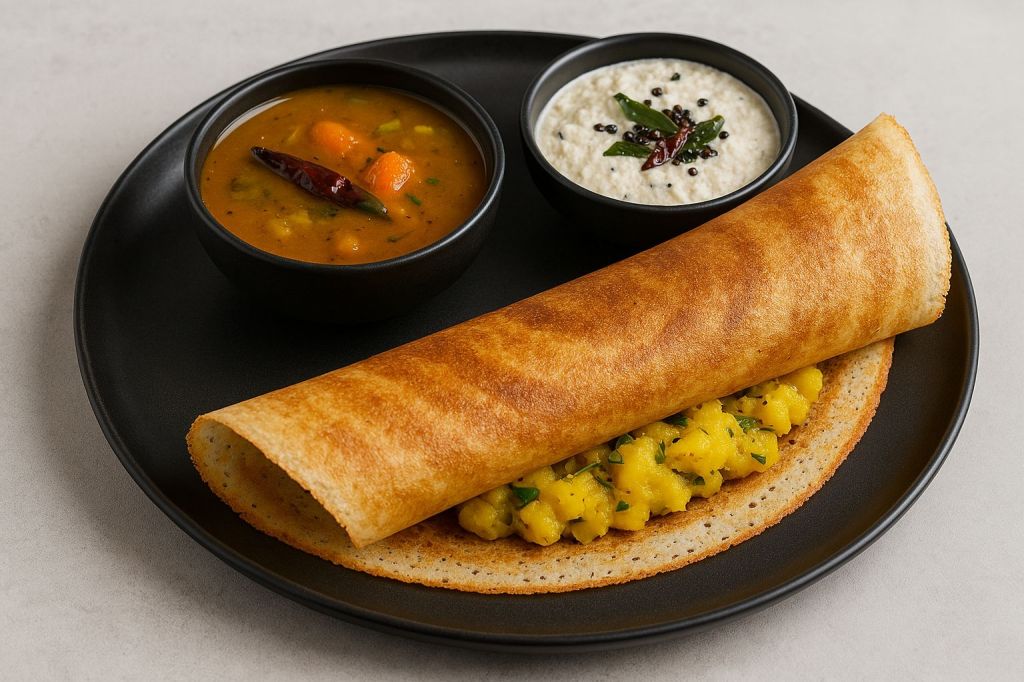
Stuffing Option: Transform your chana dosa into a masala dosa by stuffing it! As suggested by some, you can fill it with a simple potato masala (spiced potato filling) to make a Chana Masala Dosa. The crispy chickpea dosa with soft curried potatoes inside is a match made in heaven. Just remember to make the dosas slightly thicker if adding a moist filling, so they hold up.

Chutney Powder & Jaggery: For kids, sometimes a sprinkle of peanut chutney powder and a tiny bit of jaggery (unrefined cane sugar) on the dosa can be enjoyable – a mix of sweet and savory on the high-protein base.


Don’t forget a cup of hot South Indian filter coffee or masala chai on the side to complete the experience if you’re serving this for breakfast! However you serve it, relish each bite knowing you’re getting a dose of health with deliciousness.

Conclusion & Personal Take

Whole Chana Dosa has become a regular in my home for all the right reasons – it’s healthy, easy, and incredibly tasty. With its crispy edges, soft center, and rich savory flavor, it’s hard to believe this dosa is made with just soaked chickpeas and rice without the typical fermentation. It’s a great way to include the goodness of legumes in your diet in a fun, appetizing form. After learning about how nutritious black chickpeas are – loaded with protein, fiber, and even aiding in appetite control and blood sugar management – I appreciate this dish even more.

I often tell my friends who are looking to add more protein to their vegetarian diet about this recipe. It’s also an excellent option for those who have trouble digesting traditional dosa (which uses urad dal) or want to avoid the fermentation process. Each bite of this dosa feels like comfort food and health food combined. Plus, it’s beginner-friendly – even if you’re new to making dosas, this batter is quite forgiving. My advice is to definitely give Whole Chana Dosa a try. You might be pleasantly surprised, just like I was, at how such a simple ingredient swap can lead to a breakfast that’s both nourishing and delightful. Happy cooking, and enjoy your protein-packed dosa!

References: Nutritional benefits of kala chana (black chickpeas) have been highlighted from reliable sources to emphasize the healthfulness of this recipe. This dosa is inspired by traditional Indian recipes and personal experimentation, combining the wisdom of Indian home cooking with a healthy twist. Enjoy your meal!

Lunch & Dinner

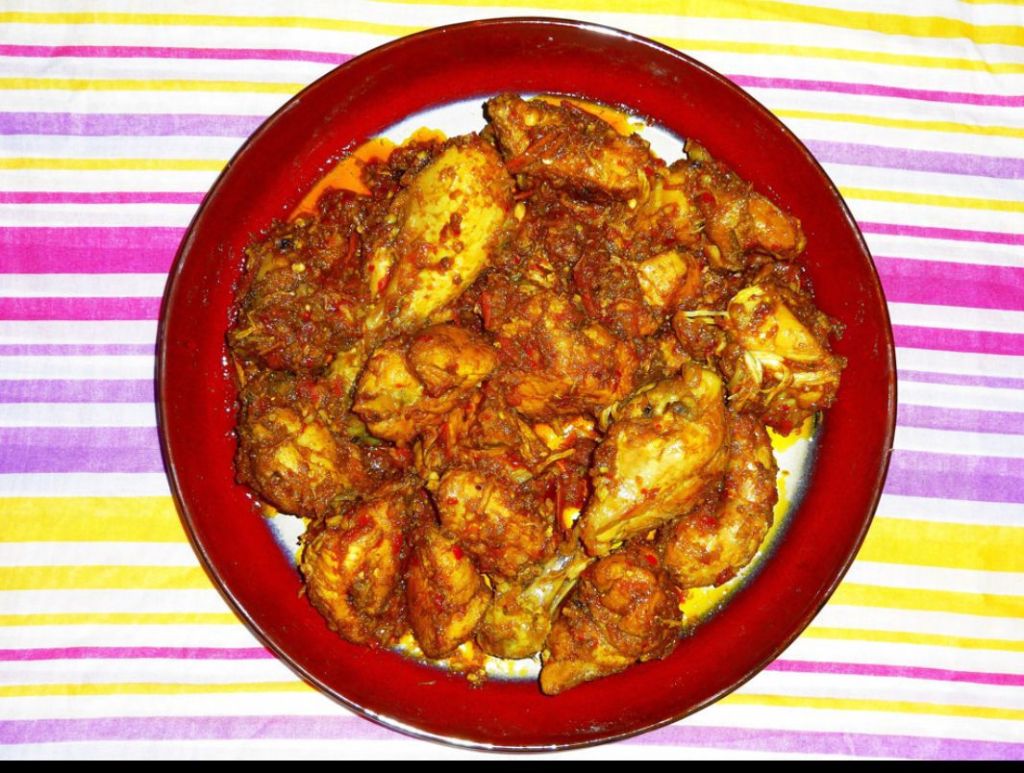
Chicken Bhuna Masala

One whiff of Chicken Bhuna Masala simmering on the stove takes me straight back to my childhood kitchen. The aroma of bhuna – spices and aromatics frying slowly in oil – would fill the house and draw everyone to the table. This dish is a classic North Indian curry where chicken is stir-fried and then slow-cooked in a spicy, fragrant onion-tomato masala until tender, each piece coated in a finger-licking flavorful sauce. It’s the kind of rich, hearty curry that warms you from the inside, perfect for a family feast or a cozy dinner reminiscing about home.

The word “bhuna” literally means “to fry” or “to sauté,” referring to the cooking method of patiently frying onions, tomatoes, and spices to build a deep flavor base. In a traditional Bhuna, the chicken is added to this base and slow-cooked in its own juices with little to no added water, intensifying the flavors as the masala reduces. The result is a semi-dry curry – unlike a runny gravy, here a thick, concentrated sauce clings to the chicken instead of pooling around it. The magic of Chicken Bhuna Masala lies in this slow browning and layering of flavors: sweet browned onions, tangy tomatoes cooked down until jammy, and aromatic spices toasted to perfection. The cooking process may take a bit of time and love, but the reward is an irresistibly rich, spicy curry that hits all the right notes.

A plate of Chicken Bhuna Masala, a semi-dry curry where the thick masala clings to each piece of chicken. This rich, spicy dish is slow-cooked to achieve its signature deep flavors and thick consistency. Notice how the sauce is reduced and hugging the chicken pieces — that’s exactly what defines a great Bhuna Masala!

Ingredients

1 kg (2.2 lbs) chicken, cut into medium pieces (bone-in preferred for more flavor; you can use boneless, but bone-in yields a richer taste)

1 tbsp ginger-garlic paste, divided (½ for marinating, ½ for cooking) – or use 1-inch ginger + 5 garlic cloves, minced

1 tbsp fresh lemon juice – for marinating the chicken (tenderizes and adds tang)

½ cup plain yogurt (curd) – at room temperature, whisked until smooth

3 tbsp cooking oil (vegetable oil or mustard oil for authenticity; or use 2 tbsp oil + 1 tbsp ghee for extra flavor)

2 large onions, finely chopped (about 2 cups)

3 medium tomatoes, finely chopped (or 1 cup tomato purée)

2 green chilies, slit lengthwise (adjust to taste; these add aroma and heat)

Whole spices: 1 bay leaf, 4 green cardamom pods, 4 cloves, 1-inch cinnamon stick, 2 dried red chilies (optional, for extra smoky heat)

Spice powders:

2 tsp coriander powder

1 tsp cumin powder

½ tsp turmeric powder

2 tsp Kashmiri red chili powder (for a rich red color, mildly spicy) – or 1 tsp regular hot red chili powder (for more heat, adjust to your spice level)

1 to 1½ tsp garam masala, divided (1 tsp for cooking, plus an extra ½ tsp to finish)


1 tsp salt, or to taste (divide: use a pinch for marinating, remainder in the masala)

1 tsp dried fenugreek leaves (Kasuri Methi), crushed between your fingers (optional but highly recommended for a finishing aroma)

Fresh cilantro leaves for garnish (a small handful, chopped)


Tip: Try to cut the chicken into uniform bite-sized pieces. This ensures even cooking throughout.

Instructions

1. Marinate the Chicken: In a large bowl, combine the cleaned chicken pieces with ½ tablespoon of the ginger-garlic paste, 1 teaspoon of salt (or simply a generous pinch, since you’ll add more salt later), and the lemon juice. Rub this all over the chicken. Tip: If you have 30 minutes or more, let the chicken marinate – this helps infuse flavor and keeps it juicy. You can even cover and refrigerate it for several hours or overnight for deeper flavor. (If short on time, even a quick 10-minute marinade while you prep other ingredients is beneficial.)


2. Prepare the Bhuna Masala Base: Heat the oil (or oil+ghee) in a heavy-bottomed pan or kadhai over medium heat. Add the whole spices (bay leaf, cardamoms, cloves, cinnamon, and dried red chilies). Sauté for a minute until they sizzle and release their aroma. Now add the chopped onions and a pinch of salt. Fry the onions on medium heat, stirring frequently, until they turn golden-brown. This will take about 10 minutes – be patient and avoid high heat. Tip: Browning the onions slowly is crucial for a rich bhuna masala; the deep caramelized onions will give sweetness and depth to the curry. Stir often and scrape the bottom of the pan to prevent burning (add a teaspoon of water if the onions start sticking too much).


3. Layer in Ginger, Garlic & Spices: Once the onions are nicely browned, add the remaining ½ tablespoon of ginger-garlic paste. Sauté for about 1 minute until the raw smell disappears. Reduce the heat to low, then add all the ground spice powders except the garam masala (we’ll use that later). This includes the coriander, cumin, turmeric, and red chili powders. Stir them into the onion mixture and fry for 30-60 seconds on low heat. Tip: Keep the heat low at this stage – you want to bhunao (gently roast) the spices in the oil without burning them. This step blooms the spices and layers the oil with flavor, which will coat the chicken later. You should smell the fragrant spices toasting – that’s a sign they’re releasing their goodness.


4. Add Tomatoes and Cook Until Masala is Thick: Stir in the chopped tomatoes (and any tomato paste if using). Increase heat to medium. Cook the tomatoes with the onions and spices, stirring occasionally, until the tomatoes break down completely. This will take another 7-10 minutes. As the tomatoes cook, they’ll release moisture; scrape up any browned bits from the pan so they mix into the sauce. Cook until you see the oil start to separate from the masala or edges of the pan – you’ll notice the paste thickening and darkening in color. This “oil release” is a key indicator that your bhuna masala base is well cooked and the raw tomato flavor is gone. If at any point the masala gets too dry and starts sticking, add a splash (a few tablespoons) of hot water to loosen it. (Don’t worry – adding a little water here won’t make it into a gravy, it’ll just help everything cook down and prevent burning.)


5. Incorporate the Yogurt: Lower the heat to very low. Add the whisked yogurt to the pan, stirring continuously as you pour it in. Mix it well into the onion-tomato masala. Keep sautéing on low heat for 2-3 minutes until the yogurt is fully blended and the masala once again becomes thick and starts to emit oil on the sides. Tip: Adding yogurt on low heat prevents it from splitting. For extra precaution, you can temper the yogurt by stirring a spoonful of the hot tomato-onion mixture into the yogurt bowl first, then pour it all back into the pan. The yogurt adds a lovely tang and richness to the bhuna masala, balancing the heat. Cook this mixture until it’s a thick paste and the oil leaves the sides of the pan – now your base is ready.


6. Add Chicken – The Bhuna (Frying) Step: Increase the heat to medium-high and add the marinated chicken pieces to the pan. Stir well so each piece is coated with the masala. Fry the chicken in the masala for about 5-7 minutes, stirring occasionally. The chicken will initially release some of its juices – let it cook uncovered during this time so that most of these juices evaporate. Tip: This step of briskly stir-frying the chicken with the masala on high heat is essential to bhuna cooking. It helps the spices and aromatics penetrate the meat and intensifies the flavor by reducing excess liquid. You want the chicken to start looking a bit seared on the outside. It’s okay (actually great) if the masala starts sticking to the pan a little – just keep scraping and stirring so it doesn’t burn.


7. Slow-Cook Until Tender: Now that the chicken is well sautéed, add about ¼ to ½ cup of hot water to the pan – just enough to create some steam and prevent scorching (remember, this curry should be semi-dry, not watery). Scrape up any browned bits, then cover the pan with a lid. Reduce the heat to low and let the chicken simmer gently for 15-20 minutes, or until it is fully cooked and tender. Stir occasionally to make sure the masala isn’t catching on the bottom. If it starts to dry out too much, you can add a few more tablespoons of water as needed (add it along the sides of the pan, not directly on the chicken, so you don’t cool the pan too much). The goal is a thick gravy that clings to the chicken. You’ll know it’s done when the oil separates again, the chicken is fork-tender, and the sauce is reduced and nicely coating the pieces. Tip: Traditionally, no extra water is added in a bhuna, but it’s fine to adjust slightly to prevent burning – you won’t dilute the taste. At this stage, taste the masala and adjust seasoning. Add a bit more salt if needed. If the curry tastes too tangy (from the tomatoes and yogurt), stir in a pinch of sugar to balance the flavors.


8. Finish with Aromatics: Once the chicken is cooked and you’re happy with the consistency of the masala, sprinkle the reserved ½ teaspoon of garam masala over the curry. Also add the crushed fenugreek leaves (Kasuri methi) and stir them in. These final touches will release a burst of aroma – the garam masala and fenugreek are your finishing flavor layer. Let the curry simmer for another 2 minutes uncovered, so these flavors infuse. Then turn off the heat. Garnish with freshly chopped cilantro. Optional: For the best flavor, cover the pan and let the Chicken Bhuna Masala rest for 5 minutes before serving. This resting time lets the spices mellow and merge, and you’ll notice the curry tastes even better.


Now your kitchen should be smelling absolutely divine, and it’s time to dig in!

Serving Suggestions

Chicken Bhuna Masala is best enjoyed hot. It pairs wonderfully with Indian breads or rice. Serve it with soft naan, flaky parathas, or simple chapati (roti) – the thick bhuna gravy is perfect for scooping up with bread. It’s equally delightful with a side of steamed basmati rice or fragrant jeera rice (cumin rice), allowing the bold curry flavors to shine. For a complete meal, consider serving a cooling cucumber raita (yogurt dip) or some fresh onion slices and lemon wedges on the side – the cool crunch and citrus will complement the rich, spicy chicken beautifully.

This rich and spicy Chicken Bhuna Masala is a real treat for the taste buds – the chicken is tender, the masala is deeply flavorful, and every bite comes with a punch of spice and tang. It’s the kind of dish that might even taste better the next day, as the flavors continue to develop (if you’re lucky enough to have leftovers!). Enjoy your Chicken Bhuna Masala with your loved ones, and savor each hearty, aromatic bite. Happy cooking!

Dessert

Traditional Phirni – Creamy Saffron Rice Pudding

Introduction

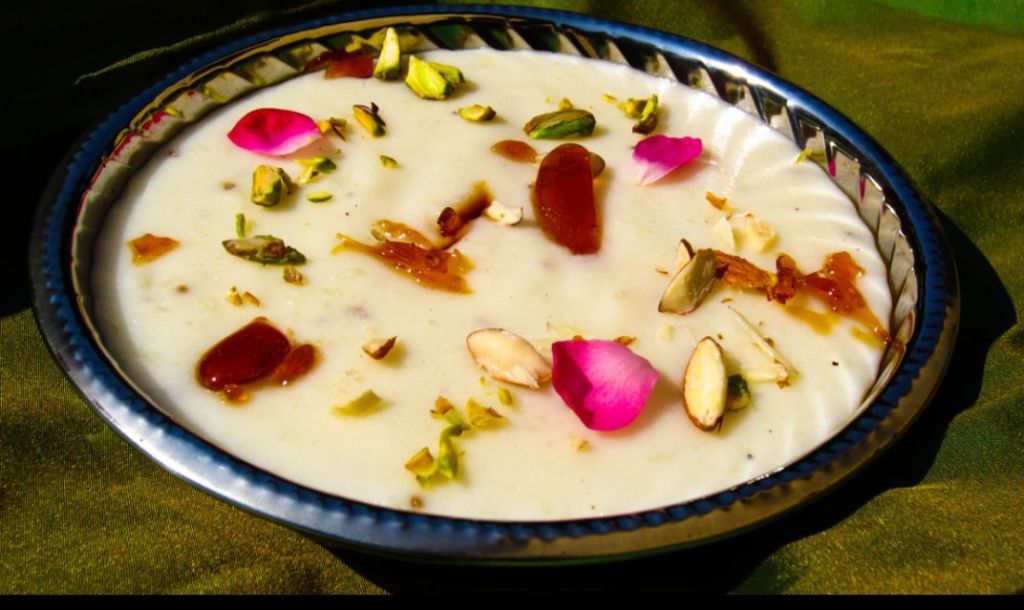
Bowl of chilled phirni garnished with pistachios, almonds, and rose petals.
Phirni (also known as firni) is a beloved North Indian dessert—a thick, creamy rice pudding cooked with milk and sugar, delicately flavored with saffron and cardamom. This classic treat is traditionally prepared during joyous celebrations like Diwali and Eid, and no family gathering feels complete without it. I remember my grandmother slow-cooking phirni on the stovetop, filling the house with the sweet aroma of simmering milk and spices, and then pouring it into small clay bowls to set. It’s believed that phirni has its roots in ancient Persia and was brought to India by the Mughal emperors. Over generations, it has become totally ingrained in Indian cuisine – a dessert that evokes nostalgia and warm family memories with every spoonful.

Ingredients

Basmati rice (raw) – ¼ cup (about 50 grams), rinsed and soaked

Whole milk – 1 liter (about 4 cups), full-fat for creaminess

Sugar – ½ cup (100 grams) or adjust to taste

Green cardamom – 4-5 pods, seeds crushed (or ½ teaspoon cardamom powder)

Saffron strands – 10-15 threads, steeped in 2 tablespoons warm milk

Almonds – 2 tablespoons, blanched and sliced (reserve some for garnish)

Pistachios – 2 tablespoons, sliced (for garnish)

Rose water (optional) – 1 teaspoon, for extra fragrance

Rose petals (optional) – a few, for garnish (washed, organic)

Earthen bowls (optional) – traditional clay bowls for setting and serving


Instructions

1. Prepare the Rice: Drain the soaked basmati rice and spread it on a clean cloth or plate to air-dry for 10-15 minutes. Once slightly dry, grind the rice into a coarse powder – aim for a texture like fine semolina (sooji). (You can also skip drying and grind the soaked rice directly to a paste, but a coarse texture is key for authentic phirni.)


2. Heat the Milk: In a heavy-bottomed pot, bring the milk to a gentle boil. Lower the heat to medium. Stir occasionally to prevent the milk from scorching at the bottom or forming a skin on top.


3. Mix in Rice: Take a few tablespoons of the hot milk and mix it with the ground rice to make a lump-free slurry. Slowly pour this rice-milk mixture into the simmering milk, stirring continuously. This step helps disperse the rice evenly and prevents any clumps from forming.


4. Cook the Pudding: Cook the rice and milk on low heat, stirring often with a spatula. As the mixture simmers, the ground rice will cook and the milk will begin to thicken. Scrape the sides and bottom of the pot regularly to avoid sticking. After about 10-15 minutes, the phirni will start to attain a velvety, thick consistency.


5. Sweeten and Flavor: When the rice is completely soft and the pudding has thickened, stir in the sugar until it dissolves. Add the crushed cardamom seeds and the saffron along with the infused milk. The saffron will impart a lovely golden hue and fragrance. Continue to cook for another 2-3 minutes, ensuring the sugar is fully dissolved and the flavors are well combined.


6. Finish with Nuts: Stir in the chopped or ground almonds (if using) and cook for another minute. Turn off the heat. The phirni should be creamy and thick, yet of pouring consistency (it will set further upon cooling).


7. Pour and Set: Pour the hot phirni into serving bowls. For an authentic touch, use small earthenware bowls (matka or shikora). The clay bowls naturally absorb excess moisture and enhance the texture and aroma of the phirni.


8. Chill: Let the bowls cool to room temperature, then cover them (with lids or foil) and refrigerate for at least 2 hours, or until the phirni is nicely chilled and firm. Phirni is always served cold for the best flavor and texture.


9. Garnish and Serve: Before serving, garnish each bowl of phirni with the reserved sliced almonds and pistachios. You can also sprinkle a few dried rose petals on top for a festive look. Serve the phirni chilled and enjoy the creamy, delicate flavors.


Tips for Texture and Flavor

Consistency of Rice: Grind the rice coarsely, not into a fine flour. A slightly grainy rice powder gives phirni its signature texture – creamy yet with a bit of body. If the rice is too finely ground, the pudding can become pasty; too coarse and it might be gritty, so aim for a happy medium.

Slow Cooking: Patience is key. Cook the phirni on a low flame and stir regularly. Slow cooking allows the milk to reduce and the flavors to concentrate, resulting in a richer taste. A heavy-bottomed pan is recommended to prevent burning.

Use Full-Fat Milk: Traditional phirni uses whole milk for a creamy richness. Skim milk won’t give the same results. For an extra indulgent version, you can even replace a portion of the milk with evaporated milk or add a couple of tablespoons of condensed milk, but the classic recipe is wonderful as is.

Flavor Enhancements: Saffron and cardamom are the classic flavorings – don’t skimp on them. Always bloom the saffron in warm milk before adding, to extract maximum color and aroma. If you don’t have saffron, a few drops of rose water or kewra (screw pine) essence can be added at the end of cooking for an aromatic twist.

Avoid Lumps: To prevent lumps, remember to stir the ground rice into milk slowly and whisk as you go. Creating a slurry with a bit of milk (as mentioned in the steps) is a handy trick to ensure a smooth result. If at any point you find lumps, you can also whisk vigorously or use an immersion blender briefly (off the heat) to smooth the pudding.

Sweetness Check: Phirni is meant to be sweet but not cloying. Taste the cooked mixture and adjust sugar if needed before setting it to chill. Keep in mind the cold temperature will slightly mellow the sweetness.


Serving and Storage Suggestions

Traditional Serving: For the most authentic experience, serve phirni in clay bowls. These bowls, called sakoras or matkas, not only look charming but also help thicken the dessert by absorbing moisture and add an earthy aroma. If you have them, soak the clay bowls in water for 30 minutes before use, which helps keep the phirni cold and prevents the bowls from drawing out too much liquid.

Garnish: Always top phirni with chopped nuts like almonds and pistachios for a lovely crunch that contrasts with the creamy pudding. Edible rose petals or a small sheet of edible silver leaf (chandi varq) can be added during festivals or weddings to make it look royal. A pinch of saffron strands on top of each bowl not only looks beautiful but hints at the flavor inside.

When to Serve: Phirni is best served chilled. Make it ahead of your event – it actually tastes better after a few hours as the flavors meld together. It’s a perfect dessert for festive occasions like Diwali, Eid, or family celebrations, and also a refreshing summer treat.

Storage: Keep phirni refrigerated until serving. If covered and kept cold, it stays fresh for about 2 to 3 days in the fridge. For longer storage, you can freeze phirni for up to a week, but the texture might turn slightly grainier upon thawing. Always store it in a well-sealed container or cover the bowls with cling film to prevent the pudding from absorbing any fridge odors.

Leftover Ideas: If you somehow have leftover phirni (which is rare in our home!), you can use it as a stuffing for pancakes or toast the next day for a fun fusion dessert. But generally, every last bit of this delicious pudding gets scraped clean from the bowl!


Enjoy your traditional homemade Phirni, and happy feasting! 😋

Snacks

Crispy Corn – BBQ Nation Style Indo-Chinese Appetizer

Crispy Corn is a beloved street-food inspired appetizer featuring golden fried corn kernels tossed in a light Indo-Chinese spice mix of tangy chaat masala and chillies. This crunchy vegetarian starter was first introduced by the Barbeque Nation restaurant chain in India and quickly became a crowd favorite. Diners can’t get enough of the sweet-and-spicy flavor and addictive crisp texture – even the kids and picky eaters often polish off an entire bowl in no time! If you’ve ever visited BBQ Nation, you likely remember this famous Crispy Corn appetizer and its burst of flavors.

A Bite of Desi-Chinese Fusion: Crispy Corn embodies the Indo-Chinese fusion vibe – think Indian chaat meets Chinese stir-fry. The corn kernels are fried to a delightful crunch and then tossed with spring onions, chillies, and spice powders that tingle your taste buds. It’s love at first crunch for many of us who tried it at the restaurant, and now this recipe lets you recreate that magic at home. In this blog-style recipe, we’ll walk through how to make perfectly crispy fried corn (with tips to keep the coating light and crunchy), plus a healthier air-fryer/oven variation. Let’s get frying!

Ingredients

For the Crispy Corn Kernels (Coating & Frying):

Sweet corn kernels – 2 cups (fresh or frozen; if frozen, thawed and drained)

Cornflour (corn starch) – 2 tablespoons

Rice flour – 2 tablespoons

All-purpose flour (maida) – 2 tablespoons

Salt – ½ teaspoon (or to taste)

Black pepper powder – ½ teaspoon (to taste)

Oil for deep frying – as needed (about 2-3 cups depending on pan size)


For Spice Mix & Toss:

Red chilli powder – ½ teaspoon (adjust for heat preference)

Ground cumin powder – ¼ teaspoon

Chaat masala – ½ teaspoon (or use ½ tsp dry mango powder/amchur + a pinch of black salt)

Salt – a pinch (to taste, for the toss)

Onion – 2–3 tablespoons, finely chopped (about 1 small onion)

Green chilies – 1, finely chopped (optional, for extra heat)

Capsicum (bell pepper) – 2 tablespoons, finely chopped (optional for color & crunch)

Fresh coriander leaves – 2 tablespoons, finely chopped

Lemon juice – 2 teaspoons (freshly squeezed, for tangy flavor)


Optional: If you have peri-peri seasoning, you can use ~1 teaspoon of it in place of the chilli and chaat masala for a BBQ Nation authentic twist. If you prefer a saucier Indo-Chinese finish, keep a teaspoon each of soy sauce, tomato ketchup, and honey on hand – but we will mostly stick to the dry spice mix to retain crispiness.

Instructions

1. Prep the Corn: If using fresh corn on the cob, remove the kernels from 2 cobs (approximately 2 cups kernels). Boil the fresh kernels in salted water for 2–3 minutes until just tender, then drain. If using frozen sweet corn, simply thaw and rinse with water, then drain. In either case, make sure to drain the corn thoroughly. The kernels should be moist but not water-logged – excess water will make the coating soggy and can cause oil splatters. Pat the corn dry with a paper towel if needed.


2. Coat with Seasoned Flour: Place the corn kernels in a large mixing bowl. Add a pinch of salt and the black pepper, tossing to lightly season the corn. Now add the cornflour, rice flour, and all-purpose flour to the bowl. Toss everything gently but thoroughly, so all kernels get a thin, even coating of the flour mixture. (Do not add water; the slight dampness of the corn is enough to make the flour stick.) A pro-tip is to put the flour-coated corn in a sieve or colander and shake it – this removes excess loose flour and ensures a light, uniform coating on each kernel. A thin coating is key to the signature crunch, so don’t skip sifting off the extra flour!


3. Heat the Oil: In a deep pan or wok (kadai), heat enough oil for deep frying over medium-high heat. To test the oil, drop in one coated corn kernel – it should sizzle and rise to the surface fairly quickly. The oil needs to be hot (around 170–180°C if you have a thermometer). Hot oil is crucial because frying at high heat will make the corn very crunchy without soaking up too much oil. Tip: Have a lid or splatter screen ready for the next step, as the corn can sometimes pop in the hot oil like popcorn!


4. Deep Fry in Batches: Carefully add a handful of the flour-coated corn kernels to the hot oil to form a single layer. Immediately cover the pan with a lid or mesh splatter guard for the first 30 seconds of frying – corn kernels may burst on contact with hot oil, and the cover will protect you and contain any splashes. After the initial sizzle and popping sounds subside (usually in 30–40 seconds), remove the lid. Fry the corn for about 2–3 minutes total per batch. Stir occasionally once it’s safe (using a long-handled slotted spoon) to ensure even frying. Fry until the kernels turn golden brown and crispy. They will harden further upon cooling, so no need to fry until very dark. Do not overcrowd the pan; fry in small batches so the oil temperature stays high and each kernel crisps up nicely. If you fry too much at once, the oil temperature can drop and the corn may turn out chewy instead of crunchy.


5. Drain Excess Oil: Use a slotted spoon to scoop out the fried corn and transfer it to a plate or tray lined with paper towels (or a wire mesh strainer). This will drain off any extra oil. For best results, you can also place the fried kernels in a clean metal colander so that they remain crisp (sitting on paper for too long can trap steam). Fry the next batch of corn, and repeat until all the corn kernels are fried. Remember to allow the oil to come back up to hot temperature between batches. Patience here yields ultra-crispy corn!


6. Toss with Spice Mix: Now, transfer all the hot fried corn kernels into a large mixing bowl. Sprinkle the prepared spice mix over the corn: add the red chilli powder, cumin powder, and chaat masala (with a pinch of extra salt if needed). Toss or stir the corn so all the fried kernels are well coated with the spices. You’ll notice the gorgeous aroma of the masalas sticking to the hot corn. Next, add the chopped onions, green chillies, capsicum (if using), and fresh coriander. Squeeze the lemon juice over the top. Give everything a final gentle toss to combine – the onions, herbs, and lemon will lend a refreshing kick to the crispy corn. Your BBQ Nation–style crispy corn is now ready!


7. Serve Immediately: Crispy Corn is best enjoyed immediately, while it’s hot and super crunchy. Transfer it to a serving bowl or platter. For an authentic touch, you can serve it in disposable paper cups or bowls (mimicking street-food style). Garnish with a few extra coriander leaves or a sprinkle of chaat masala on top. Pop in a few toothpicks or serve with a spoon and dig in while it’s fresh. This snack tends to lose its crispiness if left to sit too long, so try to prepare it right before serving. Enjoy the explosion of textures and Indo-Chinese flavors in each bite!


Tips for Maximum Crispiness

Maintain a Thin Coating: A thin, uniform flour coating on the corn is key to the crunch. Using a sieve to shake off excess flour ensures you don’t end up with clumpy or chewy fried bits. Excess flour in the oil can also burn, so remove it before frying.

Oil Temperature Matters: Fry at medium-high to high heat. If the oil is not hot enough, the corn may turn soggy with oil. Ideally, the corn should sizzle on contact and crisp up quickly. If you have a kitchen thermometer, aim for ~350°F (180°C). Between batches, let the oil heat up again.

Safety First – Watch out for Popping: As mentioned, corn kernels can pop like popcorn in hot oil. Always use a lid or splatter screen when you first add the corn to oil. After 30 seconds, once the popping stops, you can fry uncovered for better evaporation and crisping. Do not completely cover the pan for the entire fry duration, as trapped steam can drip water into the oil (causing splatters). A half-covered technique works well: cover initially, then slightly ajar the lid to let steam escape. Keep your face and hands at a safe distance and use long tongs or spoon. Frying in small batches also minimizes the popping incidents.

Serve Hot: Like most fried snacks, crispy corn softens as it cools. Plan to serve it right after frying and tossing. If you must wait, you can refry or reheat in an oven/air fryer for a couple of minutes to re-crisp. But fresh is best!


Air-Fryer / Oven Method (Healthier Variation)

If you prefer to avoid deep frying, you can still enjoy a crunchy crispy corn using an air fryer or oven. The results are slightly less evenly browned than oil frying, but much lighter on oil and still delicious. Here’s how:

Air-Fryer Method: Preheat your air fryer to 180°C (360°F). Follow the same preparation steps to boil (if needed) and coat the corn kernels with flour and spices. Lightly grease the air fryer basket or line it with perforated parchment. Spread the coated corn in a single layer (cook in batches if necessary). Spritz the kernels with a little cooking oil spray (or toss them with 1–2 teaspoons of oil to help them crisp). Air-fry the corn for about 12–15 minutes at 180°C, shaking the basket or stirring the corn 2–3 times during cooking. The corn should turn golden and crunchy. Keep an eye in the last few minutes – they can go from crispy to burnt quickly. If not sufficiently crisp, you can air-fry a few minutes longer at 200°C, but check often. Once done, immediately toss the hot corn with the spice mix, onions, etc. (as described in Step 6 above) and serve right away.

Oven Method: Preheat your oven to 200°C (390°F). Line a baking sheet with foil and lightly grease it with oil. Arrange the flour-coated corn kernels on the sheet in a single layer (for best results, brush or spray a little oil over the top of the kernels too). Bake for about 15–20 minutes, stirring once halfway through, until the corn kernels look crispy and lightly browned. For extra crunch, you can switch to the broil/grill setting for the last 1–2 minutes, watching carefully to avoid burning. Once done, toss the baked corn with the spice mix and garnishes. Serve immediately. (Note: Oven-baked corn might not be as evenly golden, but it will still be crunchy. Using the fan-forced convection setting, if available, can help with crispiness.)


Both these methods skip the mess of deep frying and yield a guilt-free version of crispy corn. The kernels won’t be quite as puffed as the deep-fried ones, but the difference is minor when you’re munching them seasoned and hot. Feel free to choose the method that suits your kitchen and mood!

Serving Suggestions

Classic Serving: Serve Crispy Corn hot in a bowl, with a lemon wedge on the side for an extra squeeze of freshness. You can sprinkle a pinch more chaat masala or peri-peri on top for an extra flavor kick right before eating.

Party Appetizer: This makes for an excellent party starter or evening snack. For a fun street-food presentation, serve the crispy corn in small paper cones or cups, and give guests spoons or toothpicks to pick up the kernels. It’s a hit at potlucks and game nights, often disappearing within minutes!

Accompaniments: You can enjoy crispy corn on its own or pair it with a dipping sauce. It goes well with tomato ketchup, schezwan sauce, or even a spicy mayonnaise on the side for dipping. However, it’s already full of flavor and usually doesn’t need any condiments. A cold drink or a hot cup of chai also complements the spicy corn nicely.

Variations: Transform your crispy corn into a larger snack by using it as a component in other dishes. For example, you can make a crispy corn chaat – just toss in some diced tomatoes, cucumber, and a drizzle of sweet-tamarind chutney along with the spices for a more tangy chaat treat. You could also use crispy corn as a crunchy topping for salads, tacos, or wraps to add texture and flavor (it’s a surprisingly versatile garnish!). The possibilities are endless, so get creative if you have leftovers (which is rare, because it’s so tasty!).


Enjoy your BBQ Nation–style Crispy Corn! With its irresistible crunch and zesty seasoning, don’t be surprised if this appetizer vanishes as soon as it’s served. It’s the perfect fusion of Indian and Chinese flavors – truly a chatpata (tangy-spicy) treat that brings street-food charm right to your kitchen. Happy cooking and happy snacking! 😋

Snacks, Street Foods

Honey Chilli Potatoes (Crispy Indo-Chinese Snack)

Introduction

Walking through a bustling Indian street market, the aroma of garlic, chiles, and sizzling sauces draws you to a roadside stall. Here, the vendor is tossing Honey Chilli Potatoes – golden fried potato fingers – in a big wok, coating them with a sticky, sweet-and-spicy glaze. This dish is a beloved Indo-Chinese snack, meaning it’s a fusion of Chinese cooking techniques with Indian flavors. Honey Chilli Potatoes feature crunchy fried potato sticks coated in a tangy-sweet-spicy sauce made from honey, chili sauce, garlic, and soy sauce. Each bite is crispy, delicious, and usually topped with a sprinkle of sesame seeds and chopped spring onions for extra flavor and crunch. In cities like Delhi, it’s a top vegetarian street food – crunchy, sugary, and zesty – that locals adore, whether grabbed from a street stall or enjoyed at a restaurant. One bite of these hot, sticky, honey-glazed potatoes and you’ll understand why this Indo-Chinese classic is absolutely addictive!

A bowl of freshly made Honey Chilli Potatoes, glistening with a sweet-spicy honey chili sauce and garnished with sesame seeds and spring onions. These crispy fried potato fingers are tossed in the sticky sauce just before serving, so they remain crunchy inside and coated with flavor on the outside.

Ingredients

For crispy potatoes: (Serves 3-4)

3 large potatoes, peeled and cut into thick fingers (French-fry style)

2 tablespoons cornflour (cornstarch)

2 tablespoons all-purpose flour (maida)

1/2 teaspoon salt

1/2 teaspoon black pepper powder

Oil, for deep frying (enough for deep or shallow fry as preferred)


For honey-chili sauce:

2 tablespoons oil (for stir-frying)

1 inch ginger, finely chopped

4 cloves garlic, finely chopped

2 green chilies, finely sliced (adjust to taste)

1/2 medium onion, thinly sliced (optional, for crunch)

1/2 green bell pepper (capsicum), thinly sliced (optional)

2 tablespoons tomato ketchup

2 tablespoons soy sauce (light soy works well)

2 tablespoons white vinegar

2 teaspoons red chili sauce (such as Schezwan sauce or any hot chili sauce)

1/2 teaspoon red chili powder (Indian chili powder or cayenne, optional for extra heat)

1/2 teaspoon salt (adjust to taste, as soy sauce is salty)

1 teaspoon cornflour mixed with 2 tablespoons water (cornstarch slurry, for thickening)

2 tablespoons honey (add more or less to taste)

1 teaspoon sesame seeds (toasted, plus extra for garnish)

2 spring onions, chopped (for garnish)


Step-by-Step Instructions

1. Prep the Potatoes: Peel the potatoes and cut them into finger-like strips about 2–3 inches long (like thick fries). Place the sliced potatoes in a bowl of cold water and soak for 10-15 minutes to remove excess starch. This step helps the potatoes crisp up better. Drain the water, then parboil the potato fingers in salted boiling water for about 3 minutes until half-cooked. Drain and let them cool completely (cooling prevents them from breaking and helps them fry up extra crispy).


2. Coat with Flour and Spices: In a large mixing bowl, take the cooled half-cooked potato fingers. Add the cornflour, all-purpose flour, 1/2 teaspoon salt, and 1/2 teaspoon pepper. Toss or gently mix until all the potato pieces are well-coated with the dry mixture. The potatoes should have a thin dusty coating – this will turn into a crispy crust when fried. If the mixture looks wet or the potatoes are releasing water, you can sprinkle a bit more cornflour.


3. First Fry – Make Potatoes Crispy: Heat oil in a deep pan or wok over medium-high flame. Once the oil is hot (test by dropping a small piece of potato; it should sizzle immediately), carefully drop in the coated potato fingers in batches. Do not overcrowd the pan. Fry the potatoes on medium to medium-high heat, stirring occasionally, until they turn golden brown and crunchy on the outside. This should take a few minutes per batch. Remove fried potatoes with a slotted spoon and drain on paper towels. (Tip: For ultra-crispy results, you can double-fry the potatoes. Fry them first until lightly golden and almost cooked, take them out to cool for a few minutes, then fry again on high heat until deeply golden and extra crispy. This two-stage frying is the secret that many restaurants use to keep the potatoes crunchy even after tossing in sauce!【6†L73-L80})


4. Stir-Fry Aromatics: In a separate large wok or frying pan, heat 2 tablespoons of oil over high heat. Add the chopped ginger, garlic, green chilies, and sesame seeds. Stir-fry these aromatics for about 30–60 seconds until fragrant (you’ll smell the garlic and ginger – be careful not to burn them). This forms a flavorful base for the sauce.


5. Add Veggies (Optional): Toss in the sliced onions and bell pepper (capsicum). Stir-fry on high flame for another minute until they soften slightly yet remain crunchy. Cooking on high heat helps to sear the veggies while keeping their color and crunch, much like classic Chinese stir-fry.


6. Pour in the Sauces: Now add the tomato ketchup, soy sauce, vinegar, red chili sauce, chili powder, and a pinch of salt to the wok. The pan will sizzle! Stir everything together on high heat for about 1 minute. You’ll notice the sauce bubbling and releasing a tangy-spicy aroma as it cooks. This mixture of ketchup, chili sauce, honey, and soy is what gives the dish its signature tangy-sweet-spicy punch.


7. Thicken the Sauce: Give the prepared cornflour slurry a quick stir and pour it into the center of the wok. Mix it immediately with the sauces. The slurry will thicken the sauce within seconds, making it glossy and coat the back of a spoon. If it gets too thick, you can add a tablespoon of water. If it’s too thin, cook a few seconds longer – you want a consistency that will cling to the potatoes.


8. Toss Potatoes in Sauce: Add the fried potato fingers into the wok. Drizzle the honey over the potatoes. Stir and toss everything on high heat for about 30 seconds to 1 minute, just until the potatoes are well coated with the sticky sauce. Do not cook too long after adding the fried potatoes and honey, or the coating will turn soggy. The heat should be just enough to warm the honey and help the sauce caramelize onto the fries without softening them.


9. Garnish and Serve: Turn off the heat. Sprinkle the chopped spring onions and additional toasted sesame seeds over the honey chilli potatoes. Give a final toss. The dish should look glossy and irresistible, with each potato piece shiny from the sauce and studded with sesame. Serve immediately while piping hot and crispy for the best taste and texture. Enjoy your homemade street-style honey chilli potatoes!


Serving Suggestions

Serve Hot: Honey Chilli Potatoes taste best when served immediately, hot and crispy. As with any fried dish, they may lose some crunch as they cool, so dig in while they’re fresh.

Street-Style Snack or Starter: These potatoes make a great party appetizer or an evening snack. Stick toothpicks in them for a fun finger-food presentation. The sweet-spicy flavor is kid-friendly yet exciting for adults.

Pair with Main Course: Turn it into a meal by pairing with other Indo-Chinese dishes. It goes well as a side with schezwan fried rice, hakka noodles, or even alongside Chili Paneer and Manchurian for an Indo-Chinese feast. You can also serve them as a side to fried rice or noodles to balance a fuller dinner.

Customize the Heat: Serve extra chili sauce or chili flakes on the side for those who love more heat, and a small bowl of sweet chili sauce or ketchup for those who prefer extra sweetness. A cold drink or a fizzy beverage also pairs nicely, as honey chilli potatoes can be quite spicy and bold in flavor.


Enjoy this crispy, sweet, and spicy treat that brings the vibe of Indian street food straight to your kitchen. Happy cooking! 😋

Street Foods

Indo-Chinese Chili Garlic Noodles – Spicy Street-Style Delight

Introduction

I still remember the first time I slurped up a plate of chili garlic noodles from a street cart – the aroma of garlic and chilies sizzling in the wok was irresistible! This dish is a shining example of Indo-Chinese cuisine, a unique fusion where Chinese cooking techniques meet Indian spices and flavors. It all began in the late 1700s, when Hakka Chinese immigrants in Kolkata started adapting their recipes to suit local Indian tastes. Over time, this spicy, saucy fusion spread across India and became a beloved part of our food culture – today, “Chinese food” in India often actually refers to these desi-Chinese creations loved by everyone.

A bowl of spicy Chili Garlic Noodles, tossed with crunchy veggies in a fiery garlic sauce. This street-style noodle dish is as vibrant in taste as it looks – each strand is coated in a tangy, spicy sauce and dotted with crispy bits of garlic. True to its name, it packs some heat but also surprises you with a hint of sweetness, all balanced by a bold garlic punch in every bite. If you’re craving that iconic Indo-Chinese wok flavor at home, read on – this recipe will bring those restaurant-style chili garlic noodles right to your kitchen!

Ingredients

200 grams Hakka noodles (wheat noodles) – or use lo mein/egg noodles (uncooked weight)

2 tablespoons oil (vegetable or peanut oil for high-heat cooking)

8 cloves garlic, finely minced (about 2 tablespoons)

2–3 dried red chilies, broken into halves (or 1 teaspoon red chili flakes, adjust to taste)

1 small onion, thinly sliced (or 1/2 medium onion)

1 cup mixed bell peppers (capsicum), thinly sliced – e.g. 1/2 green and 1/2 red

1 medium carrot, julienned (thin matchsticks)

2 tablespoons soy sauce (light or dark soy)

1 tablespoon red chili sauce (such as Sichuan/Indo-Chinese chili garlic sauce or sambal)

1 tablespoon tomato ketchup (for a touch of tangy sweetness)

2 teaspoons white vinegar

1/2 teaspoon sugar (balances the spice; optional but recommended)

1/2 teaspoon black pepper, ground

Salt – about 1/4 teaspoon, or to taste (remember soy sauce is salty)

2–3 spring onions (scallions), whites chopped and greens sliced (keep greens for garnish)

1/2 teaspoon red chili flakes (for garnish, or more to taste)


Tip: You can also toss in a handful of shredded cabbage for extra crunch, or a pinch of sesame oil for aroma, although these are optional.

Instructions

1. Boil the Noodles: Bring a large pot of water to a boil and salt it lightly. Add the Hakka noodles and cook until al dente (usually 5–6 minutes, or as per package directions). Take care not to overcook the noodles or they will turn mushy. Once cooked, drain the hot water and immediately rinse the noodles under cold running water to stop the cooking process. This keeps the noodles firm and prevents them from sticking together. Drain well.


2. Prep the Noodles: Drizzle a tiny bit of oil (1/2 teaspoon or so, you can use sesame oil for flavor) on the cooled, drained noodles and toss gently. This extra step keeps the noodles from clumping and adds a light gloss. Set the noodles aside while you prepare the stir-fry.


3. Stir-Fry the Aromatics: Heat 2 tablespoons of oil in a large wok or kadai pan over high flame. When the oil is hot, add the minced garlic and broken red chilies. Stir-fry for about 30 seconds until the garlic starts to turn golden and fragrant (be careful not to burn it). The high heat will quickly release that addictive garlic-chili aroma.


4. Add Onions & Veggies: Add the sliced onions (and the chopped white parts of spring onion) to the wok and toss for a minute on high heat. Next, add the julienned carrots and sliced bell peppers. Stir-fry everything on a high flame for 1–2 minutes. Keep the heat high and the movement constant – this quick cooking ensures the veggies stay crisp-tender and helps impart a slight smoky char. (Remember, do not overcook the vegetables; they should retain a bit of crunch.)


5. Add Sauces & Seasoning: Push the veggies to the sides of the wok and pour in the soy sauce, red chili sauce, tomato ketchup, and vinegar. Sprinkle in the sugar, black pepper, and a pinch of salt. Stir everything together with the vegetables, still on high heat. Let the sauces bubble for ~30 seconds so the raw vinegar smell cooks off and the flavors meld. The mixture will turn into a tantalizing spicy-sweet sauce that coats the vegetables.


6. Add Noodles and Toss: Add the cooked and drained noodles into the wok. Using tongs or two spatulas, toss the noodles with the sauce and veggies, combining everything thoroughly. Stir-fry for another minute, ensuring all the noodles are well-coated in the chili-garlic sauce. Pro tip: Maintain a high flame while tossing – this helps the noodles pick up that desirable wok hei (smoky wok flavor) and prevents them from turning soggy.


7. Finish with Garnish: Turn off the heat and add the sliced green parts of the spring onions. Also add the 1/2 teaspoon of chili flakes (or adjust as per your heat preference). Give the noodles one final toss so the scallions and chili flakes are mixed in. The fresh spring onion greens add a pop of color and a mild oniony bite to the dish.


8. Serve: Your Indo-Chinese Chili Garlic Noodles are ready to devour! Serve them immediately while they’re hot and glistening. (Serving suggestions below include some great pairings and extra toppings to enjoy with these noodles.)


Optional Additions

This recipe is deliciously vegetarian as is, but you can easily customize it with protein or other add-ins. Here are some options and tips to incorporate them:

Egg: For an eggy twist (like “Chinese scrambled egg noodles”), push aside the sautéed veggies in the wok and crack in 1–2 eggs. Scramble the eggs quickly on the hot surface until just set, then mix into the veggies before adding the noodles. The egg will coat the noodles lightly and add extra richness. (Remember to slightly under-season the noodles if adding eggs, as they bring their own richness.)

Chicken: Thinly slice about 100–150 g of chicken (breast or thigh) into bite-size pieces. Stir-fry the chicken in 1 teaspoon of oil before adding the garlic and veggies, or along with the onions, until it’s cooked through (it will turn white and lightly golden at edges). Remove and set aside, or push to the side of the wok, then proceed with the recipe. Combine the cooked chicken back in when tossing the noodles. Tip: Marinating the chicken with a bit of soy sauce and ginger-garlic paste for 10 minutes beforehand adds extra flavor. (If using other meats or prawns, similarly cook them first on high heat; ideally, add any meat while stir-frying the veggies so it gets properly cooked before the noodles go in.)

Tofu or Paneer: For a vegetarian protein boost, add cubes of tofu or paneer. You can pan-fry the cubes separately in a little oil until golden (to give them a nice crust) and then toss them in during the final step with the noodles. Or, simply add soft tofu straight into the wok when you add the sauces, gently mixing so it heats through. Tofu will soak up the chili-garlic sauce, making each bite extra tasty. Paneer (Indian cottage cheese) can be treated similarly – lightly pan-fry and add in, or even use fried paneer cubes for a street-food style indulgence.


Feel free to get creative – add mushroom slices, baby corn, or broccoli florets for more veggie goodness, or even a handful of bean sprouts for texture. The beauty of chili garlic noodles is that it’s a flexible dish you can make your own!

Serving Suggestions

Serve Hot: Chili Garlic Noodles are best enjoyed hot off the wok. The flavors are brightest and the noodle texture is perfect when served immediately (if they sit too long, they can dry out or clump). So dish them out as soon as you’re done cooking.

Garnish: Top your noodles with extra spring onion greens, a sprinkle of fresh cilantro, or crushed peanuts/cashews for a fun crunch. You can also drizzle a little chili oil on top for an extra kick and shine.

Condiments: Serve some chili vinegar on the side – plain white vinegar infused with a few slit green chilies is a classic Indo-Chinese table condiment that adds a tangy heat when sprinkled over noodles. Extra chili sauce or soy sauce on the side can be offered for those who like to customize each bite.

Pairings: These noodles are a meal on their own, but you can absolutely serve them alongside other dishes to create a full Indo-Chinese spread. They go wonderfully with manchurian gravies (like gobi manchurian, which is fried cauliflower in a spicy sauce) or chilli paneer. In fact, chili garlic noodles + gobi manchurian is a street-food match made in heaven! You could also serve a bowl of hot and sour soup as a starter to round out the meal.

Leftovers: If you somehow have any leftovers, store them in the refrigerator. Reheat in a hot pan with a touch of oil (or in the microwave) until warmed through. The noodles may absorb sauce over time, so you can splash a bit of soy sauce or water while reheating to loosen them up. But truth be told, this dish is so tasty it rarely lasts that long!


Enjoy your Indo-Chinese Chili Garlic Noodles! With its garlicky goodness, fiery chilies, and that irresistible smoky wok flavor, this dish brings the best of Indian-Chinese fusion straight to your plate. Happy cooking and happy eating! 😋

Dessert

Balushahi Recipe – Crisp & Flaky Indian Festive Sweet Delight

Introduction

Balushahi is a dessert that instantly transports me back to childhood Diwalis and family weddings. I remember the crunch of its sugar-glazed exterior and the soft, syrup-soaked interior with each bite. In many Indian households, recipes like Balushahi are heirlooms passed down through generations, evoking warm memories of grandmothers patiently frying these treats in ghee. Indeed, Balushahi holds a special place in celebrations – its appealing flakiness and rich taste make it an integral part of Diwali, Holi, weddings, and other festive occasions.

Often dubbed the “Indian doughnut” for its shape, Balushahi (known as Badusha in South India) is similar to a doughnut only in looks, but differs in texture and taste – it’s much denser, crispier, and richly infused with ghee and cardamom syrup. This traditional North Indian mithai (sweet) is usually prepared for auspicious events and even offered as prasad (sacred offering) in temples. From grand wedding dessert spreads to Diwali sweet boxes, Balushahi’s presence is a symbol of celebration and nostalgia. Its Mughal-era origins and enduring popularity across India speak to its timeless appeal. Get ready to learn how to make this flaky, golden delight at home, and bring a taste of festive nostalgia to your kitchen!

Ingredients

For the dough:

All-purpose flour (maida) – 2 cups (approximately 250 g)

Ghee (clarified butter) – 1/4 cup (60 g), in semi-solid state (soft but not melted)

Yogurt (curd) – 1/4 cup (60 g), chilled (helps yield a flaky texture)

Baking powder – 1/2 teaspoon

Baking soda – a pinch

Salt – a pinch (balances sweetness)

Cold water – 7 to 9 tablespoons, or as needed to form dough


For the sugar syrup:

Sugar – 1 cup (200 g)

Water – 1/2 cup (120 ml)

Green cardamom – 2 pods, crushed (or 1/2 teaspoon cardamom powder)

Saffron strands – a pinch (optional, for aroma and color)

Lemon juice – 1/2 teaspoon (a few drops, to prevent crystallization of syrup)


For frying & garnish:

Ghee or oil for deep-frying – about 2 cups (enough for ~2-inch depth in pan)

Nuts for garnish – 2 tablespoons chopped pistachios or almonds (optional)


(Makes about 12–15 Balushahi)

Step-by-Step Instructions

1. Cream the ghee and yogurt: In a mixing bowl, add the semi-solid ghee. Using a spoon or whisk, beat the ghee vigorously for a few minutes until it becomes light, smooth, and fluffy. The ghee will turn a pale cream color as air incorporates. Add the chilled yogurt to the creamed ghee and whisk them together until well combined and silky. This step of “creaming” the ghee with curd is crucial for the Balushahi’s flaky texture.


2. Combine dry ingredients: Sift the all-purpose flour into the bowl with the ghee-yogurt mixture. Add in the baking powder, baking soda, and salt. Gently mix the dry ingredients with the ghee-yogurt base using a spatula or your fingertips. The mixture will start to resemble coarse crumbs (similar to a pie crust or biscuit dough).


3. Form a soft dough: Sprinkle cold water a few tablespoons at a time into the flour mixture. Use light hands to bring the mixture together into a dough – do not knead vigorously. Add just enough water (around 7–9 Tbsp in total) so that the dough holds together and is soft but not sticky. It should form a ball that might have slight cracks (that’s okay). Over-kneading will develop gluten and make the Balushahi tough, so simply gather the dough until it just comes together. Cover the dough and let it rest for about 15 minutes at room temperature (this resting period helps hydrate the flour and gives a better texture).


4. Shape the Balushahi: After resting, divide the dough into small portions. For medium-sized Balushahi, each portion can be about the size of a ping-pong ball (roughly 2 tablespoons of dough). Smooth each portion between your palms and then press your thumb in the center to make a deep indent (doughnut-like shape). The disc should be about 2 inches wide and not too thick. The indentation in the middle ensures the inside cooks evenly. If the dough cracks at the edges while shaping, just smooth them gently – small cracks are fine and will contribute to the flaky layers.


5. Deep-fry on low heat: Heat the ghee or oil in a deep, heavy-bottomed kadai or pan over low to medium-low heat. To test the temperature, drop a tiny pinch of dough into the oil – it should slowly rise to the surface without turning brown immediately. Slide in 3–4 shaped Balushahi at a time, careful not to overcrowd the pan (frying too many can cool the oil and lead to uneven cooking). Fry slowly and patiently – the Balushahi will sink then float up as they cook. Keep the flame low: it will take several minutes for each side to turn a rich golden brown. Avoid the temptation to increase heat, as high heat will brown the outside too fast while leaving the inside undercooked. You can gently flip them occasionally for even coloring. It usually takes about 8–10 minutes per batch for them to fry to a beautiful golden hue. Tip: If you notice the oil getting too hot (sweets darkening too quickly), briefly lift the pan off the stove or lower the heat to regulate the temperature. Once the Balushahi are crisp and golden, remove them with a slotted spoon, allowing excess oil to drain, and set them aside on a plate. Continue frying the remaining batches in the same way.


6. Prepare the sugar syrup: While the Balushahi are frying (or immediately after frying, using the still-warm stove), start making the syrup. In a saucepan, combine the sugar and water. Heat on medium, stirring until the sugar completely dissolves. Once it dissolves, add the crushed cardamom and saffron strands to the syrup. Bring the syrup to a gentle boil and then reduce to a simmer. Simmer until it reaches one-string consistency: this means if you dip a spoon and let a drop of syrup cool a bit, it should feel sticky between your fingers and form a single thread when pulled apart. (You can also test by dropping a bit of syrup from the spoon – the last drop should form a thin thread). This stage is usually reached when the syrup thickens slightly and turns glossy. Be vigilant and do not over-boil – we want a syrup that is sticky but still liquid, not a hard caramel. Stir in the lemon juice toward the end of boiling (this helps prevent sugar crystallization). Once one-string consistency is reached, turn off the heat. Note: It’s important to keep the syrup warm; if it cools and thickens too much before use, you can reheat it gently with a splash of water.


7. Soak the fried Balushahi: Make sure your syrup is hot or warm (reheat if it has cooled). Now, gently place the fried Balushahi into the warm sugar syrup. If your pan is wide, you can soak several at once without overlapping (or do this in batches if needed). The syrup should cover them or you can spoon syrup over the top of each. Let each Balushahi soak for about 2–5 minutes per side. Flip them halfway through to ensure both sides absorb the syrup evenly. They will not get as soft as something like a gulab jamun – instead, they’ll drink in just enough syrup to coat the outside and impart sweetness inside. After a few minutes of soaking, they’ll become glossy and slightly heavier.


8. Garnish and cool: Using a fork or slotted spoon, carefully lift each Balushahi out of the syrup, allowing excess syrup to drip off. Place them on a plate or tray lined with parchment or a rack. While they are still sticky, garnish the tops with chopped pistachios or almonds (the nuts will stick to the syrupy glaze). Allow the Balushahi to cool down to room temperature. As they cool, the sugar syrup on the outside will set into a fine white sugary coating that gives that characteristic slight crunch. The inside will remain soft and moist. Your Balushahi are now ready to serve!


Tips for Achieving the Perfect Texture

The hallmark of a great Balushahi is a crisp, flaky exterior with a soft, tender inside that’s fully cooked and lightly infused with syrup. Keep these tips in mind to get that perfect texture:

Don’t over-knead the dough: Mix just until the ingredients come together, and avoid developing too much gluten. A gently combined dough yields a flaky, melt-in-mouth Balushahi, whereas over-kneading can make it hard or bready. Let the dough rest before shaping to relax it.

Shape with a dent: Always form a dimple or hole in the center of each dough round. Making the Balushahi with an indentation (and not too thick overall) ensures it cooks evenly all the way through. If it’s a solid ball with no dent, the inside might remain undercooked. This little trick helps achieve that delicate, fully cooked interior.

Slow fry at low heat: Patience is key when frying. Cook the Balushahi on low to medium-low heat rather than high. It should bubble gently in the oil, not aggressively. Slow frying gives it time to cook through to the center and develop that signature flaky crust. The result is a golden, crisp outside and a thoroughly cooked soft inside – much like how traditional halwais (confectioners) do it. Also, fry in small batches; adding too many at once can drop the oil temperature. Maintain an even heat for uniform frying.

Perfect sugar syrup absorption: For a Balushahi that is sweet yet not soggy, get the sugar syrup right. Simmer the syrup to a one-string consistency and keep it warm – this way, the Balushahi will readily absorb a thin coating of syrup without turning mushy. If the syrup is too thick (beyond one-string), it won’t soak in; too thin and it could make the sweets overly soft. Soak the fried Balushahi in warm syrup for a few minutes on each side. A warm, correctly prepared syrup infuses just the right amount of sweetness and gives that subtle sheen on the outside.


Serving and Storage

Serving: Balushahi is best enjoyed at room temperature once the sugar glaze has set. The outside will be crisp and sweet, while the inside remains soft and slightly flaky. They make a delightful addition to any festive spread – serve them on a decorative platter, perhaps lined with festive foil or banana leaf. You can even garnish with a touch of varq (edible silver leaf) on top of each for an authentic royal touch. Balushahi pairs wonderfully with a cup of masala chai or as a dessert after a traditional Indian meal. During festivals like Diwali, you can serve Balushahi along with other sweets and snacks as part of the celebrations, or pack them in boxes as a sugary gift for friends and family.

Storage: Once completely cooled, store the Balushahi in an airtight container at room temperature. They have a good shelf life and actually taste even better a day later, as the syrup has fully penetrated. In a cool, dry place, they stay fresh for about 5 to 6 days without refrigeration. (In fact, the high sugar content acts as a preservative.) Be sure to keep them away from humidity to prevent the sugar from melting. Avoid refrigerating Balushahi, as this can cause the sugar to crystallize and the texture to harden. If you need to store them longer than a week, you might refrigerate in a pinch and then allow them to come to room temperature before eating, but fresh is always best. Enjoy this indulgent treat as a make-ahead sweet for festivals – it’s a joy to bite into a Balushahi and savor the celebratory spirit it brings!

😋 Happy Cooking and Festive Eating!