Dessert

Adhirasam – The Heritage Sweet of Diwali

A Sweet That Smells Like Diwali Mornings

When I was little, Diwali mornings in our home began long before sunrise. The smell of incense and fried ghee sweets filled the air before the first diya was even lit. Among all the festive treats, one sweet stood apart the deep, caramel aroma of Adhirasam sizzling in ghee.

My grandmother would prepare the jaggery syrup the day before, stirring it patiently until it reached that magical soft ball consistency. She’d say, “You can’t rush Adhirasam it needs your time, your warmth, and your love.”
She would knead the rice flour and syrup into a glossy dough and let it rest overnight, covered with a clean white cloth. That resting period, she said, was what gave the sweet its softness and soul.

The next morning, as ghee heated in her heavy brass kadai, she’d shape the dough into flat discs, press a small hole in the center, and fry them until golden. The moment one came out of the ghee, we’d all wait because she’d always give the first piece to the house temple, and the second to whoever helped grind the rice!

Even today, when I make Adhirasam, that memory comes alive the warm kitchen, the glow of diyas, and the sweet comfort of a recipe that’s older than memory itself.

About This Recipe

Adhirasam is a heritage sweet from Tamil Nadu and Karnataka, traditionally made during Diwali, Karthigai Deepam, and temple festivals.
It’s made with homemade rice flour, jaggery syrup, and ghee, then deep-fried until golden brown.

The beauty of Adhirasam lies in its texture — crispy on the outside, soft and chewy inside, with a rich flavor of jaggery and cardamom.

It’s said that Adhirasam was offered to Lord Ganesha and Goddess Lakshmi during the Chola period, making it one of South India’s most sacred and ancient sweets.

Recipe Details

Servings: 12–15 pieces
Prep Time: 30 minutes (plus resting time)
Cook Time: 30 minutes
Resting Time: 12–24 hours

Ingredients

1 cup raw rice (preferably sona masoori or similar short grain)

¾ cup jaggery (grated or powdered)

¼ cup water (for syrup)

½ teaspoon cardamom powder

1 tablespoon ghee (for dough)

Oil or ghee (for deep frying)


Optional: A pinch of dry ginger powder (saunth) for aroma, or sesame seeds for texture.


Step-by-Step Instructions

1. Prepare Rice Flour

Wash and soak the rice for 1–2 hours.

Drain and spread it on a clean cloth for about 30 minutes until slightly damp not fully dry.

Grind it to a fine powder in a mixer while still moist.

Sieve the flour and set aside. (This freshly ground flour gives the signature texture.)


2. Make the Jaggery Syrup

In a heavy-bottomed pan, add jaggery and ¼ cup of water.

Heat until the jaggery melts completely.

Strain to remove impurities and pour it back into the pan.

Boil again until it reaches a soft ball consistency when a drop in cold water forms a soft, pliable ball between your fingers.

Turn off the heat.


3. Form the Dough

Immediately add the cardamom powder and 1 tablespoon ghee to the jaggery syrup.

Slowly add the rice flour, stirring continuously with a wooden ladle.

Mix until it forms a thick, sticky dough (like halwa).

Cover it with a cloth and let it rest overnight or at least 8 hours.
(Resting develops the right texture soft inside, crisp outside.)


4. Shape the Adhirasams

After resting, knead the dough gently with greased hands.

Pinch small balls (lemon-sized) and flatten them into discs (about 2–3 inches wide).

Make a small hole in the center with your thumb  this helps them cook evenly.


5. Fry the Adhirasams

Heat oil or ghee in a deep pan over medium flame.

Once hot (not smoking), gently slide one Adhirasam at a time.

Fry until golden brown on both sides.

Remove and press between two slotted ladles to remove excess oil.

Cool slightly before serving.


Expert Tips for Authentic Texture

Rice Flour Freshness: Always use freshly ground, slightly moist rice flour store-bought flour won’t give the same chewy texture.

Syrup Consistency: The soft ball stage is key. If overcooked, the dough turns hard; if undercooked, it won’t bind.

Resting Time: Minimum 8 hours, preferably overnight this step transforms the texture.

Oil Temperature: Keep the flame medium-low; frying too hot will burn the outside before the inside cooks.

Pressing Method: Always press fried Adhirasam gently between ladles — this removes excess oil without losing shape.

Storage: Stays fresh for up to a week in an airtight container. The flavor deepens over time.


Serving Ideas

Serve Adhirasam warm, with a drizzle of ghee for a divine festive treat.

Pair with Coconut Burfi and Boondi Laddoo on your Diwali sweet platter.

Offer as prasadam during Lakshmi Pooja or Navratri it’s considered auspicious.


Closing Note

Every time I make Adhirasam, I’m reminded that some recipes aren’t written in books they’re whispered through generations.

It’s not just about rice and jaggery; it’s about patience, devotion, and the love that binds families across time. When the dough rests overnight, it’s as though the sweetness deepens, just like old memories mellowing with warmth.

So this Diwali, try this heirloom recipe in your kitchen. Feel the rhythm of stirring syrup, shaping dough, and watching golden discs puff up in ghee.
Because Adhirasam isn’t just made for festivals it is the festival.

Dessert

Dry Fruit Halwa – The Royal Sweet of Diwali

A Bite of Luxury and Love

When I think of Diwali sweets, I think of color  golden diyas, crimson rangoli, and the deep amber shine of Dry Fruit Halwa.

In my childhood home, this halwa was a once-a-year indulgence. My mother would prepare it in her heavy brass kadai on the day before Diwali, while the kitchen glistened with ghee and the air carried the fragrance of roasted cashews. I remember her saying, “Halwa is like gold  it shines only when stirred with patience.”

We’d all wait by the stove, watching the mixture turn from milky white to a translucent golden sheet. When it was finally spread on a greased tray and sprinkled with pistachios, it looked like a pane of edible glass. The first bite was always chewy, nutty, and sweet with just a touch of ghee a flavor so rich, it felt like Diwali itself.

Even now, when I make it, that memory comes alive  my mother’s bangles jingling as she stirred, my father sneaking a warm piece from the tray, and the sound of laughter echoing through our glowing home.

About This Recipe

Dry Fruit Halwa, also known as Karachi Halwa or Bombay Halwa, is a traditional Indian sweet famous for its chewy, translucent texture and nutty richness. It’s made from cornflour (or arrowroot), ghee, sugar, and dry fruits, resulting in a glossy halwa that looks as stunning as it tastes.

Unlike milk-based sweets, this halwa stays fresh longer, making it ideal for festive gifting and travel-friendly treats.

Recipe Details

Servings: 10–12 pieces
Prep Time: 10 minutes
Cook Time: 25 minutes
Setting Time: 2 hours

Ingredients

For the Halwa

½ cup cornflour (cornstarch)

2 cups water (for slurry)

1½ cups sugar

¾ cup water (for syrup)

¼ cup ghee (use more as needed)

¼ teaspoon cardamom powder

1 pinch saffron strands (optional, soaked in 1 tbsp warm water)

2–3 drops natural food color (orange or red, optional)


For the Dry Fruits

2 tablespoons cashews, chopped

2 tablespoons almonds, slivered

2 tablespoons pistachios, chopped
(You can also add melon seeds or raisins for variation.)

Step-by-Step Instructions

1. Prepare the Cornflour Slurry

In a bowl, mix cornflour with 2 cups of water until smooth and lump-free. Set aside.
(Tip: Stir just before using as the mixture tends to settle at the bottom.)


2. Make the Sugar Syrup

In a heavy-bottomed kadai, add sugar and ¾ cup water.
Stir over medium heat until the sugar dissolves completely and forms a clear syrup.
Add the saffron water and a few drops of food color, if desired.


3. Cook the Halwa Mixture

Lower the heat and gradually pour in the cornflour slurry, stirring continuously to prevent lumps.
As the mixture begins to thicken, add 1 tablespoon of ghee at a time.
Keep stirring patiently the mixture will turn glossy and start to leave the sides of the pan.
This process takes around 15–20 minutes.

(Tip: The halwa should look shiny, translucent, and stretchy that’s when you know it’s ready!)


4. Add Nuts and Flavoring

Mix in the chopped cashews, almonds, and pistachios along with cardamom powder.
Stir well and cook for another 2–3 minutes until everything is combined evenly.


5. Set and Cool

Grease a steel or glass tray with ghee.
Pour the halwa mixture into it and spread evenly with a spatula.
Smooth the top, sprinkle extra nuts, and let it rest for 2–3 hours at room temperature to set.

Once firm, cut into neat squares or diamond shapes with a sharp, greased knife.

Expert Tips for Perfect Halwa

Stir Constantly: Halwa thickens quickly — keep stirring to avoid lumps and ensure even cooking.

Ghee Gradually: Add ghee in intervals; this helps the halwa achieve its glossy finish and prevents sticking.

Texture Check: When the halwa turns transparent and pulls away from the sides, it’s perfectly cooked.

Nuts Variation: You can use roasted cashews, walnuts, or dried figs for a richer version.

Flavor Twist: Try adding rose water or a drop of kewra essence for a royal aroma.

Storage: Stays fresh for up to 10 days at room temperature, or longer when refrigerated.

Serving & Gifting Ideas

Pack square pieces of Dry Fruit Halwa in small butter-paper wrappers or festive boxes for gifting.

Serve it alongside Boondi Laddoo and Coconut Burfi for a complete Diwali dessert platter.

Warm slightly before serving to enjoy its soft, melt-in-mouth texture.

Closing Note

Making Dry Fruit Halwa is like watching alchemy in your kitchen a simple mixture of cornflour, sugar, and ghee transforms into a jewel-toned delicacy.
Each glossy piece holds the sweetness of memories, the crunch of celebration, and the shimmer of Diwali lights.

Every time I prepare it, I’m reminded of my mother’s patience, of the golden glow of diyas, and of how festival sweets are more than recipes  they’re traditions passed down through love and time.

So this Diwali, take an hour to make this royal treat yourself.
As you stir, breathe in the aroma, feel the ghee coat your spoon, and remember — the real sweetness of a festival lies not in the sugar, but in the hands that make it. ✨

Dessert

Boondi Laddoo – A Sweet Circle of Celebration and Nostalgia

Sweet Memories of Diwali Evenings

If there’s one sweet that embodies the joy, chaos, and warmth of Indian festivals, it’s the Boondi Laddoo.
For me, its story begins in the heart of our family kitchen where laughter mingled with the sound of bubbling sugar syrup and the rhythmic tap-tap of the ladle as tiny golden boondis rained into hot ghee.

Every Diwali, my grandmother would take charge of the sweet-making marathon. The house turned into a miniature sweet factory trays lined with ladoos, besan aroma floating through the air, and me stealing half-made boondis when she wasn’t looking.
When she finally rolled the warm boondis into perfect spheres, her hands worked like art precise, practiced, full of love.

The laddoos glistened like marigold orbs, fragrant with cardamom and saffron, and no store-bought sweet could ever match their warmth. For us, Boondi Laddoo wasn’t just dessert; it was the taste of family, devotion, and celebration.

About This Recipe

Boondi Laddoo (also called Motichoor Ladoo when made with finer boondi) is one of India’s most loved festive sweets.
It’s made by frying tiny gram flour pearls (boondis), soaking them in aromatic sugar syrup, and shaping them into soft, golden laddoos.

Every region adds its twist from the coarse-textured Temple-style Laddoo of South India to the delicate Motichoor version of North India — but the essence remains the same: warmth, sweetness, and tradition in every bite.

Recipe Details

Servings: 12–15 laddoos
Prep Time: 15 minutes
Cook Time: 30 minutes
Setting Time: 20 minutes

Ingredients

For the Boondi

1 cup gram flour (besan), sifted

½ cup water (approx., to make smooth batter)

A pinch of baking soda (optional, for puffier boondi)

Ghee or oil, for deep frying


For the Sugar Syrup

1 cup sugar

½ cup water

3–4 cardamom pods, crushed

5–6 saffron strands (optional, for festive aroma and color)

1 teaspoon lemon juice (to prevent crystallization)


For Flavor and Garnish

1 tablespoon ghee

2 tablespoons chopped cashews and raisins (lightly fried in ghee)

1–2 drops orange or yellow food color (optional, for festive hue)

Step-by-Step Instructions

1. Prepare the Batter

In a large bowl, sift gram flour and add water gradually.
Whisk until you get a smooth, lump-free batter with a flowing consistency neither too thick nor runny.
Add a pinch of baking soda and whisk once more.
(Tip: The consistency should be similar to pancake batter it should fall in droplets when poured through a slotted spoon.)

2. Fry the Boondi

Heat ghee or oil in a deep frying pan over medium heat.
Hold a perforated ladle (boondi jhara) over the pan.
Pour a ladleful of batter over it and gently tap the edge so small droplets fall evenly into the oil.

Fry the boondis for 30–40 seconds, until they puff up slightly but remain soft not crisp.
Remove with another slotted spoon and drain on paper towels.
Repeat for remaining batter.
(Tip: Do not over-fry we need soft boondis so they can absorb the syrup later.)

3. Prepare the Sugar Syrup

In another pan, combine sugar and water.
Boil until you reach a one-thread consistency when a drop pressed between your fingers forms a thin thread.
Add cardamom, saffron, and lemon juice.
Turn off the heat once syrup slightly thickens.

4. Combine Boondi and Syrup

Add the fried boondi directly into the warm syrup.
Mix gently until all boondis are well coated.
Add fried cashews and raisins.
Cover and let the mixture rest for 10–15 minutes so the boondis absorb the syrup.


5. Shape the Laddoos

Once the mixture cools slightly (it should be warm, not hot), grease your palms with ghee.
Take a handful of mixture and gently press it into a round ball.
If the mixture feels too loose, cook it for 2–3 more minutes to thicken before shaping.

Place the laddoos on a plate and allow them to set completely.

Expert Tips for Perfect Laddoos

Consistency of batter: The key to perfect boondi lies in the batter smooth, free-flowing, and lump-free.

Temperature of oil: Medium heat works best. Too hot, and the boondis will become hard; too cold, and they’ll absorb oil.

Syrup stage: One-thread consistency is ideal. Over-thick syrup will make the boondis dry; too thin will make laddoos sticky.

Softness factor: Don’t fry boondis too long soft, porous ones make melt-in-mouth laddoos.

Flavor magic: A pinch of cardamom, ghee-fried cashews, and a few saffron strands bring divine aroma especially when offered as prasad.

Storage: Store laddoos in an airtight box at room temperature for up to a week.

Serving Suggestions

Offer warm Boondi Laddoos as prasad during Diwali, Ganesh Chaturthi, or weddings.

Pair with Coconut Burfi or Rava Ladoo for a perfect festive sweet platter.

Wrap them in decorative foil or paper cups for gifting.

Closing Note

The process of making Boondi Laddoo is like crafting joy slow, rhythmic, and full of meaning.
Each tiny boondi represents a drop of sweetness, and when bound together, they form something whole much like family during festivals.

When I make laddoos now, I remember my grandmother’s voice  “Keep your patience, beta. Syrup listens to love, not hurry.”
And truly, when stirred with love, these humble gram flour pearls turn into golden spheres of happiness.

So this Diwali, light your diyas, let the aroma of cardamom fill your kitchen, and roll a few laddoos with your own hands.
Because some sweetness is best when made  and shared from the heart. ✨

Dessert

Coconut Burfi – A Festive Sweet Full of Simplicity and Soul

Memories of Sweet Aroma and Shimmering Festivals

As a child, I always knew Diwali was near when the kitchen began to smell of roasted coconut and ghee.
Those evenings were magical diyas flickered in every corner, and the air was filled with the warm sweetness of Coconut Burfi cooking on the stove.

I’d sit beside my mother as she grated coconut with her old metal scraper, tiny curls of white piling up like snowflakes. She would roast it slowly in a heavy-bottomed kadai, the fragrance blending with the sound of bubbling sugar syrup. When the mixture turned glossy and thick, she’d spread it onto a greased plate, press it smooth, and let it cool.
The best part came next  she’d cut it into perfect diamonds with a buttered knife, and the first piece was always mine.

Even today, I make Coconut Burfi the same way she did  simple ingredients, patient stirring, and lots of love. It’s not just a sweet; it’s a tradition. Every bite takes me back to those golden Diwali evenings when family, laughter, and the aroma of coconut filled our home.

About This Recipe

Coconut Burfi (also called Nariyal Barfi in Hindi or Kobbari Mithai in Kannada) is a traditional Indian sweet made with freshly grated coconut, milk, sugar, and cardamom. Some variations use jaggery for an earthy sweetness, while others add a touch of ghee or khoya for richness.

It’s one of those sweets that’s easy to make, quick to set, and always satisfying perfect for festive offerings, gifting, or temple prasad.

Recipe Details

Servings: 10–12 pieces
Prep Time: 10 minutes
Cook Time: 25 minutes
Total Time: 35 minutes

Ingredients

2 cups freshly grated coconut (preferably from medium-aged coconut — not too tender or too dry)

1 cup milk (or ½ cup condensed milk for richer flavor)

1 cup sugar (or adjust to taste; substitute with ¾ cup jaggery for a traditional version)

1 tablespoon ghee

½ teaspoon cardamom powder

5–6 chopped cashews or almonds (optional, for garnish)


Instructions

1. Prepare the Coconut

Grate the coconut using a fine grater only the white portion (avoid the brown shell layer).
Measure 2 cups of grated coconut and keep aside.
(Tip: For extra softness, pulse the grated coconut once in a mixer without adding water.)


2. Start the Base

In a heavy-bottomed kadai or non-stick pan, heat ghee and add the grated coconut.
Roast gently on low flame for 3–4 minutes — just enough to release aroma, without browning.


3. Add Milk and Sugar

Pour in the milk and stir. When it comes to a gentle boil, add sugar (or grated jaggery if using).
Stir continuously until the sugar dissolves completely.
Cook this mixture on medium flame, stirring often, until it thickens and begins to leave the sides of the pan.


4. Flavor It

Add cardamom powder and mix well.
If using condensed milk, you can skip part of the sugar — the mixture will thicken faster.
Continue to stir until it reaches a soft, fudge-like consistency.

(To test: Drop a small portion on a plate it should firm up slightly when cooled, not sticky.)


5. Set the Burfi

Grease a steel or glass plate with ghee.
Pour the thickened mixture and spread evenly using a spatula.
Smooth the surface and sprinkle nuts if desired.
Let it rest for 10–15 minutes, then mark pieces with a greased knife.
Once fully cooled, cut into squares or diamonds and gently lift them out.

Expert Tips

Fresh Coconut Works Best: Always use freshly grated coconut for authentic taste. Frozen coconut works in a pinch just thaw it and squeeze out excess moisture before use.

Texture Control: Roast lightly for soft burfi or a bit longer for a chewy, halwa-like texture.

Jaggery vs Sugar: Jaggery gives a deep, earthy sweetness and slightly darker color, while sugar makes the burfi pure white and clean-flavored.

Avoid Overcooking: Once the mixture starts leaving the sides of the pan, remove immediately  overcooking makes the burfi dry and crumbly.

Shelf Life: Stays fresh for 3–4 days at room temperature, and up to a week refrigerated in an airtight container.

Serving Ideas

Serve Coconut Burfi as part of your Diwali thali with Besan Ladoo, Mysore Pak, and Chiroti.

Wrap individual pieces in butter paper for festive gifting.

Add a thin edible silver leaf (vark) for a traditional festive touch.

Serve warm with a drizzle of ghee for temple-style prasadam vibes.

Closing Note

Every Diwali, when I prepare Coconut Burfi, I still hear my mother’s words echoing  “Stir it patiently, and don’t rush the sweetness.”

It’s a humble sweet, but it carries generations of love in every bite  the laughter of cousins sneaking warm pieces from the tray, the sparkle of diyas, and the gentle glow of home.

So this festive season, skip the store-bought sweets and try this simple, soulful Coconut Burfi.
It takes just 30 minutes, yet the memory of its sweetness will last long after the lights of Diwali fade. 🌙✨

satvik food

Kosambari – Traditional Moong Dal Salad from Karnataka

A Memory from Festival Mornings

Every Ugadi morning in our home began with the scent of jasmine flowers, fresh mango leaves adorning the doorway, and the rhythmic clang of steel tumblers as everyone hurried through the morning pooja rituals. Amidst all this, one quiet dish always sat on the kitchen counter, waiting to be mixed Kosambari.

I remember my grandmother preparing it with her graceful calm while the rest of us were caught up in festive chaos. The yellow moong dal would be soaked early in the morning, perfectly timed to soften by lunch. She’d peel crisp cucumbers, grate snowy coconut, and chop tiny green chilies that looked so innocent but packed quite the punch.

When she finally mixed everything together the tender lentils, crunchy cucumber, and coconut it wasn’t just a salad; it was a tradition in a bowl. And when the tempering hit the mixture, the mustard seeds crackled like firecrackers and the aroma filled the kitchen, signaling the start of the festive meal.

Even today, one bite of that cool, lightly seasoned salad takes me back to those temple lunches on banana leaves where Kosambari sat beside Payasam, Puliyogare, and Sagu balancing every spicy, rich flavor with its quiet simplicity.

Recipe Card

Servings: 3–4
Prep Time: 10 minutes
Cook Time: 0 minutes
Resting Time: 1 hour (for soaking moong dal)

Ingredients

For the Salad

½ cup split yellow moong dal (hesaru bele)

1 small cucumber, finely chopped

2 tablespoons fresh grated coconut

1–2 green chilies, finely chopped (adjust spice to taste)

1 tablespoon lemon juice (or more, depending on sourness)

2 tablespoons fresh coriander leaves, finely chopped

Salt, to taste


For Tempering (Optional but Traditional)

1 teaspoon ghee or oil

½ teaspoon mustard seeds

1 pinch asafoetida (hing)

5–6 curry leaves

Step-by-Step Instructions

1. Soak the Moong Dal

Rinse the moong dal 2–3 times until the water runs clear.
Soak it in a cup of water for about 1–2 hours, until the lentils turn slightly soft but retain their shape.
Drain completely using a sieve and keep aside.
(Tip: Don’t over-soak the lentils should have a bite, not become mushy.)


2. Prepare the Salad Base

In a large mixing bowl, combine the soaked dal, chopped cucumber, grated coconut, green chilies, lemon juice, and salt.
Mix everything gently with a spoon until well combined.
Add freshly chopped coriander for that bright, herbal touch.


3. Make the Tempering (Optional but Traditional)

In a small pan, heat ghee (or oil).
Add mustard seeds and let them splutter.
Then add hing and curry leaves, and fry for a few seconds until aromatic.
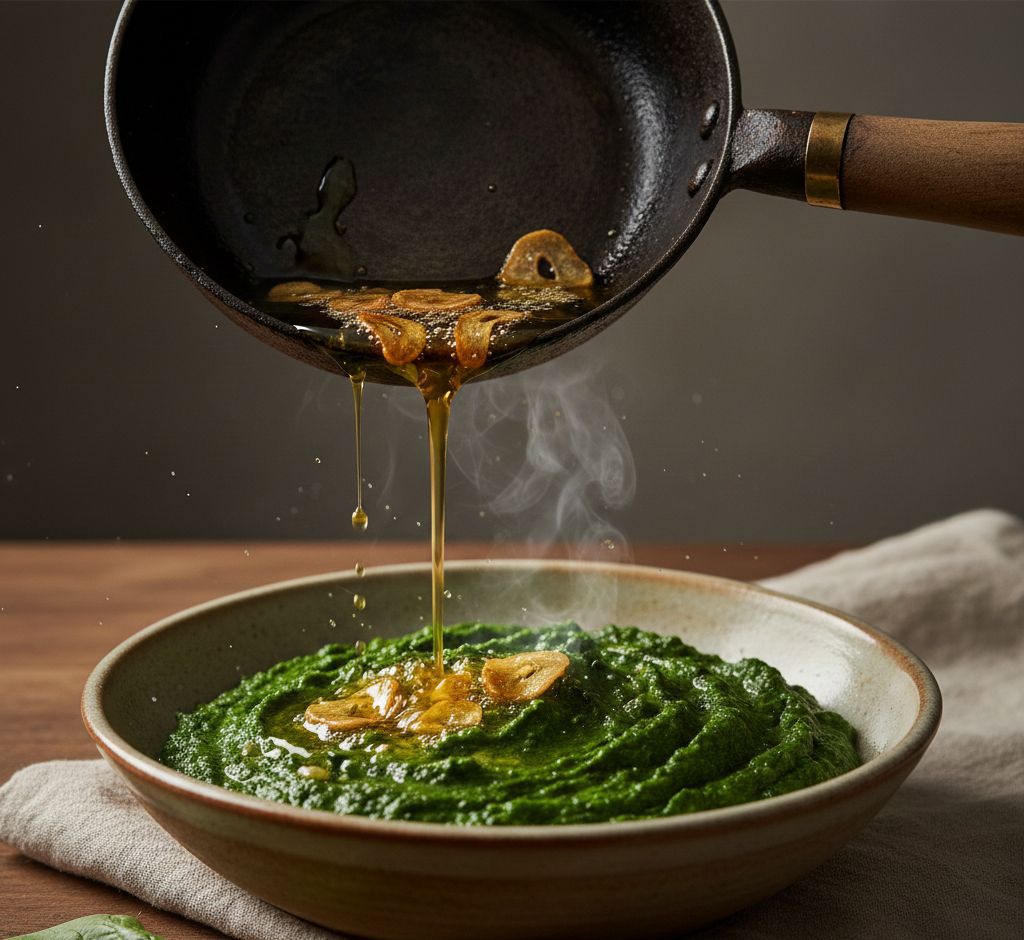
Pour this sizzling tempering over the salad mixture.

The moment it touches the bowl, you’ll hear a soft hiss that’s when you know the magic is happening. Stir lightly to coat everything evenly.


4. Chill and Serve

Kosambari tastes best slightly chilled or at room temperature.
Let it rest for 10–15 minutes before serving, so the flavors from the tempering, lemon, and coconut meld beautifully.

Serve it in a small bowl or banana leaf cup (donne) alongside your festive meals or enjoy it solo as a light, protein-rich snack.

Expert Tips for Authentic Flavor

Soaking Time: The ideal texture of the moong dal is soft yet firm. Soak for about 1–2 hours not more. Over-soaking makes it mushy and ruins the crunch.

Fresh Ingredients Matter: Always use fresh coconut and tender cucumbers. The combination gives the salad its signature lightness and fragrance.

Temple-Style Version: Skip the onions or garlic entirely. Use ghee instead of oil for the tempering to capture the satvik temple flavor.

For a Twist: You can add grated carrot, finely chopped raw mango (for tanginess), or pomegranate seeds (for sweetness and color).

Serving Tip: Kosambari is best served immediately after mixing. If making ahead, keep the soaked dal and chopped veggies separate and mix just before serving.

Pairing Suggestion: Serve it alongside South Indian festive dishes like Puliyogare, Chitranna, or Bisi Bele Bath for a complete Karnataka-style thali.

Closing Note

Every family has that one recipe that feels like sunshine in a bowl for me, Kosambari is exactly that.
It’s humble, refreshing, and quietly nourishing. In a world where food often feels complicated, this simple salad reminds us that true comfort lies in simplicity in the rhythm of soaking lentils, the crunch of cucumber, and the scent of tempering drifting through a festive home.

When I make Kosambari today, I still serve it the way my grandmother did in a small steel bowl, with a drizzle of ghee and a smile that says, “Eat slow, this is how traditions taste.” 💛

Uncategorized

Mangalore Buns (Banana Puri) Recipe


I still remember the first time I tasted Mangalore buns at a seaside café in Udupi during a sunny summer morning.  We had been exploring the old temples and my stomach growled as soon as the sweet smell of banana mixed with frying oil wafted through the air.  Sitting on a wooden bench by the coast, I bit into a warm, puffed bun – crispy on the outside and fluffy inside, with a gentle sweetness and a faint hint of spice.  It felt like biting into a soft banana cake hidden inside a puri.  Those golden-brown buns quickly became a favorite memory of my coastal travels, and I’ve been craving to recreate that homely snack ever since.

Servings

Makes about 12 buns (serves 4–6)

Prep Time

15 minutes (plus 4–6 hours resting time)

Cook Time

15 minutes

Ingredients

2 ripe bananas (preferably with brown spots), mashed

2½ cups all-purpose flour (maida) – or use whole wheat atta for a healthier twist (texture will change)

¼ cup plain yogurt (curd), at room temperature

3 tablespoons sugar (adjust to taste, depending on banana sweetness)

1 teaspoon cumin seeds (jeera)

½ teaspoon baking soda (soda bicarbonate)

½ teaspoon salt (or to taste)

Oil, for deep frying


Instructions

1. Mash the bananas: In a large mixing bowl, mash the ripe bananas thoroughly with a fork. (Avoid using a blender; hand-mashing preserves texture.)


2. Mix wet ingredients: Stir in the yogurt, sugar, and a pinch of salt into the mashed banana until smooth. The mixture will be runny – that’s okay.


3. Combine dry ingredients: In a separate bowl, whisk together the flour, cumin seeds, and baking soda.


4. Form the dough: Add the dry flour mixture to the banana mixture. Gently combine and knead into a smooth, non-sticky dough. If it’s too dry, add a little more yogurt or water. If too sticky, sprinkle a bit more flour. (The dough should be softer than chapati dough.)


5. Rest the dough: Lightly grease the dough with a teaspoon of oil or ghee and cover with a damp cloth. Let it rest in a warm place for at least 4–6 hours (or overnight). This resting time (fermentation) is crucial – it makes the buns puff up and gives them a chewy, bread-like texture.


6. Shape the buns: After resting, knead the dough a couple of times. Divide it into 10–12 equal parts and roll each into a smooth ball. Dust each ball lightly with flour and roll it out on a floured surface into a circle about 4–5 inches in diameter (slightly thicker than a regular puri, about 1/4 inch thick). Thicker rolls ensure the buns puff up nicely without tearing.


7. Heat the oil: Pour enough oil into a deep pan to submerge a bun. Heat it over medium heat. To test, drop a small piece of dough: if it sizzles and rises steadily, the oil is ready.


8. Fry the buns: Carefully slide one rolled dough circle into the hot oil. Gently press it down with a slotted spoon; it should puff up. Fry each side for about 30–60 seconds or until golden brown. Keep the flame at medium-low so the insides cook through without burning the exterior. Remove and drain on paper towels. Repeat with remaining dough.


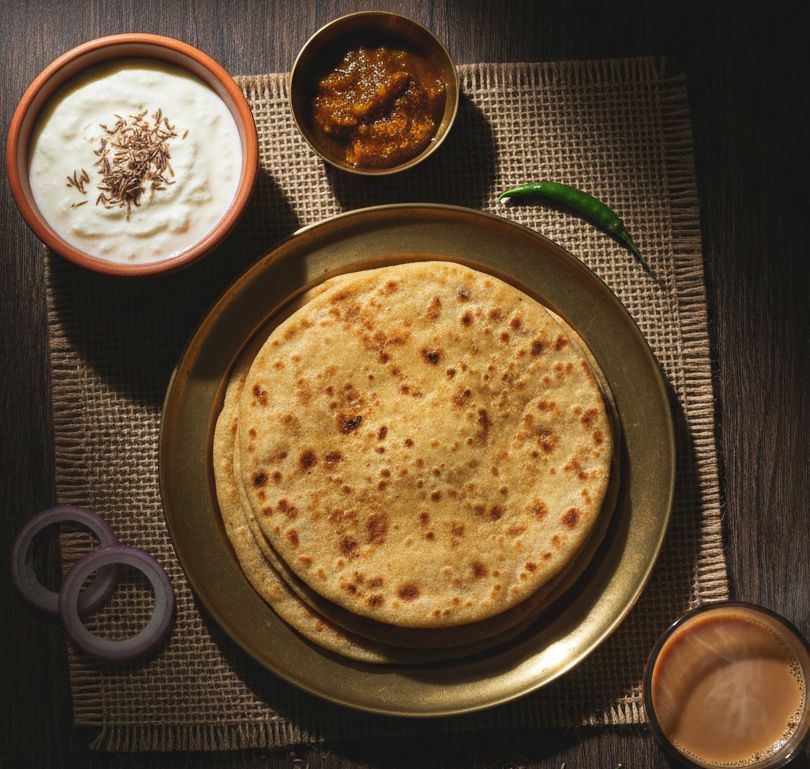
9. Serve hot: Serve the Mangalore buns immediately while warm. They go wonderfully with coconut chutney, a lentil curry (sagu), or simply with a cup of hot masala chai. These banana buns are equally comforting plain, as their natural sweetness shines through.


Tips

Use very ripe bananas: Overripe bananas (with black spots) give the best flavor and sweetness. The natural sugars help in fermentation too.

Allow proper resting: Don’t skip the long rest. Fermenting the dough for ~6–8 hours (or overnight) makes the buns soft and fluffy. In cold weather, place the covered dough in a slightly warm oven or microwave (turned off) to help rising.

Roll thickly: Roll the discs thicker than a regular puri. Very thin circles may stay dense; a thicker shape puffs up into a nice ball.

Check oil temperature: Keep the frying oil at medium heat. If too hot, the exterior browns quickly but the inside remains doughy. If too cool, the buns absorb oil. The right heat means a gradual, even golden color.

Enjoy warm or cooled: These buns are at their fluffiest when hot, but they remain soft and tasty even after cooling. If you have leftovers, reheat briefly on a skillet or serve at room temperature.


Closing Note

As you can see above, the homemade Mangalore buns turn out perfectly puffed and golden.  Enjoy them fresh from the pan with spicy coconut chutney or a steaming cup of chai. Even when cooled, these banana puris stay soft and delicious.  I hope this recipe brings a bit of coastal Karnataka to your kitchen – these sweet little buns are comfort food at its finest. Happy cooking and happy eating!

Breakfast

Traditional Akki Rotti (Karnataka Rice Flatbread)


I can still smell the smoky aroma of akki rotti wafting from the clay stove of my childhood home in Karnataka.  In the early morning light, my grandmother would knead rice flour with onions, chili, coconut and herbs, then pat the dough into thin rounds on a greased banana leaf.  The sizzle as each roti hit the hot iron tawa is a sound I’ll never forget. The crispy-edged flatbread, soft and pillowy inside, was our simple but beloved breakfast – eaten hot with a slather of butter or a spoonful of spicy chutney. Even my youngest memory of that rural kitchen is tied up in the taste of those rotis, golden brown and studded with dill and grated carrot.

Back then I didn’t know the name, but I would come to learn it’s called akki rotti – literally “rice pancake” in Kannada.  It’s a staple of Karnataka cuisine: a naturally gluten-free flatbread made from rice flour, spices and veggies.  As noted in a popular recipe, “Akki Roti are gluten-free flatbreads… a popular breakfast from Karnataka. Serve them with chutney”.  In other words, this humble roti is vegan, hearty, and perfect with tangy coconut or tomato chutney.  Over the years I’ve learned little tricks – a pinch of cumin for warmth, a handful of fresh coriander or dill for aroma – that make each bite more fragrant. Now I’m excited to share this comforting recipe so you can bring a bit of that village-kitchen nostalgia to your own table.

Servings: 4 akki roti

Prep Time: 10 minutes

Cook Time: 15 minutes

Ingredients:

1 cup rice flour (finely ground)

½ teaspoon cumin seeds, crushed

¼ teaspoon salt (or to taste)

1 small onion, finely chopped

2 green chilies, finely chopped (adjust to taste)

½ small carrot, grated (or grated coconut, optional)

Handful fresh coriander leaves, chopped

1–2 tablespoons dill leaves (sabsige soppu) or curry leaves (optional)

½ teaspoon grated ginger (optional)

Water, as needed to form dough

1–2 tablespoons oil or ghee (for cooking)


Instructions:

1. Mix dry ingredients: In a large bowl, combine the rice flour, crushed cumin, and salt. Add the chopped onion, green chilies, grated carrot (or coconut), coriander (and dill or curry leaves if using). Stir everything together until well mixed.


2. Form the dough: Pour in a little warm water at a time and stir to make a soft dough. It should be moist and sticky (not dry). Knead gently until smooth; the texture will be pliable like a pancake batter. Cover the dough and let it rest for a couple of minutes if it seems too wet.


3. Divide the dough: Divide the dough into 4 equal balls. Flatten each ball slightly on your palm. If you plan to make thicker rotis, you can leave them a bit thicker now and make holes (see Tip).


4. Heat the pan: Heat a heavy flat skillet or tawa over medium heat. Grease it lightly with oil. For each roti: if using a banana leaf or plastic sheet (or parchment), grease it slightly and place one dough ball on it. Moisten your fingers and gently pat and spread the dough into a thin round (about 6–7 inches across). If cracks appear, wet your fingers and smooth them out.


5. Transfer to pan: Carefully lift the leaf or sheet and invert it onto the hot skillet so the uncooked side of the roti faces the pan. Gently peel off the leaf. (If you don’t use a leaf, you can grease the cool pan and press the dough directly on it, then set it on the burner.)


6. Cook first side: Cook on medium heat until the bottom firms up and light brown speckles appear (about 1–2 minutes). Don’t let it burn; adjust heat as needed.


7. Flip and cook second side: Flip the roti. Drizzle a teaspoon of oil or ghee around the edges and on top, then press gently with a spatula. Cook for another minute or so until golden brown and crisp spots form.


8. Finish cooking: Flip once more briefly if needed to brown the other side. Remove when golden. Repeat with remaining dough, using a second pan or waiting for the first pan to cool slightly if needed.


Tips:

Use a very fine, smooth rice flour. Coarse flour can make the roti hard or prone to breaking. If your flour seems gritty, sift or grind it finer. Always keep a little water on hand to moisten your fingers – this prevents the dough from sticking and helps join any cracks as you spread it.

Add veggies and herbs. Feel free to stir in finely chopped veggies for nutrition and color. Traditional additions include grated carrot, chopped onion, and coconut. A few chopped fresh herbs (dill/sabbige, coriander, or mint) or curry leaves really lift the flavor. Even green moong or soaked chana dal can be mixed in for protein (as some home cooks do).

Even cooking: If your roti is a bit thick, poke a few holes with your finger (or a fork) so it cooks through evenly. This lets steam escape and prevents underdone centers.

Oiling: A light drizzle of oil or ghee on each side makes the edges crisp and golden. Don’t over-oil – just enough to coat the surface. Pressing the roti with a flat spatula also helps it cook uniformly.

Serve immediately: Akki roti is best eaten fresh off the pan. These rotis harden as they cool, so enjoy them hot. Serve them with coconut chutney or any spicy South Indian pickle, as is traditional. Leftovers can be reheated or crumbled into a curry for flavor.


❤️ Closing Note: Akki roti isn’t just a recipe – it’s a bite of childhood and tradition. Every time I make it, I’m transported back to those misty Karnataka mornings with my family sitting around and filling our bellies with these warm, rice-flour flatbreads. The simple act of mixing flour with the day’s first rays of sun, patting dough between wet palms, and inhaling that toasty aroma of cooking rice has always felt like a warm hug from home. I hope this easy recipe brings some of that same comfort into your kitchen – whether you grew up in Karnataka or not – and that each crisp, chewy bite reminds you of family, togetherness, and the joy of homemade food. Enjoy your akki roti with loved ones, and maybe share with someone who’d appreciate a little taste of Karnataka nostalgia. Happy cooking and namaskara!

Breakfast, Lunch & Dinner

Udupi-Style Sambar and Rasam


I still remember tagging along to my grandfather’s home in Udupi as a child and inhaling the aroma of sambar and rasam simmering in the kitchen. After morning temple prayers, my grandmother would serve a simple banana-leaf thali: steaming rice topped with our local sambar and rasam, a pat of ghee, and crispy fried peppers. Those humble temple-style dishes – fragrant with coconut, cumin and curry leaves, and completely free of onion or garlic – felt like pure comfort food.  In Udupi cuisine, everything is prepared satvik (pure and vegetarian), so the sambar masala is based on coconut and spices, and the rasam is bright with tomato, tamarind and a touch of jaggery instead of pungent aromatics. These are the dishes I grew up loving, and I’m excited to share my version of Udupi-style Sambar and Rasam with you.

Udupi-Style Sambar

Servings: 4

Prep Time: 15 minutes

Cook Time: 30 minutes

Ingredients

For the Sambar:

1 cup toor dal (split pigeon peas), washed

~2 cups mixed vegetables (e.g. ½ cup chopped pumpkin or squash, 1 drumstick cut into pieces, ½ cup potato, 2 small eggplants), chopped

1 small tomato, chopped

2½–3 cups water

2 tbsp tamarind paste (or a small ball of tamarind, soaked)

½ tsp turmeric powder

½ tsp jaggery (optional, for a hint of sweetness)

Salt to taste


For the Masala Paste:

¼ cup fresh grated coconut (or frozen/thawed)

1 tbsp coriander seeds

1 tsp cumin seeds

1 tsp split urad dal (optional)

1 tsp split chana dal (optional)

2–3 dried red chilies (preferably mild Byadgi or Kashmiri)

½ tsp black peppercorns

½ tsp fenugreek seeds

5–6 fresh curry leaves

1 tbsp coconut or sesame oil (for roasting)

Water, as needed for grinding


For Tempering:

2 tsp coconut or sesame oil

½ tsp mustard seeds

½ tsp cumin seeds

A pinch of asafoetida (hing)

8–10 fresh curry leaves


Instructions

1. Cook the dal: In a pressure cooker or pot, combine the washed toor dal with a pinch of turmeric and 2 cups of water. Cook until very soft (about 3–4 whistles in a pressure cooker). Mash the dal and set aside.


2. Prepare the masala paste: In a small pan, heat 1 tbsp oil over medium heat. Add the coriander seeds, cumin, dals, fenugreek, peppercorns, and dried chilies. Roast, stirring, until aromatic and lightly golden. Add the grated coconut and curry leaves, and roast briefly until the coconut starts to brown. Let cool, then grind this mix to a smooth paste with a little water.


3. Cook vegetables: In a large pot or Dutch oven, heat a tablespoon of oil. Add the turmeric and the chopped vegetables and tomato. Stir for a minute, then pour in 2 cups of water, add salt, and bring to a boil. Reduce heat, cover, and simmer until the vegetables are almost tender (about 10–12 minutes).


4. Add tamarind and dal: Stir in the tamarind paste and jaggery. Once it comes to a boil and the raw tamarind smell disappears, add the mashed toor dal and mix well.


5. Add the spice paste: Pour the ground coconut-spice paste into the simmering pot. Stir and simmer gently for 3–5 minutes so all flavors meld. (The sambar will thicken as it sits – add a little water to adjust consistency as needed.)


6. Tempering: In a small pan, heat the remaining 2 tsp oil. Add mustard seeds; when they splutter, add cumin, a pinch of hing, and the curry leaves. Pour this hot seasoning over the simmering sambar, cover the pot, and let it sit for a minute to infuse. Stir once more and taste; add salt or jaggery if needed.


7. Serve: Garnish with fresh chopped coriander and a dash of lime juice if you like. Serve the sambar hot with rice, idlis, or dosas, and enjoy the mellow coconutty aroma of this Udupi specialty.


Udupi-Style Rasam

Servings: 4

Prep Time: 10 minutes

Cook Time: 20 minutes


Ingredients

Main Ingredients:

2 large ripe tomatoes, chopped

½ cup water (plus more during cooking)

2 cups water (for cooking the rasam)

1 tbsp tamarind paste (or soaked tamarind pulp)

1 tbsp jaggery or brown sugar

½ tsp turmeric powder

2 slit green chilies (adjust to taste)

1/4 cup toor dal (washed, then cooked until very soft)

2 tbsp Udupi-style rasam powder (store-bought or homemade)

Salt to taste


For Garnish:

A few curry leaves

Chopped coriander leaves

(Optional) 1 tsp freshly grated coconut


For Tempering:

1 tbsp coconut oil or ghee

1 tsp mustard seeds

½ tsp cumin seeds

A pinch of asafoetida (hing)


Instructions

1. Cook the dal: Pressure-cook the ¼ cup toor dal with a pinch of turmeric and enough water until very soft. Mash and set aside.


2. Boil tomatoes: In a saucepan, bring 2 cups of water to a boil with the chopped tomatoes, green chilies, turmeric and a little salt. When the tomatoes are very soft, mash them in the pot to release their juices.


3. Add seasonings: Stir in the tamarind paste, jaggery, and the rasam powder. Add the mashed dal and mix well. Add more water to reach your desired soup-like consistency. Bring the mixture to a gentle boil and simmer for 5–7 minutes so the flavors meld.


4. Finishing touches: Turn off heat and add a few curry leaves. (Optionally, stir in the grated coconut for richness.)


5. Tempering: In a small pan, heat the oil or ghee. Add mustard seeds; when they begin to pop, add cumin and a pinch of hing. Pour this fragrant seasoning over the hot rasam. Cover the saucepan and let the aromas infuse for a minute.


6. Serve: Give the rasam a final stir. Garnish with chopped coriander and serve piping hot. Udupi rasam is traditionally slightly sweet-spicy – the jaggery and hing give it that signature warmth. Enjoy it as a soup or ladle it over steamed rice with a drizzle of ghee.


Tips

Use fresh coconut and spices: Roasting the spice mix and freshly grated coconut brings out a nutty richness in the sambar. Don’t skimp on this step – it’s what gives Udupi sambar its deep flavor.

Choose your chilies: Udupi sambar is known for its mild, brick-red color. Using Byadgi or Kashmiri red chilies (with maybe one spicy chili) will give color without too much heat. Adjust the mix if you prefer it hotter or milder.

Balance jaggery and hing: The little bit of jaggery and hing in the rasam might seem odd, but they balance the tamarind’s sourness with sweetness and aroma. Be sure to include at least a pinch of each for authenticity.

Use coconut oil for tempering: Authentic Udupi rasam often uses coconut oil (or ghee) for the final seasoning, as it adds a subtle tropical fragrance.

Adjust consistency: Remember these dishes thicken as they sit. If your sambar or rasam becomes too thick after resting, simply add a little hot water and reheat to loosen it.


Closing Note

These Udupi-style sambar and rasam are a tribute to the simple temple cuisine of coastal Karnataka. The flavors are subtle but soulful – no onions or garlic, just wholesome lentils, fresh coconut, coriander, and traditional masalas. I hope this recipe brings you the same comfort it did for me, whether you’re enjoying a South Indian breakfast of idlis and dosas or a warm bowl over rice. Remember, the slow simmering and tempering are key: be patient as the ingredients meld, and your kitchen will soon be filled with that nostalgic aroma of home. Enjoy these healthy, vegan delights with family and friends, and maybe light a lamp or two – after all, this food was born in the light of temple faith and tradition!

Lunch & Dinner

Ragi Mudde – Karnataka’s Traditional Finger Millet Balls


I still remember the smell of earthy millet flour and boiling water from my childhood kitchen in rural Karnataka. On those lazy afternoons my grandmother would scoop bright orange finger millet flour (ragi) into a heavy pot of bubbling water and stir with a wooden spatula. The rhythm of her stirring matched the beating of my heart in anticipation. We kids pressed our faces close as the mixture thickened into a soft dough, the familiar aroma of ragi mudde (finger millet balls) filling the air. As soon as it was ready, she’d break off a warm ball and hand it to me—no utensils, just bare hands—and I’d dip it into tangy chutney or a hot soppu saaru (greens curry). Each bite of those warm, soft dumplings was pure comfort: simple, wholesome, and nourishing.

For generations, Ragi Mudde has been a rural staple in Karnataka, loved for its simplicity and nutrition. Made with just finger millet flour and water, it’s naturally gluten-free and surprisingly healthy. Finger millet is known to be high in protein, fiber and even calcium, so these humble balls pack a nutritional punch. In fact, they were (and still are) a favorite among farmers and laborers – the energy and fiber in ragi helped give them strength for a hard day’s work. My family always served ragi mudde steaming hot alongside a spicy greens or lentil curry (massoppu or soppu saaru) and tangy chutneys. Those were simple meals, but they felt deeply satisfying and left us full and content.

Servings: 2–3
Prep Time: 5 minutes
Cook Time: 15 minutes

Ingredients

1 cup ragi (finger millet) flour

2 cups water (approximately)

¼ teaspoon salt (optional, to taste)

1 teaspoon ghee or oil (optional, for richness)


Instructions

1. Mix a smooth paste: In a small bowl, whisk 2 tablespoons of ragi flour with about ¼ cup water until smooth and lump-free. Set aside this slurry.


2. Boil water: In a heavy-bottomed pot, bring the remaining 1¾ cups of water to a rolling boil over medium-high heat. Stir in salt and ghee (or oil) if using.


3. Add the slurry: Pour the ragi-water slurry into the boiling water, stirring constantly. The mixture will thicken almost immediately.


4. Add remaining flour: Gradually add the rest of the ragi flour (remaining ⅔ cup) to the pot in small increments. After each addition, stir vigorously with a wooden spatula or ladle to incorporate the flour and prevent lumps. Continue adding and stirring until all the flour is mixed in and the dough forms a thick mass.


5. Simmer and cook: Lower the heat to medium-low, cover the pot, and let it steam for 2–3 minutes. Uncover and stir vigorously again – the dough should look glossy and pull away from the sides of the pot. If it’s very dry, add a splash of hot water and continue stirring until it comes together.


6. Form the balls: Remove the pot from heat and let it sit for a minute. Grease your palms with a little water or ghee, then scoop out portions of the mixture and roll into firm balls (mudde). (Tip: Using a bowl to shape each ball can make it easier to handle the hot dough.)


Tips

Use a heavy-bottomed pot and a sturdy wooden spatula to stir – ragi mudde batter is thick and can stick or burn easily.

Stir continuously when adding flour to prevent lumps. A smooth paste and constant stirring lead to silky, lump-free mudde.

A teaspoon of ghee or oil (even though optional) adds flavor and helps make the dough smoother. Traditionally many cooks prefer ghee for its taste and digestion benefits.

After covering the pot, let it steam on low for a few minutes before stirring again – this helps cook the dough through without burning.

Ragi Mudde is best enjoyed hot. Serve it with a vibrant soppu saaru (leafy greens curry), hot rasam or sambar, and your favorite chutneys. This plain, comforting dish pairs perfectly with spicy or tangy sides.


Closing Note

Ragi Mudde may seem like a humble dish, but it carries the warmth of home and tradition in every bite. These simple millet balls remind us of lazy village afternoons and the strength of the food that kept generations of Karnataka farmers going. I hope this recipe brings a bit of that comfort to your table. Try serving it with a favorite curry or dal, sit down with loved ones, and enjoy a taste of South India’s heritage.

Snacks, Street Foods

Vada Pav – Mumbai’s Beloved Street Snack

I still remember the first time I bit into a sizzling hot Bada Pao (Vada Pav) on a rainy Mumbai afternoon. The spicy potato vada – crunchy and golden – nestled inside a pillowy soft pav bun, hit all the right notes. As I walked along the busy street, steam rising from the paper wrapper, the pungent aroma of garlic and chili chutneys filled the air. It was a simple pleasure, but one I’ll never forget. Bada Pao (also spelled Vada Pav) is, as one food blogger puts it, “Mumbai’s beloved street food sensation” often nicknamed the “Indian burger”.  In essence, it’s a vegetarian fast-food sandwich: a deep-fried spicy mashed-potato fritter placed inside a sweet bun and typically served with a green chili and flavorful chutneys.  This humble snack has become so iconic that it’s said to be the most famous street food of Mumbai – so famous, in fact, that August 23 is even celebrated as World Vada Paav Day.

Growing up, I watched my mum prepare the potato filling with care. She would boil and mash potatoes, then sauté mustard seeds, curry leaves, ginger, garlic and green chilies in a little oil. A pinch of turmeric and salt went in for color and taste, and the mixture was stirred into the potatoes along with chopped coriander. After it cooled, she shaped the spicy mash into round patties. Meanwhile, we’d whisk gram flour (besan) into a batter with a little water – sometimes adding a pinch of baking soda or rice flour for extra fluff. Each patty was coated in that batter and deep-fried until golden and crispy on the outside.

No Vada Pav is complete without chutney. I always smear the split pav with homemade green cilantro-mint chutney and a dry garlic-chili (lasun) chutney – the classic accompaniments. The combination of tangy cilantro, pungent garlic, and heat from chilies is what really makes each bite pop. The first time I made this at home, it transported me back to the streets of Mumbai – and even reminded me that this was originally an affordable snack for mill workers in the 1960s. Today it’s a cultural symbol; one of my favorite childhood memories is sharing Bada Pao with my friends after school.

Now let’s bring those Mumbai flavors into your kitchen. The ingredients and steps below will guide you through a delicious homemade Bada Pao (Vada Pav). Enjoy!

Ingredients

Pav buns: 4 soft dinner rolls (Indian pav)

Potatoes: 4 medium russet or red potatoes, boiled and mashed

For the potato filling: 1 tsp mustard seeds, pinch of asafoetida (hing), ¼ tsp turmeric, 2 tsp ginger (grated), 3 cloves garlic (minced), 2–3 green chilies (chopped), 12–15 curry leaves, salt to taste, and handful of chopped fresh coriander (cilantro)

Gram flour batter: ¾ cup besan (gram flour), pinch of baking soda (optional for fluffiness), pinch of turmeric, pinch of red chili powder, salt to taste, and water to make a thick batter

Oil: for deep frying

Chutneys & toppings: Homemade or store-bought green cilantro-mint chutney and dry garlic-peanut chutney (lasun chutney); sliced onions and fried green chilies (optional) for serving


Instructions

1. Make the potato masala: In a pan, heat 1–2 tbsp oil and add mustard seeds. When they splutter, add hing, curry leaves, ginger, garlic and green chilies. Sauté for a minute until fragrant. Stir in the turmeric, salt and mashed potatoes, then mix well. Cook for 1–2 minutes, then turn off the heat and stir in chopped coriander. Let the mixture cool slightly. Divide it into 4–6 equal portions and shape each into a round patty about 1½–2 inches wide and ½ inch thick.


2. Prepare the batter: In a bowl, whisk together gram flour, a pinch of salt, baking soda (if using), turmeric and chili powder. Gradually add water and whisk to make a smooth, lump-free batter that coats the back of a spoon (it should be neither too thick nor too runny).


3. Fry the vadas: Heat oil in a deep skillet or kadhai over medium-high heat. When the oil is hot (test by dropping a bit of batter – it should sizzle and rise), dip each potato patty into the batter, ensuring an even coat. Use a slotted spoon to gently lower it into the oil. Fry 2–3 vadas at a time, turning occasionally, until they are golden brown and crisp all over (about 3–4 minutes). Remove and drain on paper towels.


4. Warm the pav buns: While the vadas fry, warm a griddle (tawa) over medium heat. Slice each pav bun horizontally, leaving one edge attached. Lightly toast the buns on the griddle (you can spread a bit of butter if you like) until they are just golden. Remove and keep warm.


5. Assemble the Bada Pao: Spread a generous layer of green chutney on one side of each bun and sprinkle some dry garlic-chili chutney on the other side. Place a hot vada (batata vada) inside the bun, pressing lightly. If desired, add sliced raw onion or a fried green chili inside for extra crunch and heat. Serve the assembled Bada Paos immediately – they are best enjoyed hot and fresh!


Tips

Adjust the spice: You can control the heat by adding fewer green chilies to the potato mix or reducing the chili powder in the batter. If cooking for kids, omit extra chilies and serve hot sauce on the side.

Make it extra crispy: For crunchier vadas, stir in 1–2 tablespoons of rice flour into the gram flour batter. Also, ensure the batter is not too thick – a thinner coating fries up lighter.

Even coating trick: Use a spoon to tap off any excess batter from the vada before frying. A slotted spoon is handy for lowering the batter-coated vada into hot oil smoothly.

Chutneys in advance: Both green cilantro chutney and dry garlic chutney can be made a day or two ahead and refrigerated. This saves time and lets flavors meld. Add a swirl of sweet tamarind-chutney for a tangy twist if you like.

Use fresh pav: Authentic Vada Pav has soft, slightly sweet buns. If you can find Indian pav rolls (like from a bakery or Indian grocery), that’s ideal. Otherwise, plain soft dinner rolls work; avoid very sweet hamburger buns.

Serve hot: Vada Pav is best enjoyed immediately. The vada should be hot from the fryer and the chutneys vibrant. If storing leftovers, reheat vadas in a pan to crisp them up, then assemble.


Enjoy your homemade Bada Pao with a cup of masala chai for the full Mumbai experience. Each bite of spicy potato vada and tangy chutneys will transport you to the bustling streets of Mumbai just like it did for me. I hope this recipe brings you the same joy and nostalgia it brings me – happy cooking!