In a Punjabi household, the sound of winter isn’t the wind it’s the rhythmic skritch-skritch of a grater against a fresh head of cauliflower.
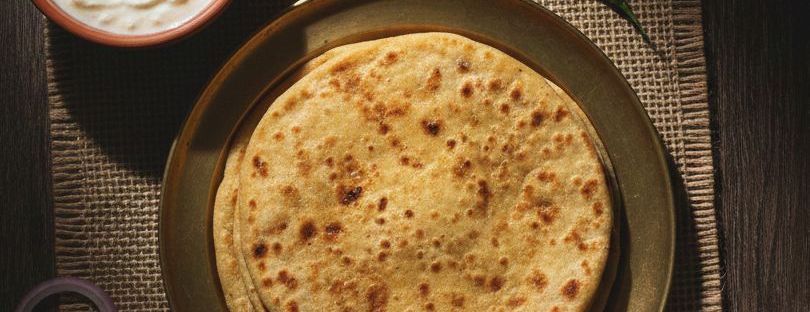
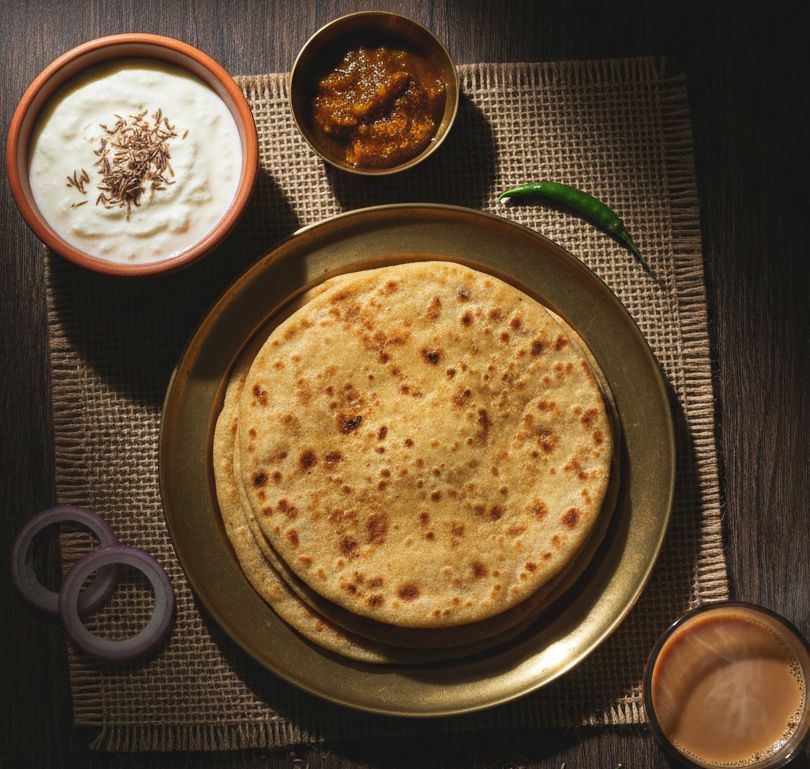
Winter gobi is different. As the season shifts, the cauliflower sweetens, becoming tender and fragrant in a way that summer gobi never quite manages. I remember my grandmother (Nani) sitting in the kitchen as the morning fog lifted, her hands white with flour. She didn’t just make recipes; she performed rituals. One bite of her Gobi Paratha with its crisp, ghee-brushed edges and a soft, spiced center was proof that love really could be kneaded into dough.
But she was also a scientist of the kitchen. She knew that cauliflower is 92% water. If you don’t respect that moisture, your paratha will tear, your tawa will smoke, and your breakfast will be a mess. Today, I’m sharing her three-step secret to the perfect, dry, flavor-packed stuffing that never leaks.
To master the Gobi Paratha, you must win the war against moisture. Here are Nani’s golden rules:
The Room Temp Rule: Never grate cold cauliflower straight from the fridge. It releases more juice. Let it come to room temperature first.
The Salting Ritual: After grating, add a pinch of salt and wait 15 minutes. The salt draws the water out. Then, place the gratings in a muslin cloth and squeeze with all your might. That “cauliflower water” is liquid gold keep it for your dough!
The Ajwain Touch: Always add a pinch of Ajwain (carom seeds). Not only does it add a January-coded warmth, but it also helps digest the cauliflower.
Prep Time: 20 mins | Cook Time: 25 mins | Servings: 4
Ingredients:
For the Dough: 2 cups Whole Wheat Atta, a pinch of salt, 1 tsp ghee, and the reserved cauliflower water (or plain water).
For the Stuffing:
2 cups Cauliflower (grated and squeezed dry).
1 tsp Ajwain (carom seeds).
1 tbsp Ginger (finely chopped).
2 Green Chillies (chopped).
½ tsp Amchur (dry mango powder) for tang.
½ tsp Garam Masala.
A handful of Fresh Coriander (chopped).
For Roasting: Ghee or butter.
Instructions:
Knead: Mix flour, salt, and ghee. Gradually add water to form a soft, pliable dough. Let it rest for 15 minutes this “relaxes” the gluten so it stretches without tearing.
Prep Stuffing: Mix the dried cauliflower with spices and herbs just before you are ready to roll. If the mixture sits too long, it will start releasing water again.
Stuff: Take a lemon-sized ball of dough, flatten it, and place 2-3 tbsp of stuffing in the center. Pleat the edges together, pinch off the excess dough, and seal it tight.
Roll: Sprinkle some flour and roll gently. Use a “left-forward, right-backward” motion to spread the filling evenly to the edges.
Roast: Place on a medium-hot tawa. Once bubbles appear, flip it. Apply ghee to both sides and press down with a spatula until golden-brown spots appear and the edges are crisp.
Serve: Top with a blob of white butter. Serve with chilled dahi (yogurt) and tangy lemon pickle.
Stalk Sabzi: Don’t discard the thick cauliflower stalks! In the 2026 “Use-Up” economy, we value every part of the plant. Peel the tough outer layer of the stalks, dice the tender inner core, and sauté them with mustard seeds and turmeric for a crunchy side dish the next day.

 The Pinch of Masala