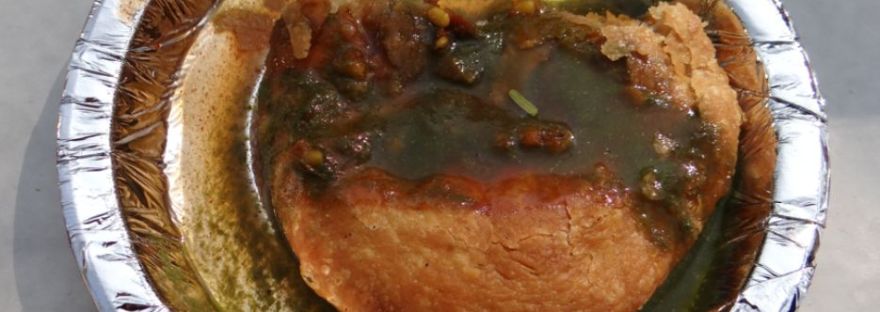
There’s a magic in the Indian monsoon that isn’t just about the rain – it’s about the cravings it brings. I remember as a child in Jaipur, the moment the earthy scent of first rain (petrichor) rose from the hot ground, my father would rush out to grab a batch of Pyaz Kachoris from the local halwai. We’d huddle under our verandah, warm cups of masala chai in hand, and bite into these golden, onion-stuffed kachoris as the raindrops danced around us. The flaky crust would crumble, giving way to a spiced onion filling that was equal parts fiery and comforting, a perfect contrast to the cool, damp weather. To this day, the monsoon and Pyaz Kachori are inseparable in my memories – one bite and I’m transported to those rain-soaked street corners and the joyful chaos of Jaipur’s monsoon evenings.
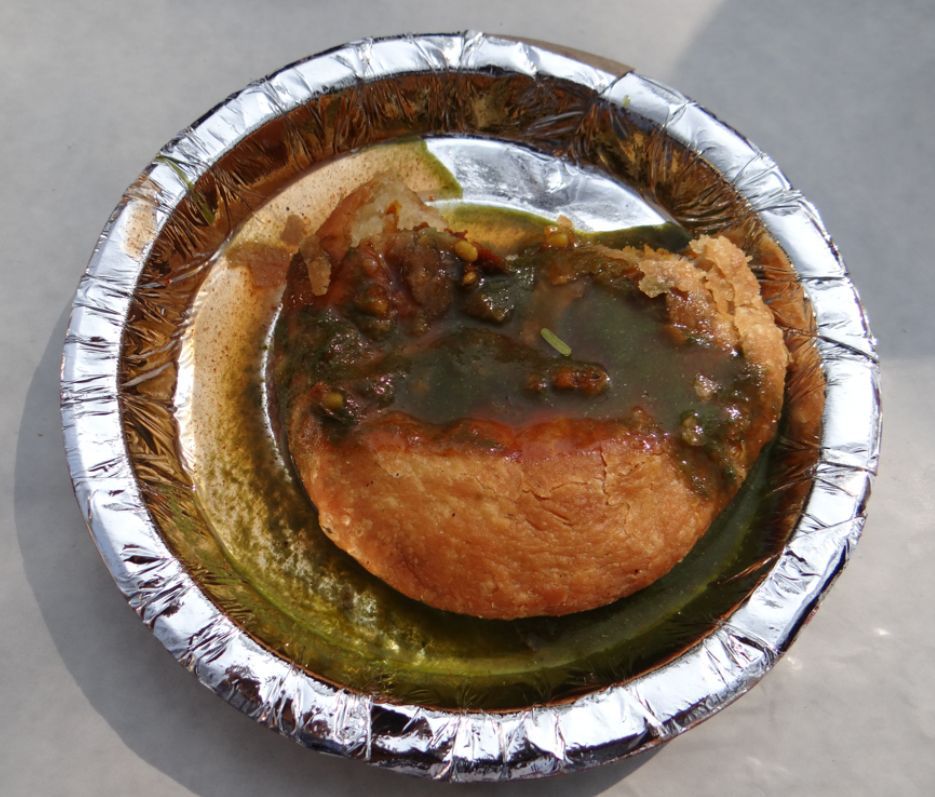
In Rajasthan, Pyaz ki Kachori isn’t just a snack; it’s an institution. Steaming hot kachoris are sold at nearly every sweet shop and namkeen stall, typically enjoyed with a dollop of sweet-sour tamarind chutney that balances the spice. These indulgent treats likely originated in the cities of Jaipur and Jodhpur, and they’re so legendary that people go to great lengths to get their hands on them – there’s even a tale of an Air India pilot detouring a flight to pick up her favorite Jodhpur kachoris!. Biting into an authentic Rajasthani Pyaz Kachori is pure bliss: the pastry is brittle, ghee-rich and flaky, giving way to a belly full of spiced onions (and a touch of potato) laced with fiery green chillies, fennel, and a hint of garlic. It’s the kind of street food that defines a place – mention Jaipur to any foodie, and they’ll likely reminisce about Rawat Misthan Bhandar’s famous Pyaz Kachori or the comfort of devouring one straight out of a roadside stall, rain or shine. This recipe is my attempt to bring those warm, nostalgic flavors into your home kitchen. So, let’s dive into making these crispy, stuffed pastries and create some monsoon memories of your own!
Ingredients
For the Kachori Dough:
2 cups all-purpose flour (maida)
1/4 cup ghee (clarified butter), melted
1/2 teaspoon salt (or to taste)
~1/2 to 3/4 cup water (as needed for kneading)
For the Onion Masala Filling:
2 cups onions, finely chopped (about 2 medium onions)
2 tablespoons oil
1 teaspoon nigella seeds (kalonji)
2 teaspoons fennel seeds (saunf)
2 bay leaves (tejpatta)
1–2 green chillies, finely chopped (adjust to spice preference)
2 tablespoons besan (Bengal gram flour) (helps bind the filling)
2 teaspoons ground coriander (dhania powder)
2 teaspoons red chilli powder (adjust to taste)
1 teaspoon garam masala powder
Salt, to taste
2–3 tablespoons fresh coriander leaves, chopped
Oil for deep frying (enough for a deep pan, about 2–3 cups)
Instructions
1. Prepare the Dough: In a large mixing bowl, combine the flour and salt. Pour in the melted ghee and rub it into the flour with your fingertips until the mixture resembles coarse breadcrumbs (this moyan of ghee is what makes the kachori flaky). Gradually add water, a few tablespoons at a time, and knead to form a semi-soft but firm dough. The dough should be pliable and smoother than puri dough, but not sticky. Knead well for about 4–5 minutes to develop gluten. Cover the dough with a damp cloth and let it rest for 15–20 minutes while you prepare the filling.
2. Make the Onion Filling: Heat 2 tablespoons of oil in a broad pan or kadhai over medium flame. Add the nigella seeds and fennel seeds; let them sizzle for a few seconds. Toss in the bay leaves and the chopped green chillies, stirring for a moment. Now add the finely chopped onions. Sauté the onions on medium heat for about 5 minutes until they soften and turn translucent (avoid browning them). Next, sprinkle in the besan and all the spice powders – coriander, red chilli, garam masala – along with salt. Stir everything together and cook for another 2–3 minutes, stirring continuously, until the besan gets lightly roasted and the spices cook off their raw aroma. The mixture will be fairly dry and aromatic, with the besan absorbing excess moisture from the onions. Turn off the heat, then mix in the fresh coriander leaves. Pick out and discard the bay leaves. Spread the filling on a plate to cool down slightly (warm is okay, just not piping hot) for easier handling.
3. Shape the Kachoris: Give the dough a quick knead after resting, then divide it into 10–12 equal portions (each portion will be about the size of a golf ball). Keep the dough balls covered to prevent drying. Working with one portion at a time, roll or press it out into a small disc roughly 3 inches in diameter. Place 1–2 tablespoons of the cooled onion filling in the center of the disc. Bring the edges of the dough up around the filling, pleating as needed, and pinch them together to seal the filling inside (like a money bag). Pinch off any excess dough at the top to avoid a thick lump. Now gently flatten the filled pouch with your palm. Using a rolling pin, very lightly and carefully roll the filled dough ball into a slightly flatter disc of about 2½ inches, taking care not to puncture it or let the filling spill out. (Tip: You can roll from the sealed side very gently, and if a bit of filling does peek through, patch it with a tiny pinch of flour-dough.) Prepare all kachoris this way, keeping the prepared ones covered with a cloth to avoid drying.
4. Deep-Fry the Kachoris: Heat the oil for deep frying in a heavy-bottomed pan or kadhai on medium-low heat. To test the oil, drop a tiny pinch of dough into it – it should sizzle and rise slowly without turning brown instantly. Slide in 2–3 kachoris at a time (do not overcrowd) into the hot oil. For the best crispy results, fry on a low to medium flame: in the first minute, do not disturb the kachoris. They will sink then gradually float up as they puff. Once they float, gently flip and move them around. Fry patiently, turning occasionally, until each kachori is golden brown, crisp and evenly cooked. This frying process can take about 8–10 minutes per batch on a moderate flame – remember, slow-frying is what yields the signature khasta (flakiness) in kachoris. Do not crank up the heat, as high heat will brown the outside too fast while leaving the inside doughy. When done, the kachoris will be a beautiful golden color and feel light and crisp with no soggy spots. Remove them with a slotted spoon and drain excess oil on paper towels. Repeat for all batches. (If you notice the oil temperature dropping too much between batches, let it heat up again, but never to smoking point.)
5. Enjoy: Serve the Pyaz Kachoris immediately while they’re hot and flaky. If you need to fry them a bit in advance, you can crisp them up in a preheated oven at 180°C (350°F) for 5 minutes before serving. See serving suggestions below for classic accompaniments!
Tips for Frying and Storing
Flaky Kachori Secrets: The key to flaky, khasta kachori is the dough. Be generous with the ghee (or oil) when rubbing it into the flour – this shortening makes the crust wonderfully crisp. Knead the dough until it’s smooth, but don’t make it too soft. A firmer, tight dough (with just enough water) ensures the kachori won’t absorb excess oil during frying. Always let the dough rest under a damp cloth; this relaxes the gluten and makes it easier to shape, preventing the kachori from springing back when rolled.
Frying Temperature & Technique: Frying kachoris is a slow dance. Always fry on medium-low heat for even cooking. Patience will reward you – low heat frying cooks the kachori through and produces an evenly golden, crisp shell with tiny flaky layers. If the oil is too hot, the kachori will puff up and turn dark quickly but remain uncooked (doughy) inside. One trick: once the kachori has floated and started to puff, you can gently press it with the frying spoon or a spatula to help it puff completely. Fry until the bubbling subsides significantly – that’s a sign the moisture has cooked out and the crust is crisp.
Onion Filling Tips: Don’t chop the onions too fine. Slightly larger diced onions are ideal because they retain a bit of texture and won’t release water as quickly as very fine onions. This helps avoid a soggy filling. The spoonful of besan in the filling is a traditional touch – it soaks up moisture from the onions and spices, ensuring the filling is dry enough to stay inside the kachori without bursting out. (Some halwais even use a bit of mashed boiled potato or crushed roasted moong dal for the same purpose of binding the filling.)
Variations: While all-purpose flour yields the most authentic crispy texture, you can replace part of the flour with whole wheat flour (atta) for a slightly healthier spin. Many households might not deep fry snacks often, but this treat is worth the indulgence! If you’re experimenting, you can also try other fillings (like spiced lentils or peas) with this same dough – but then it wouldn’t be the classic Pyaz Kachori we know and love.
Storing & Reheating: Pyaz Kachori is best enjoyed fresh, but you can prepare them in advance. These kachoris keep well for a couple of days at room temperature. Let the fried kachoris cool completely, then store them in an airtight container – this prevents them from turning soggy. To reheat, avoid microwaving (which can make them chewy); instead, warm them up in a preheated oven at 180°C (350°F) for about 5–8 minutes. They’ll crisp up almost as good as freshly fried. (If you need to store the uncooked, filled kachoris, you can refrigerate them separated by parchment, but fry within a day for best results.)
Leftover Idea: If by some miracle you have leftover kachoris, you can turn them into a quick kachori chaat! Lightly crush a warmed kachori in a bowl, top with whisked yogurt, drizzle with tamarind and green chutneys, and sprinkle some sev and chopped onions. This street-food style makeover is absolutely delicious.
Serving Suggestions
Classic Chutney Pairing: The traditional way to relish Pyaz Kachori is with chutneys. Tamarind-Date Chutney (imli ki chutney), which is sweet and tangy, is a must – it complements the spicy, pungent onion filling perfectly. Alongside it, serve a bright Green Chutney made from fresh coriander, mint, green chillies and lime. The duo of sweet tamarind and herbaceous green chutney offers a burst of contrasting flavors that elevate each bite of the kachori. Serve the kachoris on a platter with bowls of these chutneys, or drizzle the chutneys inside the opened kachori for a street-style presentation. You can also add a few fried green chillies on the side for those who love extra heat (bite carefully – they’re hot!).
Rajasthani Kadhi (Kadhi Kachori): In some parts of Rajasthan, especially in cities like Ajmer, Pyaz Kachori is famously served with a simple Rajasthani kadhi. This kadhi is a thin, spicy yogurt-based curry (different from the Punjabi kadhi, as it usually has no pakoras and is lighter). To serve, place hot kachoris in small bowls and pour steaming kadhi over them, then top with a drizzle of tamarind and green chutney. Eating kachori soaked in kadhi is a soul-warming experience – the kachori soaks up the savory curry, turning each bite into a soft, flavor-packed dumpling. It’s a lesser-known but delightful way to enjoy this snack as a more filling meal.
Chai Time Delight: No Indian street food story is complete without chai! Serve your Pyaz Kachoris with a pot of hot masala chai on the side. The strong, milky tea cuts through the richness of the kachori and makes for a comforting combination. In fact, many locals swear by kachori with chai as the ultimate rainy day duo. The warmth of the tea and the spice of the kachori filling will surely chase away any chill from the monsoon rain. So, dig in, sip, and enjoy the bliss – as we say in Rajasthan, “Ram ram sa, khaana ho jaye!” (Greetings, let’s eat!).
Enjoy making these Rajasthani Pyaz Kachoris at home! With each crispy bite, you’ll taste the love and legacy of Rajasthan’s street food culture – and if you close your eyes, you might just hear the patter of rain and the chatter of a busy Jaipur market. Happy cooking and happy monsoon! 🌧️✨

 The Pinch of Masala